Kenai River Sockeye Fishing Guide
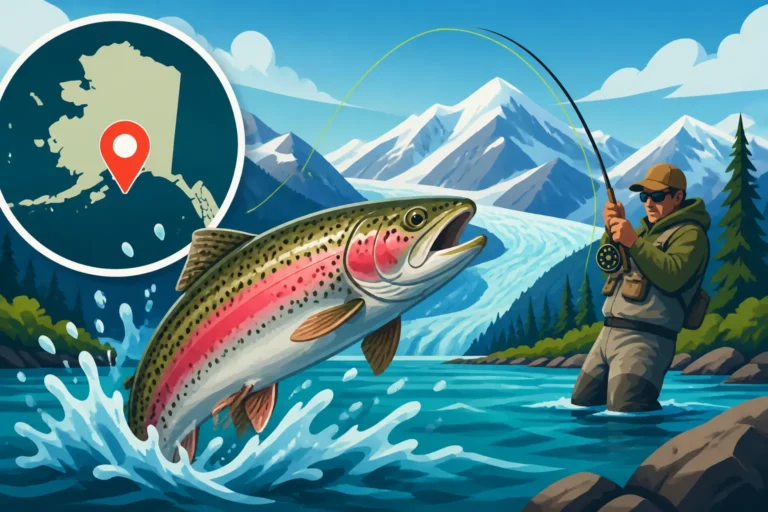
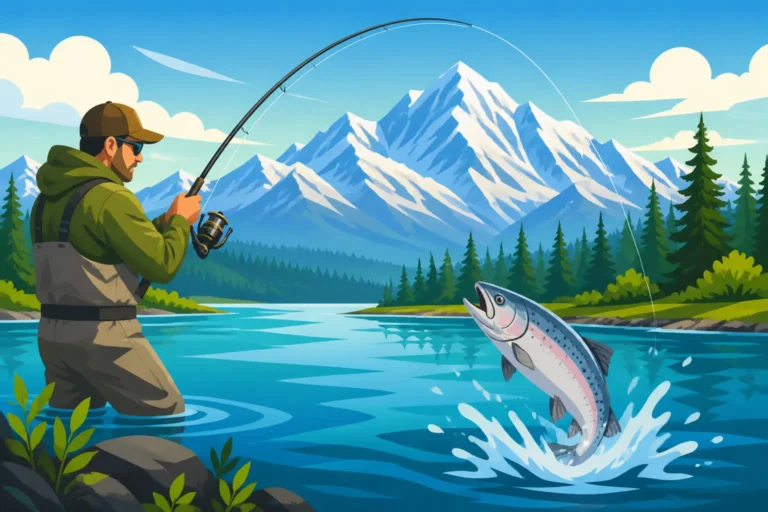
Fishing for Sockeye salmon on Alaska's Kenai River can be an absolutely incredible, but sometimes overwhelming, experience. The sheer numbers of fish are astounding, yet successfully landing one often feels like cracking a secret code, especially when you're surrounded by other eager anglers. This comprehensive guide is here to demystify the Kenai River sockeye fishery, providing you with the knowledge and strategies to maximize your chances of a successful and memorable trip.
Why the Kenai River is the Sockeye Salmon Capital
The Kenai River isn't just a good place for sockeye salmon; it's legendary. Millions upon millions of these vibrant, chrome-bright fish surge into its glacial waters every summer, making it arguably the most productive sockeye salmon river in the world. This isn't just a handful of fish; we're talking about runs that can see tens of thousands, sometimes hundreds of thousands, of sockeye pushing upstream on a single tide. It's truly a spectacle to behold, whether you're standing on the bank at a spot like the Russian River confluence or drifting downriver with a guide. The promise of abundant fish draws anglers from all corners of the globe, hoping to experience the thrill of the Kenai.
The Sheer Volume and the "Second Run Magic"
When we talk about sockeye on the Kenai, we're talking about an ecosystem overflowing with life. Historically, the Kenai River consistently sees some of the largest sockeye runs in the world, with annual returns often exceeding a million fish, sometimes even breaking the two million mark. This incredible abundance is what makes it such a sought-after destination. The peak of this phenomenon is often referred to as the "second run," which typically builds through July. While the first run in June is respectable, the second run is what truly put the Kenai on the map for sockeye salmon.
Imagine standing elbow-to-elbow with fellow anglers at a popular access point like the Russian River Ferry area, the air thick with anticipation, and suddenly, the water comes alive with leaping sockeye. You feel the constant pull of the current against your line, knowing that any slight change could be a fish. It’s an almost primal experience, a true testament to the abundance of Alaska’s fisheries. Many anglers attest to the almost electric atmosphere on the river during this time, where every cast holds the promise of a fight. This incredible volume makes it a prime destination for those looking to fill their freezers with some of the best-tasting salmon Alaska has to offer.
Unique Challenges and the Rewarding Fight
While the Kenai offers unparalleled opportunity, it also presents unique challenges that can frustrate even seasoned anglers. Unlike other salmon species, such as Kings or Silvers, that readily strike lures or bait, sockeye salmon in freshwater are primarily focused on migration and spawning. They stop actively feeding once they enter fresh water. This means you can't just throw out a spinner or a cured egg and expect them to bite like a rainbow trout would. Anglers often face the frustration of seeing countless fish swim by without a single take, making it feel like an impossible puzzle to solve. It requires a specific technique, often called "flossing" or "lining," which we'll delve into shortly. Mastering this technique takes patience, practice, and a keen understanding of current dynamics, which can be a steep learning curve for newcomers.
Beyond the technique, the Kenai River itself offers its own set of hurdles. The water can be swift and powerful, especially during high flows from glacial melt or heavy rains, making line control and presentation critical. The banks can be muddy, slick, and crowded, demanding good footing, durable waders, and situational awareness to avoid tangling lines with your neighbors. But when you finally hook into a chrome-bright Kenai sockeye, all those challenges fade away. These fish are renowned for their powerful, acrobatic fights. They'll peel line off your reel with incredible speed, jump clear out of the water, and pull with surprising strength for their size. Landing one after a hard-fought battle, especially when you've perfected your technique amidst the chaos, is incredibly satisfying, a true testament to your skill and persistence. It's a fight that seasoned anglers come back for year after year, craving the distinctive thrill that only a Kenai sockeye can provide.
Understanding the Kenai Sockeye Salmon Runs
The key to successful Kenai River sockeye fishing lies in understanding the specific timing and characteristics of their annual migrations. The river hosts two distinct runs, each with its own rhythm and challenges. Planning your trip around these runs is critical for maximizing your chances of a memorable fishing experience. Knowing what to expect seasonally can make the difference between a few fish and a full cooler.
First Run vs. Second Run: What to Expect Seasonally
The Kenai River experiences two distinct sockeye salmon runs each summer, and understanding their timing is crucial for planning your trip.
The First Run typically begins in early to mid-June and usually lasts through the end of the month. These fish are often bound for the Russian River, a significant tributary of the Kenai that flows out of Upper Russian Lake. These early sockeye tend to be slightly smaller on average than the later run fish, but they are just as vibrant and eager to migrate. Fishing during the first run can be excellent, especially around the Russian River confluence, where fish stack up before entering the smaller tributary. The crowds might be a bit lighter than the peak of the second run, offering a slightly more relaxed experience, though "relaxed" is a relative term on the Kenai during any salmon run. Anglers during this period are often targeting both sockeye and early King salmon, although King salmon fishing has its own specific set of rules and seasons, and closures are not uncommon. For detailed information on specific limits and dates, checking the Alaska Sockeye Salmon Limits on the Kenai is always a good idea.
The Second Run is the main event, the colossal migration that draws the most attention. It usually starts in early July and continues strong through the first few weeks of August, sometimes even later, depending on the year's specific run strength. This is when the sheer numbers are truly staggering, with daily escapement counts often reaching into the tens of thousands, making the river appear silver with fish. These sockeye are headed for spawning grounds throughout the mainstem Kenai and its many other tributaries beyond the Russian River. The fish are generally larger, incredibly feisty, and often boast that bright, chrome-plated appearance that anglers covet. This is also when the river is at its busiest, with popular spots like those near Soldotna and Sterling seeing significant angler pressure. If you're looking for the quintessential Kenai sockeye experience with maximum fish and a vibrant, albeit crowded, atmosphere, the second run is your target, but be prepared for company and potentially tighter elbow room. A great resource for understanding the general patterns is the Alaska Salmon Run Timing Explained guide, which provides broader context for all species.
Factors Influencing Daily Runs and Forecasts
Predicting the exact peak of a salmon run or the best day to fish can feel like reading tea leaves, but several environmental and biological factors influence when sockeye enter the river and how they move upstream. Staying attuned to these factors can give you an edge.
- Tides: For tidally influenced sections of the lower Kenai, incoming tides often bring fresh pushes of fish from Cook Inlet into the river. As the saltwater tide pushes in, sockeye follow the wedge, congregating at the river mouth and then moving upstream with the current. This makes tide charts an essential tool for bank anglers and guides alike, particularly around areas like the lower Kenai, including the area near Kenai City and past Soldotna. Many experienced anglers will plan their bank fishing trips to coincide with the beginning of an incoming tide, as this is often when the freshest fish are entering the system.
- Water Levels and Temperature: High water levels from heavy rains or glacial melt can make fishing more challenging by spreading the fish out, increasing current speed, and making visibility poor. Conversely, very low, clear water can make fish spooky and less likely to hold in predictable spots. Sockeye prefer cooler water, and a sudden spike in river temperature, especially during a heatwave, can slow their migration or push them into deeper, cooler pockets where they are harder to reach. Optimal water temperatures are usually in the 40s to 50s Fahrenheit.
- Escapement Goals and ADF&G Management: The Alaska Department of Fish and Game (ADF&G) closely monitors sockeye escapement (the number of fish that make it past counting weirs to spawn) to ensure sustainable populations. They set specific escapement goals for different runs. If the numbers are coming in strong and exceeding expectations, ADF&G might increase bag limits or extend fishing hours through an "emergency order." Conversely, if numbers are low, emergency orders might reduce limits or close fisheries to protect the spawning stock. Staying informed about these changes is crucial, as they can happen on short notice. You can usually find this information on the ADF&G website or through local tackle shops and charter operators. Understanding Alaska Fishing Emergency Orders Explained is critical for any angler to avoid unknowingly violating regulations. Many anglers use resources like FishingBooker to book guides who are always up-to-date on the latest regulations, ensuring a legal and productive trip.
Mastering Kenai River Sockeye Fishing Techniques
Successfully catching Kenai River sockeye salmon requires a very specific approach, distinct from how you might fish for other salmon species. Since they aren't feeding in freshwater, the challenge lies in presenting your hook in a way that legally intercepts their migratory path. It's a technique that sparks much discussion but, when executed correctly, can be incredibly effective.
The Art of "Flossing" and Legal Considerations
Forget traditional casting and retrieving with bait or lures; Kenai River sockeye fishing is largely about "flossing" or "lining." Since sockeye don't typically feed in freshwater, the goal is to drift a bare hook or a bead past their mouths so that it snags within the soft tissue. This technique requires precision and a keen understanding of how water currents interact with your gear. It’s a rhythmic, almost meditative process once you get the hang of it, but initially, it can feel counterintuitive.
Here’s the basic premise of how it works:
- Weight: You start with enough weight (often a slinky or pencil lead) attached to your mainline to get your rig to the bottom and keep it drifting naturally with the current. This weight should be heavy enough to maintain contact with the bottom without getting swept away, but not so heavy that it constantly snags on rocks or debris. The amount of weight will vary significantly based on current speed and water depth.
- Leader and Hook: Above the weight, you tie a leader, usually 18-36 inches long, to a small, sharp hook (typically a single, barbless hook, size 2/0 or 3/0). The length of the leader is key; too short, and the hook won't consistently get ahead of the weight; too long, and it's harder to control and less likely to find its mark. A small, brightly colored bead (often red or orange) is sometimes threaded onto the leader just above the hook, which some anglers believe acts as an attractor, mimicking a salmon egg.
- The Drift: You cast upstream and slightly across the current, allowing your weight to sink to the bottom. As your rig drifts downstream, the force of the current pushes your mainline, which in turn pulls the unweighted hook ahead of the weight, putting it in position to drift right into a sockeye's mouth. The goal is a completely natural, drag-free drift that matches the speed of the current. This is where the "flossing" term comes from—the line and hook "floss" through the fish's mouth.
- Setting the Hook: You'll feel a slight pause in your line, a subtle tap, or even just added weight or resistance that doesn't feel like a snag. This is your cue! Immediately sweep your rod downstream and slightly up with a firm, decisive motion to set the hook. If you feel resistance, set it again! Many anglers miss fish by not setting hard or quickly enough. The key is to feel for any irregularity in the drift, no matter how small.
It's crucially important to differentiate between intentional snagging (which is illegal in Alaska) and legal "flossing." With flossing, the intent is for the hook to enter the fish's mouth as it drifts by. If you intentionally try to hook a fish anywhere else on its body, that's illegal snagging, and Alaska Fish and Wildlife Protection Troopers patrol the Kenai extensively for such violations. This distinction is often nuanced and heavily enforced, especially in crowded areas. Always ensure your technique is legal and ethical. For more detailed guidance on this, checking out How to Set the Hook on Alaska Sockeye and Alaska Snagging Regulations Explained is highly recommended. You'll also want to be aware of Alaska Bait Restrictions Explained as bait is generally prohibited for sockeye on the Kenai.
Essential Gear for Kenai Sockeye Success
Having the right gear makes a world of difference when battling the Kenai's powerful currents and its feisty sockeye. Investing in quality equipment can prevent frustration and increase your landing ratio.
- Rod: A medium-heavy to heavy power spinning rod, 8.5 to 10.5 feet long, is generally considered ideal. The extra length helps with casting distance, provides better line control in the current, and offers the leverage needed to fight strong fish effectively. Look for rods specifically designed for salmon or steelhead. Brands like Lamiglas, St. Croix, or G. Loomis often produce excellent rods for this type of fishing.
- Reel: A durable spinning reel (size 4000-5000) with a smooth, strong drag system is absolutely essential. It needs to hold enough line (at least 150-200 yards) of 20-30 lb braided line. You'll want something that can handle repeated battles with powerful fish and the occasional dunk in the river. Shimano, Daiwa, and Penn reels are popular choices known for their reliability.
- Line: Braided mainline (20-30 lb test) is favored by most sockeye anglers for its incredible sensitivity and strength-to-diameter ratio. Its lack of stretch allows you to feel the most subtle takes. A fluorocarbon leader (20-25 lb test) about 2-3 feet long is then tied to the braid with a strong knot (like an FG knot or a double uni knot) to provide invisibility in the water and abrasion resistance against rocks and fish mouths.
- Terminal Tackle:
- Weights: Slinkies or pencil lead are the most common weight choices due to their ability to drift along the bottom with minimal snagging. You'll need an assortment from 1/2 oz to 1.5 oz depending on current speed and water depth.
- Hooks: Size 2/0 or 3/0 single, barbless hooks are mandatory for Kenai River sockeye. Gamakatsu and Owner hooks are consistently sharp and reliable. Having a good supply is crucial, as snags will happen.
- Swivels and Beads: A high-quality barrel swivel helps prevent line twist, especially with braided line. Small colored beads (often red, orange, or chartreuse) are often placed on the leader just above the hook, which some anglers believe draws the fish's attention.
- Waders and Boots: You will spend a lot of time in the water, often standing in fast currents, so good quality chest waders and sturdy wading boots with felt or studded soles for maximum grip on slippery rocks are non-negotiable. Breathable waders from brands like Simms, Orvis, or Redington are popular for comfort and durability.
- Landing Net: A large, sturdy net with a rubberized, tangle-free mesh is critical for landing fish quickly and safely, and for protecting their slime coat if you plan to release any. A long handle is a plus for reaching fish in the current.
- Other Essentials: A good pair of polarized sunglasses to reduce glare and spot fish, a small backpack for essentials, a knife for processing, and a stringer or cooler for your catch.
Packing for an Alaska fishing trip isn't just about rods and reels; it's about being prepared for the elements. You'll want good quality rain gear (jacket and pants) and layers of warm clothing, as Alaska weather can change rapidly. Remember, the Alaska Fishing Gear and Tackle Guide can offer even more specific recommendations for your trip. When considering a guided trip, many operators, including those you can find on platforms like FishingBooker, provide all the necessary high-quality gear.
Reading the Water and Locating Sockeye Holds
Finding sockeye on the Kenai River isn't always about seeing them jump; it's about understanding where they hold as they migrate upstream. Sockeye, unlike aggressive feeders, are primarily trying to conserve energy and avoid predators while moving towards their spawning grounds. This means they'll seek out strategic resting spots in the river.
- Current Seams and Eddies: Look for breaks in the current, where faster water meets slower water. Sockeye will often rest in these current seams or in eddies just out of the main current, especially behind submerged rocks, logs, or points of land. These areas provide a brief respite from the relentless upstream battle, allowing them to gather strength before continuing their journey. Identifying these subtle changes in water flow is a key skill.
- Deep Slots and Channels: Sockeye will often travel in the deepest parts of the river, especially when spooked, when water temperatures are higher, or when they feel vulnerable. If you're fishing from a boat, your fishfinder will be invaluable for locating these deeper channels where fish might be stacked up. From shore, look for darker sections of water, which often indicate greater depth. These deeper lanes offer protection and a more consistent flow.
- Congestion Points: Natural constrictions in the river, like narrows, sharp bends, or areas where tributaries flow in, can concentrate fish. The confluence of the Kenai and Russian Rivers is a classic example of a congestion point where sockeye stack up by the thousands before entering the Russian River. Similarly, areas where the river flows under bridges, like the famous "dipnet bridge" in Kenai, can also concentrate fish due to the funneling effect. These spots often experience the highest angler pressure but can yield incredible results.
- Oxygenated Water: Sockeye, like all salmon, need highly oxygenated water. Areas where the current picks up, over gravel beds, or near rapids (but in their calmer eddies) often have higher oxygen levels and can be prime holding spots.
Observing other successful anglers can also provide valuable clues. If you see someone consistently hooking fish, try to mimic their casting angle, the weight they're using, and their drift path. However, always be mindful of river etiquette and give others space; never crowd another angler. Remember, even the best spots change with water levels, fish movement, and daily conditions, so flexibility and a willingness to explore different areas are key to consistent success. The Best Time to Catch Sockeye Salmon in Alaska often aligns with these concentrated holding patterns.
Navigating Kenai River Regulations and Access
Fishing in Alaska means understanding and adhering to a dynamic set of regulations. The Kenai River is no exception, and being prepared with the correct licenses, knowing the limits, and respecting access rules are just as important as your fishing technique. A little preparation goes a long way in ensuring a legal and enjoyable trip.
Alaska Fishing License and King Salmon Stamp Essentials
Before you even think about casting a line in the Kenai River, securing the proper documentation is paramount. Alaska has strict fishing regulations, and ignorance is no excuse for a violation. Fish and Wildlife Protection Troopers regularly patrol the Kenai, and they will check for valid licenses and adherence to regulations.
- Alaska Sport Fishing License: Every angler aged 18 or older needs a valid Alaska sport fishing license. Non-residents have several options to fit their trip duration, including 1-day, 3-day, 7-day, 14-day, or annual licenses. Residents also have annual options, and specific licenses for disabled veterans or seniors. You can purchase these easily online through the Alaska Department of Fish and Game (ADF&G) website, or at many sporting goods stores, tackle shops, and even some grocery stores across Alaska. It’s always best to acquire your license before you head out to the river, as service can be spotty in remote areas. Don't forget to review the comprehensive Alaska Fishing License: Complete Guide for full details on types and costs, including how much an Alaska Non-Resident Fishing License: Cost and How to Buy will set you back, as this is a common question.
- King Salmon Stamp: While this guide focuses primarily on sockeye, it's worth noting that if you also plan to fish for King salmon, a King Salmon Stamp is required in addition to your regular fishing license. This stamp is necessary for both residents and non-residents, regardless of whether you keep a King salmon or release it. Always double-check if your target species requires additional stamps, as failing to possess one can result in fines, even if you accidentally hook a King while targeting sockeye. You can learn more about Do You Need a King Salmon Stamp in Alaska to avoid any surprises.
Always carry your physical license and any required stamps (or digital proof if allowed and accessible) with you while fishing. A common mistake is to leave it at the hotel or lodge, which can lead to unnecessary hassle.
Understanding Bag, Possession, and Harvest Recording Limits
Alaska's fisheries are carefully managed to ensure sustainability for future generations, which means strict limits on what you can keep. These limits can change frequently based on run strength, so constant vigilance is required.
- Bag Limit: This refers to the number of fish you can harvest in a single day. For Kenai River sockeye, daily bag limits can vary depending on the specific run (first vs. second) and in-season adjustments made by ADF&G. Often, the daily limit is 3 fish per day, but during strong second runs, it can be increased to 6 fish per day. It’s crucial to always check the current Alaska Fishing Limits and Bag Limits Explained and any emergency orders before you go fishing. What was legal yesterday might not be today.
- Possession Limit: This is the total number of fish you can have in your possession at any given time, including fish stored at your lodging, processed fish, or fish being transported. The possession limit is often double the daily bag limit. For example, if the daily bag is 3 sockeye, the possession limit might be 6. This prevents anglers from continuously fishing and accumulating an excessive amount of fish over multiple days without proper processing or transport. Understanding the difference between bag and possession is key to staying legal, especially on multi-day trips.
- Harvest Record Card: For certain species, including King salmon, and sometimes other species depending on the region or special harvest reporting requirements, you are required to immediately record your catch on a physical harvest record card that comes with your license. While sockeye generally don't require immediate recording on the card unless specified by an emergency order, it's still crucial to be aware of what fish do need to be recorded. Read up on the Alaska Harvest Record Card Explained and How to Fill Out an Alaska Harvest Record Card to be fully prepared for any scenario. Properly recording your catch helps ADF&G gather vital data for managing fish populations.
- Emergency Orders: The most critical thing to remember is that regulations can change suddenly due to emergency orders from ADF&G. These orders might close a fishery entirely, change bag limits, alter legal gear (e.g., barbless hooks only, no bait), or modify fishing hours. Always check the ADF&G website or call their local offices for the most up-to-date information before and during your trip. Local tackle shops, charter operators, and guides are also excellent sources for current conditions and emergency order announcements. FishingBooker guides, for instance, are expected to be fully aware of and comply with all current regulations.
Public Access Points and River Etiquette
The Kenai River is immensely popular, and while there's plenty of river, prime public access points can become very crowded, especially during the peak of the sockeye runs. Navigating these crowds gracefully and respecting fellow anglers is part of the Kenai experience.
- Popular Access Points:
- Russian River Ferry/Confluence Area: This is a classic spot for both the first and second sockeye runs. Access requires a short hike from the parking area (check for shuttle options or pay for the ferry ride) across the Kenai to the confluence of the Russian and Kenai Rivers. It’s notorious for "combat fishing" due to the sheer number of anglers, but the rewards can be huge.
- Soldotna City Parks: Various city parks in Soldotna, like Centennial Park, Swiftwater Park, and Rotary Park, offer popular bank access, particularly during the second run. These spots can get incredibly busy, so arrive early if you want to secure a good spot.
- Sterling Highway Bridges: Areas near bridges on the Sterling Highway also offer bank access, but always be mindful of private property signs and respect boundaries.
- Guided Boat Trips: Many anglers opt for guided float or powerboat trips, which allow access to less crowded stretches of the river and provide the invaluable expertise of a local guide. Booking through platforms like FishingBooker can help you find reputable guides operating out of areas like Soldotna or Cooper Landing, offering a more personalized and often more productive experience away from the heaviest crowds.
- River Etiquette: With so many anglers in pursuit of the same fish, good etiquette is paramount to a pleasant experience for everyone.
- Respect Space: Give fellow anglers ample casting room. Don't crowd someone who is already fishing a spot. A general rule of thumb is to give at least one rod's length of space, often more, especially if you're drifting.
- Drift Order: If you're fishing a popular bank run, there's often an informal "drift order" or rotation. Anglers cast and drift, then take a few steps downstream to allow the next person to fish that water. Don't hold a spot indefinitely; move down periodically to allow others a turn.
- Pack It In, Pack It Out: Leave no trace. This includes discarded fishing line, bait containers, food wrappers, and any other trash. Preserving Alaska's pristine environment is everyone's responsibility. Many popular access points have trash receptacles, so use them.
- Boat Traffic: If you're fishing from the bank, be aware of boat traffic, especially drift boats and powerboats passing by. Give them space and try not to cast directly into their path. Likewise, if you're in a boat, be respectful of bank anglers.
- Processing Fish: If you're cleaning your catch on the river, do so responsibly away from primary fishing areas and dispose of carcasses in designated areas or by cutting them up and tossing them into the main current to prevent attracting bears. Learning How to Fillet a Salmon in Alaska properly is a useful skill for any angler.
Taking the time to understand the specific dynamics of fishing on the Kenai River will significantly enhance your experience and your chances of success. Whether you go it alone or opt for a guided trip, the Kenai offers some of the most exciting sockeye fishing anywhere in the world.
Table: Kenai Sockeye Run Comparison
| Feature | First Run (Mid-June) | Second Run (July – Early Aug) |
|---|---|---|
| Peak Timing | Mid-June to late June | Mid-July to early August |
| Primary Destination | Russian River sockeye, early Kenai Kings | Kenai mainstem and its other tributaries |
| Fish Size | Generally slightly smaller (5-8 lbs) | Generally larger, more robust (7-12 lbs) |
| Crowd Levels | Busy, but generally less intense than peak second run | Very high, especially popular bank spots (e.g., Russian River, Soldotna parks) |
| Fishing Method | Primarily "flossing" / lining | Primarily "flossing" / lining |
| Typical Bag Limit | Varies, often 3 per day (check current regulations) | Varies, often 3-6 per day (check current regulations) |
| Primary Challenge | Identifying subtle takes, managing current | Navigating crowds, consistent technique, battling strong fighters |
| Average Daily Escapement | Hundreds to low thousands | Tens of thousands |
Disclaimer
Please remember that fishing regulations in Alaska, especially on dynamic rivers like the Kenai, are subject to change without notice due to emergency orders issued by the Alaska Department of Fish and Game (ADF&G). Always check the latest regulations and emergency orders on the official ADF&G website or at a local field office before heading out on your fishing trip. This guide is for informational purposes only and should not be considered a substitute for official regulatory documents.