Best Places to Catch Trophy Rainbow Trout
Finding those truly massive, unforgettable rainbow trout, the kind that make your heart pound and your reel scream, can feel like searching for a needle in a haystack in a state as vast as Alaska. Many anglers dream of a "trophy" rainbow but aren't sure where to focus their precious time and resources to actually make that dream a reality. This comprehensive guide is here to pinpoint the legendary locations and critical strategies that will significantly boost your chances of landing the Alaskan rainbow trout of a lifetime.
Understanding Alaska's Trophy Rainbow Trout Appeal
Alaska isn't just known for its salmon runs; it's a world-renowned destination for rainbow trout, particularly those exceptionally large specimens that anglers often refer to as "trophies." These fish aren't just big; they're vibrant, powerful, and often found in some of the most stunning wilderness settings imaginable. The allure of a trophy rainbow here goes beyond mere size; it's about the entire experience of pursuing them in their wild, untouched habitats.
What Defines a "Trophy" Rainbow?
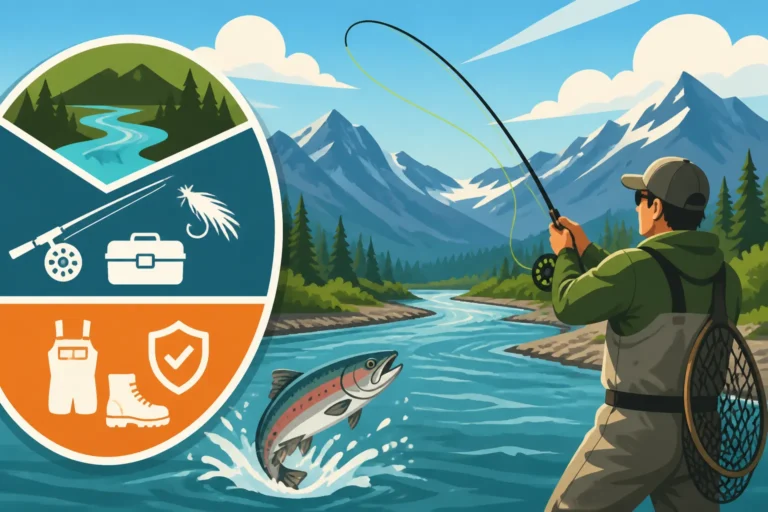
When we talk about a "trophy" rainbow trout in Alaska, we're generally not talking about your average 18-inch stocker. While size can vary by region and individual angler preference, a true Alaskan trophy rainbow typically starts at around 25-26 inches and can easily reach 30 inches or more in length. These fish often boast incredible girth, broad shoulders, and vibrant colors, especially when they're actively feeding and in prime condition. They possess a fighting spirit that's unmatched, often making powerful runs, acrobatic jumps, and deep dives that test both angler skill and tackle. It's not just about the tape measure; it's about the sheer power and beauty of the fish you're holding, often captured in pristine waters far from civilization. These are the fish that dominate photographs and fuel stories for years to come.
Why Alaska is the Ultimate Destination
Alaska's unique ecosystem provides the perfect conditions for rainbow trout to not only survive but thrive and grow to incredible sizes. The abundance of food sources is a primary driver for their growth. From prolific insect hatches in spring and summer to the massive influx of salmon eggs and decaying salmon carcasses during the epic Alaska Salmon Run Timing Explained in late summer and fall, these trout have an all-you-can-eat buffet that allows them to pack on weight rapidly.
Beyond food, the sheer volume of pristine, unpolluted waters – from glacial rivers to remote wilderness lakes – offers vast, healthy habitats with minimal fishing pressure in many areas. Conservation efforts by the Alaska Department of Fish and Game (ADF&G), including catch-and-release regulations in key trophy waters, also play a crucial role in maintaining healthy populations of large, older fish. The long daylight hours of the Alaskan summer further contribute to extended feeding opportunities, accelerating growth rates. This combination of abundant food, vast habitat, and sound management practices makes Alaska truly unparalleled for trophy rainbow trout fishing. If you're passionate about rainbow trout, you owe it to yourself to experience what Alaska has to offer. For a deeper dive into the species, check out our Alaska Rainbow Trout Guide.
Top Rivers for Catching Giant Rainbows
When it comes to legendary rainbow trout fishing, certain Alaskan rivers stand head and shoulders above the rest. These aren't just good fishing spots; they are proven producers of world-class, trophy-sized rainbows, often drawing anglers from around the globe.
The Kenai River System
The Kenai River is arguably the most famous river in Alaska for many reasons, not least of which is its reputation for producing gargantuan rainbow trout. While its King and Sockeye salmon runs get much of the spotlight, the rainbows that feed on the residual salmon eggs and flesh are simply enormous. The middle and upper sections of the Kenai, particularly between Skilak Lake and Kenai Lake, are prime territory. During the late summer and fall, as the salmon finish spawning, the river gravels become littered with millions of salmon eggs, creating an unparalleled feast for opportunistic rainbows.
Anglers often target these sections from drift boats, meticulously fishing bead patterns that imitate salmon eggs. The sheer power of these Kenai rainbows, often exceeding 28 inches and pushing into the double-digit pound range, is something to behold. They are incredibly strong fighters, leveraging the river's swift current to their advantage. While accessible, the Kenai can also be popular, so knowing the key timings and finding experienced guides is crucial. For a comprehensive overview of fishing this iconic waterway, explore our Kenai River Fishing: Complete Guide.
Bristol Bay and Its Tributaries
Southwest Alaska's Bristol Bay region is a vast wilderness area renowned for having the largest sockeye salmon runs on Earth, and where there are sockeye, there are colossal rainbow trout. Rivers like the Naknek, Kvichak, Alagnak, and tributaries flowing into Iliamna Lake are legendary. The Kvichak River, flowing out of Iliamna Lake, is particularly famous for its resident rainbows that grow to immense sizes, many consistently topping 30 inches. These fish are powerful, aggressive, and often caught on flies that mimic salmon eggs, flesh, or even small baitfish.
Access to many of these rivers is typically via remote fly-in lodges, which offer an immersive wilderness experience away from the crowds. The salmon spawn in August and September creates a feeding frenzy for these rainbows, making it the prime time to target them. The remoteness and the abundance of food contribute to healthy, unpressured populations of truly magnificent fish. If you're looking for a more remote and wild adventure, the Bristol Bay region, as detailed in our Bristol Bay Fishing Guide, is a prime choice. For specific insights into one of its jewels, consider our Naknek River Fishing Guide and Alagnak River Fishing Guide.
The Kuskokwim River Drainage
Moving further west into a truly remote part of Alaska, the Kuskokwim River drainage offers an incredible, less-pressured trophy rainbow trout experience. Tributaries of the Kuskokwim, such as the Aniak River, are emerging as world-class destinations for anglers seeking solitude and enormous fish. These rivers are largely fly-in operations, accessed through wilderness lodges or float trips, offering a genuine Alaskan backcountry adventure.
The rainbows in the Kuskokwim system, like their Bristol Bay cousins, benefit from massive salmon runs (including sockeye, chum, and silver salmon), which provide an incredible food source. Because of their remoteness, these fish often see less angling pressure and can be incredibly aggressive. It's not uncommon for anglers to hook into multiple 25-inch-plus rainbows in a single day, with legitimate shots at fish pushing or exceeding 30 inches. The wildness of the landscape and the robust fish populations make the Kuskokwim a bucket-list destination for serious trophy hunters.
Prime Lakes and Remote Waters for Monster Rainbows
While rivers often steal the show for their dynamic fishing action, don't underestimate the potential of Alaska's vast network of lakes and remote waters for harboring truly immense rainbow trout. These stillwater environments, often nestled deep within protected wilderness, can offer unique opportunities for trophy fish that have grown fat and old with consistent food sources and minimal pressure.
Katmai National Park & Preserve Lakes
Katmai National Park & Preserve, famous for its brown bears feeding on salmon at Brooks Falls, is also home to an incredible fishery, particularly in its myriad lakes and connecting rivers. Lakes within the park, or those bordering it, offer some of the most spectacular wilderness fishing experiences imaginable. Many of these waters are only accessible by floatplane, adding to their allure and ensuring reduced angler impact.
The rainbows here are often wild, indigenous strains that have adapted perfectly to their pristine environment. They feed on insects, forage fish, and, critically, the remnants of salmon runs where those species are present. While specific lakes are often kept as closely guarded secrets by guides and local anglers, the sheer potential for hooking a thick, colorful rainbow in a truly wild setting, with bears and other wildlife as your only companions, is a profound experience. The emphasis in Katmai is often on catch-and-release to preserve these incredible resources.
Southwest Alaska's Wilderness Lakes
Beyond Katmai, the broader Southwest Alaska region is dotted with countless lakes, many unnamed and unexplored by all but a handful of adventurers. These remote wilderness lakes, often requiring a bush plane to reach, represent some of the most exciting frontiers for trophy rainbow trout fishing. Here, the fish are often unpressured, making them more aggressive and less wary than those in more accessible waters.
Imagine flying into a secluded lake in the Wood-Tikchik State Park or other vast tracts of untouched wilderness, setting up a camp, and having an entire body of water to yourself. These lakes can hold monster rainbows that have rarely, if ever, seen an artificial fly or lure. Their diet can be varied, from leeches and sculpins to large aquatic insects, leading to exceptional growth. These trips are typically multi-day fly-out affairs from hubs like King Salmon or Dillingham and often involve experienced guides who know the specific hot spots. It’s an adventure for those who truly crave solitude and the challenge of fishing uncharted territory. For guidance on such trips, our Best Fly-In Fishing in Alaska article offers excellent insights.
Essential Strategies for Targeting Trophy Rainbows
Successfully targeting and landing a trophy rainbow trout in Alaska requires more than just being in the right place; it demands specific knowledge about timing, techniques, and logistics. These fish are smart, powerful, and often require a dedicated approach.
Best Seasons and Timing
Timing is everything when it comes to trophy rainbow trout in Alaska. While you can catch rainbows throughout the open water season, two periods stand out for their potential to produce truly large fish:
- Late Spring/Early Summer (Late May to Mid-July): After the long winter, rainbows are hungry and actively feeding on emerging insects, leeches, and smolt. This is a great time to target them before the main salmon runs, often with aggressive nymphing or streamer patterns. The water levels are typically higher, and the fish are strong.
- Late Summer/Fall (August to October): This is arguably the prime time, directly correlating with the major salmon runs. As salmon migrate upstream to spawn, they bring with them an unparalleled food source in the form of eggs and decaying flesh. Rainbows gorge themselves on these protein-rich meals, growing rapidly and becoming incredibly aggressive. Fishing bead patterns that mimic salmon eggs, or flesh flies, can be incredibly productive. This window offers the best chance at truly fat, trophy-sized rainbows. To plan your trip effectively, consult our guide on the Best Time to Fish in Alaska and explore the intricacies of Alaska Fishing Seasons: Month-by-Month Guide.
Recommended Gear and Techniques
Landing a trophy rainbow requires stout gear and the right approach:
- Fly Fishing: This is the most popular and often most effective method.
- Rods: A 6-8 weight fly rod (9-10 feet long) is ideal. The heavier rod provides the backbone needed to cast larger flies and effectively fight big fish in strong currents.
- Reels: A reliable reel with a smooth, strong drag and plenty of backing is essential.
- Lines: Weight-forward floating lines are standard, often paired with sinking tips for streamer fishing.
- Leaders/Tippet: Fluorocarbon leaders in 0X-3X (10-15 lb test) are common, especially when using bead rigs, for their abrasion resistance and stealth.
- Flies:
- Bead Patterns: These are critical during salmon spawning. Mimic the size and color of natural salmon eggs (e.g., Mottled Roe, Glo Bugs in various orange and pink shades). Learn more about How to Fish Beads for Alaska Trout.
- Flesh Flies: Imitate decaying salmon flesh, particularly effective in late fall.
- Streamers: Large, articulated streamers in olive, black, or white can imitate smolt, sculpins, or leeches. Patterns like the Dali Llama, Sculpzilla, or articulated leeches are productive.
- Nymphs/Dries: While less common for trophy hunting in the fall, larger stonefly nymphs or attractor dry flies can work in spring and early summer.
- For a comprehensive look at what to pack, see our Alaska Fishing Gear and Tackle Guide and How to Fly Fish in Alaska.
- Spin Fishing: While less traditional for trophy trout in some areas, spin fishing can be very effective, especially for those less experienced with a fly rod.
- Rods: Medium-heavy spinning rods (7-8 feet) with a fast action.
- Reels: Quality spinning reels spooled with 15-20 lb braided line, often with a fluorocarbon leader.
- Lures: Heavier spoons (e.g., Pixie, Lil' Cleo, Gibbs Koho), spinners (e.g., Mepps, Rooster Tail), or even soft plastics rigged to imitate salmon eggs or flesh can be deadly. Drift fishing with cured salmon roe (where legal) can also be highly effective.
Navigating Access and Guides
Many of the prime trophy rainbow trout waters are remote and require specialized knowledge and equipment to access. This is where guides and charter services become invaluable.
- Guided Trips: For remote river systems like those in Bristol Bay or the Kuskokwim drainage, booking a guided trip with an experienced outfitter is highly recommended. These guides not only know the prime fishing spots but also provide transportation (often bush planes or jet boats), specialized gear, and invaluable local expertise. They understand river conditions, fish behavior, and, crucially, bear safety protocols. Many lodges in these regions offer multi-day, all-inclusive packages that focus specifically on trophy rainbow trout.
- Booking Services: Websites like FishingBooker can be an excellent resource for finding reputable guides and charters for various Alaskan destinations. You can search for specific regions, read reviews from other anglers, and compare available trips. Whether you're looking for a float trip on a remote tributary or a day trip on a more accessible river like the Kenai, platforms like FishingBooker connect you with local experts who can tailor an experience to your trophy rainbow ambitions. Don't be afraid to ask detailed questions about their experience targeting large rainbows, their specific techniques, and what to expect.
- DIY vs. Guided: While some accessible areas allow for do-it-yourself fishing, the truly remote trophy rainbow waters often necessitate professional guidance for safety, access, and maximizing your chances of success. For a detailed comparison, check out our Alaska Fishing Charters: Complete Guide and How to Choose an Alaska Fishing Charter.
No matter how you choose to access these incredible fisheries, thorough preparation and respect for the Alaskan wilderness are paramount.
Trophy Rainbow Trout Destinations Comparison
To help you visualize the different options, here's a quick comparison of some of Alaska's premier trophy rainbow trout destinations.
| Destination | Peak Season | Primary Access | Key Fishing Technique(s) | Typical Trophy Size (Inches) | Vibe / Experience |
|---|---|---|---|---|---|
| Kenai River (Middle/Upper) | Aug – Oct | Roadside, Drift Boat | Fly (beads, flesh), Spin | 25-30+ | Accessible, popular, powerful river fish |
| Kvichak River (Bristol Bay) | Aug – Oct | Fly-in Lodge | Fly (beads, streamers) | 28-30+ | Remote, wild, sockeye-fueled monsters |
| Aniak River (Kuskokwim) | Aug – Sep | Fly-in Lodge, Float Trip | Fly (beads, streamers) | 25-29+ | Very remote, less pressure, aggressive fish |
| Katmai Park Lakes | July – Sep | Floatplane | Fly (streamers, nymphs) | 24-28+ | Pristine wilderness, solitude, catch & release focus |
| SW Alaska Wilderness Lakes | June – Sep | Fly-in Bush Plane | Fly (streamers, dries) | 24-29+ | True solitude, unpressured fish, multi-day adventure |
Catching a trophy rainbow trout in Alaska is an experience that transcends mere fishing; it's an adventure into one of the last true wild frontiers. With the right knowledge, preparation, and perhaps the expertise of a seasoned guide found through resources like FishingBooker, your dream of hooking one of these magnificent fish can absolutely become a reality. Prepare yourself for breathtaking scenery, powerful fights, and memories that will last a lifetime.
Disclaimer
Please remember that fishing regulations in Alaska can change frequently due to emergency orders and conservation efforts. Always consult the most current Alaska Department of Fish and Game (ADF&G) regulations booklet or website before heading out on your fishing trip. Ensure you have the proper licenses and stamps, and adhere to all bag limits and catch-and-release requirements.