Alaska Non-Resident Fishing License: Cost and How to Buy
Heading to Alaska for a fishing trip is an incredible dream for many, but the excitement can quickly turn to confusion when you start navigating the licensing requirements, especially as a non-resident. It feels like there’s a whole secret language of permits, stamps, and regulations to decipher just to wet a line. This comprehensive guide is here to untangle the complexities, clearly laying out the costs and step-by-step process for non-residents to secure their Alaska fishing license and get you ready for those legendary waters.
Understanding Non-Resident Alaska Fishing License Costs
One of the first things that can cause a bit of a head-scratch for folks coming from out of state is trying to figure out exactly how much an Alaska fishing license will set them back. It's not a one-size-fits-all price tag; the cost for a non-resident fishing license in Alaska depends primarily on two factors: the duration of your trip and whether you plan to target King Salmon. Alaska prides itself on its world-class fisheries, and the fees collected from licenses play a crucial role in funding conservation efforts and managing these precious resources.
License Duration Options and Their Pricing
Unlike some states that might offer just annual or short-term licenses, Alaska provides a range of options tailored to different trip lengths, which is super helpful for visitors. You could be coming for a quick weekend getaway or an extended multi-week adventure, and there's a license structured to fit your needs. Knowing these options upfront can save you money and ensure you're covered for your entire stay.
For example, a short-term license is perfect if you're only planning to be in the state for a few days, perhaps as part of a cruise excursion or a focused trip to a specific river like the Kenai. However, if your Alaskan adventure stretches out over a couple of weeks, you'll find that purchasing a longer-duration license often becomes more economical than stacking several short-term ones. It’s always a good idea to map out your fishing days before you buy to make sure you get the most bang for your buck. These prices are generally stable, but it's always wise to check the Alaska Department of Fish and Game (ADF&G) website for the most current figures before your trip. You can find detailed information on the costs and types of licenses in our guide, Alaska Fishing License Cost and Types.
The Essential King Salmon Stamp
Ah, the King Salmon stamp – this is where many non-residents get tripped up. If you're coming to Alaska, chances are a big, powerful King Salmon is on your bucket list. These magnificent fish are truly a prize, and the state has specific regulations and additional fees to manage their populations. A King Salmon stamp is a mandatory purchase for any non-resident (and residents, in some cases) who wishes to fish for or retain King Salmon, regardless of the duration of their primary fishing license.
This isn't just a suggestion; it's a hard rule. Even if you're fishing with a guide on the Kenai River and just happen to hook a King, you must have that stamp if you intend to keep it. The cost of a King Salmon stamp also varies by duration, mirroring the main license options (1-day, 3-day, annual, etc.). It’s crucial to match the duration of your King Salmon stamp with your regular fishing license. Don't buy a 7-day fishing license and a 1-day King stamp if you plan to target Kings throughout your week-long stay. Getting this wrong could lead to fines, and nobody wants that on their Alaskan vacation. Our detailed guide, Do You Need a King Salmon Stamp in Alaska, offers even more clarity on this.
Non-Resident Fishing License Cost Table
To give you a clearer picture, here's a general breakdown of non-resident fishing license and King Salmon stamp costs. Keep in mind these are approximate and subject to change, so always verify with the official ADF&G site.
| License Type | Estimated Cost (Primary) | Estimated Cost (King Salmon Stamp) | Total (Primary + King Stamp) | Notes |
|---|---|---|---|---|
| 1-Day Non-Resident Fishing | ~$15 | ~$15 | ~$30 | Great for short excursions, cruise stops, or a single day on a charter. |
| 3-Day Non-Resident Fishing | ~$30 | ~$30 | ~$60 | Ideal for weekend trips or a few targeted fishing days. |
| 7-Day Non-Resident Fishing | ~$50 | ~$50 | ~$100 | Popular for week-long fishing vacations. |
| 14-Day Non-Resident Fishing | ~$80 | ~$80 | ~$160 | Good for extended trips combining different fishing areas or species. |
| Annual Non-Resident Fishing | ~$145 | ~$100 | ~$245 | Best value if you plan multiple trips to Alaska in a calendar year or an extended stay. |
Note: These prices are estimates. Always check the official Alaska Department of Fish and Game (ADF&G) website for the most current pricing and options before purchasing.
How to Purchase Your Alaska Non-Resident Fishing License
Once you've wrapped your head around the costs and decided on the duration you need, the next step is actually acquiring that golden ticket to Alaska's waters. Thankfully, the process is pretty straightforward, with convenient options available for every traveler. No matter if you're a meticulous planner or a spontaneous adventurer, you can get your license with minimal fuss.
Buying Your License Online
For most people, especially non-residents planning their trip well in advance, buying your Alaska fishing license online is by far the easiest and most recommended method. It offers convenience, allows you to take your time to read all the options, and you can print it right from home. This eliminates any last-minute stress when you arrive in the state.
To purchase online, you'll head over to the official Alaska Department of Fish and Game (ADF&G) website. The process usually involves creating a profile or logging in if you've purchased licenses before. You'll need to provide some basic personal information like your name, address, date of birth, and driver's license number. After selecting the type and duration of your fishing license (and don't forget that King Salmon stamp if you need one!), you'll proceed to payment. Once the transaction is complete, you'll typically receive an email confirmation with a link to print your license. Make sure you print it out and carry it with you while fishing, as a digital copy on your phone usually isn't sufficient for official inspection. You can learn more about this process in our guide, How to Get an Alaska Fishing License Online.
Purchasing In-Person at Vendor Locations
If you prefer the old-school approach, or perhaps you made a last-minute decision to extend your trip and need another license, you can always purchase a non-resident fishing license in person. Alaska has a widespread network of license vendors, which are often local sporting goods stores, tackle shops, general stores, and sometimes even grocery stores in fishing towns.
When you're driving through towns like Soldotna, Homer, or Seward, you'll notice many businesses proudly displaying "Alaska Fishing Licenses Sold Here" signs. This is a great option if you have questions or want to chat with a local expert about current conditions. Just walk in, ask for the license you need, fill out the necessary paperwork (which is essentially the same information you'd provide online), and pay. They'll print it out for you on the spot. It's a convenient backup, but do be aware that in very remote areas, vendors might be sparse, so planning ahead is still best. Many small-town mom-and-pop shops are incredibly helpful if you run into any questions.
What to Have Ready for Purchase
Whether you buy online or in person, having your information handy will make the process much smoother. You'll typically need:
- Valid Photo ID: A driver's license or state ID is usually sufficient. Non-US residents might need their passport.
- Proof of Residency (N/A for non-residents): This is for residents, but it's important to differentiate. As a non-resident, you simply declare your out-of-state status.
- Payment Method: Credit card for online purchases; credit card or cash for in-person.
- Desired License Type and Duration: Have a clear idea of how long you'll be fishing and if you need a King Salmon stamp.
It’s always a good idea to double-check the ADF&G website for any new or updated requirements before your trip, just to be on the safe side.
Beyond the License: Essential Non-Resident Considerations
Getting your license squared away is a huge first step, but for non-residents, there are a few other critical pieces of the puzzle that often get overlooked. Alaska's fishing ecosystem is robustly managed, and understanding these additional regulations can make the difference between a fantastic trip and an unfortunate run-in with a game warden.
The Alaska Harvest Record Card
This is another big one, especially if you plan to keep certain species of fish. The Alaska Harvest Record Card is a physical card that comes with your fishing license (or is part of the printed license if you buy online). It's where you must record specific fish you catch and retain, particularly King Salmon, Steelhead, and sometimes certain species in specific areas.
The regulations are very clear: you need to record the fish immediately after you catch it, before you leave the fishing site. This means having a pen or pencil readily available. Forgetting to record a King Salmon, even if you have the proper stamp, can result in a violation. This system helps the ADF&G monitor harvest levels and ensure sustainable fishing for future generations. Don't be that angler who forgets their pen! We have a dedicated guide, Alaska Harvest Record Card Explained, that dives deep into what you need to know.
Understanding Daily and Annual Bag Limits
For non-residents, the daily and annual bag limits can sometimes differ from those for residents, and they are absolutely crucial to understand. Alaska has some of the most generous fishing opportunities in the world, but they are carefully managed to prevent overharvesting. Bag limits define how many fish of a certain species you can keep per day and, for some species like King Salmon, how many you can keep in a calendar year, especially for non-residents.
These limits can also change based on the specific body of water you're fishing and even mid-season via emergency orders if fish runs are weaker or stronger than anticipated. For example, the Kenai River might have different Sockeye Salmon limits than the Kasilof, and those limits can fluctuate. Always, always check the current year's Alaska Fishing Regulations Explained booklet and any active emergency orders before you head out. Websites like ADF&G and even specific local fishing forums are great resources for real-time updates. You wouldn't want to accidentally keep an extra fish and face a hefty fine. Our article on Alaska Fishing Limits and Bag Limits Explained will give you a solid foundation.
Respecting Emergency Orders
Emergency Orders (EOs) are a fact of life for fishing in Alaska, especially during the prime summer months. These are immediate changes to fishing regulations, often enacted with little notice, due to fluctuating fish populations, environmental conditions, or conservation needs. For instance, a King Salmon fishery might be closed entirely, or the bag limit might be reduced from two Kings to one, sometimes with only 24-48 hours' notice.
As a non-resident, it’s your responsibility to be aware of these changes. Charter captains and fishing guides are usually excellent sources of up-to-date information, but you should also make it a habit to check the ADF&G emergency order page regularly, especially in the days leading up to and during your trip. Many anglers bookmark the page or even follow local news outlets. It can be frustrating when a planned trip for King Salmon suddenly shifts to Sockeye or Rainbow Trout, but it’s part of fishing in a dynamic, wild environment. Understanding Alaska Fishing Emergency Orders Explained is key to a successful and compliant trip.
Gear and Clothing for Your Alaska Trip
While not directly related to license purchasing, having the right gear and clothing is paramount for a non-resident to enjoy their Alaska fishing trip. The weather in Alaska can be famously unpredictable – you can experience all four seasons in a single day! Being unprepared will quickly lead to discomfort and can even cut your fishing time short.
Think layers, and think waterproof. A good quality rain jacket and rain pants are non-negotiable. Even if the forecast looks clear, a sudden shower can blow in. Brands like Grundéns or Simms are popular among serious anglers for their durability. Warm layers underneath, even in summer, are essential for cold mornings on the boat or chilly river banks. Waterproof boots or waders are also a must. You can often find excellent deals on essential gear like durable waterproof jackets or sturdy fishing boots on platforms like Amazon before your trip, allowing you to arrive fully prepared. Your local tackle shop is also a fantastic resource for advice on what to bring, and many will even rent waders and boots. This little bit of foresight makes a huge difference in your overall experience.
Navigating Specific Non-Resident Scenarios
Alaska’s vastness means fishing experiences can vary wildly from region to region, and certain scenarios bring their own unique considerations for non-residents. Knowing how these situations might affect your license and regulatory needs can help you plan an even smoother trip.
Fishing with a Guided Charter
Many non-residents opt for guided fishing charters, especially for saltwater species like Halibut and Lingcod out of towns like Homer or Seward, or for specific salmon runs on the Kenai River. One common misconception is that if you're on a charter, the guide "handles" your license. This is absolutely false. You, as the individual angler, are always responsible for purchasing and possessing your own valid Alaska fishing license and any necessary stamps.
While your guide will ensure you're aware of current regulations, bag limits, and emergency orders, they cannot fish for you, nor can they magically provide you with a license. They'll expect you to show up with your license in hand. Some charter operators might have licenses available for purchase on board, but it's not a guarantee, and it's best not to rely on it. Always buy yours beforehand. Our article Do Charters Include Alaska Fishing Licenses delves into this in more detail.
Youth and Senior Non-Resident Licenses
It's natural to wonder if younger anglers or seasoned seniors have different licensing requirements. For youth, generally, children under the age of 16 do not need a fishing license in Alaska, regardless of residency. This is fantastic news for family trips, as it makes it easier and more affordable to introduce kids to the joys of Alaskan fishing. However, if a youth plans to fish for King Salmon, they do still need a King Salmon stamp, even if they don't need the primary license. This is a critical distinction many miss.
For seniors, non-residents aged 60 and older still require a valid non-resident fishing license and any necessary stamps. Alaska offers special discounts or exemptions for resident seniors, but these benefits typically do not extend to non-residents. So, if you're coming from out of state and are over 60, plan on purchasing the standard non-resident license. Always double-check age requirements on the ADF&G website for any potential updates. You can also review Alaska Fishing License Age Requirements for general guidelines.
Personal Use and Subsistence Fisheries
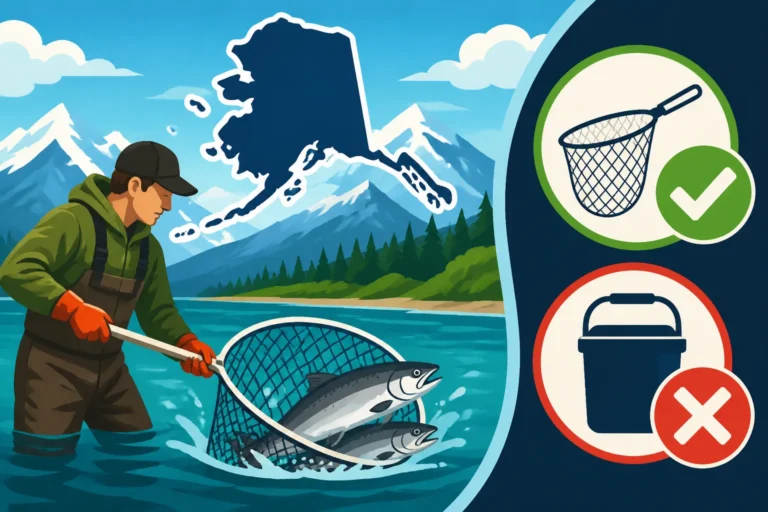
This is an area where non-residents absolutely need to be careful. Alaska has robust "Personal Use" and "Subsistence" fisheries, particularly for species like Sockeye Salmon in areas like the Kenai and Copper Rivers. These fisheries allow residents to harvest large quantities of fish, often using methods like dipnetting, to feed their families.
Non-residents are generally not eligible to participate in personal use or subsistence fisheries. These are reserved for Alaskan residents, often with very specific residency requirements. Attempting to fish in these areas or participate in these harvests as a non-resident, even with a sport fishing license, is a serious violation and can lead to significant fines and penalties. If you see people dipnetting on the Kenai River and are curious, it's almost certainly a resident-only fishery. Stick to sport fishing regulations for your license type. Our post on Alaska Personal Use Fishing Explained gives a comprehensive overview of these unique fisheries.
Final Thoughts on Your Alaska Non-Resident Fishing License
Getting your Alaska non-resident fishing license and understanding the accompanying regulations might seem like a lot of homework upfront, but trust me, it’s a small price to pay for the incredible experiences that await you. There's nothing quite like the raw beauty and exhilarating fishing that Alaska offers. By taking the time to understand the costs, purchasing options, and essential regulations, you're not just complying with the law; you're actively contributing to the conservation of these magnificent fisheries for everyone, including future generations of anglers.
Remember, the Alaska Department of Fish and Game website is your best friend for the most current and authoritative information. Don't hesitate to reach out to reputable charter operators or local tackle shops if you have specific questions about a region you plan to visit. With your license in hand and a good understanding of the rules, you'll be well on your way to creating unforgettable fishing memories in the Last Frontier. Now go get that license, and get ready for some truly epic fishing!
Disclaimer
Please remember that fishing regulations, license costs, and requirements can change. Always consult the official Alaska Department of Fish and Game (ADF&G) website and the current year's regulation booklet for the most up-to-date and accurate information before planning and embarking on your fishing trip. This guide is for informational purposes only and should not be considered a substitute for official sources.