Best Rivers for Sockeye Salmon in Alaska
Trying to figure out where to chase Sockeye salmon in Alaska can feel like a daunting task, especially with so many rivers boasting impressive runs. You hear whispers of legendary numbers, but pinpointing the exact spots, understanding the nuances of each fishery, and knowing when to go can be incredibly frustrating for even seasoned anglers. This comprehensive guide is designed to cut through the confusion, helping you identify the best rivers for Sockeye salmon in Alaska, understand their unique characteristics, and plan an unforgettable fishing adventure.
Understanding Sockeye Salmon Runs in Alaska
Sockeye salmon, also affectionately known as "reds" due to their brilliant scarlet spawning colors, are a cornerstone of Alaska's fishing culture and economy. Their annual return from the ocean to freshwater spawning grounds creates some of the most spectacular and accessible fishing opportunities in the state. But unlike some other salmon species, Sockeye can be a bit trickier to catch if you don't understand their specific behaviors and the unique characteristics of their runs.
The Annual Sockeye Migration Cycle
The life cycle of an Alaskan Sockeye salmon is truly a marvel of nature. They hatch in freshwater lakes or stream systems connected to lakes, where they spend one to three years growing before migrating to the ocean. Once in the vast North Pacific, they feed and mature for another two to three years, sometimes even four, before undertaking the arduous journey back to the exact freshwater system where they were born. This incredible homing instinct is what drives the massive, predictable runs that draw anglers from all over the world. When these fish enter the rivers, they're no longer feeding; their focus is solely on reaching their spawning grounds, which dictates the specialized fishing techniques required to catch them.
Understanding the specific timing of these migrations is paramount. Each river system has its own unique run timing, influenced by water temperature, snowmelt, and the specific genetic makeup of its Sockeye population. Generally, you'll see the earliest runs in late May and early June, peaking in mid-July through early August for the larger runs. Knowing these patterns, often referred to as Alaska Sockeye Salmon Run Timing, is your first step to success. Don't just show up; do your homework or consult local experts.
Key Factors Influencing Run Timing and Size
Several factors play a significant role in determining the strength and timing of Sockeye salmon runs each year. Environmental conditions are a huge one. For instance, cold spring temperatures can delay runs, while warmer waters can sometimes accelerate them. The amount of rainfall and snowmelt also affects water levels and clarity, which in turn can influence when fish decide to push into river systems. Biologists at the Alaska Department of Fish and Game (ADF&G) monitor these conditions closely, along with ocean survival rates, to provide annual forecasts that are invaluable for anglers planning their trips.
Beyond environmental factors, ocean conditions during the Sockeye's feeding years greatly impact their overall size and abundance. Plentiful food and favorable temperatures in the ocean mean more robust, larger fish returning. Conversely, poor ocean conditions can lead to smaller runs and smaller fish. These natural fluctuations are why one year might be an absolute banner year for Sockeye, and the next might be a bit more subdued. It's the wild, unpredictable beauty of Alaska fishing, but staying informed through resources like the ADF&G website or reputable local guide services can help you manage expectations.
Identifying Sockeye Salmon
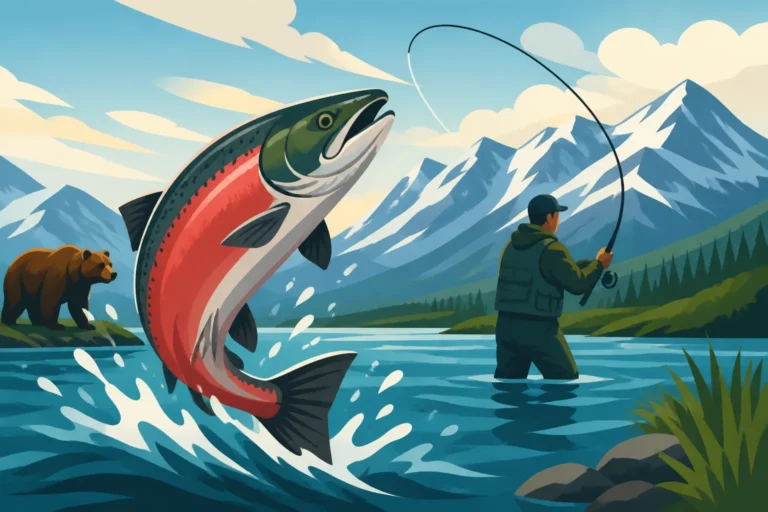
Before you start casting, it’s really helpful to know what a Sockeye looks like, especially when they first enter freshwater. When they're fresh from the ocean, Sockeye are typically bright silver with a distinct iridescent blue-green back. They have relatively small, fine scales and usually lack the prominent spots found on King or Coho salmon. Their eyes are also notably larger in proportion to their head compared to other salmon species. This "chrome bright" appearance is what most anglers are after – these are the best eating fish.
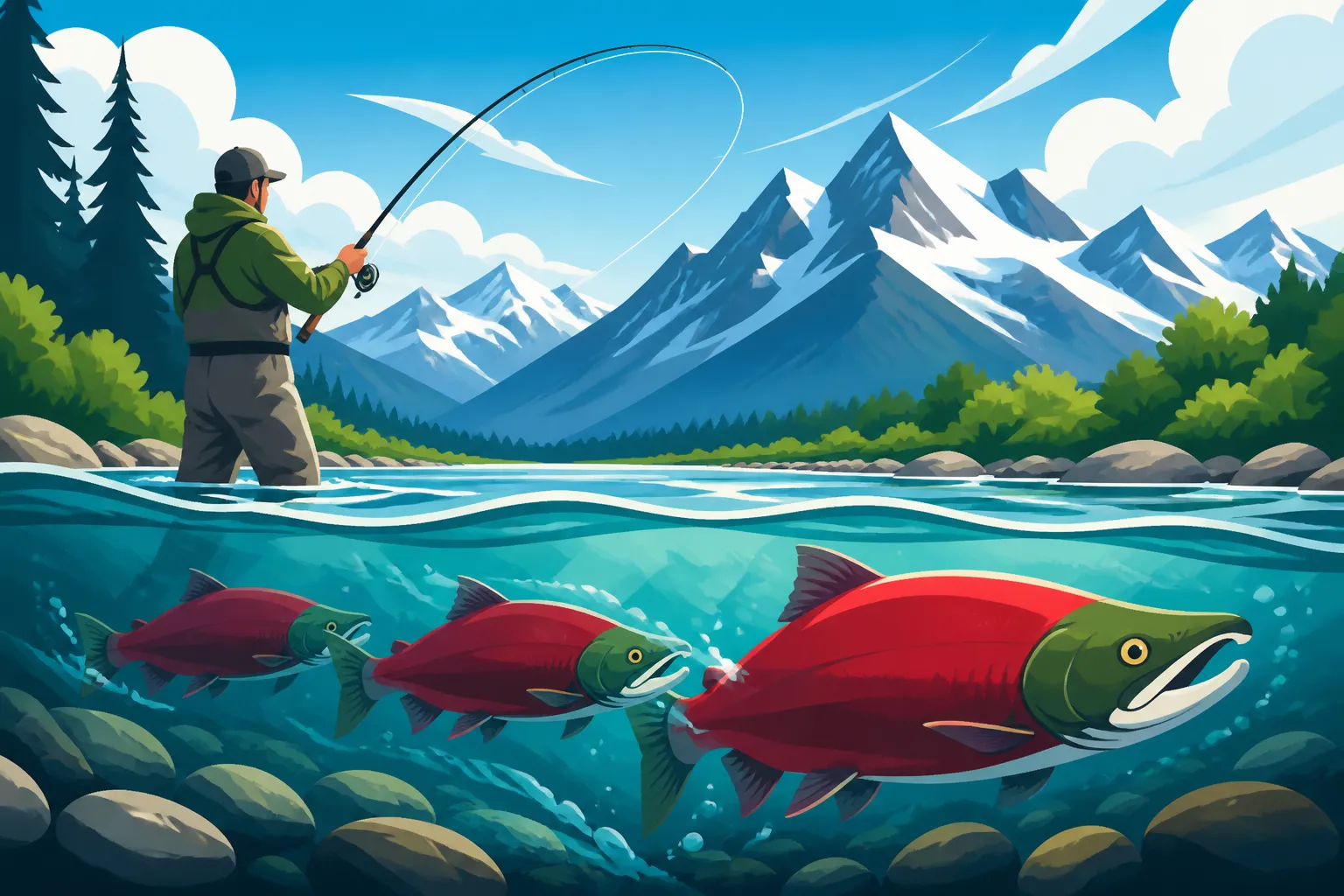
As they progress further upstream and get closer to spawning, their bodies undergo a dramatic transformation. Their silver turns to a striking, deep red, and their heads become a greenish hue. Males develop a pronounced hump on their back and their jaws become elongated and hooked (kype). While still catchable, these colored-up fish are usually past their prime for table fare and are often focused entirely on spawning. Knowing How to Identify Alaska Salmon Species will not only help you target Sockeye but also ensure you're complying with specific regulations that can vary by species.
The Kenai River: The Sockeye Salmon Mecca
When you talk about Sockeye salmon in Alaska, the Kenai River almost always comes up first. This legendary glacial river, originating from Kenai Lake and flowing into Cook Inlet, is arguably the most famous Sockeye fishery in the world. Its sheer volume of returning Sockeye each year is astounding, drawing tens of thousands of anglers who eagerly participate in the unique "combat fishing" experience, especially during the peak of the second run.
First Run Sockeye on the Kenai
The Kenai River experiences two distinct Sockeye runs. The first run typically begins in late May and continues through late June. These early Sockeye are primarily headed for the Russian River and its tributaries, as well as a few smaller systems within the Kenai's vast watershed. While the numbers aren't as astronomical as the second run, fishing for first-run Sockeye can be incredibly rewarding. The crowds are generally smaller, and the fish are often aggressive, fresh, and bright.
Popular spots for the first run include the confluence of the Russian River and the Kenai, especially around the ferry crossing area near Cooper Landing. Anglers often wade or fish from the bank, using specialized techniques like "flossing" to intercept these fish as they push upstream. While you might not fill a cooler in an hour like during the second run, the quality of the experience, often surrounded by stunning Kenai Peninsula scenery, is unparalleled. Be sure to check Russian River Fishing: What to Know Before You Go for specific access and regulations for this area.
Second Run Sockeye Madness
The second run of Kenai River Sockeye is what truly earns its "Mecca" status. Starting around mid-July and often extending well into August, millions of Sockeye flood into the Kenai, destined for Kenai Lake and its tributaries. This is when the river, particularly around Soldotna, transforms into a vibrant, sometimes chaotic, fishing scene. The sheer abundance of fish is breathtaking, with reds literally finning and jumping all around you.
This is the quintessential Alaska "combat fishing" experience. Anglers stand shoulder-to-shoulder, casting and reeling, sometimes bumping elbows, all in pursuit of their daily limit. The most popular spots include Centennial Park, Soldotna City Dock, and various public access points along the Kenai River's middle section. While the crowds can be intense, the reward of quickly catching limits of delicious, chrome-bright Sockeye makes it worth it for many. It's an experience unlike any other, and for many, it's the very reason they plan their Kenai River Fishing: Complete Guide trip.
Fishing Techniques and Access Points
Successfully catching Kenai Sockeye requires specific techniques, as they are not actively feeding once they enter the river. The most common and effective method is "flossing" or "lining." This involves using a heavy leader, a small hook tied to the end, and a weighted sinker (often a slinky weight) positioned several inches above the hook. The idea is to cast upstream, let the current carry your line and gear downstream, and allow the leader to drift horizontally into the Sockeye's open mouth. When you feel a slight tug, it's often the line making contact with the fish, and a quick set of the hook can result in a mouth-hooked fish.
Access to the Kenai River is extensive, with numerous public parks, boat launches, and designated fishing areas. On the upper river, near Cooper Landing and the Russian River confluence, bank access and wading are common. Further downstream, around Soldotna and Sterling, many popular public access points like Swiftwater Park and Bings Landing offer ample bank fishing opportunities. For those looking to escape the heaviest crowds or fish less accessible areas, hiring a local guide is often the best option, as they have permitted access to private lands or can navigate the river with drift boats or powerboats. Many anglers use services like FishingBooker to find experienced local guides. Remember to check local regulations carefully, as bait is often restricted, and specific gear rules apply to Sockeye fishing on the Kenai.
Southcentral Alaska's Sockeye Hotspots
While the Kenai River gets most of the limelight, Southcentral Alaska offers several other fantastic Sockeye salmon fisheries that provide excellent opportunities, often with different fishing experiences and fewer crowds. These rivers, while perhaps not reaching the sheer numbers of the Kenai, consistently produce strong Sockeye runs that are highly sought after by local and visiting anglers alike.
The Kasilof River's Unique Sockeye Opportunity
Just south of the Kenai, the Kasilof River presents another outstanding Sockeye fishery, often serving as a great alternative or a complementary trip for those visiting the Kenai Peninsula. The Kasilof is a glacially fed river, similar to the Kenai, but it generally maintains a slightly clearer water clarity in many sections, which can make for a different fishing experience. It also typically sees strong returns of both King and Sockeye salmon, sometimes peaking a bit earlier than the Kenai's main runs.
The Kasilof's Sockeye runs are robust, with fish often arriving in June and continuing through July. Like the Kenai, "flossing" is the primary technique here, especially in the lower and middle sections of the river. One notable difference is the greater prevalence of drift boat fishing on the Kasilof, as its gravel bars and braided channels lend themselves well to this method. Public access points are available, though less numerous than on the Kenai. Check out Kasilof River Fishing: What to Know Before You Go for detailed access points and regulations. Many anglers find the Kasilof a bit more relaxed than the Kenai during peak Sockeye season.
Russian River: Famous for Combat Fishing
Nestled within the Kenai National Wildlife Refuge, the Russian River is a tributary of the Kenai River and is world-renowned for its phenomenal Sockeye fishing, particularly during the first run. While technically part of the Kenai system, its distinct character and regulations warrant a separate mention. The Russian River is much smaller and clearer than the main Kenai, making the Sockeye incredibly visible as they hold in its pristine waters.
Fishing the Russian River is a truly unique experience. It's famous for its "combat fishing" status, much like certain sections of the Kenai, where anglers line the banks, especially around the falls and ferry crossing. This isn't for the faint of heart – expect elbow-to-elbow conditions during peak times, but also incredible Sockeye action. Anglers typically wade into the river, casting small flies or unbaited hooks to "floss" the Sockeye. Due to its status within the refuge and the high concentration of both anglers and bears, strict regulations apply regarding bait, tackle, and even fish cleaning. Be aware of Alaska Bait Restrictions Explained and always carry bear spray and know how to use it safely.
Susitna and Deshka River Challenges
Moving further north into the Mat-Su Valley, the Susitna River drainage offers additional Sockeye opportunities, though often more challenging and spread out than those on the Kenai Peninsula. Rivers like the Deshka River, a tributary of the Susitna, receive respectable Sockeye runs, particularly in June and July. These fisheries often cater to anglers seeking a more remote or less crowded experience, requiring a boat to access the best spots.
Fishing these rivers often involves jet boats or airboats to reach productive gravel bars and confluence areas. While not as concentrated as the Kenai or Russian, the Sockeye here are often aggressive and can provide excellent sport. The Deshka River, for instance, has a popular King and Sockeye run, and anglers often target both species. Because these areas are less developed, a greater degree of self-sufficiency and planning is required. Booking a local guide, often found through platforms like FishingBooker, who knows the intricate waterways of the Susitna system, can make all the difference in finding these less-pressured Sockeye.
Southwest Alaska: Bristol Bay's Bountiful Sockeye Fisheries
Bristol Bay, located in Southwest Alaska, isn't just one of the best Sockeye regions; it's the Sockeye capital of the world. This vast, pristine wilderness is home to the largest Sockeye salmon run on the planet, with millions upon millions of fish returning to its myriad rivers and lakes each summer. While much of the fishing here is accessible primarily through fly-in lodges or remote trips, the sheer numbers and quality of the fish are unparalleled, making it a bucket-list destination for serious Sockeye enthusiasts.
Nushagak River: The Sockeye Powerhouse
The Nushagak River, often simply called the "Nush," is a titan among Sockeye rivers. Each year, it sees an incredible return of Sockeye salmon, sometimes in the tens of millions. This river system is famed for its consistent, massive runs, often peaking in July. While it's also a phenomenal King salmon river, the Sockeye provide the bulk of the fishing action throughout the summer.
Fishing the Nushagak is typically done from boats, either with local guides or through established lodges. Anglers drift or anchor in prime spots, casting heavy flies or unbaited hooks to intercept the dense schools of Sockeye. The river's scale is immense, and its remote nature means you're surrounded by true Alaskan wilderness. For those looking for an experience where catching limits of Sockeye is virtually guaranteed, the Nushagak is a top contender. Explore our Nushagak River Fishing Guide for more specific information on planning a trip to this incredible fishery.
Naknek and Alagnak Rivers' Abundance
Beyond the Nushagak, other rivers in the Bristol Bay region, such as the Naknek River and the Alagnak River, also boast incredibly strong Sockeye runs. The Naknek River, flowing out of Naknek Lake into Bristol Bay, is particularly known for its consistent Sockeye numbers, often overlapping with excellent trout and King salmon fishing. The Alagnak River, a federally designated "Wild and Scenic River," offers a more remote, float-trip experience, where anglers can fish for Sockeye in a truly untouched environment.
These rivers, like the Nushagak, are primarily accessed via fly-in services, either directly to lodges or to remote drop-off points for float trips. The Sockeye here are often incredibly bright and aggressive, providing fantastic sport on fly rods or spinning gear. The sheer abundance of fish in these systems means that even with conservative limits, anglers can quickly fill their coolers. The experience of witnessing millions of Sockeye migrating through these pristine waterways is truly humbling.
Fly-In Lodge Experiences
For many, fishing Bristol Bay for Sockeye means a fly-in lodge experience. These lodges offer an all-inclusive package, often including airfare from Anchorage, accommodations, meals, guided fishing, and fish processing. They provide access to remote stretches of the Nushagak, Naknek, Alagnak, and countless other smaller, unnamed Sockeye streams. This is the ultimate "point and shoot" Sockeye fishing adventure, where expert guides take you directly to the hot spots, allowing you to focus solely on fishing.
While an investment, a fly-in lodge trip to Bristol Bay offers unparalleled Sockeye fishing combined with world-class hospitality and the chance to fish in truly wild Alaska. Many lodges, like those operating on the Naknek River or the Ugashik River, specialize in Sockeye and often combine it with trophy rainbow trout fishing. They handle all the logistics, from ensuring you have the right gear to preparing your catch for shipment home, making it a seamless experience for the traveling angler.
Southeast Alaska's Hidden Sockeye Gems
While Southcentral and Southwest Alaska are celebrated for their massive Sockeye runs, Southeast Alaska, with its labyrinthine fjords, islands, and temperate rainforest, also offers excellent Sockeye fishing opportunities. These runs might not rival the sheer volume of Bristol Bay or the Kenai, but they provide a different kind of experience, often characterized by breathtaking scenery, diverse fishing, and generally fewer crowds.
Sitka and Ketchikan Region Opportunities
In the panhandle of Alaska, cities like Sitka and Ketchikan serve as hubs for various fishing adventures, including targeting Sockeye salmon. The Sockeye runs here are typically found in river systems that drain into freshwater lakes, where the young Sockeye spend their early years. Examples include the Sitka Sound area's smaller streams and lakes, and rivers near Ketchikan, such as the Ward Creek or George Inlet systems.
Fishing for Sockeye in Southeast Alaska often involves smaller streams and can be combined with targeting other salmon species like Coho or Pink salmon, as well as resident trout and Dolly Varden. Access can range from roadside streams to short hikes into more secluded spots. Many charter operators out of Sitka, often found through services like FishingBooker, offer multi-species trips that can include Sockeye when the runs are strong. This region is particularly popular for anglers seeking a broader Alaska fishing experience rather than solely focusing on Sockeye.
Small Stream Sockeye Fishing
One of the charms of Sockeye fishing in Southeast Alaska is the opportunity to fish smaller, more intimate streams. Unlike the wide, powerful rivers of the interior, many Southeast systems are shorter, clearer, and often feature waterfalls or rapids that concentrate Sockeye as they push upstream. This allows for sight-fishing opportunities where you can literally watch schools of red salmon moving through the clear water.
Techniques here often lean more towards fly fishing or light spin gear, using small unbaited flies or beads to mimic salmon eggs. Wading is common, and the experience can feel very personal, connecting you directly with the fish and the stunning rainforest environment. While daily limits might be lower than in other regions, the quality of the experience, often in solitude or with just a few fellow anglers, is what draws many to these hidden gems. Remember that specific regulations apply to these sensitive ecosystems, and respecting the environment is paramount.
Juneau Area Sockeye Runs
The capital city of Juneau, while famous for its King and Coho salmon fishing, also sees respectable Sockeye runs in local river systems. One prominent example is the Sockeye run in the Mendenhall River system, which drains into Mendenhall Lake. While it's a popular spot for sightseeing, the river and its tributaries also host a Sockeye run that can provide good fishing opportunities for locals and visitors alike.
Similar to other Southeast locations, Sockeye fishing near Juneau can be more of a "local's secret" affair, requiring some knowledge of the specific timing and productive spots. Anglers might target them with fly rods or light spinning gear, often relying on the same flossing techniques used elsewhere, adjusted for the smaller water. Combining a Sockeye trip with some exploration of Juneau's magnificent glaciers and rainforest trails makes for a diverse Alaskan adventure. Always check the latest Alaska Fishing Regulations Explained for the specific region you plan to fish, as rules can vary greatly.
Essential Tips for a Successful Sockeye Fishing Trip
So, you've picked your river, you know when to go, but what else do you need to ensure a successful Sockeye fishing trip? Alaska is rugged, and Sockeye are a challenging, albeit abundant, target. A bit of preparation and adherence to some key tips will go a long way in making your trip safe, productive, and truly memorable.
Gear and Tackle Recommendations
Sockeye salmon, fresh from the ocean, are incredibly powerful fighters, and the unique "flossing" technique requires specific gear. Here’s a breakdown:
- Rod and Reel: A medium-heavy to heavy action spinning rod, 8.5 to 10.5 feet long, is ideal. This length helps with casting distance and allows for better line control when flossing. Pair it with a sturdy spinning reel (size 4000-6000) loaded with 30-50 lb braided line. Braid offers sensitivity and strength, crucial for feeling those subtle "tugs."
- Leader: Use a strong fluorocarbon leader, 20-30 lb test, about 2-3 feet long. Fluorocarbon is less visible in the water, which can be an advantage.
- Hooks: Small, sharp, single hooks are a must. Size 1 or 2 octopus-style hooks are common. Remember, barbless hooks are often required in many Sockeye fisheries, including sections of the Kenai and Russian rivers. Always check the regulations for Alaska Barbless Hook Requirements!
- Weights: Slinky weights (pencil lead encased in parachute cord) are popular as they snag less often than traditional lead sinkers. Various sizes from 1/2 oz to 1 oz or more might be needed depending on current speed and water depth.
- Waders and Boots: You absolutely need good quality chest waders and sturdy wading boots with felt or studded soles for grip on slippery river rocks. A wading belt is essential for safety.
- Rain Gear: This is Alaska. Expect rain. A high-quality, waterproof and breathable rain jacket and pants are non-negotiable.
- Nets: A large, long-handled landing net is indispensable for safely landing Sockeye, especially in crowded conditions or fast currents.
- Harvest Card: Don't forget your Alaska Harvest Record Card Explained, which is mandatory for recording your catch, particularly for King and Sockeye salmon in specific areas.
For a deeper dive into what to pack, check out our guide on Alaska Fishing Gear and Tackle Guide.
Navigating Regulations and Licenses
Alaska fishing regulations are complex and can change frequently, often via emergency orders, especially during salmon runs. Staying on top of them is crucial to avoid fines and ensure sustainable fishing practices.
- Fishing License: Every angler over the age of 16 needs an Alaska fishing license. Non-residents have several options, from 1-day to annual licenses. You can easily purchase your Alaska Fishing License: Complete Guide online through the ADF&G website or from authorized vendors throughout the state.
- King Salmon Stamp: While this guide focuses on Sockeye, if you plan to target King salmon, even incidentally, you'll need an additional King Salmon Stamp.
- Emergency Orders: The ADF&G issues emergency orders to adjust fishing seasons, bag limits, and tackle restrictions in-season based on run strength. Always check for current emergency orders for your specific fishing location before you head out. These can be found on the ADF&G website, local tackle shops, or by calling local offices.
- Bag and Possession Limits: Be very aware of the daily bag limits and possession limits for Sockeye. These can vary significantly by river, time of year, and even residency status. For example, Alaska Sockeye Daily Limit by River can differ for residents and non-residents, and limits on the Kenai River might be different from those on the Kasilof.
It's your responsibility to know and follow the rules. When in doubt, ask a local tackle shop or an ADF&G representative.
Booking Charters and Guides
While many Sockeye fisheries offer excellent public access for DIY anglers, especially on the Kenai, booking a guided trip can significantly enhance your experience, especially for first-timers or those venturing into more remote areas.
- Local Expertise: Guides possess invaluable local knowledge of hot spots, current conditions, and effective techniques. They know where the fish are holding and how to best present your gear.
- Equipment: Most guides provide all the necessary fishing gear, including rods, reels, tackle, and sometimes even waders. This saves you the hassle and expense of bringing or buying specialized equipment.
- Access: Guides often have permits or access to private lands that offer less crowded fishing spots. For remote rivers in Bristol Bay or the Susitna drainage, a guide with a jet boat or plane is often the only practical way to access prime Sockeye waters.
- Safety: Navigating Alaskan rivers can be challenging. Guides ensure your safety, especially in bear country or on swift currents.
- Fish Processing: Many guides or charter operations assist with or arrange for fish processing, including filleting, vacuum sealing, and freezing your catch, making it easier to transport your prize home.
When looking for a guide or charter, platforms like FishingBooker are a great resource. You can compare different operations, read reviews, and find guides specializing in Sockeye fishing in your chosen region. Ask about their experience, what's included in the price, and their cancellation policy. For more information, check out our Alaska Fishing Charters: Complete Guide or How to Book an Alaska Fishing Trip.
Here's a quick comparison of some of the top Sockeye rivers in Alaska:
| River Name | Primary Region | Peak Sockeye Run | Common Access | Typical Fishing Method | Notes |
|---|---|---|---|---|---|
| Kenai River | Southcentral (Kenai Peninsula) | Mid-July to Mid-August (Second Run) | Roadside, Boat | Flossing (Spin/Fly) | World-famous, crowded "combat fishing," very high numbers. |
| Russian River | Southcentral (Kenai Peninsula) | June (First Run) | Walk-in, Ferry | Flossing (Spin/Fly) | Clear water, intense crowds, bear activity, strict regulations. |
| Kasilof River | Southcentral (Kenai Peninsula) | Late June to July | Roadside, Boat | Flossing (Spin) | Good alternative to Kenai, often less crowded, drift boat popular. |
| Nushagak River | Southwest (Bristol Bay) | July | Fly-in, Boat | Flossing (Spin/Fly) | Massive runs, remote wilderness, often combined with King fishing. |
| Naknek River | Southwest (Bristol Bay) | July | Fly-in, Boat | Flossing (Spin/Fly) | Consistent runs, excellent multi-species fishery, lodge-based. |
| Alagnak River | Southwest (Bristol Bay) | July | Fly-in, Float | Flossing (Spin/Fly) | Wild & Scenic, remote float trips, pristine environment. |
| Sitka Area Streams | Southeast | July to August | Roadside, Hike | Fly Fishing, Light Spin | Smaller runs, scenic, less crowded, diverse fishing options. |
Choosing the best river for Sockeye salmon in Alaska really depends on what kind of experience you're after. Whether it's the legendary numbers and lively atmosphere of the Kenai, the remote wilderness of Bristol Bay, or the serene beauty of a Southeast stream, Alaska offers a Sockeye adventure for every angler.
Disclaimer
Fishing in Alaska involves inherent risks. Always prioritize safety, be aware of your surroundings, especially regarding wildlife like bears, and adhere strictly to all Alaska Department of Fish and Game regulations and emergency orders. This guide provides general information and should not replace official sources or professional advice.