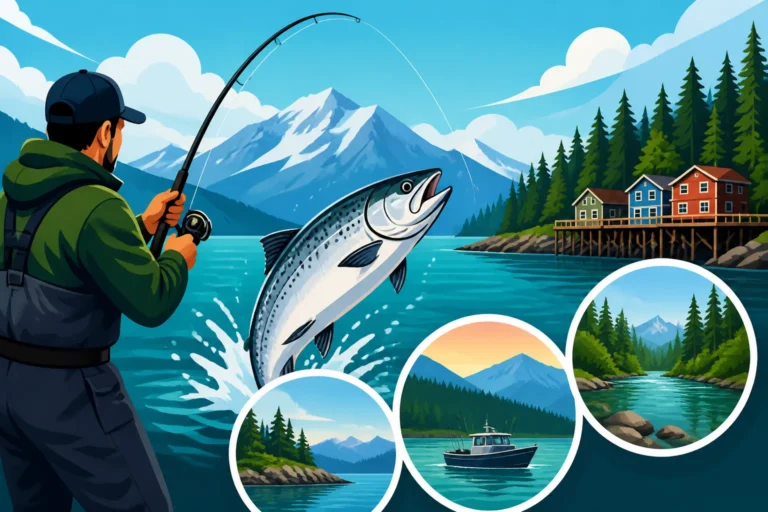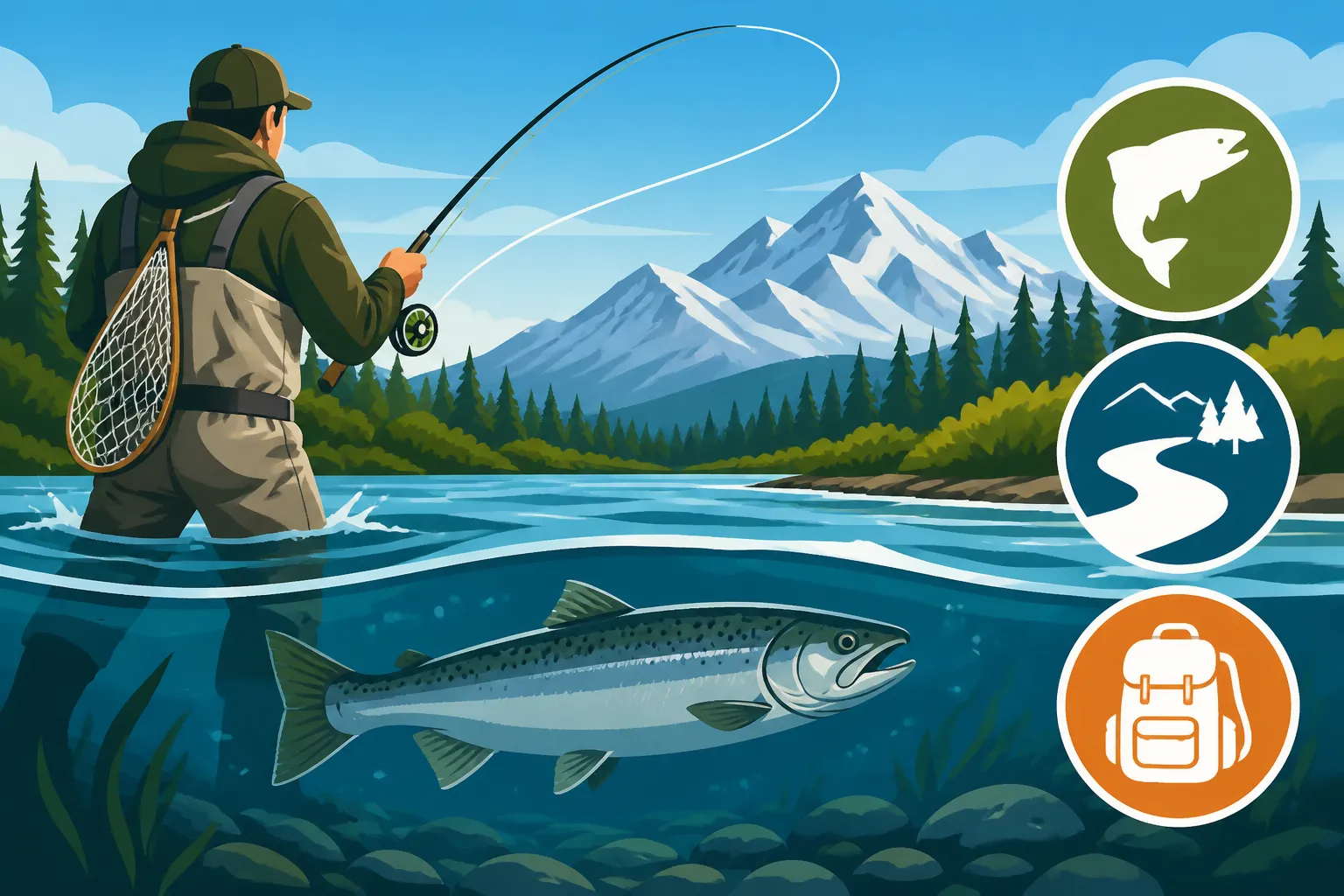
Kasilof River Fishing: What to Know Before You Go
The Kasilof River is one of Alaska's true gems, yet it can also be a real head-scratcher for anglers who aren't familiar with its unique rules and challenging currents. From its incredible King salmon runs to its often-misunderstood Sockeye fishery, getting ready for a Kasilof trip means doing your homework. This comprehensive guide will walk you through everything you need to know to make your Kasilof River fishing adventure a success, cutting through the confusion and setting you up for a fantastic experience.
Understanding the Kasilof River's Distinct Character
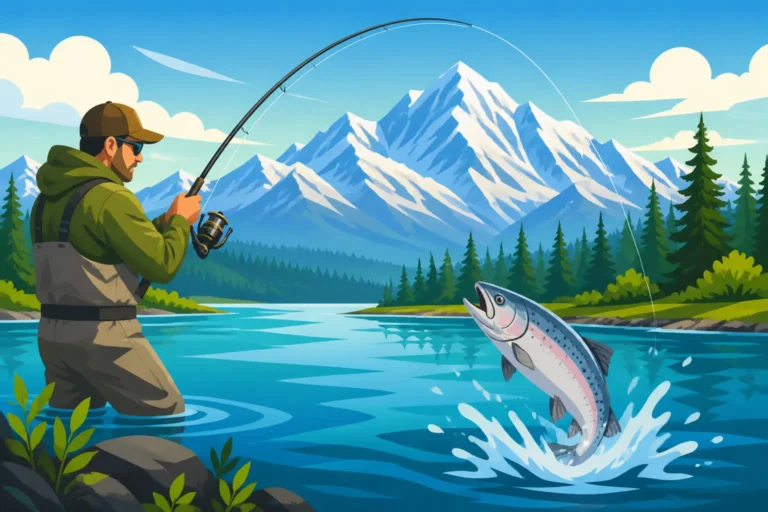
The Kasilof River, often seen as the quieter, wilder cousin to the bustling Kenai, offers a different kind of Alaskan fishing experience. Flowing from Tustumena Lake to Cook Inlet, its waters are often glacial blue, reflecting its wild origins. What truly sets the Kasilof apart, especially for salmon fishing, is its tightly regulated environment designed to protect its robust King salmon populations. This means fewer combat fishing scenarios than some other rivers and a more serene, drift-boat-centric approach to angling.
Drift-Only Zones and Their Impact
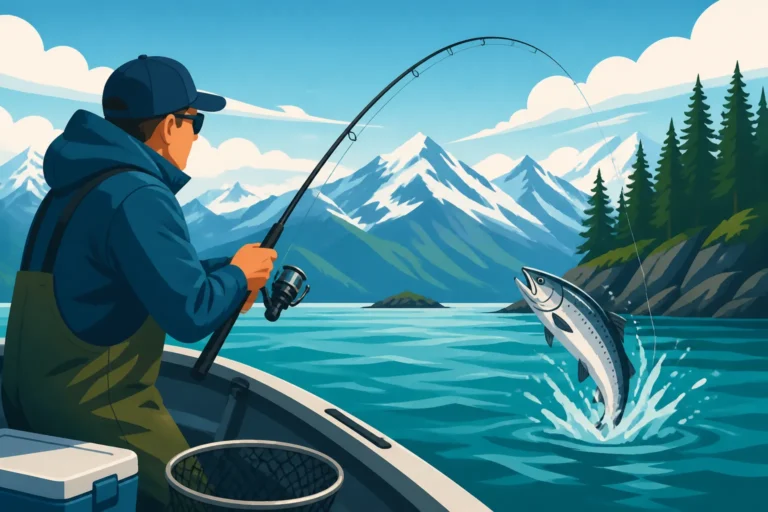
One of the most significant aspects of Kasilof River fishing that often catches newcomers off guard is the stringent "drift-only" regulation in certain areas. Unlike many other rivers where powerboats are common, much of the Kasilof is designated for unpowered drift boats, rafts, or canoes. This isn't just a suggestion; it's a strict rule enforced by the Alaska Department of Fish and Game (ADF&G). This regulation is in place primarily to reduce disturbance to spawning salmon and to maintain a more traditional, lower-impact fishing experience.
For anglers, this means you won't be speeding up and down the river, chasing fish. Instead, you'll be drifting slowly, covering water with precision and stealth. While this can be a beautiful, peaceful way to fish, it also means your success often hinges on the skill of your guide if you're not experienced with drift boats. It also limits bank access in many prime areas, effectively making a boat, or a guided trip, almost a necessity for hitting the best spots. This regulation truly shapes the entire fishing culture on the Kasilof, emphasizing patience and technique over brute force.
The Salmon Runs: Kings and Sockeye Dominance
The Kasilof River is renowned for its incredible salmon runs, primarily focused on two species: King salmon (Chinook) and Sockeye salmon (Red). These runs draw anglers from all over the world, each offering a distinct challenge and reward. The river's cooler, clearer water compared to the glacially-turbid Kenai can sometimes make for different fishing conditions, but the fish are just as strong and vibrant.
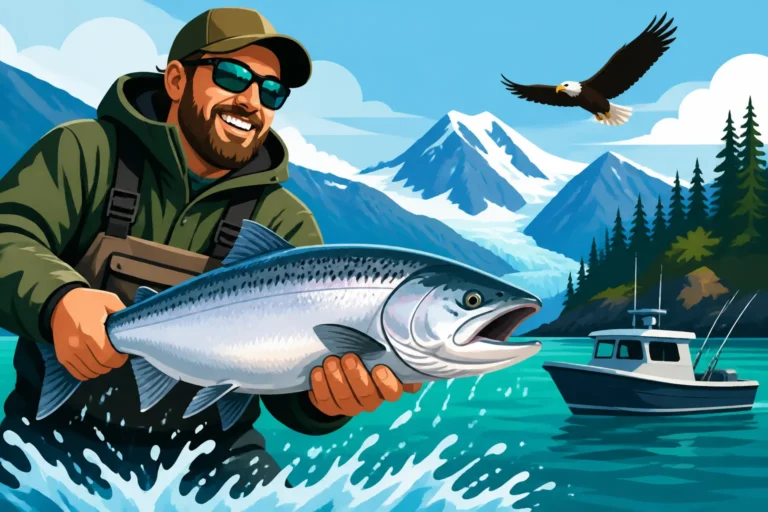
While the Kenai River might get more headlines for its monster Kings, the Kasilof produces consistently strong King salmon, often reaching impressive sizes. The Sockeye run, though perhaps less famous than the Kenai's, is equally prolific and offers phenomenal opportunities for anglers willing to put in the effort. Later in the season, you'll also find Coho (Silver) salmon, providing a varied experience throughout the summer months. Understanding the timing and nuances of these runs is absolutely crucial for planning a successful trip.
Prime Fishing Seasons and Target Species
Timing is everything when it comes to Alaska fishing, and the Kasilof River is no exception. Each species has its peak windows, and knowing when to go for what you're targeting can make or break your trip. The Kasilof essentially offers three main acts during the summer: the early King run, the main King run, and the Sockeye surge, followed by the Silvers.
King Salmon Fishing on the Kasilof
King salmon fishing on the Kasilof is a truly special experience. There are essentially two distinct King salmon runs here. The early run typically starts in mid-May and continues through early to mid-June. These are often hatchery-bound fish, released to supplement the natural run and provide an earlier fishing opportunity. While the numbers might not be as high as the later run, the fish are aggressive, and you often get a chance at a true trophy in a less crowded setting. The challenge here is hitting the timing just right, as the run can fluctuate year to year.
The main run of Kasilof Kings usually kicks off in mid-June and extends through July. These are primarily wild, naturally spawning fish that return to Tustumena Lake. This is when the river truly comes alive with anglers seeking these powerful fish. However, due to conservation concerns, Alaska King Salmon Fishing Regulations and Limits can be quite strict, often including single-hook rules, bait restrictions, and emergency orders that can change on a dime. This makes staying informed about the latest ADF&G announcements vital. You're not just fishing for a big King; you're also often navigating a dynamic regulatory landscape.
Sockeye Salmon Action
After the main King run starts to taper, the Kasilof shifts its focus to Sockeye salmon. The Kasilof Sockeye run typically begins in late June and peaks throughout July, often extending into early August. These fish are absolute powerhouses, renowned for their incredible fight and their delectable red meat. Unlike Kings, Sockeye are often targeted using a technique called "flossing" or "flipping," where a weighted line with a bare hook or small fly is drifted to snag the fish in the mouth as they swim upstream. It's a highly effective method, but it takes practice and a good feel for the river's current.
The sheer numbers of Sockeye can be astounding during peak times, leading to fast and furious action. However, just like with Kings, there are specific Alaska Sockeye Daily Limit by River that you need to be aware of. The Kasilof River is a strong producer, and on a good day, you can quickly hit your limit, providing plenty of delicious fish for the freezer. While some find the flossing technique less "sporting," there's no denying the thrill of connecting with a powerful Sockeye in fast current.
Other Species and Opportunities
While Kings and Sockeye dominate the conversation, the Kasilof River isn't a one-trick pony. Later in the summer, typically from late July through August and into September, the river sees a strong run of Coho (Silver) salmon. These acrobatic fighters are a blast on lighter tackle and can be caught using spinners, flies, or cured salmon eggs. They offer a fantastic opportunity for anglers who visit later in the season.
Beyond salmon, the Kasilof also supports a population of resident Rainbow Trout and Dolly Varden. These fish often feed on salmon eggs and fry, especially after the salmon spawn, making them a viable target for fly anglers in the fall. While not the primary draw, if you're looking for a mixed bag or quieter fishing after the salmon rush, these species provide excellent opportunities. Always check the latest Alaska Rainbow Trout Regulations to ensure you're compliant.
Navigating Kasilof River Fishing Regulations
Fishing in Alaska, particularly on a highly managed river like the Kasilof, means being intimately familiar with the regulations. These aren't just suggestions; they're strictly enforced, and ignorance is no excuse for a violation. The rules are designed to protect the fragile fish populations and ensure sustainable fishing for future generations, but they can be complex and change frequently via emergency orders.
License and Stamp Requirements
First and foremost, every angler 16 years or older needs an Alaska Fishing License: Complete Guide. If you're targeting King salmon, which is often the main draw on the Kasilof, you'll also need a King Salmon Stamp. This is not optional; it's a separate purchase that helps fund King salmon conservation efforts. Whether you're a resident or a non-resident, these are essential documents to have on hand. Don't forget, even if you're on a guided trip, you're responsible for having your own license and stamp. Guides typically do not provide these.
Make sure you understand the difference between resident and non-resident licenses, as the costs and sometimes even the regulations can vary. For example, non-residents often have a lower annual limit for King salmon. It's always a good idea to purchase your license and stamp online before your trip to avoid any last-minute hassle.
Gear Restrictions and Emergency Orders
The Kasilof River is particularly known for its dynamic gear restrictions. During peak King salmon runs, it's very common for the ADF&G to implement a single-hook rule and bait restrictions. This means you might be limited to using only one unbaited, single hook, particularly when King salmon conservation is a concern. Always double-check the latest Alaska Fishing Emergency Orders Explained before heading out. These orders can literally change overnight based on fish escapement numbers.
Bait restrictions are another common feature. While fresh or cured salmon eggs are often highly effective for salmon, there are times when bait is prohibited altogether on the Kasilof. This often means switching to artificial lures, flies, or beads. Understanding these nuances and being prepared with compliant tackle is crucial. Trying to use prohibited gear can result in significant fines and loss of fishing privileges. This is why having an experienced guide who is current on all regulations is incredibly valuable on the Kasilof. You can read more about Alaska Bait Restrictions Explained to be fully prepared.
Bag and Possession Limits
Knowing your bag and possession limits is non-negotiable. These limits dictate how many fish of each species you can keep per day (bag limit) and how many you can have in your possession, including fish already processed and stored (possession limit). For King salmon, the Kasilof generally has very specific daily and annual limits, especially for non-residents. For example, a non-resident might be limited to one King salmon per day, and a small annual limit (e.g., two or three) from all Southcentral Alaska waters. Check the specific Alaska King Salmon Daily and Annual Limits before you cast.
For Sockeye salmon, daily limits are typically higher, often three per day, sometimes increasing to six per day depending on the run strength and emergency orders. Once you catch a King salmon, it must be recorded immediately on your Alaska Harvest Record Card Explained. This card tracks your annual limit for Kings, and failure to fill it out correctly is a serious offense. For other species like Sockeye, while you don't record them on the card, you must still adhere to the daily and possession limits. Keep an eye on the Alaska Fishing Limits and Bag Limits Explained for all the specifics.
Kasilof Fishing Techniques and Essential Gear
Fishing the Kasilof River effectively requires specific techniques and the right gear, especially considering its drift-only zones and potential regulatory restrictions. You can't just show up with any old setup and expect success.
Drift Fishing and Back-Trolling
Given the river's regulations, drift fishing and back-trolling are the primary methods for targeting King salmon on the Kasilof.
- Drift Fishing: This technique involves allowing your boat to float downstream with the current while your lure or bait (if allowed) is presented naturally to fish holding in various runs and holes. Anglers typically use heavy spinning or baitcasting gear, with lead weights or divers to get their presentation down to the fish. The key is to maintain constant contact with your gear, feeling for the subtle take of a salmon. When bait is allowed, cured salmon eggs are a top choice. When bait is restricted, large beads or artificial lures like Spin-N-Glos are common. It requires a lot of line management and a good understanding of how the current affects your presentation. For a deeper dive, check out our guide on Drift Fishing in Alaska: How-To Guide.
- Back-Trolling: This method is often done from a drift boat where the oarsman or guide slowly rows upstream, allowing the boat to move downstream at a controlled, slower pace than the current. This presents lures or bait (such as Kwikfish or Mag Lip plugs, often with a wrapped sardine or herring if bait is legal) directly to salmon holding in specific slots. The lure's action is crucial here, and the controlled drift allows the lure to "work" for a longer period in prime water. It’s a very effective way to entice a King salmon strike. Learn more about Back-Trolling in Alaska: How-To Guide.
For Sockeye, the primary technique is "flossing" or "flipping." This involves using a heavy lead weight to quickly sink your line, with a short leader and a bare or bead-adorned hook. The idea is to get the leader and hook to drift naturally into the Sockeye's mouth as they swim upstream, and then set the hook. It's a rhythm-based technique that takes practice to master.
Rods, Reels, and Tackle Recommendations
For King salmon, you'll want a heavy-action baitcasting or spinning rod, typically 8.5 to 10.5 feet long, capable of handling 20-50 lb test line. Paired with a sturdy reel loaded with braided line (50-80 lb) and a fluorocarbon leader (30-50 lb), this setup will give you the backbone to fight powerful Kings in strong currents. Brands like Lamiglas, Shimano, and Daiwa are popular choices among guides and experienced anglers. For Sockeye, a medium-heavy spinning rod (8.5-9.5 ft) with 20-30 lb braided line and a 20-25 lb fluorocarbon leader is usually sufficient. The goal is sensitivity to detect those subtle takes and enough power to quickly land fish in fast current.
When it comes to terminal tackle, bring a variety of lead weights (1-5 oz), swivels, and a selection of hooks (sizes 3/0 to 5/0, single or treble depending on regulations). If bait is permitted, don't forget your cured salmon eggs or herring. If not, pack plenty of artificial options like Spin-N-Glos, Kwikfish, Mag Lip plugs, and a good selection of brightly colored beads for Sockeye. Our comprehensive Alaska Fishing Gear and Tackle Guide can help you round out your packing list.
Waders, Rain Gear, and Bear Safety
Even in the summer, Alaska weather is notoriously unpredictable. You absolutely need quality rain gear – a waterproof jacket and pants are non-negotiable. Layering is key, as temperatures can swing wildly throughout the day. Neoprene or breathable chest waders are essential for bank fishing or getting in and out of drift boats, providing warmth and protection from the elements. Don't skimp on good wading boots with felt or studded soles for traction on slippery riverbanks. Our guide on How to Dress for Alaska Fishing has more details.
Furthermore, you are in bear country. Both black and brown bears frequent the river corridors, especially during salmon runs. Carrying bear spray and knowing how to use it is a must. Make noise while walking, avoid leaving food scraps or fish carcasses unattended, and store food in bear-resistant containers. Many guides carry firearms for protection, but as an individual angler, bear spray is your most practical and effective deterrent. Always prioritize safety, and educate yourself on How to Fish Safely Around Alaska Bears before your trip.
Planning Your Kasilof Fishing Adventure
A successful Kasilof River fishing trip requires more than just knowing how to cast a line; it demands careful planning, from choosing the right guide to understanding local logistics.
Choosing a Guided Trip vs. DIY
For many anglers, especially first-timers or those unfamiliar with drift-only regulations, a guided trip on the Kasilof River is highly recommended. Kasilof guides are experts in navigating the unique currents, understanding ever-changing regulations, and knowing exactly where the fish are holding. They provide all the necessary gear, expertise, and often the boat itself, removing a huge logistical burden. This allows you to focus solely on fishing. When researching guides, look for those with specific Kasilof River experience, check their reviews, and ensure they are properly licensed. You can often find highly-rated Kasilof guides on platforms like FishingBooker, which makes comparing options and reading testimonials much easier.
However, if you're an experienced angler with your own drift boat or raft, and a solid understanding of the river and its regulations, a do-it-yourself (DIY) trip is certainly possible. It offers greater independence and can be more cost-effective. Just be prepared for the self-sufficiency required – from launching and retrieving your boat to knowing where to fish and what regulations are in effect. Consider our guide on Guided vs Unguided Fishing in Alaska for a deeper comparison.
Access Points and Logistics
Access to the Kasilof River is primarily via the Sterling Highway, which runs along the Kenai Peninsula. The main public launch for drift boats is typically near the Sterling Highway Bridge, often referred to as "the Kasilof Bridge." Other access points may exist for private landowners or specific commercial operations. For bank anglers, options are more limited due to private property and the drift-only regulations, but some public easements and state park areas might offer opportunities.
Lodging options range from full-service lodges in nearby Soldotna or Kenai to cabins, RV parks, and campgrounds. Many guides operate out of these towns and will meet you at the river. When planning your trip, consider booking accommodations well in advance, especially during peak salmon season (June and July), as spots fill up quickly.
Best Time to Book and What to Bring
The peak King and Sockeye salmon runs on the Kasilof occur in June and July. If you want to secure a prime date with a reputable guide, you should be booking your trip 6-12 months in advance. The best guides fill their calendars quickly! Many anglers plan their trips a year out to ensure they get the dates they want.
When it comes to packing, beyond your fishing gear, rain gear, and layers, consider these essentials:
- Waders and Boots: As discussed, crucial for comfort and safety.
- Polarized Sunglasses: Help reduce glare and spot fish.
- Hat: For sun protection and warmth.
- Sunscreen and Insect Repellent: Alaska summers have both sun and mosquitoes.
- Small Backpack: To carry personal items, snacks, and water.
- Camera: To capture those unforgettable moments!
- Cooler and Ice: For transporting your catch if you're not using a fish processor.
If you’re hiring a charter, many things are provided, but confirming what’s included (like tackle, snacks, or even a King salmon stamp) is always a good idea. Platforms like FishingBooker often list these details, making it easier to compare services and book your ideal Kasilof River Fishing trip.
Here's a quick comparison of the two main King Salmon runs on the Kasilof:
| Feature | Early King Salmon Run (Mid-May to Early June) | Main King Salmon Run (Mid-June to July) |
|---|---|---|
| Primary Fish Source | Mostly hatchery-bound fish | Primarily wild, naturally spawning fish |
| Crowd Levels | Generally lower, more serene | Higher, especially during peak weeks |
| Regulations | Can be less restrictive early on, but still dynamic | Often very strict (e.g., single hook, no bait, closures) |
| Fish Size/Numbers | Good size, but numbers may be lower than main run | Strong numbers, good chance at trophy wild Kings |
| Techniques | Drift fishing with bait (if allowed), back-trolling plugs | Drift fishing (beads/lures), back-trolling plugs |
| Atmosphere | Quieter, more relaxed | Exciting, focused, often more competitive |
Disclaimer
Please note that fishing regulations in Alaska, particularly on rivers like the Kasilof, are subject to frequent changes, often through emergency orders issued by the Alaska Department of Fish and Game (ADF&G). It is the angler's responsibility to check the most current regulations and emergency orders before heading out on the water. This guide provides general information and should not be considered a substitute for official ADF&G publications.