Juneau Fishing: What to Know Before You Go
Planning a fishing trip to Juneau, Alaska can feel overwhelming, especially if you're a first-timer trying to navigate the vast waters and ever-changing seasons. Many anglers arrive hoping for that trophy catch but quickly realize that without local insights, it's easy to miss the prime opportunities or even fall afoul of regulations. This comprehensive guide is designed to cut through the confusion, offering a realistic look at what to expect when fishing in Juneau, from the best species to target to choosing the right fishing approach.
The Allure of Juneau Fishing: Why it Stands Out
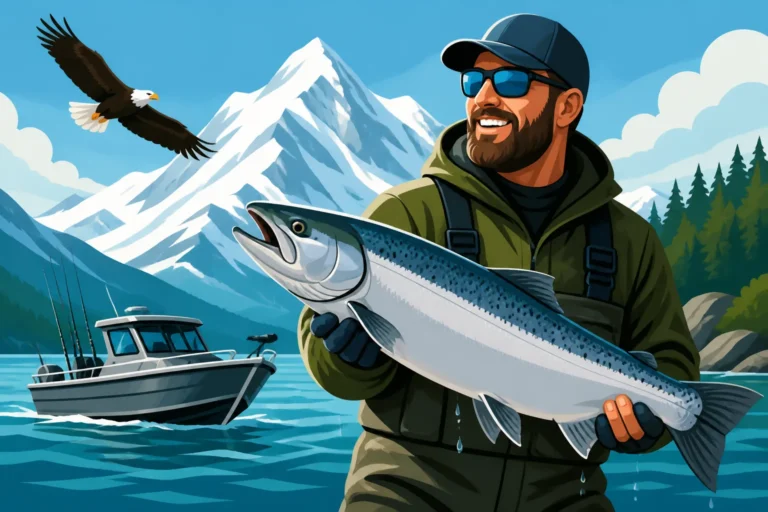
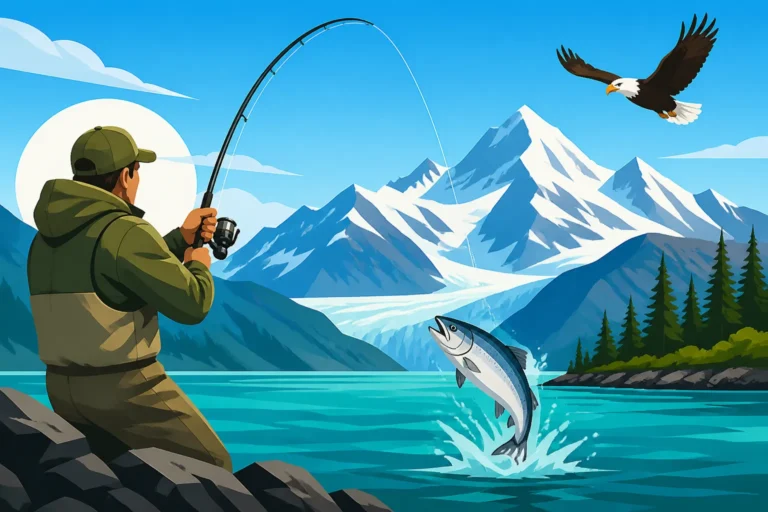
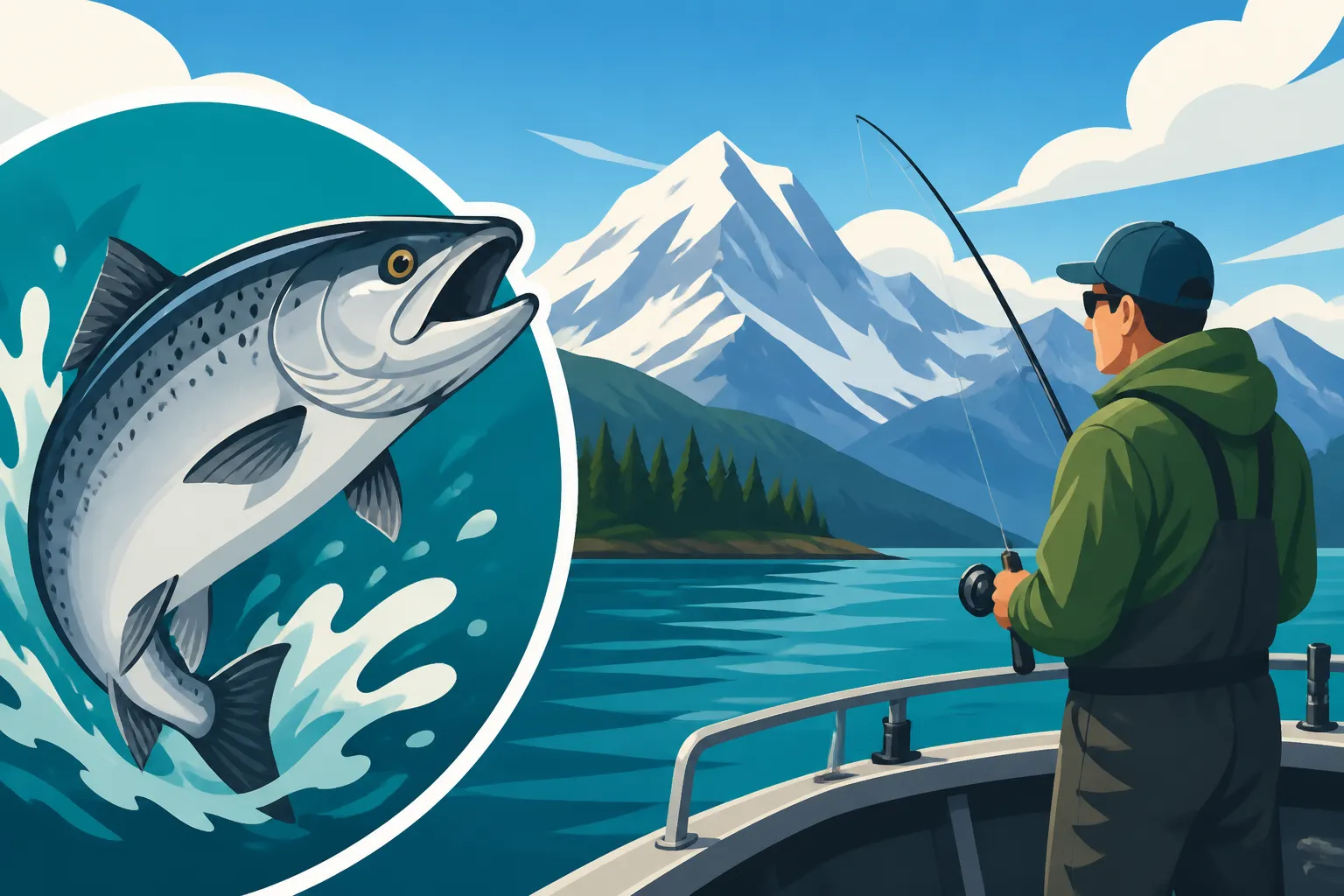
Juneau, Alaska's capital city, isn't just a picturesque stop for cruise ships; it's a genuine angler's paradise nestled in the heart of Southeast Alaska's Inside Passage. What makes Juneau truly special for fishing is its unique combination of dramatic glacial landscapes, rich marine biodiversity, and surprisingly accessible fishing opportunities, whether you're looking for a hardcore offshore adventure or a quiet day on a freshwater stream.
A Unique Blend of Accessibility and Wilderness
One of the biggest frustrations visitors often express about Alaska fishing is the perceived need for expensive, remote fly-in lodges to experience true wilderness angling. Juneau challenges that notion. While you can certainly arrange spectacular fly-out trips from here, many incredible fishing grounds are accessible by road, short boat rides, or even right from the city's docks. This means you can wake up in a comfortable hotel, grab a hearty Alaskan breakfast, and be on the water chasing salmon or halibut within minutes. It’s a convenience that’s hard to beat in a state renowned for its vast, untamed wilderness. The capital city truly offers a gateway to some of the Best Fishing Spots in Alaska without demanding an entire logistical operation.
The Thriving Marine Ecosystem
The deep, nutrient-rich waters surrounding Juneau are a biological hotspot, thanks to the intricate network of fjords, islands, and glaciers that define the region. This geography creates a sheltered environment where a diverse range of baitfish, like herring and sand lance, thrive, which in turn attracts an incredible abundance of predatory species. It's not uncommon for anglers to witness whales breaching or sea lions feasting on bait balls while they’re out fishing. This vibrant ecosystem means you're not just fishing; you're immersed in a living, breathing natural spectacle, adding an unforgettable dimension to your Alaskan angling experience. The interplay of saltwater and freshwater also allows for diverse fishing opportunities, from targeting ocean-bright salmon to resident trout in hidden lakes.
Targeting Juneau's Bountiful Fish Species and Seasons
Juneau offers a smorgasbord of fishing opportunities throughout the year, but knowing what to target and when is key to a successful trip. The sheer variety can be daunting, but with a little planning, you can align your visit with the peak runs of your desired species.
Seasonal Salmon Spectaculars
Salmon are arguably the biggest draw for anglers coming to Alaska, and Juneau delivers on this front with all five species of Pacific salmon making their way through these waters. Understanding the Alaska Salmon Run Timing Explained is crucial for maximizing your chances.
- King Salmon (Chinook): These are the prized giants, often reaching impressive sizes. Juneau sees its King salmon runs typically beginning in May and extending into July. Early-season Kings are often targeted in saltwater, while later in the season, they move into rivers like the Juneau-area streams before spawning. Knowing the specific Alaska King Salmon Fishing Regulations and Limits is vital, as these fisheries are often managed carefully due to conservation efforts.
- Sockeye Salmon (Red): While not as common in Juneau's immediate vicinity as in other parts of Alaska, Sockeye can be found in some freshwater systems around late June through July. These fish are renowned for their fighting spirit and delicious red flesh.
- Coho Salmon (Silver): Silvers are incredibly popular, known for their acrobatic fights and willingness to strike a variety of lures. Their run typically kicks off in late July, peaks in August, and can extend well into September, offering fantastic action as they stage in saltwater before heading upriver.
- Pink Salmon (Humpy): These smaller, more numerous salmon usually show up in massive numbers on even-numbered years (though some runs occur annually). They provide non-stop action from mid-July through August, making them perfect for families or those new to salmon fishing. Their abundance means Alaska Pink Salmon Regulations are often more liberal.
- Chum Salmon (Dog): Often overlooked, Chums are powerful fighters and can be found in good numbers from July through August. While not as revered for their table fare as Kings or Sockeye, they offer excellent sport.
Deep-Sea Giants: Halibut and Lingcod
Beyond salmon, Juneau's saltwater offers incredible opportunities for bottom-dwelling species, particularly the mighty halibut. These flatfish are legendary for their size and strength, earning them the nickname "barn doors."
- Pacific Halibut: The halibut season generally runs from May through September, with peak fishing often in June, July, and August. Charter boats typically head out to deeper waters, sometimes a significant run from Juneau, to target these giants. It's a true test of strength and patience to reel in a large halibut. Remember to check the Alaska Halibut Daily Limit for Charter Anglers as regulations can be complex, often involving reverse slot limits and weekly closures to ensure sustainable fishing.
- Lingcod: These aggressive, prehistoric-looking fish are a blast to catch and offer delicious white meat. Lingcod fishing usually picks up in late spring and continues through the summer months. They often inhabit rocky structures and are typically caught by jigging or bait fishing in deeper areas. Their size limits and seasons are also strictly enforced, so be sure to consult current regulations.
Rockfish and Other Bottom Dwellers
Southeast Alaska is also home to a diverse array of rockfish, including species like Black Rockfish, Yelloweye, and Quillback. These fish provide consistent action and are excellent eating. Often caught as part of a halibut charter or on dedicated rockfish trips, they are found near rocky bottoms and reefs. Using a descending device for release is often required for certain species to increase their survival rates when caught from deep water. You might also encounter Pacific Cod, Sablefish (Black Cod), and various flatfish species, adding variety to your deep-sea cooler.
Freshwater Opportunities
While Juneau is famous for its saltwater action, don't overlook the freshwater gems. Numerous lakes and streams around Juneau offer tranquil fishing for resident species.
- Cutthroat Trout: These beautiful trout are found in many local lakes and streams, offering excellent fly-fishing and spin-fishing opportunities, especially from spring through fall.
- Dolly Varden and Arctic Char: These char species are common in both freshwater and estuarine environments, particularly in systems frequented by salmon. They often follow salmon into rivers to feed on their eggs.
- Steelhead: Anadromous rainbow trout, steelhead offer a challenging pursuit for dedicated anglers in a few select river systems, primarily in the spring and fall. These fisheries are often catch-and-release to protect wild stocks.
Juneau Fishing Season Overview
To help visualize the prime times for each species, here's a quick overview:
| Species | Best Months | Notes |
|---|---|---|
| King Salmon (Chinook) | May, June, Early July | Saltwater and freshwater runs; check emergency orders. |
| Sockeye Salmon (Red) | Late June, July | Limited freshwater opportunities in Juneau area. |
| Coho Salmon (Silver) | Late July, August, September | Excellent fighters, strong runs. |
| Pink Salmon (Humpy) | Mid-July, August | Abundant, especially on even-numbered years; great for action. |
| Chum Salmon (Dog) | July, August | Powerful fighters; good sport. |
| Pacific Halibut | June, July, August, September | Deepwater fishing; often requires a charter. |
| Lingcod | May, June, July, August, September | Found near rocky structures; check specific seasons/limits. |
| Rockfish | May – September | Consistent action, good eating; often caught with halibut. |
| Cutthroat Trout | May – October | Freshwater lakes and streams; fly and spin fishing. |
| Dolly Varden/Arctic Char | May – October (following salmon in summer/fall) | Freshwater and brackish waters. |
| Steelhead | Spring (April-May), Fall (Sept-Oct) | Limited, challenging freshwater fishery; often catch-and-release. |
Navigating Your Juneau Fishing Adventure: Charters, Shore, and DIY
Deciding how to fish in Juneau depends on your budget, experience, and what species you're hoping to target. Each option has its own advantages and disadvantages, and Juneau offers flexibility for all types of anglers.
The Benefits of Charter Fishing in Juneau
For many visitors, especially those with limited time or no prior experience in Alaskan waters, a fishing charter is the best way to go. Juneau boasts a fleet of professional and highly knowledgeable charter operators who specialize in putting clients on fish.
- Expert Local Knowledge: Charter captains live and breathe these waters. They know the currents, the tides, the baitfish movements, and where the fish are hiding. This local expertise is invaluable and can save you days of trial-and-error. For example, understanding how Alaska Halibut Charter Regulations Explained impact a trip is something an experienced captain handles seamlessly.
- Specialized Gear: Charter boats come fully equipped with high-quality rods, reels, tackle, and sometimes even rain gear. They have the heavy-duty gear needed for deep-water halibut, as well as the lighter setups for salmon. You don't have to worry about buying or transporting specialized equipment.
- Safety and Comfort: Reputable charters prioritize safety, with experienced crew, proper safety equipment, and well-maintained vessels. Many boats are also comfortable, offering heated cabins and restrooms, which is a huge plus on a chilly Alaskan day.
- Fish Processing: A significant benefit of charter fishing is that many operations include basic fish processing—filleting, bagging, and sometimes freezing your catch. They can also advise on how to ship your fish home from Alaska.
- Variety of Options: You can find everything from dedicated halibut charters to salmon-only trips, or even combo trips that target multiple species in one day. Many visitors find booking through a platform like FishingBooker an easy way to compare options and read reviews from other anglers, helping them choose the perfect Juneau charter for their group. If you're wondering, "Do You Need a License to Fish on a Charter in Alaska," the answer is generally yes, but your captain can guide you on where to get one.
Shore and Bank Fishing: Accessible Options
If you prefer a more independent and budget-friendly approach, Juneau offers some decent shore and bank fishing opportunities. While you might not land a trophy halibut from shore, you can certainly find good salmon and trout action.
- Mouth of Cowee Creek: Located north of Juneau, this spot is known for salmon runs, particularly Coho and Pink salmon later in the summer. It’s accessible by road and offers a beautiful, more serene fishing experience.
- Auke Bay: The docks and public access points around Auke Bay can yield salmon, especially during peak runs, as well as some bottom fish. It's a convenient spot close to town.
- Jordan Creek: This smaller creek offers opportunities for Cutthroat trout and Dolly Varden, especially away from the main road system. It requires a bit more hiking but can be very rewarding.
- Echo Cove: Further north from Juneau, Echo Cove provides access to saltwater for salmon and sometimes even surfperch. It’s a scenic spot for a day trip.
- Freshwater Lakes: Several lakes around Juneau, often stocked, provide excellent opportunities for trout. Getting an Alaska Fishing License: Complete Guide will tell you where to find licenses and specific regulations for these local spots.
The key to successful shore fishing is timing. You'll want to fish during incoming and outgoing tides for saltwater species, or when salmon are actively staging or entering freshwater systems. You'll need your own gear, or rent some from local shops.
Essential Gear and Regulatory Must-Knows
Regardless of how you choose to fish, a few essentials are non-negotiable for a Juneau fishing trip.
- Alaska Fishing License: Every angler aged 16 or older needs a valid Alaska sport fishing license. Non-residents will also need an additional King Salmon stamp if targeting Chinook salmon. You can purchase these online or from local vendors. It's truly the first step in your Alaska Fishing Regulations Explained journey.
- Rain Gear: This is Alaska, after all! High-quality waterproof and windproof outerwear is crucial. Layers are your best friend, as the weather can change dramatically in a single day.
- Appropriate Footwear: Waterproof boots or deck shoes with good grip are essential, especially on slippery boat decks or rocky shorelines.
- Sunglasses and Hat: To protect from the sun (even on cloudy days) and glare off the water.
- Cooler: If you're fishing independently, a cooler for your catch is a must. If using a charter, they will often provide insulated bags, but a small personal cooler for drinks and snacks is always handy.
- Basic Tackle: For shore fishing, a medium-heavy spinning rod with 15-20 lb test line is versatile enough for salmon and some bottom fish. Spoons, spinners, and cured salmon roe are popular baits.
Always, always consult the current year's How to Read Alaska Fishing Regulations Booklet provided by the Alaska Department of Fish and Game (ADF&G). Regulations change frequently, sometimes even mid-season via emergency orders, so staying informed is paramount to avoiding violations.
Planning Your Trip: Logistics and Local Insights
A well-planned trip to Juneau can make all the difference between a good fishing trip and a truly epic one. Think about the details, from when you arrive to how you practice responsible angling.
Best Times to Visit for Specific Catches
As noted in the table above, different species peak at different times. If you have a specific target, try to align your travel dates accordingly.
- Early Summer (May-June): Best for King Salmon and the start of halibut season. The weather is often drier, though still cool.
- Mid-Summer (July-Early August): Peak season for a huge variety – all five salmon species are typically running, and halibut fishing is excellent. This is also Juneau's busiest tourist season.
- Late Summer/Early Fall (Mid-August-September): Fantastic Coho salmon action, good halibut fishing, and fewer crowds than July. Freshwater trout fishing remains strong.
For broader insights into the optimal windows, check out a resource like Best Time to Fish in Alaska. When researching and booking a charter, platforms like FishingBooker often allow you to filter by target species and season, making it easier to pinpoint the ideal time for your visit.
Accommodations and Travel Tips
Juneau offers a range of accommodations, from quaint bed and breakfasts to larger hotels. Booking well in advance, especially for peak summer months, is highly recommended. Juneau is not connected to the road system, so you'll arrive by plane or ferry. The capital city is compact and walkable, but having a rental car offers more flexibility for exploring fishing spots outside the immediate downtown area. Consider if your chosen lodging offers fish freezer space, or plan to use a local fish processor for vacuum-sealing and shipping your catch. Many reputable processors in Juneau can handle this for you, ensuring your hard-earned fillets arrive home in perfect condition.
Responsible Angling Practices
Alaska's fisheries are a precious resource, and responsible angling is crucial for their sustainability.
- Know Your Limits: Always adhere to the daily and annual bag limits for each species. Exceeding these limits can result in hefty fines and the loss of your catch. Understanding Alaska Fishing Limits and Bag Limits Explained will help you stay compliant.
- Handle Fish Carefully: If you plan to release a fish, do so quickly and gently. Use barbless hooks where required or recommended to minimize harm. For deepwater species like rockfish, using a descending device is critical to their survival.
- Pack It In, Pack It Out: Leave no trace. Dispose of all trash properly, including fishing line and bait containers.
- Respect Wildlife: Juneau is bear country, especially near salmon streams. Be bear aware, carry bear spray, and know how to use it. Give marine mammals a wide berth.
Juneau offers an unforgettable fishing experience for anyone willing to embrace its unique blend of urban accessibility and wild Alaskan adventure. With the right preparation and respect for its incredible natural resources, you're sure to create lasting memories and hopefully, bring home some delicious fish.
Disclaimer
The information provided in this guide is for general informational purposes only and is subject to change. Fishing regulations in Alaska are dynamic and can be updated frequently by the Alaska Department of Fish and Game (ADF&G) through emergency orders. Always consult the most current ADF&G regulations booklet and any active emergency orders before you head out fishing. It is the angler's responsibility to know and follow all applicable regulations.