Alaska Sheefish Regulations and Limits
Fishing for sheefish in Alaska, often called the "Tarpon of the North," is a unique and thrilling experience, but navigating their specific regulations can feel like trying to find a needle in a haystack. These magnificent, silver-flanked predators inhabit some of the most remote river systems, and their management often involves specialized rules that differ significantly from more common salmon or halibut fisheries. This comprehensive guide will cut through the confusion, detailing the current sheefish regulations and limits, so you can focus on the unforgettable adventure of targeting these elusive fish.
Unraveling the Mystery of Alaska's Sheefish
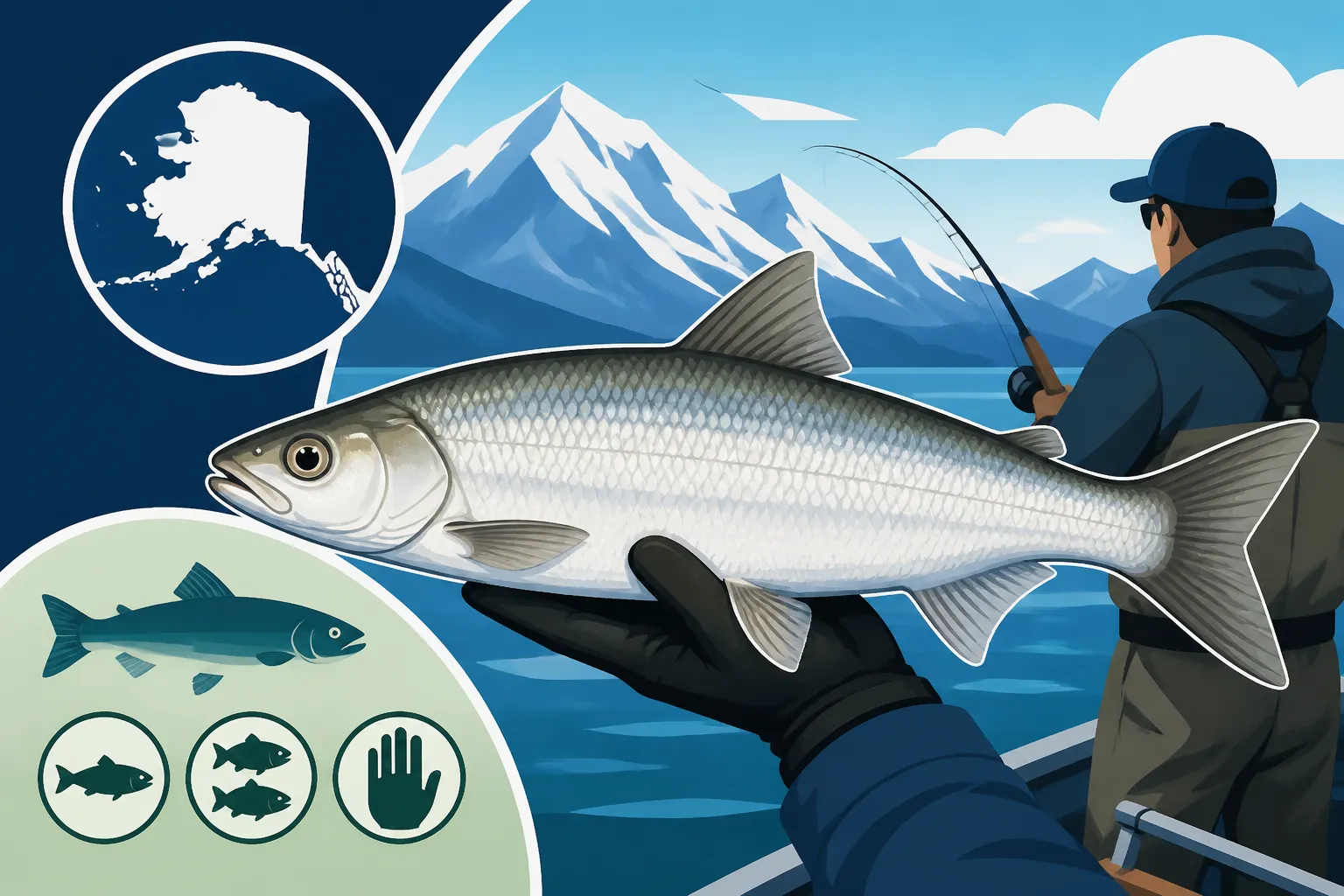
Sheefish, or inconnu as they're known in some scientific circles, are truly a remarkable species. They're a large, predatory whitefish found predominantly in the vast, wild river systems of Interior and Arctic Alaska. Their sleek, torpedo-shaped bodies and aggressive feeding habits make them an incredible sportfish, known for their powerful runs and aerial acrobatics once hooked. Unlike salmon, sheefish don't die after spawning, allowing them to grow to impressive sizes, with some reaching over 50 pounds.
The "Tarpon of the North" and Their Habitat
The moniker "Tarpon of the North" isn't just a catchy phrase; it truly captures the essence of sheefish angling. Like their saltwater counterparts, sheefish are formidable fighters that demand respect and specialized techniques. They are opportunistic feeders, preying on smaller fish like Arctic cisco and broad whitefish, which fuels their incredible growth. Their mouths are large and bony, making a solid hookset crucial. Many anglers consider a large sheefish to be one of Alaska's premier freshwater trophies.
Understanding their habitat is key to finding them and understanding their regulations. Sheefish are primarily anadromous, meaning they spend part of their lives in saltwater (brackish estuaries) and migrate upstream into freshwater rivers to spawn and feed. You'll find them in major drainages such as the Yukon, Kuskokwim, Selawik, Kobuk, and Colville Rivers, stretching across vast, sparsely populated regions of Alaska. This remote nature contributes to the variability and sometimes localized complexity of their fishing regulations. Knowing where they live helps explain why you won't find a "one-size-fits-all" rule for these incredible fish. If you're planning a trip, researching specific river systems, like those mentioned in our guide to Best Fly-In Fishing in Alaska, will be essential.
Why Sheefish Regulations are Unique
Unlike the massive, heavily managed salmon runs on rivers like the Kenai, sheefish populations are less centralized and often exist in delicate ecosystems within rural Alaska. This means regulations are often tailored not only for sport conservation but also to acknowledge the importance of sheefish for local subsistence users. It's a balance between protecting the species, providing recreational opportunities, and sustaining traditional ways of life. Consequently, sheefish regulations can be highly specific to individual river systems or even sections of a river, rather than broad statewide mandates. These nuances make it extra important to understand how to read Alaska fishing regulations, especially when venturing into less-fished territories.
General Statewide Sheefish Fishing Requirements
Before you even think about casting for a sheefish, you absolutely need to make sure you're legally prepared. Alaska has a comprehensive system of licenses and general rules that apply to virtually all sport fishing, including the pursuit of sheefish.
Essential Licensing and Stamps
First and foremost, every angler aged 16 or older needs an Alaska Fishing License: Complete Guide. This is non-negotiable, whether you're a resident or a non-resident, and covers all sport fishing throughout the state. You can purchase these online, through the Alaska Department of Fish and Game (ADF&G) app, or from licensed vendors across Alaska, including many sporting goods stores. Make sure you have it physically or digitally accessible while fishing.
While sheefish themselves don't require a specific stamp (unlike, say, a King Salmon Stamp), your general sport fishing license is the foundational requirement. There's no special "sheefish stamp" you need to worry about. For younger anglers, it's good to know the Alaska Fishing License Age Requirements so you can plan accordingly for the whole family.
Standard Bag and Possession Limits
The Alaska Department of Fish and Game (ADF&G) sets general sport fishing regulations for various species. For sheefish, the standard statewide sport fishing regulation, where not otherwise specified by specific area rules, is typically:
- Daily Bag Limit: 2 sheefish
- Possession Limit: 2 sheefish
This means you can only catch and keep two sheefish in a 24-hour period, and you can only have two sheefish in your possession at any given time, regardless of how many days you've been fishing. This possession limit includes fish in your cooler, at your camp, or being processed. However, and this is crucial, these general limits are very often superseded by regional and drainage-specific regulations, which we'll dive into next. Think of these as the absolute baseline, but always check the local rules.
The Role of the Harvest Record Card
The Alaska Harvest Record Card Explained is a vital document for anglers targeting certain species, primarily King Salmon and sometimes halibut. While sheefish are indeed a prized sport fish, they are generally not required to be recorded on a sport fishing harvest record card. The card is specifically for species where harvest data is meticulously tracked due to conservation concerns or quota management.
However, this doesn't mean sheefish harvests aren't monitored. Data is still collected through creel surveys by ADF&G personnel in popular fishing areas and through other research methods. Always be prepared to accurately report your catch if approached by an ADF&G official. While you might not fill out a card for sheefish, understanding which fish must be recorded in Alaska is part of being a responsible angler.
Navigating Specific Regional Sheefish Regulations and Limits
This is where sheefish regulations get truly specific, reflecting the unique characteristics of the different river systems they inhabit. Because sheefish populations are often integral to subsistence lifestyles in rural Alaskan communities, and because their habitats are so vast and varied, regulations are almost always broken down by region and even by individual river drainage.
Interior Alaska Regulations: Yukon and Kuskokwim Drainages
The Interior of Alaska, encompassing the massive Yukon and Kuskokwim River drainages, is prime sheefish territory. The regulations here are often detailed in the "Arctic-Yukon-Kuskokwim Area" section of the ADF&G sport fishing regulations booklet. These rules are particularly sensitive to local conditions, including run strength and subsistence needs.
For instance, within parts of the Yukon River Drainage, including tributaries like the Koyukuk River or some sections of the main stem, you might find regulations like:
- Daily Bag Limit: 2 sheefish
- Possession Limit: 2 sheefish
- Size Restriction: Often, only one sheefish over 30 inches may be retained per day. This "one-over-X-inches" rule is common for large, long-lived predatory fish like sheefish, aiming to protect larger spawners and trophy-sized fish.
Similarly, in the Kuskokwim River Drainage, while general limits might apply to vast stretches, specific tributaries or areas near communities might have localized adjustments. It's not uncommon for these regions to also employ the "one-over-30-inches" rule for sheefish. Always check the very specific river or stream you plan to fish. You can find up-to-date printed regulations at sporting goods stores or download the free PDF booklet from the ADF&G website.
Arctic and Western Alaska Regulations: Kobuk, Selawik, and Colville Rivers
Moving further north and west, the remote Arctic and Western Alaska regions, including river systems like the Kobuk, Selawik, and Colville Rivers, are also renowned for their sheefish. These areas are incredibly remote, often requiring fly-in access, and the regulations reflect both the pristine nature of these fisheries and the vital role sheefish play for local communities.
Regulations in these regions often mirror those in the Interior for sport anglers:
- Daily Bag Limit: 2 sheefish
- Possession Limit: 2 sheefish
- Size Restriction: Again, the "only one over 30 inches" rule is frequently applied to protect larger breeding fish.
It's particularly important in these remote areas to be aware of the distinction between sport fishing and personal use or subsistence fishing. While this guide focuses on sport fishing, understanding Alaska Sport Fishing vs Personal Use rules can prevent unintentional violations or conflicts with local users. Always show respect for the environment and the local cultures when visiting these sensitive regions.
Understanding Emergency Orders and In-Season Changes
Here's the really tricky part: Alaska's fishing regulations are not static. Conditions on the ground (or in the water) can change rapidly due to a variety of factors – low escapement numbers, environmental conditions, or sudden shifts in fish behavior. This is particularly true for less predictable species like sheefish.
The Alaska Department of Fish and Game issues Alaska Fishing Emergency Orders Explained to modify regulations in-season. These orders can change bag limits, possession limits, size restrictions, open or close fisheries, or alter gear restrictions with very little notice. For example, if a specific sheefish run is weaker than anticipated, ADF&G might reduce the daily bag limit to one fish, or even close the fishery for a period.
How to stay updated:
- ADF&G Website: The most reliable source is the official ADF&G website. Check the "Emergency Orders" section specifically for the region you plan to visit.
- Local Offices: If you're able to, contact the local ADF&G area office nearest your fishing destination. They often have the most current information.
- Local Outfitters/Guides: If you're using a guide service, they are usually on top of all local regulations and emergency orders. This is one of the many benefits of a guided trip.
- Before You Go: Always check for emergency orders immediately before you depart for your trip, and even during your trip if you have connectivity. What was legal yesterday might not be today. A little proactive research can save you a lot of headache, and potentially a hefty fine.
Here's a simplified table summarizing typical sheefish regulations, keeping in mind these are subject to change by specific drainage and emergency orders:
| Region | Daily Bag Limit | Possession Limit | Size Restriction (Common) | Notes |
|---|---|---|---|---|
| Statewide (General) | 2 | 2 | None specified (default) | Applies only if no specific regional rules |
| Interior (Yukon/Kuskokwim) | 2 | 2 | Only 1 over 30 inches | Highly variable by tributary and season |
| Arctic/Western (Kobuk/Selawik) | 2 | 2 | Only 1 over 30 inches | Often in remote areas, check local rules |
Tips for Responsible Sheefish Angling and Compliance
Fishing in Alaska's remote sheefish waters is an incredible privilege, and with that comes a responsibility to adhere to regulations and practice ethical angling. These tips will help you stay compliant and contribute to the health of these unique fisheries.
Always Check the Latest Regulations
I cannot stress this enough: regulations are dynamic. Even if you've fished the same river for sheefish for years, the rules might have changed. Before every trip, take the time to review the most current Alaska Fishing Regulations Explained booklet, specifically focusing on the Arctic-Yukon-Kuskokwim (AYK) area or Interior Alaska sections. You can download the PDF from the ADF&G website onto your phone or tablet, or pick up a physical copy at a local sporting goods store. Sometimes, even purchasing the official printed guide (available on platforms like Amazon or local stores) can be a helpful backup.
It’s also wise to check the ADF&G Emergency Orders page regularly. These are often updated with little notice and can significantly impact your fishing plans. A quick call to the local ADF&G office can also provide clarity on any specific uncertainties you might have. Ignorance of the law is never an excuse for a violation.
Practicing Ethical Catch-and-Release
Given that many sheefish fisheries have low bag limits and a "one-over-30-inches" rule, practicing proper catch-and-release is vital for the sustainability of the species and to increase your chances of hooking a trophy on future trips.
Here are some Alaska Catch-and-Release Best Practices for sheefish:
- Minimize Fight Time: Use appropriate Alaska Fishing Gear and Tackle Guide to land the fish quickly without exhausting it. Heavy mono or fluorocarbon leaders are often recommended.
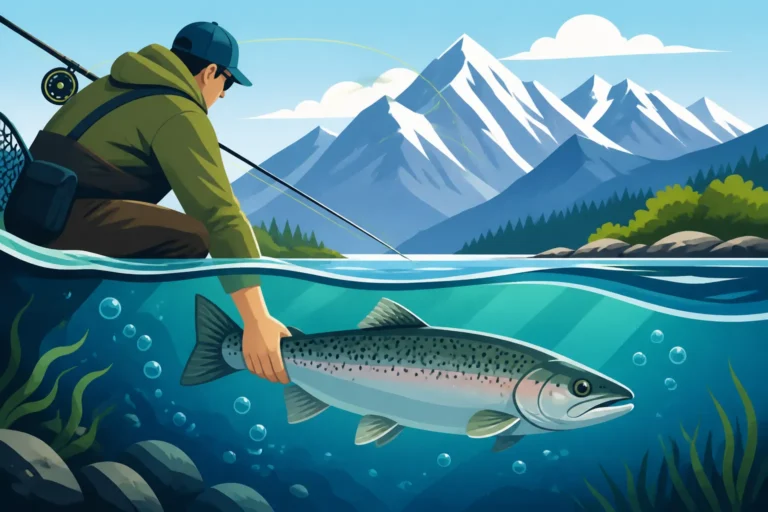
- Keep it Wet: Whenever possible, keep the sheefish in the water while unhooking and taking photos. Lifting a large fish out of the water, especially horizontally by the jaw, can cause internal damage.
- Handle Gently: Use wet hands or a knotless rubber net. Avoid squeezing the fish or touching its gills.
- Remove Hook Quickly: Barbless hooks are highly recommended as they make de-hooking much easier and less damaging. Long-nosed pliers or a de-hooking tool can be invaluable.
- Revive If Necessary: If the fish seems sluggish, hold it gently upright in the current, facing upstream, until it swims away under its own power.
- Avoid "Over-Catching": If you've already caught your limit of larger fish, consider switching to different techniques or locations that are less likely to yield trophy sheefish, or simply stop fishing for that species.
Respecting Local Communities and the Environment
Many of Alaska's prime sheefish waters flow through traditional lands and near rural, often Indigenous, communities. It's paramount to approach these areas with respect and sensitivity.
- Private Property: Be aware of land ownership and respect private property signs. Public access rules might differ in these remote areas.
- Waste Disposal: Pack out everything you pack in. Leave no trace of your presence. This includes fishing line, food wrappers, and any other trash.
- Cultural Sensitivity: Be mindful of local customs and traditions. Subsistence fishing is a way of life for many Alaskans, and sharing the resource respectfully is crucial. A friendly wave and a respectful distance go a long way.
- Bear Awareness: You're in prime bear country. Store food properly, carry bear spray, and know how to use it. Our guide on How to Fish Safely Around Alaska Bears has more information on this critical topic.
By following these guidelines, you not only ensure a legal and ethical fishing experience but also contribute to the long-term health and accessibility of Alaska's incredible sheefish resources.
Disclaimer
The information provided in this guide is for general informational purposes only and is subject to change. While we strive to provide accurate and up-to-date details, fishing regulations in Alaska can be complex and are frequently updated by the Alaska Department of Fish and Game (ADF&G) through emergency orders and annual publications. It is the angler's sole responsibility to consult the official ADF&G sport fishing regulations booklet and check for any current emergency orders pertaining to their specific fishing location and target species before engaging in any fishing activity. Failure to do so may result in fines or penalties.