Alaska 7-Day Fishing License: Cost and How to Buy
Planning a fishing trip to Alaska is a dream for so many, but let's be real – navigating all the regulations and getting the right fishing license can feel like trying to untangle a particularly stubborn knot in your fishing line. You want to make the most of your precious time on the water, not waste it figuring out what permit you need. This comprehensive guide will walk you through everything you need to know about the Alaska 7-Day Fishing License, from its cost to the easiest ways to purchase it, ensuring you're fully prepared for your incredible Alaskan adventure.
Why the Alaska 7-Day Fishing License is Perfect for Your Week-Long Adventure
When you’re dreaming of reeling in a trophy salmon or a massive halibut, the last thing you want is a licensing headache. Many anglers visiting Alaska come for a specific period, often a week, making the annual license overkill and the daily license too restrictive. This is where the 7-Day Fishing License truly shines, offering a fantastic balance of convenience and cost-effectiveness for most visitors.
Understanding the Flexibility of a 7-Day License
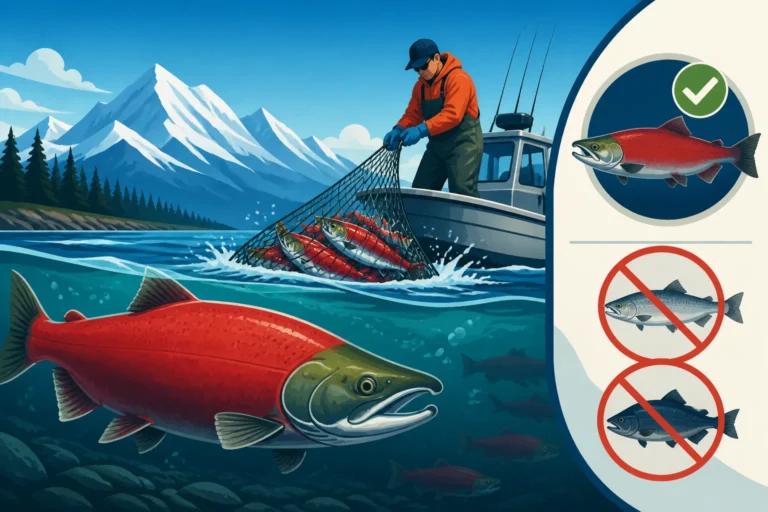
Imagine you've booked a seven-day trip to the Kenai Peninsula, perhaps hitting the legendary Kenai River for sockeye salmon or heading out of Homer for some deep-sea halibut. You arrive, you're excited, and you don't want to worry about buying a new license every single day. That's exactly why the 7-day option is so popular. It covers you for a full calendar week, from the moment it's activated, giving you peace of mind whether you're fishing every day or taking a scenic day trip in between. It's especially ideal if your travel plans fall within that specific timeframe and you know you won't be returning to fish again within the same calendar year. For more general details on different options, check out our guide on Alaska Fishing License Cost and Types.
The Alaska Department of Fish and Game (ADF&G) has designed these short-term licenses to accommodate the vast number of tourists who flock to Alaska each season. It’s a recognition that not everyone needs or wants a full-year commitment, and it simplifies the process significantly. Instead of juggling multiple daily licenses or committing to a more expensive annual one, the 7-day license offers a straightforward, all-encompassing solution for your week of angling bliss. This convenience allows you to focus on the thrill of the catch, the beauty of the Alaskan wilderness, and the camaraderie of your fishing companions.
Who Benefits Most from a 7-Day Fishing License
While seemingly straightforward, the 7-Day Fishing License isn't a one-size-fits-all solution for every angler, but it's perfect for a large segment of visitors. It's primarily tailored for non-resident anglers who are visiting Alaska for a dedicated fishing trip lasting anywhere from a few days up to a full week. If your itinerary involves arriving on a Monday and departing the following Sunday, this license category is practically custom-made for you.
Think about families planning a summer vacation where a couple of days are dedicated to fishing near Anchorage, maybe at Ship Creek, and then a few more days are spent targeting halibut in Seward. A 7-day license covers this entire spread without requiring multiple purchases. It removes the stress of needing to acquire a new license if you decide to extend your fishing by an extra day or two beyond a shorter 1-day or 3-day option. However, if your trip is shorter, say just a quick weekend getaway, you might consider an Alaska 3-Day Fishing License: Cost and How to Buy instead. The 7-day license also makes sense for those who might incorporate fishing into a broader Alaskan adventure, perhaps a cruise that includes a port-of-call fishing excursion, allowing flexibility within that week.
Understanding the True Cost of Your 7-Day Alaska Fishing License
Let's get down to the brass tacks: how much is this going to set you back? The cost of an Alaska 7-Day Fishing License varies significantly depending on whether you're an Alaska resident or a non-resident, and it's also crucial to remember the King Salmon Stamp, which is often an additional, but necessary, purchase for many anglers. Knowing these details upfront will help you budget effectively for your fishing adventure. For a comprehensive overview of all license types and their costs, you might want to read our detailed guide, Alaska Fishing License: Complete Guide.
Non-Resident 7-Day Fishing License Costs
For the vast majority of visitors coming from outside Alaska, the non-resident license fees are what you'll be looking at. Alaska is a prime destination for anglers worldwide, and the fees contribute directly to the management and conservation efforts that keep our fisheries so robust. As of recent updates, a non-resident 7-day sport fishing license typically costs around $70. This fee grants you the right to fish for all species, except for King Salmon, within the designated time frame.
It's a straightforward cost, but don't forget the King Salmon Stamp. If you plan to target King Salmon, which for many is the ultimate Alaskan dream, you must purchase a King Salmon Stamp in addition to your regular fishing license. The 7-day King Salmon Stamp typically runs about $30. So, if you're a non-resident visiting for a week with plans to chase those majestic kings, your total will be closer to $100 ($70 for the license + $30 for the stamp). It's a small price to pay for the chance at a truly epic catch. Make sure you understand Do You Need a King Salmon Stamp in Alaska to avoid any surprises.
Resident 7-Day Fishing License Costs
For those fortunate enough to call Alaska home, the licensing fees are significantly lower, reflecting the state's commitment to providing affordable access for its citizens. Alaska residents generally have more flexible and often free options for annual licenses, especially for seniors and military personnel. However, if for some reason a resident did need a 7-day license (perhaps they lost their annual one and need a temporary fix while awaiting a reprint, or they simply prefer short-term options), the cost is substantially reduced.
A resident 7-day sport fishing license typically costs around $20. Similarly, if a resident plans to target King Salmon during that week, they would also need a 7-day King Salmon Stamp, which costs around $10. So, a resident chasing kings for a week would be looking at about $30 ($20 for the license + $10 for the stamp). This fee structure ensures that residents can enjoy their home waters without excessive financial burden, while still contributing to the overall fishery management.
Here's a quick breakdown of the approximate costs:
| License Type | Non-Resident Cost (Approx.) | Resident Cost (Approx.) |
|---|---|---|
| 7-Day Fishing License | $70 | $20 |
| 7-Day King Salmon Stamp | $30 | $10 |
| Total with King Stamp | $100 | $30 |
Note: These prices are approximate and subject to change. Always check the official ADF&G website for the most current fees.
Your Step-by-Step Guide to Purchasing an Alaska 7-Day Fishing License
Getting your fishing license should be a simple process, not a barrier to your adventure. Thankfully, Alaska offers several convenient ways to purchase your 7-Day Fishing License, whether you prefer the ease of online transactions or the traditional in-person experience. Knowing your options beforehand will save you time and hassle, getting you on the water faster. For more general guidance, our How to Get an Alaska Fishing License Online guide can be very helpful.
Buying Your License Online
This is by far the most popular and recommended method for purchasing your Alaska fishing license, especially if you're a non-resident planning your trip in advance. The Alaska Department of Fish and Game (ADF&G) offers a user-friendly online portal where you can buy your license from the comfort of your home, anytime, anywhere.
Here’s how it usually works:
- Visit the Official ADF&G Website: Head directly to the Alaska Department of Fish and Game's licensing portal. Avoid third-party sites to ensure you're getting a legitimate license at the correct price.
- Create an Account or Log In: If it's your first time, you'll need to create a profile. This usually involves providing basic personal information like your name, address, date of birth, and driver's license number.
- Select Your License Type: Navigate to the "Sport Fishing" section and choose the "7-Day Non-Resident Sport Fishing License" or "7-Day Resident Sport Fishing License," as applicable. If you plan to target King Salmon, remember to also add the "7-Day King Salmon Stamp" to your cart.
- Complete the Purchase: Follow the prompts to enter your payment information. Most major credit cards are accepted.
- Print Your License: Once the transaction is complete, you'll receive a printable PDF of your license and stamp. Print it out and keep it with you while fishing. You can also save a digital copy on your phone, but having a physical copy is always a good backup in case of dead batteries or lost signal. Some anglers even laminate their licenses for durability, a handy tip I picked up over the years. You can find laminating pouches and small portable printers on Amazon if you want to be extra prepared before your trip!
The advantages of buying online are clear: it's quick, you can do it well in advance, and you'll have your license in hand before you even step foot in Alaska. This eliminates any last-minute stress upon arrival.
Purchasing Your License In-Person
For those who prefer a more traditional approach or find themselves needing a license on short notice after arriving, there are plenty of physical locations throughout Alaska where you can make your purchase. This can be particularly useful if you have questions or prefer to pay with cash.
Common places to buy your license in person include:
- Sporting Goods Stores: Retailers like Bass Pro Shops or even smaller local tackle shops throughout Alaska are authorized license vendors. They often have knowledgeable staff who can answer questions about local regulations or gear.
- Convenience Stores: Many grocery stores and gas stations, especially in smaller towns, also serve as license vendors. Just look for the "ADF&G License Vendor" sign.
- Fishing Lodges and Charter Operators: If you're staying at an Alaska All-Inclusive Fishing Lodge or heading out with an Alaska Fishing Charter Guide, they often sell licenses directly. This can be incredibly convenient, as you can typically purchase it right before you board your boat or head to the river. Many of these operators want to make it as easy as possible for their clients, sometimes even building the license purchase into their booking process or offering it as an add-on.
- ADF&G Offices: While less common for direct tourist purchases, official Alaska Department of Fish and Game offices in larger cities like Anchorage, Fairbanks, or Juneau will also sell licenses.
When buying in person, remember to bring a valid ID and be prepared to provide the same personal information as you would online. You'll receive a physical copy of your license and stamp right then and there. This method is great for spontaneous trips or for those who like to handle all their trip details once they've arrived in the state. If you want to know all the local spots, refer to our guide, Where to Buy an Alaska Fishing License.
Essential Considerations and Common Pitfalls for Your 7-Day Alaska Fishing Trip
Getting your license is a crucial first step, but it's not the only piece of the puzzle for a successful and legal Alaska fishing trip. Beyond the license itself, there are several vital considerations and common pitfalls that even experienced anglers can overlook. Taking a few extra minutes to understand these aspects can save you from fines, frustration, and a potentially ruined trip.
Understanding Alaska Fishing Regulations and Emergency Orders
Alaska's fishing regulations are dynamic, complex, and can change at a moment's notice, especially for highly sought-after species like King Salmon or sockeye. A 7-day license covers you for a week, but the rules for what you can catch, where, and how much can vary by region, river, species, and even time of day. This is particularly true for popular spots like the Kenai River.
- Regulation Booklets: Always, always, pick up a current copy of the Alaska Sport Fishing Regulations Summary for the region you'll be fishing. These are available online through ADF&G, at license vendors, and often at fishing lodges. Don't just skim it; read the sections relevant to your target species and location thoroughly. The rules regarding Alaska Fishing Limits and Bag Limits Explained are incredibly important to understand.
- Emergency Orders: This is where many anglers get tripped up. Due to fluctuating fish runs or conservation concerns, ADF&G frequently issues "Emergency Orders" that can alter daily limits, close fisheries entirely, or change legal gear types. These orders supersede the printed regulation booklet. For example, a river might be open for King Salmon in the regulations, but an emergency order could close it to retention, or even to all fishing, overnight. Always check How to Check Alaska Emergency Orders Before Fishing immediately before and even during your trip. You can find this information on the ADF&G website, through local charter operators, and often posted at boat launches. Having a fishing app or checking the ADF&G website daily on your smartphone is highly recommended. You can even find helpful apps and waterproof phone cases on Amazon to keep you connected and your regulations at your fingertips.
The Alaska Harvest Record Card
If you plan to retain certain species, particularly King Salmon, you will need to understand and properly use an Alaska Harvest Record Card. This card is a physical document where you immediately record any retained King Salmon, as well as Steelhead in some regions.
- Mandatory for Kings: Even with your 7-day license and King Salmon Stamp, failing to record a King Salmon immediately after catching and retaining it is a serious violation. This isn't just a suggestion; it's a critical part of fisheries management that helps ADF&G monitor harvest numbers.
- How to Use It: When you purchase your fishing license, your Harvest Record Card will typically be printed on the back of your license or as a separate attachment. It will have spaces to record the date, location, and species of the fish. Carry a waterproof pen or pencil with you at all times for this purpose. Our guide on the Alaska Harvest Record Card Explained provides all the nitty-gritty details.
- Reporting: At the end of the year (or your fishing season, whichever comes first), residents are usually required to return their harvest card to ADF&G. For non-residents, depending on the species and duration, there might be different reporting requirements. Always confirm these details to ensure compliance.
Gear, Weather, and Local Knowledge
While not directly tied to the license, these practical considerations are vital for a successful 7-day trip. Alaska's weather is notoriously unpredictable, and local knowledge is invaluable.
- Appropriate Gear: A 7-day trip means you'll likely encounter a variety of conditions. Invest in good quality rain gear – jackets, pants, and waterproof boots are non-negotiable. Layers are key. Depending on your target species, your gear will vary significantly. For halibut, you'll need heavy-duty rods and reels, while salmon fishing might call for specific lures or fly setups. Check out our Alaska Fishing Gear and Tackle Guide for detailed recommendations.
- Local Expertise: Whether it's a charter captain or a local tackle shop owner, tapping into local knowledge can make or break your trip. They often have the most up-to-date information on where the fish are biting, what gear is working best, and any subtle regulation changes. Don't be shy about asking questions!
- Safety First: Alaska is wild, and safety should always be your top priority. Inform someone of your fishing plans, carry bear spray in appropriate areas, and be prepared for sudden weather changes. Remember, a 7-day license implies a multi-day adventure, so preparation for varied conditions is essential.
By taking the time to understand these elements beyond just the license purchase, you'll be well on your way to a memorable, safe, and legal Alaska fishing experience.
Disclaimer
The information provided in this article is for general guidance only and is subject to change. While we strive to offer accurate and up-to-date content, Alaska fishing regulations, license costs, and emergency orders are frequently updated by the Alaska Department of Fish and Game (ADF&G). It is the sole responsibility of each angler to verify all current regulations, license requirements, and any emergency orders directly through the official ADF&G website or authorized vendors before engaging in any fishing activity. Failure to do so may result in fines or penalties.