Alaska Dolly Varden Regulations and Limits
Figuring out the exact rules for fishing specific species in Alaska can feel like trying to untangle a complicated knot. You've got the general regulations, then regional overlays, emergency orders, and before you know it, you're wondering if you even need a special stamp for a Dolly Varden! It’s enough to make your head spin. But don't you worry, because this guide is here to break down the ins and outs of Alaska Dolly Varden regulations and limits, so you can hit the water with confidence and avoid any unwanted surprises.
Understanding Dolly Varden in Alaska's Fisheries
Dolly Varden, a beautiful and often feisty char native to Alaskan waters, are a popular target for anglers across the state. They’re gorgeous fish, with vibrant spots and often brilliant spawning colors, and they put up a respectable fight on light tackle. But like all fish in Alaska, their populations are carefully managed to ensure sustainable fishing for generations to come. This means that while they might not get as much headline attention as the big salmon runs or monster halibut, there are still crucial rules you need to understand before you cast a line for them.
These regulations aren't arbitrary; they're based on scientific data about Dolly Varden populations, their spawning habits, and their vulnerability in different ecosystems. For example, a river system that sees heavy fishing pressure or has a fragile resident population might have much stricter rules than a remote, pristine lake. It’s all about balance and making sure these wonderful fish continue to thrive. You’ll often find Dolly Varden coexisting with salmon, eagerly feeding on their eggs and smolt, making them an integral part of the Alaskan aquatic food chain.
Statewide and General Dolly Varden Bag and Possession Limits
Let's start with the broad strokes, the general statewide rules that apply to Dolly Varden unless a specific regional regulation states otherwise. These are your baseline limits, but always remember that in Alaska, the general rule is often overridden by the specific rule for a particular body of water or management area.
Daily and Possession Limits Explained
The standard statewide limit for Dolly Varden in Alaska is 10 per day and 10 in possession. What does this actually mean in practice?
- Daily Limit: This is the maximum number of Dolly Varden you can harvest and keep in a single calendar day, from midnight to midnight. If you catch 10 Dolly Varden, keep them, and then decide to go fishing again later that same day, you cannot keep any more. You've hit your daily limit.
- Possession Limit: This is the maximum number of Dolly Varden you can have in your physical possession at any given time. This includes fish you've caught on previous days that haven't been consumed, processed, or shipped. For instance, if you fish on Monday and keep 10 Dolly Varden, then fish on Tuesday and keep another 10, you are now over your possession limit of 10. You would need to have consumed, processed, or given away the Monday catch before keeping more on Tuesday to stay within the 10-fish possession limit.
It's a common mistake, especially for visitors on longer trips, to think the possession limit resets daily. It does not! If you're planning a multi-day fishing adventure, you need to be mindful of how many fish you've already accumulated. This is a critical distinction that trips up many anglers and can lead to Alaska Fishing Violations and Fines if not properly understood.
Absence of Statewide Size Limits
Interestingly, unlike some other popular species, there are typically no statewide size limits for Dolly Varden in Alaska. This means that generally, any legal-sized Dolly Varden you catch, up to your daily and possession limit, can be kept. However, this is another area where regional or specific waterbody regulations can differ, so always double-check the booklet for your exact fishing location. Some specific streams or lakes might have catch-and-release only rules or even slot limits, which dictate a specific size range of fish that can be kept. You might find similar variations when looking into Alaska Rainbow Trout Regulations in certain areas.
Harvest Record Card Requirements
One common question is whether Dolly Varden need to be recorded on your Alaska Harvest Record Card. For sport fishing, the answer is generally no. The harvest record card is typically reserved for specific high-value species like King Salmon and Halibut. While it's always good to be familiar with Alaska Harvest Record Card Explained, you won't usually need to mark down your Dolly Varden catch. This simplifies things a bit, but it doesn't diminish the importance of respecting your bag limits.
Here’s a quick summary of the general rules:
| Regulation Type | Statewide Standard (Unless Specified Otherwise) | Notes |
|---|---|---|
| Daily Limit | 10 Dolly Varden | Maximum number of fish you can harvest per calendar day. |
| Possession Limit | 10 Dolly Varden | Maximum number of fish you can have on your person or in storage at any time. |
| Size Limit | None | Generally no minimum or maximum size restrictions, but check regional rules. |
| Harvest Card | Not required for sport fishing | Dolly Varden do not typically need to be recorded. |
Navigating Regional Dolly Varden Regulations
Alaska is a vast state, and its fishing regulations are highly localized. What's perfectly legal on the Kenai Peninsula might be strictly prohibited in Southeast Alaska, or even just a different river system within the same region. Dolly Varden are found across much of the state, from coastal streams to interior rivers, and their regulations reflect these diverse environments.
The Importance of Checking Specific Area Rules
This is perhaps the single most crucial piece of advice for any angler in Alaska: always consult the current Alaska Sport Fishing Regulations booklet for the specific region and body of water you intend to fish. You can often find this online on the Alaska Department of Fish and Game (ADF&G) website, or pick up a physical copy at most sporting goods stores and license vendors. The ADF&G updates these regulations annually, and sometimes even in-season via Alaska Fishing Emergency Orders Explained, so a booklet from last year won't cut it.
For instance, while the statewide daily limit is 10, you might encounter regulations in certain areas, particularly popular road-system fisheries or sensitive spawning areas, that reduce this limit to:
- 2 Dolly Varden per day
- 5 Dolly Varden per day
- Catch-and-release only for Dolly Varden. This is often the case in protected trout streams or lakes where the focus is on maintaining resident populations for angling enjoyment rather than harvest.
Consider the Kenai Peninsula. Many rivers and lakes here are subject to intense fishing pressure. While some backcountry areas might adhere to the general limits, popular spots near towns like Cooper Landing or Soldotna could have much more restrictive rules for Dolly Varden, especially if they are deemed a forage fish for important salmon or trout populations. Similarly, remote streams in Southeast Alaska that are critical spawning grounds could have catch-and-release mandates.
Examples of Regional Variations
- Southcentral Alaska: In some popular stream sections of the Kenai River drainage, you might find reduced bag limits or even catch-and-release regulations for Dolly Varden, especially in areas managed primarily for rainbow trout or salmon. For example, certain sections of the Russian River, famous for its sockeye run, might have specific Dolly Varden rules to protect other species or ensure adequate forage. For more detailed information on regulations in this diverse region, you can explore the Alaska Southcentral Regulations Summary.
- Southeast Alaska: With its myriad of coastal streams and lakes, Southeast Alaska presents a patchwork of regulations. While many areas might follow the general limit, specific, easily accessible streams near communities like Juneau, Sitka, or Ketchikan could have reduced limits or special gear restrictions to protect local populations.
- Interior Alaska: Rivers and lakes in Interior Alaska, such as those around Fairbanks or Denali National Park, might see different management strategies. While overall pressure might be less, some areas could have unique regulations to protect a specific ecosystem or provide a unique angling experience.
Always take the time to read the specific regulation page for your planned fishing location. It can make all the difference between a successful, legal outing and a frustrating encounter with an ADF&G enforcement officer. Understanding How to Read Alaska Fishing Regulations effectively is truly invaluable.
Gear Restrictions and Conservation for Dolly Varden
Beyond just how many Dolly Varden you can keep, there are often rules about how you can catch them and best practices to ensure their survival if you're releasing them. These regulations are all part of Alaska’s commitment to sustainable fishing.
Common Gear Restrictions
While Dolly Varden are pretty opportunistic feeders and can be caught on a wide variety of tackle, certain areas will impose specific gear restrictions, especially when they are present in waters also holding salmon or trout that require more protection.
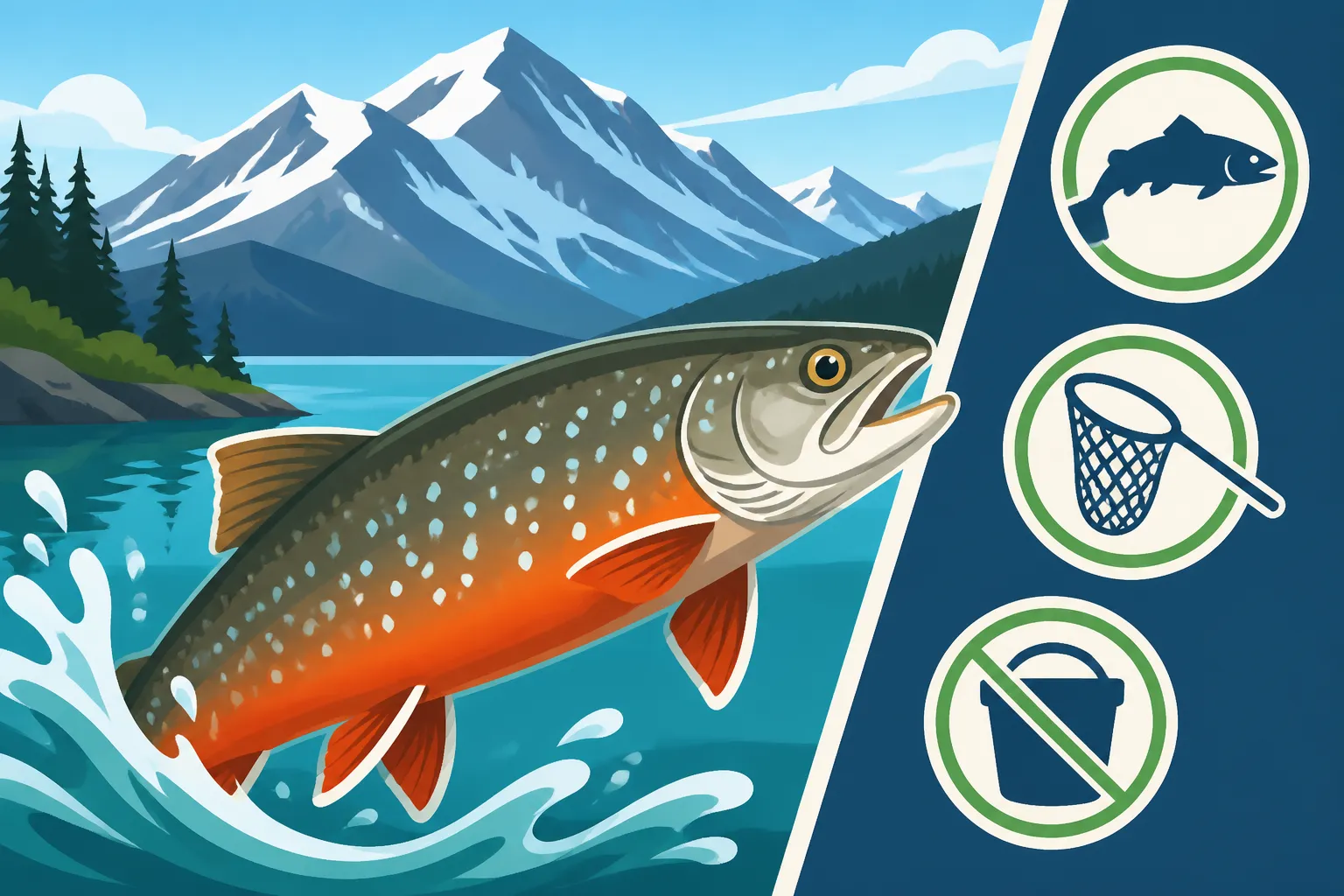
- Bait Bans: One of the most common restrictions you'll encounter is a ban on bait. This is particularly prevalent in clearwater streams and rivers where Dolly Varden are often targeted by fly anglers, or in waters where trout or juvenile salmon need protection. In a bait-free zone, you'd be limited to artificial lures or flies. Make sure to check Alaska Bait Restrictions Explained for your chosen fishing spot.
- Barbless Hooks: Many regulations across Alaska, especially in catch-and-release fisheries or during specific periods, require the use of barbless hooks. The idea here is simple: a barbless hook causes less damage to the fish, making it easier to release unharmed. You can either buy hooks that are already barbless or crimp down the barbs on your existing hooks with a pair of pliers. This is a common requirement and is crucial for Alaska Catch-and-Release Best Practices. You can often find barbless hooks for sale on platforms like Amazon, making it easy to comply.
- Single Hook Rules: In some areas, particularly when certain salmon species are present and vulnerable, regulations might require the use of a single hook rather than treble hooks, even on lures. This further reduces potential harm to fish.
These gear restrictions are designed to minimize incidental mortality, especially for fish that are not intended for harvest or are protected.
Best Practices for Catch-and-Release
Even if you're fishing in an area where you can keep Dolly Varden, many anglers choose to practice catch-and-release, especially for larger, older fish. Dolly Varden are hardy, but proper handling is key to their survival.
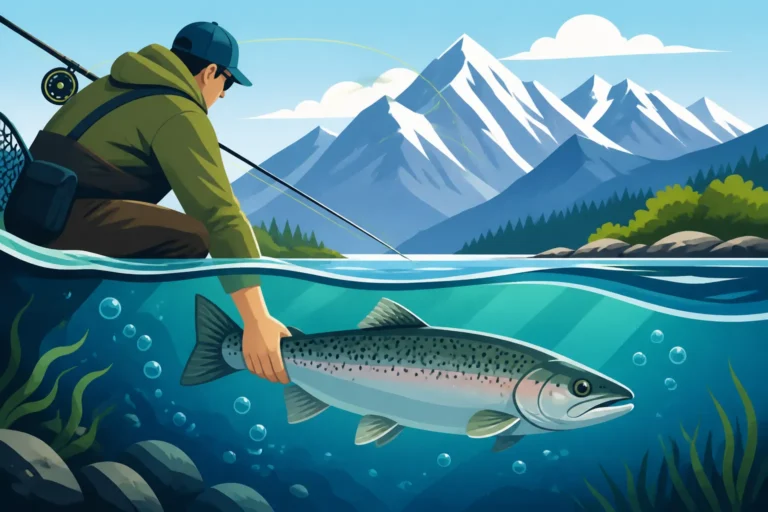
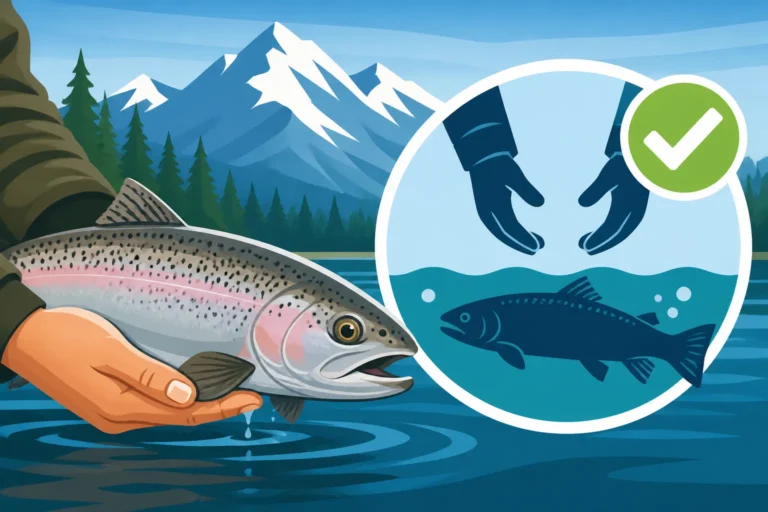
- Minimize Handling: Try to keep the fish in the water as much as possible. If you must lift it for a photo, do so quickly, supporting its body horizontally with wet hands.
- Wet Hands: Always wet your hands before touching a fish. Dry hands can remove the fish's protective slime coat, leaving it vulnerable to disease.
- Quick Hook Removal: Use needle-nose pliers or hemostats to quickly remove the hook. If the fish is deeply hooked, it’s often best to cut the line as close to the hook as possible rather than tearing sensitive internal organs.
- Revival: If a fish is exhausted, hold it gently in the current, facing upstream, until it regains its strength and can swim away on its own.
By following these simple steps, you significantly increase the chances of the released Dolly Varden surviving to fight another day. These practices are not just for Dolly Varden; they apply broadly to all species you intend to release, contributing to the overall health of Alaska’s fisheries.
Planning Your Dolly Varden Fishing Trip
Preparing for a Dolly Varden fishing trip in Alaska involves more than just knowing the regulations; it's about being ready for the conditions and having the right approach. These fish are accessible in many areas, making them a fantastic target for anglers of all skill levels.
When and Where to Find Them
Dolly Varden are opportunistic feeders and can be found in both freshwater and saltwater environments throughout coastal and Southcentral Alaska. They are especially active during salmon runs, feasting on eggs and decaying carcasses, but they are also readily caught on small spinners, spoons, and flies throughout the summer. Many anglers specifically target them in streams and rivers where Alaska Rainbow Trout Regulations also apply, as they share similar habitats.
- Spring/Early Summer: As waters warm, Dollies become more active, often found in smaller streams and lake outflows.
- Mid-Summer (Salmon Runs): This is prime time! Follow the salmon runs on rivers like the Kenai, Russian, or streams in Southeast Alaska, and you'll find Dolly Varden gorging on salmon eggs. This is where techniques like Fly Fishing in Alaska with egg patterns can be incredibly effective.
- Fall: As salmon spawn and die, Dolly Varden continue to feed heavily, packing on weight before winter.
For specific locations, checking local fishing reports and forums can provide up-to-the-minute information on where they are biting. You might even discover a hidden gem for Best Bank Fishing in Alaska that holds a healthy population of Dollies.
Essential Gear for Dolly Varden
Dolly Varden aren't typically tackle busters, so light to medium-light spinning gear or a 4-6 weight fly rod is usually perfect.
- Spinning Gear: A 6-7 foot rod with a sensitive tip, paired with a reel spooled with 6-10 lb test line (monofilament or braided with a fluorocarbon leader). Small spinners (like Mepps, Rooster Tail) in sizes #1-3, small spoons (Pixee, Krokodile), and soft plastic grubs are all excellent choices.
- Fly Fishing Gear: A 5-weight fly rod is a versatile choice, allowing you to cast small streamers, nymph patterns (especially egg patterns), and even dry flies if conditions are right. Floating line is standard, but a sink-tip can be useful in deeper holes. Check out our comprehensive Alaska Fishing Gear and Tackle Guide for more insights.
- Waders and Rain Gear: Alaska weather is notoriously unpredictable. Good quality waders and reliable rain gear are not just recommended, they're essential for staying comfortable and safe on the water. Many anglers find high-quality gear available on Amazon before their trip.
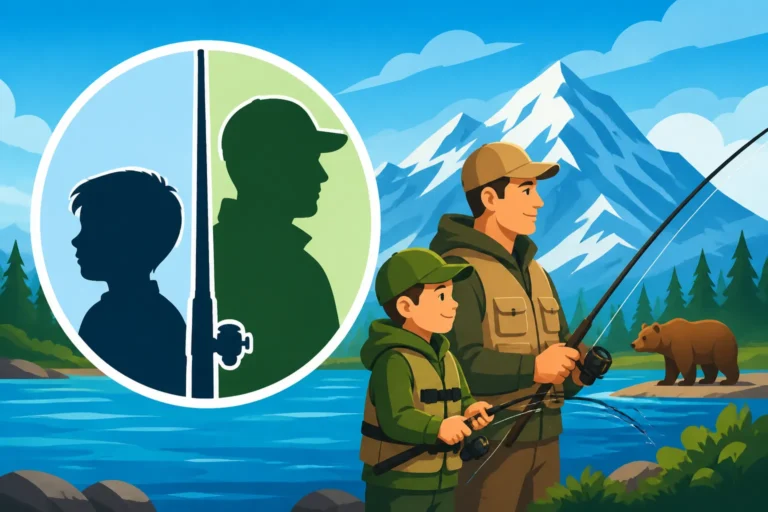
- Bear Spray: When fishing in bear country, which is almost everywhere in Alaska, carrying bear spray and knowing how to use it is a non-negotiable safety precaution. Check out How to Fish Safely Around Alaska Bears for crucial safety tips.
Remember, the goal is to enjoy your time on the water, respect the resource, and adhere to all regulations. Dolly Varden are a delightful fish to target in Alaska, offering consistent action and a beautiful catch for those who understand the rules.
Disclaimer
The information provided in this guide is intended for general informational purposes only and is subject to change. Fishing regulations in Alaska are complex and can be updated frequently, including through emergency orders. Always consult the official Alaska Department of Fish and Game (ADF&G) regulations booklet or their website for the most current and specific rules for the area you plan to fish before heading out on the water. Failure to do so could result in fines or other penalties.