Alaska Personal Use Salmon Fishery Explained
For many Alaskans, the yearly pilgrimage to a salmon-rich river isn't just about sport; it's a vital tradition of filling freezers and sustaining families. But navigating the specific rules for harvesting salmon outside of typical sport fishing can feel like deciphering ancient runes, leaving many feeling frustrated and unsure. This guide is here to untangle the complexities of the Alaska Personal Use Salmon Fishery, explaining exactly what it is, who can participate, and how to successfully and legally bring home your bounty.
Understanding the Alaska Personal Use Salmon Fishery
Alaska's waters are teeming with salmon, and for generations, Alaskans have relied on these abundant resources for food. While many are familiar with sport fishing, the personal use salmon fishery operates under a distinct set of principles and regulations, designed specifically for residents to harvest fish for their household consumption. It's a fundamental part of the Alaskan way of life, bridging the gap between subsistence fishing and recreational angling.
What Exactly is Personal Use Fishing?
Personal use fishing in Alaska is a specific category of fishing managed by the Alaska Department of Fish and Game (ADF&G) that allows residents to harvest finfish, shellfish, or other aquatic invertebrates for personal consumption by themselves and their immediate family. Unlike sport fishing, which is primarily recreational, personal use is focused on food gathering. It often involves different gear, higher bag limits, and specific permits that differ significantly from a standard sport fishing license. The intent is to provide an opportunity for Alaskan households to stock up on protein, especially during robust salmon runs. This isn't just a casual outing; it’s an active participation in the food system.
Think of it this way: when a family goes personal use dipnetting on the Kenai, they're not just hoping for a fun afternoon; they're working to secure a year's supply of sockeye. This distinction profoundly influences the rules, locations, and methods allowed. It's a tradition that fosters a deeper connection to the land and water, allowing Alaskans to be self-sufficient and enjoy the fruits of their local environment. You'll find families working together, often bringing multiple generations to participate in the harvest, making it a true community event in many areas.
The Philosophy Behind Personal Use
The core philosophy behind the personal use fishery is to ensure Alaskan residents have access to a substantial amount of wild salmon for food, while still managing fish populations sustainably. It recognizes the historical and cultural significance of salmon as a dietary staple for many families throughout the state. This contrasts sharply with sport fishing, where the emphasis is often on the experience, the catch-and-release aspect, or landing a trophy fish. Personal use is about quantity and sustenance.
This philosophy is enshrined in how the fisheries are managed. When salmon runs are particularly strong, ADF&G will often open personal use fisheries, sometimes for just a few days or weeks, to allow residents to harvest thousands of fish. These openings are frequently announced through emergency orders, which highlight the responsiveness of the management system to the real-time health of the salmon runs. The rules are designed to be effective for large-scale harvesting, which is why methods like dip nets and seines are common, rather than a single rod and reel. This means staying informed about current conditions is absolutely critical for anyone hoping to participate. For those looking to learn more about the broader regulatory landscape, understanding the Alaska Fishing Regulations Explained can provide a helpful foundation.
Key Differences from Sport Fishing
It's easy to confuse personal use with sport fishing, especially since both involve catching fish. However, the differences are significant and crucial for avoiding violations. First and foremost, personal use fisheries are almost exclusively reserved for Alaska residents. Non-residents, including those visiting for tourism or even those with a valid Alaska Non-Resident Fishing License Guide, are typically prohibited from participating in personal use fisheries. This is one of the biggest points of confusion for visitors.
| Feature | Personal Use Fishing | Sport Fishing |
|---|---|---|
| Eligibility | Alaska Residents only | Residents & Non-Residents |
| Primary Goal | Food gathering for personal/household consumption | Recreation, sport, trophy angling |
| Gear Types | Dip nets, seines, cast nets, sometimes gillnets | Rod and reel (single hook, specific bait rules) |
| Bag/Possession | Often higher household limits, specific permits | Daily and annual limits per individual |
| Licenses/Permits | Personal Use Permit required (often free), harvest card | Standard Alaska Fishing License: Complete Guide (paid) |
| Locations | Designated "personal use" areas (e.g., Kenai, Chitina) | Widespread, public access waters |
| Reporting | Mandatory harvest recording on permit/card | Harvest card for King Salmon and some others |
The gear used is another major differentiator. While sport fishing typically involves a single rod and reel, personal use often employs methods like dip nets on the Kenai River or large seines in areas like the Copper River. These methods are far more efficient for catching large numbers of fish. Finally, the licensing and reporting requirements are distinct. While sport fishing requires a standard license (and sometimes a King Salmon stamp), personal use often requires a specific, often free, personal use permit and a harvest card that must be meticulously filled out. You’ll also find that Alaska Fishing Limits and Bag Limits Explained will vary significantly between these two types of fisheries.
Who Can Participate and Where
The personal use salmon fishery is a cherished right for many Alaskans, offering a unique opportunity to harvest large quantities of salmon. However, it's not a free-for-all. Strict rules dictate who can participate and in which specific areas, all designed to ensure the resource remains healthy for future generations. Understanding these requirements is essential before you even think about packing your gear.
Residency Requirements for Personal Use
This is perhaps the most critical distinction: personal use fisheries are generally only open to Alaska residents. This isn't just a suggestion; it's a legal requirement. To qualify as an Alaska resident for fishing purposes, you generally must have lived in the state with the intent to remain indefinitely for the preceding 12 consecutive months and not claim residency in any other state or country. There are specific criteria the ADF&G uses to determine residency, including voter registration, property ownership, and vehicle registration. So, if you're visiting Alaska, even for an extended stay, you likely won't qualify for personal use fishing.
This residency requirement often causes confusion for tourists who see the frenetic activity on rivers like the Kenai and want to join in. It’s important to manage expectations and understand that a standard Alaska Non-Resident Fishing License Guide does not grant access to personal use fisheries. These regulations are in place to prioritize Alaskans' access to a traditional food source. The household permit system for personal use fisheries also reinforces this, as the limits are typically set per household, not per individual, reflecting the family-oriented nature of the harvest.
Popular Personal Use Fisheries and Their Locations
Alaska hosts several renowned personal use salmon fisheries, each with its own unique characteristics and target species. By far, two of the most famous are the Kenai River for sockeye salmon and the Copper River for sockeye and Chinook (King) salmon.
- Kenai River Personal Use Dipnet Fishery: Located in Southcentral Alaska, primarily near Kenai and Soldotna, this fishery is iconic. During peak sockeye runs, thousands of Alaskans line the riverbanks or launch small boats to dipnet for salmon. The Kenai River is famous for its massive sockeye runs, and anglers can often harvest dozens of fish in a single outing. Access points include the Kenai River mouth (south beach and north beach) and the Kasilof River. Understanding Alaska Sockeye Salmon Limits on the Kenai is crucial here, as regulations can change rapidly based on run strength.
- Chitina Personal Use Dipnet Fishery: Situated on the Copper River, accessible via the Edgerton Highway, the Chitina fishery is another major draw, particularly for sockeye and sometimes King salmon. This fishery can be more challenging due to the silty glacial waters, but the rewards can be immense. The scenery alone is worth the trip, even if the fishing is tough. The specific regulations for Alaska Chitina Dip Netting Regulations are very detailed, including specific fishing periods and methods.
- Kasilof River Personal Use Dipnet Fishery: Just south of the Kenai River, the Kasilof also offers a popular personal use dipnet fishery for sockeye. While often less crowded than the Kenai mouth, it can still provide excellent opportunities for a bountiful harvest. Like the Kenai, it's regulated closely by emergency orders.
- Other Smaller Fisheries: Various other personal use fisheries exist throughout the state, including some for herring, hooligan, or other salmon species. These are often localized and depend heavily on specific regional needs and fish run dynamics.
Each of these fisheries requires careful planning and a thorough understanding of the specific rules in place for that area. It's not uncommon for these areas to have very different rules regarding gear, daily hours, and total harvest limits, so checking the ADF&G website for the specific management area you plan to visit is always your first step.
The Role of Permits and Tags
Participation in an Alaska personal use salmon fishery nearly always requires a specific personal use permit, in addition to being an Alaska resident. These permits are typically issued by the ADF&G and are often free, though some may have a small administrative fee. The permit is much more than just a piece of paper; it’s a critical management tool. It often includes a harvest record section where you must immediately record every fish you keep, detailing the species, date, and location.
For example, when participating in the Kenai or Kasilof personal use dipnet fisheries, you'll need to obtain a permit specifically for the Upper Cook Inlet Personal Use Salmon Fishery. This permit will detail the household bag and possession limits, which are often quite generous compared to sport fishing limits. You’ll also need to be familiar with the general requirements for an Alaska Harvest Record Card Explained, even if your specific personal use permit serves a similar function. Accurately filling out this card is not optional; it’s a legal requirement, and failure to do so can result in fines and forfeiture of your catch. The ADF&G uses this data to monitor harvest rates and manage fish populations effectively. Keep your permit on you at all times while fishing and ensure you understand how to properly How to Fill Out an Alaska Harvest Record Card before you even wet a line.
Navigating Regulations and Gear for Personal Use
Once you understand the 'what' and 'who' of personal use fishing, the next step is diving into the 'how.' This means knowing precisely what gear you're allowed to use, understanding the unique bag and possession limits, and being fully aware of the ethical and safety considerations that come with participating in these bustling fisheries. It’s a different ballgame than typical rod-and-reel angling, and being prepared is key to a successful, legal, and enjoyable experience.
Gear Restrictions and Allowed Methods
Personal use fisheries are characterized by their specialized gear, which is designed for efficient harvesting rather than sport. The most common method you'll see in places like the Kenai and Chitina is dipnetting.
- Dip Nets: These are large, usually circular or rectangular nets attached to a long handle. Anglers stand in the water or from a boat, holding the net open to intercept migrating salmon. The maximum legal size for a dip net in most personal use salmon fisheries is generally limited to a diameter or square measurement of 5 feet. For instance, the regulations for Alaska Dip Netting Regulations will specify these dimensions. It takes practice to effectively wield a dip net, especially in strong currents, but a well-placed net during a strong run can yield multiple fish at once. You can find robust, Alaska-specific dip nets on platforms like Amazon, though many local hardware stores and sporting goods shops in places like Soldotna or Anchorage will also carry them.
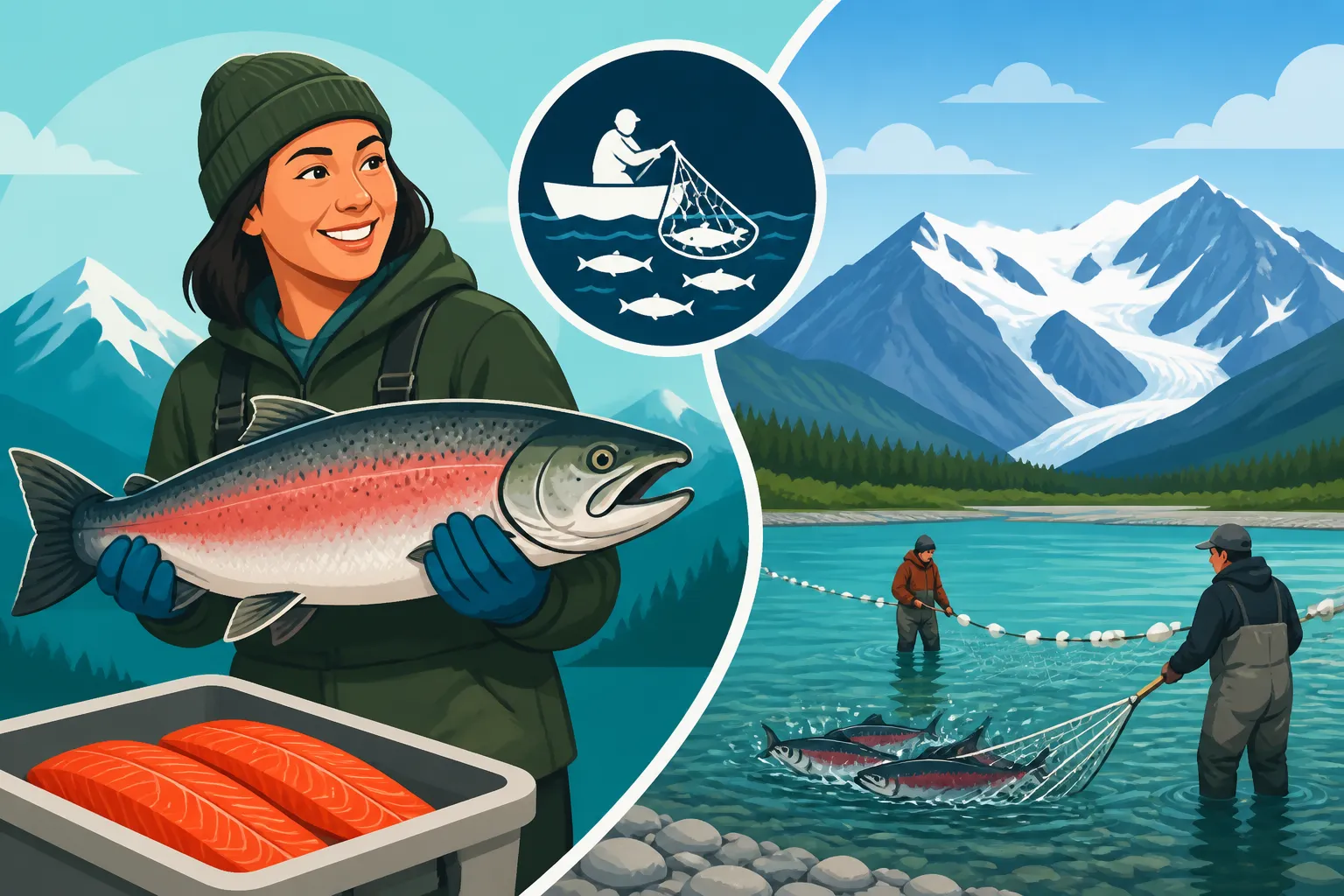
- Beach Seines: In certain personal use areas, such as specific sections of the Kasilof River, beach seines are permitted. These are long nets deployed from shore or a boat, then pulled back to shore, encircling a school of fish. These are typically used by multiple individuals working together due to their size and complexity.
- Gillnets: While less common for salmon personal use in popular road-system fisheries, some remote personal use or subsistence fisheries might allow gillnets. These are nets that entangle fish by their gills. Strict regulations govern their length, depth, mesh size, and deployment, and they are not generally allowed in the highly accessible road-system personal use salmon fisheries like the Kenai or Chitina.
It’s crucial to remember that these methods are highly regulated. You cannot simply use any net you find. Always consult the current ADF&G regulations for the specific fishery you intend to participate in, as gear restrictions can vary greatly by location and even change via emergency order. For instance, if you're going to the Copper River, the Alaska Chitina Dip Netting Regulations will outline exactly what's permitted.
Bag Limits and Possession Limits
The beauty of personal use fishing, for residents, lies in the generous household bag and possession limits, which are designed to allow families to harvest a substantial amount of fish. These limits are significantly higher than typical sport fishing limits.
- Bag Limit: This refers to the number of fish you can harvest per day or per fishing period. In personal use fisheries, limits are usually set per household, not per individual. For example, a household may be allowed to harvest 25 sockeye salmon, plus an additional 10 sockeye for each household member. These numbers can vary wildly based on the health of the run and the specific fishery.
- Possession Limit: This refers to the total number of fish you can have in your possession at any given time. For personal use, the possession limit is often tied directly to the bag limit, meaning you generally cannot possess more than your household's current bag limit, unless fish are being processed or shipped.
- Annual Limits: Some personal use fisheries also impose an annual limit per household, regardless of how many trips you make. It’s important to understand this because it prevents overharvesting by individual households throughout a season.
- Recording Requirements: Every single fish retained must be immediately recorded on your personal use permit or harvest card. This is a non-negotiable rule. If you catch a fish and decide to keep it, it goes on the card before you put it in your cooler. This system allows ADF&G to track the total harvest in real-time. For a clear explanation of these rules, look at Alaska Fishing Possession Limits Explained.
Failure to adhere to these limits and recording requirements can lead to serious penalties, including fines, confiscation of gear, and loss of your catch. The wardens patrol these busy areas diligently, and ignorance of the law is not an excuse. Always double-check the latest emergency orders before heading out, as limits can change mid-season due to fluctuating fish numbers.
Essential Safety and Ethical Considerations
Participating in a personal use fishery, especially in crowded areas like the Kenai River mouth, comes with unique safety and ethical responsibilities. These fisheries can be chaotic, exhilarating, and potentially dangerous if you're not prepared.
- Crowd Management: Expect large crowds, especially during peak sockeye runs. Patience and good spatial awareness are crucial. Be mindful of other anglers and respect their space. On the Kenai North Beach, for instance, there’s a distinct flow of people in the water, and going against it can cause serious issues.
- Water Safety: Rivers like the Kenai and Kasilof have strong currents, deep holes, and slippery bottom conditions. Waders are essential, and a wading belt is highly recommended to prevent your waders from filling with water if you take a tumble. Always fish with a buddy, especially if you plan to venture into deeper waters. A life jacket or PFD, readily available on Amazon or at local sporting goods stores, is a wise investment, especially if you're in a boat or less experienced with wading in swift currents.
- Bear Safety: You are in bear country. Salmon runs attract bears. Store food securely, dispose of fish carcasses properly, and carry bear spray. Make noise as you move and be aware of your surroundings. Never approach bears or leave fish unattended where bears can access them.
- Fish Handling and Carcass Disposal: Handle fish humanely and dispatch them quickly. When cleaning fish, be aware of proper carcass disposal regulations. In many popular personal use areas, rules dictate that carcasses must be taken below the mean high tide line or out into deeper water to be scattered, preventing large accumulations of fish waste on beaches which attracts bears and creates unsanitary conditions. Adhering to these rules helps maintain the pristine environment and reduces human-wildlife conflicts.
- Respecting Private Property: Even in public access areas, be aware of and respect private property boundaries. Stick to designated access points and fishing zones.
Being a responsible personal use angler means not only abiding by the law but also showing respect for the environment, wildlife, and fellow participants. This collective responsibility ensures these incredible opportunities remain available for years to come.
Planning Your Personal Use Salmon Trip
Preparing for a personal use salmon trip in Alaska involves more than just throwing a net in the truck. It requires careful planning, knowledge of the salmon runs, the right gear, and an understanding of how to handle your catch after it's out of the water. For many Alaskan families, this isn't just a trip; it's a seasonal harvest, and thorough preparation ensures a successful outcome.
Timing Your Trip with Salmon Runs
The success of a personal use trip hinges almost entirely on timing it with strong salmon runs. Unlike sport fishing, where you might target individual fish, personal use thrives on mass migrations.
- Sockeye Salmon (Red Salmon): These are the primary target for most personal use dipnetters. The Kenai River and Chitina personal use fisheries typically see their largest sockeye runs in July, often peaking mid-month. The timing can vary by a week or two each year based on water temperatures and ocean conditions. Keeping an eye on the ADF&G run forecasts and the daily harvest reports is absolutely crucial. You can often find detailed information on Alaska Salmon Run Timing Explained for various regions and species.
- King Salmon (Chinook): While some personal use fisheries, like Chitina, offer opportunities for King Salmon, they are generally less abundant and more heavily regulated than sockeye. King salmon runs typically occur earlier, often in June.
- Emergency Orders are Key: The most important tool for timing your trip is the ADF&G emergency order system. These are real-time announcements that open, close, or modify personal use fisheries based on the strength of the salmon run. Fisheries can open or close with little notice, so checking daily before you leave home is non-negotiable. Knowing How to Check Alaska Emergency Orders Before Fishing can save you a wasted trip.
Don't just rely on historical averages. The fish are dynamic, and so are the regulations. Plan flexibly and be prepared to adjust your trip dates or locations based on current conditions.
Essential Gear and Supplies
The right gear makes all the difference for comfort, safety, and efficiency in a personal use fishery. Forget your dainty fly rod; this is about rugged, practical equipment.
- Dip Net: As discussed, a legal-sized dip net is paramount. Choose one with a sturdy, long handle for reach and a durable net. Many Alaskans craft their own, but you can also find high-quality options at local sporting goods stores or on Amazon.
- Waders: Chest waders are essential for staying dry and warm in cold river water. Opt for durable, breathable materials. A wading belt is a must for safety. For options and advice, consider exploring resources on Best Waders for Alaska Fishing.
- Rain Gear: Alaska weather is famously unpredictable. High-quality waterproof and windproof rain gear (jacket and pants) is non-negotiable. Look for gear that allows for layering underneath.
- Coolers and Ice: You'll need plenty of large coolers to hold your catch, especially if you hit a strong run. Fill them with ice to immediately chill your salmon and maintain freshness. Don't underestimate the amount of ice you’ll need!
- Fish Processing Supplies: A sharp fillet knife, a good filleting glove, and large, heavy-duty Ziploc bags or freezer bags are necessary for processing your catch on-site or shortly after. Many anglers bring a portable filleting station.
- Bug Repellent: Mosquitoes and other biting insects can be relentless. Bring strong repellent.
- Food, Water, and Camp Supplies: Many personal use trips involve long days or even overnight stays. Bring plenty of food, water, a first-aid kit, and any camping gear you might need. A good pair of polarized sunglasses will help you spot fish in the water.
- Bear Safety Gear: As mentioned, bear spray is a must, and know how to use it.
Fish Processing and Transporting Your Catch
Getting the fish out of the water is only half the battle. Proper processing and transport are vital for ensuring your hard-earned salmon makes it to your freezer in prime condition.
- Immediate Bleeding and Icing: As soon as you catch a salmon, bleed it by cutting the gills. This improves the meat quality significantly. Then, immediately get it on ice in a cooler. The colder you keep the fish, the longer it will stay fresh.
- Filleting: Many personal use anglers fillet their fish right at the riverbank, especially if they have a large catch. This reduces bulk for transport and allows for quicker freezing. Ensure you adhere to any regulations regarding retaining evidence of species identification if required (e.g., leaving a patch of skin on fillets).
- Freezing and Packaging: Once filleted, vacuum seal or tightly wrap your salmon in freezer paper or heavy-duty freezer bags. Remove as much air as possible to prevent freezer burn.
- Shipping Home: If you're an Alaska resident traveling from a personal use fishery to another part of the state (or, in rare cases, shipping out of state if permitted), understand the rules for transporting your catch. Properly frozen and packaged fish can often be checked as luggage on airlines or shipped via cargo. Ensure your fish is completely frozen solid, as partially thawed fish will not be accepted. Several fish processing facilities in towns like Kenai or Soldotna offer services to clean, vacuum pack, and freeze your catch, and even ship it for you. Learning about Alaska Fish Transport and Shipping Rules is highly recommended.
Personal use salmon fishing is an incredible Alaskan experience, providing both a challenging adventure and a bountiful harvest. By understanding the regulations, preparing thoroughly, and acting responsibly, you can join the ranks of Alaskans who proudly fill their freezers with wild salmon each year.
Disclaimer
The information provided in this guide is intended for general informational purposes only and is subject to change. Fishing regulations in Alaska are complex and frequently updated by the Alaska Department of Fish and Game (ADF&G) through emergency orders. It is the sole responsibility of each angler to consult the official, most current ADF&G regulations and emergency orders for the specific area and species they intend to fish before heading out. Failure to do so can result in significant penalties.