Alaska Kenai Rainbow Trout Catch-and-Release Areas
Many anglers arrive in Alaska with dreams of battling the legendary rainbow trout of the Kenai River, a truly iconic experience. However, the excitement can quickly turn to confusion when trying to navigate the specific catch-and-release (C&R) regulations for these magnificent fish. It's frustrating to want to do the right thing and still feel unsure about where, when, and how to properly release your prized catch. This comprehensive guide is designed to clarify all the intricacies, detailing the specific Kenai River rainbow trout catch-and-release areas and providing essential practices for preserving this world-class fishery.
Understanding Catch-and-Release on the Kenai River
The Kenai River isn't just any river; it's a globally recognized destination famous for its colossal king salmon, abundant sockeye, and most notably for this discussion, its incredibly robust population of large, wild rainbow trout. Managing such a precious resource requires careful consideration, and catch-and-release is a cornerstone of that management, particularly for its trout.
The Philosophy Behind Catch-and-Release
At its heart, catch-and-release fishing on the Kenai is about stewardship. It's a testament to the belief that these incredible fish populations are a shared legacy, deserving of protection for future generations of anglers. Unlike many stocked fisheries found elsewhere, the Kenai's rainbow trout are predominantly wild, native fish. They possess unique genetics and adaptations that allow them to thrive in this challenging environment, often growing to truly impressive sizes by feeding on the abundant salmon eggs and decaying salmon carcasses that fuel the river's ecosystem.
When we practice catch-and-release, we're not just adhering to a rule; we're actively participating in conservation. We’re ensuring that these fish can continue their life cycles, spawn, grow larger, and contribute to the vibrant health of the river. It’s a way of showing respect for the resource and acknowledging the delicate balance of the natural world. For many, the thrill isn't in keeping the fish, but in the challenge of the catch and the satisfaction of watching a powerful trout swim away to fight another day.
Distinguishing Regulations from Recommendations
One of the common sources of confusion for anglers on the Kenai is understanding the difference between a mandatory regulation and a strong recommendation. The Alaska Department of Fish and Game (ADF&G) sets forth explicit Alaska Fishing Regulations Explained in their annual booklets, often detailing specific gear restrictions, bag limits, and catch-and-release requirements for different stretches of the river. These are laws, and violations can result in significant fines and penalties. You can easily find information on Alaska Fishing Violations and Fines if you're curious about the potential repercussions of not following these rules.
However, beyond the black-and-white regulations, there are also areas where catch-and-release is not legally mandated but is highly encouraged as a best practice. This is often based on local knowledge, current fish population health, specific spawning activities, or the presence of particularly sensitive habitats. For instance, while you might be legally allowed to retain a rainbow trout in a certain section, local guides and experienced anglers will often advocate for releasing all trout to help sustain the trophy potential of the fishery. Always check the latest ADF&G regulations and any active emergency orders before you head out, as rules can change in-season to protect declining fish stocks. Understanding How to Read Alaska Fishing Regulations is an invaluable skill for any angler.
Specific Kenai River Catch-and-Release Zones for Rainbow Trout
The Kenai River is a long and diverse waterway, and its regulations for rainbow trout—including catch-and-release requirements—can vary significantly depending on which section you're fishing. It's crucial to know your location and the rules that apply there.
Upper Kenai River (Cooper Landing Area)
This stretch of the Kenai, originating from Kenai Lake near Cooper Landing and flowing down to Skilak Lake, is arguably the most famous and protected section for rainbow trout fishing. It's often referred to as the "Upper Kenai" and is renowned for its stunning scenery and incredible fishing. For the vast majority of this section, from Kenai Lake downstream to the outlet of Skilak Lake, all rainbow trout must be released immediately. This is a mandatory regulation, strictly enforced, and applies year-round.
This area is particularly sensitive because it serves as crucial spawning and rearing habitat for Kenai River rainbow trout. The pristine waters and abundant food sources make it a sanctuary for these fish. Furthermore, certain sections of the Upper Kenai River, particularly from the outlet of Kenai Lake downstream to a marker across from the Russian River ferry, are designated as fly-fishing only waters during specific times of the year. This designation often comes with additional gear restrictions, such as the mandatory use of single, barbless hooks. This emphasis on careful angling techniques further underscores the commitment to the well-being of the fish. If you plan to fish here, familiarize yourself with Alaska Rainbow Trout Regulations and understand the nuances of this world-class fishery.
Middle Kenai River (Between Skilak Lake and Sterling)
Below Skilak Lake, the Kenai River transitions into what's known as the "Middle Kenai." This section runs through the Kenai National Wildlife Refuge, winding its way down toward the Sterling Highway. While still offering excellent rainbow trout fishing, especially during and after the massive sockeye salmon runs, the regulations here can be a bit different from the Upper River.
Historically, this section has had slightly more liberal regulations, sometimes allowing for the retention of a limited number of rainbow trout within a certain size slot. However, due to conservation concerns, there has been a significant trend towards more restrictive rules, often moving towards mandatory catch-and-release or highly encouraged release for larger, trophy-sized fish. It's absolutely essential to consult the most current ADF&G regulations for the precise limits and C&R mandates for the Middle Kenai, as these can be updated frequently based on stock assessments. Even if keeping a fish is technically legal, many seasoned anglers and guides in this area strongly advocate for releasing all rainbow trout to maintain the health and vitality of the population. This section sees heavy fishing pressure, especially during the sockeye runs, so responsible angling is paramount.
Lower Kenai River (Sterling to Cook Inlet)
The Lower Kenai River stretches from the Sterling Highway bridge downstream to its confluence with Cook Inlet. This section of the river is most famous for its incredible salmon fishing, particularly the massive king and silver salmon that migrate through its waters. Rainbow trout are still present here, feeding on salmon eggs and smolt, but they are generally less targeted by anglers compared to the upper sections.
Regulations for rainbow trout in the Lower Kenai are often less restrictive than in the upper and middle river sections, especially concerning mandatory catch-and-release. However, this doesn't diminish the importance of practicing responsible C&R. While you might be legally allowed to retain a fish, consider the impact. These fish are still part of the same genetic stock that makes the Kenai fishery so special. Many anglers, even when primarily targeting salmon, will practice catch-and-release for any incidental rainbow trout they hook. The sheer volume of boats and anglers in this section, especially during peak salmon runs, means that even a small percentage of retained trout could have an impact. Always refer to the most recent ADF&G regulations to be certain of the current rules, but remember that ethical angling goes beyond just legality. For a broader look at the region, check out our guide on Best Fishing Spots on the Kenai Peninsula.
Here's a quick overview of the general C&R expectations for Kenai River rainbow trout:
| Kenai River Section | General Catch-and-Release Mandate | Primary Fish Targeted by Trout Anglers | Common Gear Restrictions |
|---|---|---|---|
| Upper Kenai (Kenai Lake to Skilak Lake) | Mandatory Release (All Trout) | Resident Rainbow Trout, Dolly Varden | Fly-fishing only (certain areas/times), single barbless hooks |
| Middle Kenai (Skilak Lake to Sterling) | Often Mandatory Release (Trophy Fish), Strongly Recommended for All | Resident Rainbow Trout, Dolly Varden | Single barbless hooks often encouraged |
| Lower Kenai (Sterling to Cook Inlet) | Generally Recommended Release (Not Always Mandated) | Salmon (King, Sockeye, Coho) | Fewer trout-specific gear restrictions |
Note: Regulations are subject to change by emergency order. Always consult the current ADF&G regulations booklet.
Why Catch-and-Release is Crucial for Kenai Rainbow Trout
Beyond the legal requirements, there are profound ecological and practical reasons why catch-and-release is absolutely vital for the Kenai River's rainbow trout. These reasons speak to the very essence of conservation and the sustainability of a truly remarkable natural wonder.
Protecting a World-Class Fishery
The Kenai River is not just a great place to fish; it's home to rainbow trout that are, quite simply, world-class. These are not your average hatchery-raised trout. The Kenai's rainbows are known for their exceptional size, vibrant colors, and incredible fighting spirit. Fish exceeding 20 inches are common, and "trophy" rainbows pushing 25-30 inches are caught every year. The consistent presence of salmon runs provides an unparalleled food source of nutrient-rich eggs and flesh, allowing these fish to grow at rates uncommon in other wild trout fisheries.
However, this impressive growth comes with a trade-off: in the cold waters of Alaska, these fish grow slowly. It takes many years for a rainbow trout to reach trophy size. A 25-inch rainbow trout could be 7-10 years old or even older. If these large, older fish are consistently removed from the population, it can have a devastating impact on the overall size structure and age class of the trout. Catch-and-release ensures that these magnificent, long-lived individuals remain in the system, continuing to reproduce and provide thrilling angling experiences. Without a strong C&R ethic, the Kenai's reputation for giant trout would quickly diminish.
Ecological Importance and Fish Health
Trophy-sized fish, especially in a wild system like the Kenai, play a disproportionately important role in the ecosystem. They are often the most successful spawners, contributing a significant amount of genetic material to the next generation. Removing these large, robust individuals can weaken the genetic diversity and resilience of the entire population. By releasing them, we help ensure that the strongest, most adaptable fish continue to pass on their genes, contributing to a healthier and more vigorous fishery.
Furthermore, catch-and-release helps protect fish during vulnerable periods. Rainbow trout, like all wild fish, experience stress. Spawning, periods of low water, or high water temperatures can all make fish more susceptible to mortality after being caught. By minimizing handling time, using appropriate gear, and releasing fish gently, anglers significantly reduce the stress and improve the survival rates of caught fish. It's about respecting the fish's well-being and acknowledging its place in the river's complex web of life. For more on the various species that make up this incredible fishery, consult our Alaska Fish Species Guide.
Best Practices for Responsible Catch-and-Release
Practicing responsible catch-and-release isn't just about following rules; it's about employing techniques and using gear that maximize the fish's survival chances. Even in areas where C&R is mandatory, your methods make a huge difference.
Gear Considerations for Minimal Harm
The right gear can significantly reduce stress and injury to a fish, ensuring a healthier release.
- Barbless Hooks: This is perhaps the most critical gear choice for catch-and-release. Barbless hooks minimize tissue damage and allow for incredibly quick and easy removal. In many designated catch-and-release areas on the Kenai, barbless hooks are mandatory. You can either buy hooks that are already barbless or, more commonly, simply crimp down the barb on a regular hook with a pair of pliers. It's a simple act that makes a huge difference. You can find a wide selection of barbless hooks and tools to crimp barbs on platforms like Amazon.
- Appropriate Tackle: Using tackle that is appropriately matched to the size of fish you're likely to encounter is crucial. If your line is too light, you'll have an extended fight, exhausting the fish and increasing its stress. If it's too heavy, you might not feel the subtle takes. For Kenai River rainbows, a medium-light to medium-action rod with a strong leader (10-20 lb test, depending on the section and method) is usually sufficient. The goal is to land the fish as quickly and efficiently as possible without over-stressing it.
- Knotless, Rubberized Landing Nets: Forget the old string nets that can abrade fish scales and remove their protective slime coat. A knotless, rubberized landing net is far gentler on fish. These nets prevent tangles, reduce slime loss, and are much easier to de-hook. Having a quality net handy means you can keep the fish in the water while you prepare for release. Many excellent options are available from reputable brands on Amazon.
- De-Hooking Tools: Forceps, pliers, or specialized de-hooking tools are invaluable. They allow for quick and precise hook removal, especially when a fish has swallowed the hook a bit deeper. A long-nosed pair of hemostats can be a lifesaver in these situations, allowing you to reach without putting your hands too close to sharp teeth or gills.
Handling Fish with Care
Once you've hooked a fish, the way you handle it before release directly impacts its survival. Think of it as bedside manner for fish.
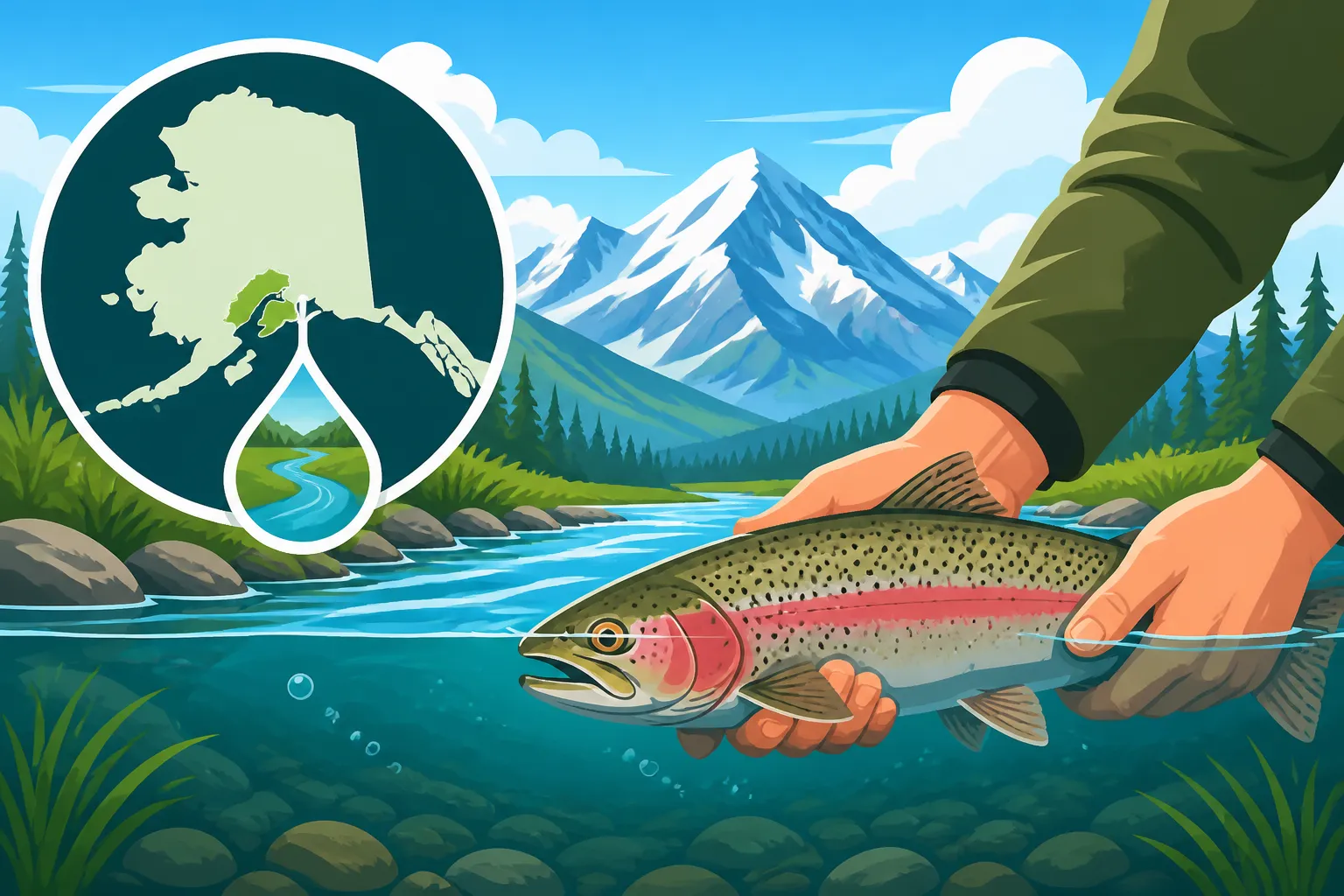
- Minimize Air Exposure: This is perhaps the most important rule. Fish breathe water, not air. Holding a fish out of water, even for a few seconds, can cause significant stress and damage to their gills. Try to keep the fish submerged as much as possible, especially during hook removal and photos. If you must take a quick photo, do it with the fish held horizontally, very close to the water's surface, and get it back into the water immediately.
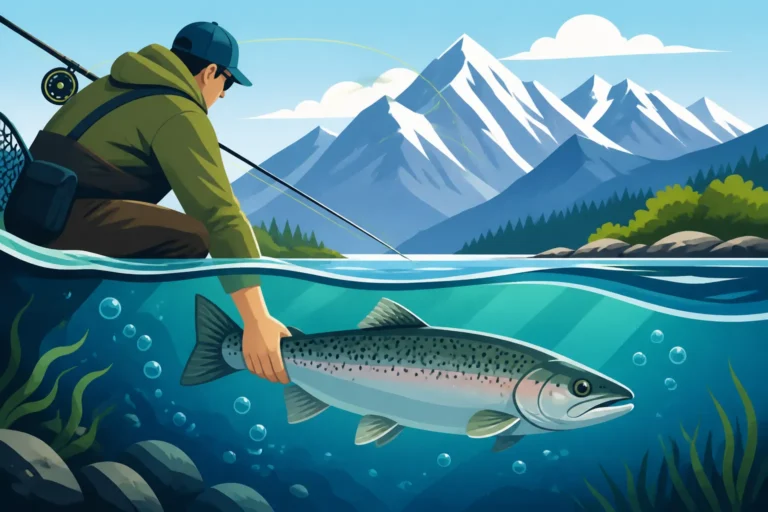
- Wet Hands Only: Always wet your hands thoroughly before touching a fish. Dry hands can remove the fish's protective slime coat, which is its primary defense against parasites, bacteria, and fungal infections.
- Support the Fish's Weight: Never hold a fish by its jaw in a vertical position, or by the gill plate, unless it's a small fish and you're providing full body support. Larger fish, especially, can suffer internal organ damage or spinal injuries if held improperly. For bigger trout, cradle them horizontally, supporting their belly and tail.
- Avoid Squeezing Gills or Belly: These are delicate areas. Gills are essential for breathing, and squeezing the belly can damage internal organs, particularly if the fish is gravid (carrying eggs). Be gentle and firm.
Proper Release Techniques
The final step is just as important as the catch itself. A proper release ensures the fish swims away strong and healthy. For a deeper dive into these techniques, check out our guide on Alaska Catch-and-Release Best Practices.
- Revive the Fish in the Water: Once the hook is removed, gently hold the fish upright in the water, facing into a gentle current if possible. This allows water to flow over its gills, helping it to recover its breath.
- Watch for Strong Tail Kicks: Don't release the fish until it shows clear signs of recovery, usually indicated by strong, independent tail kicks. It might take a minute or two, especially for larger fish or after a long fight.
- Let It Go When Ready: When the fish pulls away strongly from your grasp, it's ready to go. Don't toss it or drop it; simply guide it gently and let it swim away on its own terms.
- Consider Time of Year: Be especially mindful during warmer water temperatures (late summer) or during spawning periods. Fish are under more stress at these times, so even more care is required. Understanding Best Time to Catch Rainbow Trout in Alaska can help you fish when conditions are optimal for both catching and releasing. Techniques like How to Fly Fish for Alaska Rainbow Trout or How to Fish Beads for Alaska Trout are popular methods for targeting these fish in a way that often makes for easier, safer release.
By understanding the regulations, appreciating the ecological significance of these magnificent fish, and implementing careful handling techniques, you become a vital part of protecting the Kenai River's legendary rainbow trout fishery for generations to come.
Disclaimer
Please note that fishing regulations in Alaska are subject to change, sometimes through emergency orders issued by the Alaska Department of Fish and Game (ADF&G). While this guide provides comprehensive information, it is always your responsibility to consult the most current official ADF&G regulations booklet and check for any emergency orders before heading out to fish. This content is for informational purposes only and does not constitute legal advice.