Do Kids Need a Fishing License in Alaska
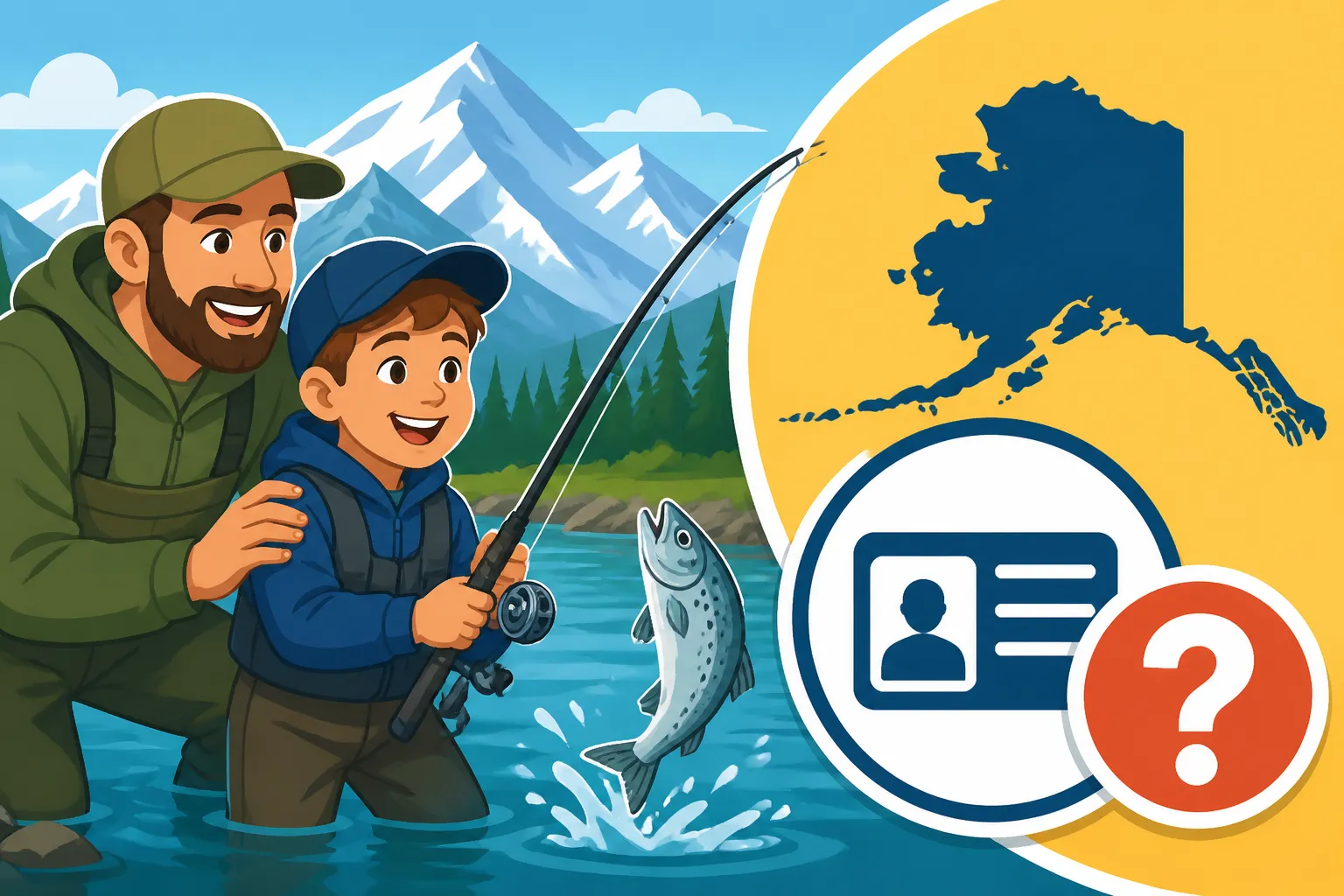
It's a question that pops up for countless families dreaming of casting a line in Alaska: Do the little ones need a fishing license too? The regulations can feel like a maze, especially when you're trying to plan a memorable family adventure. Nobody wants to accidentally break the rules, especially with kids in tow. This comprehensive guide will untangle all the specifics, clarifying exactly when and if your child needs an Alaska fishing license and offering practical advice to make your family's fishing trip stress-free and fun.
Understanding Alaska's Fishing License Age Requirements
Let's cut right to the chase because this is usually the most pressing question for parents. Alaska has fairly straightforward rules regarding age and fishing licenses, and they're designed to encourage young people to get out and enjoy the state's incredible fisheries. The good news is, for many kids, you won't need to worry about buying an extra license.
Alaska Resident Youth: Freedom to Fish Without a License
If you're an Alaska resident, your child is in luck! Any Alaska resident under the age of 18 does not need to purchase a sport fishing license to fish in the state's waters. That's right, whether your child is a toddler just dipping a line in a stocked pond or a teenager confidently reeling in a salmon on the Kenai River, they can fish license-free. This is a fantastic benefit for local families and a testament to Alaska's commitment to fostering a love for the outdoors in its youth. Imagine the joy of not having to factor in additional license costs when planning a weekend trip to a local lake or stream! It genuinely makes it easier for parents to introduce their kids to the magic of fishing without an extra hurdle or expense.
This exemption covers all forms of sport fishing, from freshwater trout to saltwater halibut. It simplifies things considerably, allowing families to focus on the experience rather than bureaucratic details. Just make sure you, as the accompanying adult, have your own valid Alaska fishing license if you're 18 or older. While the kids might not need a license, there are still important rules they need to follow, particularly regarding bag limits and other regulations, which we'll discuss further down. The spirit of this rule is to remove barriers, not to exempt young anglers from responsible fishing practices.
Non-Resident Youth: The 16-Year-Old Threshold
Now, if you're visiting Alaska from out of state, the rules are slightly different, but still very generous compared to many other places. Non-resident children under the age of 16 are not required to purchase an Alaska sport fishing license. This means if you're bringing your 10-year-old from Texas or your 14-year-old from Florida, they can enjoy the world-class fishing without a license. This makes planning a family vacation to Alaska much more affordable and accessible, especially when you consider the cost of licenses for the adults.
The moment a non-resident child turns 16, however, they are considered an adult in the eyes of Alaska's fishing regulations and do need to purchase a valid non-resident sport fishing license. This is a critical distinction that often catches visiting families by surprise. A 15-year-old can fish freely, but their older sibling, who just turned 16, will need a license. It's important to confirm your child's age before your trip and plan accordingly. You can easily purchase an Alaska non-resident fishing license online before you arrive, or at various vendors throughout the state. Just like resident youth, non-resident kids must still adhere to all other fishing regulations, including size limits, bag limits, and specific gear restrictions, even if they don't hold a license. You can learn more about specific age requirements by checking out our guide on Alaska Fishing License Age Requirements.
Special Considerations: King Salmon Stamps and Harvest Cards
Even if your child doesn't need a basic fishing license, there are a couple of other important pieces of paper you might encounter in Alaska: the King Salmon Stamp and the Alaska Harvest Record Card.
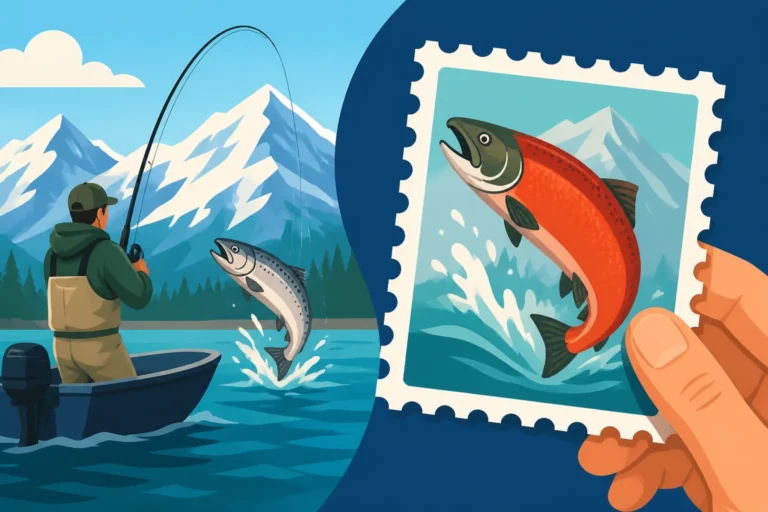
The King Salmon Stamp is required for any angler, resident or non-resident, who plans to fish for or retain King Salmon (Chinook salmon) and is 16 years of age or older. So, if your 16-year-old non-resident needs a license, they'll also need a King Salmon Stamp if they're targeting Kings. However, if your resident child is under 18 or your non-resident child is under 16, they do not need a King Salmon Stamp, even if they catch a King Salmon. This is another thoughtful exemption that keeps things simpler for young anglers. To fully understand these requirements, refer to our article on Do You Need a King Salmon Stamp in Alaska.
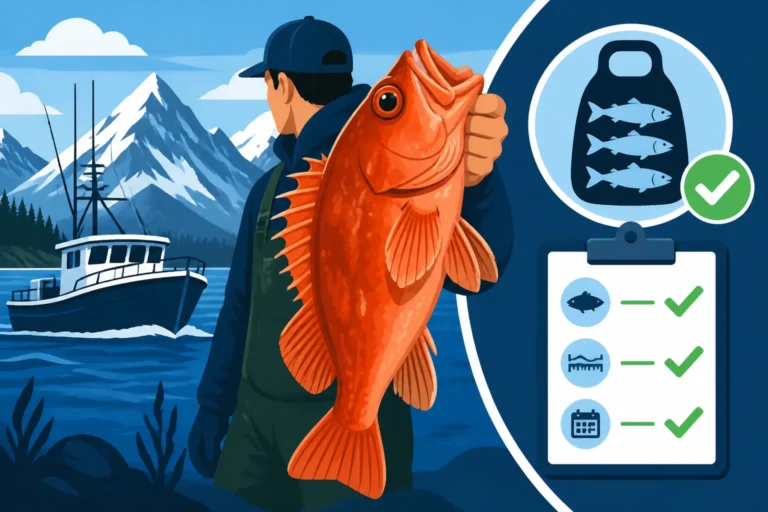
The Alaska Harvest Record Card is a separate document that comes with your fishing license (or is provided to license-exempt youth). It's used to record specific high-value species like King Salmon and Halibut. While your license-exempt child doesn't need a license, they do need to adhere to the recording requirements for these specific species. This means that if your 10-year-old catches and keeps a King Salmon or a Halibut, that fish must be immediately recorded on their Harvest Record Card. This card is crucial for fishery management, as it helps the Alaska Department of Fish and Game (ADF&G) track harvests. It's the parent's responsibility to ensure these catches are recorded correctly. Our guide on the Alaska Harvest Record Card Explained provides more detail on this often-confusing topic.
Here’s a quick summary table for clarity:
| Angler Type | Age | Basic Fishing License Needed? | King Salmon Stamp Needed? (if targeting Kings) | Harvest Record Card Required? |
|---|---|---|---|---|
| Alaska Resident | Under 18 | No | No | Yes (for specific species) |
| Alaska Resident | 18 and Over | Yes | Yes | Yes |
| Non-Resident | Under 16 | No | No | Yes (for specific species) |
| Non-Resident | 16 and Over | Yes | Yes | Yes |
Why Alaska's Youth Fishing Regulations Matter
It might seem like a small detail, but these regulations are part of a much larger picture regarding conservation and the future of Alaska's incredible fisheries. Understanding the "why" behind the rules can help you better appreciate them and teach your kids the importance of responsible angling.
Fostering Conservation from a Young Age
Alaska's abundant fish populations aren't just there by accident; they're the result of careful management and a strong commitment to conservation. By exempting young anglers from license fees, the state lowers the barrier to entry, encouraging more kids to participate in fishing. The hope is that by experiencing the joy of fishing firsthand, these youngsters will develop a deep appreciation for nature and become stewards of the environment themselves. It's about instilling respect for the resource at an early age.
While they might not need a license, teaching children about bag limits, size restrictions, and the importance of Alaska Catch-and-Release Best Practices is paramount. They need to understand that every fish caught contributes to the overall harvest and that sustainable practices ensure there are fish for future generations. Explaining that the data collected from Harvest Record Cards helps biologists manage fish stocks can be a great way to show them how their actions, even as young anglers, play a part in conservation. It’s an opportunity to teach them about the cycle of life in the rivers and oceans, and why we need to protect it.
Encouraging Participation and Minimizing Barriers
Let's be honest, planning a family trip to Alaska can be an investment. Every dollar saved on licenses means more money for other essential trip components, or simply making the trip more feasible for budget-conscious families. By making it free for most kids to fish, Alaska actively encourages families to visit and enjoy its natural wonders. This open-door policy helps ensure that fishing remains an accessible pastime for everyone, regardless of economic background.
This approach acknowledges that introducing children to outdoor activities like fishing is vital for their development and well-being. It promotes healthy lifestyles, teaches patience, and offers unique educational experiences about ecosystems and wildlife. When a parent doesn't have to worry about buying multiple licenses, it removes a significant administrative and financial hurdle, making it easier to say "yes" to a fishing trip. This policy supports the growth of future anglers and contributes to the vibrancy of local communities that rely on tourism. You can explore other aspects of getting ready for your trip in our comprehensive Alaska Fishing License: Complete Guide.
The Role of Harvest Records for Young Anglers
Even though many youth don't need a sport fishing license, the requirement to record certain species on a Harvest Record Card is non-negotiable if they are retaining those fish. This might seem like an extra step, but it's incredibly important. The ADF&G relies on this data to monitor harvest rates, especially for vulnerable species like King Salmon and Halibut. Without accurate harvest data from all anglers, including youth, the department would have an incomplete picture of total fishing pressure.
Parents must understand this responsibility. If your resident 14-year-old reels in a beautiful King Salmon on the Deshka River, that fish needs to be recorded on their Harvest Record Card immediately upon retention. Failure to do so can lead to Alaska Fishing Violations and Fines, even if committed by a minor's oversight (though the adult accompanying them would likely bear the legal responsibility). It’s a valuable lesson in accountability for the kids themselves, demonstrating that even without a license, they are part of the broader fishing community and have a role to play in data collection and responsible resource use. Always carry your Harvest Record Card and a pencil, and know how to accurately fill it out, especially when fishing with youth.
Practical Tips for Fishing Alaska with Children
So, now that you're clear on the license situation, let's talk about making that fishing trip with your kids a resounding success. Alaska offers unparalleled opportunities, but a little planning goes a long way, especially when little hands and short attention spans are involved.
Essential Gear for Little Anglers
Equipping kids for fishing doesn't have to break the bank, but having the right gear can make all the difference in their enjoyment and success. You want something durable, easy to use, and appropriate for their size and strength. For younger children, a simple spin-cast reel (the kind with a push-button release) on a lightweight rod is often best. Brands like Zebco or Ugly Stik offer fantastic starter combos that can withstand some abuse.
For older kids or those with some experience, a basic spinning rod and reel combo might be more suitable. Look for something that's not too heavy, perhaps a 6-foot medium-light action rod. You'll want to spool it with 8-10 pound monofilament line, which is forgiving and strong enough for most freshwater species. A small tackle box with a few basic hooks (size 4-8), split shot weights, and a couple of colorful bobbers are usually plenty. Don't forget a small pair of pliers for hook removal and a measuring tape to check those size limits. You can find a huge variety of options on Amazon, from beginner kits to more advanced setups, and often at competitive prices. Thinking about a more comprehensive gear list? Check out our guide on Alaska Fishing Gear and Tackle Guide.
Beyond rods and reels, think about comfort and safety. Proper rain gear is non-negotiable in Alaska; weather can change in an instant. A good pair of waterproof boots and layers of clothing are essential. Sunglasses protect their eyes from the sun and stray hooks, and a wide-brimmed hat adds extra sun protection. And, of course, a properly fitted life vest for any boating activity, or even near fast-moving rivers, is a must-have. You'll find a range of reliable rain gear brands like Grundéns or Helly Hansen often available on Amazon for all ages.
Picking the Perfect Kid-Friendly Fishing Spot
Choosing the right location is key to keeping kids engaged. You want places with easy access, relatively calm conditions, and a decent chance of catching something. Alaska has plenty of fantastic options.
For very young children or beginners, stocked lakes and ponds are ideal. These often have high catch rates for smaller trout or Dolly Varden, which provides instant gratification and builds confidence. Places like Jewel Lake in Anchorage, or numerous roadside access points on the Kenai Peninsula, can be excellent. The focus here isn't on trophy fish, but on the fun of getting bites.
For older kids, or those ready for a bit more challenge, consider accessible riverbanks during a strong salmon run. The Russian River, despite its reputation for "combat fishing," has areas that can be managed with kids if you go at less crowded times. The lower sections of the Kenai River or Kasilof River also offer good bank access for salmon. Just remember to research specific Alaska Fishing Regulations by Region before you go, as rules can vary widely even within a short distance.
Saltwater excursions can be thrilling, but a full-day halibut charter might be too long for some kids. Consider a shorter, half-day charter targeting rockfish or smaller salmon species closer to shore from towns like Seward or Homer. These trips often offer more action and a less intense experience, making them perfect for junior anglers. Our article on the Best Fishing Spots for Families in Alaska dives deeper into these options. Remember to pack plenty of snacks, drinks, and maybe even a small book or game for downtime, as even the best fishing can have its slow moments.
Making it an Unforgettable Family Adventure
Fishing with kids isn't just about catching fish; it's about making memories and creating an experience they'll cherish. Keep it fun and light.
- Patience is a Virtue: Be prepared for tangles, missed bites, and short attention spans. Focus on the process, not just the outcome. Celebrate every little success, even if it's just casting without a snag or feeling a nibble.
- Educational Moments: Use the opportunity to teach them about the fish they're catching, the local ecosystem, and the importance of regulations. Show them how to identify different Types of Salmon in Alaska Explained or how to properly release a fish.
- Involve Them: Let them help with baiting hooks (if they're comfortable), choosing lures, or even steering the boat (under strict supervision, of course!). Giving them a sense of ownership makes them more invested.
- Don't Overdo It: A few hours might be plenty for younger kids. It's better to have a shorter, positive experience than to push them too long and have them associate fishing with boredom or discomfort. End on a high note, even if it means packing up when the fish are still biting.
- Capture the Memories: Bring a camera or use your phone to snap photos of their proud moments. These pictures will become treasured family keepsakes.
Think beyond just fishing. What else can you do at the fishing spot? A picnic, skipping rocks, looking for wildlife – integrate other activities to keep the day engaging. Making sure they have comfortable gear, perhaps a waterproof jacket they picked out themselves on Amazon, can go a long way in ensuring they have a good time even if the weather turns.
Navigating Specific Scenarios and Common Questions
Even with the basic rules down, certain situations can raise new questions, especially when kids are involved. Let's tackle some of those specific scenarios.
Kids on Guided Charters: What You Need to Know
If you're planning an Alaska fishing charter, you might wonder if the license rules change for kids. The answer is generally no, the same age exemptions apply. If your resident child is under 18 or your non-resident child is under 16, they typically do not need a basic sport fishing license, even on a guided trip.
However, it's crucial to confirm this directly with your chosen charter operator before booking. While the statewide regulations are clear, some operators might have their own policies, or there might be specific federal waters (especially for halibut) where rules could have slight nuances. Most reputable charter companies are well-versed in these regulations and can provide definitive answers. They'll also typically provide all the necessary gear, but it's always a good idea to pack extra layers and snacks for the kids. You can find more specific information on this topic in our article, Do Charters Include Alaska Fishing Licenses.
Remember, while the license might be waived, the harvest regulations (bag limits, size limits, season dates) absolutely apply to everyone on board, including children. The captain and deckhands will help you understand these on the day, but it’s always good to have a basic grasp beforehand.
Special Stamps and Endorsements for Youth Catches
As mentioned, the King Salmon Stamp is the primary "special endorsement" that comes into play for anglers over a certain age. For youth who are license-exempt, this stamp is not required, even if they catch a King Salmon. This simplifies things immensely, as King Salmon stamps can be an additional cost.
However, if your child is 16 or older and a non-resident, and therefore requires a basic fishing license, they will also need a King Salmon Stamp if they plan to target or retain King Salmon. This applies whether they're fishing independently or on a charter.
Beyond the King Salmon Stamp, there are no other widely applicable "stamps" or "endorsements" that would specifically affect youth anglers in Alaska's sport fisheries. The focus remains on the basic license exemptions and the diligent use of the Harvest Record Card for specific species.
The Importance of Knowing Emergency Orders
One of the most dynamic aspects of fishing in Alaska is the frequent use of Emergency Orders (EOs). These are urgent changes to fishing regulations that can happen quickly, sometimes daily, in response to fish escapement numbers or other biological factors. An emergency order might close a specific river to fishing, reduce bag limits, change legal gear, or even alter the necessity of a King Salmon Stamp.
This applies to all anglers, including license-exempt youth. If an Emergency Order closes a river to King Salmon fishing, your child cannot fish for or retain King Salmon in that river, regardless of their license status. It’s the adult's responsibility to stay informed about these changes. The ADF&G website and local sporting goods stores are excellent resources. Many charter operators will also be up-to-date on the latest EOs. Before any fishing trip, especially with children, make it a habit to check the current EOs for your intended fishing area. Our guide on How to Check Alaska Emergency Orders Before Fishing is an essential read for any angler heading to Alaska.
Failing to adhere to an emergency order can lead to significant fines and penalties, and ignorance of the rules is not considered a valid excuse. Teach your kids early that regulations are important and can change, making them more aware and responsible anglers as they grow. This constant need to adapt to regulations is part of the unique challenge and reward of fishing in Alaska.
Disclaimer
Please remember that fishing regulations in Alaska can change. While this guide provides the most current information available, it is essential to always consult the official Alaska Department of Fish and Game (ADF&G) regulations booklet or their website for the most up-to-date rules and any emergency orders before you head out on your fishing adventure.