Alaska 3-Day Fishing License: Cost and How to Buy
So, you've got a short window for an incredible Alaskan fishing adventure, and you're trying to figure out the maze of licenses? It can feel a bit overwhelming, especially when you just want to get to the good part: casting your line in some of the most pristine waters on Earth. This guide is all about simplifying things, focusing specifically on the Alaska 3-Day Fishing License—what it costs, who needs it, and exactly how you can snag one, so you're ready to hit the water without a hitch.
Understanding the Alaska 3-Day Fishing License
Picture this: you've planned a whirlwind trip to Alaska, maybe a quick stop in Seward or a few days on the Kenai Peninsula, and you're dreaming of fresh salmon or a monster halibut. You don't need an annual license because you're only here for a long weekend. That's precisely where the 3-day sport fishing license comes in, offering a perfect, bite-sized solution for short-term visitors.
Who Needs a 3-Day License?
The Alaska Department of Fish and Game (ADF&G) requires nearly everyone participating in sport fishing to have a valid license. For most folks visiting from out of state, or even residents looking for a very brief fishing excursion, the 3-day license is a convenient option.
Typically, this license is designed for non-residents who are planning a short fishing trip, perhaps as part of a larger Alaskan vacation. If you're flying into Anchorage and heading straight for a charter out of Homer for a couple of days, or planning some bank fishing on the Russian River, this is likely your ticket. Kids under the age of 16 usually don't need a sport fishing license, which is fantastic for family trips! However, it's always wise to double-check the current Alaska Fishing License Age Requirements just to be sure, as regulations can sometimes see minor tweaks. Even if they don't need a license, they still need to adhere to all bag limits and regulations.
While residents can technically purchase a short-term license, it's pretty uncommon. Most Alaskans opt for an annual resident license, which is significantly more cost-effective for year-round access to the state's incredible fishing opportunities. The 3-day license is truly geared toward maximizing convenience for our short-term guests.
What the 3-Day License Covers and Doesn't
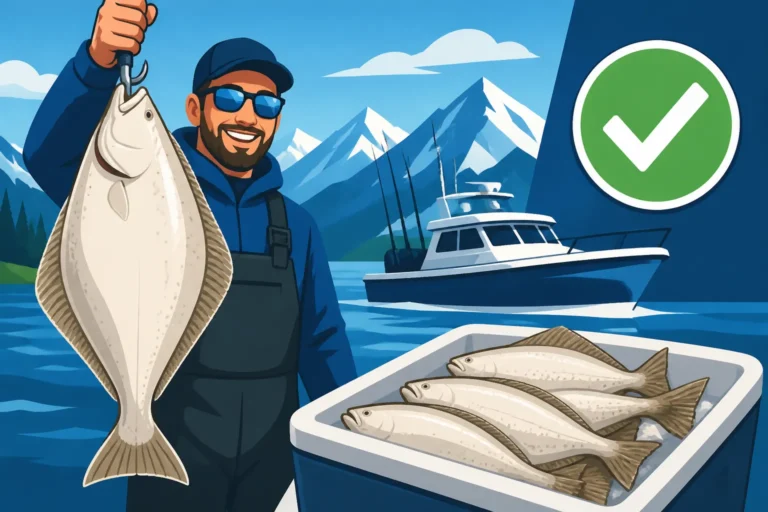
A 3-day sport fishing license allows you to fish for most of the popular sport fish species in Alaska during your specified three-day period. This includes the various species of Pacific salmon – King (Chinook), Sockeye (Red), Coho (Silver), Pink (Humpy), and Chum (Dog) – as well as various trout, char, grayling, northern pike, and a host of saltwater species like halibut and rockfish. Essentially, if it's a sport fish, this license generally covers your right to pursue it within the legal seasons and limits.
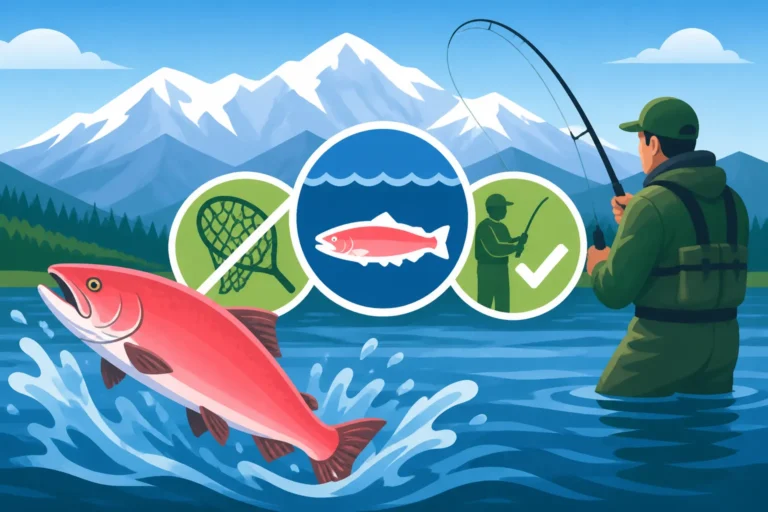
However, there's a crucial caveat: King Salmon are special. If your goal is to target and retain King Salmon, you will almost certainly need to purchase an additional King Salmon stamp. This stamp is an extra fee on top of your fishing license, regardless of whether you have a 1-day, 3-day, or annual license. It's a critical piece of the puzzle, and failing to have one if you're fishing for kings can lead to hefty fines. You can learn more about Do You Need a King Salmon Stamp in Alaska to fully understand these requirements.
It's also important to remember that the license doesn't exempt you from other specific regulations or permits. For instance, if you plan on participating in a personal use dipnet fishery, like those on the Kenai or Chitina rivers, you'll need a separate permit for that, along with your sport fishing license and potentially a King Salmon stamp if you're targeting Kings in those fisheries. The personal use and subsistence fisheries operate under different rules entirely, so it's vital not to confuse them with sport fishing.
The Cost of an Alaska 3-Day Fishing License
Let's get down to brass tacks: what's this little piece of paper going to set you back? The cost can vary slightly depending on your residency status and if you need any additional stamps. Generally, the 3-day license is one of the most budget-friendly options for non-residents looking to experience a taste of Alaska's legendary fishing.
Non-Resident 3-Day License Fees
For non-residents, the 3-day fishing license is priced to be accessible for short visits. As of recent regulations, a non-resident 3-day sport fishing license typically costs around $45. This is a great value considering the incredible fishing opportunities it unlocks. This fee grants you the legal right to fish for three consecutive days from the start date you select at the time of purchase.
It’s an excellent choice if you're flying in for a specific long weekend fishing trip or if fishing is just one part of a broader Alaskan adventure. For comparison, an annual non-resident license can run significantly higher, making the 3-day option a sensible financial decision for brief stays. You can compare this to the Alaska 1-Day Fishing License Cost or the Alaska 7-Day Fishing License Cost to see how it stacks up against other short-term options.
Resident 3-Day License Fees
Here's where it gets a little nuanced. While an Alaskan resident could purchase a 3-day license, it's rarely done because the annual resident license is so affordable and provides year-round access. Currently, a resident annual sport fishing license costs around $20. The resident 3-day option would typically be priced comparably to a 1-day non-resident license if it were commonly offered, but it’s not the standard offering.
Therefore, if you are an Alaska resident, your best bet is almost always to get an annual license. It just makes more sense in the long run, even for infrequent fishing trips, given the minimal cost difference. The concept of the 3-day license is fundamentally designed for the out-of-state visitor making a quick pilgrimage to our fishing grounds.
Additional Stamp Costs King Salmon
As we touched on earlier, if King Salmon are on your target list, you absolutely need to factor in the cost of a King Salmon stamp. This is an essential add-on. For a non-resident, a 3-day King Salmon stamp usually costs about $30. This means if you're a non-resident planning to fish for Kings for three days, your total license cost would be approximately $45 (license) + $30 (King Salmon stamp) = $75.
This stamp is critical for conservation efforts and helps fund management programs specifically for King Salmon, which have faced various challenges in recent years. Do not skip this if you intend to fish for them! Even if you catch one accidentally, it's better to be compliant. You can purchase the stamp at the same time you buy your fishing license, making it a seamless process. For more specifics on when and why you might need one, check out When Do You Need a King Salmon Stamp in Alaska.
Here's a quick breakdown of common license and stamp costs for non-residents:
| License Type | Duration | Base Cost (Approx.) | King Salmon Stamp (Optional, Approx.) | Total with King Salmon Stamp (Approx.) |
|---|---|---|---|---|
| Non-Resident Sport Fishing | 1-Day | $15 | $15 | $30 |
| Non-Resident Sport Fishing | 3-Day | $45 | $30 | $75 |
| Non-Resident Sport Fishing | 7-Day | $70 | $50 | $120 |
| Non-Resident Sport Fishing | 14-Day | $100 | $75 | $175 |
| Non-Resident Sport Fishing | Annual | $145 | $100 | $245 |
Note: These prices are approximate and subject to change. Always check the official ADF&G website for the most current fees.
How to Purchase Your Alaska 3-Day Fishing License
Getting your license is often the easiest part of planning your trip, thankfully! The State of Alaska has made the process incredibly streamlined, with online options being the most convenient for most travelers.
Buying Online: The Easiest Way
For most people, especially those visiting from out of state, purchasing your Alaska 3-Day Fishing License online is by far the simplest and quickest method. The Alaska Department of Fish and Game (ADF&G) website offers a user-friendly portal where you can complete the transaction in minutes.
Here's a step-by-step guide:
- Visit the Official ADF&G Website: Head directly to the Alaska Department of Fish and Game's online license portal. A quick search for "Alaska fishing license online" will get you there, or you can find the link on the main ADF&G site.
- Select "Purchase Licenses and Tags": You'll usually find a prominent button or link for purchasing licenses.
- Choose Your License Type: Navigate to "Sport Fishing Licenses" and select the "Non-Resident 3-Day Sport Fishing License." If you need a King Salmon stamp, make sure to add that to your cart as well.
- Provide Personal Information: You'll need to enter standard personal details like your name, address, date of birth, and driver's license number (or other government-issued ID). This information is used for identification and record-keeping.
- Specify Start Date: Crucially, you'll need to designate the start date for your 3-day license. Make sure this aligns with your actual fishing plans. The license will then be valid for that date and the two subsequent days.
- Payment: Complete your purchase using a credit or debit card.
- Print or Save: After successful payment, you'll receive a confirmation and a printable copy of your license. You can print this out and keep it with you, or many anglers simply save a digital copy on their phone. Just make sure it's readily accessible in case a game warden asks to see it.
It's truly that straightforward. This method allows you to get everything sorted before you even leave home, so you can step off the plane and head straight to the water. This also applies to obtaining your Alaska Fishing License Online for any duration.
In-Person Purchase Options
While online is king for convenience, sometimes you just need to grab a license when you arrive, or you might prefer the human touch. Luckily, there are plenty of places across Alaska where you can buy your 3-day fishing license in person.
You'll find authorized license vendors in most communities throughout the state. These typically include:
- Sporting Goods Stores: Retailers like Bass Pro Shops or even local tackle shops often sell fishing licenses.
- General Stores and Supermarkets: In smaller towns, the local grocery or general store might be your best bet. Think of places like a Safeway in Homer or a local store in Cooper Landing.
- Charter Operators and Lodges: Many fishing charter companies and lodges, especially those catering to tourists, are authorized to sell licenses directly. This can be super convenient if you're booking a trip with a specific outfitter. For example, if you're on a Homer Fishing Guide trip, many operators there can sort you out.
- ADF&G Offices: While less common for casual purchases, you can also get a license directly from an ADF&G office in larger cities like Anchorage or Fairbanks.
When purchasing in person, remember to bring a valid form of identification (like your driver's license) and your preferred payment method. The vendor will input your information, print your license, and you'll be good to go.
What Information You'll Need
Regardless of whether you purchase online or in person, you'll need a few key pieces of information to get your Alaska 3-day fishing license:
- Full Legal Name: As it appears on your identification.
- Date of Birth: To verify age and residency.
- Residential Address: Your permanent address.
- Driver's License Number (or State ID Number): This is the primary form of identification used. If you don't have a driver's license, another government-issued ID number may be acceptable.
- Height and Weight: Sometimes requested for identification purposes.
- Eye and Hair Color: Also sometimes requested.
- Social Security Number: May be required for specific license types or if you are applying for certain privileges, though often not for basic sport fishing licenses. It's good to have it handy just in case.
Having all this information ready will make your purchase process quick and seamless, letting you focus on the excitement of your upcoming fishing adventure rather than paperwork.
Making the Most of Your 3-Day Alaska Fishing Trip
A three-day fishing window in Alaska is short but incredibly sweet! With proper planning, you can make every cast count and come away with some truly unforgettable memories and perhaps a cooler full of delicious fish.
Planning Your Short Trip Wisely
Since you only have three days, strategic planning is absolutely paramount. You don't have time to waffle on where to go or what to fish for.
- Location, Location, Location: Choose one primary fishing destination and stick to it. Trying to bounce between the Kenai River and then up to the Mat-Su Valley within three days is just going to eat up precious fishing time in transit. Popular choices for concentrated action include the Kenai Peninsula (around Soldotna, Cooper Landing, or Homer), or the waters out of Seward or Valdez. Each offers unique experiences. For example, if you're targeting giant flatfish, a Homer Halibut Fishing Guide trip might be perfect, while the Kenai River is legendary for its salmon runs.
- Target Species: Decide what you want to catch most. Is it the fight of a King Salmon? The abundance of Sockeye? Or the thrill of halibut fishing in saltwater? Different species peak at different times, so knowing your target will help you choose the best time to visit and where to go. You can find detailed information on Alaska Salmon Run Timing Explained to help narrow down your options.
- Guided vs. Unguided: For a short trip, especially if you're new to Alaska, a guided trip can be a game-changer. Guides know the local waters, the regulations, and the best techniques, maximizing your chances of success in a limited timeframe. While more expensive, it often pays off in experience and fish caught. Check out what to expect on Alaska Fishing Charters: Complete Guide. If you choose to go unguided, make sure you've done your homework on specific spots like Best Bank Fishing in Alaska and have all the right gear.
- Accommodation and Travel: Book your lodging and any necessary in-state travel (like small plane flights or ferries) well in advance. Alaska's peak fishing season (June-August) is incredibly busy, and things fill up fast.
By focusing your efforts and perhaps relying on local expertise, you can make three days feel like a fulfilling adventure.
Essential Gear for a Short Stint
Even for a short trip, having the right gear is crucial for comfort and success. You don't need to overpack, but there are some non-negotiables.
- Layered Clothing: Alaska weather is famously unpredictable. Pack layers you can add or remove. Think moisture-wicking base layers, fleece, and a good waterproof/windproof outer shell. Even in summer, mornings can be chilly, and rain can pop up quickly.
- Rain Gear: This isn't optional; it's essential. A high-quality rain jacket and pants will save your trip. Many anglers swear by brands like Grundéns or Helly Hansen for their durability. You can find excellent options for Best Rain Gear for Alaska Fishing on sites like Amazon, often with reviews that highlight their performance in Alaskan conditions.
- Waders and Boots (for freshwater): If you're planning on stream or river fishing, waders are almost a must. They keep you dry and warm, allowing you to access better fishing spots. Neoprene waders are popular for their insulation. Again, Amazon or local sporting goods stores will have various options.
- Fishing Rods and Reels: While many charters provide gear, if you're going DIY, bring appropriate setups for your target species. A medium-heavy spinning rod for salmon or a sturdy boat rod for halibut are common choices.
- Tackle: Lures, bait, hooks, weights, and leader material. Do some research on the specific area and species you'll be targeting. For example, cured salmon eggs are excellent for some salmon species, while large jigs are crucial for halibut. You can often buy specialized local tackle once you arrive, but having basics is smart.
- Fishing License and King Salmon Stamp: Don't forget the star of this article! Make sure your physical or digital copy is always on hand.
- Cooler and Ice: For transporting your catch. Even if a charter processes your fish, you'll need a way to get it home or to a processor.
- Bear Spray: Seriously. If you're bank fishing on remote rivers, bears are a real possibility. Know how to use it safely. Always carry it when hiking or fishing in bear country. Learning How to Fish Safely Around Alaska Bears is paramount.
You don't need to haul a massive tackle box, but these essentials will ensure you're prepared for whatever Alaska throws at you.
Understanding Basic Regulations and Emergency Orders
This is perhaps the most critical section for any Alaska angler, especially on a short trip. Regulations in Alaska can be complex and change frequently, sometimes daily, via emergency orders. Ignorance of the law is not an excuse, and violations can carry steep fines or even imprisonment.
- Always Check Current Regulations: Before you even leave home, and then again right before you fish, consult the current ADF&G Sport Fishing Regulations Summary booklet for the region you'll be fishing in. These booklets are available online as PDFs or in physical copies at license vendors. Pay close attention to bag limits, size limits, bait restrictions (like Alaska Bait Restrictions Explained), and gear restrictions (e.g., Alaska Barbless Hook Requirements).
- Emergency Orders (EOs): These are game-changers. Emergency Orders are issued by ADF&G to adjust regulations in real-time, often due to fluctuating fish run numbers. A fishery might be open one day and closed or restricted the next. You must check for EOs before heading out. The ADF&G website has a dedicated section for EOs, and many local tackle shops or guides will also have the latest information. Don't rely solely on what you read a week ago; check again on the morning of your trip! You can find out Where to Find Alaska Emergency Order Announcements and how to react to them.
- Harvest Record Card: For certain species, like King Salmon and sometimes halibut, you'll need to record your catch immediately on a harvest record card. This is often printed directly on your license or provided separately. Ensure you understand What Is the Alaska Harvest Record Card and How to Fill Out an Alaska Harvest Record Card if applicable to your target species.
- Ask Locals: Don't be afraid to ask tackle shop owners, guides, or other anglers. They are usually a wealth of information about current conditions and regulations.
Taking the time to understand and follow these rules not only keeps you out of trouble but also contributes to the conservation efforts that make Alaska such a phenomenal fishing destination for everyone.
Disclaimer
The information provided in this guide is intended for general informational purposes only and may not reflect the most current regulations or conditions. Fishing regulations in Alaska are complex and subject to frequent change. Always consult the official Alaska Department of Fish and Game (ADF&G) website and local authorities for the most up-to-date and accurate information before planning and undertaking any fishing activity.