Alaska Combination Hunting and Fishing License
It’s a common scenario for folks venturing into Alaska’s vast wilderness: you’ve got your fishing gear ready for some legendary salmon, but you’re also hoping to bag a Dall sheep or hunt caribou. Suddenly, you're tangled in a web of permits, licenses, and stamps, wondering if you need two separate pieces of paper or if there's a simpler way. Good news! Alaska offers a combined hunting and fishing license designed to streamline the process, and this guide is here to walk you through exactly what it entails.
Understanding the Alaska Combination Hunting and Fishing License
Navigating the licensing requirements for outdoor pursuits in Alaska can feel like trying to read a tide chart during a hurricane – confusing, to say the least! Many people just want to enjoy the diverse opportunities Alaska presents, whether it’s reeling in a monster King Salmon or pursuing big game. That’s where the Alaska combination hunting and fishing license comes in, aiming to offer a more straightforward path for those with multifaceted outdoor aspirations.
What Exactly Does "Combination" Mean?
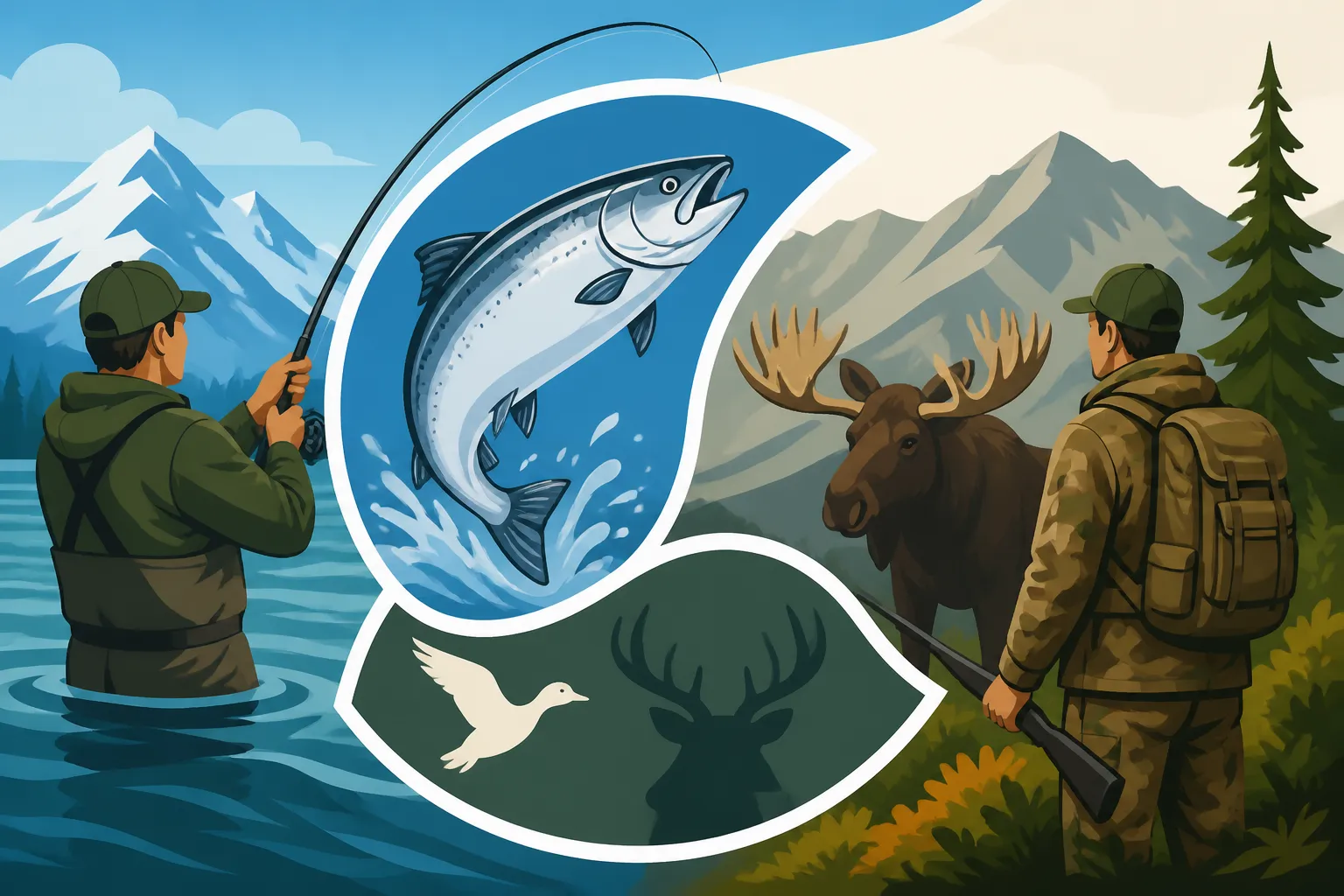
When we talk about an Alaska combination hunting and fishing license, we're discussing a single document that grants you the general privileges for both sport fishing and hunting in the state. Instead of purchasing a standalone sport fishing license and then a separate basic hunting license, this one license covers both fundamental activities. It’s a real convenience, especially for visitors or residents who enjoy both pursuits and want to avoid carrying multiple pieces of paper or making separate transactions. Think of it as your all-access pass to a baseline level of hunting and fishing opportunities.
However, it's crucial to understand that "combination" doesn't mean "all-inclusive." While it covers the basic sport fishing and general hunting privileges, it does not include specific tags, stamps, or permits that might be required for certain species, areas, or activities. For instance, if you plan on targeting King Salmon, you'll still need to acquire the appropriate King Salmon stamp. Similarly, if you're after a moose or bear, you'll need the specific tags for those animals in addition to your combined license. It’s an excellent starting point, but always verify species-specific requirements. To grasp the full picture of what you might need, a deep dive into Alaska Fishing Regulations Explained can be incredibly helpful.
Who is This License Designed For?
This combined license is truly a blessing for a specific type of outdoor enthusiast: the versatile adventurer. It’s perfect for someone who plans a trip (or lives here!) with the intention of doing a bit of everything. Are you coming to Alaska in July, hoping to spend some days on the Kenai River battling Sockeye Salmon, and then maybe a few more days bird hunting or exploring a bear season? Then this license is absolutely for you. It’s particularly popular with non-residents who want to maximize their Alaskan experience without the hassle of purchasing multiple licenses.
It’s also an excellent option for residents who casually enjoy both hunting and fishing throughout the year. Instead of remembering to renew two separate licenses, you have one annual renewal to keep track of. Families often find it appealing, especially when planning a multi-activity vacation where some members might fish while others hunt. It simplifies the administrative side, letting you focus more on the wilderness experience itself. If you're pondering the various options, our guide on Alaska Fishing License Cost and Types offers a broader comparison.
Eligibility and Residency Requirements for the Combination License
Before you even think about buying a combination license, you need to understand who's eligible to get one. Alaska has some pretty strict rules when it comes to defining residency, and these definitions directly impact the cost and availability of licenses. It’s not just about living here for a few months; there are specific criteria you have to meet.
Defining Alaska Residency for Licensing Purposes
For an Alaska combination hunting and fishing license, being an "Alaska Resident" isn't just a casual title; it's a legal status with clear guidelines set by the Alaska Department of Fish and Game (ADF&G). Generally, to qualify as an Alaska resident for licensing purposes, you must have maintained your primary place of abode in Alaska for the preceding 12 consecutive months immediately preceding the application for a license. This means you need to show demonstrable ties to the state, such as having an Alaska driver's license, being registered to vote in Alaska, owning or renting property, and filing Alaska Permanent Fund Dividend (PFD) applications (if applicable).
Crucially, you cannot claim residency in another state, territory, or country for any purpose, including voting or receiving benefits. If you've left Alaska for extended periods during that 12-month window, you might also jeopardize your residency status. It’s designed to prevent people from briefly moving to Alaska to gain resident privileges. This distinction is vital because resident licenses are significantly less expensive than non-resident ones, reflecting the state's interest in supporting its long-term inhabitants. For a detailed breakdown, you might want to look into the Alaska Resident Fishing License: Cost and How to Buy guide.
Non-Resident Considerations: What You Need to Know
If you don't meet Alaska's strict residency requirements, you'll be considered a non-resident, which means higher license fees but the same incredible access to Alaska's natural resources. The Alaska combination hunting and fishing license is readily available to non-residents, offering the same convenience of a single document for both activities. Many non-residents flock to Alaska specifically for these dual opportunities, combining a world-class fishing trip with, say, a bear or small game hunt.
For non-residents, planning is key. You'll need to decide on the duration of your trip, as combination licenses are often available for specific periods, such as 7-day, 14-day, or annual options. While the convenience of a single license remains, the cost difference is substantial. Always double-check the current fees for non-resident licenses, and remember that any big game tags (like for moose or caribou) or specific stamps (like for King Salmon) will be added to this cost. It’s a good idea to budget accordingly and consider how many days you'll actually spend on each activity to ensure the combination license is the most economical choice. Our Alaska Non-Resident Fishing License Guide delves deeper into these specific considerations for visitors.
Age Requirements and Special Provisions
Age plays a significant role in who needs a license and what type. In Alaska, generally, residents under the age of 18 do not need a sport fishing license, and residents under 16 do not need a hunting license. This means that if you're an Alaskan youth, you might not need the combination license at all for basic activities. However, specific big game tags always require payment, regardless of age.
For seniors, Alaska offers special provisions for residents. Alaska residents who are 60 years of age or older and have resided in the state for at least one year are eligible for a permanent identification card that serves as a combined hunting, fishing, and trapping license. This is a fantastic benefit for long-time Alaskan residents. Non-resident seniors, however, are subject to the same non-resident license fees and requirements as any other non-resident. It’s always best to check the most current regulations for any changes, especially concerning these age-related exemptions and benefits, as they can save eligible individuals a fair bit of money and hassle. You can find more specific details in our article about Alaska Fishing License Age Requirements.
The Practical Benefits and Potential Pitfalls
So, why choose a combination license over buying individual ones? While it might seem like a no-brainer for a multi-sport enthusiast, there are both clear advantages and a few situations where it might not be the most economical or practical choice. Understanding these nuances will help you make the best decision for your Alaskan adventure.
Why a Combination License Can Be a Game-Changer
The primary benefit of the Alaska combination hunting and fishing license is its sheer convenience. Imagine you’re planning a two-week trip. You want to spend some days chasing halibut out of Homer, then head inland for a few days of small game hunting, and maybe even try for some Arctic Grayling on a fly-out trip. Instead of purchasing a 7-day fishing license, then a separate small game hunting license, you have one document that covers your base needs for both. This reduces administrative overhead, minimizes the chance of forgetting a necessary license, and often simplifies the purchase process.
Furthermore, from a cost perspective, especially for non-residents planning an extended stay with both activities, the combined license can offer savings compared to buying individual long-term or annual licenses for both hunting and fishing separately. This bundle pricing is particularly attractive if you intend to pursue both activities for a significant portion of the year or during your visit. It's also a clear signal that you're prepared for whatever Alaska throws your way, giving you flexibility to adapt your plans based on weather, fish runs, or hunting opportunities without needing to scramble for another license. Think about a rainy day that might cancel your halibut charter; instead of sitting around, you could pivot to grouse hunting if you have that combined license ready to go.
When a Combination License Might Not Be the Best Fit
While convenient, the Alaska combination hunting and fishing license isn't always the perfect solution for everyone. If you are only planning on fishing, or only planning on hunting, then buying the specific single license will almost certainly be more cost-effective. For instance, if you're coming to Alaska just for a 3-day salmon fishing trip, purchasing an Alaska 3-Day Fishing License: Cost and How to Buy is far cheaper than an annual combination license. There’s no point paying for hunting privileges you won’t use.
Another scenario where it might not be ideal is for residents who qualify for special, free, or reduced-cost individual licenses (like senior residents). In these cases, combining them might negate those benefits. It's also less crucial if your hunting or fishing plans are very specific and require numerous stamps and tags anyway. The "combination" aspect really only simplifies the basic license; all the specific add-ons still need to be purchased. So, if your trip is highly specialized for one activity or your residency status grants you special privileges, always compare the combined license cost against the individual licenses you would need.
How to Acquire Your Alaska Combination License
Okay, you've decided the combination license is right for you. Great! Now, how do you actually get your hands on one? The process is relatively straightforward, but knowing your options and what documentation you'll need can save you a lot of time and potential headaches.
Online Purchase: The Most Convenient Method
In today's digital age, purchasing your Alaska combination hunting and fishing license online is by far the most convenient and popular method. The Alaska Department of Fish and Game (ADF&G) operates a robust online licensing system that allows you to buy your license from anywhere with an internet connection. This is incredibly helpful for non-residents who want to secure their licenses before they even set foot in Alaska, giving them one less thing to worry about upon arrival.
The process typically involves creating an account on the ADF&G licensing website, providing your personal information (name, address, date of birth, etc.), and then selecting the type of license you wish to purchase. You'll need a valid credit or debit card for payment. Once purchased, you can often print a temporary license immediately, which is valid until your official license arrives in the mail or you can pick up a physical copy. Some anglers even keep a digital copy on their phone, though it's always wise to have a physical backup, especially in remote areas where cell service is non-existent. Our detailed guide on How to Get an Alaska Fishing License Online walks you through these steps even more thoroughly.
In-Person Options: Where to Go
While online is convenient, sometimes you need to speak to a person, ask questions, or you simply prefer buying things face-to-face. Thankfully, there are plenty of in-person options to purchase your Alaska combination hunting and fishing license. These include:
- ADF&G Offices: The main offices of the Alaska Department of Fish and Game in cities like Anchorage, Fairbanks, Juneau, and Soldotna often have licensing counters where you can purchase any required license or tag.
- License Vendors: Across the state, numerous independent vendors are authorized to sell licenses. These often include sporting goods stores (like those found in larger towns), grocery stores, general stores in smaller communities, and even some hardware stores. Look for signs that say "Alaska Fishing Licenses Sold Here" or "Hunting & Fishing Licenses."
- Small Air Taxis/Lodges: In very remote areas, especially if you're doing a fly-in trip, some air taxi operators or fishing/hunting lodges might be authorized to sell licenses, though this is less common for comprehensive options like the combination license.
Purchasing in person can be a great way to also pick up a physical copy of the current regulations booklet, which is an invaluable resource for understanding the intricate rules. For a comprehensive list of locations, check out our guide on Where to Buy an Alaska Fishing License.
Documentation You'll Need
Regardless of whether you purchase your license online or in person, you'll need some basic information and potentially some documentation. Always be prepared to provide:
- Proof of Identity: A valid driver's license, state-issued ID, or passport is usually sufficient.
- Date of Birth: To verify age requirements and eligibility.
- Current Address: This is crucial for determining residency status.
- Residency Documentation (if applicable): If you are applying for a resident license, you might be asked to provide proof of your 12 consecutive months of residency in Alaska. This could include an Alaska driver's license, voter registration, or PFD information. While not always asked for at the point of sale, falsifying residency is a serious offense with hefty penalties.
Having this information readily available will make the purchasing process smooth and quick. It's always better to be over-prepared than to be turned away because you're missing a key piece of information!
Breaking Down the Cost: Is it Worth It?
One of the biggest questions surrounding the Alaska combination hunting and fishing license is, "How much does it cost?" and, more importantly, "Is it actually saving me money?" The answers depend heavily on your residency status and your planned activities. Let's dig into the numbers and see if it's truly a good deal for your specific adventure.
Resident vs. Non-Resident Pricing
As with most Alaskan licenses, there's a significant price difference between resident and non-resident combination hunting and fishing licenses. This is a common practice across states to ensure that local residents, who contribute to the state's infrastructure and conservation efforts through taxes and other means, benefit from lower costs.
For Alaska Residents, an annual combination hunting and sport fishing license is relatively affordable. It's designed to encourage residents to participate in both activities year-round. This is usually the most economical option for residents who enjoy both pursuits frequently.
For Non-Residents, the cost for an annual combination license is considerably higher. This reflects the premium access to Alaska's world-renowned hunting and fishing opportunities. However, non-residents also have the option of shorter-duration combination licenses, such as 7-day or 14-day versions. These are often chosen by visitors on specific trips who don't need a full annual license. The key is to match the license duration to the length of your stay and the activities you plan.
| License Type | Resident Annual Cost (Approx.) | Non-Resident Annual Cost (Approx.) | Non-Resident 7-Day Combo (Approx.) | Non-Resident 14-Day Combo (Approx.) |
|---|---|---|---|---|
| Combination Hunting & Sport Fishing | $50 – $60 | $260 – $300 | $160 – $180 | $220 – $250 |
| Individual Annual Sport Fishing | $30 – $40 | $100 – $150 | $70 – $80 | $100 – $120 |
| Individual Annual Hunting (Small Game) | $30 – $40 | $60 – $80 | N/A | N/A |
| Individual Annual Hunting (Big Game) | $30 – $40 | $160 – $200+ | N/A | N/A |
Note: These are approximate costs and can change. Always check the official ADF&G website for the most current pricing.
Comparing Costs: Combo vs. Individual Licenses
Now, the big question: does the combination license actually save you money? For non-residents, if you plan on participating in both hunting (even just small game) and fishing for an extended period (like a week or two), the answer is often yes. For example, if a non-resident purchased an annual sport fishing license and an annual general hunting license separately, the combined cost would often be higher than the single annual combination license. The same can hold true for the shorter-duration combo licenses.
However, if you're only interested in one activity, buying the individual license is definitely cheaper. For example, a non-resident who only wants to fish for 7 days would buy a 7-day sport fishing license, which is much less expensive than a 7-day combination license. For residents, the savings are also there if you typically buy both annually. If you only fish or only hunt, then sticking to the single license is your best bet. It truly boils down to the breadth of your outdoor plans in Alaska. If you find yourself frequently purchasing both types of licenses, the combination license often provides a modest but appreciated saving.
Understanding Different Validity Periods
The combination license, like individual licenses, often comes with various validity periods. For residents, it's typically an annual license, valid for the calendar year (January 1st to December 31st). This simplifies things immensely, as you buy it once and you're covered for the entire year, regardless of when you purchased it.
For non-residents, flexibility is built-in. You'll usually find options for a 1-day, 3-day, 7-day, 14-day, and an annual combination license. This allows visitors to tailor their license purchase precisely to the length of their stay and planned activities. If you’re only going to be in the state for a long weekend and want to fish one day and hunt small game another, a 3-day combination might be perfect. Planning a full two-week vacation with extensive fishing and hunting? Then the 14-day option or even an annual license might be your best value. Always calculate your exact days of activity to pick the most economical option. For instance, getting an Alaska 14-Day Fishing License Cost compared to a 14-day combo will clearly show you the difference if you only plan to fish.
Essential Add-ons and Regulatory Nuances
Getting your Alaska combination hunting and fishing license is a fantastic first step, but it's rarely the only step. Alaska's regulations are complex, and depending on what you're targeting and where, you'll almost certainly need additional stamps, tags, or permits. This is where many anglers and hunters, especially those new to Alaska, can get tripped up, leading to potential violations.
Beyond the Basic License: Stamps and Endorsements
The combination license covers the general privilege to hunt and fish, but Alaska employs a system of specific "stamps" and "tags" for certain species or activities, designed to manage specific fisheries and hunting populations. These are crucial and must be purchased in addition to your base combination license.
For fishing, the most common add-on is the King Salmon Stamp. If you plan on fishing for King Salmon (Chinook) in any waters (fresh or salt), you will absolutely need to purchase and possess this stamp. This applies to both residents and non-residents. The revenue from these stamps directly supports King Salmon conservation efforts, which are critically important in Alaska. Make sure you understand Do You Need a King Salmon Stamp in Alaska long before you hit the water. There might also be other endorsements for specific species or areas, so always check the regulations booklet.
For hunting, things get even more specific. If you're planning to hunt big game such as moose, caribou, bear (black or brown/grizzly), Dall sheep, or goats, you'll need to purchase specific tags for each animal you intend to harvest. These tags are usually species-specific and sometimes region-specific. For example, a non-resident hunting a moose will pay a significant fee for the moose tag in addition to their combination license. You'll also likely need to draw permits for certain limited hunts. These stamps and tags are not included in the combination license because they often have varying costs and are tied to specific management goals for individual species.
Keeping Track: Harvest Record Cards and Reporting
Another critical component of Alaska's regulatory framework, especially when dealing with combination licenses for both hunting and fishing, is the Harvest Record Card. Many species, particularly King Salmon, but also various big game animals, require you to immediately record your harvest on a physical card provided with your license or available online. This isn't just a suggestion; it's a legal requirement.
For King Salmon, immediately after catching and retaining one, you must punch out the month and day on your King Salmon stamp and/or harvest card. For big game, specific instructions will be on your tag, often requiring you to notch the date and sign the tag immediately upon harvest. Failure to properly fill out and possess your harvest card or tags can result in significant fines and penalties, even if you have your main license. This information is vital for the ADF&G to monitor harvest rates, manage populations, and set future regulations. Understanding Alaska Harvest Record Card Explained is a non-negotiable part of responsible angling and hunting here.
Staying Informed: Emergency Orders and Regulations
Alaska’s natural resources are dynamic, and so are its regulations. Unlike many other places, fishing and hunting regulations in Alaska can change mid-season through what are called Emergency Orders (EOs). These EOs are issued by the ADF&G in response to unexpected changes in fish runs, animal populations, or environmental conditions. For instance, a King Salmon run might be weaker than anticipated, leading to an emergency closure or a reduction in bag limits on short notice.
This means that even if you've meticulously studied the annual regulations booklet (which you should absolutely do – many are available on Amazon as well as the ADF&G website) and purchased all your licenses and stamps, you must stay informed about current Emergency Orders for the specific areas and species you are pursuing. Ignoring an EO, even unintentionally, is still a violation. Always check the ADF&G website, local fishing shops, or the ADF&G hotline before you head out, especially if you're fishing in popular areas like the Kenai River. Knowing How to Read Alaska Fishing Regulations is a fundamental skill that every outdoorsperson in Alaska needs to master to avoid disappointment or legal trouble.
Disclaimer
The information provided in this guide is for general informational purposes only and does not constitute legal advice. Alaska's fishing and hunting regulations are complex and subject to change. Always consult the most current Alaska Department of Fish and Game (ADF&G) regulations, emergency orders, and official publications before engaging in any fishing or hunting activity. Compliance with all state and federal laws is the responsibility of the individual.