Alaska Pink Salmon: Facts, Season, and How to Catch
It's easy to overlook pink salmon, often overshadowed by their larger, more glamorous cousins like Kings and Sockeye. Many anglers even dismiss them with a shrug, sometimes calling them "humpies" and questioning their fighting spirit or culinary value. But let me tell you, if you're willing to embrace the sheer abundance and accessible nature of Alaska's pink salmon, you're in for some incredibly fun fishing, often with surprising rewards. This guide is here to shed light on these misunderstood fish, covering everything from their unique biology and seasonal runs to the most effective ways to catch them and even how to appreciate them on the dinner table.
The Truth About Alaska Pink Salmon: Facts and Identity
Pink salmon, or Oncorhynchus gorbuscha, are perhaps the most numerous of all Pacific salmon species in Alaska. While they might not grow to the colossal sizes of a Chinook, their sheer numbers provide unparalleled fishing opportunities, especially for those new to salmon angling or families looking for consistent action.
Understanding the "Humpy" Nickname and Physical Traits
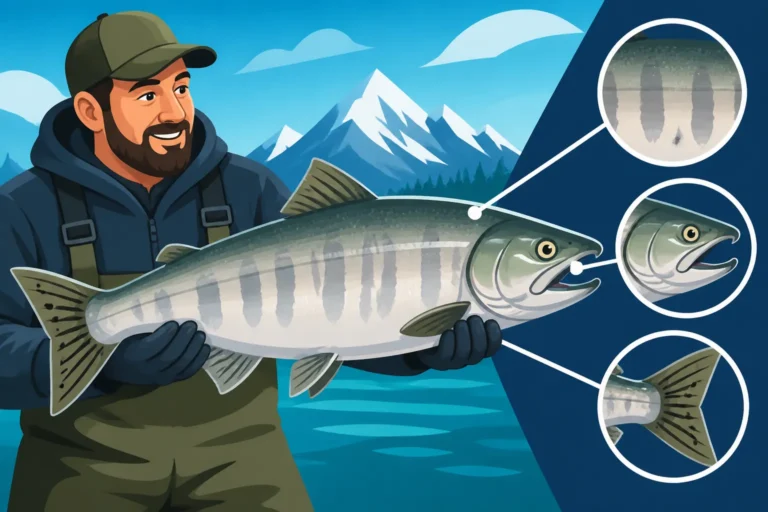
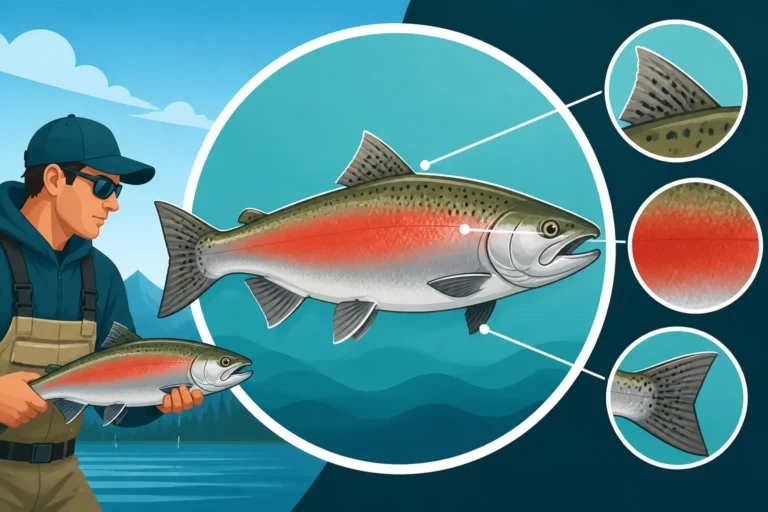
The nickname "humpy" comes from the distinctive humped back that male pink salmon develop as they approach spawning. This pronounced dorsal hump, along with an elongated, hooked snout (kype), becomes quite striking as they mature. Their coloration also changes dramatically from a sleek, silvery blue in saltwater to a mottled green-brown or even grey with black spots, particularly on their tails, as they move into freshwater.
When you first encounter a pink salmon in its spawning phase, it's a sight to behold. The males become almost grotesque in their transformation, all in the name of attracting a mate and defending their territory. Females, while not developing the same dramatic hump, still change color, becoming duller with similar spot patterns. This rapid physical change is directly tied to their incredibly short life cycle, which we'll dive into next. They're often smaller than other salmon, typically weighing between 3 and 5 pounds, though you can certainly hook larger ones, especially early in the run.
A Brief but Important Life Cycle
What truly sets pink salmon apart is their rigidly consistent two-year life cycle. This means that if you have a strong run one year, you can generally expect another strong run two years later in the same system, creating an "odd-year" or "even-year" dominance in different regions. For instance, many rivers in Southcentral Alaska experience massive runs in even-numbered years (2020, 2022, 2024), while other areas might have their big runs in odd-numbered years. This predictable pattern is unique among Pacific salmon and makes planning your fishing trips a bit easier once you know the local cycle.
They hatch from eggs in riverbeds, migrate to the ocean as tiny fry within a few months, and spend approximately 18 months rapidly growing in saltwater. Then, often with incredible synchronicity, they return to their natal streams to spawn and complete their life cycle, dying shortly after. This short, intense life means they are driven to spawn as quickly as possible once they enter freshwater, making them aggressive biters and often quite eager to strike a lure or fly. Their abundance also makes them a crucial food source for larger predators, including bears, eagles, and even bigger salmon species.
Distribution and Habitat in Alaskan Waters
Pink salmon are incredibly widespread throughout Alaska's coastal waters and rivers. You'll find them from Southeast Alaska, through Prince William Sound, Cook Inlet, and up to the Bering Sea drainages. They are particularly prolific in shorter, smaller coastal streams and rivers, but they also use larger river systems, often sticking to the lower reaches. You don't usually find them migrating hundreds of miles upstream like some King or Sockeye salmon.
Popular areas like the rivers flowing into Prince William Sound near Valdez and Whittier, or various streams across the Kenai Peninsula and even near Anchorage, can see millions of pink salmon return in their dominant years. They tend to prefer shallower, gravelly spawning grounds, making them quite accessible to shore anglers. When they’re in the rivers, they often stack up in slow-moving pools, eddies, and even the main current, sometimes in such numbers that the water appears dark with fish. Understanding the specific Alaska Pink Salmon Regulations for your chosen fishing spot is crucial, as rules can vary by region.
Pinpointing the Pink Salmon Season in Alaska
Knowing when to fish for pink salmon is almost as important as how to fish for them. Their runs are intense but relatively short-lived in any given river system. Missing the peak by just a week or two can mean the difference between epic action and slim pickings.
General Run Timing Across the State
Pink salmon typically begin to arrive in Alaska's coastal waters in mid-July, with the peak of their runs usually occurring from late July through August. Some areas might see early arrivals in early July, while others can have decent fishing into early September.
Here's a general overview:
- Southeast Alaska (Ketchikan, Juneau, Sitka): Runs can start strong in mid-July and often peak in late July through mid-August. These areas often have robust odd-year returns.
- Prince William Sound (Valdez, Whittier): Known for massive even-year returns, with fish showing up in late July and peaking strongly in August.
- Cook Inlet (Kenai Peninsula, Anchorage area rivers like Ship Creek): Often sees strong even-year runs, with fish entering rivers from late July into August. The lower Kenai River and Kasilof River can see good numbers, as do many smaller streams along the road system.
- Western Alaska (Bristol Bay, Bering Sea): Pinks can arrive slightly later, with runs building through August and sometimes extending into early September.
It’s always a good idea to consult a comprehensive Alaska Fishing Seasons: Month-by-Month Guide to get a broader picture of what’s biting throughout the year, but for pinks, those late summer months are prime time.
Reading the Environmental Cues
While the two-year cycle and general timing are good indicators, environmental factors play a significant role in the exact timing and strength of a pink salmon run. Water temperature, for instance, is a major trigger. As ocean temperatures warm and river temperatures hit a sweet spot, the fish will often move in. Heavy rainfall can also influence their migration, sometimes pushing large schools of fish into rivers more quickly from saltwater estuaries. Conversely, prolonged dry spells can delay their entry into shallow streams.
Understanding these cues can help you adjust your plans. If a river is running high and murky from recent rains, pinks might be charging upstream in droves, making them harder to spot but potentially more concentrated in certain areas. If the water is low and clear, they might hold in deeper pools in saltwater or larger river sections before making their final push.
Staying Informed with Current Forecasts
The Alaska Department of Fish and Game (ADF&G) is your best friend when it comes to pink salmon. They provide excellent resources, including run forecasts, counting data (like weir counts), and most importantly, Alaska Fishing Emergency Orders Explained. These emergency orders can change bag limits, open or close fisheries, or impose specific gear restrictions in-season, sometimes with very little notice. Before you head out, always check the ADF&G website or local offices for the latest information on the specific river or area you plan to fish. Many local tackle shops also have up-to-the-minute reports on what's happening in nearby rivers. This is particularly important because while pink salmon are usually abundant, local conservation concerns can still lead to temporary restrictions.
Proven Techniques to Catch Alaska Pink Salmon
One of the great joys of pink salmon fishing is that they are generally quite aggressive and willing to bite, making them excellent targets for anglers of all skill levels. They're not particularly shy, and when they're in the river in large numbers, it can feel like you're fishing in a barrel.
Spin Fishing: Lure Choices and Presentation
Spin fishing is incredibly effective for pink salmon. These fish are highly reactive to flashy, erratic movements, especially in colors like pink, chartreuse, and orange.
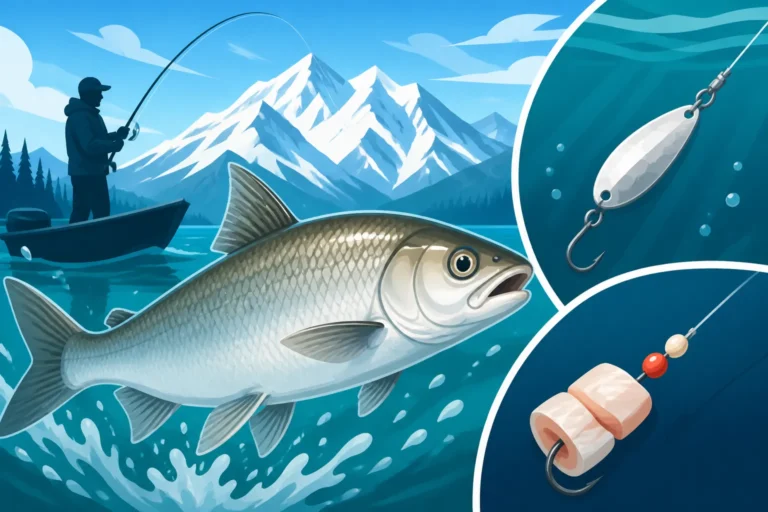
- Lure Selection: Small to medium-sized spinners and spoons are killer for pinks. Think about popular brands like Blue Fox Vibrax spinners in sizes #2 to #4, particularly in pink, chartreuse, or silver with a pink blade. Pixee spoons (often called "Pixees") are another classic, especially the ones with a pink insert or a fluorescent orange-pink finish. The Dick Nite spoon, a smaller, thinner spoon, is also incredibly effective. You can find a fantastic selection of these and other great options for Best Lures for Alaska Salmon easily on platforms like Amazon, making it simple to stock up before your trip. The key is often bright, flashy, and relatively small.
- Presentation: Cast your lure slightly upstream and across the current, letting it swing downstream as you retrieve it. Maintain a steady retrieve that allows the lure to spin or wobble enticingly. Pink salmon will often strike aggressively, sometimes even "bonking" the lure as they try to chase it off. Experiment with retrieve speeds; sometimes a fast, erratic retrieve triggers more bites, while other times a slower, more deliberate one works better. If you're fishing in a slower pool, a cast and retrieve that covers different depths can be very productive.
Fly Fishing: Perfecting the Presentation
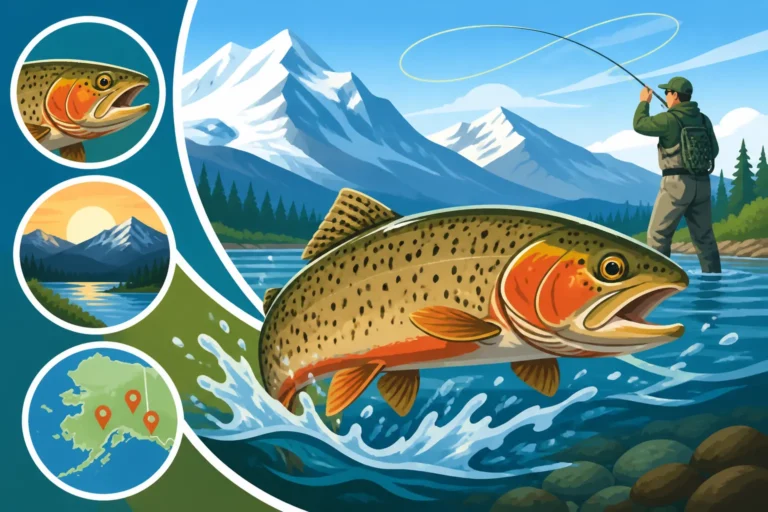
Fly fishing for pink salmon is an absolute blast and often what converts skeptical anglers into pink salmon enthusiasts. Their aggressive nature and willingness to chase a fly make for non-stop action, especially with a lightweight setup.
- Fly Patterns: The general rule for pink salmon flies is, you guessed it, pink. Pink and white, pink and chartreuse, or even solid pink or fuchsia streamers are deadly. Patterns like the Clouser Minnow, Pink Salmon Fly, or Dolly Llama in sizes #2 to #6 work exceptionally well. Don't be afraid to experiment with other bright colors too, like chartreuse or orange. You want a fly that offers a good profile and movement in the water.
- Technique: A common technique is to cast your fly across or slightly upstream, letting it sink a bit, and then stripping it back in short, sharp pulls. This imitates a fleeing baitfish or an injured salmon fry, which pinks can't resist. Dead-drifting small, brightly colored egg patterns or beads can also be effective, especially if you see fish holding in deeper channels. A 5-weight or 6-weight fly rod is generally sufficient for pink salmon, providing a good fight without being overkill. Fly fishing for pinks can be a great way to hone your skills for other species, and many anglers enjoy the constant action. If you're new to the sport, consider checking out resources on How to Fly Fish in Alaska to get started.
Effective Bank and Shoreline Strategies
You absolutely don't need a boat to have incredible success with pink salmon. Many of Alaska's most productive pink salmon fisheries are easily accessible from the bank.
- Scouting Locations: Look for areas with slower water, eddies, and seams where the current changes. Pink salmon often stack up in these spots before making their final push upstream. Gravel bars, river bends, and the mouths of smaller tributaries entering larger rivers are also prime locations. In saltwater, jetties, beaches, and protected coves can be fantastic, especially during an incoming tide when fish are staging before entering rivers.
- Gear and Tactics: For bank fishing, a medium-light to medium spinning rod (7-9 feet) paired with a reel spooled with 10-15 lb test monofilament or braided line is perfect. You'll be making a lot of casts, so comfort and durability are key. Again, bright spinners and spoons are your best bet. If the current is strong, you might need slightly heavier lures to get down to the fish. When the fish are really thick, they can be caught sight-fishing, but more often, you're casting to suspected holding water.
- Navigating Crowds: During peak pink salmon runs in popular roadside areas like Ship Creek in Anchorage or the Russian River, it can get crowded. Be courteous to other anglers, respect their space, and understand that specific rules like Alaska Snagging Regulations Explained or Alaska Bait Restrictions Explained might be in effect, particularly in high-traffic areas. Learning How to Spin Fish for Alaska Salmon from shore will serve you well.
Maximizing Your Pink Salmon Experience (and Taste!)
While the thrill of catching pink salmon is undeniable, many anglers are hesitant about keeping them. Let's address some common misconceptions and ensure you make the most of your catch.
Debunking the Culinary Myths
Pink salmon often get a bad rap for their taste and texture, especially compared to the rich, fatty King or Sockeye. It's true that their flesh is paler and less oily, but calling them "bad eating" is a disservice. The key is when and how you catch and handle them.
- When to Keep Them: The best pink salmon for eating are those caught fresh from saltwater or very early in their freshwater migration. These fish still have firm, silvery flesh. Once they enter freshwater and begin their spawning transformation, their flesh rapidly deteriorates, becoming softer and paler as they put all their energy into reproduction. If you catch a "humpy" with a significant hump and dull coloration deep in a river system, it's generally best to release it. However, a bright, chrome pink caught near the ocean mouth can be absolutely delicious.
- Preparation is Key: Pink salmon has a milder, more delicate flavor. It's fantastic for canning, smoking, or making salmon patties. It also shines in dishes where a lighter flavor is desired, like tacos, curries, or baked with lemon and herbs. Don't try to treat it like a King salmon steak; instead, think of it as a versatile white fish with a subtle salmon flavor. Many Alaskans swear by canned pink salmon, a staple for quick, healthy meals. For more detailed insights, you might want to read Are Alaska Pink Salmon Good to Eat.
Respectful Handling for Release or Retention
Whether you plan to keep your catch or release it, ethical handling is paramount.
- If Releasing: Pink salmon are hardy, but proper catch-and-release techniques increase their survival rate. Use barbless hooks, minimize their time out of the water, and support them gently in the current until they swim away strongly. Avoid touching their gills or eyes. Wet your hands before handling them to protect their protective slime coat. Learn more about Alaska Catch-and-Release Best Practices to ensure you're doing your part for conservation.
- If Retaining: If you decide to keep a fish, dispatch it quickly and humanely. Bleed the fish immediately by cutting a gill arch; this significantly improves the quality of the meat. Get it on ice as soon as possible. Cool temperatures are critical to preserving the flavor and texture of any salmon. Refer to the Alaska Fishing Limits and Bag Limits Explained to ensure you're within the legal take, and remember to properly record your catch on your Alaska Harvest Record Card Explained if required for that species in your area.
Pink salmon might be the unsung heroes of Alaska's salmon runs. They offer incredible fishing action, are widely accessible, and can be a delicious meal if caught and handled correctly. So, next time you're planning an Alaska fishing trip, don't dismiss the humble humpy – embrace the pink, and you might just find a new favorite target!
Pink Salmon Season and Fishing Overview
| Characteristic | Description |
|---|---|
| Common Nickname | Humpy |
| Primary Season | Late July through August (can extend to early September) |
| Life Cycle | Strict two-year cycle; strong runs often occur in odd-numbered or even-numbered years depending on the region. |
| Typical Size | 3-5 pounds |
| Best Eating Quality | Chrome-bright fish caught in saltwater or very early in freshwater migration. |
| Recommended Lures | Small, flashy spinners (Blue Fox Vibrax), spoons (Pixees, Dick Nite), in pink, chartreuse, orange, or silver. |
| Recommended Flies | Pink, chartreuse, or orange streamers (Clouser Minnow, Pink Salmon Fly, Dolly Llama). |
| Key Fishing Spots | Lower sections of coastal rivers, estuaries, protected bays, mouths of streams in Southeast, Prince William Sound, and Cook Inlet regions. |
| Accessibility | Excellent bank and shore fishing opportunities, making them ideal for anglers without boats. |
| Regulatory Check | Always verify current Alaska Fishing Regulations Explained and emergency orders with ADF&G before fishing. |
Disclaimer
The information provided in this guide is for general informational purposes only and is subject to change. Fishing regulations, seasons, and run timings can vary significantly based on location and current environmental conditions, and are often updated by the Alaska Department of Fish and Game (ADF&G) through emergency orders. Always consult the official ADF&G regulations booklet and current emergency orders for the specific area and time you plan to fish before heading out. Failure to do so can result in fines or penalties. Fishing involves inherent risks; please exercise caution and fish responsibly.