Alaska Chum Salmon: Facts, Season, and How to Catch
There's a common misconception out there, a real injustice, that some salmon species aren't as "glamorous" or desirable as others. Many anglers, especially those new to Alaska, often overlook the feisty and abundant chum salmon, also affectionately known as dog salmon. This oversight means they're missing out on incredible fishing action and a fish that, when handled correctly, offers a surprisingly delicious experience. This comprehensive guide is here to shed light on the Alaska chum salmon, giving you all the facts, details on their seasons, and the best techniques to catch them, ensuring you don't miss out on these magnificent fish.
Understanding Alaska Chum Salmon: The Overlooked Powerhouse
Chum salmon (scientific name: Oncorhynchus keta) are truly one of Alaska's unsung heroes of the salmon world. While their cousins like the King and Sockeye often steal the spotlight, chum salmon play a vital role in the Alaskan ecosystem and offer an exhilarating challenge to anglers. They're powerful fighters, often putting up a spirited battle that can surprise even seasoned fishermen. Ignoring them means missing out on some fantastic opportunities, whether you're looking for a good fight or a flavorful meal.
Identifying Chum Salmon: Distinct Features
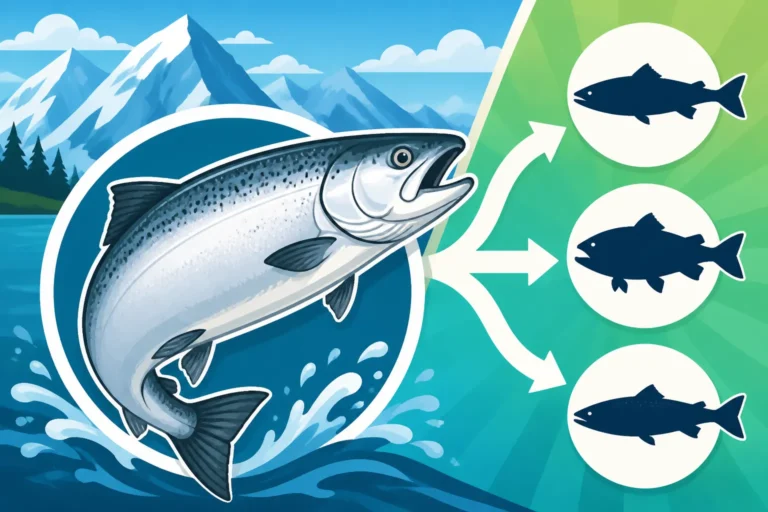
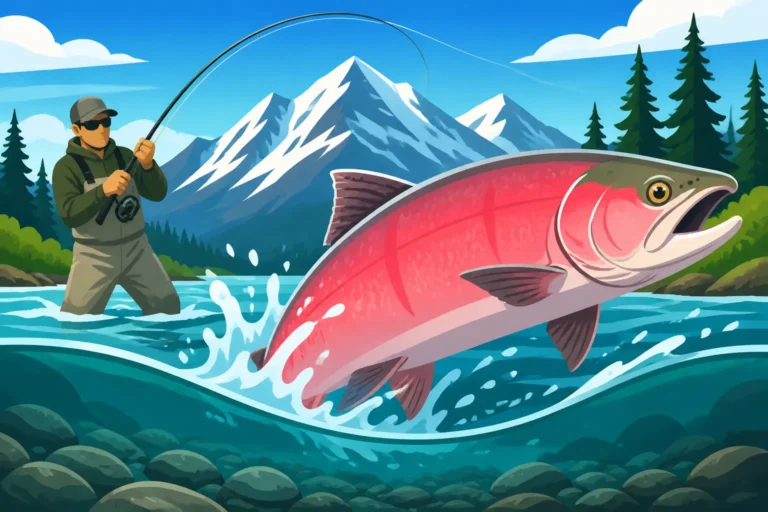
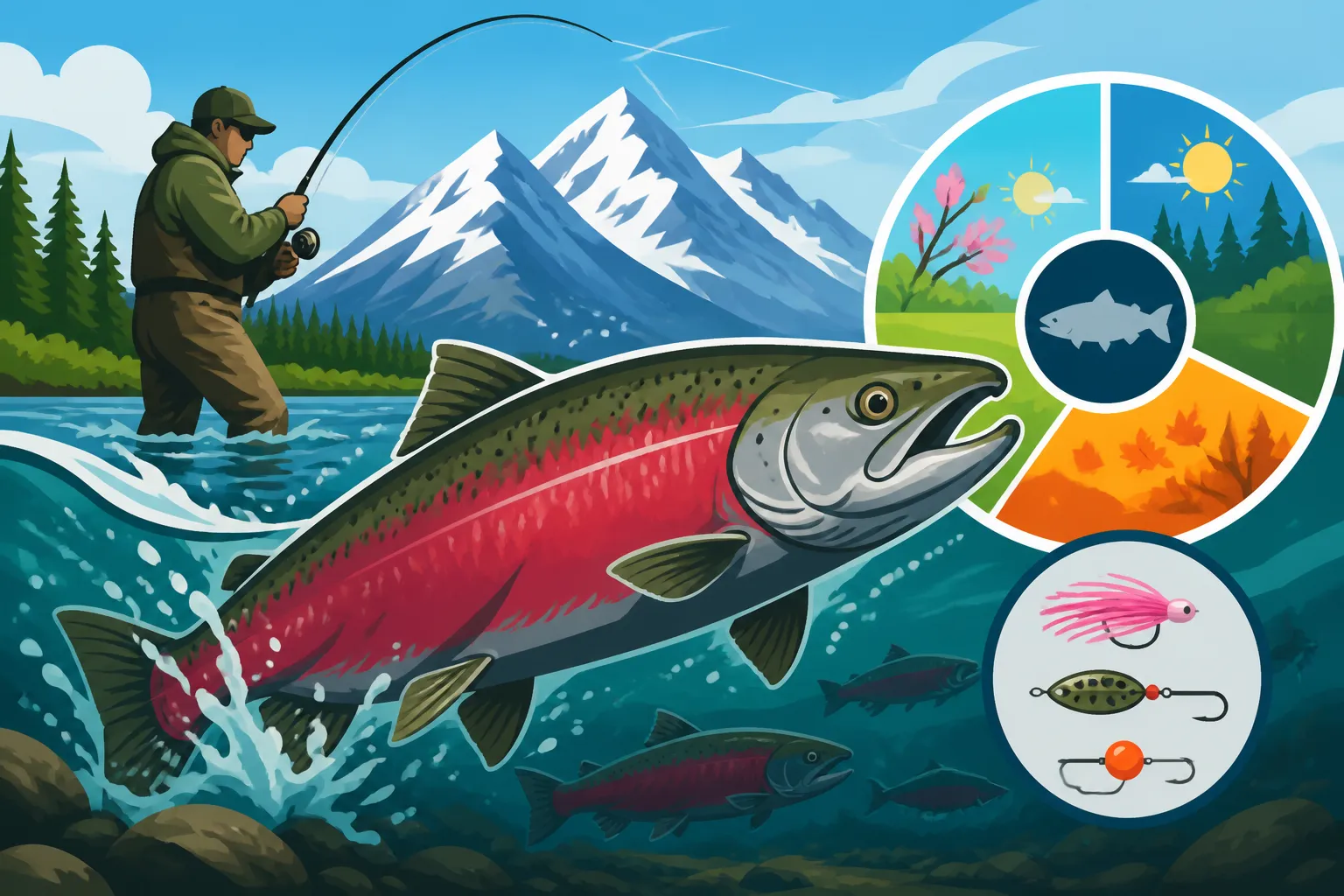
Spotting a chum salmon in the wild is relatively easy once you know what to look for, and it's quite different from distinguishing, say, a Sockeye from a Coho. Their appearance can change dramatically as they move from saltwater into freshwater for spawning. In their prime ocean phase, they're a sleek, metallic silver-blue. However, as they near their spawning grounds, their transformation is truly remarkable.
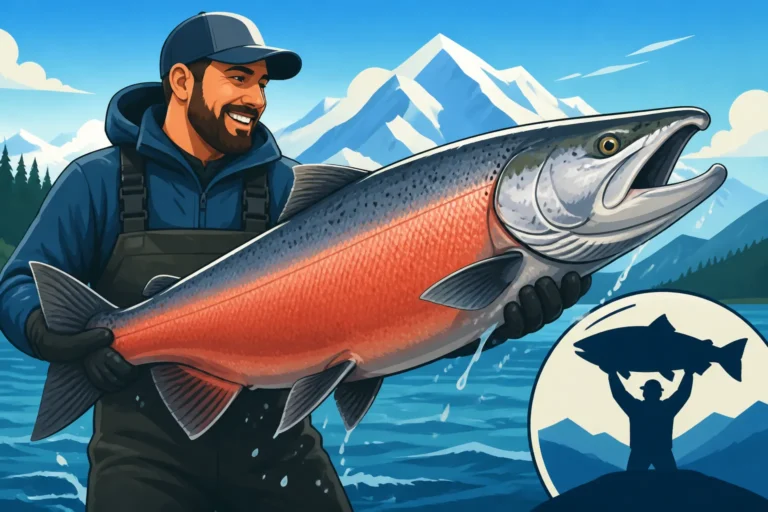
One of the most defining characteristics of chum salmon, especially spawning males, is their impressive, canine-like teeth, which gives them their "dog salmon" nickname. Their bodies develop vertical bars of green, purple, and red, often mottled, making them quite striking. They also develop a distinctive, humped back, although not as pronounced as a pink salmon, and their fins can become darkened. This vibrant transformation is a tell-tale sign that you're looking at a chum. Knowing How to Identify Alaska Salmon Species is crucial, and chum have some of the most dramatic physical changes.
Life Cycle and Spawning Habits
The life cycle of a chum salmon is a remarkable journey of endurance and instinct. Like all Pacific salmon, they are anadromous, meaning they hatch in freshwater, migrate to the ocean to mature, and then return to their natal streams to spawn and complete their life cycle. Chum salmon typically spend 3 to 5 years in the marine environment, growing rapidly and accumulating the energy needed for their final freshwater run.
When it's time to spawn, chum salmon exhibit incredible migratory feats, traveling hundreds, sometimes thousands, of miles upstream. They prefer medium-to-large rivers and often spawn in the lower reaches, though some populations travel quite far. The females dig nests, called redds, where they deposit their eggs, and the males fertilize them. After spawning, both male and female chum salmon die, their decaying bodies providing essential nutrients to the river ecosystem, feeding insects, fish, and wildlife. This cycle is a cornerstone of Alaska's wild abundance.
The Misunderstood Flavor Profile and Culinary Uses
Let's address the elephant in the room: the reputation of chum salmon as a table fish. Many people unfairly dismiss chum as inferior to King or Sockeye. While it's true that their flesh is paler and has a lower fat content than a King, it doesn't mean it's not delicious! The key, like with any fish, is proper handling and preparation. A fresh-caught chum salmon, bled immediately and kept on ice, can be an excellent meal.
The flesh of chum salmon tends to be firm with a milder flavor. This makes it incredibly versatile for various culinary applications. It's excellent for smoking, canning, or even creating delicious fish cakes or stews where a robust salmon flavor might be overpowering. Don't be afraid to experiment with marinades and seasonings. Many Alaskans swear by smoked chum salmon, and it's also commonly used for roe (ikura), which is a delicacy. For more insights on this, check out Are Alaska Chum Salmon Good to Eat. Remember, freshness is paramount!
When and Where to Find Chum Salmon in Alaska
Understanding the timing and locations of chum salmon runs is essential for a successful fishing trip. Alaska is a vast state, and salmon run timings can vary significantly by region and river system. However, knowing the general patterns for chum can put you in the right place at the right time.
Peak Seasons for Chum Salmon Runs
Chum salmon typically have a strong run that often coincides with other salmon species, but they tend to peak in mid-summer. You can generally expect to see the main push of chum salmon entering Alaska's rivers from late June through August. Some rivers might see early arrivals in June, while others have later runs extending into early September. These timings are crucial when planning your trip, and it's always wise to consult local regulations and forecasts.
For instance, rivers in Southcentral Alaska, like those on the Kenai Peninsula or in Prince William Sound, often see strong chum runs in July and August. In Southeast Alaska, runs can be earlier, sometimes starting in June. The Yukon River system, which supports massive chum runs, sees fish traveling for months, with runs starting in July in its lower stretches and extending into the fall as they reach interior spawning grounds. Always remember to check Alaska Fishing Seasons: Month-by-Month Guide and specific river forecasts before you head out.
Top Regions and Rivers for Chum Fishing
Chum salmon are widely distributed across Alaska, from the Southeast panhandle all the way to the Arctic regions. Some of the most prolific fisheries for chum salmon include:
- Southeast Alaska: Rivers around Juneau, Ketchikan, Sitka, and Petersburg often have excellent chum runs. Popular spots include the Chilkat River and various streams throughout the Inside Passage.
- Southcentral Alaska: While King and Sockeye get most of the attention, rivers like the Deshka River, Susitna River tributaries, and some streams flowing into Cook Inlet also see strong chum returns. The Valdez area is also known for good saltwater chum fishing.
- Western Alaska (Bristol Bay & Yukon-Kuskokwim): These regions are home to some of the largest chum salmon populations in the world. The Yukon River is legendary for its massive chum run, supporting subsistence and commercial fisheries that are incredibly important to local communities. Rivers in Bristol Bay, while famous for Sockeye, also host significant chum numbers.
Choosing your location depends on what kind of experience you're after. For road-accessible fishing with other species, Southcentral is great. For a more remote, abundant experience, Western Alaska offers unparalleled opportunities. Looking at Best Fishing Spots in Alaska can help you narrow down your options based on desired species and accessibility.
Predicting Chum Salmon Runs
Forecasting salmon runs in Alaska is a complex science, but it's vital for management and for anglers hoping to time their trips just right. The Alaska Department of Fish and Game (ADF&G) uses various methods, including escapement counts from previous years, ocean survival rates, and in-season sonar counts, to predict the strength and timing of salmon runs, including chum.
These forecasts are typically released annually and updated throughout the season as more data becomes available. It's a good practice to check the ADF&G website for specific region and river forecasts, as well as any emergency orders that might affect fishing regulations. Local tackle shops and charter operators are also excellent sources of up-to-date information. They'll know if the Alaska Salmon Run Timing Explained for chum is on schedule or if there are any unusual patterns emerging. Staying informed is the best way to maximize your chances of a successful trip.
Mastering Techniques for Catching Alaska Chum Salmon
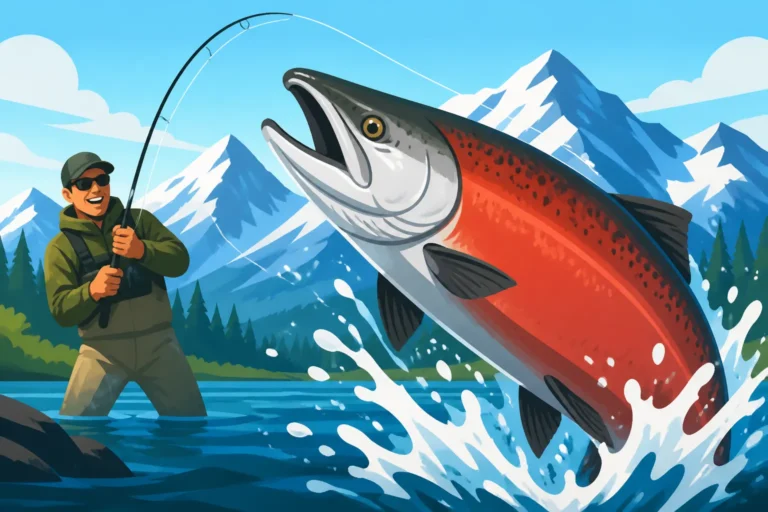
Chum salmon are powerful, aggressive fish, and they respond well to a variety of fishing techniques. While they might not be as picky as, say, a Sockeye, having the right gear and approach will significantly increase your success rate and enjoyment.
Essential Gear and Tackle for Chum Salmon
When targeting chum salmon, think strong and sturdy. These fish are known for their fierce runs and headshakes, so you'll want gear that can stand up to the challenge.
- Rods and Reels: A medium-heavy to heavy spinning rod (8-10.5 feet) or a baitcasting rod with a fast action is ideal. Pair this with a robust reel spooled with 20-30 lb monofilament or braided line. Braided line, like that from popular brands found on Amazon, is particularly good for its sensitivity and strength. A strong drag system is crucial to tire out these powerful fish.
- Terminal Tackle:
- Leaders: Use 20-30 lb fluorocarbon or monofilament leaders, as chum can be toothy.
- Hooks: Strong, sharp hooks in sizes 2/0 to 4/0 are recommended. Octopus hooks or wide-gap hooks work well.
- Weights: Depending on the current, you'll need various weights for drift fishing or plunking. Slinky weights or cannonball sinkers are common.
- Swivels: High-quality barrel swivels prevent line twist, especially when using spinners.
Don't skimp on quality for your Alaska Fishing Gear and Tackle Guide. A broken line or bent hook can quickly ruin a fight with a strong chum.
Effective Fishing Techniques for Chum Salmon
Chum salmon are usually quite aggressive, especially when they first enter freshwater. They'll readily strike at bright, flashy presentations.
- Spin Fishing: This is one of the most popular and effective methods.
- Spinners: Large, bright spinners in sizes #4 to #6, often with a chartreuse, pink, or orange blade, are incredibly effective. Brands like Blue Fox and Mepps offer excellent options. Cast upstream and retrieve with a steady pace, allowing the spinner to "swim" through prime holding water.
- Spoons: Similar to spinners, heavy spoons in flashy colors (silver, brass, chartreuse, pink) can be deadly. Cast and retrieve, or even jig them in deeper holes.
- Jigging: In deeper pools or when fish are holding tight to the bottom, a heavy jig tipped with a piece of cured salmon roe or a plastic worm can be very effective. Work the jig with sharp lifts and drops.
- Drift Fishing: This technique is fantastic for covering water and presenting bait or artificials naturally. Use a weighted setup (slinky or pencil lead) to bounce cured salmon roe, beads, or small coho flies along the bottom. The goal is to get your offering into the "strike zone" where chum are holding. This is a fundamental technique covered in Best Fishing Techniques for Alaska.
- Fly Fishing: For fly anglers, chum salmon offer a fantastic challenge.
- Flies: Large, brightly colored flies are the ticket. Chartreuse, pink, purple, and black patterns are favorites. Clouser Minnows, Flesh Flies, and huge Egg Sucking Leeches are all excellent choices.
- Technique: Target chum in slower pools or river edges. Strip streamers aggressively or swing larger flies through likely holding water. A strong 8-10 weight rod is typically needed to cast these larger flies and handle the powerful fish.
- Bait Fishing: Cured salmon roe (eggs) is a classic and highly effective bait for chum salmon. Use it in drift fishing setups or under a bobber in slower water. The scent and natural appearance can entice strikes when other methods are slow.
When using any technique, pay attention to the water. Look for deeper pools, current breaks, and areas where fish might be staging. Chum often travel in schools, so where you catch one, there are likely more.
Responsible Catch-and-Release Practices for Chum
Even if you plan to keep some chum, practicing responsible catch-and-release is vital for sustaining healthy fish populations, especially if you're targeting fish past their prime for eating. Chum salmon can be quite robust, but proper handling ensures their survival.
- Minimize Fight Time: Use appropriate tackle to bring the fish in quickly, reducing stress.
- Wet Hands: Always wet your hands before handling a fish. Dry hands can remove the fish's protective slime layer, making it vulnerable to disease.
- Keep Fish in Water: If possible, unhook the fish while it's still in the water. If you must remove it for a quick photo, keep it out of the water for the shortest time possible.
- Barbless Hooks: Using barbless hooks makes unhooking much easier and less damaging to the fish. Many areas in Alaska require barbless hooks, so always check Alaska Fishing Regulations Explained before heading out.
- Proper Release: Hold the fish gently in the current, facing upstream, until it regains its strength and swims away on its own. Never throw or drop a fish back into the water.
Conservation and Regulations for Alaska Chum Salmon
Alaska's fisheries are among the best managed in the world, and adhering to regulations is crucial for ensuring that future generations can also enjoy the incredible fishing opportunities, including those for chum salmon.
Current Fishing Regulations and Bag Limits
Chum salmon regulations, like those for all species in Alaska, are set by the Alaska Department of Fish and Game (ADF&G) and can vary significantly by region, river system, and even in-season due to emergency orders. It's not uncommon for bag limits to change if runs are stronger or weaker than expected.
Generally, for sportfishing, you'll need an Alaska Fishing License: Complete Guide, and specific daily and annual bag limits for chum salmon will be outlined in the annual sport fishing regulations booklet for the region you plan to fish. For example, some areas might have a daily limit of 3 or 5 chum salmon, while others might have different rules. Non-residents often have different annual limits than residents for certain species. Always consult the most current regulations booklet – you can find these online through ADF&G or pick up a physical copy at tackle shops. Learning How to Read Alaska Fishing Regulations effectively is a fundamental skill for any Alaska angler.
Sustainable Fishing Practices
Beyond just following the letter of the law, adopting sustainable fishing practices is an ethical responsibility for all anglers. For chum salmon, this means being mindful of your impact on the resource and the environment.
- Respect Spawning Fish: While chum salmon are legal to harvest, many anglers choose to release fish that are heavily colored and close to spawning. These fish are at the end of their life cycle, and their flesh quality has diminished significantly. Focusing on bright, fresh fish that have just entered freshwater contributes to a better eating experience and respects the spawning process.
- No Waste: Alaska law dictates that you cannot waste any edible portions of fish. If you harvest a fish, you must utilize its meat. This is particularly important for species like chum that sometimes face unfair perceptions of their edibility.
- Pack It In, Pack It Out: Leave no trace. Take all your trash, fishing line, and discarded gear with you. Keeping Alaska's wild spaces pristine is everyone's job.
- Support Conservation: Consider purchasing a King Salmon Stamp even if you're not targeting kings. The funds often go towards salmon research and habitat improvement for all salmon species. Supporting organizations dedicated to salmon conservation, like Trout Unlimited or the Alaska Outdoor Council, also makes a difference.
Alaska's chum salmon are a powerful, often underestimated, resource. By understanding their biology, knowing when and where to find them, and employing effective and responsible fishing techniques, you'll discover the immense joy and challenge they offer. Don't let their "dog salmon" nickname fool you; these fish are worth every cast!
Chum Salmon Run Timing by Region (General Guidelines)
Please remember that these are general guidelines, and actual run timings can vary based on specific rivers, weather conditions, and annual fluctuations. Always check the latest ADF&G regulations and forecasts for the most accurate information.
| Region | Peak Run Timing | Key Rivers/Areas | Notes |
|---|---|---|---|
| Southeast Alaska | Late June – Early August | Chilkat River, various streams near Juneau, Ketchikan, Sitka | Strong runs, often among the first to arrive. Good for saltwater and river fishing. |
| Southcentral Alaska | July – Mid-August | Deshka River, Susitna tributaries, Valdez area, some Kenai Peninsula streams | Often overlap with Sockeye runs. Good roadside access in some areas. Valdez offers excellent saltwater fishing. |
| Western Alaska | Mid-July – Early September | Yukon River system, Bristol Bay rivers (e.g., Nushagak, Naknek) | Massive, sustained runs. Critical for subsistence. Yukon River run can extend into Fall far upstream. |
| Interior Alaska | August – September | Upper Yukon River tributaries, Tanana River system | Later runs as fish travel extensively upstream. Quality can diminish significantly. |
| Arctic Alaska | Late July – Mid-August | Kotzebue Sound, Noatak River | Limited access, but strong runs in key areas. |
Disclaimer
The information provided in this guide is for general informational purposes only and is subject to change. Fishing regulations, seasons, and bag limits in Alaska are managed by the Alaska Department of Fish and Game (ADF&G) and can be modified at any time through emergency orders. Always consult the most current official ADF&G regulations booklet and any in-season emergency orders for the specific area you plan to fish before heading out. We are not responsible for any changes in regulations or for any misinformation that may occur from outdated information.