Best Fighting Fish in Alaska
For any angler coming to Alaska, there's a primal urge to not just catch a fish, but to fight one. You want that rod bent double, that reel screaming, that adrenaline rush as you battle a truly wild creature. It's not just about filling the freezer; it's about the epic struggle, the test of skill and endurance that makes an Alaskan fishing trip legendary. This guide is all about identifying those finned gladiators that will give you the most unforgettable battle, pushing your gear and your grit to their absolute limits.
The Undisputed Heavyweight Champion: King Salmon (Chinook)
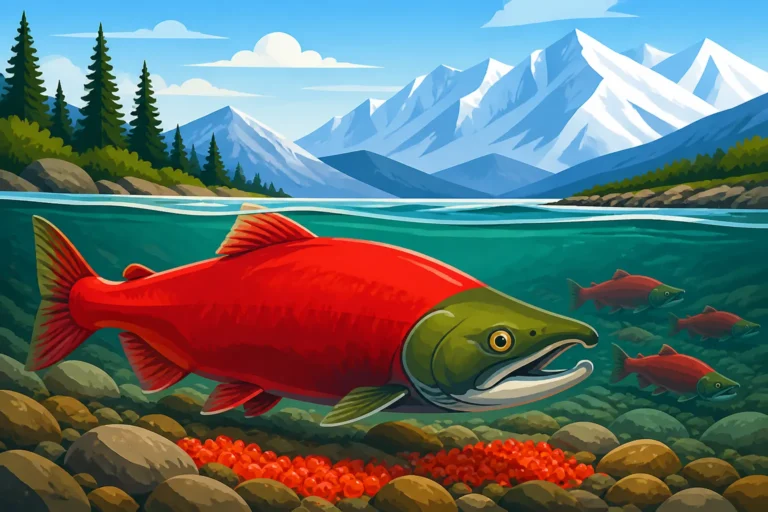
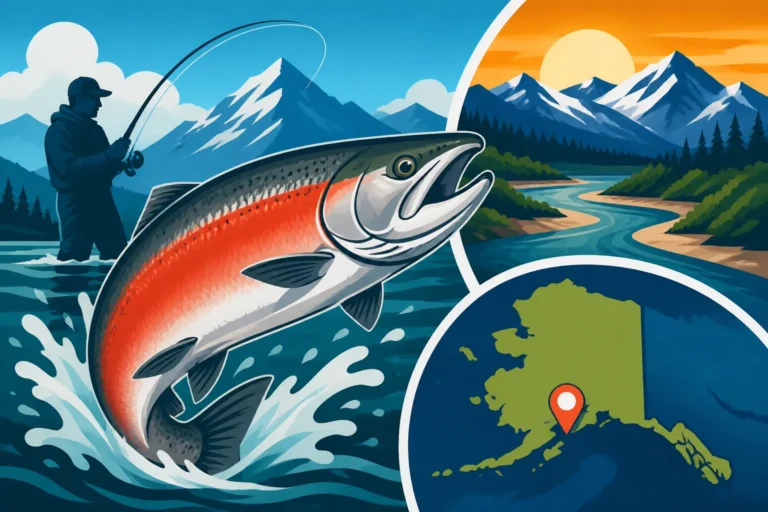
Let's be honest, when most people dream of a true Alaskan fish fight, they're picturing a King Salmon. These magnificent creatures, also known as Chinook, are the largest of the Pacific salmon species, and they fight with a power that can only be described as brutal. Hooking into a King is an experience that humbles even the most seasoned angler, often leaving them with sore arms and tales to tell for years.
The Sheer Power and Stubborn Runs of a Chinook
A King Salmon's fight isn't about acrobatics; it's about raw, unyielding power. When you hook one, especially a big one pushing 30, 40, or even 50+ pounds, it's like setting your hook into a runaway freight train. They don't jump much, but they make incredibly strong, sustained runs that can strip hundreds of feet of line off your reel in a flash. You'll feel the rod throbbing, the drag singing its high-pitched tune, and your muscles straining as you try to turn its head. They often hug the bottom, using the current to their advantage, making you truly earn every inch of line you gain back. Imagine standing on the bank of the Kenai River, your rod bent into a deep arc, and feeling the immense weight of a mature King simply refusing to budge upstream. It’s a tug-of-war where the fish definitely has the home-field advantage. Mastering these powerful fish requires specialized techniques, which you can learn more about in our guide on How to Catch King Salmon in Alaska.
Essential Gear for Taming Kings
To stand a chance against a King Salmon, you absolutely cannot show up with lightweight gear. You need heavy-action rods, robust reels with strong, smooth drags, and braided line with a high breaking strength. Many anglers prefer baitcasting setups for their power and control, often spooling up with 50 to 80-pound braided line. A good quality reel capable of holding ample line is crucial, as those first few runs can be shockingly long. You'll find many reputable brands offering purpose-built rods and reels for King Salmon fishing, and for convenience, a lot of anglers will source their heavier tackle and line from online retailers like Amazon before their trip to ensure they have exactly what they need. Don't forget a sturdy landing net or a reliable BogaGrip, because wrestling a large King onto the bank or into a boat is part of the final, exhilarating challenge. Understanding the intricacies of proper gear is key to success, and our article on Alaska Fishing Gear and Tackle Guide offers a deep dive into what to bring.
The Aerial Acrobat and Speed Demon: Silver Salmon (Coho)
If King Salmon are the heavy boxers, then Silver Salmon, or Coho, are the agile, high-flying martial artists of the salmon world. While they don't reach the same colossal sizes as Kings, their fighting style is arguably more exciting and certainly more unpredictable, making them a favorite for many anglers.
Leaps, Dashes, and Unexpected Changes
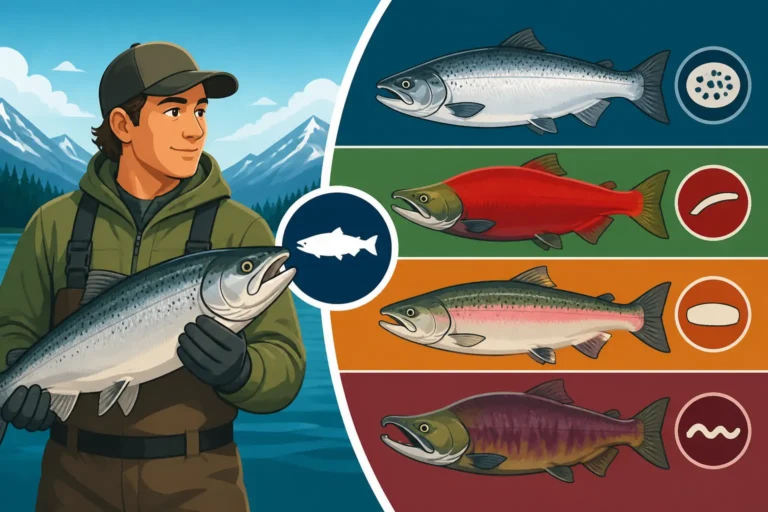
Coho Salmon are famous for their acrobatic displays. Once hooked, it's not uncommon for them to rocket out of the water, shaking their heads violently in an attempt to throw the hook. They'll perform multiple jumps, high-speed dashes, and sudden changes of direction that can leave your line slack in an instant, creating opportunities for them to escape. Their energy is relentless, and they fight hard all the way to the net. Picture yourself casting a spinner on a clear September day on a river like the Kasilof, and suddenly a flash of silver erupts from the water, tail-walking across the surface while your reel screams. This kind of explosive action is what makes Coho so addictive to pursue. They might be smaller than Kings, typically ranging from 8 to 15 pounds, but they pack an incredible punch for their size. To maximize your chances with these spirited fighters, understanding their migration patterns is essential, which you can find in our guide to Alaska Silver Salmon Run Timing.
Choosing the Right Tackle for the Dance
For Coho, you can often scale down your gear a bit from King Salmon setups, but don't go too light. A medium-heavy spinning or baitcasting rod, paired with a fast-action reel and 20-40 pound braided line, is a popular choice. The key is sensitivity for detecting bites and enough backbone to handle their powerful runs and aerial antics. Lures like spinners, spoons, and flies are often highly effective for Coho, and having a diverse selection, perhaps even some specialized Alaska Coho patterns you can order from Amazon, will set you up for success. Because of their jumping tendency, a rod with a slightly softer tip can help absorb the shocks and prevent hooks from pulling out. Many experienced anglers also recommend a good set of polarized sunglasses to spot these vibrant fish as they dart and jump through the water.
The Submarine Brawler: Pacific Halibut
Stepping away from the rivers and into the vast saltwater expanses of places like Homer or Seward, you'll encounter another contender for Alaska's best fighting fish: the Pacific Halibut. These flatfish might not jump or make screaming runs, but their sheer weight and incredible bottom-hugging strength make for an exhausting and unforgettable battle.
The Unrelenting Tug-of-War of the Deep
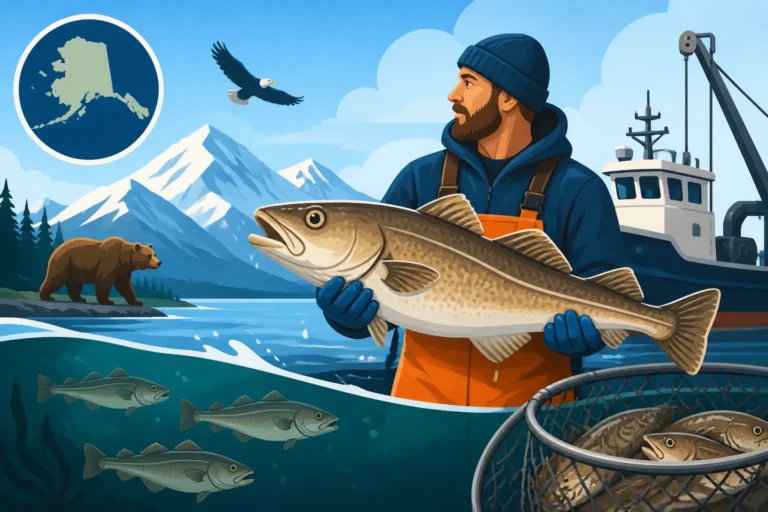
A halibut fight is less about speed and more about brute force. When you hook into a substantial "barn door" halibut, which can easily weigh over 100 pounds, it feels like you've hooked into the seafloor itself. They don't move much initially, but when they do, it's a powerful, deep dive that tests your tackle to its limits. The fight becomes a relentless upward pump-and-reel, gaining a few feet of line only for the fish to peel it back off with a stubborn dive. Imagine hours of constant pressure, your back aching, your arms burning, as you slowly, painstakingly bring this massive pancake-shaped fish up from depths of hundreds of feet. The challenge is not just the fish's strength, but the sheer endurance required from the angler. Learning the specific rules for keeping these giants is critical, and our article on Alaska Halibut Charter Regulations Explained provides all the necessary details.
Heavy-Duty Gear is Non-Negotiable
For halibut fishing, everything needs to be robust. We're talking about heavy-duty boat rods, often with bent butts for leverage, paired with large conventional reels spooled with 80 to 130-pound braided line. Electric reels are common for commercial and some recreational anglers for deep drops, but if you're looking for a true fight, manual gear is the way to go. You'll need heavy lead weights (often 1-3 pounds or more) to get your bait down to the depths, and sturdy circle hooks. Many charters provide all the necessary gear, but if you're planning an unguided trip, investing in quality deep-sea tackle, easily found on Amazon, is paramount. The strength of your swivels, snaps, and leader material cannot be underestimated; a weak link will mean a lost fish. Proper technique for these bottom dwellers is crucial, and our guide on How to Catch Halibut in Alaska offers valuable insights.
Freshwater's Feisty Contenders: Rainbow Trout and Arctic Char/Dolly Varden
While salmon and halibut steal many of the headlines, don't underestimate the fighting spirit of Alaska's premier freshwater residents: the Rainbow Trout and their char cousins, the Dolly Varden and Arctic Char. These fish, especially the larger, wild specimens found in pristine Alaskan rivers and lakes, offer exhilarating fights on lighter tackle.
Energetic Jumps and Flashy Runs
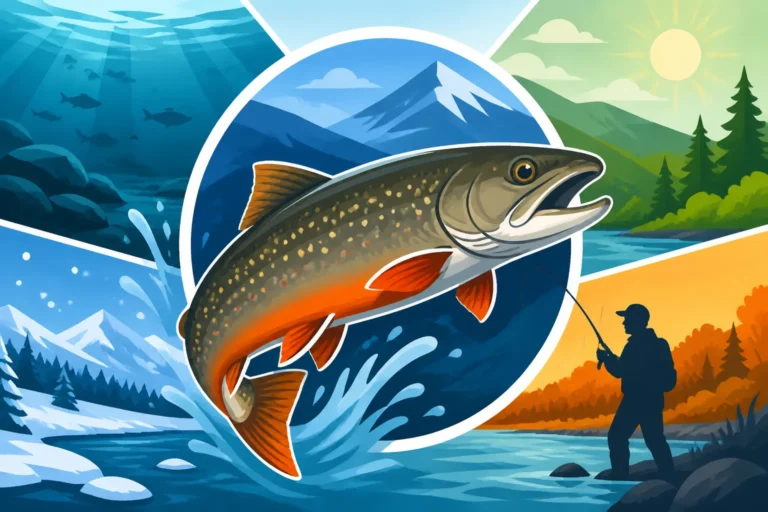
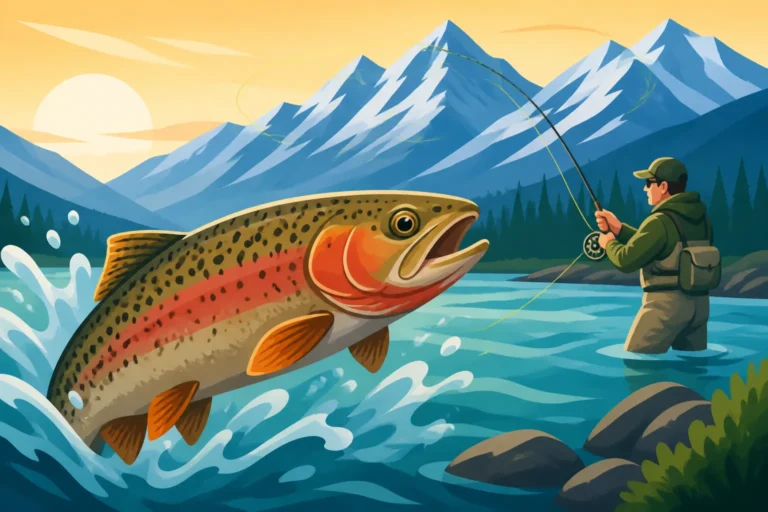
Alaskan Rainbow Trout, particularly the resident "leopard" rainbows of Bristol Bay or the mighty trout of the Kenai River, are incredible fighters. They are known for their explosive runs, acrobatic leaps, and head shakes that can easily throw a hook. When hooked, a big rainbow can strip line off your reel with surprising speed, then leap clear of the water in a shimmering display before darting under logs or into strong currents. Similarly, Dolly Varden and Arctic Char, while perhaps not as famed for their aerial stunts, offer spirited, bulldog-like fights, especially on light fly-fishing gear. They are powerful for their size and will use every ounce of their body to fight against the current and seek cover. Our comprehensive guide on Alaska Rainbow Trout Guide delves deeper into these magnificent fish.
Matching Tackle to Their Spirit
The joy of fighting these fish often comes from using lighter gear, which magnifies every head shake and run. For Rainbow Trout and Char, a 5-8 weight fly rod or a light-to-medium spinning rod with 8-15 pound monofilament or braided line is ideal. The lighter setup allows for delicate presentations, which is often key, but also ensures a truly engaging battle. Spoons, spinners, and of course, a wide array of fly patterns are effective. When preparing for your trip, consider ordering a selection of trout-specific flies or spinners from Amazon, as local shops can sometimes be picked over during peak season. A good quality reel with a smooth drag is important, as these fish, while not huge, can make surprising bursts of speed. Remember that many of these areas are catch-and-release, making the fight and the safe release the ultimate reward. For specifics on these vibrant freshwater fighters, check out our guide on Alaska Dolly Varden vs Arctic Char.
Comparative Fighting Styles
To give you a better idea of what to expect from each of these incredible species, here's a quick comparison of their typical fighting characteristics:
| Fish Species | Average Size (lbs) | Primary Fighting Style | Gear Recommendation | Adrenaline Factor | Endurance Required |
|---|---|---|---|---|---|
| King Salmon | 20-50+ | Powerful, sustained deep runs; bottom-hugging | Heavy-action baitcaster/spinning; 50-80lb braid | High | Very High |
| Silver (Coho) Salmon | 8-15 | Energetic leaps, quick dashes, head shakes | Medium-heavy spinning/baitcaster; 20-40lb braid | Very High | Medium |
| Pacific Halibut | 20-100+ | Sheer dead weight; deep, stubborn dives | Heavy-duty conventional boat rod; 80-130lb braid | High | Very High |
| Rainbow Trout | 2-10+ | Explosive runs, aerial acrobatics | Light-medium spinning/fly rod; 8-15lb line | High | Medium |
| Arctic Char/Dolly Varden | 2-8 | Strong, bulldog runs; stream current use | Light spinning/fly rod; 6-12lb line | Medium-High | Medium |
The Thrill of the Challenge
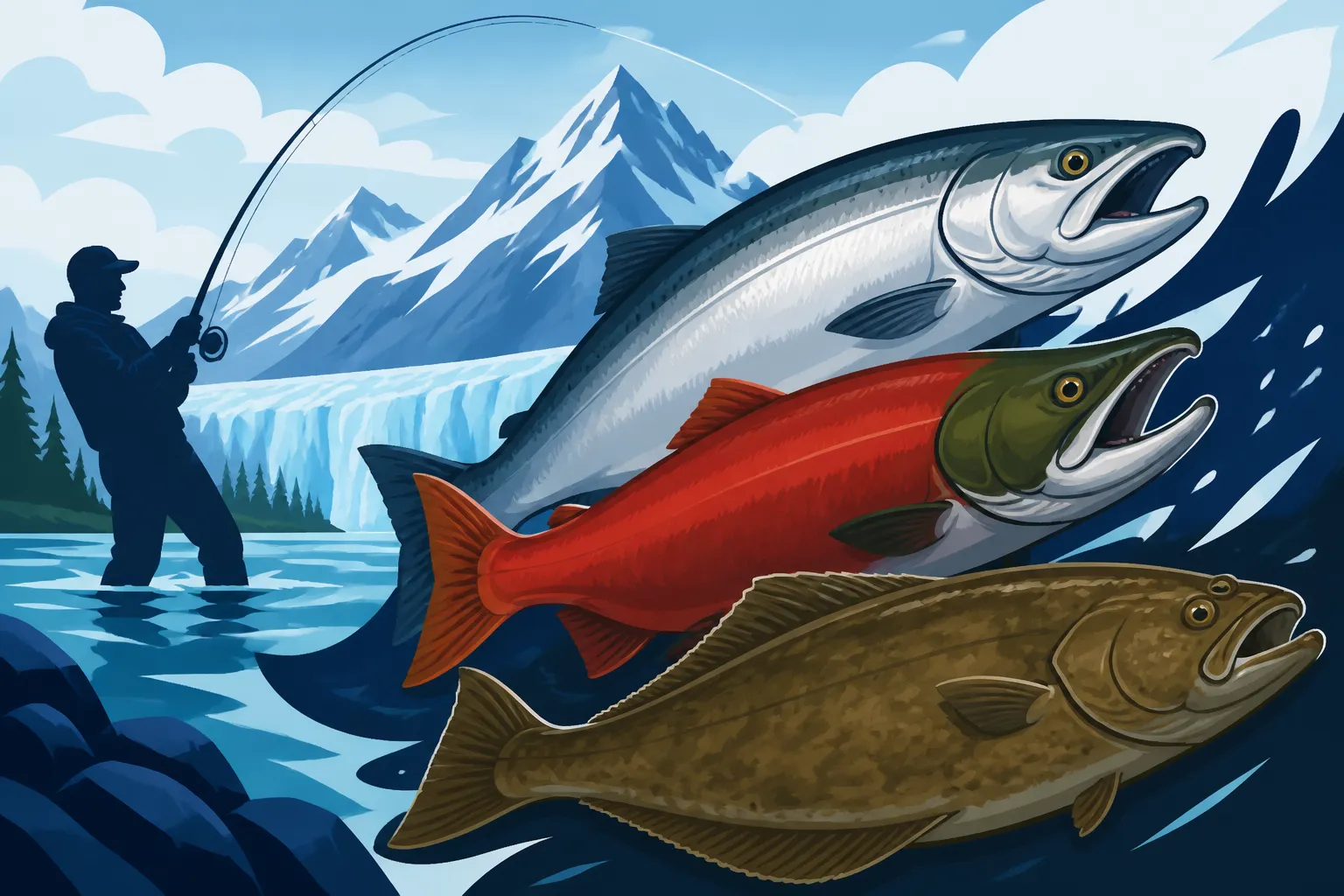
Ultimately, deciding which fish offers the "best" fight in Alaska often comes down to personal preference. Some anglers crave the brute force and extended battle of a trophy King Salmon or a monstrous Halibut, finding satisfaction in the sheer physical effort required. Others live for the explosive, acrobatic displays of a leaping Silver Salmon or the spirited tug-of-war with a powerful Rainbow Trout on lighter tackle.
What is undeniable is that Alaska provides an unparalleled arena for truly epic angling battles. Each species presents its unique challenge, demanding different skills, patience, and gear. Whether you're drift fishing for Kings on the Kenai, jigging for Halibut out of Seward, or fly fishing for Rainbows in a remote stream, you're guaranteed an experience that will test your mettle and leave you with incredible memories. So pack appropriately, maybe order that extra heavy-duty reel you've been eyeing on Amazon, and get ready for a fight you won't soon forget!
Disclaimer
Please remember that fishing regulations in Alaska can change frequently due to emergency orders and conservation efforts. Always consult the latest Alaska Department of Fish and Game regulations before heading out on any fishing trip to ensure you are compliant with all current rules, bag limits, and licensing requirements.