Alaska Pacific Cod Fishing Explained
It's easy to get caught up in the allure of Alaska's massive King Salmon, the acrobatic Sockeye, or the sheer brute force of a barn door Halibut. But what about the often-overlooked workhorse of the Alaskan waters, the Pacific Cod? Many anglers completely miss out on the fantastic fishing and delicious eating that Pacific Cod offer, often because they simply don't know where to start or assume it's "just cod." This guide aims to pull back the curtain on Alaska Pacific Cod fishing, showing you why it's a worthy target and how to successfully hook into these abundant, tasty fish.
Understanding Alaska Pacific Cod
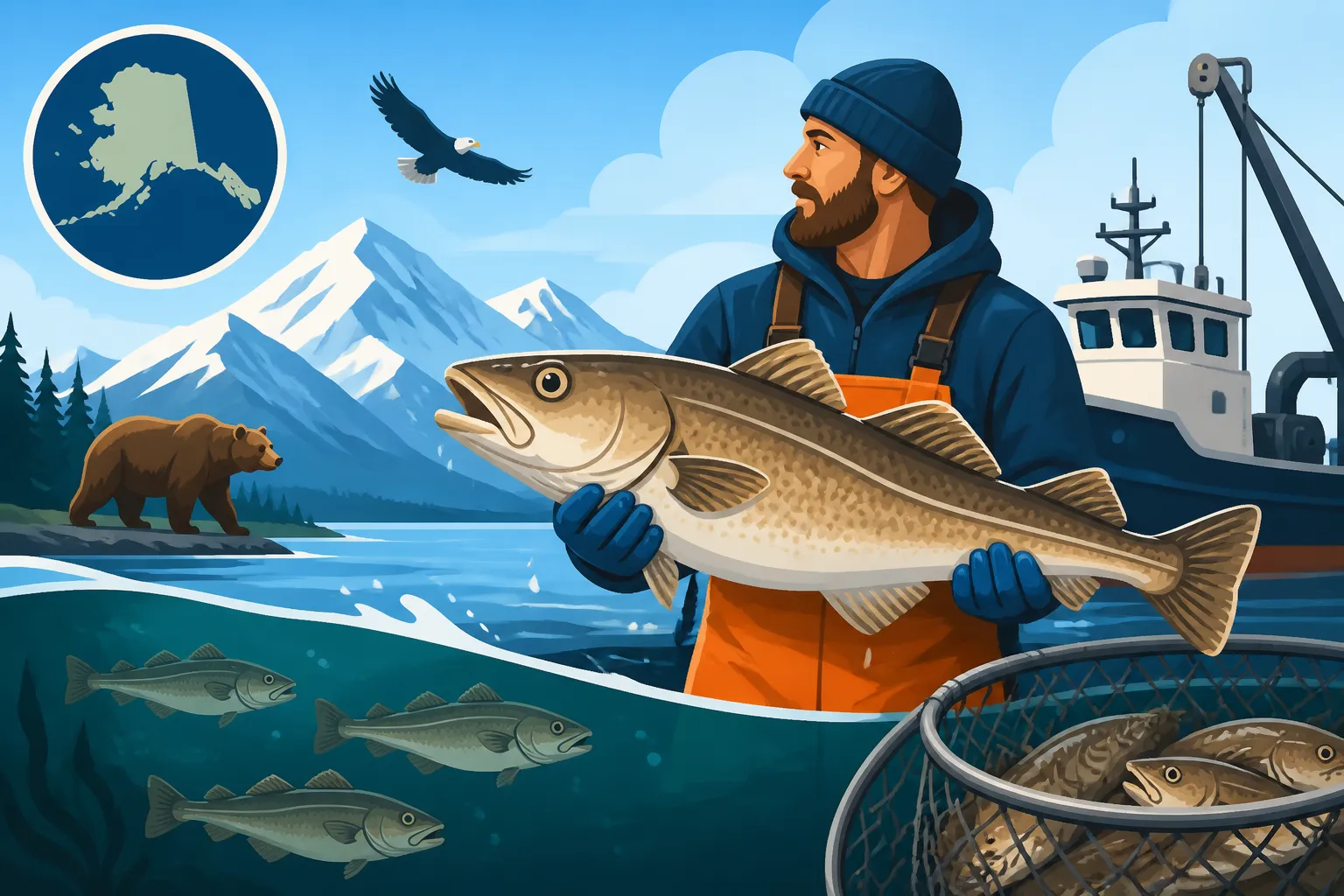
Pacific Cod, often affectionately called "grey cod" or "true cod," might not have the flashy reputation of its salmonid cousins, but it's a vital part of the Alaskan marine ecosystem and a fantastic sportfish in its own right. These bottom-dwelling fish are plentiful, relatively easy to catch once you understand their habits, and provide some of the finest flaky white meat for your dinner table.
What Exactly is Pacific Cod?
Pacific Cod ( Gadus macrocephalus) are members of the Gadidae family, distinct from Atlantic Cod, though they share many characteristics. They're typically mottled brown to gray, helping them blend in with the rocky and sandy seafloor where they primarily reside. You'll find they have a prominent barbel on their chin, which acts like a sensory organ to help them forage for food along the bottom.
In terms of size, Pacific Cod usually range from 18 to 36 inches in length and weigh anywhere from 5 to 20 pounds, though much larger specimens can certainly be caught. While not the trophy fish that a monster halibut might be, a feisty 15-pound cod still puts up a respectable fight, especially on lighter tackle. They are opportunistic feeders, munching on just about anything they can find: small fish, crabs, shrimp, clams, and worms. This diverse diet contributes to their firm, mild-flavored white flesh that many chefs rave about.
Their habitat extends across the North Pacific Ocean, from the Yellow Sea all the way up to the Bering Sea and down the coast of North America to Oregon. In Alaska, they are ubiquitous, found in many of the same waters where anglers target other popular species. You might encounter them while bottom fishing for rockfish or even halibut, making them a welcome surprise catch.
Why Target Pacific Cod in Alaska?
So, why should you dedicate some of your precious fishing time to Pacific Cod? There are several compelling reasons that many seasoned Alaska anglers swear by, especially when other fisheries might be slow or closed.
Firstly, they are incredibly abundant. Unlike some salmon runs that can be quite fragile, Pacific Cod populations are generally robust and well-managed, meaning you can often find consistent action. This makes them an excellent choice for anglers who want a good chance of catching fish, whether you're a beginner or just looking for steady bites. There's nothing quite as demoralizing as a slow fishing day, and targeting cod can often turn that around, providing plenty of excitement.
Secondly, their fighting style, while not always as dramatic as a jumping salmon, is solid and determined. When hooked, a Pacific Cod will typically make strong, deep runs, pulling hard against your line. This sustained fight is exhilarating and can be quite a workout, especially if you're pulling up multiple fish from significant depths. It's a satisfying feeling to bring a heavy cod up from the deep.
Finally, and perhaps most importantly for many, Pacific Cod are absolutely delicious. Their meat is white, flaky, and has a mild, slightly sweet flavor that lends itself well to almost any cooking method. It holds up beautifully whether baked, pan-fried, grilled, or used in chowders and fish and chips. Many prefer it over some other whitefish for its consistency and flavor. If you're looking to fill your cooler with quality table fare, Pacific Cod is an exceptional choice. Plus, the regulations for Pacific Cod are generally much more liberal than for species like salmon or halibut, often with no bag limits or very generous ones, especially for sportfishing. You can often check the latest Alaska Fishing Regulations Explained to confirm current limits in your area.
Prime Pacific Cod Fishing Seasons and Locations
Knowing when and where to find Pacific Cod is crucial for a successful trip. While they are present year-round in Alaskan waters, certain times and locations offer better opportunities for a productive outing.
Best Times to Find Cod in Alaska
Pacific Cod are generally available throughout the year in various parts of Alaska, but their behavior and accessibility change with the seasons.
Winter Fishing (Late Fall to Early Spring): This is often considered the peak season for targeting larger, more concentrated schools of Pacific Cod. During the colder months, cod tend to congregate in deeper waters, often on offshore banks and near structure, as they prepare for and engage in spawning. This can mean a bit of a boat ride to get to them, but once you find a school, the action can be non-stop. Ice fishing for cod is also possible in certain sheltered bays and fjords where ice forms, though this is less common for Pacific Cod than for freshwater species. Many commercial fishermen specifically target cod during these months due to their predictable schooling behavior.
Summer Fishing (Late Spring to Early Fall): While cod might be more dispersed during the warmer months, they are still very catchable. During summer, they move into shallower waters to feed more actively. You might find them in bays, near rocky outcroppings, or even along sandy flats. This makes them accessible to a wider range of anglers, including those fishing from smaller boats or even from shore in some areas. Summer fishing often yields smaller, "chicken" sized cod, which are perfect for a single meal. If you're out on a Alaska Halibut Charter Guide or chasing salmon, you'll often pick up cod as a bonus catch during these months. They’re usually less concentrated than in winter, but still very much around.
The key is understanding that Pacific Cod are active throughout the year, but their habits shift. Winter offers opportunities for large numbers and bigger fish in deeper spots, while summer provides more widespread, accessible fishing in shallower areas.
Top Spots for Pacific Cod Fishing
Alaska is vast, but certain regions and specific areas are renowned for their Pacific Cod populations.
-
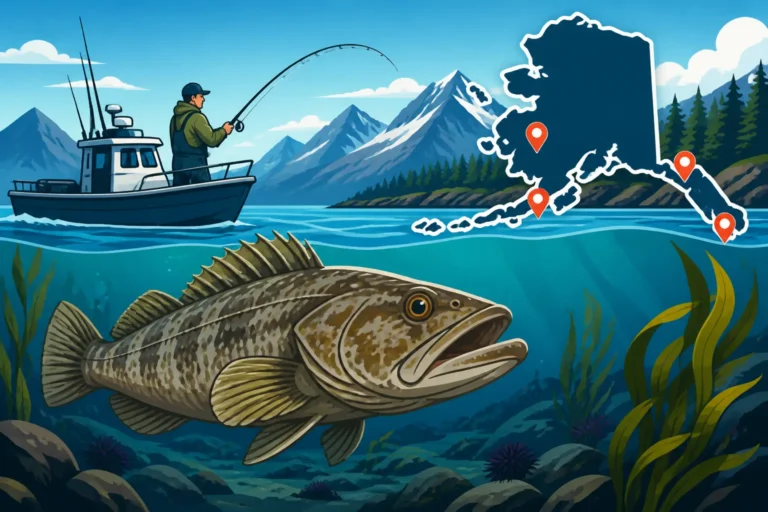
Prince William Sound: This area is a fantastic year-round fishery for a variety of species, and Pacific Cod are no exception. The Sound's deep, protected waters, intricate network of islands, and rich forage make it a prime habitat. Anglers often find cod around rocky reefs, underwater pinnacles, and steep drop-offs. Areas near Valdez and Whittier are popular departure points for fishing in Prince William Sound. Many charters in the area will happily put you on cod if that's what you're after.
-
Cook Inlet: Extending north from the Gulf of Alaska, Cook Inlet is a dynamic fishery. While perhaps best known for its salmon runs and halibut, the deeper, saltier waters further south in the Inlet, especially towards the open ocean, hold good numbers of Pacific Cod. Fishing near the entrance to Kachemak Bay, or around Augustine Island, can be particularly productive. Be mindful of the strong tides in Cook Inlet when planning your trip.
-
Kodiak Island: Often called the "Emerald Isle," Kodiak is surrounded by exceptionally rich fishing grounds. The waters around Kodiak Island, including the various bays and offshore banks, are teeming with Pacific Cod. The commercial cod fishery here is robust, which is a good indicator for sport anglers. If you're looking for a serious cod fishing adventure, a trip to Kodiak would be well worth it. You can find out more about the Kodiak Fishing Guide to plan your trip.
-
Southeast Alaska: From Ketchikan to Juneau, the intricate Inside Passage and outer coast of Southeast Alaska offer excellent cod fishing. The numerous islands, channels, and deep fjords provide ideal habitat. Look for them around underwater structure and rocky reefs, similar to other bottom dwellers. Many local anglers will hit the outer coastal areas for better results.
-
Bering Sea and Aleutian Islands: While mostly a commercial fishery, these remote, nutrient-rich waters are where some of the largest concentrations of Pacific Cod are found. Sportfishing here is usually part of larger, multi-species remote expeditions, but it highlights the sheer abundance of cod in Alaska's western waters.
When heading out, always consult local knowledge, fishing reports, and current emergency orders for the specific area you plan to fish. You can learn more about how to check for Alaska Fishing Emergency Orders Explained to stay informed.
Essential Gear and Techniques for Pacific Cod
Catching Pacific Cod doesn't require overly specialized gear, but having the right setup will significantly increase your success and enjoyment. Their strong, determined fight means you want tackle that can handle the strain.
Rods, Reels, and Line Recommendations
For Pacific Cod, you're generally looking for a sturdy setup capable of handling decent weight and pulling power.
- Rods: A medium-heavy to heavy action conventional rod, typically 6 to 7.5 feet long, is ideal. You want a rod with a sensitive tip to detect subtle bites but plenty of backbone to muscle fish up from the depths. Look for rods rated for 15-40 lb or 20-50 lb line. Brands like Ugly Stik or Penn Battle offer excellent value and durability for saltwater fishing and can often be found readily on Amazon.
- Reels: A conventional reel (star drag or lever drag) in a size typically used for salmon or light halibut fishing is perfect. Think something like a Shimano Tekota 500 or a Penn Squall 20. These reels have the cranking power and line capacity needed. Make sure it has a good drag system, as cod can make strong runs.
- Line: Braided line is highly recommended for its strength-to-diameter ratio and lack of stretch, which allows for better bite detection in deep water. A 50-65 lb braided main line is a good choice. You'll want to add a monofilament or fluorocarbon leader of about 3-6 feet, rated for 40-60 lb test, to provide some abrasion resistance and a bit of stretch to absorb sudden shocks.
Baits, Lures, and Rigs That Work
Pacific Cod are not particularly picky eaters, which is great news for anglers. However, some presentations are consistently more effective than others.
- Jigs: Heavy metal jigs are incredibly effective, especially when fishing deeper water or when cod are schooling. Vertical jigging allows you to cover the water column and entice aggressive strikes. Jigs ranging from 6 to 16 ounces are common, depending on depth and current. Popular styles include Norwegian jigs, diamond jigs, or butterfly jigs. Tipping your jig with a piece of bait, like a herring or squid, can often increase your hook-up rate. You can find a wide variety of jigs on Amazon that are perfect for this type of fishing.
- Baits: Natural baits are hard to beat. Fresh or frozen herring, squid, octopus, or chunks of salmon are all excellent choices. Even simple clam necks or strips of cut bait from other fish can work wonders.
- Rigs:
- Bottom Rig (or "Spreader Bar" style): This is a classic setup. Use a heavy sinker (8-24 ounces, depending on depth and current) at the bottom. Above the sinker, tie two dropper loops, about 12-18 inches apart, each with a snelled hook. Circle hooks (3/0 to 6/0) are excellent for this as they tend to hook fish in the corner of the mouth, making for easier release if desired and preventing gut-hooking.
- Paternoster Rig: Similar to the bottom rig, but often with three hooks above the sinker, allowing you to present multiple baits at different levels just off the bottom.
- Weighted Jigs with Bait: Sometimes a single heavy jig with a piece of bait hooked through it is all you need. This combines the attraction of the jig's action with the scent of natural bait.
Remember to bring plenty of sinkers and hooks, as fishing rocky bottom for cod means you will inevitably get snagged from time to time.
Techniques for Successful Cod Fishing
Pacific Cod are bottom dwellers, so your primary goal is to get your bait or lure down to where they live and work it effectively.
- Find the Structure: Cod love to hang out around underwater structure – reefs, rocky bottoms, wrecks, and sudden depth changes. Use your fish finder to locate these areas and look for signs of baitfish or schools of cod near the bottom.
- Vertical Jigging: This is an active and highly effective method. Drop your jig to the bottom, then reel up a few feet and work the jig with a sharp lift-and-drop motion. Vary the speed and intensity until you find what the fish are reacting to. Many strikes happen on the drop, so be ready.
- Bait Fishing the Bottom: If you're using a bottom rig with bait, simply drop your rig to the bottom. Once it hits, reel up a foot or two to keep your bait just off the seafloor and prevent immediate snags. Let the boat drift slowly, covering ground, or anchor over a promising spot. Periodically lift and drop your rod tip a foot or so to move your bait and attract attention.
- Feel for the Bite: Cod bites can range from a subtle tap to a strong yank. With braided line, you'll feel even the lightest takes. Don't be too quick to set the hook if you're using circle hooks; just apply steady pressure as the fish moves away, and the hook will usually set itself.
- Stay Mobile: If you're not getting bites after 15-20 minutes in a spot, don't be afraid to move. Use your sonar to find new schools or productive structure. A slow drift can be very effective for covering ground and locating fish.
For a deeper dive into techniques, especially if you're trying to integrate cod fishing with other species, you might find valuable insights in articles like How to Bottom Fishing for Salmon in Alaska or How to Jigging for Salmon in Alaska, as many of the principles apply to cod as well.
Handling and Enjoying Your Pacific Cod Catch
Once you've successfully brought a Pacific Cod aboard, knowing how to handle it properly, whether for release or retention, is key to ensuring a quality experience.
Proper Catch and Release or Retention
The first decision is whether to keep the fish or release it. Given the healthy populations and generous limits, you'll likely have the option to keep several for dinner.
- Catch and Release: If you plan to release a cod, try to minimize its time out of the water. Handle the fish gently with wet hands to protect its slime coat. Use a de-hooking tool if the hook is deep. If the fish was caught from significant depth (e.g., over 60 feet), it might suffer from barotrauma (swim bladder expansion). If this is the case, consider using a descending device to safely return the fish to depth. This is especially important for species like rockfish but can apply to cod too. Learn more about Alaska Rockfish Deepwater Release Device Rules as many of these principles apply to any deep-water species.
- Retention: If you're keeping the fish, dispatch it quickly and humanely. A swift blow to the head or severing the gills will kill the fish, and bleeding it immediately by cutting the gills or throat will significantly improve the quality of the meat. Place the bled fish on ice as soon as possible to preserve its freshness. This rapid cooling prevents bacterial growth and keeps the meat firm and delicious.
Filleting and Storing Your Cod
Pacific Cod are relatively easy to fillet, offering thick, boneless fillets that are a joy to work with.
- Filleting: Start by making a cut behind the pectoral fin, down to the backbone. Then, turn your knife and run it along the backbone towards the tail, keeping the blade pressed against the bone to maximize meat yield. Flip the fillet over and skin it by holding the tail end and running your knife between the skin and meat. Rinse the fillets in clean saltwater or fresh water, then pat them dry.
- Storage for Freshness: For immediate consumption, keep fillets on ice in a cooler. If you plan to eat them within a day or two, store them in the coldest part of your refrigerator.
- Freezing for Longer Term: For longer storage, proper freezing is crucial. Vacuum sealing is the absolute best method as it removes oxygen, preventing freezer burn and preserving flavor for up to a year or more. If you don't have a vacuum sealer, wrap fillets tightly in plastic wrap, then again in freezer paper or place them in freezer-safe bags, pressing out as much air as possible. Label and date all packages. You can find reliable vacuum sealers and freezer bags on Amazon. Proper freezing is essential if you want to ship your catch home from Alaska.
Cooking Up Your Alaska Pacific Cod
Pacific Cod is incredibly versatile in the kitchen. Its mild flavor and firm, flaky texture make it a favorite for many different recipes. Here are just a few ideas:
- Classic Fish and Chips: This is a no-brainer. Dip cod fillets in a light beer batter and deep-fry until golden brown. Serve with thick-cut fries, tartar sauce, and a lemon wedge.
- Baked Cod with Lemon and Herbs: A simple, healthy, and delicious option. Place fillets in a baking dish, drizzle with olive oil, sprinkle with salt, pepper, garlic powder, and your favorite herbs (dill, parsley, thyme work wonderfully), then top with lemon slices. Bake at 375°F (190°C) until flaky.
- Pan-Seared Cod: Heat a skillet with a bit of butter or olive oil. Season cod fillets with salt and pepper, then sear for 3-5 minutes per side until golden brown and cooked through. A squeeze of fresh lemon juice at the end elevates the flavor beautifully.
- Cod Chowder: Use chunks of cod in a creamy, hearty chowder with potatoes, onions, celery, and corn. It's perfect for a chilly Alaskan evening.
- Fish Tacos: Flake cooked cod into tortillas with cabbage slaw, a zesty sauce, and fresh salsa for a fantastic meal.
Don't let the simplicity of "cod" fool you; these fish are a treasure from Alaska's waters. With their generous numbers, spirited fight, and delicious meat, they offer a fishing experience that can rival many of the more famous Alaskan species.
| Aspect | Pacific Cod Characteristics | Prime Fishing Conditions | Recommended Gear |
|---|---|---|---|
| Size Range | 5-20 lbs (average); up to 40+ lbs (trophy) | Deepwater (winter), shallower (summer) | Medium-heavy conventional rod |
| Habitat | Bottom dweller, rocky reefs, sandy flats, deep banks | Near structure, drop-offs, underwater pinnacles | Conventional reel (e.g., Shimano Tekota 500) |
| Flavor Profile | Mild, white, flaky, slightly sweet | Year-round availability, peak in winter for large schools | 50-65 lb braided main line |
| Common Baits | Herring, squid, octopus, cut fish | Slow drifts or anchored over structure | 40-60 lb fluorocarbon/mono leader |
| Effective Lures | Heavy metal jigs (Norwegian, diamond, butterfly) | Vertical jigging for active fish | Heavy sinkers (8-24 oz) for bottom rigs |
| Best Fishing Regions | Prince William Sound, Cook Inlet, Kodiak, Southeast Alaska | Consistent action, good for filling the cooler | Circle hooks (3/0-6/0) for bait, various jigs |
Disclaimer
Fishing in Alaska always involves inherent risks and is subject to rapidly changing conditions and regulations. The information provided here is for general guidance only and should not replace official sources. Always consult the most current Alaska Department of Fish and Game regulations and emergency orders before heading out. Safety should be your top priority, so ensure you have appropriate safety gear and knowledge for Alaskan waters.