Alaska Dolly Varden: Size, Season, and Where to Catch
One of the most satisfying catches in Alaska, yet often overlooked, is the feisty Dolly Varden. Many anglers, especially those new to the Last Frontier, often confuse them with Arctic Char or simply don't realize the incredible sport they offer. This comprehensive guide will peel back the layers on this beautiful, abundant, and sometimes mysterious fish, diving deep into their typical size, the best seasons to pursue them, and exactly where you can find these shimmering beauties across Alaska's vast waters.
Understanding the Alaska Dolly Varden: Beyond the Basics
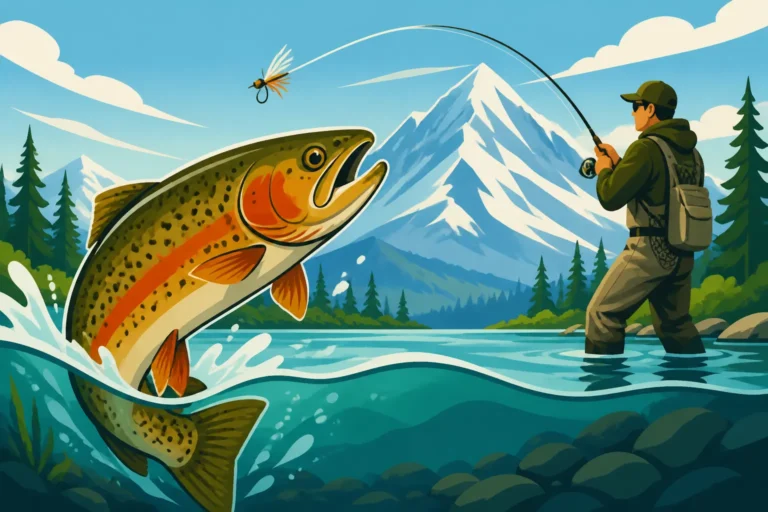
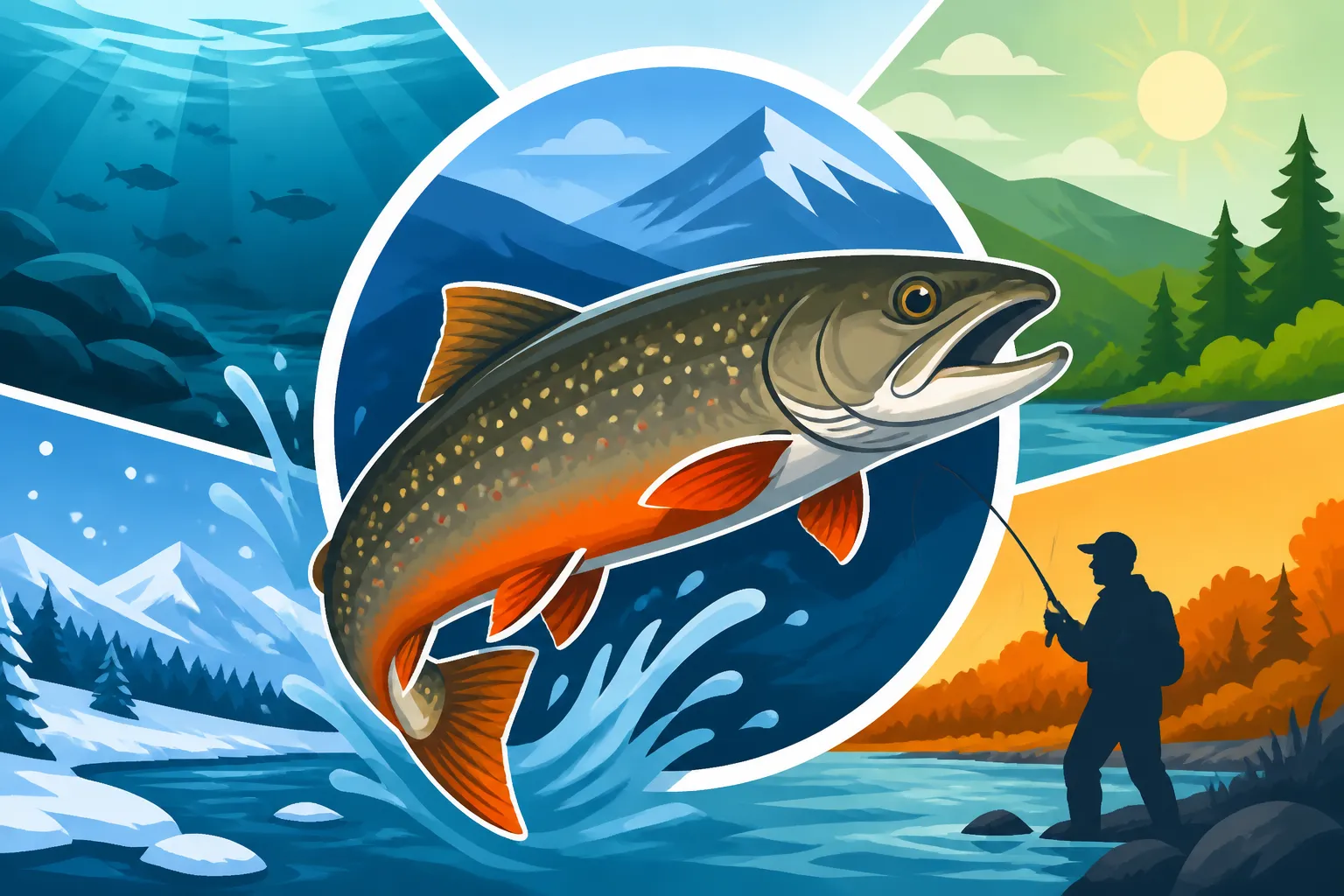
The Dolly Varden ( Salvelinus malma) is a member of the char family, and it's a fish that truly embodies the wild spirit of Alaska. While they might not reach the sheer size of a King Salmon or the widespread fame of a Sockeye, their vibrant colors, aggressive takes, and tenacious fights make them a favorite among many seasoned Alaskan anglers. They are often encountered incidentally while targeting salmon or trout, but dedicated Dolly Varden pursuits can be incredibly rewarding.
What Makes a Dolly Varden Distinctive
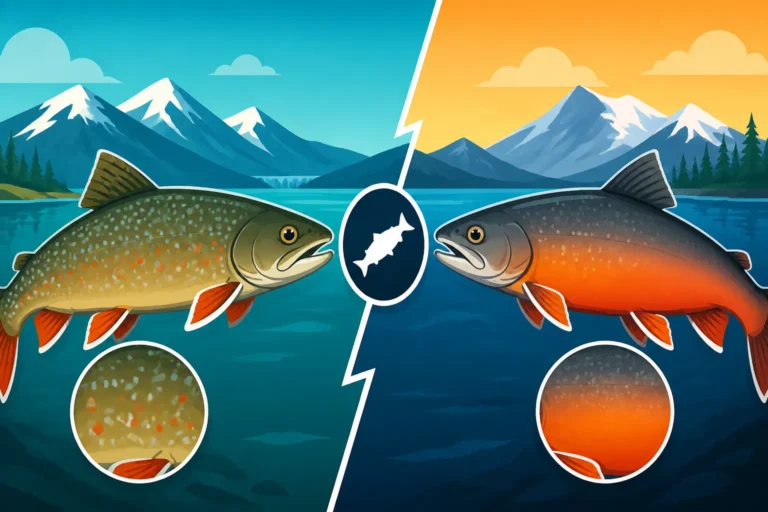
Identifying a Dolly Varden can sometimes be a bit tricky, especially given their close cousins, the Arctic Char. However, there are some key characteristics to look for. Dolly Varden typically have light spots on a darker body, which can range from olive green to silvery-blue, often with hues of purple, orange, or red on their flanks, particularly during spawning. Their spots are usually pink, red, or yellow, and generally smaller than the pupil of their eye. The lower fins are often edged in white or cream, though this can fade. They possess a longer, more slender body shape compared to the generally chubbier Arctic Char. It’s a common frustration for new anglers trying to tell the difference, but once you’ve seen a few, their unique charm becomes quite apparent. If you're really interested in the nuances, our guide on Alaska Dolly Varden vs Arctic Char can help clear up any lingering confusion.
Beyond their appearance, Dolly Varden exhibit fascinating behavioral traits. They are opportunistic feeders, known for their voracious appetites, especially when salmon are spawning. They'll gorge themselves on salmon eggs, smolt, and even small invertebrates. This makes them highly active and responsive to a variety of fishing techniques. Some populations are anadromous, meaning they migrate to saltwater to feed and grow before returning to freshwater to spawn, similar to salmon. Others are entirely resident, living their entire lives within freshwater lakes and rivers. This adaptability is part of what makes them so widely distributed throughout Alaska. For a broader perspective on the finned residents of the Last Frontier, check out our comprehensive Alaska Fish Species Guide.
Typical Size and Trophy Potential
When it comes to size, Dolly Varden generally aren't going to break any world records for length or weight, but don't let that fool you into thinking they're small fry. In most Alaskan rivers and streams, you'll encounter Dolly Varden in the 12 to 20-inch range, averaging around 1-3 pounds. These are healthy, hard-fighting fish that provide excellent sport on light tackle. However, some areas are known for producing true trophy-sized Dolly Varden.
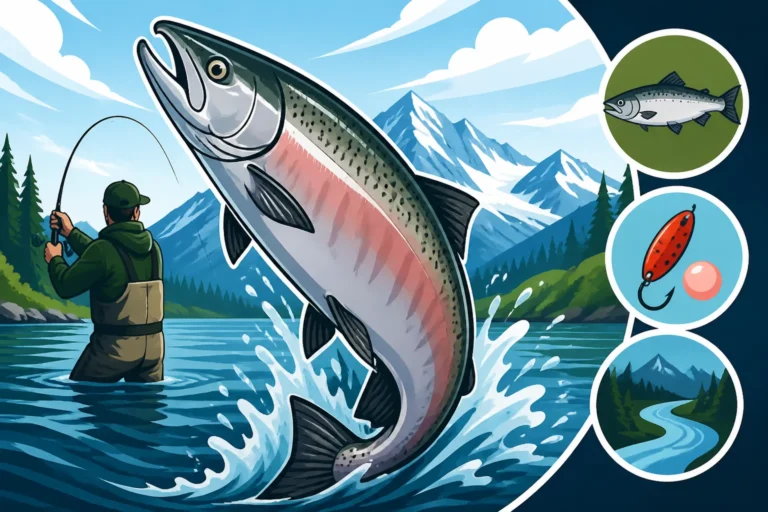
In prime coastal drainages and some large lakes, it's not uncommon to hook into Dolly Varden pushing 24 to 28 inches, and occasionally even larger, weighing 5-8 pounds or more. These larger specimens, often anadromous fish returning from a growth spurt in the ocean, are formidable opponents, capable of strong runs and deep dives. The Bristol Bay region, in particular, is renowned for its sizable Dolly Varden populations. Catching one of these "bull" Dolly Varden is a significant achievement and a testament to the rich, productive waters of Alaska. While they might not be the biggest of the Alaska Trophy Fish Explained, they certainly earn their place as a sought-after catch.
Prime Seasons for Chasing Alaska Dolly Varden
Understanding the seasonal movements and feeding patterns of Dolly Varden is key to consistently finding and catching them in Alaska. Their activity is heavily influenced by water temperatures, food availability, and the spawning cycles of other fish, particularly salmon. They are incredibly adaptable, meaning you can find them throughout much of the open water fishing season, but certain times offer peak opportunities.
Spring and Early Summer Opportunities
As the ice breaks up and rivers begin to swell with snowmelt in May and early June, Dolly Varden start to become more active. During this period, they are often found in the lower reaches of rivers and in lake outlets, aggressively feeding on overwintered smolt and emerging insects. The water is still cold, so they tend to be more lethargic, but warmer days can bring them into shallower, sun-warmed areas. This can be a great time for fly anglers using small streamer patterns mimicking juvenile fish, or spin anglers casting small spinners.
As early salmon runs, like King Salmon and early Sockeye, begin to trickle in around late May and June, Dolly Varden will start to position themselves in staging areas, ready to capitalize on any loose eggs or vulnerable fry. They might be a bit scattered at this point, but their metabolism is picking up, and they're eager to feed after the long winter. Our comprehensive Alaska Fishing Seasons: Month-by-Month Guide can give you a detailed breakdown of what else is biting during these times.
Peak Summer Feeding Frenzy
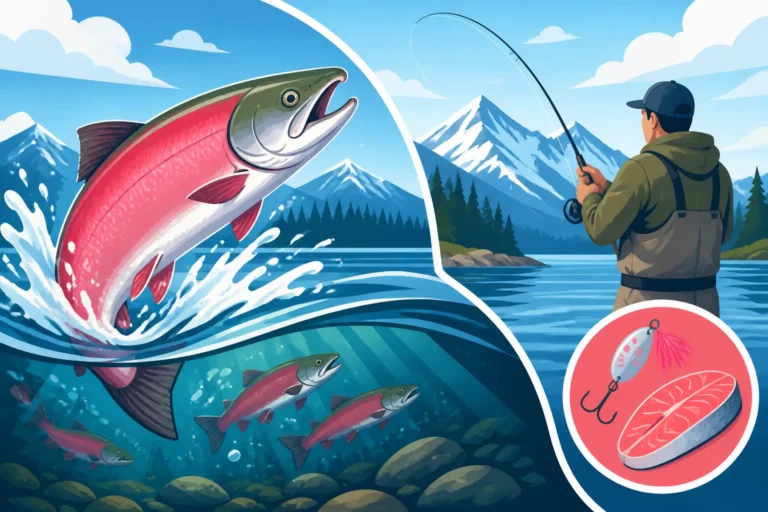
July and August are arguably the absolute prime months for targeting Dolly Varden in many parts of Alaska, especially in systems with strong salmon runs. This is when the salmon are in full swing, and Dolly Varden follow them like shadows. They congregate in incredible numbers behind spawning salmon, feasting on the abundant bounty of salmon eggs. This behavior is so pronounced that it's often referred to as "egg-rolling." You'll find them holding in river bends, behind gravel bars, and in slower pockets downstream of spawning beds.
During this time, their colors are often at their most vibrant, and their fighting spirit is unmatched due to their calorie-rich diet. This is a fantastic time for both fly fishing with egg patterns and bead fishing, as well as spin fishing with small, brightly colored lures. If you're planning a trip around peak Dolly Varden action, consulting our guide on the Best Time to Fish in Alaska will provide invaluable insights for timing your visit perfectly. You might also find yourself encountering them while pursuing other species, especially if you're out there during the Alaska Sockeye Salmon Run Timing on a river like the Kenai.
Fall Migrations and Winter Prep
As summer transitions to fall, typically late August through September and even into October in some areas, Dolly Varden continue their feeding spree. Many anadromous Dolly Varden will begin their migration back into freshwater systems from the ocean, preparing for their own spawning or overwintering. They will still be actively feeding on late-season salmon eggs and any available food sources as they build up fat reserves for the lean winter months.
This period can offer some incredible fishing, often with fewer crowds than the mid-summer salmon frenzy. The fish are still aggressive and well-conditioned, and the fall foliage provides a stunning backdrop to your fishing adventure. Look for them in similar holding water as the summer, but also start to explore deeper pools and slower runs as water temperatures begin to drop. As winter approaches, their activity will slow, and they’ll seek out deep, stable water for overwintering.
Here's a quick overview of prime Dolly Varden seasons:
| Season | Typical Months | Primary Behavior | Best Fishing Style | Notes |
|---|---|---|---|---|
| Spring | May – Early June | Feeding on smolt, emerging insects | Small streamers, spinners, spoons | Often in lower river sections, lake outlets. Cooler water. |
| Summer Peak | July – August | Heavy feeding on salmon eggs & smolt | Egg patterns, beads, small spinners | Follow salmon runs. Highly aggressive. Most vibrant colors. |
| Fall | Late Aug – October | Continued feeding, ocean return, overwintering | Egg patterns, flesh flies, streamers | Excellent fishing, often fewer crowds. Fish in prime condition. |
| Winter | November – April | Overwintering in deep lakes/rivers | Ice fishing with jigs (limited access) | Much slower, specialized effort, mostly ice fishing. |
Top Locations to Find Dolly Varden Across Alaska's Waters
One of the great things about Dolly Varden is their widespread distribution across Alaska. You can find them in a huge variety of habitats, from small coastal streams to massive glacial rivers and countless freshwater lakes. They truly are one of the most ubiquitous Alaska Freshwater Fish Species.
Kenai Peninsula and Southcentral Alaska
The Kenai Peninsula is a hotspot for Dolly Varden, thanks to its numerous salmon-rich rivers and accessible road system. Rivers like the Kenai River and the Russian River are famous for their sockeye salmon runs, and right alongside those sockeye, you'll find eager Dolly Varden. Anglers targeting sockeye often hook into Dollies, especially when using beads or egg patterns. The lower Kenai River, especially near the towns of Soldotna and Kenai, can hold large numbers of Dollies in the fall.
The Russian River, a tributary of the Kenai, is another excellent choice, particularly during the Sockeye runs. Here, Dolly Varden lie in wait below spawning beds, ready to snap up any loose eggs. While you're there experiencing the legendary sockeye fishing, keep an eye out for these beautiful char. For a deep dive into this renowned fishing destination, check out our Kenai River Fishing: Complete Guide. Beyond these main rivers, many smaller streams and lakes throughout the Kenai Peninsula, especially those that drain into Cook Inlet or Prince William Sound, also hold healthy populations of Dolly Varden.
Southeast Alaska's Coastal Treasures
Southeast Alaska, with its intricate network of islands, fjords, and countless rain-fed streams, is another premier destination for Dolly Varden. The anadromous populations here are particularly prominent. These Dollies spend significant portions of their lives in the rich marine waters, growing large and strong, before returning to freshwater streams to spawn. Towns like Juneau, Ketchikan, Sitka, and Petersburg offer access to numerous rivers and creeks that see strong Dolly Varden runs, often coinciding with local salmon returns.
Anglers in Southeast Alaska often target Dolly Varden in estuaries and the lower reaches of rivers, particularly as they migrate in and out of saltwater. Fly fishing with streamers and small spoons can be incredibly effective in these coastal environments. Shore fishing from beaches and river mouths can also yield impressive results. The sheer number of small, unnamed streams also provides ample opportunity for adventurous anglers to discover their own private Dolly Varden honey holes.
Bristol Bay Region: Wilderness and Giants
If you're looking for an unforgettable wilderness fishing experience and the chance at truly massive Dolly Varden, the Bristol Bay region is hard to beat. This area, famous for its colossal sockeye salmon runs, also boasts some of the largest Dolly Varden populations in the state. Rivers like the Naknek, Alagnak, and Nushagak are home to anadromous Dolly Varden that grow to impressive sizes, capitalizing on the incredible biomass of salmon eggs and smolt.
Many fly-out lodges and guided trips in Bristol Bay will target Dolly Varden as a secondary or even primary species, especially during the peak salmon spawning season. The sheer remoteness and pristine nature of these waters mean healthy, robust fish that fight with incredible power. Access typically requires flying into a remote lodge or arranging a float trip, making it a bucket-list destination for many serious anglers. It's often included in comprehensive packages that highlight the Best Fishing Spots in Alaska.
Interior Alaska's Lakes and Rivers
While coastal and salmon-rich systems tend to get the most attention for Dolly Varden, don't overlook the opportunities in Interior Alaska. Many lakes and smaller rivers in the Interior hold resident populations of Dolly Varden. These fish might not reach the trophy sizes of their anadromous cousins, but they offer consistent action and are often found in beautiful, serene settings.
Look for them in clear, cold water lakes and streams, especially those with good populations of smaller baitfish or insect hatches. Spin fishing with small lures or fly fishing with nymphs and small streamers can be very effective. Places accessible from the road system, like some lakes near Fairbanks or along the Denali Highway, can provide great day-trip opportunities for Dolly Varden. While they might not be the giants of Bristol Bay, they still provide fantastic sport.
Effective Techniques and Gear for Catching Dolly Varden
Dolly Varden are aggressive and opportunistic feeders, which means they can be caught using a variety of techniques. The best approach often depends on the season, location, and what they are primarily feeding on. Having the right gear, however, will significantly enhance your success and enjoyment.
The Art of Fly Fishing for Dolly Varden
Fly fishing is arguably one of the most popular and effective ways to target Dolly Varden, especially in the clear waters of Alaskan rivers and streams. During the summer and fall, when salmon are spawning, bead fishing is king. Dolly Varden key in on salmon eggs with incredible precision. A realistic egg pattern, often a single bead fished under an indicator, drifted naturally downstream of spawning salmon, is incredibly effective. The key is to match the color and size of the natural salmon eggs in the water. Many anglers swear by specific bead colors and sizes, and you can easily stock up on a variety of these, along with split shot and indicators, from retailers like Amazon before your trip.
Beyond beads, small flesh flies (imitating decaying salmon flesh) are highly productive, especially later in the season. Streamers mimicking juvenile salmon, sculpins, or leeches also work wonders. For resident populations in lakes or during earlier parts of the season, nymphs, small dry flies (if a hatch is on), and traditional trout streamers can also be very successful. A 5-7 weight fly rod with a floating or sink-tip line is generally appropriate. If you're new to fly fishing, our guide on How to Fly Fish in Alaska can get you started. And when it comes to flies, having a selection of egg patterns, flesh flies, and small streamers is crucial. Checking out the fly tying sections on Amazon can give you an idea of common patterns and materials if you tie your own.
Spin Fishing for Aggressive Dolly Varden
Spin fishing is another highly effective method for Dolly Varden, offering versatility and accessibility for many anglers. Light to medium-light spinning rods, typically 6 to 7.5 feet long, paired with a sensitive reel spooled with 6-10 lb test line, are ideal. This lighter tackle allows for longer casts and makes even average-sized Dollies feel like a trophy fish. For those targeting resident Dolly Varden in lakes, a good quality ultralight spinning rod paired with a sensitive reel can be found on Amazon, making for incredibly fun battles.
When salmon are present, small spinners (like Mepps, Rooster Tail, or Pixee spoons in sizes 0-2), often in silver, gold, or bright colors with a touch of orange or red, can imitate salmon smolt or even attract aggressive strikes from Dollies thinking it's an egg cluster. Small twitching jigs, especially those with marabou or rabbit fur in white, pink, or orange, can also be very effective. In rivers, casting upstream and allowing your lure to drift naturally downstream, or casting across current and retrieving with a slow, steady retrieve, often triggers strikes. Our guide on How to Spin Fishing for Salmon in Alaska will give you some overlapping techniques that are highly successful for Dolly Varden as well.
Essential Gear and Tips
Regardless of your chosen method, there are a few general gear considerations that will improve your Dolly Varden fishing experience.
- Waders: Most Dolly Varden fishing happens in rivers and streams, so a good pair of waders and wading boots is essential for getting to prime spots and staying comfortable. You'll find plenty of reliable options on Amazon to keep you dry and comfortable during long days on the water.
- Layered Clothing: Alaskan weather can be unpredictable. Dress in layers, including waterproof outer shells, even on sunny days.
- Polarized Sunglasses: These are invaluable for spotting fish and reading the water, especially in clear streams.
- Bear Spray: When fishing in remote Alaskan areas, always carry bear spray and know how to use it.
- Net: A rubberized landing net is ideal for safely landing and releasing fish, minimizing harm to their protective slime coat.
- Harvest Record: Always carry your Alaska fishing license and be familiar with the regulations, including any catch and release or retention rules for Dolly Varden in your specific area. You can learn more about this in our Alaska Harvest Record Card Explained article.
A well-rounded Alaska Fishing Gear and Tackle Guide will tell you everything you need to pack for a productive trip, and Dolly Varden gear will often overlap with general trout and salmon essentials.
Disclaimer
Fishing in Alaska can be inherently dangerous due to rapidly changing weather conditions, wildlife encounters, and remote locations. Always prioritize safety, be prepared for emergencies, and inform others of your travel plans. Adhere strictly to all Alaska Department of Fish and Game regulations and emergency orders. This guide is for informational purposes only and does not substitute for official regulations or professional guiding advice.