Where to Catch Sockeye Salmon in Alaska
Oh, the elusive Sockeye salmon! If you've ever dreamt of battling one of these chrome-bright, incredibly strong fish, you know the frustration of wanting to be in the right place at the right time. Alaska's vastness can be overwhelming, and figuring out where the Sockeye are actually running, and in fishable numbers, feels like cracking a secret code. This guide is designed to cut through that confusion, helping you pinpoint the best spots across Alaska to experience the thrill of Sockeye fishing.
Understanding Alaska's Sockeye Salmon Runs
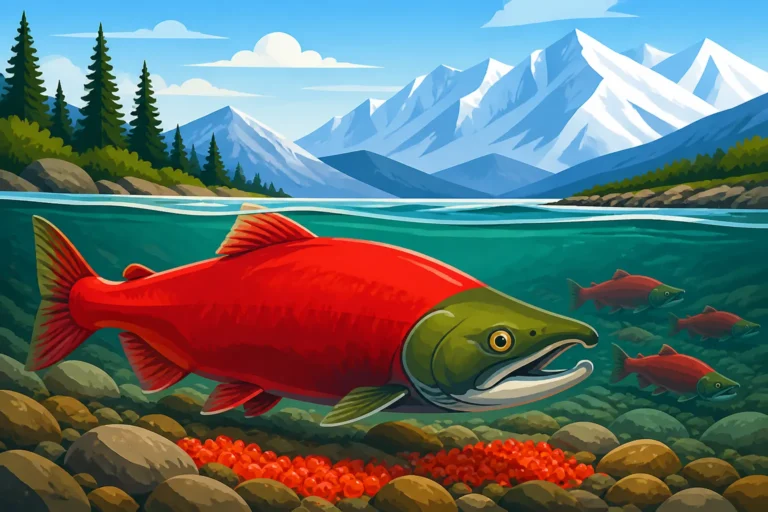
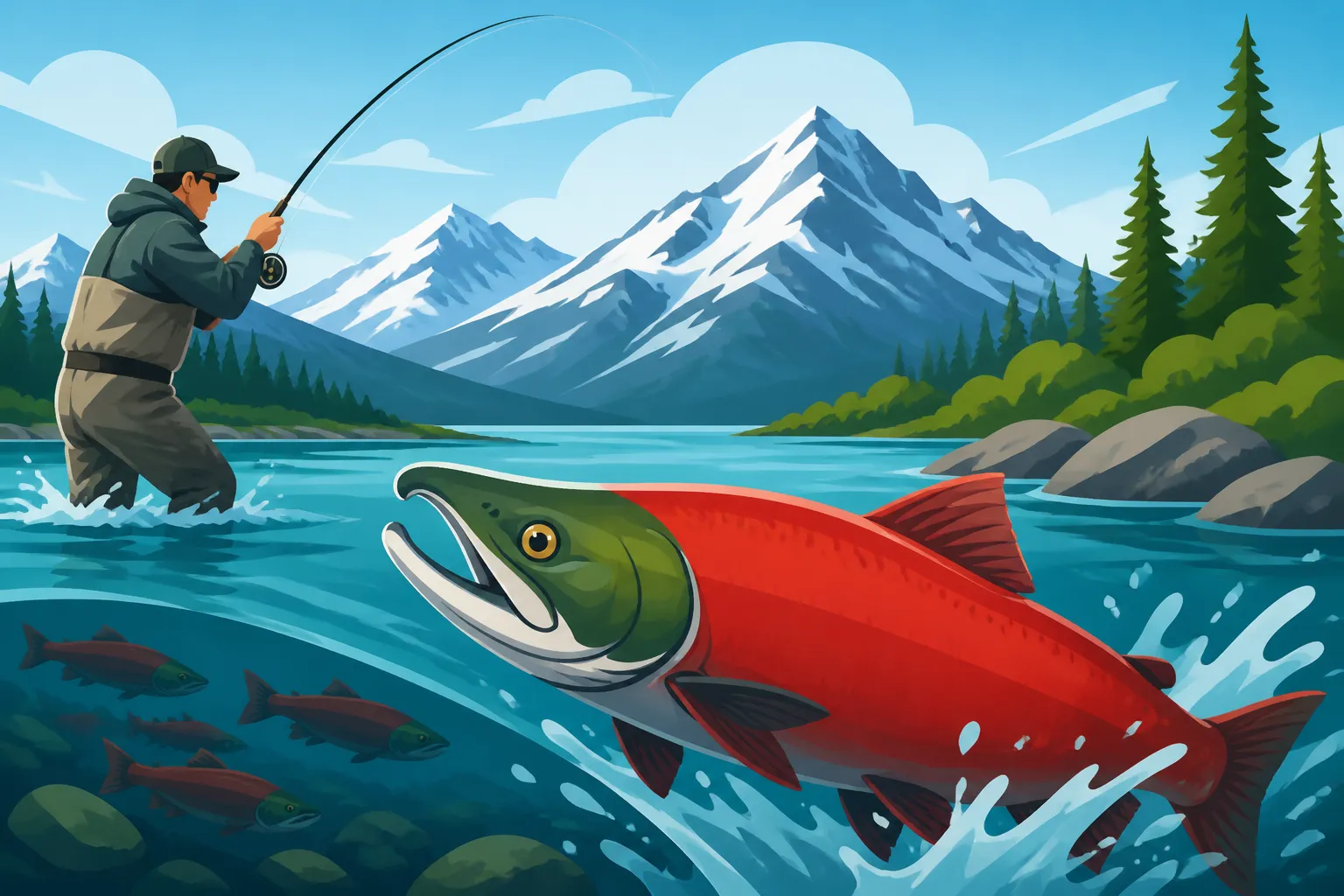
Before we dive into specific locations, it's really helpful to understand a bit about Sockeye salmon, often called "red salmon" for the brilliant crimson color they turn as they near their spawning grounds. These fish are driven by an incredible instinct to return to their natal rivers, often traveling hundreds of miles upstream from the ocean. Their runs are notoriously intense, with millions of fish pushing into river systems over just a few weeks, making timing absolutely everything.
The Phenomenon of Sockeye Migrations
Sockeye salmon runs are a true spectacle of nature, a massive influx of marine-bright fish heading into freshwater. Unlike some other salmon species that might trickle in over a longer period, Sockeye tend to arrive in huge, concentrated waves. This makes for incredibly exciting fishing when you hit a good run, but it also means that if you miss the peak by even a week or two, you might find yourself casting into an empty river. The sheer volume of fish can be astounding; imagine standing on a riverbank and seeing thousands of fish finning upstream, their backs breaking the surface of the water. This dense migration is what makes Sockeye fishing so unique and, frankly, so physically demanding when you're in the thick of it.
Many factors influence the timing and strength of these runs, including ocean conditions, water temperature, and snowmelt. A late spring snowmelt, for instance, might delay the Sockeye's push upstream as they wait for water levels to recede slightly and temperatures to stabilize. Conversely, a warm, dry spring could see an earlier, faster run. Local knowledge and up-to-the-minute reports from the Alaska Department of Fish and Game (ADF&G) are your best friends here, as these conditions can shift rapidly year to year, and even day to day. Knowing how to read Alaska Salmon Run Forecasts can give you a significant advantage.
Key Factors Influencing Sockeye Locations
When you're trying to figure out where to catch Sockeye salmon in Alaska, you need to consider a few critical factors that dictate their presence. It's not just about a river having Sockeye; it's about when and how you can access them.
First and foremost is timing. The general season for Sockeye in Southcentral Alaska runs from late June through late July, but this varies wildly by region and specific river system. For example, the early run Sockeye on the Kenai River might peak in late June, while the second, larger run hits in mid-July. Up in Bristol Bay, the Sockeye are often surging through in June and early July. You absolutely need to consult a comprehensive guide like the Alaska Fishing Seasons: Month-by-Month Guide to align your trip with the peak Sockeye salmon run timing for your chosen destination.
Another crucial factor is access. Some of the most prolific Sockeye rivers, like those in Bristol Bay, are remote and typically accessed via expensive fly-in trips to a fishing lodge. Other rivers, such as the Kenai, Kasilof, or Russian Rivers, are part of Alaska's road system, making them far more accessible for the DIY angler. This difference in accessibility often translates directly into cost and the overall nature of your fishing experience. Roadside fisheries can mean crowded banks and combat fishing, while remote lodges offer solitude but come with a hefty price tag. You also need to be aware of Alaska Fishing Limits and Bag Limits Explained as these can change quickly based on escapement goals.
| River System | Primary Location | Peak Sockeye Season | Key Characteristics | Accessibility | Typical Daily Limit |
|---|---|---|---|---|---|
| Kenai River | Kenai Peninsula | Late June – Late July | Famous for massive runs, two distinct runs, often crowded, strong currents. | Road system | Varies by EO |
| Kasilof River | Kenai Peninsula | Mid June – Mid July | Less crowded than Kenai, good early run, can be fly-only or bait-allowed depending on regulations. | Road system | Varies by EO |
| Russian River | Cooper Landing | Late June – Early Aug | Tributary of Kenai, extremely popular for its combat fishing experience, clear water. | Road system | Varies by EO |
| Copper River | Copper River Delta | Mid May – Early June | Known for early, highly prized fish, challenging fishing conditions. | Remote/Limited | Varies by EO |
| Kvichak River | Bristol Bay | Late June – Mid July | Part of world's largest Sockeye fishery, remote lodge access, incredible numbers. | Fly-in | 5 per day |
| Nushagak River | Bristol Bay | Late June – Mid July | Another major Bristol Bay system, known for strong runs and varied fishing. | Fly-in | 5 per day |
| Naknek River | Bristol Bay | Late June – Mid July | Excellent for Sockeye and other species, good numbers and a mix of techniques. | Fly-in | 5 per day |
| Situk River | Yakutat | Late May – Early July | Known for a strong early Sockeye run, often accessible by foot or small boat. | Remote/Limited | Varies by EO |
Premier River Systems for Sockeye Salmon
Alaska is a Sockeye angler's paradise, but certain river systems stand out year after year for their incredible runs. When planning a trip, these are the places that often come to mind for sheer numbers and consistent opportunities. Each has its own character, challenges, and rewards.
Kenai Peninsula Rivers: The Gold Standard
The Kenai Peninsula is, without a doubt, the most famous and accessible destination for Sockeye salmon fishing in Alaska, especially for those on the road system. It hosts some of the largest Sockeye runs in the world, drawing anglers from across the globe. While the Kenai River itself gets a lot of attention, its tributaries and nearby rivers offer equally thrilling experiences.
The Kenai River is legendary. It has two distinct Sockeye runs: an early run typically peaking in late June, and a much larger, more robust second run that generally peaks in mid-July. If you're targeting this river, knowing the Kenai River Sockeye Recording Rules is essential, as is understanding the specific regulations that can change daily via emergency orders. Fishing the Kenai during the peak of the second run is an experience unlike any other. You'll often find yourself shoulder-to-shoulder with other anglers, all practicing the unique "flossing" technique to intercept Sockeye as they migrate upstream. It's a social, exhilarating, and often productive fishery, though it requires patience and a good casting arm. The sheer volume of fish is astounding, making it a bucket-list destination for many.
Just a short drive away, the Russian River, a clearwater tributary of the Kenai, offers another intense Sockeye experience. It's famous for "combat fishing," where anglers line the banks in designated areas, casting and retrieving in a synchronized effort to catch their limits. This river typically sees its Sockeye run from late June through early August, sometimes with a second surge. The water here is crystal clear, making for excellent sight fishing for these red-bodied fish as they stage. Despite the crowds, the Russian River is incredibly productive, and many Alaskans consider it a rite of passage. If you're willing to embrace the crowds, it's an unforgettable experience. Be sure to check Russian River Fishing: What to Know Before You Go for vital details.
The Kasilof River, south of the Kenai, provides a slightly less crowded but equally exciting option. The Kasilof typically sees its Sockeye run from mid-June to mid-July, often a bit earlier than the Kenai's second run. This river is a drift-only fishery for much of its length, meaning less bank access but more opportunities for guided trips. It also has a weir operated by ADF&G that counts fish, providing valuable real-time data on the run strength. Many anglers prefer the Kasilof for its slightly more relaxed atmosphere compared to the Kenai, while still offering phenomenal Sockeye action. For more information, check out Kasilof River Fishing: What to Know Before You Go.
Bristol Bay Region: The World's Largest Sockeye Fishery
When people talk about Sockeye salmon, Bristol Bay inevitably enters the conversation. This region, encompassing rivers like the Kvichak, Naknek, Nushagak, and Alagnak, is home to the largest Sockeye salmon runs on Earth. We're talking tens of millions of fish returning annually, making it a global marvel. However, accessing these fisheries typically requires flying into remote lodges or camps, a significant investment for a truly wild experience.
The Kvichak River is the outlet of Lake Iliamna, Alaska's largest lake, and experiences Sockeye runs that are simply staggering. Anglers often fish from boats, drifting or anchoring to intercept the vast schools of fish moving through. The sheer numbers of fish can be overwhelming, making it possible to catch a limit in a short amount of time, especially during the peak of the run in late June to mid-July. The experience here is not just about catching fish; it's about being immersed in an ecosystem where Sockeye are the lifeblood.
The Nushagak River is another powerhouse in Bristol Bay, famous not only for its Sockeye but also for its King Salmon. The Sockeye run here is incredibly strong, generally peaking from late June through mid-July. Lodges along the "Nush" specialize in putting anglers onto these fish, often utilizing jet boats to access prime locations. For those looking for a diverse experience that includes a shot at both Sockeye and other salmon species, the Nushagak is an excellent choice. Our guide on Nushagak River King Salmon Guide can give you insights into other species here.
The Naknek River, flowing from Naknek Lake, is another world-class Sockeye destination. It offers diverse fishing opportunities, from large, wide stretches to smaller braids, all teeming with Sockeye during their peak run, usually late June to mid-July. Many lodges operate on the Naknek, providing comfortable accommodations and expert guides to help you navigate the rich waters. The beauty of Bristol Bay is that while Sockeye are the main event, the system also supports incredible populations of rainbow trout, Arctic grayling, and other salmon species, offering a true Alaskan multi-species adventure. Learning more about Bristol Bay Fishing: What to Know Before You Go is a must for anyone planning a trip there.
Other Notable Sockeye Hotspots
While the Kenai Peninsula and Bristol Bay often steal the spotlight, Alaska boasts numerous other river systems that offer fantastic Sockeye fishing, sometimes with less pressure or a unique local flavor. These spots might require a bit more research or specific travel arrangements but can reward anglers with memorable experiences.
The Copper River, renowned for its incredibly rich and flavorful Sockeye and King Salmon, sees an early run, typically peaking from mid-May to early June. The fishing here is often challenging due to high, glacial flows, but the quality of the fish is legendary. Access is somewhat limited, with many anglers participating in subsistence or personal use dipnet fisheries further upstream, such as at Chitina. Sport fishing opportunities exist, but often require specialized knowledge and gear to navigate the powerful currents. The early timing of this run makes it unique for those looking to kick off their salmon season ahead of the crowd.
In Southeast Alaska, the Situk River near Yakutat stands out for its strong Sockeye run, usually peaking from late May to early July. This river is a picturesque, clearwater system, flowing through a lush rainforest environment. Anglers typically float the river in rafts or small boats, or walk-in to access prime spots. The Situk is also known for its Steelhead, and while targeting Sockeye, you might encounter other exciting species. The remote charm of Yakutat combined with the abundant Sockeye makes the Situk a favorite for many returning anglers who prefer a more tranquil setting away from the masses of the road system.
Another spot worth mentioning is Ship Creek in downtown Anchorage. While not known for the same massive Sockeye numbers as the Kenai or Bristol Bay, it does see a small, fishable return of Sockeye, typically in July, mixed with King and Silver salmon. This highly accessible urban fishery provides a unique opportunity for city-bound anglers to try their luck without extensive travel. It's a place where you can grab a quick evening fish after work, casting into the tidal waters with the city skyline as your backdrop. It might not be "wilderness Alaska," but it's undoubtedly "Alaska fishing."
Strategies for Sockeye Salmon Fishing Success
Catching Sockeye salmon is a unique challenge that often requires specific techniques and a good understanding of their behavior. They are not typically aggressive biters once they enter freshwater and stop feeding. Instead, you'll need to learn how to present your gear effectively to intercept them as they swim upstream.
Mastering Sockeye-Specific Techniques
Unlike King or Silver salmon that will often strike at lures or bait, Sockeye in freshwater are focused solely on migration and spawning. This means traditional "casting and retrieving" methods often won't cut it. The most common and effective technique for Sockeye is often called "flossing" or "lining."
Flossing involves using a heavy enough leader and a bare hook, often adorned with a small bead or yarn fly, which drifts along the bottom of the river. The goal isn't for the fish to bite the hook, but for the line to pass over its back, and for the hook to swing into its mouth as the current pushes it downstream. When the line "catches" on a fish, you set the hook, essentially snagging it legally inside the mouth. This method requires precise casting, understanding water currents, and a quick reaction time to set the hook firmly. It sounds a bit odd to those unfamiliar, but it's a highly regulated and effective method that has become synonymous with Sockeye fishing in many Alaskan rivers. Our guide on How to Catch Sockeye Salmon in Alaska delves deeper into this technique.
Another less common but sometimes effective approach, particularly in clearer, shallower streams or when Sockeye are actively milling, is using small, bright-colored flies or beads that mimic salmon eggs. While they aren't actively feeding, a well-presented egg pattern might trigger a territorial strike. This is more common in rivers with healthy rainbow trout populations that also feed on eggs, creating a more natural "egg bite" scenario. However, the vast majority of Sockeye are caught through flossing, especially in high-volume fisheries. Regardless of the method, practicing proper Alaska Catch-and-Release Best Practices is important for any fish you don't intend to keep.
Essential Gear for Sockeye Anglers
Having the right gear makes a huge difference in your Sockeye salmon success. These fish are incredibly powerful, often called "red rockets" for their fighting ability, and they will test your tackle to its limits.
A medium-heavy to heavy spinning rod, typically 8.5 to 10.5 feet long, is ideal. The longer rod length helps with casting distance and allows for better line control when flossing. Pair this with a durable spinning reel (size 4000-6000) spooled with 30-50 pound braided line. Braid offers superior sensitivity and strength, crucial for feeling those subtle "tugs" that indicate a fish. Many anglers opt for brands like Shimano or Penn for their reliability in tough conditions.
For terminal tackle, you'll need a good supply of heavy monofilament or fluorocarbon leader, typically 20-30 pound test, and strong, sharp hooks. Owner and Gamakatsu hooks are popular choices. The size of the hook will depend on local regulations, but generally, a 2/0 to 4/0 octopus-style hook works well. You'll also need a variety of weights, from 1/2 oz to 1 oz or more, depending on the current, along with swivels and split rings. Don't forget a good pair of pliers for hook removal and a net with a deep, rubberized basket to protect the fish and prevent tangles. You can find many of these items, especially leaders, hooks, and weights, on Amazon before your trip, which can save you time and sometimes money compared to local shops in peak season.
Beyond the rod and reel, comfort and safety are paramount. Investing in quality breathable waders and wading boots is a must, as you'll often be standing in cold river water for extended periods. Good rain gear is also non-negotiable in Alaska; the weather can change in an instant, and staying dry will make your experience infinitely more enjoyable. A vest or backpack to carry your tackle, a fishing license, and your harvest record card are also essential. If you're wondering about a more comprehensive list, check out our Alaska Fishing Gear and Tackle Guide. Always remember to keep your Alaska Harvest Record Card Explained on you and fill it out properly for any Sockeye you retain.
Timing Your Trip for Peak Runs
As mentioned, timing is absolutely critical when targeting Sockeye salmon. Their runs are often compressed into relatively short windows, and hitting the peak means the difference between a few fish and a limit.
For the Kenai Peninsula rivers, the early run typically starts showing up in mid-June, peaking in the last week of June. The second, larger run usually begins building in early to mid-July and can peak around the 15th to 25th of July. These are general guidelines, and annual variations can be significant. The Alaska Sockeye Salmon Run Timing article offers more granular data. For Bristol Bay, the Sockeye flood into the rivers in late June and early July, with peak fishing often occurring in the first two weeks of July. The Copper River is an earlier show, often hitting its prime in late May and early June.
Staying informed about run forecasts and real-time fish counts is the best way to optimize your timing. The Alaska Department of Fish and Game (ADF&G) provides excellent resources, including emergency orders, in-season run updates, and weir counts for many rivers. Many local fishing forums and guides also share valuable real-time information. It's not uncommon for anglers to adjust their plans last-minute based on these reports, sometimes driving hours to a river that's suddenly "hot." If you're booking a guided trip, reputable guides will already be tuned into these dynamics. Even if you plan months in advance, be prepared for some flexibility to maximize your chances during your Best Time to Fish in Alaska.
Practical Advice for Your Sockeye Adventure
Embarking on an Alaska Sockeye fishing trip, whether it's your first time or your tenth, comes with its own set of practical considerations. Beyond the gear and techniques, knowing how to handle your catch, respect the regulations, and generally prepare for the Alaskan wilderness will ensure a smoother, more enjoyable experience.
Handling Your Catch and Regulations
Once you've successfully landed a Sockeye, quick and humane dispatch is important, especially if you plan to keep it. A quick blow to the head or gill-slitting will minimize stress and ensure the best quality meat. Remember, Sockeye are delicious, with firm, bright red flesh, making them excellent for grilling, smoking, or canning. You'll want to get them on ice quickly to maintain that freshness. Many anglers carry a cooler filled with ice in their vehicle, especially during peak summer temperatures.
Regulations are constantly in flux in Alaska, especially with Sockeye. Emergency Orders (EOs) from ADF&G can change bag limits, open or close fisheries, or alter legal gear types with very little notice, sometimes even overnight. This is particularly true in high-traffic areas like the Kenai and Kasilof Rivers. Always check the current regulations for your specific area before you go fishing, and ideally, check them again the morning of your trip. The ADF&G website or a quick call to a local office are your best resources. Fines for violations can be steep, and ignorance of the rules is not an excuse. Familiarize yourself with Alaska Fishing Regulations Explained to avoid any unwelcome surprises. Additionally, understanding specific Alaska Sockeye Salmon Limits by River is crucial.
Don't forget your Alaska fishing license and, if applicable, a King Salmon stamp, even if you're primarily targeting Sockeye. If you happen to catch a King (often present in the same rivers) without the stamp, it's an immediate violation. Check out the Alaska Fishing License: Complete Guide for details on purchasing your license and any necessary stamps.
Preparing for the Alaskan Environment
Alaska's environment is beautiful but demanding. Even in summer, temperatures can drop, rain is always a possibility, and the infamous Alaskan mosquitoes and biting flies can be relentless. Proper preparation is key to your comfort and safety.
Layering your clothing is essential. Start with a moisture-wicking base layer, add insulating layers like fleece or wool, and top it off with a waterproof and windproof outer shell. Even on sunny days, having rain gear handy is smart. For footwear, breathable waterproof waders and sturdy wading boots with good ankle support are indispensable if you plan to be in the water. For things like quality rain jackets or bug spray, many anglers turn to reliable outdoor brands found easily on Amazon, ensuring they have what they need before reaching remote locations.
Wildlife encounters are also a real possibility, especially around prolific salmon rivers. Bears, both black and grizzly, are attracted to the salmon. Carry bear spray, know how to use it, and make noise as you move through brushy areas. Store food securely and dispose of fish waste properly and away from camping or fishing areas. Being bear aware isn't just a suggestion; it's a critical safety measure in Alaska. For more details on staying safe, especially in heavily fished areas like the Russian River, refer to the Russian River Fishing Guide.
Lastly, consider basic first aid. A small kit with essentials for cuts, blisters, and pain relief is always a good idea. Having a fully charged phone or satellite communication device, especially in remote areas, is also wise. Alaska is vast, and help can be far away. Being prepared allows you to focus on the incredible experience of catching Sockeye salmon in one of the most stunning places on Earth.
Disclaimer
The information provided in this guide is for general informational purposes only and is subject to change. Fishing regulations in Alaska are complex and frequently updated. Always consult the official Alaska Department of Fish and Game (ADF&G) regulations and emergency orders before planning and embarking on any fishing trip. The author and publisher are not responsible for any inaccuracies or for any consequences that may arise from the use of this information.