Bristol Bay Fishing: What to Know Before You Go
Planning a fishing trip to Bristol Bay isn't just booking a flight and packing a rod; it's stepping into an adventure that demands careful thought, significant preparation, and a deep respect for one of the world's most vital wild salmon ecosystems. Many anglers feel overwhelmed by the sheer remoteness, the cost, and the specific regulations. This comprehensive guide will walk you through everything you need to know to transform your dream of fishing Bristol Bay into an unforgettable reality, ensuring you're fully prepared before you even cast your first line.
Why Bristol Bay is a Fishing Paradise and a Planning Challenge
Bristol Bay, located in Southwest Alaska, isn't just a fishing destination; it's the fishing destination for many serious anglers. It's a vast, untamed wilderness roughly the size of West Virginia, boasting an unparalleled abundance of fish. But this very remoteness and wildness that makes it so appealing also presents unique logistical challenges that you won't find in more accessible fishing locales.
The Sheer Abundance and Diversity of Fish
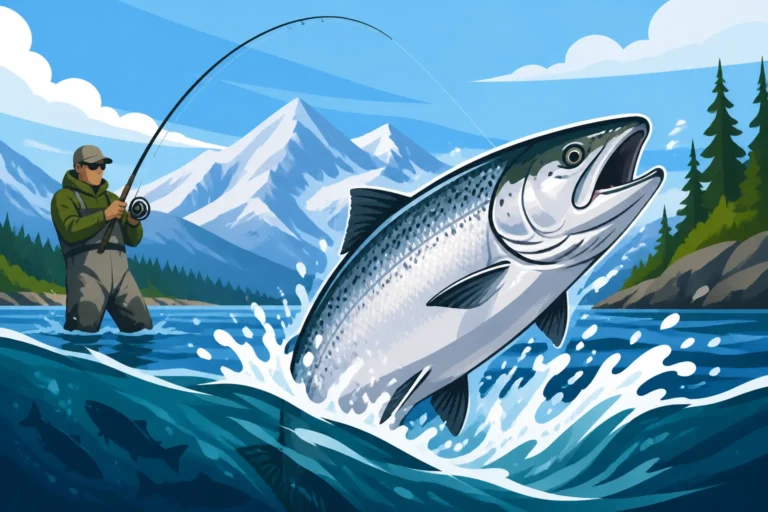
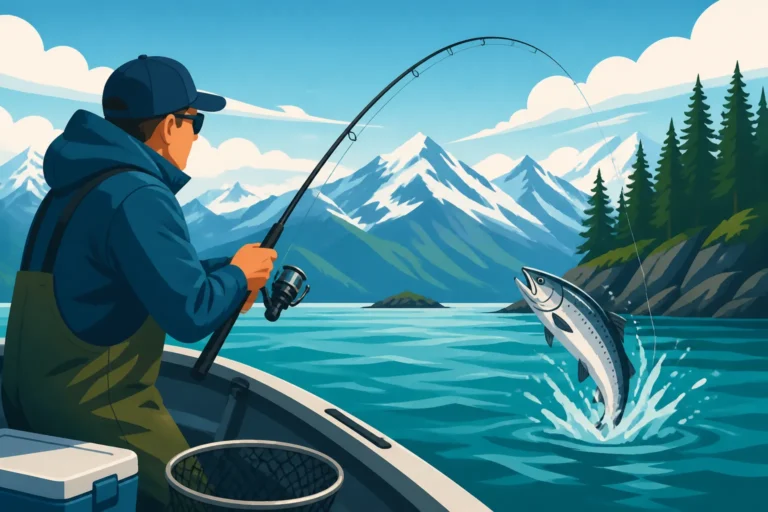
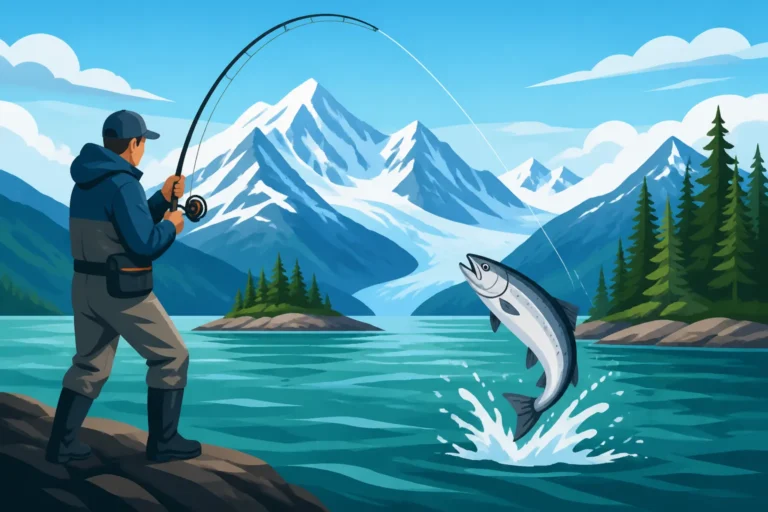
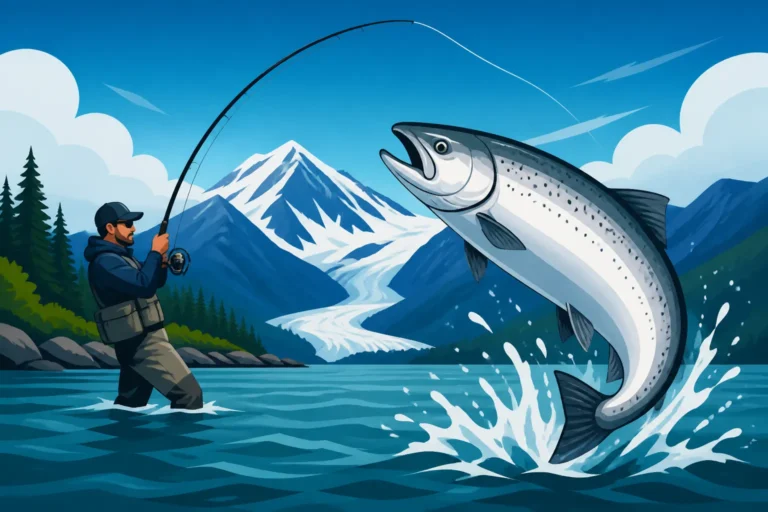
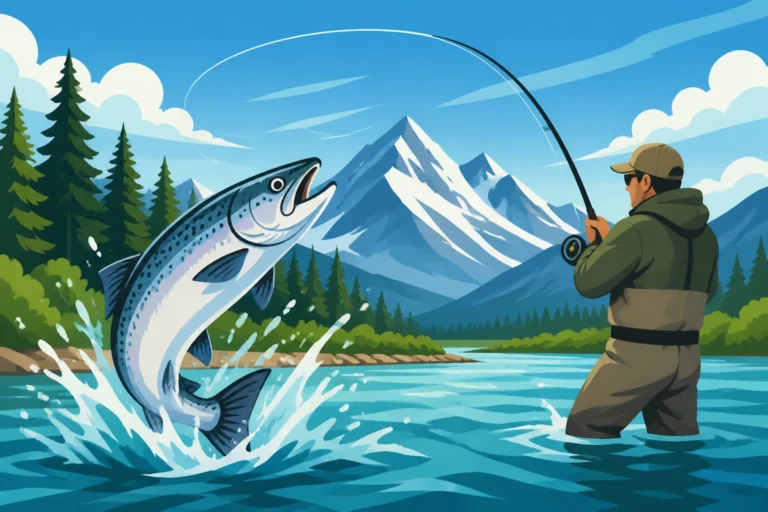
The cornerstone of Bristol Bay's legendary status is its incredible runs of Pacific salmon. This region is home to all five species of Pacific salmon, but it's particularly famous for its monumental sockeye salmon run, which accounts for the vast majority of the world's wild sockeye. Imagine rivers choked with millions of these vibrant red fish, a spectacle you truly have to see to believe. Beyond the sockeye, you'll find impressive numbers of aggressive king salmon, acrobatic silver (coho) salmon, feisty chum salmon, and abundant pink (humpy) salmon. Each species offers a distinct challenge and thrill to the angler.
But Bristol Bay isn't just about salmon. Once the salmon enter the rivers to spawn, they become a vital food source for the region's prolific resident species. The rivers and lakes teem with trophy-sized rainbow trout, robust Arctic Char, and eager Dolly Varden. These fish grow to incredible sizes, fattening up on salmon eggs and flesh, offering world-class fly-fishing and spin-fishing opportunities that often overshadow even the best trout fisheries elsewhere. Targeting a massive, leopard-spotted rainbow trout that’s gorged on sockeye eggs is a bucket-list experience for many.
Pristine Wilderness and Unique Ecosystem
What truly sets Bristol Bay apart from nearly any other fishing destination on Earth is its incredibly pristine, untouched wilderness. The entire region is largely undeveloped, with no major road systems connecting its scattered communities. This means the vast majority of its rivers and lakes are only accessible by air, adding to the allure and the adventure. When you're fishing here, you're truly immersed in raw Alaska.
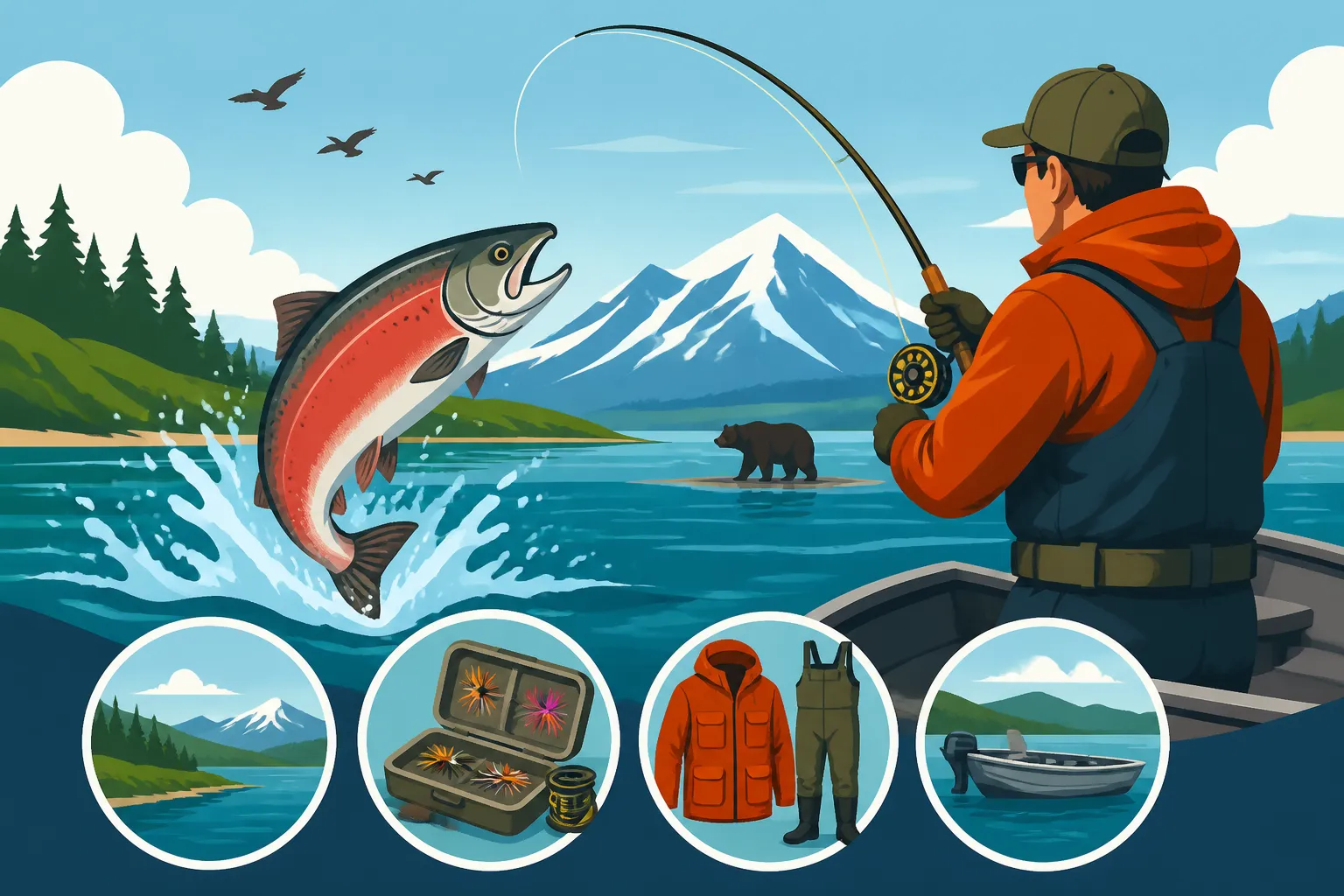
This unique ecosystem is not just beautiful; it's a vital, finely balanced natural system. The massive salmon runs are the lifeblood, sustaining everything from the smallest insects to immense brown bears, making every fishing trip an incredible wildlife viewing opportunity as well. Anglers often find themselves sharing the river with bears, moose, and eagles, a humbling reminder of nature's power. Protecting this delicate balance through sustainable fishing practices and strict adherence to regulations, which you can read more about in our guide on Alaska Fishing Regulations Explained, is paramount to ensuring its longevity for generations to come.
Understanding Bristol Bay's Fishing Seasons and Species Runs
Knowing when to go to Bristol Bay is perhaps the most critical decision you'll make, as different species peak at different times, and the entire ecosystem revolves around these fish migrations. Timing your trip correctly ensures you're there for the specific fishing experience you're chasing.
The Peak Salmon Runs: Sockeye is King
Bristol Bay’s fame largely rests on its incredible salmon runs, with sockeye salmon dominating the headlines. The sockeye run typically begins in late June and continues strong through July, with peak numbers often seen in mid-July. Millions upon millions of sockeye flood the rivers, offering non-stop action for anglers looking to catch a lot of fish. This is "combat fishing" at its most epic, especially in certain river sections. If you're wondering How to Catch Sockeye Salmon in Alaska, this is the place to learn!
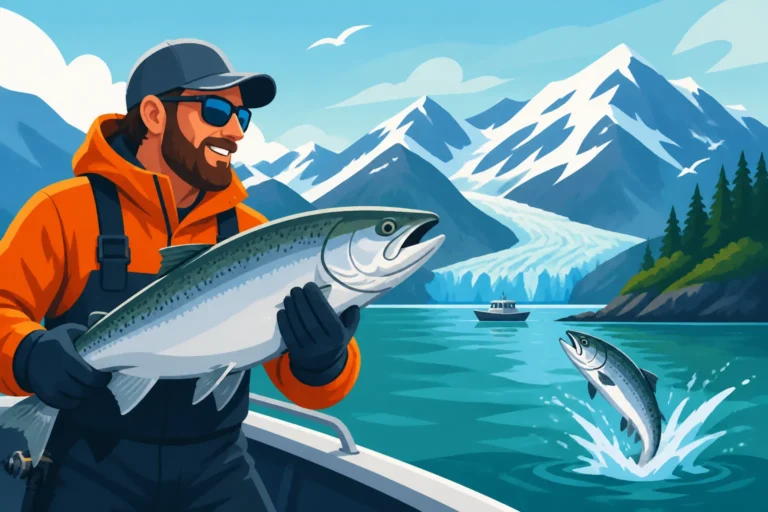
While sockeye are the most numerous, the king salmon run is another major draw. Chinook (King) salmon typically arrive in June and can extend into early July. These powerful fish are fewer in number but offer an incredible fight, often growing to truly massive sizes. After the sockeye, the silver (coho) salmon make their appearance, usually from August through September. Coho are known for their aggressive strikes and spectacular aerial acrobatics, providing thrilling sport. Pink and chum salmon also run during July and August, often providing additional action, especially for those targeting multiple species. Our guide on Alaska Salmon Run Timing Explained provides a detailed overview of when each species is available.
Trophy Trout and Resident Species Seasons
While salmon are the stars of the summer, the resident fish species, particularly the rainbow trout, truly come alive in the late summer and fall. From late August through September and even into October, as the salmon complete their spawn, the rivers become a veritable buffet for trout, Arctic Char, and Dolly Varden. These predatory fish gorge themselves on nutrient-rich salmon eggs and decaying salmon carcasses, growing exceptionally large and robust.
This period is considered prime time for trophy trout fishing, especially for fly anglers. Fishing with egg patterns or streamers mimicking flesh can lead to encounters with rainbows exceeding 30 inches, with vibrant colors and unmatched strength. The Alaska Rainbow Trout Guide offers specific tips for targeting these incredible fish. Arctic Char and Dolly Varden are also plentiful during this time, found in similar habitats, and provide excellent sport on lighter tackle.
Here's a quick overview of Bristol Bay's key fishing seasons:
| Species | Primary Season (Peak Activity) | Key Fishing Technique | Notes |
|---|---|---|---|
| King Salmon | Mid-June to early July | Back-trolling, Back-bouncing, Fly fishing (heavy gear) | Powerful fighters, often large. Requires a King Salmon Stamp. |
| Sockeye Salmon | Late June to late July | Flossing, Drifting, Fly fishing (beads) | Most abundant salmon, incredible runs. |
| Pink Salmon | Mid-July to August | Spinners, Flies (small, bright patterns) | Abundant, often aggressive. |
| Chum Salmon | Mid-July to August | Flies (chartreuse/pink), Spinners | Strong fighters, underrated. |
| Silver Salmon | August to September | Spinners, Spoons, Flies (streamers, poppers) | Acrobatic and aggressive, great sport. |
| Rainbow Trout | Late June to October (peak Aug-Oct) | Fly fishing (egg patterns, streamers), Spin fishing | Trophy sizes, especially after salmon spawn. |
| Arctic Char | June to October | Flies, Small Spinners, Bait | Often found in similar waters as trout. |
| Dolly Varden | June to October | Flies, Small Spinners, Bait | Plentiful, aggressive, beautiful markings. |
Navigating Access and Logistics in Remote Bristol Bay
The dream of fishing Bristol Bay is often coupled with the reality of its challenging logistics. This isn't a drive-up-and-fish destination. Its remoteness is a double-edged sword: it preserves the wildness but demands meticulous planning for access and accommodation.
The Challenge of Getting There: Fly-In Access
To reach the heart of Bristol Bay's fisheries, you're almost certainly flying. Most anglers start by flying into Anchorage, Alaska's largest city. From Anchorage, you'll take a commercial flight (typically Alaska Airlines) to one of the regional hubs in Bristol Bay, such as Dillingham (DLG) or King Salmon (AKN). These flights are an adventure in themselves, often offering stunning views of the vast Alaskan wilderness.
Once you arrive at Dillingham or King Salmon, your journey isn't over. From here, you'll board a smaller bush plane – a floatplane, wheel plane, or even a helicopter – to reach your specific lodge, camp, or drop-off point on one of the countless rivers or lakes. These bush flights are an iconic part of the Alaska experience, providing breathtaking aerial views of braided rivers, tundra, and wildlife. This multi-leg journey means planning extra time for travel, accounting for potential weather delays, and packing efficiently.
Lodge vs. Unguided: Choosing Your Adventure
Deciding between a guided lodge experience and an unguided trip is one of the most significant choices for a Bristol Bay fishing adventure. Each offers distinct advantages and disadvantages, largely dependent on your budget, experience level, and desired comfort.
All-Inclusive Fishing Lodges: This is the most popular option for many first-time visitors and those seeking a comfortable, stress-free experience. Lodges typically include round-trip airfare from Anchorage to the lodge, all meals, comfortable accommodations (which can range from rustic cabins to luxurious suites), professional guides, boats, and top-of-the-line fishing gear. They handle all the intricate logistics, allowing you to focus solely on fishing. Many lodges also offer daily fly-outs to different rivers, expanding your fishing opportunities dramatically. While expensive, the quality of the guiding, the food, and the overall experience is often exceptional. Services like FishingBooker can be an excellent resource for finding and comparing various Bristol Bay fishing lodges and guides, showcasing their amenities, pricing, and guest reviews to help you make an informed decision.
Unguided/DIY Trips: For the adventurous and experienced angler, an unguided trip can significantly reduce costs. This usually involves flying into a regional hub and then chartering a bush plane to drop you off at a remote river bank or lake. You'll bring all your own gear, food, camping supplies, and be responsible for all aspects of your safety and fishing. This option requires extensive research, self-sufficiency, wilderness survival skills, and a deep understanding of the local regulations and conditions. It's not for the faint of heart, but it offers unparalleled freedom and a true wilderness immersion. Keep in mind that even unguided trips often involve significant expenses for bush plane charters and equipment rentals.
Essential Gear and Preparedness
Regardless of whether you choose a lodge or a DIY trip, proper gear is crucial for comfort, safety, and success in Bristol Bay. The Alaskan weather is famously unpredictable, often delivering all four seasons in a single day. Layering is key, and high-quality rain gear is non-negotiable.
Here’s a general packing list:
- Waders and Boots: Chest waders (neoprene or breathable) and sturdy wading boots with good ankle support are essential for river fishing. Consider bringing wading staffs for stability.
- Rain Gear: A high-quality waterproof and breathable jacket and pants are critical. This is not the place for cheap ponchos. You can learn more about What to Wear on an Alaska Fishing Charter in our detailed guide.
- Layered Clothing: Base layers (merino wool or synthetic), fleece jackets, puffy vests or jackets for insulation.
- Fishing Tackle: Your lodge will likely provide this, but for DIY, bring appropriate rods, reels, lines, lures, flies, and terminal tackle specific to the species you’re targeting. For instance, if you're chasing kings, you'll need heavy gear; for trout, lighter fly rods might be preferred.
- Safety Gear: Bear spray, a satellite communication device (InReach, Zoleo) for emergency communication, a first-aid kit, and a headlamp.
- Personal Items: Sunscreen, insect repellent (mosquitos can be fierce!), polarized sunglasses, hat, camera, and any personal medications.
- Fish Processing Gear (DIY): If you're unguided and plan to keep fish, bring sturdy game bags, coolers, and vacuum sealing equipment.
Key Regulations and Conservation for Bristol Bay
Fishing in Alaska, especially in a sensitive ecosystem like Bristol Bay, comes with a strict set of rules designed to protect the fish populations and their habitats. Understanding and adhering to these regulations is not just about legality; it's about being a responsible steward of this incredible natural resource.
Licenses, Stamps, and Harvest Records
Before you even think about casting a line, you need to ensure you have the proper documentation. Every angler aged 18 and older, whether resident or non-resident, must possess a valid Alaska Fishing License: Complete Guide. Non-residents typically choose daily, weekly, or annual licenses, depending on the length of their trip.
If you plan to target king salmon, you'll also need to purchase an additional Alaska King Salmon Stamp Requirements for your license. This stamp helps fund king salmon conservation efforts. Beyond the license and stamp, most species caught, particularly salmon and halibut, must be recorded on an Alaska Harvest Record Card Explained. This card tracks your catch against the daily and annual bag limits, and it's your responsibility to fill it out immediately upon retaining a fish. Failure to possess the correct licenses or properly record your catch can result in significant fines and penalties.
Catch-and-Release and Ethical Angling
Conservation is at the heart of Bristol Bay fishing. Many species, especially trophy rainbow trout, are managed with strict catch-and-release regulations or specific slot limits. For instance, many prime trout fisheries in Bristol Bay are entirely catch-and-release, often requiring the use of barbless hooks. You can learn more about Alaska Barbless Hook Requirements in our guide.
When practicing catch-and-release, it's vital to handle fish gently and quickly. Minimize their time out of water, use wet hands, and support their body weight. Avoid squeezing them, especially around the gills or belly. A proper release ensures the fish has the best chance of survival to spawn and be caught again. Responsible anglers also practice "leave no trace" principles, packing out everything they pack in, and being mindful of wildlife, particularly bears, which are abundant in the region and highly reliant on the salmon.
Booking Your Bristol Bay Trip: Tips for Success
The unparalleled fishing experience of Bristol Bay is highly sought after, meaning that prime dates and top lodges book up incredibly fast. Planning ahead is not just a suggestion; it's a necessity.
When to Book and What to Ask
For the best selection of dates and lodges, it's not uncommon for anglers to book their Bristol Bay trip 12 to 18 months in advance. Some of the most popular lodges have repeat clients who book their next year's trip before they even leave. Waiting until the last minute severely limits your options, often leaving you with less desirable dates or more expensive choices.
When you're reaching out to lodges or chartering services, don't hesitate to ask a lot of questions. Inquire about:
- Inclusions: What exactly is covered in the price? (Flights, licenses, gear, processing, gratuities, specific types of fishing like fly-outs).
- Guides: What is the guide-to-angler ratio? What is their experience in Bristol Bay?
- Contingency Plans: What happens if weather prevents fly-outs or affects fishing? What are their cancellation or refund policies?
- Fish Processing: How do they handle your catch? Do they offer vacuum sealing and freezing services? What are the options for shipping your fish home? For more details on this, check out our guide on Alaska Fish Transport and Shipping Rules.
- References: Ask for references from past guests.
Utilize platforms like FishingBooker to compare different operations. Many reputable guides and lodges in the Bristol Bay area list their services on such sites, providing detailed descriptions, photos, and genuine customer reviews. This can help you narrow down your choices based on your specific needs, budget, and fishing preferences.
Understanding Costs and Value
Let's be realistic: a trip to Bristol Bay is an investment. It's often one of the more expensive fishing destinations in the world, and for good reason. The costs typically encompass several key components:
- Airfare: Round-trip commercial flights from your home to Anchorage, then to Dillingham or King Salmon, and finally the bush plane charter to your lodge or drop-off point. These can easily run into thousands of dollars.
- Lodge/Guide Fees: This is usually the largest component. All-inclusive lodge packages can range from $5,000 to $15,000+ per person for a week, depending on the luxury level, remoteness, and services offered. Unguided trips, while cheaper, still require significant costs for bush plane charters, equipment, and food.
- Licenses & Stamps: These are relatively minor costs but essential to budget for.
- Gear: While lodges often provide gear, you might need to invest in quality rain gear, waders, and personal items.
- Tips: Gratuities for guides and lodge staff are customary and appreciated, typically 15-20% of the trip cost.
While the price tag can be high, the value lies in the unparalleled experience: world-class fishing, incredible wildlife, pristine wilderness, and often, exceptional hospitality. For many, it's a once-in-a-lifetime adventure, but for others, it becomes an annual pilgrimage to one of the most productive and beautiful fishing grounds on Earth. Ultimately, a successful Bristol Bay fishing trip is about matching your expectations, budget, and desired level of adventure with the right outfitter and the perfect timing, which our general Best Time to Fish in Alaska guide can further inform.
Disclaimer
The information provided in this guide is for general informational purposes only and does not constitute professional advice. Alaska fishing regulations, seasons, and conditions can change rapidly due to emergency orders or other factors. Always consult the most current Alaska Department of Fish and Game regulations and local authorities before planning and embarking on any fishing trip. Safety in the Alaskan wilderness is paramount; understand the risks and prepare accordingly.