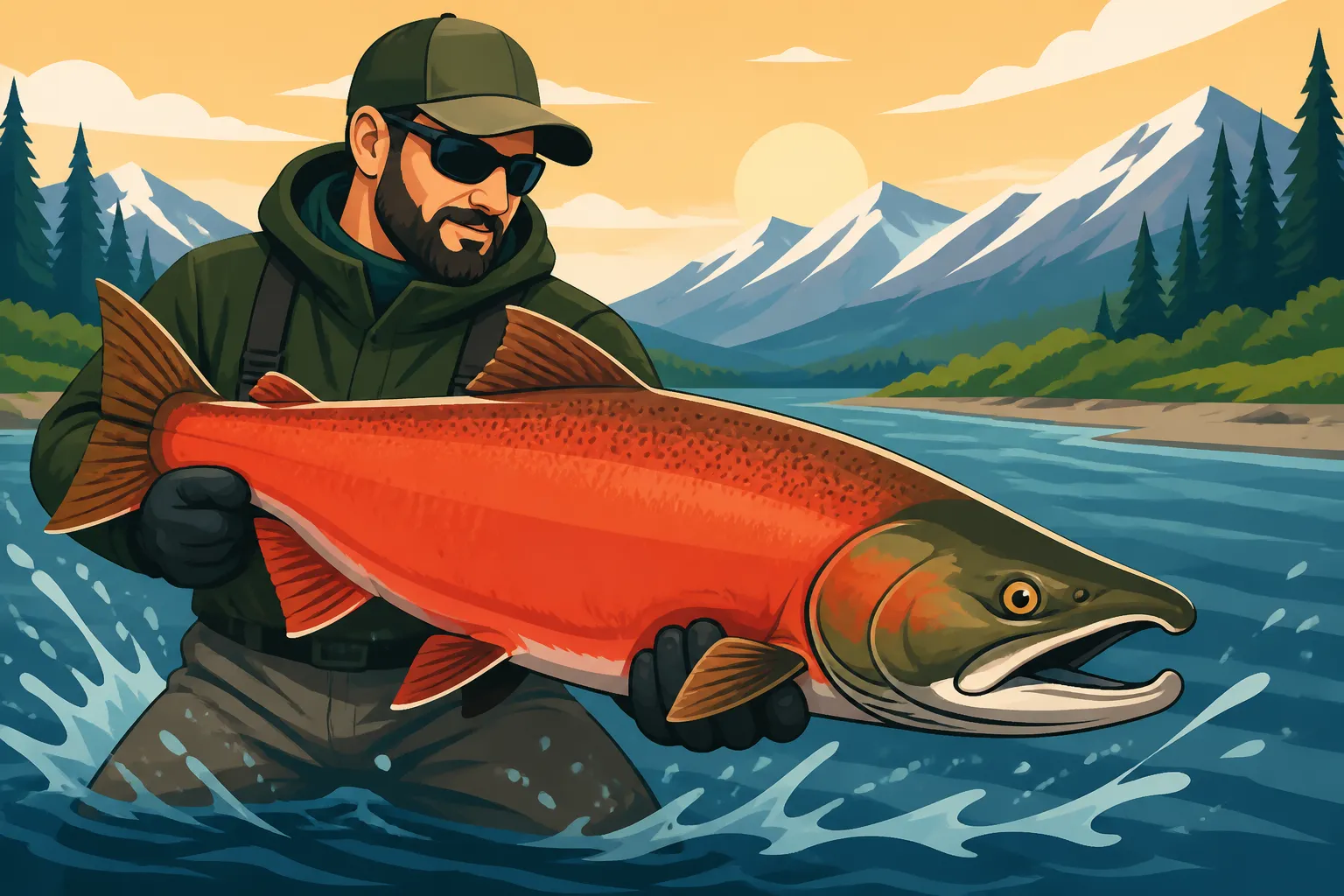
Nushagak River King Salmon Guide
The thought of chasing an Alaska King Salmon is a dream for so many anglers, but knowing where to go for a truly world-class experience can feel overwhelming, especially with so many options. If you're tired of hearing about crowded rivers and inconsistent runs, and you're ready for an adventure where the Kings really do live up to their name, then the Nushagak River is calling. This guide will take you deep into what makes the Nushagak a premier destination for Chinook salmon, helping you plan your unforgettable trip.
Why the Nushagak River Reigns Supreme for King Salmon
When you hear seasoned Alaska anglers talk about King Salmon, often the Nushagak River comes up in reverent tones. It's not just another river; it's a destination that consistently delivers incredible numbers of these magnificent fish, year after year, earning its reputation as "King Salmon Capital." This isn't hype; it's a fact rooted in the river's unique characteristics and conservation efforts.
Unmatched Chinook Salmon Runs
What truly sets the Nushagak apart is the sheer volume and reliability of its King Salmon returns. While other rivers across Alaska might experience fluctuating runs, or even closures due to low numbers, the Nushagak often stands as a beacon of consistent opportunity. Anglers flock here precisely because they know their chances of hooking into multiple Chinook, including some true monsters, are exceptionally high. It's not uncommon for the Nushagak to see hundreds of thousands of King Salmon enter the system during its peak season.
This abundance isn't accidental. The vast, pristine wilderness of the Bristol Bay Fishing Guide region, where the Nushagak flows, provides an ideal ecosystem for salmon. The river's extensive spawning grounds and diverse habitats support a robust population, making it a critical artery for these powerful fish. The consistent returns mean less worry about last-minute emergency orders or closures that can derail a long-planned trip. You're coming to a place where the Kings are truly home.
The Allure of a Remote Wilderness Experience
Beyond the fish count, the Nushagak offers an authentic Alaskan wilderness experience that many larger, more accessible rivers simply cannot. While rivers on the road system like the Kenai can be bustling, the Nushagak transports you to a more remote, untouched landscape. Most anglers access the Nushagak via fly-in camps or remote lodges, often flying into Dillingham and then taking a smaller float plane or boat directly to their destination.
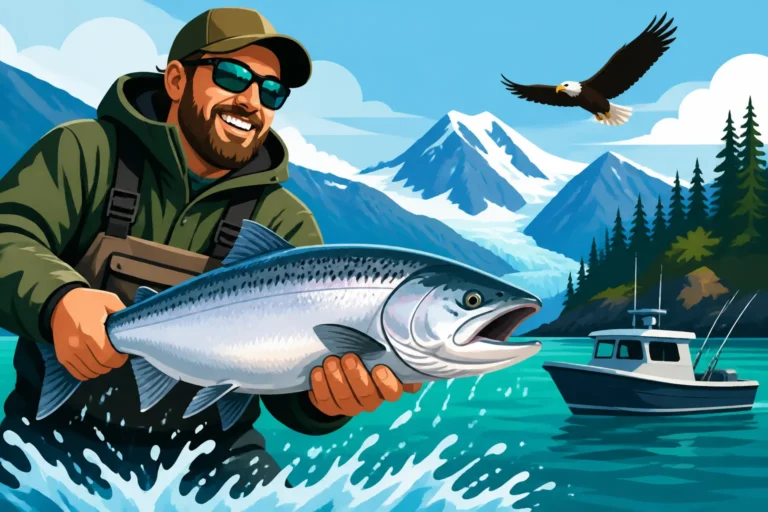
This isolation means less pressure, more solitude, and a stronger connection to the wild heart of Alaska. Imagine waking up to the sounds of nature, with bears foraging nearby and eagles soaring overhead, knowing that world-class fishing is just a short boat ride away. It's an immersive adventure where the journey to the fishing grounds is as much a part of the experience as the battle with a chrome-bright King. This kind of trip offers a true escape from the everyday, making every hooked fish feel like an earned triumph in the vast Alaskan frontier.
Timing Your Nushagak King Salmon Adventure
Getting the timing right for your Nushagak River King Salmon trip is paramount. These fish arrive on a schedule dictated by nature, and understanding this rhythm is key to maximizing your success and ensuring you hit the peak of the action.
Peak Season Defined: Late June to Mid-July
The absolute sweet spot for King Salmon on the Nushagak typically runs from late June through mid-July. This is when the river is teeming with returning Chinook, making it the prime window for anglers seeking high catch rates. The run usually starts building in the third week of June, with fish pushing further upstream as the days progress. By the first two weeks of July, the river is often bursting with Kings, and the fishing can be nothing short of spectacular.
During this peak, you'll find fish that are still chrome-bright and incredibly strong, having just entered freshwater from Bristol Bay. These "fresh" Kings are known for their powerful runs and acrobatic fights, making for an exhilarating experience. As the season progresses into late July, while there might still be fish in the system, they will have been in the river longer, potentially losing some of their ocean chrome and vigor, though they remain formidable opponents.
Understanding Run Dynamics and Forecasts
While the general timeframe is reliable, the exact peak can shift slightly from year to year based on environmental factors. Water temperature plays a significant role; warmer water can accelerate the run, while cooler temperatures might slow it down. Snowmelt from the vast Alaskan interior also influences river levels and clarity, which in turn can affect how fish move and how effectively you can target them. Tides in Bristol Bay also subtly influence fish entry into the lower river.
Many lodges and reputable guides, like those you can find on platforms like FishingBooker, closely monitor these conditions and state-issued Alaska Salmon Run Timing Explained forecasts. It's always a good idea to consult these resources, often updated by the Alaska Department of Fish and Game (ADF&G), in the weeks leading up to your trip. They provide valuable insights into expected returns and any in-season adjustments to regulations. Booking through an experienced Nushagak outfitter ensures you're with professionals who are constantly attuned to the pulse of the river, giving you the best chance for success on your Alaska Fishing Seasons: Month-by-Month Guide adventure.
Essential Techniques and Gear for Nushagak Kings
Landing a Nushagak King Salmon is a test of skill, patience, and proper equipment. These aren't dainty trout; they are powerful, muscular fish that demand heavy-duty gear and specific techniques to bring them to the net.
Tried-and-True Fishing Methods
On the Nushagak, success often comes down to a few proven methods tailored to the river's flow and depth. Back-trolling with Kwikfish plugs or large Wiggle Warts, often tipped with a piece of cured salmon roe or a sardine fillet, is a classic and highly effective technique. The boat slowly moves downstream, allowing the current to work the plug, presenting it naturally to holding Kings. This method is particularly deadly when fish are stacked in deeper channels or along cut banks.
Another popular and equally productive technique is back-bouncing. This involves using heavy lead weights (often 8 to 12 ounces or more, depending on current) to bounce bait or an artificial lure directly along the river bottom where Kings are often holding. Cured salmon eggs, clusters of roe, or even large chunk bait like herring or salmon belly are common choices. This technique requires a sensitive feel for the bottom and quick reflexes to detect the subtle "thump" of a King picking up the bait before it spits it out. Sometimes, when fish are aggressively chasing, heavy-duty jigging with large lead-head jigs adorned with grub tails can also prove effective, especially in deeper holes.
Must-Have Tackle for Monster Chinook
You simply cannot show up to the Nushagak with light tackle and expect to consistently land Kings. These fish are built for battle, and your gear needs to be up to the task. For rods, think heavy-action conventional or baitcasting rods, typically 8 to 10.5 feet in length, capable of handling line weights of 20-50 pounds. Brands like Lamiglas, G. Loomis, or Shimano offer excellent options built for this kind of heavy-duty salmon fishing.
Reels should be robust, high-capacity level-wind or conventional models with strong drags, such as those from Penn, Daiwa, or Shimano. Spool them with at least 65-80 pound braided line, which offers incredible strength and sensitivity, paired with a leader of 30-50 pound monofilament or fluorocarbon. Hooks should be razor-sharp, heavy-gauge trebles or single barbless hooks, depending on local regulations—always check Alaska Fishing Regulations Explained for specific rules, especially on leader and hook requirements. Don't forget a sturdy landing net with a deep, fish-friendly basket, and a quality pair of pliers for hook removal. Having extra leaders, weights, and a variety of Kwikfish or other plugs in different colors (chartreuse, metallic silver, green, and orange are common favorites) is also essential, as conditions can change rapidly.
Planning Your Nushagak Trip: Lodges, Guides, and Logistics
A trip to the Nushagak River is more than just a fishing excursion; it's a significant adventure that requires careful planning. From choosing the right base of operations to understanding the legalities, preparation is key to a smooth and successful experience.
Choosing a Lodge or Guide
Given the Nushagak's remote nature, most anglers opt for an all-inclusive lodge or a guided trip. These operations handle the complex logistics of transportation, accommodation, meals, and, most importantly, putting you on the fish. When researching options, consider what kind of experience you're after. Some lodges offer rustic, tent-camp experiences for the hardcore angler, focusing solely on fishing. Others provide more luxurious amenities, comfortable cabins, gourmet meals, and even activities beyond fishing for companions.
It's crucial to select a reputable outfitter with experienced guides who intimately know the Nushagak River. Platforms like FishingBooker can be an excellent resource for finding and comparing various Alaska Fishing Charters: Complete Guide and lodges, often featuring reviews from past guests that can help you gauge the quality of the operation. Ask about guide-to-client ratios, included gear, and their track record for King Salmon success. A good guide will not only know the best holes and techniques but will also prioritize your safety and ensure you have a memorable trip, regardless of weather or fish behavior. They are your eyes and ears on the river, constantly adapting to conditions and ensuring you adhere to Alaska Fishing Limits and Bag Limits Explained.
Understanding Licensing and Regulations
Before you even step foot on a float plane bound for the Nushagak, you absolutely must have your Alaska fishing license in order. For non-residents, this typically means purchasing a non-resident annual or short-term license, depending on the length of your stay. Additionally, for King Salmon, you'll need to purchase an Alaska King Salmon Stamp Requirements, which is a mandatory endorsement. This stamp helps fund King Salmon conservation efforts and is crucial for legal fishing.
The Alaska Department of Fish and Game (ADF&G) sets specific bag and possession limits for King Salmon, which can vary by river and even change mid-season via emergency orders depending on run strength. It's not just about what you catch, but also how you record it. All King Salmon caught and retained must be immediately recorded on your Alaska Harvest Record Card Explained, typically located on the back of your physical fishing license or accessible digitally. Failure to accurately record your catch can lead to significant fines and penalties. Reputable lodges and guides will walk you through these regulations, but it's always wise to familiarize yourself with the current year's rules before your arrival.
Nushagak King Salmon Fishing: What to Expect on the River
Heading out on the Nushagak for King Salmon is an experience unlike any other. It’s a full day of anticipation, powerful strikes, and the constant thrum of a legendary river flowing through a wild landscape. Knowing what a typical day entails can help you mentally prepare for the adventure.
A Day in the Life on the Nushagak
Your days on the Nushagak typically start early, with breakfast served well before sunrise during the height of summer, thanks to Alaska's extended daylight hours. You'll head out on specialized power boats, often 20-24 foot jet boats, designed for navigating the diverse river conditions. These boats, often shared with a small group of 2-4 anglers plus your guide, become your mobile fishing platform for the day. Your guide will take you to various "honey holes" – deeper runs, confluence points, or eddy lines where King Salmon are known to congregate.
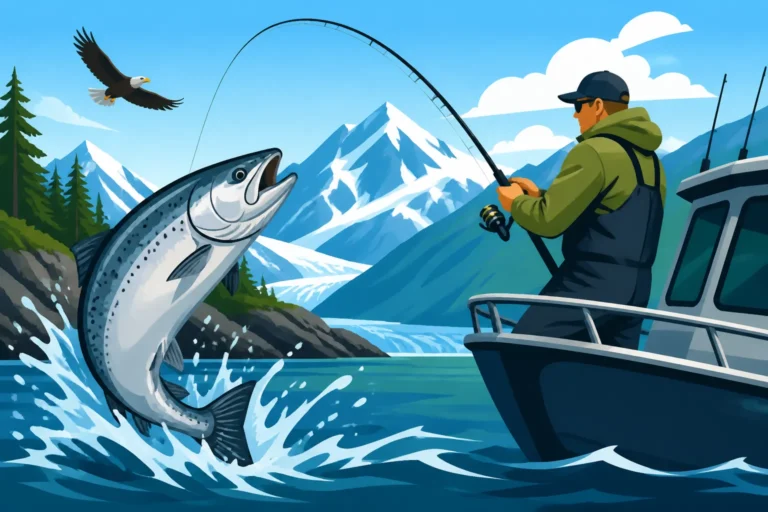
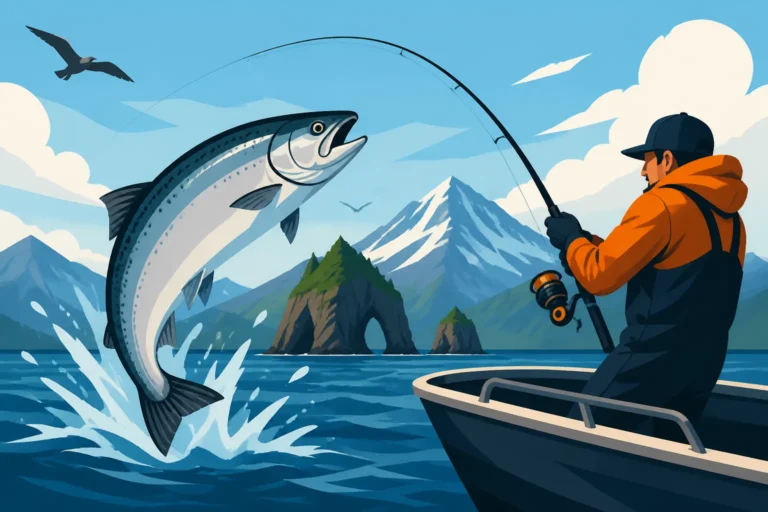
Fishing is often a mix of moving from spot to spot, anchoring in prime locations, or slowly drifting and back-trolling through productive stretches. You'll be actively fishing for many hours, with breaks for lunch, usually a packed meal enjoyed on the boat or a scenic riverside bank. The rhythm of fishing is intense; you're constantly monitoring your rod tip, feeling for the subtle bite of a King, and when that strike comes, it’s often sudden and violent. The fight itself is a raw power struggle, with Kings making blistering runs and deep dives. It's physically demanding, but the adrenaline rush of landing a pristine Nushagak King makes every moment worthwhile.
Beyond the Fight: Handling Your Catch
Once you've successfully brought a King Salmon to the boat, the adventure isn't over. Your guide will assist with proper handling, ensuring the fish is either released safely or harvested efficiently. If you choose to harvest your fish, it will be bled immediately to preserve meat quality, then stored on ice in a cooler. Throughout the day, as fish are caught, guides diligently record them on the Alaska Harvest Record Card Explained, ensuring all legal requirements are met.
At the end of the day, back at the lodge, your hard-won catch is carefully filleted and processed. Many Nushagak lodges offer professional fish processing services, including vacuum sealing and flash freezing your fillets, preparing them for your journey home. This attention to detail ensures that the incredible quality of Nushagak King Salmon is maintained, allowing you to enjoy your Alaskan bounty long after your trip concludes. Discussing fish processing and shipping options with your lodge or guide, which you can often learn more about when browsing options on FishingBooker, is an important part of planning your overall trip budget and logistics, particularly for those wondering How Much Fish Can You Bring Home from Alaska.
Disclaimer
Please remember that fishing conditions, regulations, and fish run timings in Alaska can change rapidly due to conservation needs, weather, and other environmental factors. Always consult the most current Alaska Department of Fish and Game (ADF&G) regulations and emergency orders before and during your trip. This guide provides general information and should not be considered a substitute for official sources or the advice of experienced local guides.