Best Salmon for Grilling from Alaska
Trying to pick the perfect salmon fillet at the market can feel like navigating a maze, especially when you're dreaming of that smoky, flaky goodness fresh off the grill. With so many varieties of Alaska salmon available, from the rich red hue of sockeye to the marbled texture of king, it's tough to know which one will deliver the best grilling experience. This guide will walk you through the nuances of each Alaska salmon species, helping you understand their unique characteristics so you can confidently choose and grill the absolute best salmon every time.
Why Alaska Salmon Reigns Supreme for Grilling
When it comes to grilling, not all salmon is created equal. Alaska salmon consistently stands out for its exceptional quality, flavor, and texture. This isn't just marketing hype; it's a testament to the pristine waters, sustainable fishing practices, and natural lifecycle of these incredible fish. Unlike farmed salmon, which can have an artificial color and often a softer, less defined texture, wild Alaska salmon boasts a firm flesh and a flavor that truly sings of the ocean.
Unbeatable Flavor Profile and Texture
The unparalleled taste of Alaska salmon comes from its wild diet and active life in the vast, cold waters of the Pacific. Each species feeds on different organisms, contributing to their distinct flavor profiles. What they all share, however, is a clean, fresh taste that simply shines on the grill. The flesh, firm and robust, holds up beautifully to high heat, developing a crispy skin and tender, flaky interior that's hard to achieve with softer, fattier farmed varieties.
Imagine the slight char from the grill, sealing in the juices, enhancing the natural richness of the fish. This firm texture also means you're less likely to have your beautiful fillet stick to the grates or fall apart when you flip it – a common frustration with more delicate fish. The lean, active lifestyle of these wild salmon means their muscle structure is developed, providing that desirable firm, yet succulent bite.
Nutritional Powerhouse
Beyond its delectable taste and texture, Alaska salmon is a nutritional superstar, making it an excellent choice for a healthy meal straight off the grill. It's renowned for being an incredible source of Omega-3 fatty acids, particularly EPA and DHA, which are crucial for heart health, brain function, and reducing inflammation. Grilling, especially with minimal added oils, helps retain these beneficial fats, offering a delicious way to boost your intake.
But the goodness doesn't stop there. Alaska salmon is also packed with high-quality protein, essential vitamins like D and B12, and important minerals such as selenium and potassium. When you choose Alaska salmon for your grill, you're not just preparing a fantastic meal; you're fueling your body with some of the best nutrients nature has to offer. It's a choice you can feel good about, especially when you're looking for wholesome, easy-to-prepare dinners.
Understanding the Different Alaska Salmon Species for Grilling
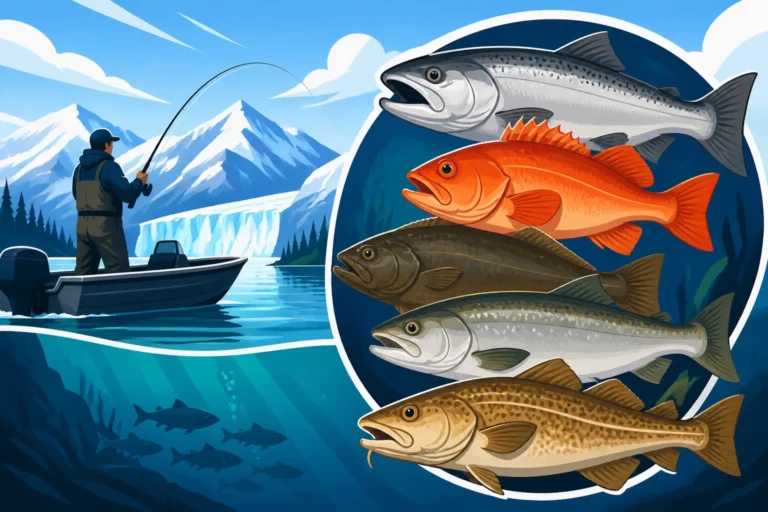
Alaska is home to five species of Pacific salmon, each with unique characteristics that make them more or less suited for grilling. Knowing these differences is key to selecting the "best" salmon for your particular taste and grilling method. From the prized King to the abundant Pink, let's dive into what makes each one stand out. If you're curious about all the nuances, you can explore a deeper dive into Types of Salmon in Alaska Explained.
King Salmon Chinook
Ah, the mighty King Salmon, also known as Chinook. This is often considered the pinnacle of salmon for grilling, and for good reason. Kings are the largest and typically the fattiest of the Pacific salmon species, boasting a rich, buttery flavor and a succulent, melt-in-your-mouth texture. Their high oil content makes them incredibly forgiving on the grill, less likely to dry out even if you slightly overcook them. The flesh is a vibrant red-orange, often with beautiful white marbling, indicative of its fat content.
When you're looking for that ultimate, luxurious grilled salmon experience, the King is your go-to. Its robust flavor can stand up to bold seasonings, marinades, or simply a sprinkle of salt and pepper to let its natural taste shine. It cooks beautifully as thick steaks or generous fillets. Due to their size, you might find yourself opting for larger cuts which are perfect for feeding a crowd or enjoying leftovers the next day. However, this premium quality comes with a higher price tag and sometimes more limited availability, so keep an eye out for them, especially during peak Alaska King Salmon Run Timing.
Sockeye Salmon Red
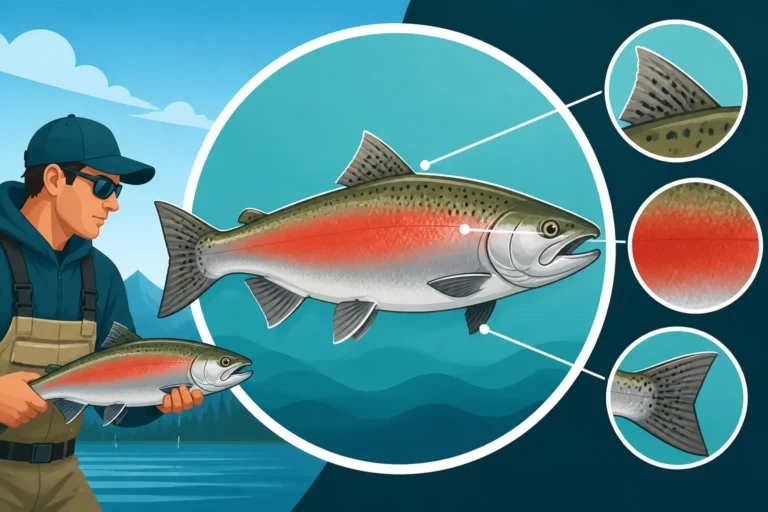
If you're after a salmon with a firmer texture and a distinct, rich flavor that's less fatty than King, then Sockeye Salmon, or Red Salmon, is an outstanding choice for grilling. Sockeye are known for their deep, vibrant red flesh, which they get from their krill-heavy diet. This striking color remains even after cooking, making for a visually appealing dish. Their flavor is robust and savory, often described as more "salmon-y" than the milder King.
Because Sockeye is leaner than King salmon, it requires a bit more attention on the grill to prevent it from drying out. Quick cooking methods and careful monitoring of internal temperature are key to achieving that perfect flaky, moist result. Many grilling enthusiasts swear by sockeye for its firm texture and ability to develop a fantastic crispy skin. It’s a versatile choice that pairs well with lighter, fresh marinades and herbs. If you're a fan of a hearty, full-flavored fish, then the sockeye, especially during its abundant summer runs, will be a fantastic grilling companion. For more details on this species, check out Alaska Sockeye Salmon Explained.
Coho Salmon Silver
Coho Salmon, also known as Silver Salmon, strikes a wonderful balance between the richness of a King and the leanness of a Sockeye, making it another excellent candidate for grilling. Coho has a beautiful orange-red flesh that is firm but still delicate, with a milder flavor profile than sockeye, but more pronounced than pink or chum. Its moderate fat content means it's less prone to drying out than sockeye, but still benefits from careful grilling.
The versatility of Coho is a real plus. It takes well to a wide variety of seasonings and marinades without being overwhelmed, making it a great option if you like to experiment with different flavor combinations. Whether you're using a simple lemon-dill rub or a more complex glaze, Coho will deliver a delicious result. Its availability typically peaks later in the summer and early fall, offering a fantastic option when other runs might be slowing down. If you're looking for a crowd-pleaser that’s consistently delicious and a bit more budget-friendly than King, Coho is a superb choice.
Pink and Chum Salmon
While King, Sockeye, and Coho are generally considered the prime grilling candidates, Pink Salmon (often called "Humpies" due to the pronounced hump developed by males during spawning) and Chum Salmon (also known as "Dog Salmon") can certainly be grilled, especially if freshness and availability are priorities. However, it's important to understand their characteristics.
Pink salmon are the smallest and most abundant of the Pacific salmon. Their flesh is typically lighter in color and has a milder, more delicate flavor and a softer texture. While excellent for canning, smoking, or turning into salmon burgers, they can dry out quickly on the grill due to their very low fat content. If you do grill Pink salmon, consider keeping the skin on, basting frequently, or using a cedar plank to add moisture and flavor. Similarly, Chum salmon has a lighter, paler flesh and is very lean, with a firmer, more coarse texture. It also benefits from marinades, brining, or cooking methods that add moisture. Both Pinks and Chums are more common in processed forms, but if you catch them fresh during an Alaska Personal Use Fishing Explained season, they can be a tasty, lean option with the right preparation.
Here's a quick comparison of the top Alaska salmon species for grilling:
| Salmon Species | Flavor Profile | Fat Content | Texture | Grilling Suitability | Notes |
|---|---|---|---|---|---|
| King (Chinook) | Rich, buttery, full-bodied | High | Tender, flaky | Excellent | Most forgiving, premium choice. |
| Sockeye (Red) | Robust, distinct, savory | Medium-Low | Firm, flaky | Excellent | Vibrant color, needs careful monitoring to avoid drying. |
| Coho (Silver) | Mild, balanced | Medium | Firm, delicate | Excellent | Versatile, great all-around choice. |
| Pink (Humpy) | Very mild, delicate | Low | Soft | Good (with care) | Best for planks, basting; often canned or smoked. |
| Chum (Dog) | Mild, sometimes watery | Low | Firm, coarse | Good (with care) | Benefits from brining/marinating; often used for roe. |
Tips for Grilling Alaska Salmon to Perfection
Grilling salmon successfully isn't just about the fish; it's also about the technique. Even the best King salmon can be ruined by improper grilling, and even a leaner Coho can be made incredibly delicious with the right touch. Mastering a few key steps will elevate your salmon grilling game from good to absolutely fantastic.
Preparation is Key
Before your salmon even hits the grill, proper preparation can make all the difference. Always start by patting your salmon fillets or steaks thoroughly dry with paper towels. Excess moisture on the surface can steam the fish instead of searing it, preventing that beautiful crispy skin we all crave. A dry surface also helps any rubs or seasonings adhere better.
Consider a simple brine or a flavorful marinade. For leaner fish like Sockeye, a quick brine (salt, sugar, water) for 20-30 minutes can help retain moisture and add flavor. For any salmon, a light coating of olive oil on both sides helps prevent sticking and promotes even cooking. You might also want to season generously with sea salt, freshly cracked black pepper, and perhaps some garlic powder or a favorite salmon rub. Some prefer to use cedar grilling planks, which you can often find on Amazon, to infuse a smoky aroma and keep the fish extra moist, especially for less fatty species.
Heat Management and Cooking Techniques
Grilling salmon successfully is a balancing act between direct and indirect heat, and knowing when to use each. For fillets with skin on, many chefs recommend starting skin-side down over medium-high direct heat. This allows the skin to crisp up nicely and acts as a barrier, protecting the delicate flesh from overcooking. Once the skin is nicely charred and the fish has cooked about two-thirds of the way through (you'll see the color change creeping up the side), you can flip it or move it to a cooler, indirect heat zone to finish cooking if it's a very thick piece.
For skinless fillets or steaks, direct medium heat is generally best. You want a good sear on both sides, but not so hot that the outside burns before the inside cooks. A common mistake is flipping too early; wait until the fish naturally releases from the grates without sticking, usually 4-6 minutes per side depending on thickness. Don't crowd the grill, as this lowers the temperature and can lead to uneven cooking. If you're experimenting with different methods, you might even consider How to Bottom Fishing for Salmon in Alaska for a more hands-on approach to catching your own.
Doneness and Resting
Knowing when your salmon is perfectly cooked is crucial. The best way to check for doneness is with an instant-read thermometer. Aim for an internal temperature of 125-130°F (52-54°C) for medium-rare, or up to 140°F (60°C) for medium. Remember, the fish will continue to cook a few degrees after it's removed from the heat (carryover cooking). You can also use the flake test: gently poke the thickest part of the fillet with a fork; it should flake easily, but still be slightly translucent in the very center for optimal moisture.
Once cooked, transfer your salmon to a plate, tent it loosely with foil, and let it rest for 5-10 minutes. This resting period is just as important for fish as it is for meat. It allows the juices to redistribute throughout the fillet, resulting in a more tender and moist piece of salmon. If you've just come back from a successful fishing trip, learning How to Fillet a Salmon in Alaska and then grilling it fresh is an unbeatable experience.
Sourcing and Preparing Your Alaskan Salmon for the Grill
The journey of your grilled salmon begins long before it hits the grates. Sourcing high-quality Alaska salmon and properly preparing it ensures the best possible outcome. Whether you're buying it fresh, frozen, or even catching it yourself, knowing what to look for and how to handle it is essential.
Where to Buy Quality Alaska Salmon
Finding authentic, high-quality Alaska salmon is easier than you might think, especially with modern distribution. Your best bet is typically a reputable local fishmonger or specialty grocery store that explicitly labels its salmon as "wild-caught Alaska salmon" with the species clearly identified. Don't be shy to ask questions about where it came from and when it was harvested. Look for firm, moist flesh, a clean scent (not overly "fishy"), and if buying whole or steaks, bright, clear eyes and red gills.
Frozen Alaska salmon is also an excellent option, often flash-frozen at sea to preserve peak freshness. Brands like Copper River Seafoods or Trident Seafoods are well-known for their quality wild Alaska products, which are often available in the frozen seafood section of major supermarkets. When buying frozen, ensure the packaging is airtight and there are no signs of freezer burn. Thawing slowly in the refrigerator overnight is the best method to maintain texture and flavor. For those visiting, knowing Where to Buy an Alaska Fishing License and catching your own can lead to the freshest possible fish!
Prepping Your Fillets for Grilling
Once you have your beautiful Alaska salmon, proper home preparation is the next step. If you purchased a whole fish or larger cuts, you'll need to fillet or steak it. Ensure your knife is sharp for clean cuts. Decide whether you want skin-on or skin-off. For grilling, especially directly on the grates, keeping the skin on is often recommended as it helps hold the fillet together and crisps up beautifully.
Before seasoning, always give your fish a final rinse under cold water and pat it thoroughly dry with paper towels. Remove any pin bones you might find by running your fingers along the flesh; use a pair of clean needle-nose pliers or specialized fish tweezers to pull them out. This step ensures a smooth, enjoyable eating experience. If you’ve caught more fish than you can eat, learning How to Vacuum Seal and Ship Alaska Fish is invaluable for preserving your harvest for future grilling sessions. With your fillets prepped, you're now ready to apply your chosen seasonings or marinades and get grilling!
Disclaimer
The information provided in this guide is for general informational purposes only and does not constitute professional advice. Always exercise caution and adhere to local fishing regulations and safety guidelines. Fishing conditions in Alaska can change rapidly, and it is the responsibility of the angler to stay informed about current rules and emergency orders.