Alaska Arctic Char: Facts, Season, and How to Catch
For many anglers, the name "Arctic Char" conjures images of remote, pristine waters and a challenging, yet incredibly rewarding, fishing experience. But let's be honest, figuring out exactly what an Arctic Char is, where to find them in the vastness of Alaska, and how to actually entice one onto your line can feel like searching for a needle in a haystack. This comprehensive guide is here to unravel the mystery, providing you with all the facts, seasonal insights, and proven techniques to successfully pursue these magnificent fish.
Understanding Alaska's Elusive Arctic Char: Key Facts and Identification
Arctic Char are truly special, often considered one of the most beautiful and prized freshwater fish in Alaska. They belong to the salmon family (Salmonidae), but they're distinct from salmon and trout, inhabiting some of the coldest, most remote waters on the planet. Their allure isn't just their beauty or their fighting spirit, but also their unique adaptations to harsh environments and their significant ecological role.
Characteristics and Appearance of Arctic Char
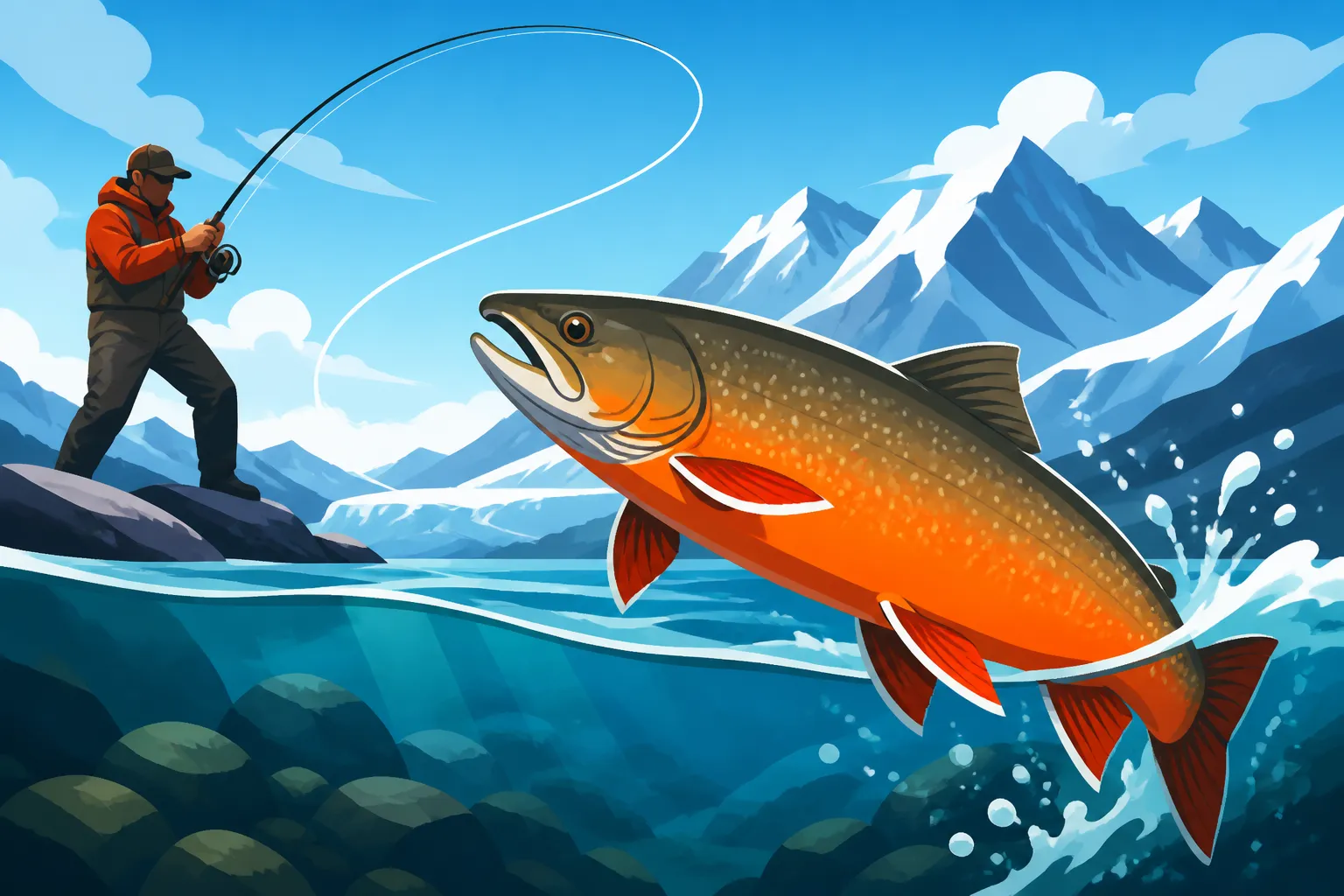
When you finally get an Arctic Char in hand, you'll immediately notice their stunning coloration, which can vary wildly depending on their age, sex, and the specific body of water they inhabit. Generally, they possess a sleek, torpedo-shaped body, much like a trout. Their backs are usually dark olive or bluish-green, fading to lighter sides, but it's their bellies that really steal the show. During spawning, males in particular can display an absolutely vibrant, fiery orange, red, or even pink underside, often adorned with prominent, light-colored spots that can be pink, red, or yellow. These spots are a key identifier, distinguishing them from other trout species.
Their fins are typically edged in white or cream, especially the leading edge of their pectoral, pelvic, and anal fins, adding to their striking appearance. Unlike salmon that die after spawning, char can spawn multiple times throughout their lives, making them a recurring jewel in Alaska's waters. They also tend to have a larger mouth with more prominent teeth than many trout. While they can grow quite large, especially in sea-run populations, the average size for resident stream and lake char in Alaska is often between 12 and 24 inches, with larger specimens reaching over 30 inches and several pounds. Their growth rates are highly dependent on food availability and water temperature, with fish in nutrient-rich systems growing faster.
Habitat and Range Across the Last Frontier
Arctic Char are incredibly well-adapted to cold, clear water, and in Alaska, they thrive in a diverse range of environments from small, high-alpine lakes to vast, glacial rivers and even saltwater estuaries. They are one of the most northern-dwelling freshwater fish species, extending their range across Alaska's vast interior, north slope, and even into coastal regions where they become anadromous (sea-run).
You'll find resident populations in countless lakes and streams, particularly in areas like the Brooks Range, the Alaska Peninsula, and the Kodiak Archipelago. These freshwater char often live their entire lives in the same lake or river system, feeding on insects, smaller fish, and crustaceans. Sea-run Arctic Char, on the other hand, migrate to saltwater in the summer to feed extensively, growing larger and fatter, before returning to freshwater to spawn and overwinter. These anadromous populations are found in coastal rivers and streams, especially in Western Alaska and the Bristol Bay region.
Their preferred habitat usually features gravelly bottoms for spawning, deep pools for overwintering, and clear, oxygenated water. In lakes, they'll often hold near drop-offs, submerged structures, or spring-fed areas where water temperatures remain consistently cool. Understanding these habitat preferences is crucial for locating them, as they tend to be less widely distributed than, say, a rainbow trout, often requiring more effort to find. For more on the diverse aquatic life of the state, check out our general guide on Alaska Fish Species Guide.
Arctic Char vs. Dolly Varden: Clearing the Confusion
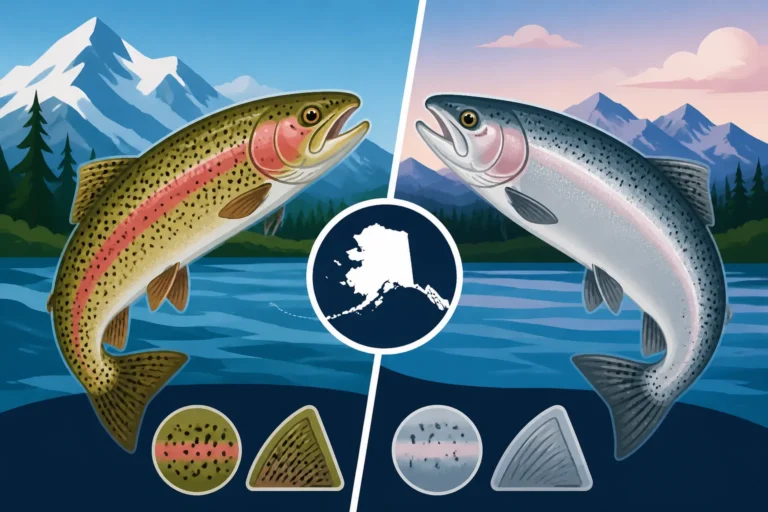
This is perhaps one of the most common points of confusion for anglers in Alaska, and for good reason! Arctic Char and Dolly Varden look incredibly similar, are closely related, and often inhabit the same waters. For years, scientists even considered them the same species. However, genetic research has confirmed they are distinct, though their identification can still be tricky.
The primary difference, for practical angling purposes, often comes down to range and subtle physical cues. Dolly Varden are generally found south and east of the Alaska Peninsula, along the Gulf of Alaska coast, throughout Southeast Alaska, and into Prince William Sound. Arctic Char, conversely, typically inhabit waters north and west of the Alaska Peninsula, extending up into the Arctic. There is an overlap zone, particularly on the Alaska Peninsula itself and some parts of Southcentral, which makes identification even harder.
Key Visual Distinctions (though often subtle):
- Spots: Both have light spots on a darker body. Arctic Char spots tend to be more numerous, smaller, and often brightly colored (pink, red, yellow). Dolly Varden spots can be larger, fewer, and generally more muted in color, though some can be quite vibrant.
- Tail Fin: Arctic Char often have a more deeply forked tail fin compared to the Dolly Varden, which tends to be squarer or less deeply forked.
- Body Shape: Char might appear slightly more streamlined or "sleek," while Dollies can sometimes be a bit more robust or blocky. This is highly variable, though.
- Pyloric Caeca: This is the most definitive scientific method (counting the finger-like projections in their stomach), but not exactly practical on the riverbank!
For anglers, if you're fishing waters in Southeast Alaska, it's almost certainly a Dolly Varden. If you're in the Brooks Range, it's definitely an Arctic Char. In the overlap zones, it’s best to appreciate the fish you caught and perhaps consult local experts or guides. The Alaska Department of Fish and Game (ADF&G) regulations will often refer to them jointly as "Dolly Varden/Arctic Char" for simplicity, which further illustrates the challenge. For a deeper dive into distinguishing these two, read our guide on How to Tell a Dolly Varden from an Arctic Char.
Here's a quick comparison table to help:
| Feature | Arctic Char | Dolly Varden |
|---|---|---|
| Typical Range | North/West of Alaska Peninsula (Arctic, Bristol Bay, Kodiak, AK Peninsula) | South/East of Alaska Peninsula (SE Alaska, Gulf Coast, Prince William Sound) |
| Spots | Usually more numerous, smaller, often bright pink/red/yellow | Often fewer, larger, more muted yellow/olive |
| Tail Fin | Generally more deeply forked | Often squarer or less deeply forked |
| Coloration | Can be very vibrant reds/oranges during spawning, especially males | Can also be vibrant, but typically less intense than peak char |
| Habitat | High-alpine lakes, tundra rivers, sea-run coastal rivers | Coastal streams, rivers, lakes, sea-run |
When and Where to Find Arctic Char: Seasons and Prime Locations
Timing and location are paramount when targeting Arctic Char. Due to their preference for cold water and often remote habitats, understanding their seasonal movements and where to concentrate your efforts is key to a successful trip.
Seasonal Patterns for Char Fishing
Arctic Char fishing opportunities in Alaska span much of the year, though specific timing will depend heavily on whether you're targeting resident lake/river populations or sea-run char, and of course, the accessibility of remote areas.
- Late Spring (May-Early June): As ice breaks up on lakes and rivers begin to flow freely, resident char become more active. They'll often be found in shallower waters, aggressively feeding after a long winter. This can be an excellent time for lake fishing, especially in systems that open up early. For sea-run char, they might still be in freshwater overwintering areas, or just beginning their migration to saltwater.
- Summer (Late June-August): This is prime time for many char fisheries. Sea-run char will be in estuaries and saltwater, gorging themselves on baitfish and growing rapidly. They'll start to return to freshwater systems towards the end of summer, often following salmon runs, feeding on salmon eggs. Resident lake char will move to deeper, cooler parts of lakes but can still be caught with the right techniques. River-dwelling char are often found in cooler tributaries or deep pools. In the high Arctic, summer is the only window for accessible fishing.
- Fall (September-October): This is arguably the best time for trophy Arctic Char, especially those vibrant, spawning males. Sea-run char are back in freshwater and often follow salmon upstream, feasting on eggs. Resident lake char also become very active as they prepare for spawning, moving into shallower areas. The fall colors of the tundra and the char's own brilliant spawning hues make for an unforgettable experience. Accessibility can become an issue as winter approaches, but for those who brave the cold, the rewards can be immense.
- Winter (November-April): Ice fishing for resident Arctic Char is a popular pursuit in some areas, particularly in accessible lakes in Interior Alaska. Char will hold in deeper water but can still be enticed with jigs and bait. This period requires specialized gear and knowledge of ice safety.
Remember, "When Is the Best Time to Fish in Alaska" can truly depend on what species you're after, but for char, late summer and fall often present the most spectacular opportunities.
Top Regions and Specific Waters for Arctic Char
Given their wide distribution, narrowing down where to target Arctic Char can be tough. However, certain regions and types of water consistently produce excellent char fishing.
- Brooks Range (Gates of the Arctic National Park & Preserve, Arctic National Wildlife Refuge): This is arguably the ultimate destination for Arctic Char. Fly-in wilderness trips to rivers like the Kobuk, Alatna, and Noatak offer incredible opportunities for large, wild char, many of which are sea-run. These trips are expensive and require extensive planning but are truly once-in-a-lifetime experiences. These remote rivers are also fantastic for Alaska Arctic Grayling: Facts and Fishing Tips.
- Alaska Peninsula (Katmai National Park, Aleutian Range): The numerous lakes and rivers of the Alaska Peninsula are teeming with resident and sea-run char. Famous for its salmon and brown bears, this region also harbors strong char populations, particularly in systems connected to Bristol Bay. Streams flowing into Bristol Bay are renowned for their massive sockeye runs, which in turn provide a feast for opportunistic char.
- Kodiak Island: While primarily known for its massive Kodiak brown bears and excellent salmon fishing, Kodiak's numerous lakes and stream systems support robust populations of resident Arctic Char and Dolly Varden. Many of these lakes are accessible by floatplane and offer fantastic fly-fishing opportunities.
- Interior Alaska (Fairbanks and surrounding areas): More accessible lakes around Fairbanks, such as Quartz Lake, Harding Lake, and Chena Lakes, are stocked with Arctic Char (often mixed with Dolly Varden strains) and offer year-round fishing, including popular ice fishing in winter. While these might not be the giants of the wilderness, they provide great sport closer to the road system. Fishing near Fairbanks can be a great option for a more accessible trip.
- Southcentral Alaska (Mat-Su Valley, Kenai Peninsula): While the Kenai Peninsula is more famous for its salmon, some high-alpine lakes and more remote systems in the Mat-Su Valley and near Anchorage do hold char. These are often smaller, resident fish, but can still offer a fun challenge, especially for those looking to hike into more secluded waters.
When planning your trip, consider the remoteness and accessibility. Fly-in lodges or charter services are often required for the truly prime char waters, but more accessible options exist for those willing to do some research or drive a bit. Always check the latest Alaska Fishing Regulations Explained for your specific area, as char regulations can be very localized.
Mastering the Art of Catching Arctic Char: Techniques and Gear
Catching Arctic Char can be a rewarding challenge. They can be aggressive feeders, but their remote habitats often mean they haven't seen as much angling pressure as other species, making them a bit more predictable if you use the right approach.
Effective Fishing Techniques
Given the diverse habitats of Arctic Char, a variety of techniques can be effective. Your choice will depend on the specific water body (lake, river, estuary) and the time of year.
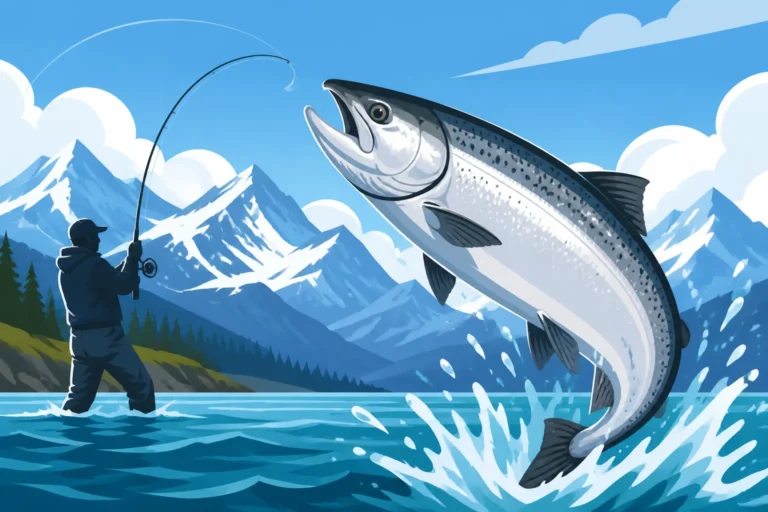
- Spin Fishing: For many anglers, spin fishing is the most accessible and effective method. Small to medium-sized spinners and spoons are incredibly productive. Cast them out, let them sink to the desired depth, and retrieve with a varied cadence. Char often hit on the retrieve or as the lure flutters down. Look for classic trout-sized hardware.
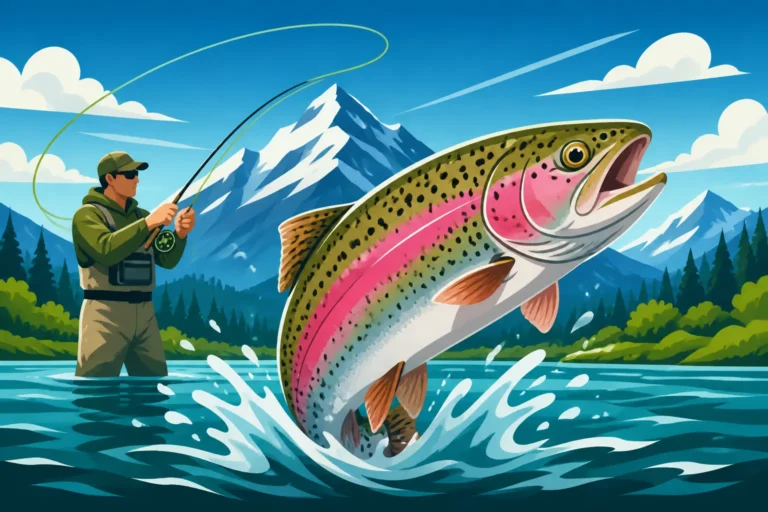
- Fly Fishing: Arctic Char are superb targets for fly anglers, especially in clear, shallow streams or lake edges. Streamer patterns that imitate baitfish (e.g., Clouser Minnows, Sculpzillas, Dolly Llamas) are highly effective, particularly for larger char. During salmon runs, egg patterns (like beads or yarn eggs) are deadly. Nymphs and wet flies can also work, especially in lakes or slower river sections. Fly fishing in Alaska offers incredible rewards, and char are a prime target.
- Drift Fishing/Float Fishing: In rivers where char are congregated, often behind salmon spawners, drift fishing with an egg imitation or a small piece of bait can be incredibly effective. Use a lead-free weight to get your offering down to the fish, letting it tumble naturally along the bottom. Float fishing with a bobber and bait (like cured salmon eggs) can also be excellent in calmer sections or eddies, particularly when the char are actively feeding on eggs.
- Jigging (Ice Fishing & Open Water): For lake-dwelling char, vertical jigging can be highly productive, especially through the ice or from a boat in deeper water. Small metal jigs, often tipped with a piece of shrimp or fish, are lowered to the desired depth and jigged with short, sharp pulls. Char will often strike on the fall or during a pause.
- Trolling: In larger lakes, trolling with small spoons, dodgers, or plugs can be an effective way to cover water and locate schools of char. Experiment with different depths and speeds until you find what's working.
Essential Gear and Tackle for Char
Having the right gear will make all the difference, especially when you're in remote areas where a broken rod means the end of your fishing day.
- Rods: A medium-light to medium-action spinning rod (6-7.5 feet) with a sensitive tip is perfect for detecting subtle bites and fighting char in rivers and lakes. For fly fishing, a 5-7 weight rod is ideal, offering enough backbone for larger fish but still sensitive enough for delicate presentations. If you anticipate truly large, sea-run char, a 7-8 weight might be better.
- Reels: A reliable spinning reel in the 2000-3000 size range, spooled with 6-10 lb test monofilament or braided line, is a good choice. For fly reels, a matching reel with a smooth drag and enough backing is crucial. Brands like Shimano, Daiwa, and Lamson offer excellent options.
- Line: High-quality monofilament or fluorocarbon leader in 6-10 lb test is recommended for clear water conditions. If using braided mainline, always tie on a fluorocarbon leader for stealth.
- Waders and Rain Gear: This is Alaska, folks! Even in summer, weather can change in an instant. Breathable chest waders and a high-quality rain jacket and pants are non-negotiable. Don't skimp here; comfort means more time on the water. You can find excellent options on Amazon.
- Polarized Sunglasses: Essential for spotting fish in clear water and protecting your eyes.
- Pliers/Forceps: For easy hook removal, especially when practicing catch-and-release.
- Bear Spray: If you're fishing in remote areas, especially on the Alaska Peninsula or Kodiak, you are in bear country. Carry bear spray and know how to use it.
- Bug Net/Repellent: Mosquitoes and other biting insects can be relentless. A head net and strong repellent (like DEET or picaridin) are your friends. You can stock up on these essentials on Amazon before your trip.
- Navigation: GPS device or satellite communication device (e.g., Garmin inReach) if venturing into truly remote areas. Always let someone know your float plan.
For a more general overview of what to bring, check out our Alaska Fishing Gear and Tackle Guide.
Best Baits and Lures
Arctic Char are opportunistic feeders, so a variety of offerings can entice them.
- Spinners: Panther Martin, Mepps, and Roostertail spinners in sizes #2-#4 are perennial favorites. Silver, gold, black, or chartreuse blades often work well.
- Spoons: Pixie spoons, Daredevils, and Krocodiles are excellent choices, especially in lakes. Sizes from 1/4 to 1/2 ounce in silver, gold, or bright colors like orange and chartreuse.
- Plugs/Hard Baits: Small Rapala-style minnows, especially those with natural baitfish patterns or bright, attracting colors, can be very effective when trolled or retrieved in rivers.
- Soft Plastics: Small plastic worms, grubs, or tube jigs can be fished on light jig heads, imitating various aquatic insects or small fry.
- Bait (where legal): Cured salmon eggs (single eggs or small clusters), pieces of shrimp, or small chunks of cut bait (like herring) can be incredibly effective, especially for larger char. Always check local regulations, as bait restrictions are common in many sensitive char and trout fisheries.
- Flies:
- Streamers: Dolly Llamas, Sculpzillas, Clouser Minnows, and sparsely tied leeches in black, olive, white, or chartreuse. Fish these with a strip-and-pause retrieve.
- Egg Patterns: Beads (6mm-10mm in natural, opaque colors like peach, orange, or mottled roe), or yarn egg patterns, are essential during and after salmon spawning.
- Nymphs: Larger stonefly nymphs, Prince Nymphs, or Pheasant Tail Nymphs can be effective in rivers or lake drop-offs.
- Dry Flies: While less common for char, large terrestrials like chernobyl ants or stimulators can sometimes entice char in still, calm waters during prolific insect hatches, especially for smaller, stream-dwelling fish.
Remember to vary your retrieve, experiment with colors, and always pay attention to what the fish might be keying in on. Sometimes a subtle change is all it takes! You can find a huge selection of all these lures, baits, and flies on Amazon.
Responsible Angling for Arctic Char in Alaska
Alaska's fishing resources are precious, and practicing responsible angling is vital to ensure these incredible fisheries remain healthy for future generations. This is especially true for Arctic Char, which often inhabit sensitive ecosystems and can be slow-growing in colder waters.
Catch-and-Release Practices
Many Arctic Char fisheries in Alaska are managed for catch-and-release, or have very restrictive bag limits. If you plan to release fish, proper handling is crucial for their survival.
- Minimize Fight Time: Use appropriate tackle to bring the fish in quickly, reducing exhaustion.
- Keep Fish in Water: Whenever possible, unhook the fish while it's still in the water. If you must lift it for a photo, do so quickly and support its body horizontally with both hands. Avoid holding fish by the gills or vertically by the jaw.
- Wet Hands: Always wet your hands before touching a fish to protect its protective slime coat, which is vital for disease resistance.
- Barbless Hooks: Using barbless hooks makes unhooking much easier and causes less damage to the fish. Many Alaska regulations, particularly in designated catch-and-release waters or areas with specific gear restrictions, require barbless hooks. You can easily crimp down the barbs on your existing hooks with a pair of pliers.
- Quick Release: Remove the hook gently with pliers or forceps. If the fish is deeply hooked, cut the line as close to the hook as possible rather than trying to tear it out.
- Revive the Fish: If the fish seems sluggish, hold it gently in the water facing upstream, allowing water to flow over its gills until it regains strength and swims away on its own.
Understanding and practicing these techniques will significantly increase the survival rate of released fish. This is a critical part of maintaining the quality of Alaska Catch-and-Release Best Practices.
Reading and Understanding Regulations
Alaska's fishing regulations can be complex, often varying by region, river system, and even specific sections of a river. For Arctic Char, it's particularly important to be well-versed in the rules.
- ADF&G Sport Fishing Regulations Summary Booklet: This is your bible. It's available online through the Alaska Department of Fish and Game (ADF&G) website and in print at sporting goods stores and license vendors across the state. Always download or pick up the most current booklet for the year you are fishing.
- Region-Specific Rules: Alaska is divided into several sport fishing regions (e.g., Southcentral, Southwest, Interior, Arctic-Yukon-Kuskokwim). Char regulations will vary greatly between these regions. Pay close attention to the section pertaining to your exact fishing location.
- Emergency Orders: The ADF&G frequently issues "Emergency Orders" that can change regulations (bag limits, gear restrictions, closures) with little notice, often due to fluctuating fish populations or environmental factors. Always check the ADF&G website or local offices/charter operators for current emergency orders before you head out. These can be critical, as they supersede the printed regulations booklet. Learning How to Read Alaska Fishing Regulations effectively is a valuable skill.
- Bag Limits and Size Restrictions: Pay close attention to the daily and annual bag limits for Arctic Char. In some areas, there might be specific size restrictions (e.g., slot limits where only fish within a certain size range can be kept). Many regulations concerning salmon or trout also apply to char, so understanding the general Alaska Fishing Limits and Bag Limits Explained is essential.
- Gear Restrictions: Some waters have specific gear restrictions, such as "single-hook, artificial lure only," or "no bait." These are put in place to protect fish and are especially common in sensitive char and trout waters. Ensure your tackle complies.
By taking the time to thoroughly understand and abide by all regulations, you're not just avoiding potential fines; you're actively contributing to the conservation of Alaska's extraordinary Arctic Char populations.
Disclaimer
The information provided in this guide is for general informational purposes only and is subject to change. Fishing regulations in Alaska are complex and can be updated frequently by the Alaska Department of Fish and Game (ADF&G) through emergency orders. Always consult the official, most current ADF&G Sport Fishing Regulations Summary booklet and check for any emergency orders pertaining to your specific fishing location before you go fishing. Failure to do so could result in fines or penalties. Always prioritize safety and respect Alaska's unique wilderness.