Alaska Fish Species Guide
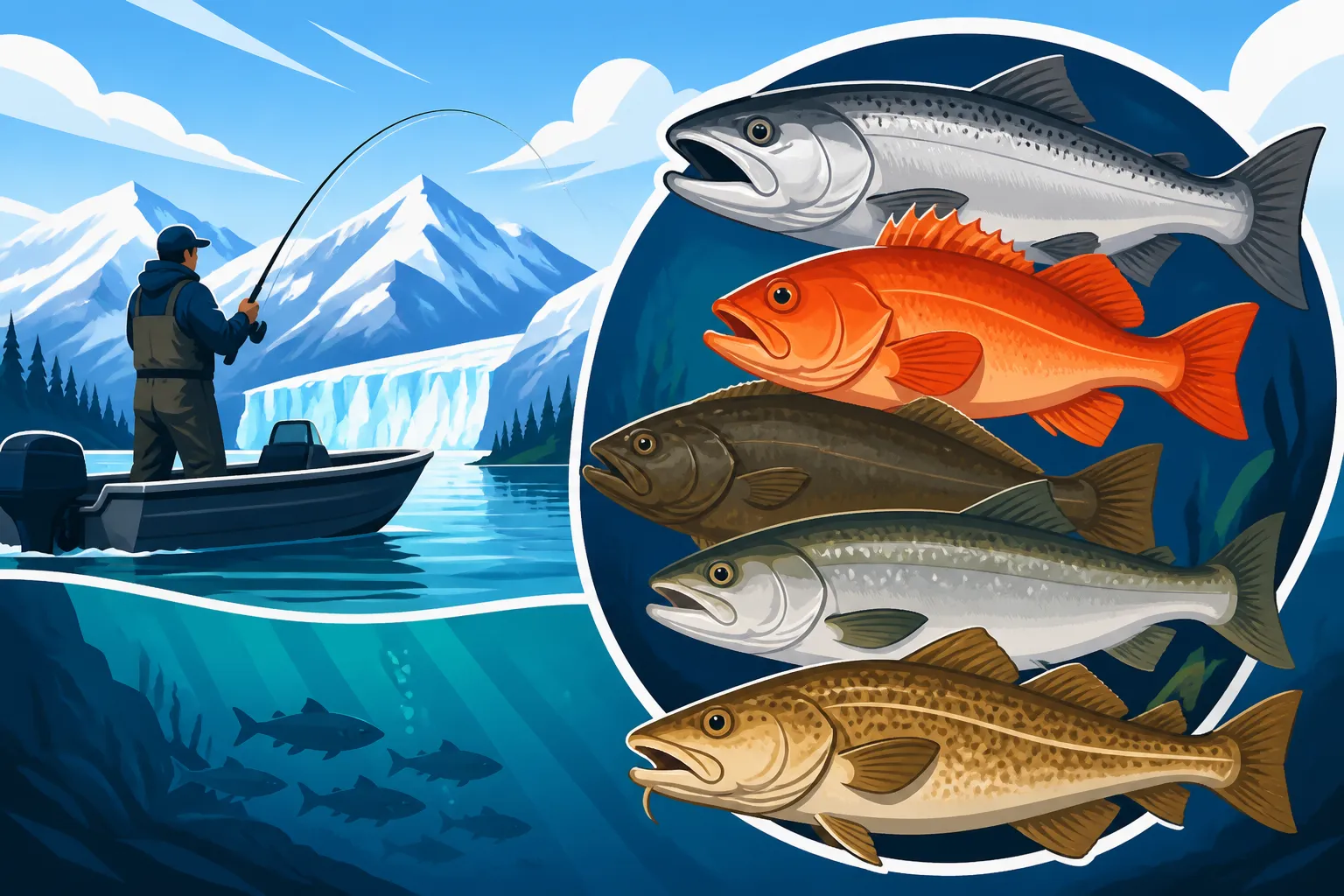
One of the biggest challenges for anglers coming to Alaska, whether it's their first time or they're seasoned veterans, is truly understanding the incredible diversity of fish species that call these waters home. It's easy to feel overwhelmed by the sheer number of salmon, trout, char, and saltwater giants, each with their own seasons, habits, and regulations. This comprehensive guide will demystify Alaska's iconic and lesser-known fish, helping you confidently identify your catch and understand the amazing aquatic world you're about to explore.
The Big Five Pacific Salmon: Alaska's Icons
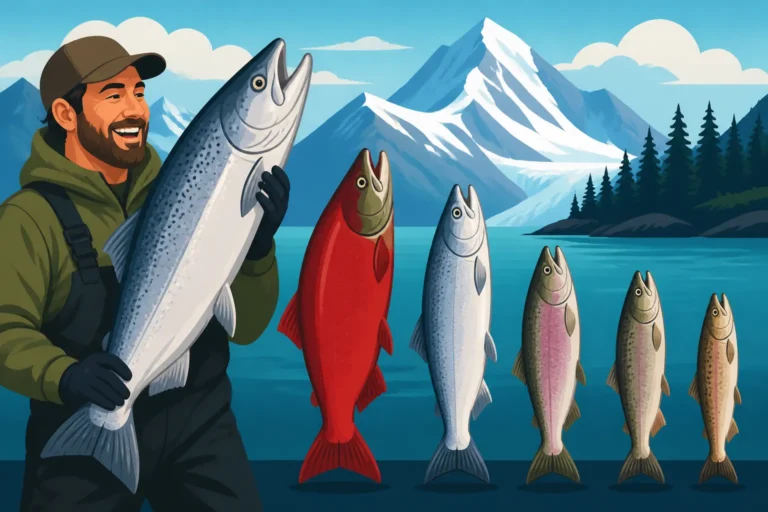
When most people think of Alaska fishing, their minds immediately jump to salmon. And for good reason! Alaska is home to all five species of Pacific salmon, each offering a unique fishing experience, culinary delight, and an incredible life cycle that defines much of the state's natural rhythm. Understanding these magnificent fish is foundational to any Alaskan angling adventure.
King Salmon Chinook: The Apex Predator
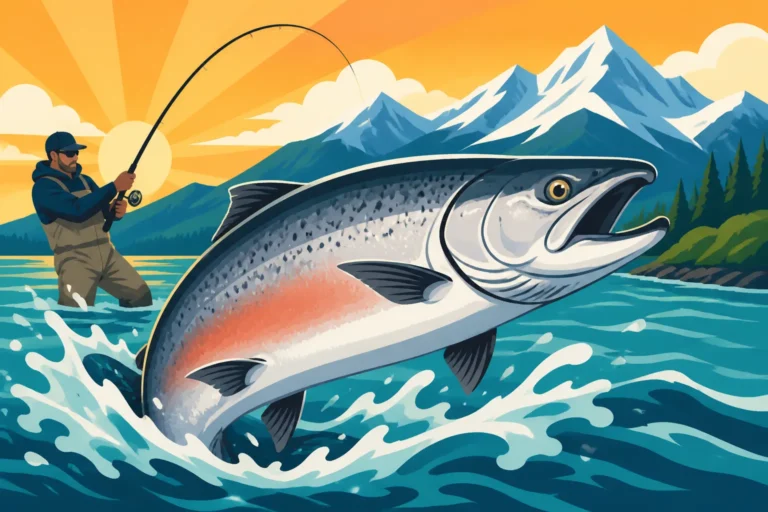
Ah, the King Salmon, or Chinook as they're also known – truly the monarch of the salmon world. These magnificent fish are renowned for their incredible size, brute strength, and notoriously challenging fights. When you hook into a King, especially a big one pushing 30, 40, or even 50+ pounds on a river like the Kenai, you know you're in for a battle. They hit hard, run deep, and have a dogged refusal to quit that can test even the most experienced angler's gear and resolve.
Kings are usually the first salmon to arrive in Alaska's rivers, typically starting their runs in May and continuing through July. They're often found in large, deep pools and runs, conserving energy for their arduous journey upstream to spawn. Catching them requires robust gear and often specialized techniques like back-trolling with Kwikfish or wobblers, or fishing large cured egg clusters. The pursuit of King Salmon is almost a pilgrimage for many anglers, drawn by the chance to land a true trophy. To dive deeper into targeting these magnificent fish, check out our guide on Alaska King Salmon: Complete Guide.
Sockeye Salmon Red: The Powerhouse Jumper
Sockeye salmon, or "reds" as they're affectionately called for their brilliant crimson spawning colors, are a completely different animal than Kings. While they don't reach the same gargantuan sizes, they make up for it with sheer numbers and an acrobatic, high-energy fight that's absolutely exhilarating. Sockeye are known for their spectacular aerial displays, leaping and thrashing once hooked, making for an unforgettable experience on the river.
These salmon are famous for their strong preference for zooplankton in the ocean, giving their flesh a deep, rich red color and exceptional flavor. When they enter freshwater, they typically stop feeding, which makes them notoriously tricky to catch on traditional baits or lures. Most successful Sockeye fishing in rivers involves "flossing" or "lining" techniques, where a small, unweighted fly or bare hook drifts naturally into their mouth as they swim upstream. Peak Sockeye runs, like those on the Kenai River or Russian River, are legendary, with thousands of fish pouring into the rivers creating a truly unique and intense fishing environment. Learning How to Catch Sockeye Salmon in Alaska is a skill all its own.
Silver Salmon Coho: The Acrobatic Fighter
Silver Salmon, or Coho, are the darlings of the late summer and early fall fishery. They arrive in rivers typically from August through September, offering fantastic action when other salmon runs might be tapering off. What makes Silvers so special is their aggressive nature and their incredible fighting style: they're renowned for explosive strikes, blistering runs, and spectacular aerial acrobatics that often leave anglers breathless.
Unlike Sockeye, Coho are aggressive feeders in freshwater, making them a blast to target with a variety of methods. Spinners, spoons, plugs, and even flies are all incredibly effective. Popular lures include bright chartreuse or orange spinners from brands like Luhr-Jensen or Blue Fox, which can be easily found on platforms like Amazon. Many anglers consider Coho one of the most fun salmon to catch due to their willingness to chase and their relentless fight. They're also highly prized for their firm, orange-red flesh, which is excellent for grilling, baking, or smoking.
Pink Salmon Humpy: The Abundant, Feisty One
Pink Salmon, often called "Humpies" due to the pronounced humped back that males develop during spawning, are Alaska's most numerous salmon species. They have a two-year life cycle, meaning you'll find massive runs in odd-numbered years (e.g., 2023, 2025) and smaller, though still significant, runs in even years. While they don't reach the size of Kings or Silvers, typically weighing 3-5 pounds, they offer consistent, non-stop action, making them a fantastic target for beginners and families, or anyone just looking to bend a rod.
Humpies are aggressive in freshwater, readily striking small spinners, spoons, flies, and even twitching jigs. Their sheer numbers mean that during a strong run, you can often catch fish after fish in quick succession. They're found in almost every stream and river system throughout coastal Alaska. While sometimes overlooked for their culinary value compared to other salmon, Pinks are excellent smoked or canned, and their roe is highly prized. Don't underestimate the fun factor of a feisty Pink Salmon on light tackle!
Chum Salmon Dog: The Overlooked Strongman
Chum Salmon, also known as "Dog Salmon" due to their impressive canine-like teeth developed during spawning, are often the unsung heroes of the Alaskan salmon world. They run concurrently with Pinks and Sockeye in many systems, typically arriving from late June through August. While their fighting style might not be as acrobatic as a Coho, Chums are incredibly powerful fish, known for their deep, bulldogging runs that can absolutely wear out an angler.
They average 8-15 pounds, though some can push 20 pounds, making them a formidable opponent on a rod and reel. Chum salmon, particularly those caught in saltwater or fresh, clear-water estuaries before they develop their dark spawning colors and hooked jaws, are excellent table fare, often underrated. They respond well to bright, flashy lures, large flies, and sometimes cured eggs. Many anglers are discovering the joy of targeting Chums for their sheer fighting power and robust size, making them a truly rewarding catch.
Beyond Salmon: Alaska's Prized Bottomfish and Pelagics
While salmon often steal the spotlight, Alaska's marine waters are teeming with other incredible fish species that offer world-class fishing opportunities, particularly for those venturing out on saltwater charters. These species provide a different kind of fight and a distinct culinary experience, adding another dimension to your Alaskan fishing adventure.
Pacific Halibut: The Barn Door of the Deep
The Pacific Halibut – just the name conjures images of massive, flatfish monsters rising from the depths. This is arguably Alaska's most sought-after saltwater species, famed for its enormous size (often exceeding 100 pounds, with some "barn doors" pushing over 300!) and delicious white meat. Halibut fishing is an institution in coastal towns like Homer, Seward, and Sitka, where charters regularly head out to the deep-water banks and pinnacles where these giants reside.
Catching a halibut involves heavy-duty gear, often stout rods and electric reels (though hand-cranking a 150-pounder is a legendary feat!), large lead weights, and baited circle hooks with herring, salmon heads, or octopus. The fight is typically a powerful, deep tug-of-war, with the fish trying to pin itself to the bottom. Once you get it off the bottom, it’s a long, steady retrieve, often interspersed with powerful dives that test your stamina. Mastering How to Catch Halibut in Alaska is a core skill for saltwater anglers. Be sure to understand the specific Alaska Halibut Charter Regulations Explained as they can be quite complex.
Lingcod: The Toothiest Ambush Hunter
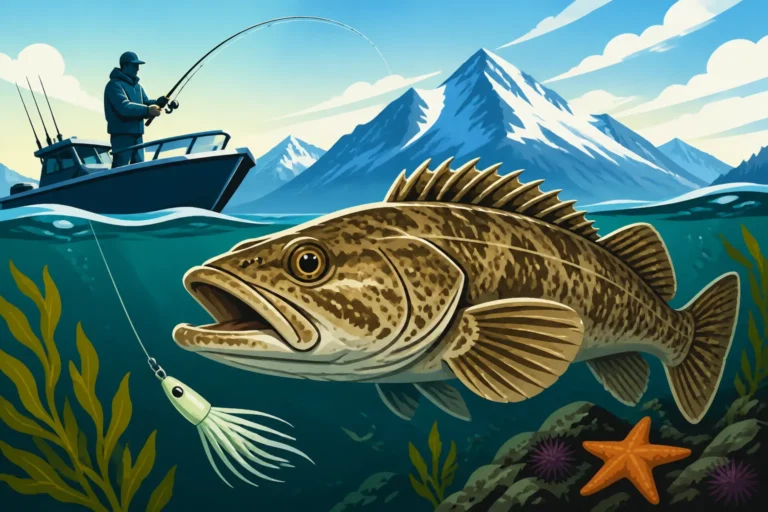
If you're looking for a fish with attitude and a mouth full of razor-sharp teeth, look no further than the Lingcod. These prehistoric-looking bottom dwellers are powerful, aggressive predators found in rocky, reef-filled areas of the Gulf of Alaska and Southeast Alaska. They can grow quite large, often 20-50 pounds, with some exceeding 80 pounds, and are known for their feisty, head-shaking fight once hooked.
Lingcod are ambush predators, so targeting them often involves jigging large, heavy jigs (sometimes with plastic swimbaits attached) right along the bottom in rocky structures where they hide. Their bite is often described as a sudden, violent thud, followed by a powerful struggle. They're also famous for often "doubling up," meaning they'll sometimes grab a smaller fish you've already hooked and refuse to let go, allowing you to catch two fish on one line! Their firm, flaky white meat is highly prized, making them a fantastic bonus catch on a halibut or salmon charter.
Rockfish: A Colorful Cast of Characters
Alaska's waters are home to a diverse array of rockfish species, making for a colorful and often plentiful catch. From the vibrant yelloweye rockfish (often called "red snapper" in other regions) to black rockfish, quillbacks, and copper rockfish, these species inhabit rocky reefs, pinnacles, and kelp forests along the coast. They're generally smaller than halibut or lingcod, typically ranging from 2-10 pounds, but offer excellent light-tackle action and delicious white meat.
Rockfish are often targeted by jigging with lead-head jigs tipped with plastic tails, or by dropping baited hooks near rocky structures. They are aggressive feeders and often school up, so when you find one, you can often find many more. Due to their deep-water habitats, it's crucial to understand and practice proper deepwater release techniques using descending devices for any rockfish you don't intend to keep. This helps them survive the pressure changes when brought to the surface. Rockfish are a fantastic addition to the cooler and offer consistent action, especially when other species might be slower.
Freshwater Gems: Trout, Char, Pike, and Grayling
While the salmon and halibut are the marquee names, Alaska's freshwater systems are teeming with incredible opportunities for anglers seeking trout, char, and other unique northern species. From pristine mountain streams to vast, glacial-fed rivers and remote lakes, the diversity of freshwater fishing is truly astounding.
Rainbow Trout and Steelhead: River Royalty
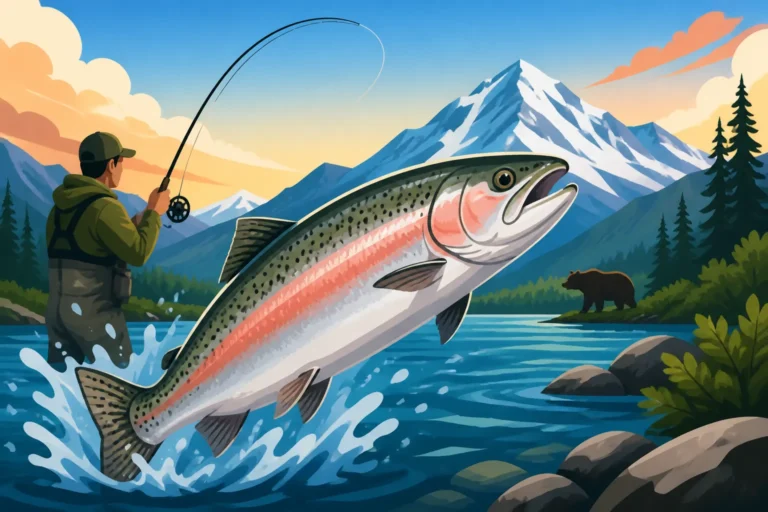
Alaska is a global destination for trout fishing, particularly for its vibrant, wild Rainbow Trout. These beautiful fish thrive in systems like the Kenai River, Russian River, and countless streams in Bristol Bay, often growing to impressive sizes, especially the "leopard rainbows" that gorge themselves on salmon eggs and flesh. They are powerful fighters, known for their strong runs and aerial displays, making them a favorite target for fly anglers and spin fishermen alike.
Steelhead, which are sea-run rainbow trout, offer an even more challenging and rewarding experience. These magnificent fish migrate from the ocean into coastal rivers to spawn, similar to salmon, but they can return to the ocean multiple times. Steelhead fishing, often in remote Southeast Alaska rivers or the Kenai Peninsula's smaller systems, is typically a catch-and-release pursuit, demanding finesse, persistence, and often fly-fishing techniques like spey casting. For an in-depth look at these stunning fish, our Alaska Rainbow Trout Guide offers valuable insights.
Dolly Varden and Arctic Char: Beautiful Coldwater Cousins
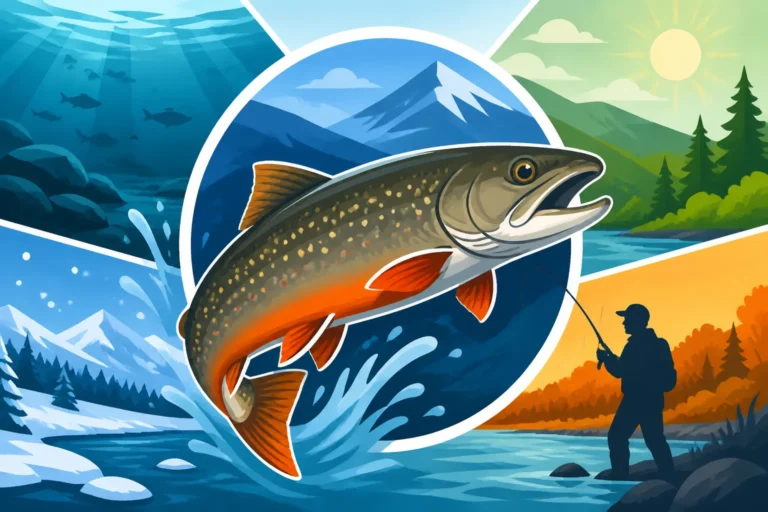
Dolly Varden and Arctic Char are often confused, and indeed, they are closely related coldwater char species. Both are stunningly beautiful fish, adorned with vibrant spots (often red, orange, or yellow) that become even more brilliant during spawning. They are widespread throughout Alaska, found in both anadromous (sea-run) and resident (freshwater-only) forms in rivers, lakes, and even coastal estuaries.
Dolly Varden are typically found in systems with salmon runs, where they opportunistically feed on salmon eggs and fry, growing to respectable sizes. They are aggressive biters and fun to catch on light tackle, often responding well to small spinners, spoons, and egg-pattern flies. Arctic Char, while also present in salmon systems, are more commonly associated with pristine, remote lakes and rivers, particularly in the northern and interior regions of Alaska. They are often sought after for their striking appearance and strong fights, especially on a fly rod. Distinguishing between a Dolly Varden vs Arctic Char can be tricky, but knowing their typical habitats helps.
Arctic Grayling: The Sail-Finned Beauty
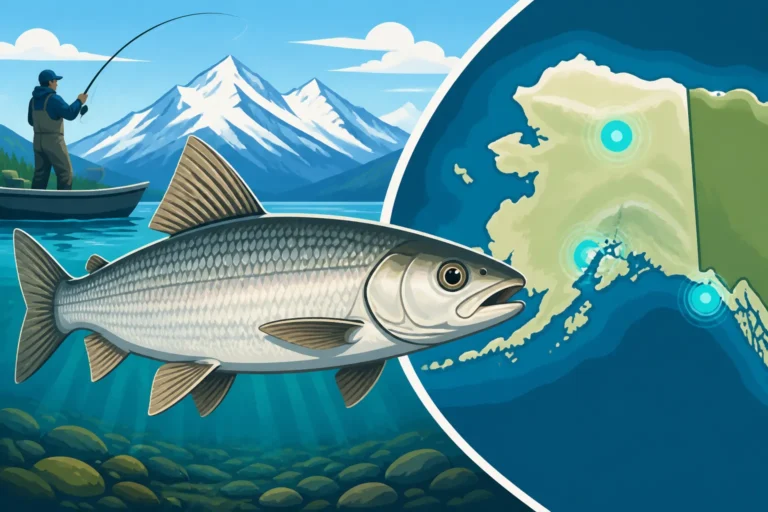
The Arctic Grayling is arguably one of Alaska's most elegant freshwater fish, instantly recognizable by its spectacularly large, sail-like dorsal fin. These iridescent beauties are found in clear, cold streams and lakes across much of interior and northern Alaska, from the vast expanses of the Brooks Range down to some road-accessible areas like the Denali Highway. They are often found in relatively shallow, oxygenated waters.
Grayling are typically smaller than trout, usually 10-18 inches, but they are incredibly feisty on light tackle or a fly rod. They are eager surface feeders, making them a fly angler's dream, readily rising to dry flies mimicking insects. Even spin fishermen can have a blast with tiny spinners. Catching Arctic Grayling in a pristine Alaskan wilderness setting, with their iridescent flanks shimmering and their dorsal fin unfurled, is a truly iconic experience.
Northern Pike and Sheefish: Predators of the Interior
Beyond the salmonids, Alaska is also home to formidable predatory freshwater fish. Northern Pike are found in many of the warmer, shallower lakes and slow-moving rivers of Interior and Southcentral Alaska, particularly in the vast Mat-Su Valley and Yukon-Kuskokwim Delta regions. These toothy predators are ambush hunters, known for their explosive strikes and powerful, thrashing fights. They can grow quite large, often exceeding 15-20 pounds, and require strong tackle and wire leaders to avoid bite-offs.
The Sheefish, often called the "Tarpon of the North," is a unique and highly prized sport fish found primarily in the large river systems of Western and Interior Alaska, such as the Koyukuk, Kobuk, and Yukon Rivers. These large, silvery fish can grow to immense sizes, regularly exceeding 20 pounds and occasionally topping 50 pounds. They are powerful fighters, known for their hard runs and impressive jumps, making them a thrilling target for anglers willing to venture into remote areas. Targeting Sheefish often involves casting large spoons or plugs in river eddies and current seams.
Identifying Your Catch: Key Characteristics for Alaska Species
With such a rich diversity of fish, being able to correctly identify your catch is crucial, not just for bragging rights but also for adherence to specific regulations, as bag limits and seasons can vary significantly by species. Misidentification can lead to violations, so it's worth taking the time to learn the key visual cues.
Salmon ID: Mouth, Tail, and Spot Patterns
Identifying the five Pacific salmon species can be tricky, especially when they are fresh from the ocean. However, there are distinct features to look for:
- King Salmon (Chinook): Look for a dark mouth with black gums and irregular black spots on both lobes of the tail. Their caudal fin (tail) is often broad and slightly forked. They tend to be more silvery with a dark back when in the ocean, fading as they enter freshwater.
- Sockeye Salmon (Red): Sockeye have a white or light-colored mouth with no spots on their back or tail. Their tails are typically deeply forked, and their bodies are streamlined. As they transition to spawning, their bodies turn brilliant red with green heads.
- Coho Salmon (Silver): Coho have a dark mouth with white gums, but only spots on the upper lobe of their tail. Their tails are generally square or only slightly forked. They are often silvery with a bluish-green back.
- Pink Salmon (Humpy): Pinks have very large, oval spots on their back and both lobes of their tail. Their scales are very small, and males develop a prominent humped back when spawning. Their mouth is usually white with small black spots.
- Chum Salmon (Dog): Chums typically have a dark mouth, often with white tips on their teeth, and a relatively square tail with no spots. Their bodies are usually silvery with faint vertical bars or "tiger stripes" that become more pronounced during spawning.
Here's a quick reference table for salmon identification:
| Species | Mouth/Gum Color | Tail Spots | Tail Shape | Key Features |
|---|---|---|---|---|
| King Salmon | Dark mouth, black gums | Both lobes | Forked | Large body, irregular spots, can be very thick |
| Sockeye Salmon | White mouth, white gums | None | Deeply Forked | Streamlined, no spots, turns red/green to spawn |
| Coho Salmon | Dark mouth, white gums | Upper lobe only | Square/Slightly Forked | Silvery, smaller spots, aggressive fighter |
| Pink Salmon | White mouth, small spots | Large oval spots on both lobes | Slightly Forked | Small scales, male humpback, numerous |
| Chum Salmon | Dark mouth, white tooth tips | None | Square | Vertical bars appear, large teeth for spawning |
Learning How to Identify Alaska Salmon Species is a crucial skill for any angler.
Trout and Char ID: Fin Shape and Body Markings
Distinguishing between the various trout and char can also be a puzzle for many anglers. While they share some similarities, key details set them apart:
- Rainbow Trout: Known for their distinctive pink or red lateral stripe, which is often brightest during spawning. They have small, dark spots scattered over their body, dorsal fin, and tail. Their caudal fin is usually square or slightly forked.
- Steelhead: Genetically identical to Rainbow Trout, but they've migrated to the ocean. They are generally more silvery, with a less pronounced stripe and fewer spots than their resident counterparts, though their spots are still present.
- Dolly Varden: Typically have a more torpedo-shaped body with a pale-yellow to red spot pattern on a darker background. They lack the strong lateral stripe of a rainbow. Their fins often have white leading edges, and their tails are often square or slightly forked.
- Arctic Char: Often more brightly colored than Dolly Varden, with prominent orange, red, or pink spots on a lighter background. They have a deeper, more robust body shape than Dolly Varden, and their dorsal fin is often smaller in proportion to their body. The white leading edges on their fins are usually more distinct and vibrant.
The best way to differentiate between these is often by looking at their overall body shape, the color and distribution of their spots, and the presence or absence of a lateral stripe. For example, a true Arctic Char will rarely have the distinctive pink stripe of a Rainbow Trout.
Halibut vs. Other Bottomfish: Eye Placement and Body Shape
When it comes to flatfish, the Pacific Halibut is the undisputed giant, but other species like Pacific Cod or various flounders can sometimes be mistaken by less experienced anglers.
- Pacific Halibut: The easiest way to identify a halibut is its size, but also look for its rhomboid (diamond-like) shape, with both eyes on the upper, dark side of its body. The mouth is large, extending back to below the eye. The lateral line has a distinct arch above the pectoral fin. The underside is pure white.
- Other Flatfish (e.g., Flounder, Sole): While also flat, these tend to be much smaller, often have a more rounded or elongated body shape, and their lateral line usually runs straight along the body, without the distinct arch of a halibut. Their mouth is typically smaller.
- Pacific Cod: Cod are not flatfish. They have a more cylindrical body shape, large head, and three distinct dorsal fins and two anal fins. They are generally brown or grey with mottled patterns and a distinct barbel on their chin. They are often caught alongside halibut on bottom fishing charters.
The sheer size difference is often the first clue, but the specific arch in the lateral line and the shape of the body are definitive identifiers for a true Pacific Halibut.
Understanding Alaska's Ecosystem: Why So Many Species Thrive Here
Alaska's remarkable abundance and diversity of fish aren't just a happy accident. They are the direct result of a unique and incredibly vibrant ecosystem, shaped by geology, climate, and a dedicated approach to conservation. The sheer scale and pristine nature of the environment play an enormous role in supporting these incredible fish populations.
The Role of Cold, Pristine Waters
Alaska is synonymous with cold, clean water, and this is perhaps the single most critical factor in its thriving fisheries. Glacial-fed rivers and lakes maintain frigid temperatures year-round, which is ideal for salmon, trout, and char species that require cold, oxygen-rich environments for spawning and growth. These cold waters also limit the proliferation of many parasites and diseases that can devastate fish populations in warmer climates.
The vast wilderness areas ensure that countless rivers and streams remain largely untouched by human development, providing pristine spawning grounds and rearing habitats free from pollution and habitat degradation. This commitment to maintaining wild, healthy ecosystems is why Alaska continues to boast some of the most robust wild salmon runs and healthy fish populations in the world. It’s a testament to good stewardship and the incredible resilience of nature when given a chance.
Diverse Habitats: Rivers, Lakes, and Ocean
Alaska offers an unparalleled variety of habitats, each supporting different fish species and life stages.
- Ocean: The nutrient-rich waters of the Gulf of Alaska and the Bering Sea are highly productive, fueled by cold upwellings that bring vital nutrients to the surface. This supports a massive food web, from plankton to baitfish, which in turn feeds the immense populations of salmon, halibut, lingcod, and rockfish. The sheer size of Alaska's coastline provides endless miles of diverse marine environments, from deep ocean trenches to shallow, rocky reefs and protected bays.
- Rivers and Streams: Alaska's rivers are the lifeblood of its salmon. They provide the critical freshwater pathways for salmon to return to their natal spawning grounds. Rivers range from broad, braided glacial systems like the Susitna and Copper rivers, to clear, spring-fed streams on the Kenai Peninsula like the Russian River and Kasilof. Each river system has its own unique characteristics that attract specific salmon runs and support different resident fish species like Rainbow Trout and Arctic Grayling. These river systems are also home to various migratory species, highlighting the importance of understanding specific Alaska Fishing Regulations Explained for each watershed.
- Lakes: From vast, deep glacial lakes to countless smaller, shallow lakes dotting the tundra, Alaska's lakes provide crucial habitat for resident populations of Arctic Char, Dolly Varden, Northern Pike, and various trout species. Many lakes serve as overwintering grounds for juvenile salmon before they migrate to the ocean, or as permanent homes for landlocked species. The diversity of lake environments, from nutrient-poor alpine lakes to productive lowland lakes, ensures a wide array of fish can thrive.
This intricate web of interconnected habitats—ocean, rivers, and lakes—is what allows so many different fish species to complete their life cycles and flourish, making Alaska a truly special place for anglers.
Conservation and Management Efforts
Alaska's robust fisheries are also a direct result of strong, science-based conservation and management efforts by the Alaska Department of Fish and Game (ADF&G) and federal agencies like NOAA Fisheries. Unlike many other regions, Alaska has enshrined the principle of "sustainable yield" in its state constitution, prioritizing the long-term health of fish stocks above all else. This means careful monitoring of fish runs, strict bag limits, season closures when necessary, and habitat protection.
Emergency Orders are regularly issued to adjust fishing regulations in real-time based on fish escapement and run strength, ensuring enough fish make it to the spawning grounds. Anglers play a vital role in this by adhering to regulations, understanding catch-and-release best practices, and diligently filling out their Alaska Harvest Record Card Explained for species like King Salmon and Halibut. This proactive, adaptive management, combined with the vast, relatively untouched wilderness, is the cornerstone of Alaska's enduring fishing legacy.
Essential Gear for Targeting Specific Species
Having the right gear is paramount for a successful and enjoyable fishing trip in Alaska. While some tackle can be surprisingly versatile, optimizing your setup for the specific species you're targeting can make all the difference between a tough day and a triumphant one. You can find a wide selection of specialized gear and components on platforms like Amazon, but always consult local tackle shops for the best advice.
Salmon Specific Rods and Reels
Targeting the various salmon species often calls for specialized gear, each tailored to their fighting style and the environment they're found in.
- King Salmon: For Kings, especially in rivers, you'll want heavy-duty gear. A stout 9-10 foot rod with a medium-heavy to heavy action, capable of handling 20-50 pound test line, is ideal. Pair this with a robust baitcasting or level-wind reel with a strong drag system and ample line capacity. Look for reels known for durability from brands like Shimano or Penn. This setup allows you to cast heavy lures or baits and has the backbone to muscle a large King out of strong currents. For techniques like back-trolling, a shorter, stiffer rod might be preferred.
- Sockeye Salmon: Sockeye fishing often requires a more sensitive setup. A medium-action spinning rod, 8.5 to 10 feet long, paired with a reliable spinning reel spooled with 20-30 pound braided line and a fluorocarbon leader, is standard. The longer rod helps with casting distance and mending line for proper drifts, which is critical for the "flossing" technique. Sensitivity is key to feeling the subtle take of a Sockeye.
- Silver Salmon (Coho) & Pink Salmon (Humpy): For these aggressive biters, a versatile medium-light to medium action spinning rod, 7.5 to 9 feet long, is perfect. This allows for casting a variety of lures like spinners and spoons. Pair it with a 2500-4000 series spinning reel loaded with 15-20 pound braided line. The lighter tackle makes the fight with a Coho or Humpy incredibly fun and engaging.
Halibut and Bottomfish Heavy Tackle
When you're heading out into the saltwater for Pacific Halibut, Lingcod, or Rockfish, you need to step up your gear significantly. This isn't light-tackle country!
- Halibut Rods & Reels: A heavy-action "boat rod" specifically designed for bottom fishing is essential. These rods are typically shorter (5.5-7 feet), very stiff, and have a strong backbone to handle heavy weights (often 1-2 pounds or more) and the powerful pull of a large halibut. Pair this with a large conventional reel (e.g., 4/0 or 6/0 size) with a high-quality drag and massive line capacity, often spooled with 60-100 pound braided line. Many charters provide gear, but if you're bringing your own, ensure it can handle the pressure.
- Lingcod & Rockfish Tackle: While you can use halibut gear for these, a slightly lighter but still heavy-duty setup can be more enjoyable. A medium-heavy conventional or heavy spinning rod (6.5-7.5 feet) paired with a robust conventional or large spinning reel (e.g., 6000-8000 series) spooled with 50-80 pound braid is excellent. This allows for better feel when jigging and still has the power to pull these fish out of rocky structures.
- Essential Terminal Tackle: For bottom fishing, you'll need heavy lead jigs (6-16 oz), large circle hooks (8/0 to 16/0), and heavy-duty swivels and leaders. Bring plenty, as snags are common in rocky areas. Don't forget a gaff or harpoon for landing large halibut – safety first! Our comprehensive Alaska Fishing Gear and Tackle Guide covers all the essentials.
Fly Fishing for Trout and Char
Fly fishing in Alaska is an art form, and the gear needed varies depending on whether you're targeting small stream grayling or large, egg-munching rainbow trout.
- Trout & Char: For most Alaskan trout and char, a 6-8 weight fly rod, 9 feet long, is a versatile choice. A 6-weight is excellent for smaller rainbows, Dolly Varden, and grayling, offering delicate presentations. An 8-weight provides more power for larger rainbows, particularly when fishing large streamers or heavily weighted egg patterns. Pair with a reliable large-arbor reel with a good drag and appropriate floating or sink-tip lines. Leaders should be 9-12 feet, tapered down to 3x-5x depending on water clarity and fish size.
- Steelhead: Targeting these elusive sea-run rainbows often calls for a more specialized setup. Many steelhead anglers prefer longer single-hand rods (9.5-10 feet, 7-9 weight) or even two-handed Spey or Switch rods (6-8 weight, 11-13 feet) for casting heavy flies and sinking lines in large rivers. These setups allow for covering more water and managing line in strong currents.
Beyond the rod and reel, having good waders, a wading staff, and appropriate clothing for changing Alaskan weather is critical for all freshwater fishing.
The Best Time and Place to Find Your Target Species
Knowing when and where to fish is just as important as knowing what to fish with. Alaska's fishing seasons are highly seasonal, dictated by fish migrations, spawning cycles, and weather patterns. Timing your trip correctly can mean the difference between epic fishing and a slow day. For a full breakdown, explore our Alaska Fishing Seasons: Month-by-Month Guide.
Salmon Runs by Month and River
Each salmon species has a general run timing, but these can vary significantly by river system and even year to year based on environmental factors.
- King Salmon: Generally May through July.
- Early Run (late May – June): Kasilof River, some smaller Kenai Peninsula rivers.
- Peak Run (late June – July): Kenai River, Nushagak River (Bristol Bay), Deshka River. These are prime times for big fish.
- Sockeye Salmon: Typically late June through August.
- Early Run (late June – early July): Russian River, Kenai River (second run starts mid-July).
- Peak Run (mid-July – early August): Kenai River (the famed second run), Bristol Bay rivers like the Naknek and Alagnak. These runs see millions of fish.
- Silver Salmon (Coho): August through September, sometimes into October.
- Early Run (late July – August): Prince William Sound, some Cook Inlet rivers.
- Peak Run (late August – September): Kenai Peninsula rivers (Kenai, Kasilof), Resurrection Bay (Seward), Southeast Alaska rivers. Coho offer some of the best late-season action.
- Pink Salmon (Humpy): July through August, with strong runs every odd year.
- Peak Runs (mid-July – August): Found in almost all coastal rivers, particularly abundant in Prince William Sound, Cook Inlet tributaries, and Southeast Alaska. Excellent for sheer numbers.
- Chum Salmon (Dog): Late June through August.
- Peak Runs (July – early August): Lower portions of many rivers concurrently with Sockeye and Pinks, particularly strong in Western Alaska rivers like the Nushagak and some Southeast Alaska systems.
Always check the ADF&G website for specific emergency orders and forecasts before you go, as run timings and regulations can change rapidly. For detailed information on specific locations, our Best Fishing Spots in Alaska offers great starting points.
Halibut Hotspots and Seasons
Halibut fishing is best during the warmer months when these bottom dwellers are more active and shallower.
- Season: May through September is prime time, with June, July, and August often considered the peak. The specific charter regulations often dictate certain closure days (e.g., Thursdays in parts of Southcentral), so planning ahead is key.
- Hotspots:
- Homer: Known as the "Halibut Fishing Capital of the World," Homer offers incredible access to productive grounds in Kachemak Bay and beyond. Many charters operate from here.
- Seward: Located on Resurrection Bay, Seward provides access to rich halibut grounds in the Gulf of Alaska.
- Sitka: In Southeast Alaska, Sitka is renowned for its excellent halibut fishing, often combined with salmon charters.
- Kodiak Island: Offers fantastic opportunities for large halibut in its surrounding waters.
The best fishing often occurs on incoming or outgoing tides, which create currents that stir up baitfish and concentrate halibut. Your charter captain will know the prime spots and times.
Freshwater Fishery Seasons
Trout, char, and other freshwater species offer more flexibility in terms of season, though some periods are better than others.
- Rainbow Trout: Fishing for resident rainbows can be good year-round in some systems, but the peak is often May-June (pre-salmon runs) and August-October (post-salmon runs, when they feed heavily on eggs). The Kenai River and its tributaries are famous for their trophy trout.
- Steelhead: Typically spring (April-May) and fall (late August-October). These runs are short and intense, often concentrated in smaller, clear coastal rivers in Southeast Alaska and on the Kenai Peninsula.
- Dolly Varden & Arctic Char: Good fishing can be found from late spring through fall, often paralleling salmon runs in rivers, or throughout the summer in remote lakes. They are highly opportunistic feeders.
- Arctic Grayling: Best from late May through September, particularly in the summer months when insect hatches are prevalent. They are often found in clear, cold streams and rivers of Interior Alaska.
- Northern Pike: Excellent fishing from May through September in the shallow, weedy lakes of Southcentral and Interior Alaska. They are aggressive in warmer water.
- Sheefish: Prime season is typically June through September in the large river systems of Western Alaska.
Always remember to consult the ADF&G regulations booklet for specific water bodies, as rules for trout and char can be very precise, including length limits, gear restrictions, and special catch-and-release areas. Avoiding Alaska Fishing Violations and Fines means staying informed.
Preserving Your Catch and the Future of Alaska Fishing
After all the effort, the thrill of the catch, and the joy of landing an Alaskan trophy, knowing how to properly care for your fish is the final, crucial step. It ensures the quality of your harvest and contributes to the overall sustainability of Alaska's invaluable fisheries.
Responsible Handling and Harvest
Proper fish handling starts the moment you land your catch. For fish you intend to keep, dispatching them quickly and humanely is paramount. A sharp blow to the head or a quick bleed-out is standard practice for salmon and halibut. Bleeding the fish immediately by cutting the gills or severing the caudal artery vastly improves meat quality by removing lactic acid and blood from the flesh.
Once bled, get your fish on ice as quickly as possible. A good quality cooler filled with plenty of ice is essential, especially on long boat trips or drives. Avoid letting fish sit in warm water or direct sunlight. For catch-and-release, minimize handling, keep the fish in the water as much as possible, use barbless hooks, and revive it gently before release. The goal is to maximize the fish's chances of survival.
Contributing to Conservation
Every angler in Alaska has a role to play in conservation. This isn't just about following the rules; it's about being a steward of these incredible resources.
- Know and Follow Regulations: This is non-negotiable. Familiarize yourself with the Alaska Fishing Regulations Explained for the specific area and species you're targeting. Emergency orders can change regulations quickly, so check the ADF&G website or local offices frequently.
- Fill Out Harvest Cards: For King Salmon and Halibut, accurately filling out your harvest record card is not just a legal requirement but a vital tool for fisheries managers. It helps them track harvest numbers and make informed decisions for future seasons.
- Practice Ethical Catch-and-Release: When you're not keeping fish, use techniques that minimize harm. This includes using barbless hooks, minimizing air exposure, handling fish with wet hands, and ensuring the fish is fully revived before release.
- Support Conservation Organizations: Many non-profits work tirelessly to protect Alaska's wild fisheries and habitats. Consider supporting organizations like Trout Unlimited or the Alaska Marine Conservation Council.
- Pack It In, Pack It Out: Leave no trace. Take all your trash with you, and better yet, pick up any litter you find. Maintaining the pristine nature of Alaska's wilderness is essential for the fish and future generations of anglers.
By taking these steps, you're not just enjoying a world-class fishing experience; you're actively participating in the ongoing effort to ensure Alaska remains the ultimate fishing destination for years to come.
Disclaimer
The information provided in this guide is for general informational purposes only and is subject to change. Fishing regulations in Alaska are dynamic and can be modified at any time by emergency order. It is the angler's sole responsibility to consult the most current Alaska Department of Fish and Game (ADF&G) regulations and emergency orders before engaging in any fishing activity. Always prioritize safety and adherence to local laws.