Alaska Steelhead: Size, Season, and Where to Catch
The call of an Alaskan steelhead is unlike any other. For many anglers, the thought of pursuing these elusive, ocean-run rainbow trout conjures images of wild, remote rivers, breathtaking scenery, and the ultimate test of skill and patience. But let's be real, chasing steelhead in Alaska can feel like trying to catch a ghost – they're notoriously hard to find, and even harder to hook. If you've ever dreamt of experiencing that electrifying fight with a chrome-bright fish, or if you've tried and come up empty-handed, this comprehensive guide is for you. We're going to dive deep into everything you need to know about Alaska steelhead: their impressive size, the best seasons to target them, and exactly where you can find these magnificent creatures.
Understanding Alaska Steelhead: The Silver Ghosts of the North
Alaska's steelhead are truly special. They represent the pinnacle of anadromous freshwater fishing, embodying both the power of the ocean and the resilience of wild rivers. These are not your average hatchery trout; these are wild, ocean-bright fish that have returned to their natal streams, presenting a challenge and a reward that few other species can match.
The Elusive Nature of Steelhead
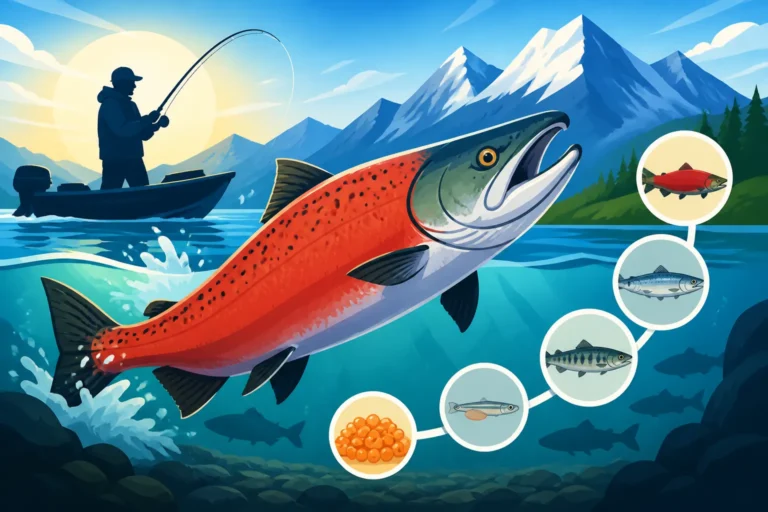
It's no secret that steelhead fishing can be frustrating. These fish are often called "the fish of a thousand casts" for a reason! Unlike salmon that return in massive, predictable runs, steelhead migrations can be more spread out and heavily influenced by environmental factors like water temperature and flow. One day a river might be teeming with them, and the next, they've seemingly vanished. This makes them incredibly challenging to consistently locate and entice, adding to their legendary status. Anglers who pursue steelhead often develop a profound respect for these fish, understanding that success isn't just about technique, but about deep knowledge of their habits and a good dose of luck. Their anadromous life cycle means they spend years fattening up in the ocean, then return to freshwater to spawn, just like salmon. However, unlike most Pacific salmon, steelhead can survive spawning and return to the ocean to repeat the cycle, making them even more incredible to encounter.
Identifying Alaska Steelhead
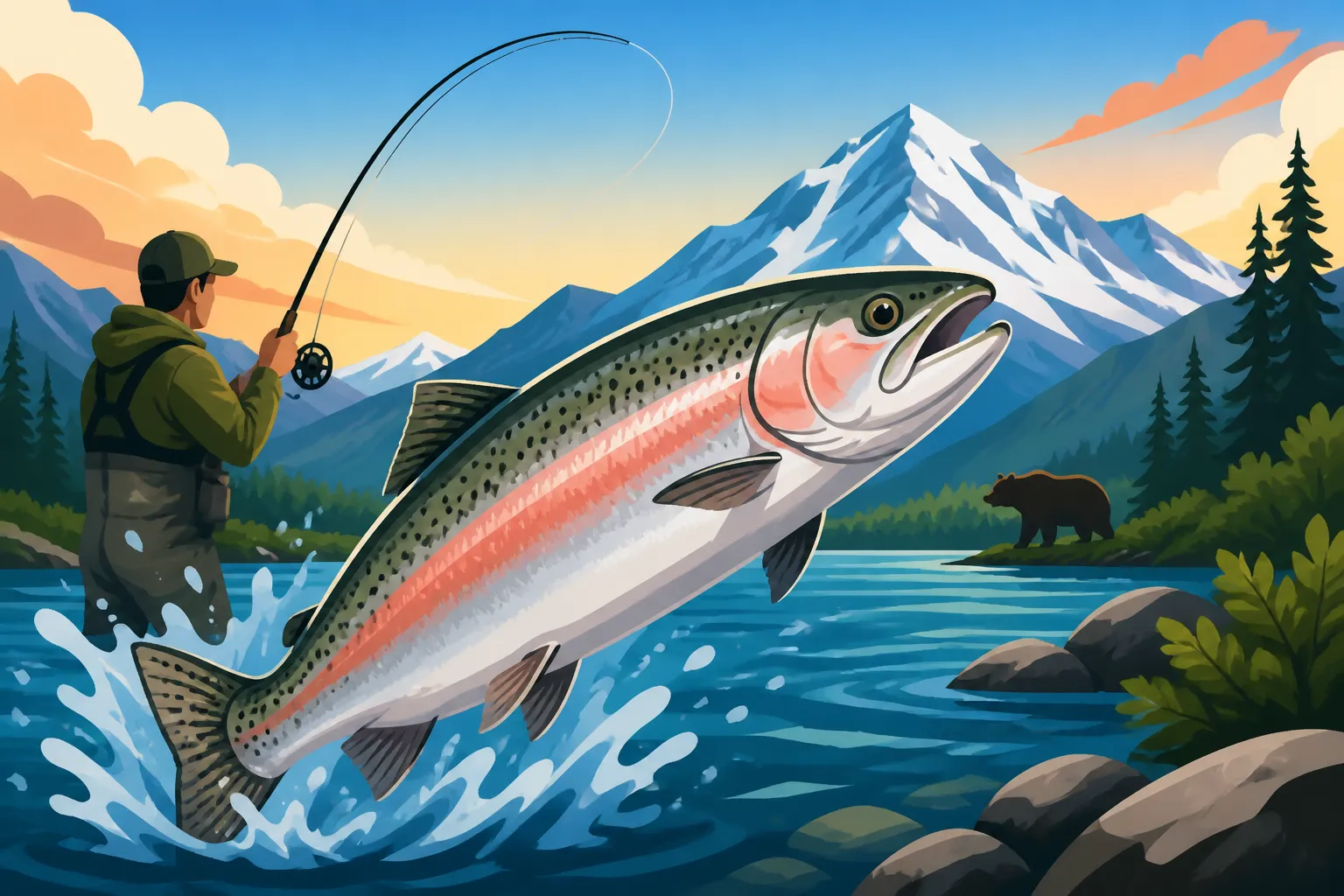
Distinguishing a true steelhead from a resident rainbow trout in Alaska can sometimes be tricky, especially if you're not intimately familiar with their characteristics. Generally, steelhead, having recently returned from the ocean, will exhibit a more "chrome" or silver appearance. Their bodies are often sleeker and more streamlined, adapted for life in saltwater. The spots on their bodies and tails tend to be less defined and more uniformly distributed compared to the often bolder spots of a resident rainbow.
A key indicator is often their overall condition and coloration. An ocean-bright steelhead will typically have a vibrant, iridescent sheen, with a purple or pink stripe along its lateral line that might be more subtle than a resident rainbow. Their fins, particularly the tail, will often be more pronounced and less frayed than those of a fish that has been in freshwater for an extended period. Look closely at the gill plates; fresh steelhead often have a clean, almost mirror-like finish, while resident fish might show more wear and tear. Knowing these subtle differences is not just for bragging rights; it's crucial for understanding regulations, as many wild steelhead populations are strictly catch-and-release.
Average Size and Potential for Giants
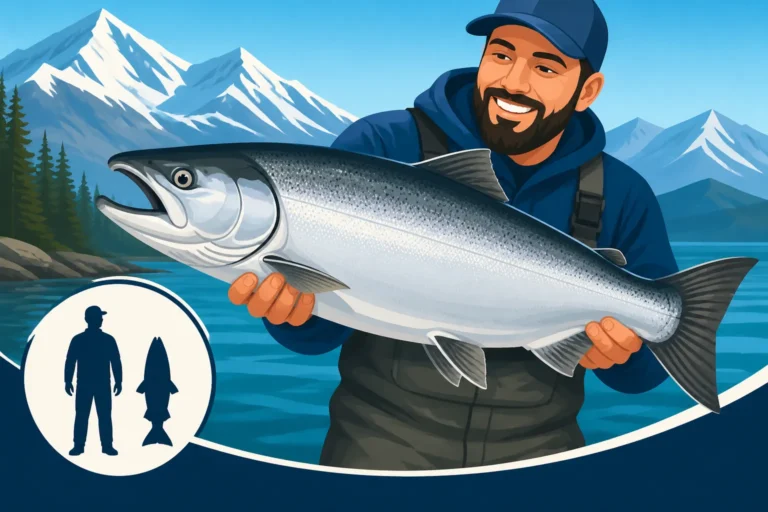
When it comes to size, Alaska steelhead can be truly impressive. While the average steelhead caught in Alaska might range from 5 to 12 pounds, measuring between 24 to 30 inches, the potential for much larger fish is absolutely there. In some of the more remote and nutrient-rich river systems, it's not uncommon to encounter steelhead pushing into the upper teens or even exceeding 20 pounds. These "trophy" fish are often older, having made multiple spawning migrations, and they possess incredible strength and endurance, making for an unforgettable fight.
The sheer power of an Alaskan steelhead, especially one fresh from the ocean, is something you have to experience to truly appreciate. When you hook into one of these chrome missiles, be prepared for screaming runs, acrobatic leaps, and a battle that will test your tackle and your angling prowess to its limits. Many anglers specifically target Alaska to chase these larger specimens, knowing that the potential for a personal best is always around the next bend of the river.
When and Where to Chase Steelhead: Seasons and Prime Locations
Timing and location are paramount when pursuing Alaska steelhead. These fish are creatures of habit, but their habits are deeply intertwined with the rhythms of nature, from ocean temperatures to river flows. Understanding these patterns is your greatest asset.
The Best Seasons for Steelhead in Alaska
Alaska experiences two primary steelhead runs: a spring run and a fall run. Both offer unique challenges and rewards, but they target different groups of fish and occur under very different conditions.
The fall run is often the more popular choice for serious steelhead anglers. These fish typically begin entering freshwater systems in September and continue through October, sometimes even into early November, depending on the region and specific river system. Fall steelhead are often referred to as "winter steelhead" in other regions because they will hold in freshwater through the colder months before spawning in spring. During this period, river flows are usually stable, water temperatures are cooling but not freezing, and the autumn colors of Alaska provide a stunning backdrop. The fish are often aggressive as they settle into their holding lies, making them responsive to various presentations. However, fall weather can be unpredictable, bringing rain, snow, and rapidly changing conditions. Keeping an eye on the long-range forecast and checking daily stream conditions is critical for a successful fall trip. This season also coincides with some of the later salmon runs, offering a chance at a mixed bag of fishing if conditions align. You'll want to consult the detailed Alaska Fishing Seasons: Month-by-Month Guide to plan your trip effectively.
The spring run for steelhead typically occurs from April through May. These are generally the "kelts" – fish that spawned in the early spring and are now dropping back to the ocean – or "fresh" fish that are entering the rivers to spawn soon after the ice breaks up. Spring steelhead can be incredibly feisty, especially the fresh ocean-run fish, but the conditions can be more challenging. Rivers are often running high and cold from snowmelt, which can make wading difficult and visibility poor. Anglers often brave colder temperatures and fluctuating water levels, but the reward of a chrome-bright spring steelhead, often one that has wintered over, is well worth the effort. Knowing when to target specific species is key, and our guide on Best Time to Fish in Alaska offers more comprehensive advice.
Premier Steelhead Rivers and Regions
When it comes to finding steelhead in Alaska, you'll need to focus on specific regions, as they aren't distributed uniformly across the state. The vast majority of Alaska's anadromous steelhead fisheries are concentrated in Southeast Alaska and on Kodiak Island. These areas offer the ideal coastal climate and river systems for steelhead to thrive.
Southeast Alaska: This region, stretching from Ketchikan up to Juneau, is a steelhead paradise. Islands like Prince of Wales Island and Baranof Island, particularly around the Sitka area, are legendary for their robust steelhead runs. The rivers here tend to be shorter, steeper, and drain quickly, meaning they can rise and fall rapidly with rainfall, which is a common occurrence in the temperate rainforest climate. Rivers such as the Situk River near Yakutat, although technically not in Southeast but on the edge, is probably the most famous steelhead river in Alaska, drawing anglers from around the world. Other smaller, lesser-known streams are often kept secret by local anglers and guides, but a good guide can put you on fish in these more secluded locations. The remote nature of many of these streams means they require bush plane access or boat charters, adding to the adventure.
Kodiak Island: This large island off the south-central coast is another prime steelhead destination. Its numerous small to medium-sized rivers offer excellent fall and spring runs. The streams on Kodiak are often surrounded by rugged, bear-rich wilderness, demanding a true backcountry angling experience. Access here is predominantly by floatplane or boat. Kodiak offers a more raw and wild experience, where you might be the only angler on the river for miles. The fish here are often very strong due to the abundant ocean forage.
Here’s a quick overview of some top steelhead regions:
| Region | Best Season | Typical Access | Key Characteristics |
|---|---|---|---|
| Southeast Alaska | Fall, Spring | Floatplane, Boat, Road (limited) | Rainforest climate, clear, fast-flowing rivers |
| Kodiak Island | Fall, Spring | Floatplane, Boat | Wild, rugged terrain, strong, powerful fish |
| Alaska Peninsula | Fall, Spring | Floatplane | Very remote, pristine wilderness, challenging conditions |
You can find more details about specific locations in our Best Fishing Spots in Alaska guide.
Understanding Steelhead Migratory Patterns
Understanding how steelhead move within a river system is crucial for locating them. Unlike resident trout that might hold in the same pool for weeks, steelhead are migratory, constantly moving up or down the river based on various cues. Fresh steelhead entering the river will often stage in deeper pools or slower runs near the mouth, acclimating to the freshwater environment before pushing further upstream. As they move upriver, they tend to utilize specific types of holding water: deep pools, current seams, behind large boulders, or log jams that offer shelter and a break from the main current.
During their spawning migration, steelhead are not actively feeding in the same way they do in the ocean, but they will strike out of aggression, territoriality, or instinct. This means presenting your fly or lure in a way that triggers a reaction strike is key. Water temperature plays a significant role; as temperatures drop, fish become less active and may seek out deeper, more stable water. Conversely, a slight warming trend can spark a burst of activity. Heavy rainfall can also trigger a "push" of new fish from the ocean, as higher, murkier water provides cover. Conversely, low, clear water can make them skittish and harder to approach. Keeping a keen eye on local conditions is paramount.
Effective Techniques and Gear for Alaska Steelhead
Chasing steelhead demands specialized techniques and reliable gear. These fish are powerful, and the environments they inhabit can be challenging. Being prepared with the right approach and equipment will significantly increase your chances of success.
Go-To Fishing Techniques
When it comes to catching Alaska steelhead, two primary approaches dominate: fly fishing and spin fishing. Both can be incredibly effective, but each requires a different skill set and understanding of the fish's behavior.
Fly Fishing for Steelhead: This is often considered the purest form of steelhead angling. For many, nothing beats the rhythmic dance of Spey casting or the delicate presentation of a nymph to a wary steelhead.
- Swinging Flies: This classic technique involves casting an often weighted or intruder-style fly across and downriver, allowing it to swing through potential holding lies. The key is to let the current do the work, presenting the fly broadside to the fish. Spey rods, typically 7-9 weight and 12-15 feet long, are ideal for this, allowing long casts and easy mending in strong currents. Popular fly patterns include Intruders, Hoh Bo Speys, Skagit-style flies, and various leeches in black, blue, or purple. The subtle take of a swinging steelhead can be electrifying, often feeling like a gentle tug before the explosive fight begins.
- Nymphing/Indicator Fishing: When fish are holding deeper or are less aggressive, indicator nymphing can be deadly. This involves drifting weighted nymphs or egg patterns under a strike indicator, mimicking natural food sources. This is often done with single-hand fly rods (7-8 weight) and heavier tippet. Beads, stoneflies, and various attractor nymphs are popular choices. This technique allows for precise depth control, ensuring your offering is right in the fish's strike zone. For a deeper dive, check out our guide on How to Fly Fish in Alaska.
Spin Fishing for Steelhead: For those who prefer conventional gear, spin fishing offers excellent opportunities. It's often more accessible for beginners but still requires finesse and understanding.
- Drift Fishing with Beads or Roe: This is a highly effective method, especially in clear water. Using a light leader and minimal weight, anglers drift imitation salmon eggs (beads) or cured salmon roe through runs and pools. The key is to ensure your presentation is natural, tumbling along the bottom at the same speed as the current. Brightly colored beads (pink, red, orange) are often favored. This technique is similar to nymphing in its approach of getting the offering into the fish's direct line of sight.
- Casting Spoons or Spinners: Aggressive steelhead will often chase down lures. Small spoons (like Lil' Cleos or Koho) or spinners (such as Mepps or Blue Fox) in silver, gold, or bright colors can trigger powerful strikes. This is particularly effective when fish are moving through shallower water or are fresh from the ocean. Fan casting across likely holding water and varying your retrieve speed can yield results. When using single hooks on lures, ensure they are barbless if regulations require it; this is a common rule in many steelhead fisheries for conservation. More on this can be found in Alaska Barbless Hook Requirements.
Essential Gear and Tackle
Having the right gear isn't just about comfort; it's about being prepared for the demanding conditions and powerful fish you'll encounter.
- Rods and Reels: For fly fishing, a 7-9 weight rod, 9-10 feet for single hand, or 12-14 feet for Spey, is standard. Pair this with a reliable large arbor reel with a strong drag system and plenty of backing (at least 200 yards of 30lb dacron). For spin fishing, a medium-heavy rod (8-10.5 feet) with a fast action, paired with a quality spinning reel capable of holding 150-200 yards of 10-15lb test monofilament or braided line, is ideal.
- Lines and Leaders: For fly fishing, specific Spey lines (Skagit, Scandi) with various sink tips are essential for swinging, while weight-forward floating lines are good for nymphing. Leaders should be robust, typically 10-15lb test fluorocarbon. For spin fishing, a good quality braided mainline (15-20lb) with a fluorocarbon leader (10-12lb) for abrasion resistance and invisibility is recommended.
- Waders and Rain Gear: This is non-negotiable in Alaska. High-quality breathable chest waders (like those from Simms or Patagonia) and sturdy wading boots with good ankle support are crucial for safely navigating slippery riverbeds. A durable, waterproof rain jacket and pants are also essential, as you will almost certainly encounter rain. Layers are your best friend underneath that rain gear to adapt to changing temperatures.
- Lures, Flies, and Terminal Tackle: Stock up on a variety of patterns and colors. For flies, include Intruders, Hoh Bo Speys, various leeches, egg patterns, and stonefly nymphs. For spin fishing, an assortment of spoons (e.g., Kwikfish, Blue Fox Vibrax spinners, Pixie spoons) and plenty of soft beads or cured roe will serve you well. Don't forget swivels, lead weights, hooks (barbless where required), and extra leader material. Many of these items can be conveniently purchased through online retailers like Amazon before your trip. For a more exhaustive list, consult our Alaska Fishing Gear and Tackle Guide.
Reading the Water for Steelhead
Successfully locating steelhead is half the battle, and this comes down to effectively "reading the water." Steelhead, while migratory, will hold in specific types of water features for rest, shelter, and ambush opportunities.
Look for areas with a distinct change in current speed or depth. Current seams where fast water meets slow water are prime ambush points. Deep pools or runs with moderate current are excellent resting areas, especially for fish moving upstream. Tail-outs of pools, where the water shallows and speeds up before entering a riffle, can also hold actively feeding or migrating fish. Log jams, submerged boulders, or undercut banks provide excellent cover and current breaks. Remember that steelhead often lie close to the bottom, hugging structure, so your presentation needs to get down to their level. Don't overlook seemingly innocuous stretches; a subtle depression or a slight change in the riverbed can be enough to hold a wary steelhead. Take your time, observe the water, and fish each likely spot thoroughly.
Responsible Angling and Conservation for Alaska Steelhead
Alaska's wild steelhead populations are a precious resource, and responsible angling practices are not just good etiquette—they are vital for ensuring these magnificent fish continue to thrive for future generations. Respecting regulations and practicing proper fish handling are paramount.
Alaska Steelhead Catch-and-Release Rules
Many of Alaska's wild steelhead fisheries operate under strict catch-and-release regulations. This is a critical conservation measure designed to protect the often-fragile populations of these long-lived, repeat-spawning fish. It's imperative that you thoroughly understand and adhere to these rules before you even cast a line. Typically, this means all wild steelhead must be immediately released unharmed. In some limited areas or for specific hatchery-stocked populations, retention might be allowed, but always verify the most current regulations for your specific fishing location.
Beyond simply releasing the fish, practicing proper catch-and-release techniques is essential. This includes minimizing the time the fish is out of water, using a knotless rubber net to protect their slime coat, and handling them gently with wet hands. Avoid dragging them onto rocks or gravel. If taking a photo, do so quickly and keep the fish low over the water, ready for an immediate release. The goal is to maximize the fish's survival chances, allowing it to return to the ocean or continue its spawning journey successfully. Many regulations also stipulate the use of Alaska Barbless Hook Requirements to facilitate quick and clean releases, minimizing injury to the fish.
Licensing and Harvest Record Requirements
Before embarking on any fishing trip in Alaska, you must possess a valid Alaska fishing license. This is a non-negotiable requirement for both residents and non-residents, and the funds generated from license sales directly support the management and conservation efforts of the state's fisheries. You can easily purchase your Alaska Fishing License: Complete Guide online through the Alaska Department of Fish and Game (ADF&G) website or at various vendors throughout the state. It's crucial to understand the different types of licenses available, such as short-term non-resident licenses or annual options, depending on the length of your trip. More details on costs and types can be found in Alaska Fishing License Cost and Types.
In addition to your general fishing license, if you are targeting specific species, or if any retention is allowed in your chosen area, you will almost certainly need an Alaska Harvest Record Card. This card is vital for tracking your catch and contributing to important biological data. Even if you're planning a strictly catch-and-release trip, it's a good practice to carry one and understand its purpose, as regulations can change, and you might encounter other species that require recording. Our guide on the Alaska Harvest Record Card Explained provides all the details you need to know about this important document.
The Importance of Ethical Angling
Ethical angling goes beyond just following the rules; it encompasses a broader philosophy of respect for the environment, the fish, and fellow anglers. When fishing for steelhead, especially in remote or sensitive areas, leaving no trace is paramount. Pack out everything you pack in, including all trash, broken leader, and old fishing line.
Beyond litter, consider your impact on the river and its inhabitants. Wade carefully to avoid disturbing redds (spawning beds), which appear as clean, gravel depressions. Be mindful of wildlife, particularly bears, which are common in many Alaskan steelhead rivers. Carry bear spray and know how to use it, and never leave food or fish scraps unattended. If you encounter other anglers, give them ample space and respect their water; crowded rivers diminish the experience for everyone. A good resource for understanding the rules and spirit of fishing in Alaska is the comprehensive Alaska Fishing Regulations Explained guide, which covers everything from bag limits to gear restrictions.
Planning Your Alaska Steelhead Adventure
Planning a trip to chase Alaska steelhead can feel like a daunting task, especially given the remote nature of many prime locations. But with careful preparation and a clear understanding of your options, you can turn that dream trip into a reality.
Guided vs. Unguided Trips
Deciding whether to hire a guide or embark on an unguided adventure is one of the first major decisions you'll face. Both have their merits and drawbacks, and the best choice often depends on your experience level, budget, and desired style of trip. Our article on Guided vs Unguided Fishing in Alaska offers an in-depth comparison.
Guided Trips: For many, especially those new to Alaska or steelhead fishing, a guided trip is invaluable. An experienced Alaska fishing guide offers unparalleled local knowledge, understanding where the fish are holding, what flies or lures they're hitting, and how river conditions are changing. They provide the necessary gear, transportation (often including remote access via jet boat or raft), and expertise in fish handling and regulations. This option significantly increases your chances of success and allows you to focus purely on the fishing experience without the stress of logistics. Guides also prioritize safety, which is crucial in Alaska's wild environments. You can often find reputable guides specializing in steelhead in regions like Southeast Alaska or Kodiak Island.
Unguided (DIY) Trips: For the adventurous and experienced angler, an unguided trip offers immense freedom and a more intimate connection with the wilderness. This typically involves much more planning, including securing transportation (like a rental car and ferry, or even chartering a bush plane), researching rivers, and bringing all your own gear. DIY trips can be more cost-effective if you're highly organized and have the necessary skills. However, they carry greater risks and require a thorough understanding of backcountry safety, navigation, and self-sufficiency. This option is best suited for those with previous wilderness experience and a solid grasp of steelhead fishing techniques. For those considering this, it's wise to start with more accessible road-system rivers before venturing into truly remote territories.
Accommodation and Logistics
Alaska offers a range of accommodation options, from rustic cabins to full-service lodges, all tailored to the adventurous angler. In areas like Southeast Alaska, you might find lodges specifically catering to steelhead anglers, often accessible by floatplane or boat from towns like Sitka or Ketchikan. These lodges typically offer all-inclusive packages that cover lodging, meals, guiding, and sometimes even local transportation. On Kodiak Island, you might find more remote outpost cabins or rely on tent camping during a fly-out trip.
Logistically, getting to these prime steelhead destinations often involves flying into major hubs like Juneau, Ketchikan, or Anchorage, then taking smaller commuter flights, ferries, or charter planes to your final destination. For example, to fish the renowned Situk River, you'd typically fly into Yakutat. Be prepared for potential travel delays due to weather, which is common in Alaska. Booking accommodations and flights well in advance, especially during peak seasons, is highly recommended. Don't forget to pack essential personal items and some extra layers – even if your guide provides most of the fishing gear, personal comfort items are vital, and many such items are easily found on Amazon.
Timing Your Trip for Success
As we discussed earlier, timing is everything when it comes to steelhead. Aligning your trip with the peak of either the fall or spring run is crucial for maximizing your chances. However, "peak" can be a moving target, influenced by annual variations in weather, water conditions, and fish numbers.
Before you finalize your dates, do extensive research. Check historical run timing data from the Alaska Department of Fish and Game (ADF&G), read recent fishing reports, and, if possible, talk to local guides or tackle shops in the region you plan to visit. Websites and forums dedicated to Alaska fishing are excellent resources for up-to-the-minute information. Remember that rivers can blow out with rain or become unfishable with ice, so flexibility in your schedule can sometimes pay off. A carefully planned trip, timed to perfection, can make all the difference in whether you encounter the "silver ghosts" or not.
Disclaimer
Please note that fishing regulations in Alaska can change frequently due to emergency orders or annual adjustments by the Alaska Department of Fish and Game. Always consult the most current Alaska Sport Fishing Regulations booklet and check for any emergency orders pertaining to your specific fishing location before you head out. This guide provides general information and should not be used as a substitute for official regulations.