Alaska King Salmon: Size, Season, and Where to Catch
When you dream of fishing in Alaska, often the first image that comes to mind is battling a mighty King Salmon. These magnificent fish are legendary, but knowing when they run, where to find them, and what size to expect can feel like deciphering an ancient Alaskan riddle. It’s frustrating to plan an epic trip only to miss the peak season or fish in the wrong spot, leaving you with empty hands and a bruised ego. This guide is here to clear up all that confusion, giving you the insider knowledge to successfully target the prized Alaska King Salmon.
The Allure of Alaska King Salmon: Why They're a Legend
There’s something undeniably captivating about King Salmon, also known as Chinook Salmon. They are, quite simply, the apex predators of the Alaskan freshwater and nearshore saltwater fishing scene. Many anglers dedicate their entire lives to the pursuit of these powerful fish, and for good reason.
What Makes King Salmon So Special?
From the moment a King Salmon hits your line, you’ll understand why they hold such a revered status. They are incredibly strong, offering a fight that can test even the most experienced angler. Imagine a fish that makes blistering runs, leaps acrobatically from the water, and digs deep, refusing to give up easily. That’s a King Salmon. They’re not just about the fight, though. Their sheer size is often awe-inspiring, and their rich, flavorful meat is considered a delicacy, making them a highly sought-after catch for the dinner table as well. The anticipation of hooking into one of these beasts is a thrill unlike any other, and the memory of landing a true trophy King lasts a lifetime.
Common Frustrations for Anglers Chasing Kings
Let's be real, chasing King Salmon can be tough. One of the biggest frustrations is the unpredictability of their runs. You hear stories of incredible catches one week, only for the river to be quiet the next. This can be especially disheartening for those who travel long distances, investing significant time and money into their Alaskan adventure. Another common issue is the sheer power of these fish; they can spool reels, break lines, and straighten hooks if your gear isn't up to par, leading to a lot of "the one that got away" stories. Add to that the ever-changing Alaska Fishing Regulations Explained and potential emergency closures, and it’s easy to feel overwhelmed. Many anglers struggle with choosing the right lures or bait, or even knowing the proper techniques for these notoriously finicky eaters. It's a steep learning curve, but with the right information, you can significantly increase your chances of success.
Understanding King Salmon: Size and Identification
Before you even cast a line, knowing what you're looking for and what to expect in terms of size can really help set your expectations and prepare you for the challenge ahead.
Average Sizes and Record-Breakers
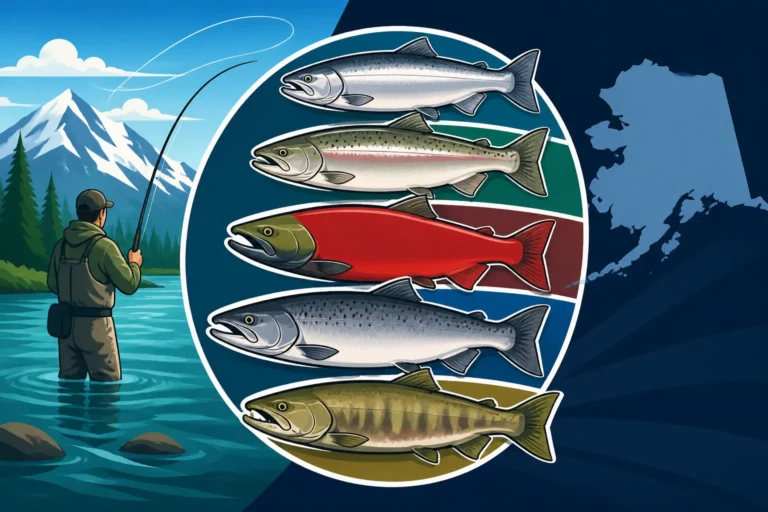
King Salmon are, without a doubt, the largest of the Pacific salmon species. While size can vary significantly depending on the specific river system, region, and run timing, a typical King Salmon caught by anglers in Alaska usually falls within the 20 to 40-pound range. However, it’s not uncommon to land fish pushing 50 or even 60 pounds, especially in some of the more famous King Salmon rivers. These are often referred to as "trophy kings" and are the dream catch for many.
The state record King Salmon was an absolute monster, weighing in at an incredible 97 pounds, 4 ounces, caught in the Kenai River back in 1985. While those truly gargantuan fish are rare, the possibility of hooking into something truly extraordinary keeps everyone coming back. Remember, even a 25-pound King can feel like a locomotive pulling on your line, so don't underestimate any fish you hook!
Key Identification Features
Identifying a King Salmon, especially when it's fresh from the ocean or early in its river run, is generally straightforward once you know what to look for. Here are the defining characteristics:
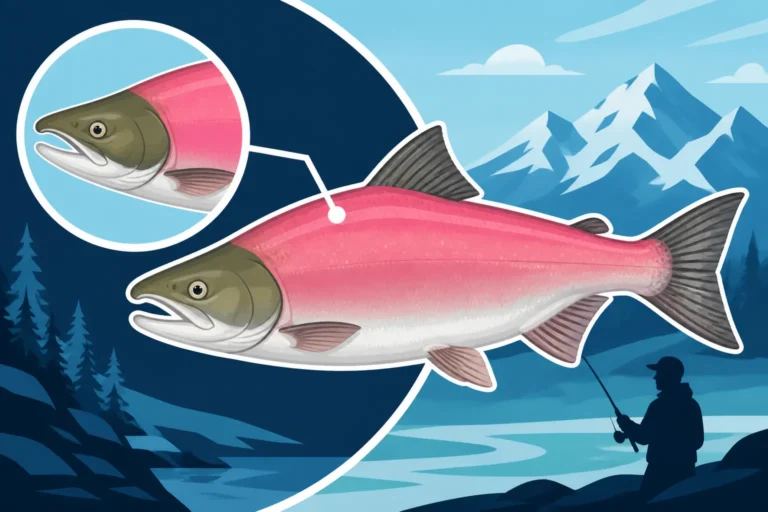
- Coloration: When they first enter freshwater, King Salmon typically have a bluish-green back, silvery sides, and a white belly. As they progress upstream and get closer to spawning, their coloration changes dramatically, often becoming darker, bronze, or even reddish-maroon, especially in males.
- Spots: A key identifier for King Salmon is the presence of irregular black spots on both their back and both lobes of their tail fin. This is a crucial distinguishing feature from Coho (Silver) Salmon, which typically only have spots on the upper lobe of their tail, or Pink Salmon which have large, oval spots.
- Mouth and Gums: Open the mouth and look at the gums. King Salmon have black gums along the base of their teeth, both on the upper and lower jaw. Their mouth interior can also be quite dark.
- Tail: The tail fin is usually quite broad and typically less forked than other salmon species, giving it a somewhat squared-off appearance.
- Body Shape: They tend to have a thick, robust body, giving them a very powerful profile.
Learning these features will not only help you identify your catch but also ensure you’re adhering to Alaska King Salmon Fishing Regulations and Limits, as regulations can vary by species.
Timing Your Trip: Alaska King Salmon Season Breakdown
Timing is absolutely everything when it comes to King Salmon fishing in Alaska. Miss the run, and you've missed your chance. Knowing the general windows and regional variations is crucial for planning a successful trip.
General Season Overview by Region
King Salmon typically begin their spawning runs in late spring and early summer across Alaska. However, the exact timing and peak periods can vary significantly by region and even by individual river system.
- Southeast Alaska (e.g., Juneau, Sitka, Ketchikan): This region often sees some of the earliest King Salmon action, with runs starting as early as May and continuing strong through June and into July. Many of these fish are targeted in saltwater before they enter freshwater.
- Southcentral Alaska (e.g., Kenai Peninsula, Cook Inlet rivers like the Kenai and Kasilof, Susitna River drainage): This is arguably the most famous region for King Salmon, drawing anglers from around the world.
- Early Run: The first major push of King Salmon usually starts in mid-May and runs through mid-to-late June. These fish are often very large and highly sought after.
- Main/Late Run: The second, often larger, run typically kicks off in early July and continues through the end of July. This is often the busiest time on rivers like the Kenai.
- Bristol Bay Region (e.g., Nushagak River, Naknek River): While incredibly famous for Sockeye, rivers in this region also host strong King Salmon runs, primarily from mid-June through mid-July.
- Interior Alaska (e.g., Yukon River tributaries): Runs here are later, often peaking in July and August, due to the vast distances fish must travel to their spawning grounds.
It’s always a good idea to consult the Alaska Department of Fish and Game (ADF&G) website for specific run forecasts and any in-season Alaska Fishing Emergency Orders Explained which can drastically alter open seasons or bag limits. This information is dynamic and essential for anglers, especially those planning trips months in advance. For more specific details, check out guides like Best Time to Catch King Salmon in Alaska.
Early, Peak, and Late Season Considerations
Each part of the King Salmon season offers a different experience and set of challenges:
-
Early Season (Mid-May to Mid-June):
- Pros: Often features the largest individual fish, less crowded rivers (initially), and aggressive biters. The thrill of hooking an early-season hog is unmatched.
- Cons: Runs can be less predictable, weather can be more variable (colder, rainier), and there's a higher chance of early closures if run forecasts are poor. You might have fewer fish in the system overall.
- Strategy: Focus on rivers known for early runs and be prepared for changing conditions. Heavier gear is often favored for these robust fish.
-
Peak Season (Late June to Mid-July):
- Pros: This is when the highest numbers of King Salmon are typically present in the rivers. If you're looking for consistent action and higher catch rates, this is usually your best bet. The weather is generally warmer and more pleasant.
- Cons: Rivers can become extremely crowded, especially on popular stretches of the Kenai or Kasilof. Competition for prime fishing spots can be intense, leading to "combat fishing" conditions.
- Strategy: Be patient, respectful of other anglers, and consider fishing during weekdays or at dawn/dusk to avoid the biggest crowds. Booking guides or charters well in advance is crucial for this period.
-
Late Season (Late July to Early August):
- Pros: While numbers might be declining, there can still be good fishing opportunities. The fish present are often quite aggressive as they prepare for spawning. Fewer crowds than peak season.
- Cons: Fish will be darker and less pristine as they near spawning, and their eating quality diminishes. Some rivers might already be closed or have restrictive regulations.
- Strategy: Target areas closer to spawning grounds, but be mindful of regulations regarding unmolested spawning fish. Focus on the fight rather than the table fare.
Knowing these nuances allows you to tailor your trip to your preferences, whether you're chasing a true monster, aiming for high numbers, or seeking a more solitary experience.
Where to Find the Kings: Top Fishing Spots in Alaska
Alaska is a vast state, and King Salmon can be found in numerous river systems and coastal waters. However, some locations have rightfully earned their reputation as King Salmon meccas.
Iconic River Systems for King Salmon
When most people think of river fishing for King Salmon, a few legendary names immediately come to mind. These rivers are road-accessible or accessible via short flights, making them popular choices.
- Kenai River: Without a doubt, the Kenai River on the Kenai Peninsula is the most famous King Salmon river in Alaska, holding the world record for the largest King ever caught. It’s known for producing massive fish, especially during its two distinct runs. The fishing pressure can be intense, particularly during the late run, but the potential for a fish of a lifetime keeps anglers flocking to its banks and charter boats. Check out our Kenai River King Salmon Fishing Guide for more in-depth information.
- Kasilof River: Just south of the Kenai, the Kasilof River offers another fantastic King Salmon fishery, often producing strong numbers of fish that average a slightly smaller but still impressive size. It's often fished with drift boats, providing a different, more serene experience than the powerboat-dominated lower Kenai.
- Nushagak River: Located in the remote Bristol Bay region, the Nushagak River is renowned for its sheer volume of King Salmon. While it requires a fly-in trip or boat access, the reward is often non-stop action, with anglers sometimes catching dozens of Kings in a single day. This is a bucket-list destination for many, as detailed in our Nushagak River King Salmon Guide.
- Deshka River: North of Anchorage, in the Mat-Su Valley, the Deshka River is a popular early-season King Salmon destination, especially for those looking for a road-accessible option. It often sees good early runs that provide excellent sportfishing opportunities close to major population centers.
- Susitna River Drainage: This vast river system, including tributaries like the Talkeetna and Yentna Rivers, also hosts significant King Salmon runs. Access can be more challenging, often requiring air taxi or jet boat, but the rewards can be large fish and less crowded waters.
Coastal Hotspots and Charter Opportunities
While river fishing is popular, many colossal King Salmon are intercepted in saltwater before they even enter their natal streams. This means some of the best King Salmon fishing can be found off the coast, often requiring a guided charter trip.
- Homer: Known as the "Halibut Fishing Capital of the World," Homer also offers exceptional King Salmon fishing, especially for feeder Kings (fish that are actively feeding in saltwater) throughout the year and returning mature Kings during the summer. Charters depart daily from the Homer Spit to target these fish in Kachemak Bay and beyond.
- Seward: On the eastern side of the Kenai Peninsula, Seward is another prime location for saltwater King Salmon charters, particularly in Resurrection Bay. Like Homer, it offers excellent opportunities for both feeding Kings and migratory fish heading to various rivers.
- Sitka and Southeast Alaska: The protected waters around Sitka, Ketchikan, and Juneau are world-class destinations for King Salmon. Many lodges and charters in Southeast Alaska specialize in targeting "bright" Kings that are fresh from the ocean, making for spectacular fights and incredible table fare. The fishing here can be fantastic from May through July, with trolling being a primary method.
Booking a reputable charter is often the best way to experience these saltwater fisheries, as guides have the local knowledge, specialized gear, and boats needed to find and catch these deepwater giants. They'll also ensure you understand the complex Alaska Halibut Charter Regulations Explained and other saltwater rules.
Essential Gear and Techniques for King Salmon
Catching King Salmon isn't just about being in the right place at the right time; it also demands the right tackle and effective techniques. These fish are powerful, and your gear needs to be up to the task.
Recommended Rods, Reels, and Lines
You don't want to bring a knife to a gunfight, and King Salmon fishing is definitely a gunfight.
- Rods: For river fishing, a heavy-action rod in the 9 to 10.5-foot range is ideal. This length helps with casting longer distances and provides better leverage when fighting a strong fish. For saltwater trolling or jigging, slightly shorter (7-8.5 foot) heavy-action boat rods are more common. Look for rods rated for 15-40 lb or even 20-50 lb line. Brands like Lamiglas, G. Loomis, and Fenwick offer excellent options specifically designed for salmon.
- Reels: A high-quality baitcasting reel (levelwind) with a strong drag system and high line capacity (250-300+ yards of 25 lb monofilament or equivalent braid) is a must for river fishing. For saltwater, a sturdy conventional reel capable of handling heavy lines and big fish is essential. Penn, Shimano, and Abu Garcia are popular choices. You can find a wide range of reliable options on Amazon if you're looking to gear up before your trip.
- Lines: Braided line (50-80 lb test) is highly recommended as a main line due to its strength, sensitivity, and lack of stretch, which helps with hooksets. You'll then typically use a fluorocarbon or monofilament leader (25-40 lb test) for abrasion resistance and invisibility. For more detailed advice, check out our Alaska Fishing Gear and Tackle Guide.
Effective Baits, Lures, and Fishing Methods
King Salmon can be finicky, but certain offerings and presentations consistently prove effective.
- Baits: Cured salmon roe (eggs) is a classic and highly effective bait for King Salmon in rivers. Herring and anchovies, often brined and trolled or drifted, are deadly in both fresh and saltwater. Sand shrimp are also popular in some areas.
- Lures:
- Spinners: Large, brightly colored spinners like a Blue Fox Vibrax or Mepps Aglia are excellent for casting and retrieving in rivers.
- Spoons: Heavy spoons such as Pixee or Krokodile work well, especially in faster currents or when fishing from shore.
- Plugs/Wobblers: Diving plugs like Kwikfish and FlatFish are staples for back-trolling or back-bouncing in rivers, often wrapped with a sardine fillet for added scent and attraction.
- Jigs: For saltwater, heavy jigs (4-12 oz) tipped with bait or plastic tails are very effective for vertical jigging for Kings.
- Fishing Methods:
- Back-bouncing/Back-trolling: In rivers, these techniques involve slowly drifting or pulling baits/plugs downstream near the bottom, presenting them directly to holding fish.
- Drift Fishing: Using a lead weight to bounce bait or a lure along the river bottom, letting the current do most of the work. This is a very popular technique for Kings.
- Casting & Retrieving: Simple but effective, especially in smaller rivers or when fish are actively moving.
- Trolling: In saltwater, trolling with downriggers to get lures and baits (like herring in a flasher setup) to specific depths is the go-to method.
- Jigging: Vertical jigging with heavy metal or weighted soft plastic jigs is common in saltwater for suspended fish or those holding near structure.
Experimentation is key, and local knowledge from a guide or tackle shop is invaluable. Don't be afraid to try different things! Many anglers swear by particular colors or presentations, so picking up a variety of options from Amazon before you go can ensure you're prepared.
Navigating Regulations and Conservation
Alaska takes its fisheries very seriously, and for good reason. The health of the King Salmon population is paramount, and regulations are in place to ensure these magnificent fish continue to thrive for future generations. Ignoring these rules can lead to heavy fines and even loss of fishing privileges, so it's critical to be informed.
Understanding Limits and Stamps
Before you even step foot on Alaskan soil, you need to understand the basic requirements. First, you'll need an Alaska Fishing License: Complete Guide. Non-residents, in particular, should consult the Alaska Non-Resident Fishing License Guide to understand their options and costs.
Beyond the general license, King Salmon often have specific additional requirements:
- King Salmon Stamp: Most sport anglers pursuing King Salmon, especially those 16 years or older, are required to purchase an Alaska King Salmon Stamp in addition to their regular fishing license. This stamp's proceeds directly support King Salmon management and enhancement programs. The cost can vary, so it's wise to know How Much Is the Alaska King Salmon Stamp before you buy. You can typically How to Buy an Alaska King Salmon Stamp online or from licensed vendors.
- Bag and Possession Limits: These are highly variable. Daily bag limits for King Salmon can range from zero to one or two fish, depending on the river, the specific run, and current conservation needs. Annual limits for non-residents are also common, often restricting the total number of King Salmon you can keep in a calendar year across all fisheries. Possession limits generally refer to the total number of fish you can have in your possession, including those already processed. These limits are constantly monitored and can change rapidly via emergency orders, so always check the latest ADF&G regulations for the specific area you plan to fish. For example, Alaska King Salmon Fishing Regulations and Limits will provide detailed numbers.
- Harvest Record Card: For King Salmon, you'll likely need to record your catch on an Alaska Harvest Record Card, which is often printed directly on your license. This helps ADF&G monitor harvest numbers and manage the fishery sustainably.
It’s truly vital to read the current Alaska Sport Fishing Regulations booklet thoroughly. These books are updated annually and are available online and at most tackle shops and license vendors. Don't rely on old information or hearsay; always verify the current rules.
Practicing Responsible Angling
Conservation isn't just about following the rules; it's about adopting an ethos of respect for the resource. King Salmon populations face various challenges, and responsible angling practices are more important than ever.
- Catch-and-Release Best Practices: If you're releasing a King Salmon (due to regulations, personal choice, or wanting to target another species), do so quickly and carefully. Keep the fish in the water as much as possible, use wet hands to handle it, and avoid touching its gills or eyes. Use barbless hooks, which are often required in many areas, as they minimize damage and make release easier.
- Deepwater Release Devices: For King Salmon caught in deeper saltwater (often over 75-100 feet), barotrauma can be an issue if the fish is brought to the surface. Using a deepwater release device, which lowers the fish back to its capture depth, can significantly increase its survival rate. Many charters carry and use these.
- Respect for Spawning Areas: As fish approach their spawning grounds, they become less focused on feeding and more on reproduction. Respect closed areas or special regulations designed to protect these vulnerable fish.
- "Know Before You Go": Always check for emergency orders before you head out. These can be issued very quickly, closing a fishery, changing bag limits, or altering tackle restrictions to protect a struggling run. The ADF&G website and local fishing hotlines are your best resources.
By understanding and adhering to the regulations and practicing responsible angling, we all contribute to the long-term health and prosperity of Alaska's incredible King Salmon fisheries.
Disclaimer
The information provided in this guide is for general informational purposes only and is subject to change. Alaska fishing regulations, seasons, and limits are highly dynamic and can be altered at any time by the Alaska Department of Fish and Game through emergency orders. Always consult the most current official Alaska Sport Fishing Regulations booklet and check for emergency orders before planning and embarking on any fishing trip.