How to Tell a Dolly Varden from an Arctic Char
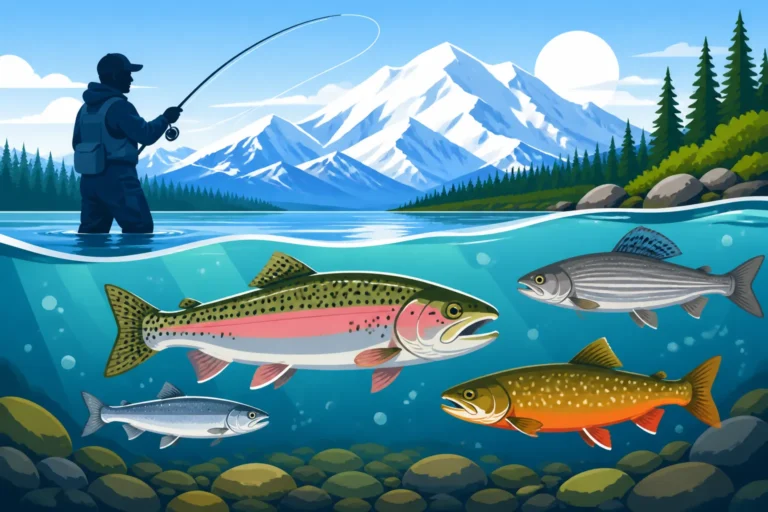
It’s a common scenario in Alaska: you’re out on a pristine river, reeling in a beautiful char, only to pause and wonder, "Is this a Dolly Varden or an Arctic Char?" The truth is, these two species look incredibly similar, especially to the untrained eye, and distinguishing between them can be a real head-scratcher. This comprehensive guide will help clear up the confusion, equipping you with the knowledge to confidently identify your catch in the Last Frontier.
The Core Challenge: Why Anglers Mix Them Up
It’s completely understandable why so many anglers struggle to tell Dolly Varden and Arctic Char apart. They’re both members of the Salvelinus genus, which includes char and trout, and they share many superficial characteristics that make field identification tricky. This isn't just a casual observation; even seasoned local guides sometimes have to take a closer look, especially when dealing with smaller, juvenile fish or those in transitional phases.
Overlapping Habitats and Appearance
One of the biggest reasons for confusion stems from their overlapping natural habitats. In many parts of Alaska, particularly in the south-central and southeastern regions, both Dolly Varden and Arctic Char can be found in the same river systems or adjacent lakes. You might be fishing a tributary off the Kenai River system, for example, and pull out what looks like the exact same fish a few times in a row, yet some could technically be one species and some the other. Both prefer cold, clear waters, and both have an anadromous form (meaning they migrate between freshwater and saltwater) and a resident freshwater form. This habitat sharing means they often encounter the same food sources and environmental conditions, leading to similar growth patterns and overall body conditions that blur the lines even further.
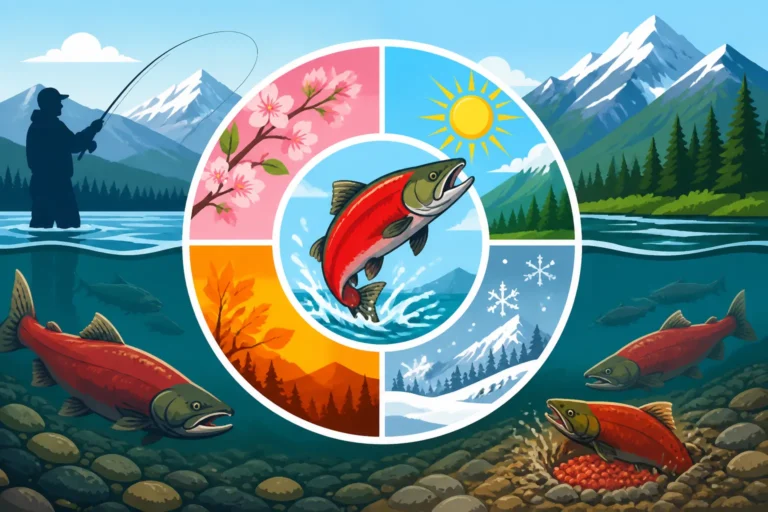
Beyond habitat, their basic appearance is startlingly similar. Both species typically have light spots on a darker body, which is a hallmark of char. Their body shape, while having subtle differences we’ll explore later, can appear quite similar when viewed quickly, especially if the fish is thrashing around at the end of your line. They both have a torpedo-like, somewhat stout build designed for navigating currents. Furthermore, their coloration can vary dramatically based on factors like diet, water clarity, genetic strain, and most notably, their spawning stage. A bright, silver char fresh from the ocean will look very different from a deeply colored, red-bellied char preparing to spawn, regardless of its species. This chameleon-like ability to adapt their appearance makes quick identification a true challenge.
Regional Variations and Subspecies Confusion
Adding another layer of complexity are the regional variations and subspecies. For instance, Dolly Varden in Alaska are generally divided into two recognized subspecies: the Northern Dolly Varden and the Southern Dolly Varden. While they broadly share characteristics, there can be subtle differences in their average size, spotting patterns, and migratory behaviors depending on where you encounter them. A Northern Dolly Varden caught near Kotzebue might appear slightly different from a Southern Dolly Varden in Prince William Sound, though both are technically the same species.
Arctic Char, too, exhibit significant regional diversity. They have one of the widest circumpolar distributions of any freshwater fish, and local populations can develop distinct characteristics. An Arctic Char from a high-alpine lake in the Brooks Range might be a stunted, dark-colored resident form, while one from a large, deep lake in Interior Alaska could be much larger and have a different hue. These variations mean that a definitive visual "template" for either fish can be hard to apply uniformly across the entire state. The more you travel and fish different regions, the more you'll realize just how much these fish can differ within their own species, which only makes distinguishing them from a look-alike species like Dolly Varden even more complicated.
Key Distinguishing Features of Dolly Varden
When trying to identify a Dolly Varden, it helps to know what to specifically look for. While there's no single "magic bullet" feature, a combination of characteristics will usually point you in the right direction. Many anglers develop an intuition over time, but understanding the scientific markers is crucial for accuracy, especially when considering Alaska Dolly Varden: Facts, Season, and How to Catch.
Physical Characteristics and Spotting Patterns
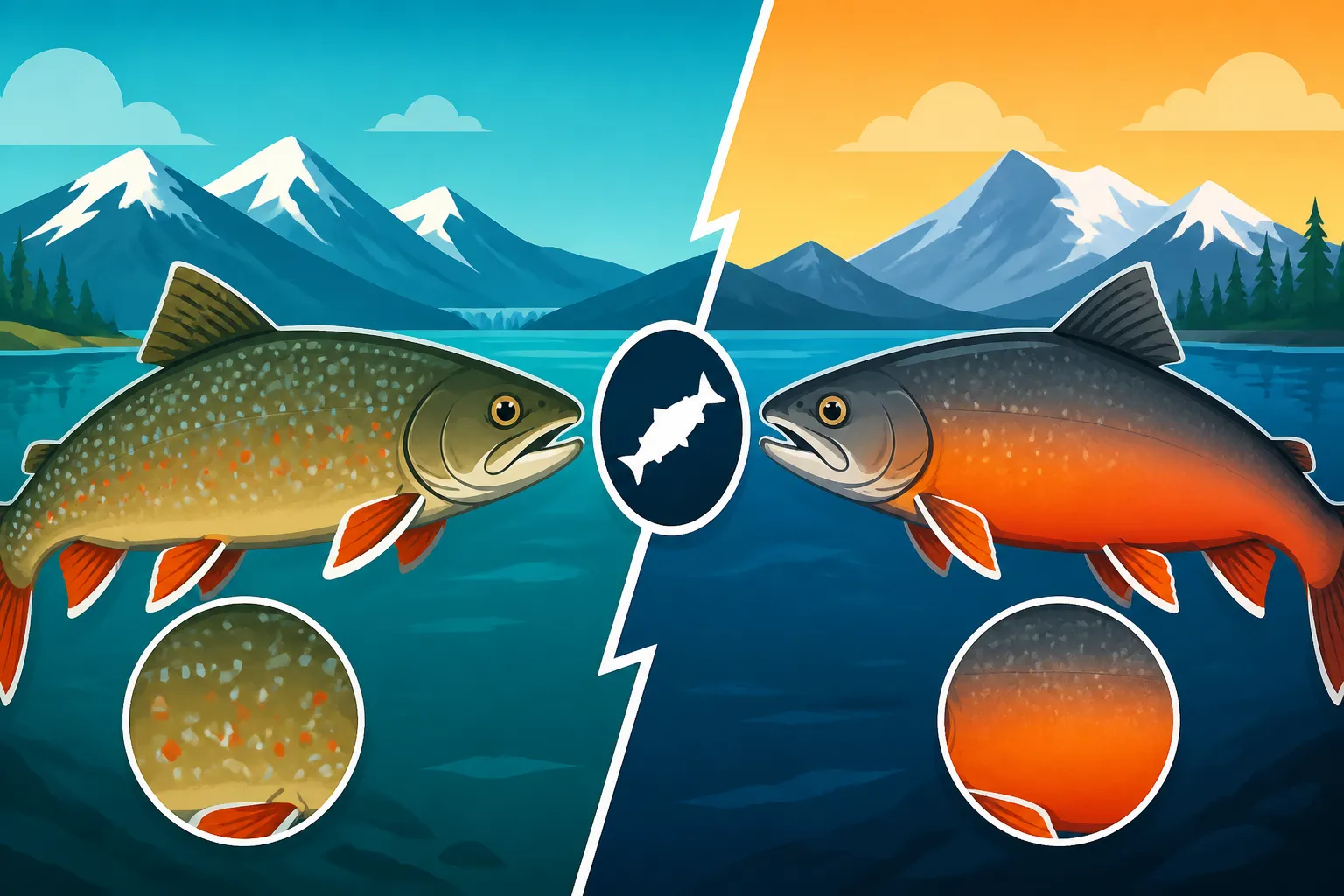
Let's break down the Dolly Varden's physical traits. Generally, Dolly Varden tend to have a more elongated, slender body shape compared to Arctic Char, though this can be subjective and vary with age and condition. The most reliable visual cue lies in their spots and fin coloration. Dolly Varden typically display distinct, well-defined, and often larger spots on their flanks. These spots are usually lighter than their body color, often appearing salmon-pink, reddish, or sometimes yellowish-white. Crucially, these spots extend well above and below the lateral line and often onto the dorsal fin. Their overall body color can range from olive-green to silvery, depending on whether they are in freshwater or saltwater, and can become quite vibrant with deep reds and oranges during spawning.
Another key identifier for Dolly Varden is the absence of a prominent white leading edge on their pectoral, pelvic, and anal fins. While they might have a subtle, faint light edge, it won't be as stark or clean as what you'd typically see on an Arctic Char. Their fins themselves often match the darker body coloration or have a slight orange or yellow tint, without the crisp, bright white that Arctic Char usually sport. Always take a moment to gently spread the fins and examine these edges – it’s a small detail that makes a big difference.
Habitat and Feeding Habits
Dolly Varden are incredibly adaptable and are found in a wide variety of cold, clear water habitats throughout much of Alaska. You'll commonly encounter them in rivers, streams, and coastal areas, particularly in Southcentral and Southeast Alaska. They are famous for their anadromous migrations, moving from freshwater rivers and lakes out to saltwater bays and estuaries to feed, before returning to freshwater to spawn. This migratory behavior is often closely tied to salmon runs; Dolly Varden are opportunistic feeders that eagerly follow spawning salmon to feast on protein-rich salmon eggs. This makes them a prime target for anglers using egg patterns during the salmon season.
Their diet is quite diverse. Younger Dolly Varden in freshwater will primarily feed on aquatic insects, nymphs, and small crustaceans. As they grow, especially the anadromous forms, their diet expands to include smaller fish, herring, and, as mentioned, copious amounts of salmon eggs. When you're fishing a river like the Russian River or a stream in Southeast Alaska during a salmon run, it's highly probable that many of the char you hook are indeed Dolly Varden, gorging themselves on the abundant roe. Understanding these feeding habits and typical locations can provide a powerful clue when you're trying to figure out if it's a Dolly or a Char.
Key Distinguishing Features of Arctic Char
Now, let's turn our attention to the Arctic Char, a fish renowned for its beauty and often found in more remote, pristine environments. Knowing the specific traits of this species, and understanding its common habits, is essential for a true Alaska fishing enthusiast. This knowledge is particularly useful when you're targeting these fish or comparing them to Dolly Varden, as covered in our guide on Alaska Arctic Char: Facts, Season, and How to Catch.
Physical Characteristics and Spotting Patterns
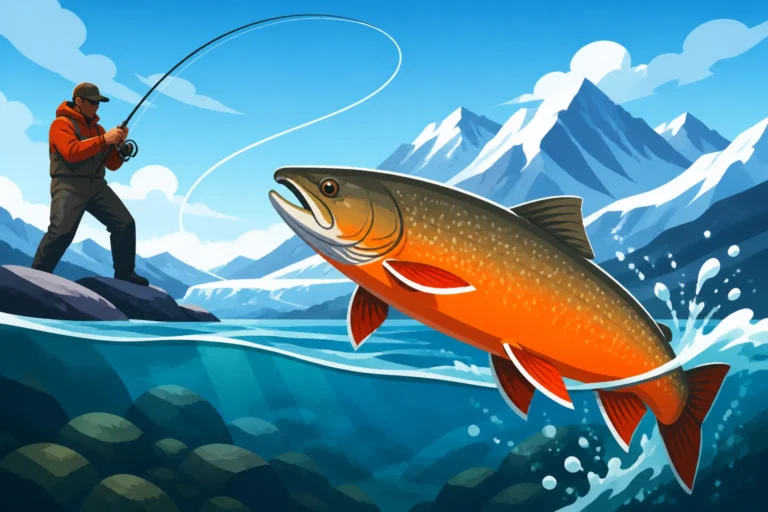
Arctic Char typically present a more robust, "football" shaped body, appearing stouter and deeper-bodied than the more streamlined Dolly Varden. Again, this is a generalization, but it’s a useful first impression. The most reliable physical characteristic to look for on an Arctic Char is the distinct, often vivid, white leading edge on its pectoral, pelvic, and anal fins. This white trim is usually quite pronounced and acts as a clear differentiator from the Dolly Varden. While a Dolly might have a faint light edge, the Arctic Char's white is usually crisp and clean, almost like it's been painted on.
When it comes to spots, Arctic Char generally have smaller, more numerous spots on their flanks compared to Dolly Varden. These spots are typically yellow or orange, often appearing more scattered and less distinct than the pinkish-red spots of the Dolly Varden. The overall body coloration of Arctic Char is incredibly variable, ranging from silvery-green to dark brown or even brilliant orange-red during spawning, especially in landlocked populations. A vibrant red-bellied char from an isolated lake is almost certainly an Arctic Char, as Dolly Varden typically don't reach such intense spawning colors without the presence of salmon eggs in their diet.
Habitat and Feeding Habits
Arctic Char are truly fish of the North, preferring colder, deeper lakes and rivers, particularly in the Interior and northern regions of Alaska. While some populations are anadromous and migrate to saltwater, many Arctic Char are resident in freshwater lakes, sometimes for their entire lives. They thrive in environments where water temperatures remain consistently low, often in lakes with significant depth or those fed by glaciers. You’re less likely to find large populations of Arctic Char in the warmer, shallower, or more disturbed river systems where Dolly Varden might flourish.
Their diet varies significantly based on habitat and available food sources. In lakes, they might prey on smaller fish like sticklebacks or whitefish, as well as a variety of zooplankton and aquatic insects. Anadromous Arctic Char will feed on marine invertebrates and small baitfish during their time in saltwater. Unlike Dolly Varden, which are often found congregating around salmon spawning beds to feed on eggs, Arctic Char are generally less reliant on salmon runs for their primary food source, especially the landlocked populations. If you're fishing a remote, deep lake far from the ocean in Alaska, particularly in areas like the Bristol Bay region or further north, there's a very good chance you're encountering Arctic Char. Knowing their typical haunts and dietary preferences can offer valuable clues to help you identify your catch.
Side-by-Side Comparison: Spot the Differences
Putting these characteristics into a direct comparison is often the best way to solidify your identification skills. It's like learning to spot different bird species; you start by looking at general shape and then zoom in on the specific markings, color patterns, and unique behaviors. With Dolly Varden and Arctic Char, it really comes down to a few critical visual cues.
Visual Cues for Quick Identification
When you've got a fish in hand (or safely in a net, if you're practicing catch-and-release), here’s a quick mental checklist to run through.
Key Visual Identifiers for Dolly Varden vs. Arctic Char
| Feature | Dolly Varden | Arctic Char |
|---|---|---|
| Body Shape | More slender, elongated, often torpedo-like | More stout, deeper-bodied, often "football" shaped |
| Spots | Larger, fewer, distinct pink/red/yellowish-white | Smaller, more numerous, yellowish/orange |
| Fin Edges | Lacking prominent white leading edges on fins | Distinct, prominent white leading edges on pectoral, pelvic, and anal fins |
| Overall Color | Olive-green, silvery (ocean) to red/orange (spawn); spots extend onto dorsal fin | Silvery-green to dark brown or vibrant orange-red (spawn); spots rarely on dorsal fin |
| Pyloric Caeca | Typically 20-30 (requires dissection, not for field ID) | Typically 40-50+ (requires dissection, not for field ID) |
The table above summarizes the main points. Remember, the white leading edge on the fins is perhaps the most consistent visual difference for anglers in the field. Always check those lower fins! If you’re still unsure, gently take a clear photo of the fish from different angles, focusing on the spots and fins, and then release it quickly and safely. You can always consult a local expert or a good fish identification guide later. Many excellent field guides are available that can be found on Amazon, offering detailed illustrations and descriptions.
Geographic Clues and Distribution Overlaps
While visual identification is key, understanding the general geographic distribution of these two species in Alaska can also provide a strong hint. Dolly Varden are widely distributed throughout Southcentral and Southeast Alaska, particularly in coastal drainages. Rivers and streams on the Kenai Peninsula, in Prince William Sound, and across Southeast Alaska are prime Dolly Varden territory.
Arctic Char, conversely, are more prevalent in northern and Interior Alaska, often found in remote, cold-water lake systems of the Brooks Range, Bristol Bay, and other northern drainages. However, and this is where the confusion peaks, there are significant areas of overlap. For example, some river systems in the Bristol Bay region, like those feeding into Lake Iliamna, can have both species. The same applies to specific drainages on the Kenai Peninsula or in the Copper River basin. Knowing the specific location you're fishing is crucial, but it's not always a definitive answer. Think of it as another piece of the puzzle. Combining your knowledge of the Alaska Fish Species Guide and Alaska Freshwater Fish Species for your specific area with careful visual inspection will give you the best chance of accurate identification.
The "Red Flag" Scenarios and What to Do
Even with all the knowledge in the world, sometimes you'll encounter a fish that just doesn't quite fit the mold, or you'll be in a situation where certainty is elusive. These "red flag" scenarios are where responsible angling really comes into play. It's better to err on the side of caution than to accidentally violate regulations or harm a vulnerable population.
When In Doubt: Observe and Release
This is perhaps the most important piece of advice when dealing with tricky fish identification: when in doubt, observe, document if possible, and then release. Conservation is paramount in Alaska, and misidentifying a fish could lead to unintentional violations of bag limits or retention rules, especially if one species is protected or has stricter regulations than the other. Take a moment to admire the fish, try to apply the identification cues we've discussed, and if you're still not 100% sure, it's best to let it go unharmed.
If you want to try and identify it later, quick, clear photographs are invaluable. Snap a few shots from different angles, making sure to capture the entire body, especially the fins (pectoral, pelvic, anal) and the spotting patterns on the flanks. A photo next to a ruler or a familiar object can help with size estimation. Many anglers use waterproof phone cases or compact cameras, which can be found easily on Amazon, to capture these moments without risking their gear. Always handle the fish gently, minimize its time out of water, and release it with care to ensure its survival. This practice not only protects the resource but also gives you a chance to learn more from your experience later.
Learning from Experience and Local Knowledge
One of the greatest resources for distinguishing these char species is the collective wisdom of local anglers, guides, and Alaska Department of Fish and Game (ADF&G) personnel. Don't be shy about asking questions! If you're on a guided trip, your guide will be an invaluable source of information. They spend countless hours on the water and develop an incredible eye for these subtle differences. Tackle shop owners in towns like Soldotna, Seward, or Homer are also often brimming with local knowledge and are happy to share tips for identifying fish in their specific areas.
Furthermore, make it a habit to regularly consult ADF&G publications. The annual How to Read the Alaska Sport Fishing Regulations Booklet is a must-read, and they often have online resources, identification charts, and even biological reports that can provide detailed information specific to your fishing region. Engaging with online fishing forums and communities can also be beneficial; experienced anglers often post photos and offer insights into identification, and you might even discover new gear or useful guides available on Amazon through these discussions. The more you immerse yourself in the local angling scene and educate yourself with official resources, the better you’ll become at distinguishing these beautiful fish.
Why Correct Identification Matters
Beyond the personal satisfaction of knowing what you’ve caught, correctly identifying Dolly Varden and Arctic Char carries significant weight, particularly when it comes to legal compliance and the sustainability of Alaska's cherished fisheries. It's not just about bragging rights; it's about being a responsible angler.
Bag Limits and Regulatory Compliance
This is perhaps the most crucial reason for precise identification. Both Dolly Varden and Arctic Char are managed species in Alaska, and they often have different Alaska Fishing Limits and Bag Limits Explained depending on the region, the specific waterbody, and the time of year. For instance, in some areas, the bag limit for Dolly Varden might be more generous than for Arctic Char, or vice-versa. There might be size restrictions, gear limitations, or even catch-and-release only rules for one species while the other is open for retention.
Imagine you're fishing a lake that has a two-fish bag limit for Dolly Varden but a one-fish limit for Arctic Char, or perhaps Arctic Char are catch-and-release only. If you mistakenly identify an Arctic Char as a Dolly Varden and keep too many, you could unknowingly be in violation of regulations. This isn't just a minor oversight; it can lead to significant Alaska Fishing Violations and Fines. Ignorance of the law is generally not a valid defense, and ADF&G enforcement officers take these rules seriously to protect fish populations. Taking the time to accurately identify your catch ensures you stay within legal bounds and contribute to sustainable fishing practices for future generations. Make sure you also understand general Alaska Fishing Regulations Explained for any waters you plan to visit.
Personal Satisfaction and Angler Knowledge
Finally, and perhaps most enjoyable for the passionate angler, accurate identification brings a deeper level of satisfaction and enhances your overall angling knowledge. There's a profound sense of accomplishment in being able to confidently name the species at the end of your line, especially when it's one of the tricky char family members. It connects you more intimately with the ecosystem and the diverse aquatic life of Alaska.
Developing a keen eye for the subtle differences between species, whether it's Dolly Varden and Arctic Char or learning How to Identify Alaska Salmon Species, hones your skills as a naturalist and angler. It encourages you to observe more closely, to learn about their biology, behavior, and the habitats they thrive in. This journey of discovery makes every fishing trip more enriching and educational. So, the next time you're out there, take that extra moment, examine those fins and spots, and truly appreciate the unique beauty of each fish you encounter. It’s all part of the incredible adventure of fishing in Alaska!
Disclaimer
Please remember that fishing regulations in Alaska can change frequently due to emergency orders and biological assessments. Always consult the most current Alaska Department of Fish and Game (ADF&G) regulations booklet or website before heading out to fish. The information provided in this guide is for general informational purposes only and should not be considered legal advice.