Where to Catch Arctic Grayling in Alaska
Finding that perfect fishing spot in Alaska, especially when you're after a specific species like the elusive Arctic Grayling, can sometimes feel like trying to locate a needle in a haystack. Many anglers dream of catching these sail-finned beauties but aren't sure where to begin their search in such a vast state. This guide is designed to cut through the guesswork, pinpointing the best places to find Arctic Grayling and offering practical advice to make your pursuit successful.
Understanding Arctic Grayling Habitat Preferences
Arctic Grayling are truly special fish, often considered an indicator species for pristine freshwater environments. Unlike the mighty salmon or halibut, they thrive in very specific conditions, making them a unique challenge and a rewarding catch. If you want to find them, you first need to understand their natural homes.
Cold, Clear Waters are Key
Grayling absolutely adore cold, clear, and highly oxygenated water. Think about those breathtaking Alaskan streams fed by melting glaciers or bubbling spring water – that's prime grayling country. They are very sensitive to changes in water quality and temperature, which means you typically won't find them in murky, warm, or heavily polluted waters. This preference often pushes them into headwater streams, alpine lakes, and smaller tributaries where the water remains crisp and cool, even during the height of summer.
Picture yourself wading through a stream where you can see every pebble on the bottom, the current clear as glass, and the air has that fresh, wild scent. That's the kind of place where an Arctic Grayling will rise to your fly. They gravitate towards areas with good riffle-pool habitat, where the water flows quickly over rocks, creating oxygen-rich rapids, then slows down into deeper, calmer pools for resting and feeding. Knowing this helps you identify potential grayling havens just by looking at the water.
Remote and Pristine Environments
Because of their sensitivity, Arctic Grayling often thrive in more remote and less disturbed environments. While you can certainly find them near some road systems, the most robust populations and the largest fish often require a bit more effort to reach. These are typically areas far from heavy industrial activity, agricultural runoff, or dense human population. This isn't just about pollution; it's also about fishing pressure. Grayling are eager biters, which can make them susceptible to overfishing in easily accessible areas.
Venturing into these pristine wilderness areas offers an unparalleled fishing experience. Imagine a secluded lake nestled in a valley, reachable only by floatplane or a long hike, where the only sounds are the wind and the occasional splash of a rising fish. These are the places where grayling truly flourish, growing to impressive sizes without constant angling pressure. This also means you'll need to be self-sufficient and prepared for true wilderness travel, but the reward of untouched beauty and eager grayling is well worth the effort.
Key Regions for Arctic Grayling Fishing in Alaska
Alaska is a huge state, and while grayling are widespread, certain regions stand out as true hotspots. Focusing your search on these areas will significantly increase your chances of finding these beautiful fish.
Interior Alaska: The Grayling Heartland
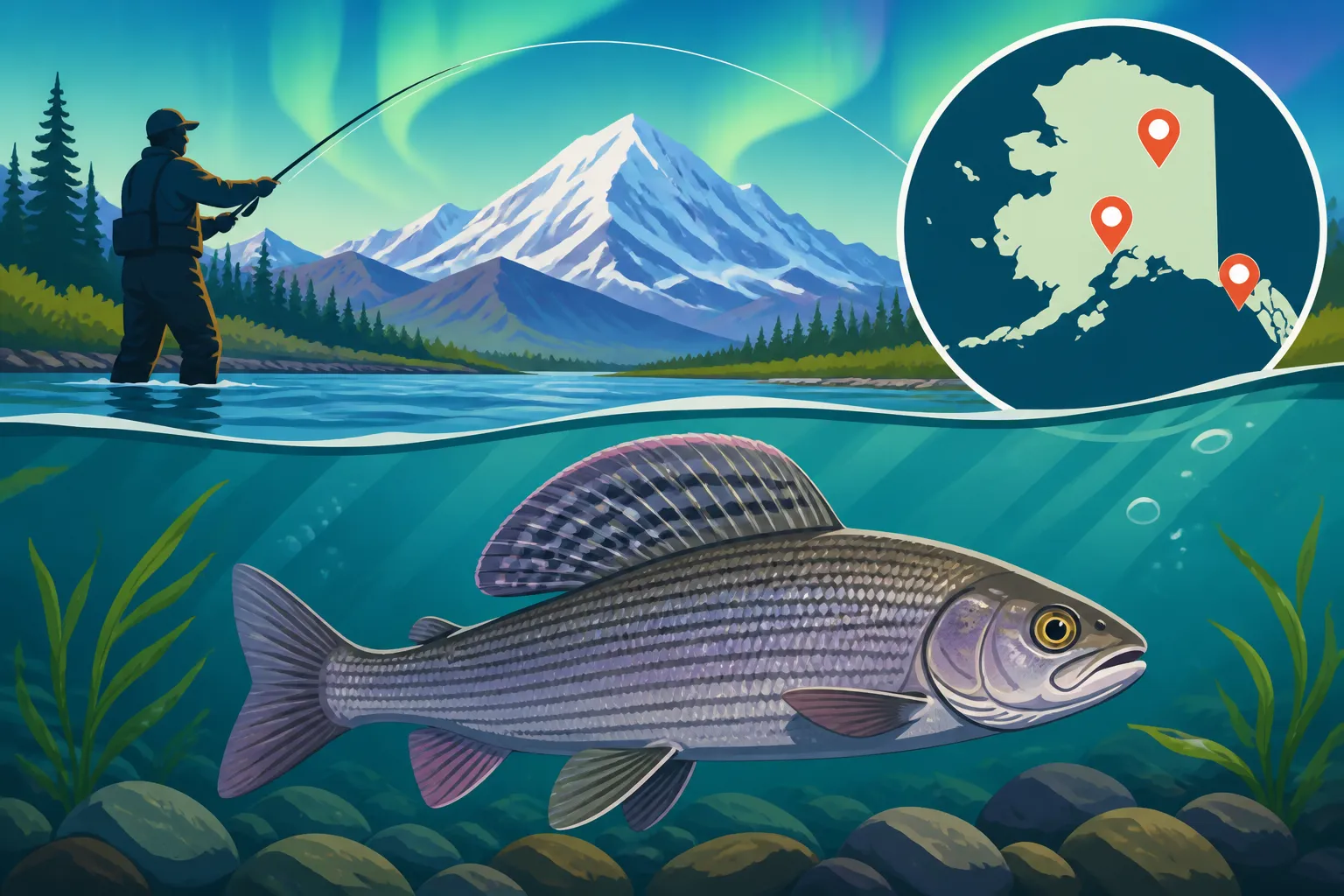
When most Alaskans think of Arctic Grayling, they think of the Interior. This vast region, encompassing areas around Fairbanks, Delta Junction, and extending north, east, and west, is truly the heartland for these fish. The countless rivers, streams, and lakes that crisscross the Interior provide the ideal cold, clear, and unpolluted habitat that grayling demand. The long, sunny summer days here also contribute to abundant insect hatches, which is crucial for their growth.
Within Interior Alaska, you'll find everything from roadside accessible streams to remote fly-in lakes teeming with grayling. Places like the Chena River and its tributaries near Fairbanks are popular and relatively easy to reach. Further afield, the vast network of waterways off the Denali Highway, like the Tangle Lakes complex, offers phenomenal opportunities for both quantity and size. If you're looking for a dedicated grayling trip, the Interior should be at the top of your list, as it consistently produces some of the state's largest and most numerous grayling catches.
Southcentral Alaska's Hidden Gems
While Southcentral Alaska is famous for its massive salmon runs and halibut fishing, it also harbors some fantastic Arctic Grayling opportunities, though they tend to be more localized. You'll typically find them in the upper reaches of river systems or in remote, spring-fed lakes, especially as you move away from the heavily glaciated or silty waters closer to the coast. The grayling here might not always be as abundant as in the Interior, but they are often found in breathtaking settings and can still reach respectable sizes.
Areas like the Susitna River drainage, particularly its clearer tributaries, can hold good numbers of grayling. The Talkeetna area, for instance, offers access to some streams where grayling are present, often alongside rainbow trout. Exploring the less-pressured waters of the Matanuska-Susitna Valley can lead to some delightful surprises. Even some of the clearer, smaller streams on the Kenai Peninsula, particularly in higher elevations, might surprise you with a few grayling, though it's more challenging to target them exclusively there. Always check the current Alaska Fishing Regulations Explained for specific areas, as rules can vary greatly.
Western and Northern Alaska: The Untouched Wilderness
For the truly adventurous angler seeking pristine wilderness and potentially untouched grayling populations, Western and Northern Alaska offer incredible prospects. These regions are vast, sparsely populated, and incredibly remote, providing countless miles of perfect grayling habitat. Think about the tributaries of major river systems like the Yukon and Kuskokwim, or the numerous lakes and streams that dot the Seward Peninsula and beyond.
Access to these areas almost always requires a bush plane, making them true fly-out adventures. While costly, the experience is unparalleled: you'll likely have entire rivers to yourself, with grayling that have rarely, if ever, seen a fly or lure. Many remote lodges, especially those in the Bristol Bay region that cater to salmon and trout, will also have access to smaller streams where Arctic Grayling are abundant. These trips are about more than just fishing; they're about experiencing the raw, untamed beauty of Alaska's most wild places and connecting with fish in their purest form.
Specific Rivers and Lakes Known for Grayling
Now let's get down to the brass tacks: where exactly can you go to find these spirited fish? Alaska offers a range of options, from spots easily reachable by car to those requiring a floatplane.
Accessible Road System Destinations
For many anglers, the convenience of the road system is paramount, and thankfully, you don't have to venture into the deepest bush to find Arctic Grayling. Some of the most popular and productive grayling waters are surprisingly accessible.
-
Denali Highway Lakes and Streams: This gravel highway, connecting Paxson on the Richardson Highway to Cantwell on the Parks Highway, is legendary for its grayling fishing. The numerous lakes, such as Tangle Lakes, Paxson Lake, and its tributary streams, are absolutely loaded with grayling. You can literally pull off the road, hike a short distance, and be casting to rising fish. The grayling here are abundant, and while many are in the 10-14 inch range, larger fish up to 18 inches are caught regularly. This is a fantastic place for a multi-day camping and fishing trip, and it's particularly popular with fly anglers.
-
Chena River and Its Tributaries (Fairbanks Area): Just outside Fairbanks, the Chena River State Recreation Area offers excellent grayling fishing. The main stem of the Chena, particularly its middle and upper sections, holds good numbers of grayling. Even better are its feeder streams and sloughs, which provide quieter, more intimate settings. These waters are easily accessed via the Chena Hot Springs Road. Anglers can find plenty of grayling in the 8-12 inch class, with occasional larger ones. It's a perfect spot for a day trip if you're staying in Fairbanks.
-
Montana Creek (Talkeetna Area): A bit further south in Southcentral Alaska, Montana Creek, especially its upper clearwater sections, can offer good grayling opportunities. It's a popular King Salmon spot, but during specific times and in specific areas, grayling are present. Access can involve some hiking or ATVs, but it's generally considered roadside accessible. Remember, when fishing areas with multiple species, always be aware of the specific Alaska Fishing Limits and Bag Limits Explained for each type of fish.
Fly-In and Remote Wilderness Waters
If your budget allows and you crave a true Alaskan wilderness experience, fly-in trips to remote lakes and rivers can offer world-class Arctic Grayling fishing, often for larger, less pressured fish.
-
Tributaries of the Yukon and Kuskokwim Rivers: These massive river systems have countless clearwater tributaries that are absolutely teeming with Arctic Grayling. Because of their remoteness, many of these streams see very little fishing pressure, allowing the grayling to grow quite large. Locations like the Innoko River or various streams on the Koyukuk River drainage are known for their grayling and can be accessed via air taxi from smaller hub towns.
-
Alaska Peninsula Streams: While famous for its bears and salmon, the streams and lakes of the Alaska Peninsula also hold impressive populations of Arctic Grayling. These waters are often crystal clear, flowing out of volcanic highlands or tundra, creating ideal conditions. Fly-in lodges in the Bristol Bay region often include grayling fishing as part of their multi-species packages, offering incredible opportunities to catch trophy-sized fish in spectacular surroundings. This truly embodies the Best Fishing Spots in Alaska for the adventurous angler.
Lakes Versus Rivers: Different Approaches
Grayling inhabit both lakes and rivers, and understanding the differences in their behavior in each can help you tailor your approach.
In rivers and streams, grayling typically hold in slower currents adjacent to faster water, in eddies, and in the tails of pools. They're often looking up for insects drifting downstream, making them prime targets for dry flies. They're also commonly found in riffles, darting out to grab nymphs or small baitfish. The current dictates their positioning, and stealth is often key as they can be easily spooked in clear, shallow waters.
In lakes, especially those with significant insect hatches, grayling will cruise the shallows, particularly near inlets and outlets, and along weed lines. During heavy hatches, they will actively rise to surface insects, offering exciting dry fly opportunities. In deeper lakes, they might be found suspended or near the bottom, especially when targeting scuds or other aquatic invertebrates. Sometimes, a small boat or float tube can greatly expand your access to lake grayling, allowing you to cover more water and find those actively feeding fish.
| Location Type | Accessibility | Typical Grayling Size | Primary Fishing Method | Notes |
|---|---|---|---|---|
| Denali Highway | Roadside (gravel) | 10-16 inches | Fly fishing (dry/nymphs) | Multiple lakes & streams, camping friendly |
| Chena River (Upper) | Roadside (paved/gravel) | 8-14 inches | Fly/Spin (small spinners) | Near Fairbanks, popular day trip |
| Montana Creek | Roadside (some hike/ATV) | 8-14 inches | Fly/Spin | Mixed species, check regulations carefully |
| Yukon/Kuskokwim Tributaries | Fly-in (bush plane) | 14-20+ inches | Fly fishing (variety) | Remote wilderness, trophy potential |
| Alaska Peninsula Streams | Fly-in (lodge access) | 12-18 inches | Fly fishing (dries/streamers) | Pristine, often combined with salmon/trout trips |
| Tangle Lakes | Roadside (Denali Hwy) | 10-16 inches | Fly/Spin | Good boat/kayak access, abundant hatches |
Planning Your Arctic Grayling Fishing Adventure
Catching Arctic Grayling is a truly unique Alaskan experience, but a successful trip requires a bit of planning, especially regarding gear, timing, and technique. They aren't the biggest fish, but they are spirited fighters and beautiful to behold.
Essential Gear for Grayling
You don't need heavy-duty tackle to enjoy grayling fishing; in fact, lighter gear makes the experience even more thrilling.
- Rods and Reels: For fly fishing, a 3-weight or 4-weight rod, 7.5 to 9 feet long, paired with a matching reel is perfect. This light setup will make even a 12-inch grayling feel like a trophy. For spin fishing, an ultralight rod (5-6 feet) with a small spinning reel spooled with 4-6 lb test monofilament or fluorocarbon is ideal. You can find excellent options for both setups on Amazon, ensuring you have quality gear for your adventure.
- Lines and Leaders: For fly fishing, a weight-forward floating line is versatile for most conditions. Leaders should be long and thin, typically 7.5 to 9 feet tapering down to 4x or 5x tippet. Grayling can be line-shy in clear water. For spin fishing, a light line will allow for better casting of small lures and a more natural presentation.
- Lures and Flies: Grayling are insectivores, so flies are often the most effective. Dry flies like an Adams, Mosquito, Elk Hair Caddis, or a small Parachute Purple Haze in sizes #12-18 are absolute killers when fish are rising. Don't forget nymphs like Prince Nymphs, Hare's Ear, or Copper Johns, especially in sizes #14-18, for subsurface feeders. Small spinners (like a #0 or #1 Mepps Aglia or Panther Martin) in silver, gold, or black are incredibly effective for spin anglers. Micro jigs or small spoons can also entice a strike. Bringing a variety ensures you're ready for whatever the grayling are keying in on. For a more detailed look at what to pack, check out our Alaska Fishing Gear and Tackle Guide.
- Waders and Rain Gear: Even in summer, Alaskan waters are cold. Neoprene or breathable waders are essential for staying comfortable. A good quality waterproof and breathable rain jacket and pants are also non-negotiable, as weather in Alaska can change rapidly. Don't let a sudden downpour cut your trip short!
Best Times and Conditions
Timing your trip can make a huge difference in your grayling success.
- Seasonality: The prime time for Arctic Grayling fishing typically runs from late May through September.
- Early Season (Late May – June): As ice melts and waters warm slightly, grayling become very active, feeding heavily after winter. This is a great time for strong nymphing and streamer fishing, as well as early dry fly hatches. You'll find a lot of information on this in our Alaska Fishing Seasons: Month-by-Month Guide.
- Mid-Season (July – August): This is often considered the peak. Insect hatches are prolific, and grayling are frequently rising to dry flies. The weather is generally warmer, and access is at its best.
- Late Season (September): As temperatures drop, grayling activity can remain strong, especially on sunny days. They'll be putting on weight for winter, and you might encounter larger fish, though hatches might be less consistent.
- Daily Conditions: Grayling are often most active during cooler parts of the day, particularly early morning and late evening, or on overcast days. However, during prolific insect hatches, they can feed aggressively throughout the day. Keep an eye on the water for rising fish – a tell-tale sign of feeding activity. Wind can make dry fly fishing challenging, but calmer conditions are often ideal.
Techniques That Work
Arctic Grayling are known for being eager biters, which makes them a joy to catch, especially for beginners or those who enjoy consistent action.
- Fly Fishing: This is arguably the most popular and effective method for grayling.
- Dry Flies: When grayling are rising, nothing beats the excitement of watching them sip your dry fly from the surface. Cast upstream or up-and-across, allowing your fly to drift naturally over likely holding water. A proper drag-free drift is crucial.
- Nymphing: When fish aren't rising, fishing nymphs under an indicator or using a "dry-dropper" rig (a nymph tied off the bend of a dry fly) can be incredibly productive. Focus on seams, current breaks, and the heads and tails of pools.
- Streamers: Small streamer patterns, stripped through deeper pools or swung across currents, can also entice larger grayling, especially during cooler water temperatures or when they're targeting small baitfish.
- Spin Fishing: For those who prefer spin gear, light tackle with small lures is the way to go.
- Spinners: Cast small inline spinners upstream or quartering upstream and retrieve just fast enough to get the blade spinning. Vary your retrieve speed until you find what triggers a strike.
- Spoons and Jigs: Tiny spoons, cast and reeled steadily, can also be effective. Micro jigs, fished under a bobber or twitched along the bottom, imitate nymphs and can work wonders.
- Conservation: Grayling are a delicate species, and responsible angling is vital. Practice catch-and-release, especially for larger fish, using barbless hooks and minimizing handling. If you do keep fish, always adhere to the Alaska Fishing Limits and Bag Limits Explained and remember to properly fill out your Alaska Harvest Record Card Explained. Their vibrant colors and magnificent dorsal fins make them a truly photogenic fish, so make sure to get that quick photo before a gentle release.
Ultimately, whether you're driving the Denali Highway or flying into a remote tundra stream, the quest for Arctic Grayling in Alaska is about more than just the fish; it's about the journey into some of the most stunning wilderness on Earth.
Disclaimer
Please be aware that fishing regulations in Alaska can change frequently due to emergency orders and conservation efforts. Always consult the most current Alaska Department of Fish and Game regulations booklet and check for any emergency orders for your specific fishing location before heading out. This guide provides general information and should not be used as a substitute for official regulations.