Sockeye vs Coho Salmon Differences
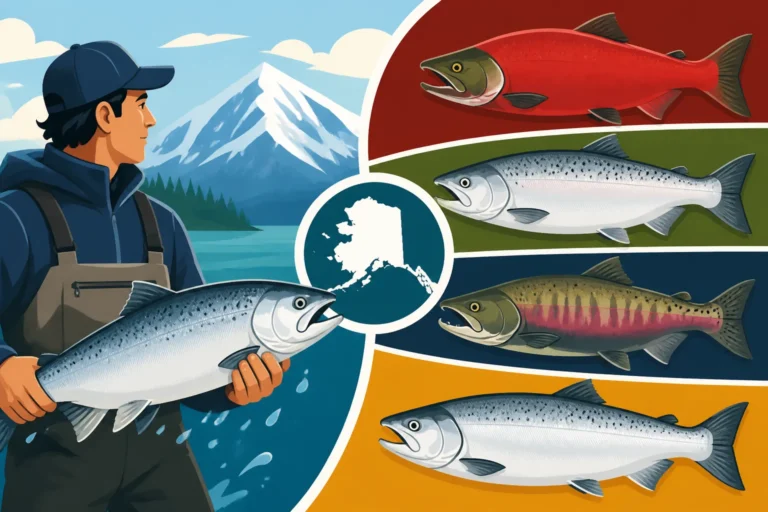
One of the most common challenges for both seasoned anglers and first-time visitors to Alaska is confidently distinguishing between the incredible bounty of salmon species. While a vibrant red Sockeye salmon in spawning colors is unmistakable, telling the difference between a silvery Sockeye and a bright Coho salmon fresh from the ocean can be surprisingly tricky, leading to confusion over regulations, fishing tactics, and even culinary expectations. This comprehensive guide will meticulously break down the unique characteristics, behaviors, and fishing strategies for both Sockeye and Coho salmon, ensuring you can identify your catch, comply with local rules, and truly appreciate each species.
Understanding the Visual Cues of Sockeye and Coho Salmon
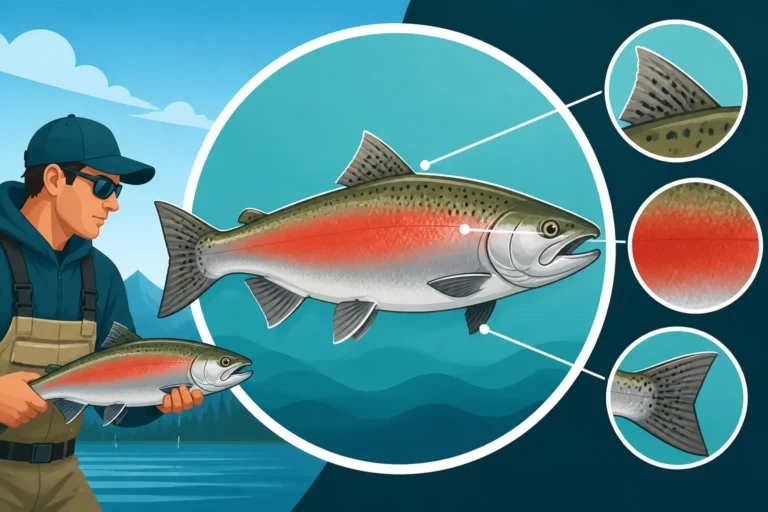
When you're out on the water, whether it's the famed Kenai River or the open waters of Prince William Sound, knowing what's on the end of your line is crucial. While both Sockeye and Coho are magnificent fish, they possess several distinct physical attributes that, once you know what to look for, make identification much clearer. It's not just about size or general color; there are subtle but important anatomical markers that will guide you.
Distinguishing Features: Size, Shape, and Coloration
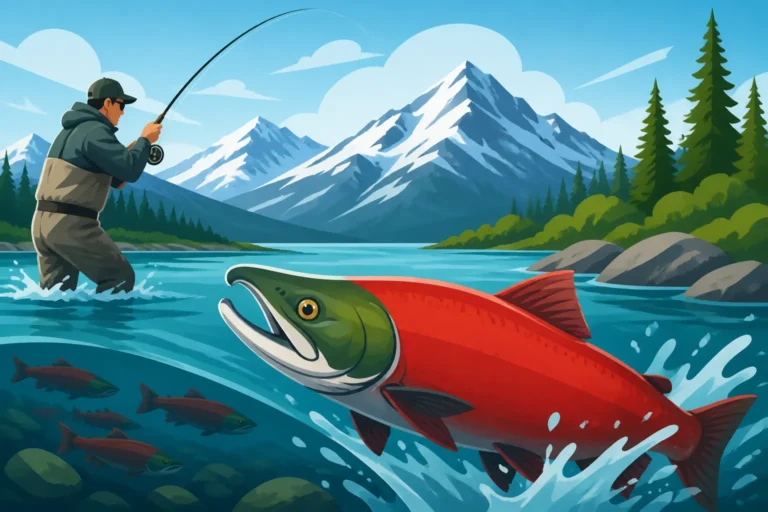
Let's start with the basics. Sockeye salmon, often called "red salmon" due to their brilliant scarlet spawning coloration, typically have a more streamlined, torpedo-like body shape. When they first enter freshwater from the ocean, they are a beautiful, iridescent blue-green on their backs with silvery sides, often lacking prominent spots. Their average size generally falls into the 4 to 12-pound range, though some larger individuals can exceed this. However, it’s worth noting that even a plump Sockeye might not feel as robust as a Coho of similar length. For a more general overview of these and other salmon, check out our guide on Types of Salmon in Alaska Explained.
Coho salmon, or "silver salmon," tend to have a slightly more compressed, thicker body profile. While also silver-sided and dark-backed when fresh from the ocean, they often display small, indistinct spots on their backs and the upper lobe of their caudal (tail) fin. Coho typically range from 8 to 15 pounds, with trophy fish easily hitting 20 pounds or more, giving them a generally larger and more robust feel compared to Sockeye. Their coloration, even when ocean-bright, can have a slightly bluish tint to the top of their heads. As they transition to spawning, Coho develop a darker back and reddish-maroon sides, but rarely reach the intense, uniform red of a spawning Sockeye.
Mouth and Gill Raker Characteristics
Now, we're getting into the nitty-gritty, the details that truly differentiate these fish when their colors are similar. The mouth of a Sockeye salmon is relatively small and more pointed compared to a Coho. Crucially, when you look inside, a Sockeye's gums at the base of the teeth are white on both the upper and lower jaw. This is a very reliable identifier. Additionally, Sockeye have more numerous, longer, and more closely spaced gill rakers—the bony projections inside their gill arches used for filtering plankton—which is a tell-tale sign of their planktivorous diet in their early life stages.
In contrast, Coho salmon have a larger, more blunt snout and mouth. When you check their gums, you'll find they are typically black or dark-colored along the base of the teeth on the lower jaw, while the upper gum line remains white. This black gum line is a classic identifier for Coho. Their gill rakers are fewer in number, shorter, and more widely spaced than those of a Sockeye, reflecting their more predatory diet as juveniles and adults. These subtle but consistent differences in mouth and gill structure are often the most definitive way to tell them apart, especially when their ocean-fresh silvery appearance can be confusing.
Pre-Spawn Versus Spawning Appearance
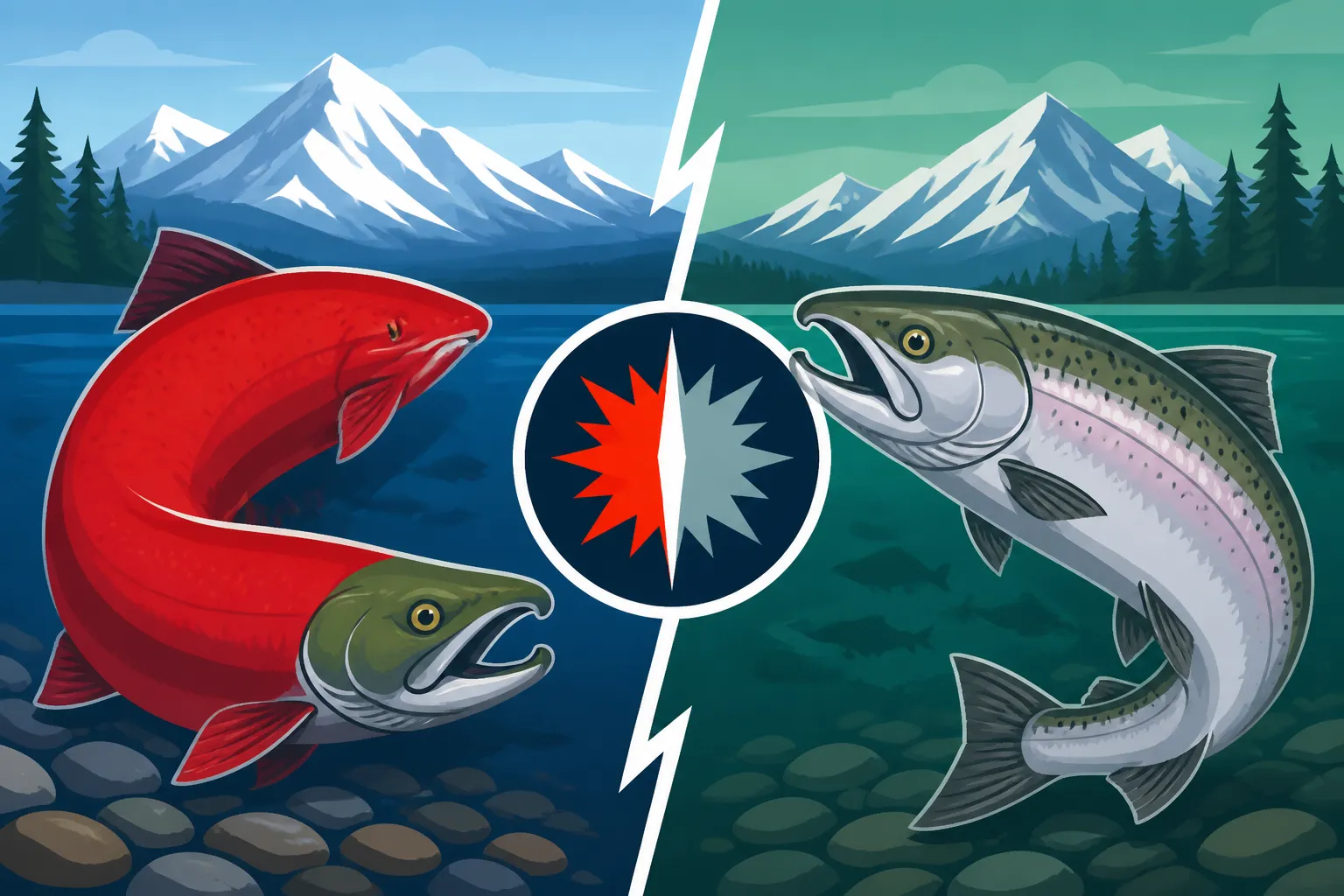
The visual transformation both Sockeye and Coho undergo as they approach and begin their spawning ritual is nothing short of dramatic, but the changes differ significantly between the species. Ocean-phase Sockeye are sleek and silvery, as described, but once they enter freshwater and head upstream, they quickly begin their iconic color change. Their bodies turn a brilliant, uniform red, while their heads become a distinct olive green. The males develop a pronounced humped back and a hooked jaw (kype), making them one of the most visually striking fish in Alaskan rivers.
Coho salmon, while also undergoing a significant transformation, don't quite reach the same fiery intensity as Sockeye. Ocean-fresh Coho are silver, but as they move into spawning grounds, their backs darken, and their sides turn a deep reddish-maroon or brownish-red. Males develop a kype, often more elongated and pronounced than a Sockeye's, and their backs can become somewhat humped, though typically less dramatically so than a King salmon. Their dorsal fin often shows some dark spots, which might fade but are usually still discernible. The stark difference in their ultimate spawning colors is perhaps the easiest way to tell mature individuals apart, though these fish are generally not targeted for sport fishing once their flesh degrades significantly. Learning How to Identify Alaska Salmon Species is truly an art form that pays dividends.
Habitat Preferences and Life Cycle Variations
While both Sockeye and Coho salmon are anadromous, meaning they hatch in freshwater, migrate to the ocean to grow, and return to freshwater to spawn, their specific habitat requirements and life cycle strategies show crucial differences. These variations dictate where and when you're likely to encounter them, and even influence their behavior. Understanding their unique journeys helps you appreciate the intricate ecosystems they rely upon.
Preferred Spawning Grounds
Sockeye salmon have a rather specific preference for spawning grounds. They are fundamentally lake-type salmon, meaning their young (fry) typically require a lake to rear in for one to three years before migrating to the ocean. Therefore, Sockeye runs are almost exclusively associated with river systems that feed into or out of large, productive freshwater lakes. Prime Sockeye rivers like the Kenai River or the Russian River on the Kenai Peninsula, and those in the vast Bristol Bay region like the Kvichak and Naknek, are world-renowned precisely because they are directly connected to expansive lake systems. The sockeye use the lakes as nurseries where their young can grow and find abundant plankton, which is their primary food source during this critical early life stage.
Coho salmon, on the other hand, are much more adaptable in their choice of spawning and rearing habitats. While they will utilize systems with lakes, they are more commonly found in clear, smaller streams, tributaries, and even sloughs that may not have large lake systems. Their fry rear in these varied freshwater environments, often spending one to two years hiding among riparian vegetation and woody debris, preying on insects and small fish, before heading out to sea. This adaptability means you can find Coho in a wider array of river systems across Alaska, from the smallest creeks on Kodiak Island to the large glacial rivers of Southcentral Alaska, giving them a broader distribution compared to the more lake-dependent Sockeye.
Dietary Habits and Freshwater/Saltwater Phases
The differences in their life cycles are strongly tied to their dietary habits. Sockeye salmon are unique among Pacific salmon for their prolonged reliance on plankton, especially during their freshwater rearing phase. Sockeye fry spend their first years in lakes, feasting on zooplankton, which contributes to their distinctive red flesh color derived from the carotenoids in their diet. Once they smolt and migrate to the ocean, they continue to feed primarily on krill and other small crustaceans, which also maintains their rich color. This planktivorous diet explains why Sockeye are notoriously difficult to catch on traditional lures and bait in freshwater—they're simply not programmed to strike at fish imitations.
Coho salmon, by contrast, are opportunistic predators from a young age. As fry and parr in freshwater, they actively feed on aquatic insects, insect larvae, and even smaller fish. This predatory nature continues and intensifies once they migrate to the ocean. Coho in the saltwater actively pursue and feed on smaller baitfish like herring, sandlance, and juvenile salmon, as well as squid and crustaceans. This more aggressive, predatory feeding behavior makes them much more susceptible to a wider range of lures and bait, which is why they are a favorite target for sport anglers. Understanding the Alaska Salmon Life Cycle Explained for both species can greatly inform your fishing approach.
Migration Patterns
The migration patterns of Sockeye and Coho salmon also exhibit distinct characteristics. Sockeye salmon typically undertake longer, more arduous migrations upriver to reach their natal lakes for spawning. Their runs usually peak earlier in the summer, with the bulk of the fish entering rivers in June and July. For instance, the renowned Kenai River Sockeye run sees millions of fish pushing upstream in a relatively short window. These fish are driven by an innate biological clock and incredible stamina, often swimming for weeks without feeding once they leave saltwater. This makes the timing of the Alaska Sockeye Salmon Run Timing a critical piece of information for anglers.
Coho salmon, often referred to as "fall salmon," typically have a later migration schedule. While some early Coho might start showing up in late July, the peak of their runs usually occurs from mid-August through September and even into October in some systems. Their migrations tend to be shorter and less direct than Sockeye, often involving holding in estuaries or lower river sections before making their final push upstream. This later timing means they arrive when water temperatures are cooler, and many other salmon species have already completed their spawning. Knowing the Alaska Coho Salmon: Facts and Fishing Tips is essential for targeting these exciting fish.
Fishing Techniques and Seasons for Sockeye and Coho
Fishing for Sockeye and Coho salmon requires fundamentally different approaches due to their distinct feeding habits and migratory behaviors. What works wonders for one might be completely ineffective for the other. Understanding these nuances is key to a successful and rewarding fishing trip in Alaska. It’s not just about having the right gear, but applying the correct technique at the right time.
Prime Fishing Seasons and Run Timing
For Sockeye salmon, the sweet spot for fishing typically falls between June and July, though timing can vary significantly by region and river system. The Copper River Sockeye run, for example, is one of the earliest, often starting in May. However, the major runs in Southcentral Alaska, like the Kenai and Russian Rivers, hit their peak intensity in late June and throughout July. These fish are literally pouring into the river systems, driven by the instinct to spawn, and anglers flock to popular spots like the Russian River combat fishing areas. Keeping an eye on Alaska Salmon Run Timing Explained and specific emergency orders from the Alaska Department of Fish and Game is crucial, as run strengths can fluctuate year to year, impacting season lengths and bag limits.
Coho salmon, on the other hand, offer a fantastic late-summer and early-fall fishing opportunity. While scattered early Coho might appear in July, the main push typically begins in mid-August and continues strong through September, and sometimes well into October in areas like Prince William Sound or Southeast Alaska. This later run provides a welcome extension to the salmon fishing season, especially after the Sockeye frenzy has subsided. The cooler temperatures and vibrant fall foliage make for a beautiful fishing experience, and Coho are known for their aggressive strikes, offering thrilling battles. You can find detailed information on Alaska Fishing Seasons: Month-by-Month Guide to plan your trips accordingly.
Effective Gear and Tactics for Sockeye
Let's be blunt: Sockeye salmon are not known for their eagerness to strike traditional lures or bait. Since they essentially stop feeding once they enter freshwater, catching them often involves a technique colloquially known as "flossing" or "lining." This involves using a heavy leader, a small, brightly colored fly (often unbaited), and sufficient weight to drift the rig along the river bottom, hoping the line catches in the Sockeye's mouth, and the hook sets externally. It's a precise technique that requires a good feel for the river current and the position of your line. Rods and reels for Sockeye often favor strong backbone and robust drag systems, like the Ugly Stik GX2 series or a similar durable combo, capable of handling powerful fish in fast currents. You might find a wide selection of these on Amazon.
Successful Sockeye fishing relies heavily on being in the right place at the right time, when the fish are concentrated and moving upstream. Popular gear includes a medium-heavy spinning or casting rod (8-10 feet), a reel spooled with 20-30 lb monofilament or braided line, and a standard Sockeye rig consisting of a lead weight (often a slinky weight to reduce snags), a swivel, and a 20-30 lb fluorocarbon leader of about 3-4 feet, terminating in a single, barbless hook dressed with a small piece of yarn or a sparse fly. Knowing How to Catch Sockeye Salmon in Alaska details these methods. It’s definitely a unique challenge that provides immense satisfaction when you finally land one.
Effective Gear and Tactics for Coho
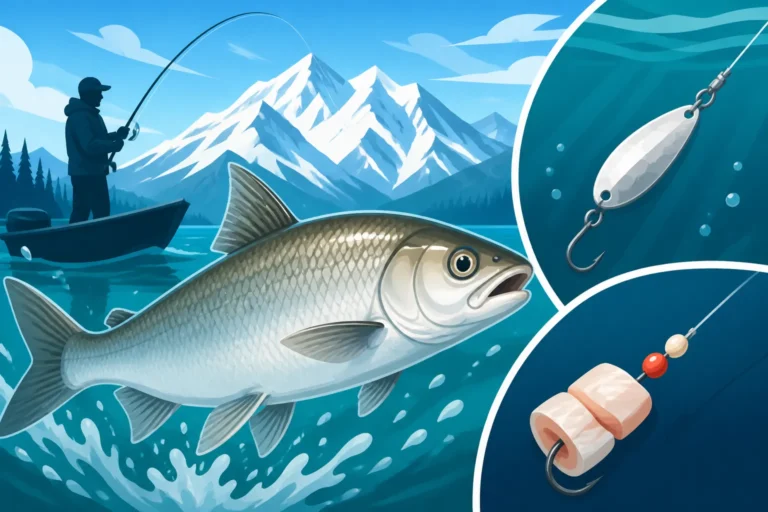
Fishing for Coho salmon is, for many, a more "traditional" and exciting sport fishing experience, largely because they are actively feeding and aggressive. Coho readily strike a variety of lures and baits. Popular choices include brightly colored spinners like the Best Lures for Alaska Salmon, especially in chartreuse, orange, or silver, such as those from Blue Fox or Mepps. Spoons, twitching jigs, and plugs are also highly effective. Back-trolling or back-bouncing with cured salmon eggs or Brad's Super Baits (often tipped with a fillet of herring) can also be deadly. In saltwater, trolling with cut-plug herring or hoochies behind a flasher is a common and successful method.
For Coho, a medium-heavy action spinning or casting rod (7-9 feet) is ideal, paired with a reliable reel spooled with 15-25 lb monofilament or braided line. The strength of Coho, combined with their acrobatic jumps and hard runs, demands good quality gear that can withstand the fight. Fly fishing for Coho is also incredibly popular and rewarding, using large, flashy flies like Clouser Minnows, articulated leeches, or Coho Wiggle Tails. These fish will often chase and strike a fly with gusto, providing an unforgettable experience on a fly rod. Our guide on How to Catch Silver Salmon in Alaska offers in-depth strategies. You can easily find a great selection of these lures and flies on Amazon to stock your tackle box.
Culinary Differences and Flavor Profiles
Beyond the thrill of the catch, the ultimate reward for many anglers is the opportunity to enjoy their harvest. Sockeye and Coho salmon, while both delicious, offer distinct culinary experiences due to differences in their flesh, oil content, and flavor. Understanding these nuances can help you choose the best cooking methods to highlight their unique characteristics.
Flesh Color and Texture
The most striking visual difference between Sockeye and Coho salmon, particularly when filleted, is the color of their flesh. Sockeye salmon are renowned for their vibrant, deep red-orange flesh. This intense coloration is a direct result of their plankton-rich diet, which is high in carotenoids. The texture of Sockeye flesh is firm and lean, with a fine flake. Because they cease feeding as they enter freshwater, their fat reserves are utilized for their arduous spawning migration, making them a leaner fish compared to some other salmon species, but still rich in healthy oils.
Coho salmon, conversely, typically have a brighter, reddish-orange or sometimes even pinkish-orange flesh that is lighter in color than Sockeye. Their flesh tends to be slightly softer and more delicate in texture, with a larger flake, and is generally considered to have a higher fat content than Sockeye, especially when caught fresh from the ocean. This higher fat content contributes to a moist, rich mouthfeel. The color and texture of both species, of course, can vary slightly depending on their specific diet, migratory stage, and individual genetics.
Taste and Oil Content
When it comes to taste, Sockeye salmon offers a robust, full-bodied flavor that is distinctly "salmon-y." Its leaner, firm flesh holds up well to various cooking methods and provides a strong, clean taste. While leaner than some, Sockeye still has a significant amount of healthy Omega-3 fatty acids, contributing to its rich flavor without being overly oily. It's a favorite for those who appreciate a pronounced salmon flavor.
Coho salmon tends to have a milder, more delicate flavor compared to Sockeye. Its higher fat content lends itself to a buttery richness that melts in your mouth. Many describe Coho as having a less "fishy" taste, making it a great option for those who prefer a subtler flavor or who are new to eating salmon. The versatility of Coho's flavor profile makes it a popular choice for a wide range of recipes, from simple grilling to more complex preparations.
Best Cooking Methods
Given their distinct flesh characteristics, certain cooking methods truly shine for each species. Sockeye salmon, with its firm flesh and bold flavor, is excellent for grilling, broiling, or baking. It holds its shape beautifully on the grill, developing a delicious crisp skin while the interior remains flaky and moist. Its flavor also stands up well to marinades and stronger seasonings. Sockeye is also a fantastic choice for smoking, yielding a rich, flavorful smoked salmon that's highly prized.
Coho salmon's more delicate texture and higher fat content make it incredibly versatile. It's superb when pan-seared, allowing for a crispy skin and a perfectly flaky interior. Baking or roasting Coho also works wonderfully, as the fat helps keep the fish moist. Because of its milder flavor, Coho is also a favorite for making sashimi or poke, where its delicate taste can truly be appreciated. It also holds up well in fish tacos, pasta dishes, or as a lighter option in salads. Both species freeze very well, allowing you to enjoy your Alaskan bounty long after your trip. For optimal preservation, consider using a good quality vacuum sealer, which you can find on Amazon, to prevent freezer burn.
Conservation Status and Management Efforts
Alaska is globally recognized for its commitment to sustainable fisheries, and the management of Sockeye and Coho salmon populations is a testament to this dedication. While both species generally maintain healthy populations, they face different pressures and are managed with specific strategies to ensure their long-term viability for both ecological balance and fishing opportunities. Adhering to regulations is paramount for preserving these incredible resources.
Population Trends and Concerns
Overall, Sockeye salmon populations in Alaska are robust and well-managed, particularly the massive runs in Bristol Bay, which represent some of the largest wild salmon runs on Earth. However, individual river systems can experience fluctuations due to environmental factors, ocean conditions, and specific pressures. For instance, while most Sockeye runs are healthy, localized concerns can arise in specific areas that might trigger emergency closures or restrictions, as detailed in Alaska Fishing Emergency Orders Explained. These are usually temporary measures to protect weaker runs.
Coho salmon populations are also generally healthy across Alaska. Their broad distribution and adaptability to diverse spawning habitats tend to make them a bit more resilient to localized issues than the more specialized Sockeye. However, Coho are also impacted by ocean conditions, which can affect their survival rates and overall abundance. Like all wild salmon, habitat degradation, climate change, and fluctuating food sources in the marine environment are ongoing concerns that managers continuously monitor.
Regulations and Bag Limits
Fishing for both Sockeye and Coho salmon is strictly regulated by the Alaska Department of Fish and Game (ADF&G) to ensure sustainability. These regulations, which can be complex and vary by region, river system, and even specific dates, are crucial for managing harvest levels. For Sockeye, bag limits are typically generous during strong runs, sometimes allowing for 3-6 fish per day, especially in popular systems like the Kenai. However, methods are often restricted, such as the requirement for a single, barbless hook during certain periods. Always consult the current Alaska Fishing Regulations Explained before you head out, as emergency orders can change limits or even close fisheries with little notice.
Coho salmon regulations also feature daily bag limits, often similar to Sockeye, such as 2-3 fish per day, but these can also fluctuate based on run strength and location. Unlike Sockeye, Coho regulations generally allow for more varied fishing methods, reflecting their predatory nature. For example, bait might be permitted where it's restricted for Sockeye. Non-resident anglers also need to be particularly aware of annual limits for certain species. For specific numbers, our Alaska Salmon Bag Limits by Species is a handy reference, but always double-check the ADF&G website or local offices for the most up-to-date information.
Sustainable Fishing Practices
Practicing responsible and ethical angling is critical for the conservation of both Sockeye and Coho salmon. This includes strictly adhering to all fishing regulations, respecting bag limits, and using proper catch-and-release techniques when required or when you've met your limit. Utilizing single, barbless hooks, as often mandated in Alaska, minimizes harm to fish that are released. When releasing a fish, handle it minimally and gently, keeping it in the water as much as possible.
Beyond individual actions, supporting fisheries management agencies and conservation organizations helps ensure that Alaska's salmon runs remain healthy for future generations. Choosing to fish with licensed guides and charters who understand and abide by all regulations is also a great way to contribute to sustainable practices. Ultimately, the health of Alaska's Sockeye and Coho populations relies on a collective commitment to responsible stewardship, ensuring these magnificent fish continue their incredible journeys for years to come.
Sockeye vs Coho Salmon: A Quick Comparison
To help quickly differentiate these two amazing salmon species, here’s a table summarizing their key characteristics.
| Feature | Sockeye Salmon (Oncorhynchus nerka) | Coho Salmon (Oncorhynchus kisutch) |
|---|---|---|
| Common Names | Red Salmon, Blueback Salmon | Silver Salmon |
| Ocean Color | Blue-green back, silvery sides; no distinct spots. | Darker back, silvery sides; small, indistinct spots on back/upper tail fin. |
| Spawning Color | Brilliant, uniform red body; olive-green head. Males develop significant kype & hump. | Dark back, reddish-maroon sides; some spots may remain. Males develop pronounced kype. |
| Gums | White on both upper and lower jaw. | Black on lower jaw, white on upper jaw. |
| Gill Rakers | Numerous, long, closely spaced (for plankton). | Fewer, shorter, widely spaced (for predatory diet). |
| Average Size | 4-12 lbs (up to 20 lbs occasionally). | 8-15 lbs (up to 25+ lbs occasionally). |
| Body Shape | More streamlined, torpedo-like. | Slightly more compressed, thicker. |
| Habitat Focus | Requires lakes for juvenile rearing. | Adaptable; uses streams, tributaries, sloughs for juvenile rearing. |
| Primary Diet | Plankton, krill (ocean phase); stops feeding in freshwater. | Baitfish, squid, crustaceans (ocean phase); insects, small fish (freshwater juveniles). |
| Fishing Season | Primarily June-July (peak varies by river). | Primarily mid-August-September (peak varies by river). |
| Fishing Tactics | "Flossing" or "lining" with small flies/yarn; not prone to biting lures. | Aggressive biters; spinners, spoons, jigs, bait, flies. |
| Flesh Color | Deep, vibrant red-orange. | Brighter reddish-orange or pinkish-orange. |
| Flesh Texture | Firm, lean, fine flake. | Softer, delicate, larger flake; generally higher fat. |
| Flavor Profile | Robust, distinctly "salmon-y," full-bodied. | Milder, delicate, buttery richness. |
| Best For | Grilling, broiling, baking, smoking. | Pan-searing, baking, roasting, sashimi, poke. |
Disclaimer
The information provided in this guide is for general informational purposes only and is subject to change. Alaska fishing regulations are complex and frequently updated by the Alaska Department of Fish and Game (ADF&G). It is the sole responsibility of each angler to consult the most current official ADF&G regulations and emergency orders for the specific area and time they plan to fish before engaging in any fishing activities. Failure to do so may result in fines or other penalties.