Alaska Salmon Life Cycle Explained
Have you ever stared into the swirling waters of an Alaskan river, seeing salmon battling their way upstream, and wondered about the incredible journey they've made? It's easy to take these powerful fish for granted, but their life is a true epic, fraught with danger and driven by instinct. This comprehensive guide will take you deep into the fascinating, sometimes perilous, and always awe-inspiring Alaska salmon life cycle, explaining each stage from tiny egg to majestic ocean wanderer and back again.
The Incredible Journey Begins: From Egg to Alevin
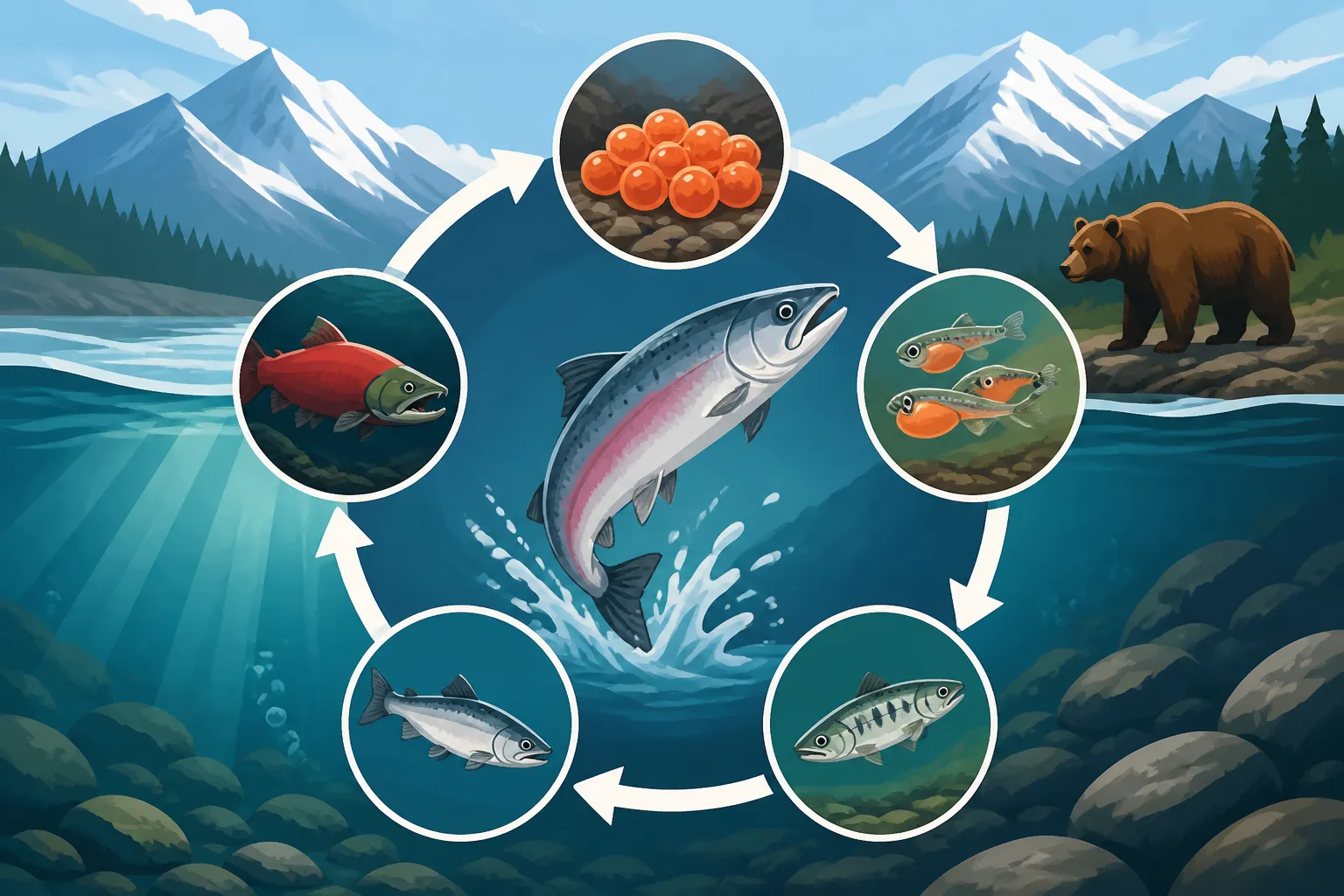
The story of every Pacific salmon in Alaska begins not with a splash, but with a quiet, careful deposition of eggs in the gravel beds of freshwater rivers and streams. This crucial first step, known as spawning, typically occurs in the late summer or fall, though exact timing can vary widely depending on the species and geographical location. Imagine a female sockeye salmon, her once vibrant silver body now a fiery red, tirelessly digging a 'redd' – a shallow, oval-shaped nest – with her tail fins in the clean, oxygenated gravel.
Once the redd is prepared, she releases her eggs, often thousands of them, into the depression. Immediately afterward, a male salmon, who has been patiently (or not-so-patiently) waiting nearby, fertilizes them with his milt. This process is repeated several times over a period of days, with the female depositing eggs in multiple redds or different sections of the same redd. After fertilization, the female works to cover the eggs with gravel, protecting them from predators and the harsh elements of the river current. This protective layer ensures the eggs have a stable environment, insulated from temperature fluctuations and shielded from the keen eyes of hungry birds or other fish. The sheer energy expenditure during this time is immense, a testament to the powerful instinct to reproduce.
Hidden beneath the gravel, a miraculous transformation begins. Over the next few weeks to several months, depending on water temperature and species, the fertilized eggs slowly develop. Inside each tiny, pearl-like orb, an embryo grows. You can sometimes see two small black dots, which are the developing eyes, through the translucent shell. Eventually, the embryo hatches, emerging as what's known as an alevin. These tiny creatures are still extremely vulnerable, looking somewhat like miniature fish with a prominent yolk sac attached to their undersides. This yolk sac is their lifeline, providing all the nourishment they need as they continue to hide within the safety of the gravel. They don't actively feed at this stage; instead, they absorb the yolk, growing stronger and developing their fins and internal organs. The gravel remains their sanctuary, protecting them from strong currents and predators until they are ready for the next challenging phase of life.
Growing Up Fast: Fry and Parr Stages
Once the yolk sac is almost completely absorbed, typically in the spring, the alevin transforms into a fry. This is their grand debut into the open water of the stream. Fry are tiny, free-swimming fish, usually only an inch or two long, and they are incredibly energetic. Their first instinct is to find food, and they'll feed ravenously on microscopic insects and aquatic invertebrates, rapidly gaining size and strength. At this stage, they are still incredibly vulnerable to predators like larger fish, birds, and even insects, making their early survival a numbers game. They often school together in shallow, protected areas of the stream, seeking cover among rocks, submerged logs, and aquatic vegetation to avoid detection.
For most species, like sockeye, chum, and pink salmon, the fry stage can be relatively short. Pink and chum fry, for instance, often migrate almost immediately downstream to estuaries and saltwater after emerging from the gravel, sometimes spending only days or weeks in freshwater. Sockeye fry, however, typically rear in freshwater lakes for one to three years, where they feed on zooplankton and continue to grow. This prolonged freshwater rearing period makes the specific lake environment incredibly important for sockeye populations.
Other species, notably king (Chinook) and coho (silver) salmon, spend a more significant amount of time in their natal streams and rivers as they transition from fry to the parr stage. Parr are easily recognizable by their distinctive vertical bars, known as "parr marks," along their sides. These markings provide excellent camouflage against the mottled riverbed, helping them blend in with their surroundings and evade predators while they continue to grow. During this stage, which can last anywhere from a few months to two years, they are highly territorial, often defending prime feeding lies in the river against other young salmon. They feed on a diet of aquatic insects, larval forms, and even smaller fish, growing robustly in preparation for the daunting journey ahead. It's during this time that they develop the muscle and instincts that will serve them during their incredible migration to the ocean. You can even find educational guides on platforms like Amazon that delve deeper into identifying these distinct stages.
The Call of the Ocean: Smoltification and Downstream Migration
After spending their critical freshwater rearing period, whether it's a few weeks or a couple of years, the young salmon hear the undeniable call of the ocean. But before they can make the incredible transition from freshwater to the vast saltwater environment, they must undergo a complex physiological process called smoltification. This isn't just a simple swim downstream; it's a complete internal overhaul that prepares their bodies for a drastically different salinity.
During smoltification, the salmon, now called smolts, undergo a series of remarkable changes. Their bodies become more streamlined and silvery, replacing the camouflaging parr marks with a sleek, reflective coating that helps them blend in with the open water of estuaries and the ocean. More importantly, their internal systems adapt. Their kidneys change, becoming more efficient at retaining water, and their gills develop specialized cells that can actively pump out excess salt from their bodies. This process is energetically demanding and critical for their survival in the marine environment. If a smolt doesn't fully complete smoltification before entering saltwater, it can become severely dehydrated and die.
The downstream migration is itself a perilous journey. Thousands upon thousands of smolts will push their way downriver, often under the cover of darkness to avoid predatory birds like mergansers, cormorants, and gulls, as well as larger fish. Rivers like the Kenai and Kasilof see massive numbers of these tiny travelers, making their way from the headwaters to the saltwater deltas and estuaries. These estuaries serve as vital transitional zones, allowing the smolts to gradually adjust to increasing salinity levels before venturing into the open ocean. It's a critical nursery, providing abundant food and some protection as they complete their final physiological preparations for marine life. The number of smolts successfully navigating this gauntlet directly impacts the size of future salmon runs. Learning more about Alaska Salmon Run Timing Explained can give you a better idea of when these migrations typically occur for different species.
Life in the Big Blue: Ocean Phase and Maturation
Once smolts successfully navigate the estuaries and make their way into the vast Pacific Ocean, their growth accelerates dramatically. This ocean phase is where salmon spend the majority of their lives, transforming from small, vulnerable fish into the powerful, robust adults we recognize. The North Pacific offers an incredibly rich feeding ground, teeming with krill, squid, small fish like herring and sand lance, and other marine organisms. Salmon feed voraciously, packing on weight and growing rapidly.
The specific duration of their ocean residency varies significantly by species and even by individual fish. Pink salmon, for instance, have the shortest ocean phase, returning to spawn after only one year at sea. Sockeye salmon typically spend two to three years in the ocean, while coho usually spend one to two. King salmon, known for their immense size, can spend anywhere from two to five years, or even more, at sea, accumulating impressive bulk. During this time, they undertake extensive migrations, traveling thousands of miles across the Pacific, often following ocean currents and feeding grounds. Scientists track these migrations using various methods, helping us understand the complex patterns of these incredible fish. These migrations are essential for their growth and survival, allowing them to access different food sources and avoid localized predator concentrations.
As they approach maturity, typically in their final year at sea, a profound change begins to take place. Their bodies start accumulating fats and oils, storing energy reserves that will be vital for their final, non-feeding journey back to their natal streams. The hormonal changes kick in, signaling the imminent return to freshwater to spawn. This period of intense feeding and growth in the ocean is what makes Alaska salmon such a prized catch, renowned for their rich, flavorful meat. Understanding Alaska Salmon Size Comparison can give you a better appreciation for how much they grow during this crucial ocean phase.
The Ultimate Sacrifice: Return to Spawning Grounds
After years of traversing the vast expanses of the North Pacific, the undeniable urge to reproduce calls adult salmon back to the very freshwater streams where they were born. This homing instinct is one of nature's most incredible mysteries, with salmon navigating thousands of miles of ocean and complex river systems to find their exact natal stream, sometimes even the very gravel bed, with astonishing accuracy. They are believed to use a combination of the Earth's magnetic field, the sun's position, and an incredibly acute sense of smell to detect the unique chemical signature of their home waters.
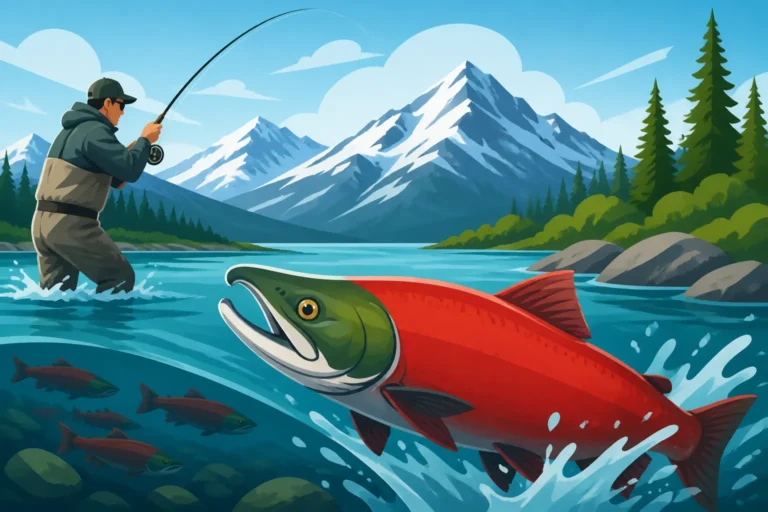
As they enter freshwater, a dramatic transformation begins, driven by their singular purpose: to spawn. Their bodies undergo incredible physical changes; their sleek, silver ocean coloration gives way to striking breeding colors. For sockeye, this means a brilliant red body with a green head. King salmon turn dark, often brownish or olive, and males develop a pronounced kype (hooked jaw) and a humped back. These changes are vital for attracting mates and for the arduous journey ahead. They cease feeding entirely once they enter freshwater, relying solely on the fat reserves accumulated during their time in the ocean.
The upstream battle is legendary. Salmon must contend with powerful currents, treacherous rapids, waterfalls, and an array of predators, including bears, eagles, and other opportunistic wildlife. You can witness this incredible spectacle on rivers like the Russian River or the Brooks River, where brown bears line the banks, eager for an easy meal. This journey is a race against time, as their bodies slowly deteriorate from the immense effort and lack of food. The fish are often battered and scarred by the time they reach their spawning grounds. Once they arrive, they engage in the spawning rituals described earlier, tirelessly digging redds and depositing eggs. After successfully spawning, exhausted and depleted, all Pacific salmon species die within days or weeks. This final, ultimate sacrifice ensures the continuation of their species, providing nutrients back to the river system that nurtured them. To delve deeper into this final stage, check out Do Alaska Salmon Die After Spawning.
The Importance of Each Stage for Alaska's Ecosystem
The life cycle of Alaska salmon is far more than just a biological marvel; it's a foundational pillar of the entire Alaskan ecosystem, supporting an intricate web of life at every stage. From the moment an egg is laid to the final return of the adult salmon, these fish play a critical role, influencing everything from the smallest aquatic insects to the largest apex predators.
During their freshwater rearing stages as fry and parr, young salmon become a crucial food source for a variety of other freshwater species. Smaller trout, like rainbow trout and Dolly Varden, will prey on them, helping to regulate their populations and transferring energy up the food chain within the river system. The presence of healthy juvenile salmon populations indicates a vibrant and clean freshwater environment, essential for all aquatic life. When these fish migrate to the ocean, they become part of the larger marine food web, feeding on plankton and smaller fish, and in turn, becoming a food source for larger marine predators.
However, it is their final return to spawn that creates the most significant ecological impact. When adult salmon die after spawning, their decaying bodies release a tremendous amount of marine-derived nutrients – nitrogen, phosphorus, and carbon – into the freshwater ecosystems. These nutrients, which originated in the ocean, are vital for the health and productivity of the freshwater streams and the surrounding riparian forests. Trees and vegetation along salmon-bearing rivers grow noticeably larger and healthier due to this nutrient subsidy. This "salmon-derived fertilizer" fuels the growth of algae, aquatic insects, and other organisms, providing a rich base for the entire food web, which in turn supports future generations of salmon. Even the simple act of digging redds by female salmon helps to aerate the gravel, which is good for many types of aquatic insects and plants. The cyclical nature of salmon life is a perfect example of nutrient recycling in nature.
Threats and Conservation Efforts
Despite the awe-inspiring resilience of Alaska's salmon, their epic journey is increasingly fraught with challenges, many of which stem from human activity and a changing climate. It's easy to feel overwhelmed by these threats, but understanding them is the first step toward effective conservation. Salmon face dangers at every stage of their life cycle, from tiny eggs buried in gravel to powerful adults returning from the ocean.
In freshwater habitats, early life stages are vulnerable to habitat degradation caused by logging, mining, and urban development. Siltation from erosion can smother eggs and alevin, preventing them from getting the oxygen they need. Pollution from various sources, including agricultural runoff and industrial discharges, can directly harm fish or disrupt their food sources. Blockages like improperly designed culverts or dams can prevent adult salmon from reaching their spawning grounds, effectively cutting off entire sections of a river from future salmon runs. Anglers also have a role to play; understanding Alaska Fishing Regulations Explained and practicing catch-and-release responsibly in certain areas is vital.
In the vast ocean, climate change poses a significant and complex threat. Warming ocean temperatures can alter ocean currents, change the distribution of prey species, and lead to increased competition or predation. For example, changes in sea ice extent can affect the productivity of the Bering Sea, a critical feeding ground for many Alaskan salmon species. Ocean acidification, another consequence of increased carbon dioxide in the atmosphere, can impact the shell-forming organisms that form the base of the marine food web, potentially disrupting the salmon's diet. Additionally, large-scale commercial fishing operations, both targeted at salmon and other species, require careful management to ensure sustainable harvests and prevent overfishing.
Fortunately, Alaska is at the forefront of robust conservation efforts. The Alaska Department of Fish and Game (ADF&G) implements some of the most stringent and scientifically informed fisheries management practices in the world. They meticulously monitor salmon runs, using data from weir counts, aerial surveys, and sonar to estimate population sizes and manage harvest limits in real-time. Emergency orders are a common tool to protect struggling runs, sometimes closing fisheries entirely to ensure enough fish make it to the spawning grounds. Organizations like the Kenai Watershed Forum and Trout Unlimited work tirelessly on habitat restoration projects, removing blockages, stabilizing riverbanks, and educating the public. Anglers can contribute by adhering to regulations, obtaining the correct Alaska Fishing License: Complete Guide, and supporting sustainable fishing practices. Even purchasing certified sustainable seafood helps protect these vital populations.
Salmon Life Cycle Stages at a Glance
To give you a clearer picture of the Alaska salmon's remarkable journey, here's a breakdown of their life cycle stages:
| Stage | Description | Typical Location | Duration (Approx.) | Key Characteristics |
|---|---|---|---|---|
| Egg | Fertilized eggs deposited in gravel beds (redds). | Freshwater streams/rivers | Weeks to months (species/temp dependent) | Protected in gravel, embryo develops inside. |
| Alevin | Newly hatched, still in gravel, with a visible yolk sac for nourishment. | Freshwater streams/rivers (in gravel) | Weeks to 2 months | Immobile, yolk sac provides food, no active feeding. |
| Fry | Yolk sac absorbed, free-swimming, actively feeding on small organisms. | Freshwater streams/rivers/lakes | Days to 1-3 years (species dependent) | Small, active, vulnerable; parr marks may appear. |
| Parr | More developed juvenile, often with distinctive parr marks for camouflage. | Freshwater streams/rivers/lakes | Months to 2 years (King/Coho often) | Larger than fry, territorial, feed on insects/small fish. |
| Smolt | Undergoing physiological changes (smoltification) to adapt to saltwater. | Estuaries, lower rivers | Weeks to months | Silvery color, streamlined body, internal salt adaptation. |
| Ocean Adult | Growing rapidly, feeding heavily, migrating across the North Pacific. | North Pacific Ocean | 1 to 7+ years (species dependent) | Massive growth, accumulate fat reserves. |
| Spawning Adult | Returns to natal freshwater, stops feeding, undergoes dramatic physical changes. | Freshwater streams/rivers | Days to weeks | Reproductive colors, kype (males), intense upstream migration. |
| Post-Spawn (Kelt) | Exhausted, deteriorated, dies shortly after spawning. | Freshwater streams/rivers | Days | Provides nutrients to ecosystem via decomposition. |
Understanding the Species: Variations in Life Cycle
While the general framework of the Alaska salmon life cycle remains consistent, each of the five Pacific salmon species — King (Chinook), Sockeye, Coho (Silver), Pink (Humpy), and Chum (Dog) — has its own unique nuances, adapting its life history to best suit its environment and optimize survival. These variations are critical for understanding and managing each species effectively. If you're looking for more general information, you can always check out Types of Salmon in Alaska Explained.
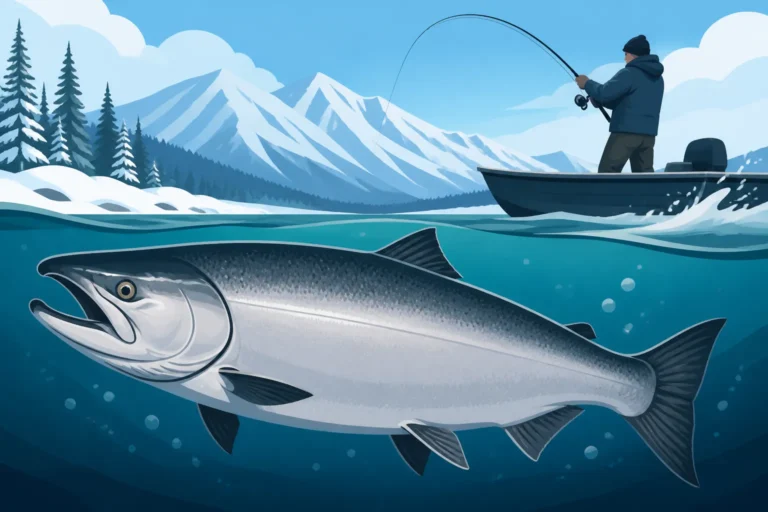
King salmon, for instance, are the largest and often the longest-lived of the Pacific salmon. They are renowned for their strength and size, and their life cycle reflects this. King salmon fry and parr typically spend one to two full years in freshwater, sometimes even longer, before migrating to the ocean. This extended freshwater residency allows them to grow larger and develop more robustly before facing the perils of the sea. Once in the ocean, they might spend anywhere from two to five years feeding and growing, leading to their impressive size. This prolonged life cycle means they are more susceptible to long-term environmental changes in both freshwater and marine environments. To dive deeper, take a look at Alaska King Salmon: Complete Guide.
Sockeye salmon, known for their brilliant red flesh and preference for lake systems, have a distinctly different freshwater rearing strategy. Their fry typically migrate into lakes very quickly after hatching, often spending one to three years in these lentic environments. In the lakes, they feed primarily on zooplankton, filtering these tiny organisms from the water. This strong reliance on healthy lake ecosystems makes sockeye particularly sensitive to changes in lake productivity or water quality. Their ocean phase is usually two to three years. You can read more in our guide on Alaska Sockeye Salmon Explained.
Pink salmon, on the other hand, have the shortest and most predictable life cycle. After hatching, pink salmon fry migrate to the ocean almost immediately, often within days or weeks, spending very little time in freshwater. They then spend just one year in the ocean, returning to spawn as two-year-olds. This fixed two-year life cycle means that specific year classes of pink salmon are genetically distinct, and a poor spawning year will typically affect the run two years later directly. Their abundance often leads to cyclical "even-year" and "odd-year" runs in different regions.
Coho salmon are often considered a bit more flexible. Their juveniles typically spend one year in freshwater, sometimes two, before smoltifying and heading to sea. They then spend one to two years in the ocean, returning as three or four-year-olds. This adaptability allows them to utilize a wider variety of stream habitats. Chum salmon also exhibit a relatively short freshwater residency, with fry often migrating to sea shortly after emergence, similar to pink salmon. However, they typically spend three to five years in the ocean before returning to spawn. Each species' unique timing and habitat use highlights the incredible biodiversity and evolutionary adaptations within the salmon family, making the study of How to Identify Alaska Salmon Species even more intriguing.
Disclaimer
The information provided in this guide is for general informational purposes only and is subject to change. Alaska fishing regulations, seasons, and emergency orders can change rapidly. Always consult the most current Alaska Department of Fish and Game regulations and emergency orders before planning or undertaking any fishing activity. Fishing involves inherent risks, and adherence to safety guidelines and local regulations is crucial.