Best Time to Catch Pink Salmon in Alaska
When you dream of Alaska fishing, it’s often the giant King Salmon or the acrobatic Sockeye that grab headlines, but overlooking the feisty Pink Salmon would be a huge mistake! These abundant, spirited fish offer incredible action, especially for those new to Alaskan waters or looking for consistent catches. Many anglers struggle to pinpoint the exact right time to hit the rivers and estuaries when the humpies are really running thick, often missing out on some truly phenomenal fishing. This guide will dive deep into everything you need to know about the best time to catch pink salmon in Alaska, ensuring your next trip puts you right in the heart of the action.
Understanding Pink Salmon Runs in Alaska
Before we talk about when to fish, it's crucial to understand a bit about pink salmon themselves. Often called "humpies" due to the distinct hump that develops on the males' backs as they near spawning, these are the smallest and most numerous of Alaska's Pacific salmon species. They have a very predictable two-year life cycle, which plays a huge role in their run timing and abundance.
The Two-Year Life Cycle Explained
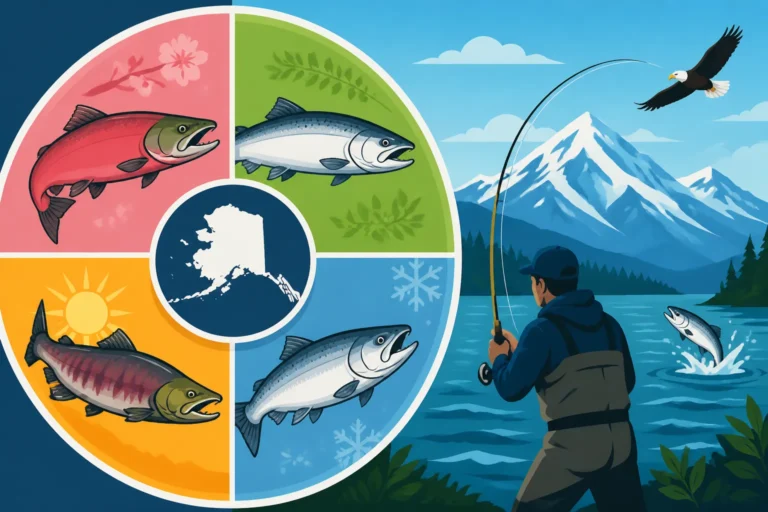
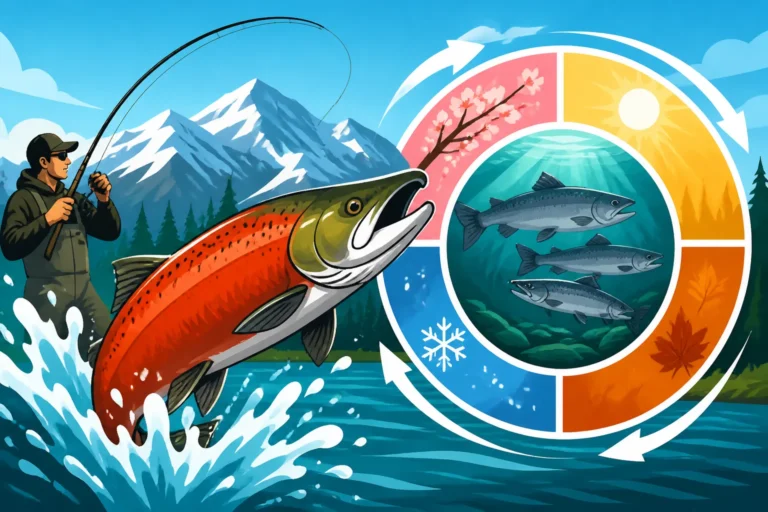
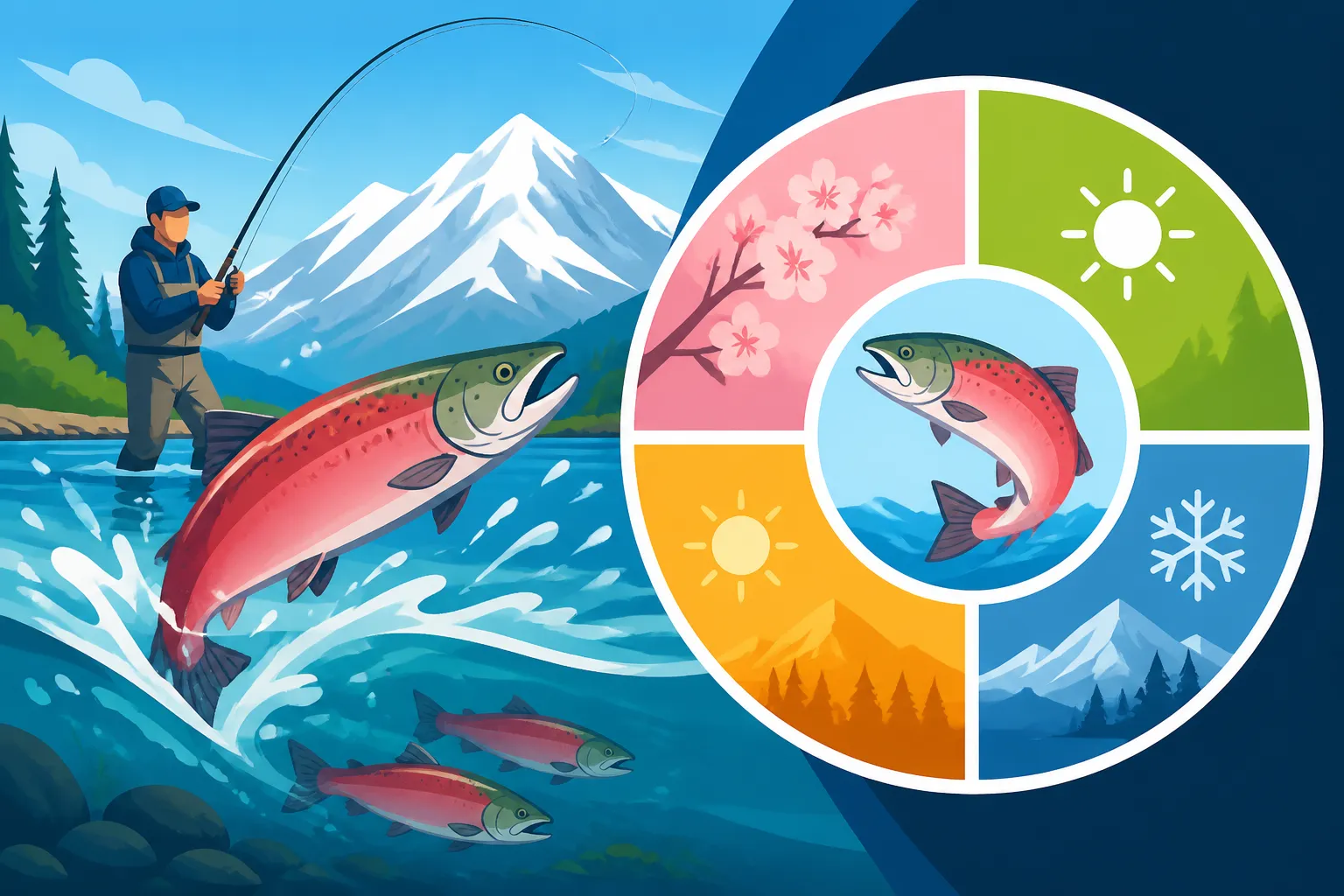
Unlike other salmon species that might spend multiple years in the ocean, pink salmon are creatures of habit with a simple, rapid life cycle. They hatch in freshwater, migrate to the ocean as tiny fry within a few months, spend about 18 months in saltwater growing, and then return to their natal streams to spawn and die, all within two years.
This short, distinct cycle means that pink salmon runs tend to be extremely strong in either odd or even numbered years in specific river systems. For instance, you might find a river that gets a massive run every even year but only a meager showing in odd years, or vice versa. This biennial dominance is a critical piece of information for planning your trip, as hitting an "off" year can mean significantly fewer fish. The good news is that somewhere in Alaska, there’s always a strong pink salmon run happening every year, you just need to know which areas to target.
Why Pink Salmon Are a Great Target
Beyond their abundance, pink salmon offer a fantastic fishing experience for several reasons. They are notoriously aggressive, often hitting lures and flies with enthusiasm, which makes for exciting fishing. For families, beginners, or those just looking to bend a rod consistently, humpies are an ideal target. They're also excellent table fare, particularly when caught fresh and prepared properly. While some might dismiss them compared to Kings or Sockeye, a fresh-caught, smoked pink salmon is a true Alaskan delicacy. Plus, the sheer numbers mean that even on a slow day, you're likely to find some action. This consistent action makes them a favorite for many, proving that big fun doesn't always require the biggest fish.
Peak Season for Pink Salmon Fishing
Alright, let's get down to the brass tacks: when is the absolute best time to catch these spirited fish? Generally speaking, the peak season for pink salmon in Alaska stretches from mid-July through August, with some runs starting earlier and others extending into early September. However, the exact timing can vary significantly by region and even by individual river system.
Regional Run Timings and Peaks
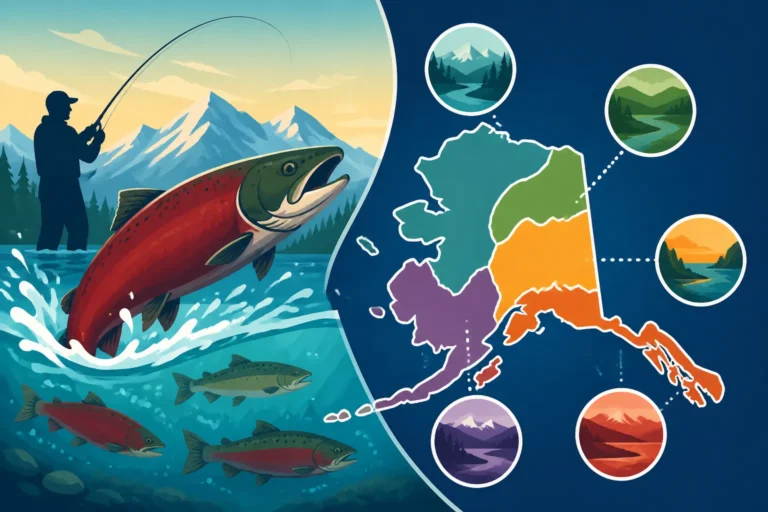
Alaska is a vast state, and salmon runs don't happen everywhere at once. Here's a breakdown of general peak timings for pink salmon in key fishing regions:
- Southeast Alaska (Ketchikan, Juneau, Sitka): This region often sees the earliest and some of the strongest pink salmon runs. While some fish start showing up in late June, the real action usually kicks off in mid-July and continues robustly through August. Many of the smaller coastal streams and estuaries in Southeast Alaska will be absolutely teeming with humpies during this window. Think of places around Ketchikan, Petersburg, and Juneau; these areas are legendary for their abundant pinks.
- Southcentral Alaska (Prince William Sound, Cook Inlet, Kodiak): This is another prime area for pink salmon. The runs here typically hit their stride from late July through August. Prince William Sound, especially around Valdez and Cordova, can have simply epic pink salmon returns, particularly in even-numbered years. On the Kenai Peninsula, rivers flowing into Cook Inlet will also see significant numbers, often overlapping with the later Sockeye runs. Kodiak Island is also a world-renowned destination for huge pink salmon runs, generally peaking in August.
- Interior Alaska: While pink salmon are less prevalent in the far interior river systems compared to coastal areas, some systems connected to the ocean will see runs. These tend to be later, often peaking in August.
- Western Alaska (Bristol Bay, Kotzebue): Pink salmon runs here also typically peak in late July and August. While the focus in Bristol Bay is often on the colossal sockeye runs, pinks provide additional sport and opportunity, especially in areas like the Nushagak River after the main King and Sockeye pushes.
To give you a clearer picture, here's a general guide to Pink Salmon run timing by region:
| Region | Typical Start | Peak Run Window | Dominant Years (Approximate) | Key Locations (Examples) |
|---|---|---|---|---|
| Southeast Alaska | Late June | Mid-July to August | Both (local variations) | Ketchikan, Juneau, Sitka, Petersburg |
| Prince William Sound | Early July | Late July to August | Even Years | Valdez, Cordova |
| Cook Inlet / Kenai Pen. | Mid-July | Late July to August | Even Years | Russian River (lower), Kasilof River |
| Kodiak Island | Mid-July | August | Both (strong overall) | Karluk River, Buskin River |
| Western Alaska | Mid-July | Late July to August | Both (local variations) | Nushagak River, Kotzebue Sound |
It’s always a good idea to consult the Alaska Salmon Run Timing Explained for specific rivers, as forecasts can change annually.
The "Odd vs. Even Year" Phenomenon
As mentioned, pink salmon runs are heavily influenced by a biennial cycle. For example, Prince William Sound and many rivers in Southcentral Alaska often experience significantly larger runs in even-numbered years. Conversely, some systems, particularly in Southeast Alaska, might have dominant odd-numbered year runs.
This doesn't mean you won't catch pinks in an "off" year for a particular area; it just means the numbers might be lower. If you're planning a trip specifically for pink salmon, doing a quick check on the historical run data for your target region and river is crucial. The Alaska Department of Fish and Game (ADF&G) provides excellent resources and forecasts that can help you determine the best time to catch pink salmon in Alaska by ensuring you're there for a strong return. Being aware of the Alaska Pink Salmon Regulations will also keep you on the right side of the law, as limits can change.
Techniques and Gear for Pink Salmon
Once you've nailed down when and where to go, the next step is knowing how to catch them. Pink salmon are not overly finicky, but having the right approach will significantly increase your success.
Effective Fishing Techniques
Pink salmon are aggressive biters, making them a blast to catch with a variety of methods:
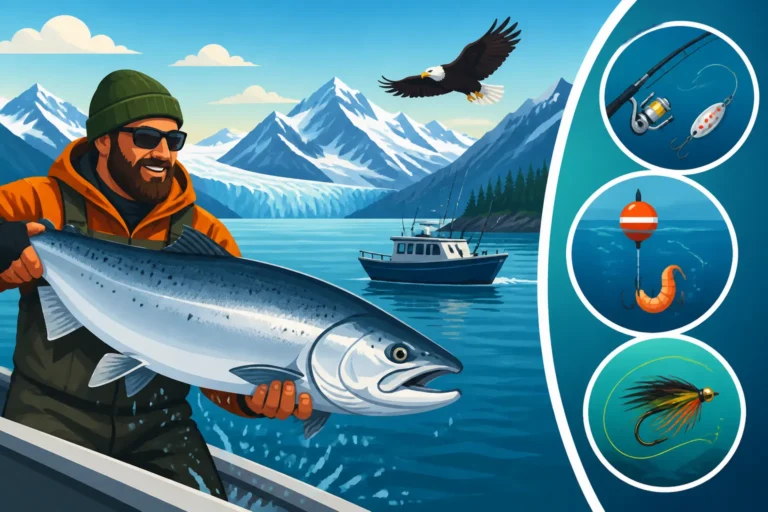
- Spin Fishing: This is arguably the most popular and effective method. Pinks respond incredibly well to small, flashy spinners and spoons. Casting into river currents, estuaries, or along coastal shores where schools are present and retrieving steadily is key. They often hang out in shallower water, so you don't always need heavy gear. For specific guidance, you might want to read up on How to Spin Fishing for Salmon in Alaska.
- Fly Fishing: Fly anglers absolutely love pink salmon. Their aggressive nature means they'll readily strike flies, often providing nonstop action. Pink, chartreuse, and white Clouser Minnows, Leech patterns, or even small weighted streamers are highly effective. Focus on areas where fish are staging before entering rivers or actively moving upstream. The smaller size of pink salmon means you don't need a huge fly rod; a 6 or 7-weight is usually perfect.
- Casting from Shore: Many excellent pink salmon fisheries are accessible from the bank. Look for areas where rivers meet the tide, or along beaches and rocky points in saltwater. Early mornings and late evenings, or during tide changes, can be prime times for shore fishing. Don't be afraid to move around until you find a school.
Recommended Gear and Tackle
You don't need heavy-duty gear to tackle pink salmon, which makes them accessible for many.
- Rods and Reels: A medium-light to medium action spinning rod (7-9 feet) paired with a 2500-4000 series spinning reel is ideal. For fly fishing, a 6 or 7-weight rod with a matching reel and a floating or intermediate line will be perfect.
- Line: 8-12 lb monofilament or braided line for spin fishing. For fly fishing, a leader of 6-10 lb test.
- Lures and Flies:
- Spinners: Popular choices include the Pixee Spoon, Blue Fox Vibrax, and Mepps spinners. Key colors are bright pink, chartreuse, orange, and silver. You can find a great selection of these on Amazon, making it easy to stock up before your trip.
- Spoons: Acme Kastmasters and Little Cleos in pink, silver, or brass finishes work wonders.
- Flies: Think flashy and bright! Pink and white, chartreuse, or even purple patterns are irresistible. Clouser Minnows, Slinky Flies, and Comets are proven performers.
- Waders and Rain Gear: Regardless of the time of year, Alaskan weather can be unpredictable. Quality rain gear and waders are essential for comfort and staying dry. Even if the forecast looks good, always be prepared. A good pair of breathable waders can be a lifesaver, especially if you plan on wading into river estuaries or shallow coastal areas to reach the fish. Check out the Alaska Fishing Gear and Tackle Guide for a more comprehensive packing list.
Factors Influencing Pink Salmon Activity
While the general peak season is helpful, several other elements can influence exactly when and where pink salmon will be most active. Paying attention to these details can turn a good day into an unforgettable one.
Water Levels and Clarity
River water levels and clarity are huge factors for any salmon run, including pinks.
- High Water: Heavy rains can swell rivers, making them high and murky. While fish might still be present, they can be harder to spot, and fishing can be challenging as they often hug the banks to avoid strong currents. Lures with strong vibrations or scent can sometimes help in these conditions.
- Low Water: Extremely low water can make fish hesitant to enter rivers or move upstream, bunching them up in deeper pools or estuary areas. It also makes them more susceptible to predation, so they can be skittish. In these conditions, a stealthy approach and lighter tackle might be more effective.
- Ideal Conditions: Moderately high to stable water levels with good clarity are often ideal. This allows fish to move freely and anglers to present lures effectively.
Always check local conditions before heading out. Websites for the ADF&G often provide current river conditions or links to USGS water data.
Tides and Estuary Fishing
For coastal pink salmon runs, especially in estuaries and tidal zones, the tides play a critical role.
- Incoming Tide: As the tide pushes in, it often brings fresh schools of salmon closer to shore and into river mouths. This can be a fantastic time for shore anglers or those fishing from small boats in sheltered bays.
- High Tide: At high tide, fish can spread out more, potentially making them harder to locate. However, if they are moving into a river, the higher water can give them easier access over shallow bars.
- Outgoing Tide: As the tide recedes, fish that haven't moved far upstream might concentrate in deeper channels or pools, offering another good fishing window before they return to deeper saltwater.
Understanding How Tides Affect Alaska Salmon Fishing can significantly improve your success, particularly in coastal areas around cities like Seward, Homer, or Sitka, where pink salmon gather before heading into freshwater.
Emergency Orders
Alaska's fisheries are managed dynamically, which means regulations can change, sometimes with very little notice, through emergency orders. These orders are put in place by the ADF&G to protect fish stocks or to respond to unexpected run strengths.
- Impact on Pinks: While pink salmon are abundant, emergency orders can still affect them, especially if there's a concern about bycatch of other species (like struggling King Salmon) in certain areas, or if a particular run is unexpectedly weak.
- Staying Informed: It is absolutely paramount to check for current emergency orders before every fishing trip. The ADF&G website has a dedicated section for emergency orders, and many local tackle shops and guides will also have the most up-to-date information. Missing this step could lead to violations and fines, ruining your trip. For more details on this, be sure to check How to Check Alaska Emergency Orders Before Fishing.
Local Knowledge and Guides
While this guide provides a general overview, there's no substitute for local knowledge. If you're new to an area or simply want to maximize your chances, consider hiring a local guide or visiting a local tackle shop.
- Guides: An experienced guide will know the specific nuances of local runs, the best spots to fish, the most effective techniques for that day, and all the current regulations. They can be invaluable, especially if you're targeting a specific system for its dominant pink salmon year.
- Tackle Shops: Local tackle shops are a goldmine of information. The folks working there are usually anglers themselves and can tell you what's biting, what lures are hot, and offer real-time updates on conditions and emergency orders. Don't be shy; ask questions!
The best time to catch pink salmon in Alaska isn't just about the calendar month; it's a combination of understanding their life cycle, knowing regional run timings, being prepared with the right gear and techniques, and staying informed about environmental conditions and regulations. With a little planning and preparation, you'll be well on your way to enjoying some of the most exciting and abundant fishing Alaska has to offer.
Disclaimer
Fishing in Alaska involves inherent risks, including but not limited to changing weather conditions, wildlife encounters, and variable terrain. Always exercise caution, be aware of your surroundings, and prioritize safety. Regulations regarding fishing licenses, bag limits, and gear can change frequently; it is the angler's responsibility to consult the most current Alaska Department of Fish and Game regulations before fishing. This guide is for informational purposes only and does not constitute professional advice.