Deshka River Fishing Guide
Planning a fishing trip to the Deshka River can feel like navigating a complex maze of seasons, regulations, and ever-changing conditions, leaving many anglers feeling overwhelmed before they even cast a line. You want to maximize your chances of success, but deciphering the official guidelines and knowing the best strategies can be a real headache. This comprehensive guide is designed to cut through that confusion, equipping you with all the up-to-date, practical information you need to confidently plan and enjoy an unforgettable fishing adventure on the iconic Deshka River.
Understanding the Deshka River Fishery
The Deshka River, often affectionately called "The Deshka" by local anglers, is a renowned tributary of the Susitna River in Alaska's scenic Matanuska-Susitna Valley. It’s a place that draws thousands of hopeful fishermen each year, all eager to tangle with its robust salmon runs and feisty resident fish. The river's character, species diversity, and accessibility make it a standout destination, but also one that demands respect and a solid understanding of its nuances.
The Deshka's Unique Character
Flowing roughly 45 miles from Deshka Lake to its confluence with the Susitna River, the Deshka is a medium-sized river known for its clear, cold waters, especially in its upper reaches. As it nears the Susitna, it can take on a more glacial tint, particularly during heavy rains or snowmelt, which can certainly affect fishing conditions. What makes the Deshka particularly special is its accessibility from the road system, primarily through the Willow Creek State Recreation Area, making it a favorite for both locals and visitors who prefer not to fly out to remote locations. This combination of ease of access and productive fisheries creates a vibrant, often bustling, angling scene. The river's gravel beds and relatively consistent flow create ideal spawning and holding grounds for anadromous salmon, which return here year after year in impressive numbers.
Key Fish Species You'll Encounter
While the Deshka is most famous for its King Salmon (Chinook) and Silver Salmon (Coho) runs, it's also home to other exciting species. You'll primarily be targeting these two salmon, which provide thrilling fights and delicious fillets. King Salmon are the undisputed royalty of the river, known for their immense size and powerful runs, while Silver Salmon offer acrobatic displays and aggressive strikes, especially as they get closer to their spawning grounds.
Beyond the salmon, the Deshka and its tributaries support healthy populations of resident fish. Rainbow Trout are present, often feeding on salmon eggs and smolt, offering a fun challenge for fly anglers. Dolly Varden, a char species, are also common, sharing similar habitats and feeding patterns with trout. While less common to target directly, you might also encounter occasional Sockeye Salmon (Red Salmon) or Chum Salmon (Dog Salmon) moving through, though they are not the primary draw for the Deshka.
Why the Deshka is a Popular Destination
The Deshka River's popularity isn't just a coincidence; it's a direct result of its consistent fish runs and its location. For many anglers, it offers a perfect balance: the excitement of a productive fishery without the logistical hurdles and expense of a remote fly-in trip. The relative ease of reaching the Deshka from Anchorage, typically a 1.5 to 2-hour drive north on the George Parks Highway to Willow, is a major draw.
Many guided operations and independent anglers use jet boats to access different stretches of the river, often launching from the Willow Creek State Recreation Area boat launch. The strong and reliable returns of King and Silver salmon, carefully managed by the Alaska Department of Fish and Game (ADF&G), have built a solid reputation for the Deshka. It's a place where lifelong memories are made, whether you're battling a chrome King or reeling in a feisty Coho. If you're looking for a relatively straightforward way to experience Alaska's renowned salmon fishing, the Deshka River is often at the top of the list, providing ample opportunities for both seasoned veterans and those new to the sport.
Prime Fishing Seasons and Species
Understanding when different fish species are present in the Deshka River is absolutely crucial for a successful trip. Alaska's fishing seasons are tightly regulated and highly dependent on fish migration patterns, so timing your visit correctly can make all the difference between a memorable trip and a frustrating one. The Deshka truly shines during its salmon runs, but there are opportunities for other species outside of those peak times.
King Salmon Season on the Deshka
The King Salmon run on the Deshka River is the main event for many anglers, typically kicking off in late May and running strong through June. This is when the largest and most prized salmon, known for their powerful fights and incredible size, begin their migration upstream. Early in the run, usually the last week of May, you'll often find bright, chrome-colored fish fresh from the ocean, full of energy. As the season progresses into June, the numbers generally increase, peaking around the second or third week. However, King Salmon runs can be highly variable year to year due to ocean conditions, escapement goals, and other environmental factors.
It's not uncommon for the Alaska Department of Fish and Game to issue emergency orders that can restrict fishing methods, close the season early, or implement catch-and-release only rules, particularly if the run is weaker than expected. You can find detailed information about the timing for these magnificent fish in our guide to Alaska King Salmon Run Timing. These large, powerful fish demand heavy tackle and a strong will, but the reward of landing a Deshka King is unparalleled.
Silver Salmon Coho Runs
After the King Salmon excitement winds down, the Deshka prepares for the arrival of the Silver Salmon, or Coho. These fish typically begin showing up in late July, with the run gaining momentum through August and often extending into September. Coho salmon might not reach the sheer size of Kings, but they are incredibly spirited fighters, known for their spectacular aerial acrobatics once hooked. They're also less fussy eaters than Kings, often more willing to strike a variety of lures and flies, making them a fantastic target for a more active angling experience.
The late summer and early fall months offer some truly beautiful fishing conditions, with cooler temperatures and the vibrant colors of the Alaskan autumn. The regulations for Coho are generally more stable than those for Kings, but it's always wise to check the latest Alaska Coho Salmon Fishing Regulations and Limits before heading out. Anglers often find success using spinners, spoons, and various bait presentations for Silvers, and it's a great time to be on the river.
Other Opportunities: Trout and Dolly Varden
While the salmon runs dominate the headlines, the Deshka River system also offers year-round opportunities for Rainbow Trout and Dolly Varden. These resident species are often overlooked by salmon-focused anglers, but they provide a consistent and enjoyable fishing experience, especially during the shoulder seasons or when salmon fishing is slow. Trout and Dolly Varden are often found in the shallower, clearer waters of the river and its feeder creeks. They are particularly active during the salmon spawning season (late summer into fall) when they gorge themselves on nutrient-rich salmon eggs.
Fly fishing for these species can be incredibly rewarding, using egg patterns, nymphs, and small streamers. Spin anglers can also find success with small spinners and spoons. If you're looking for a quieter, more contemplative fishing experience away from the salmon crowds, focusing on trout and Dolly Varden can be a fantastic option. Just remember, these fish are often smaller, and responsible catch-and-release practices are highly encouraged to maintain healthy populations.
Regulations and Permits for Deshka River
Navigating Alaska's fishing regulations can be tricky, and the Deshka River is no exception. It's not enough to just know when the fish are running; you absolutely must understand and adhere to the specific rules governing fishing in this area. Ignoring regulations can lead to hefty fines, confiscation of gear, and even loss of fishing privileges, so taking the time to educate yourself is non-negotiable.
Essential Alaska Fishing License Requirements
Before you even think about casting a line in the Deshka, you'll need an Alaska Fishing License: Complete Guide. This is mandatory for all anglers 16 years of age or older, whether you're a resident or a non-resident. Licenses can be purchased online through the ADF&G website, from most sporting goods stores, or at various vendors throughout Alaska, including in communities near the Deshka like Willow or Wasilla. It's always best to purchase your license well in advance to avoid any last-minute stress.
For King Salmon, there's an additional requirement: a King Salmon Stamp. This stamp is required for anyone fishing for King Salmon, regardless of your intent to retain one. It's a small additional cost, but it's crucial if you plan to target this species. Be sure to understand Do You Need a King Salmon Stamp in Alaska and purchase it along with your regular fishing license. Always carry your physical license and stamp (or digital proof) with you while fishing, as game wardens frequently patrol the Deshka.
Deshka Specific Regulations
The Deshka River falls under the Southcentral Alaska regulations, but it often has very specific rules that differ from other rivers in the region. These can include unique bag limits, annual limits, gear restrictions, and even specific times of day or days of the week when fishing is allowed or prohibited. For King Salmon, for instance, there might be bait restrictions, single-hook requirements, or even full closures if escapement goals aren't being met. The most crucial thing to remember is that these regulations are dynamic. The ADF&G frequently issues emergency orders that can change rules mid-season in response to fish abundance.
Therefore, it's vital to check the latest Alaska Fishing Regulations Explained and specifically the Southcentral Sport Fishing Regulations Summary before and even during your trip. A great habit is to check the ADF&G website for emergency orders daily, especially for Deshka River King Salmon, as changes can happen with little notice. These rules are put in place to conserve the resource, so respecting them is paramount to ensuring future generations can enjoy the same incredible fishing.
Understanding the Harvest Record Card
The Harvest Record Card is another vital component of fishing in Alaska, particularly when targeting certain species like King Salmon. What Is the Alaska Harvest Record Card explains that this card is a separate document or a part of your fishing license where you must immediately record specific catches, usually King Salmon. The purpose of the card is to help ADF&G biologists monitor harvest numbers and manage the fishery sustainably.
For the Deshka River, if you're fishing for King Salmon, you'll be required to record any King Salmon you retain immediately after landing it. This includes marking off the specific day and location of the catch. There are strict rules about how many King Salmon a non-resident can retain annually from all Alaskan waters, and this card helps track that. Failure to properly fill out your harvest card is a violation and can carry the same penalties as fishing without a license or exceeding bag limits. Make sure you understand the requirements for recording your catch before you head out.
Effective Fishing Techniques and Gear
Successfully fishing the Deshka River, especially for its prized salmon, requires more than just luck; it demands a solid understanding of effective techniques and the right gear. The clear waters and current of the Deshka, combined with the often-finicky nature of salmon, mean that preparation and skill are key.
Top Techniques for Deshka Salmon
When it comes to targeting salmon on the Deshka, anglers generally rely on a few proven methods, often adapted to specific river conditions and species.
- Back-Trolling: This is a highly effective technique, especially from a boat. Anglers use the current to slowly "back" their boat downstream, allowing lures or bait presentations to drift naturally through known holding water. This technique is fantastic for King Salmon, often using large diving plugs like Kwikfish or FlatFish, sometimes wrapped with cured salmon roe or sardine fillets for added scent. The key is to maintain a slow, controlled drift, presenting the lure directly to fish that might be holding near the bottom. The resistance of the plug causes it to "wobble" enticingly, mimicking an injured baitfish.
- Drift Fishing: This is another popular and versatile method, often done from shore or by anchoring a boat. It involves casting a weighted bait or lure upstream and allowing it to drift naturally downstream, bouncing along the bottom. For Deshka King and Coho, cured salmon eggs, pieces of prawn, or even artificial baits like Beads or Scented Worms can be highly effective when drifted under a float or with a bottom-bouncing rig. The goal is a natural presentation that puts the offering right in front of the fish's nose.
- Casting Spinners and Spoons: This active technique is particularly deadly for aggressive Coho Salmon, but Kings will also hit them, especially in shallower water or when they are actively moving. Popular choices include large Pixee spoons, Vibrax spinners, and other flashy metal lures. The retrieve speed is critical; you want to present the lure with enough action to entice a strike, but not so fast that the fish can't catch it. Varying your retrieve and adding pauses can often trigger a reaction bite. Our guide on How to Catch King Salmon in Alaska offers even more in-depth techniques.
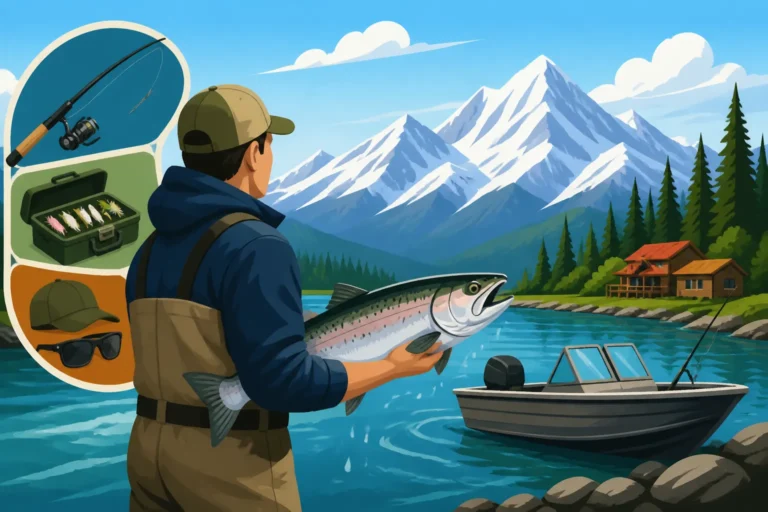
Recommended Gear and Tackle
Having the right equipment is non-negotiable for Deshka River fishing, especially when you're going head-to-head with powerful King Salmon.
- Rods: For King Salmon, you'll want a heavy-action baitcasting or spinning rod, typically 8.5 to 10.5 feet long. These longer rods provide the leverage needed to cast heavier lures and control powerful fish in the current. For Coho and resident trout, a medium-heavy to medium-action rod in the 7 to 9-foot range is usually sufficient.
- Reels: Pair your King Salmon rod with a high-quality baitcasting reel capable of holding at least 200 yards of 20-30 lb test monofilament or 50-65 lb braided line. A good drag system is absolutely critical. For Coho and trout, a robust spinning reel in the 3000-5000 series or a baitcasting reel spooled with 15-20 lb mono or 30-40 lb braid will do the trick.
- Line: Braided line (e.g., PowerPro, Sufix) is highly recommended as a main line due to its strength, sensitivity, and lack of stretch, which aids in detecting subtle bites. Attach a fluorocarbon or monofilament leader (20-40 lb test for Kings, 12-25 lb for Coho/Trout) for abrasion resistance and reduced visibility.
- Lures & Bait:
- Kings: Kwikfish (K14-K16), FlatFish (F7-F9), Spin-N-Glos (size 0-2), large spinners (e.g., Blue Fox Vibrax, #5 or #6), cured salmon roe, sardine fillets.
- Coho: Pixee spoons (1/2 to 1 oz), Vibrax spinners (#3-#5), Marabou jigs, cured salmon roe, small pieces of herring or prawn.
- Trout/Dolly Varden: Egg patterns, flesh flies, nymphs, small spinners (Mepps, Panther Martin), beads.
- Terminal Tackle: A variety of lead weights (pencil lead, slinkies, cannonball weights) from 1/2 oz to 4 oz, swivels (barrel and three-way), snap swivels, and a selection of sharp hooks (octopus style, single barbless, size 1/0 to 5/0 depending on species and bait). Remember to check Alaska Barbless Hook Requirements, as these are often mandated.
Fly Fishing on the Deshka
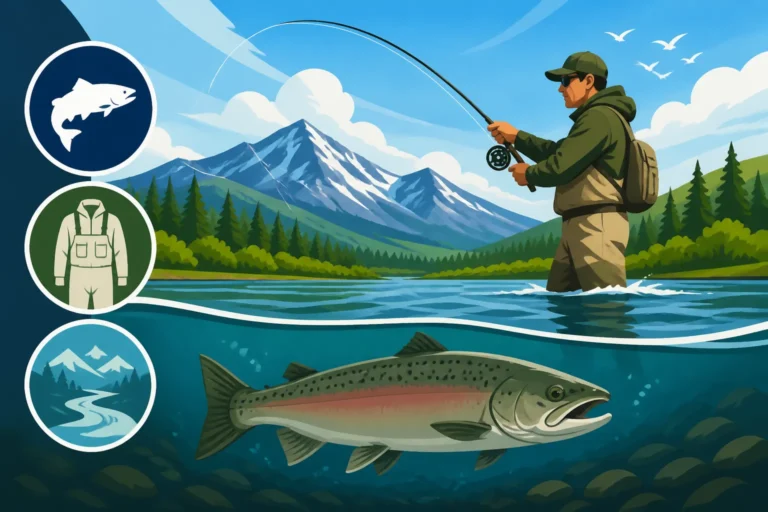
While spin fishing and baitcasting are more prevalent for salmon on the Deshka, there are definite opportunities for fly anglers, especially for Coho, Rainbow Trout, and Dolly Varden. King Salmon can also be targeted on the fly, though it's a more specialized and challenging endeavor requiring heavy-duty gear and technique.
- For Coho: A 7-9 weight fly rod paired with a large arbor reel and a floating or intermediate sink-tip line is ideal. Aggressive Coho will readily chase large, flashy streamers (e.g., Dolly Llama, Clouser Minnow, Articulated Fish-Skull Streamers) in chartreuse, pink, and black patterns. The key is to strip the fly with an erratic retrieve, mimicking a fleeing baitfish.
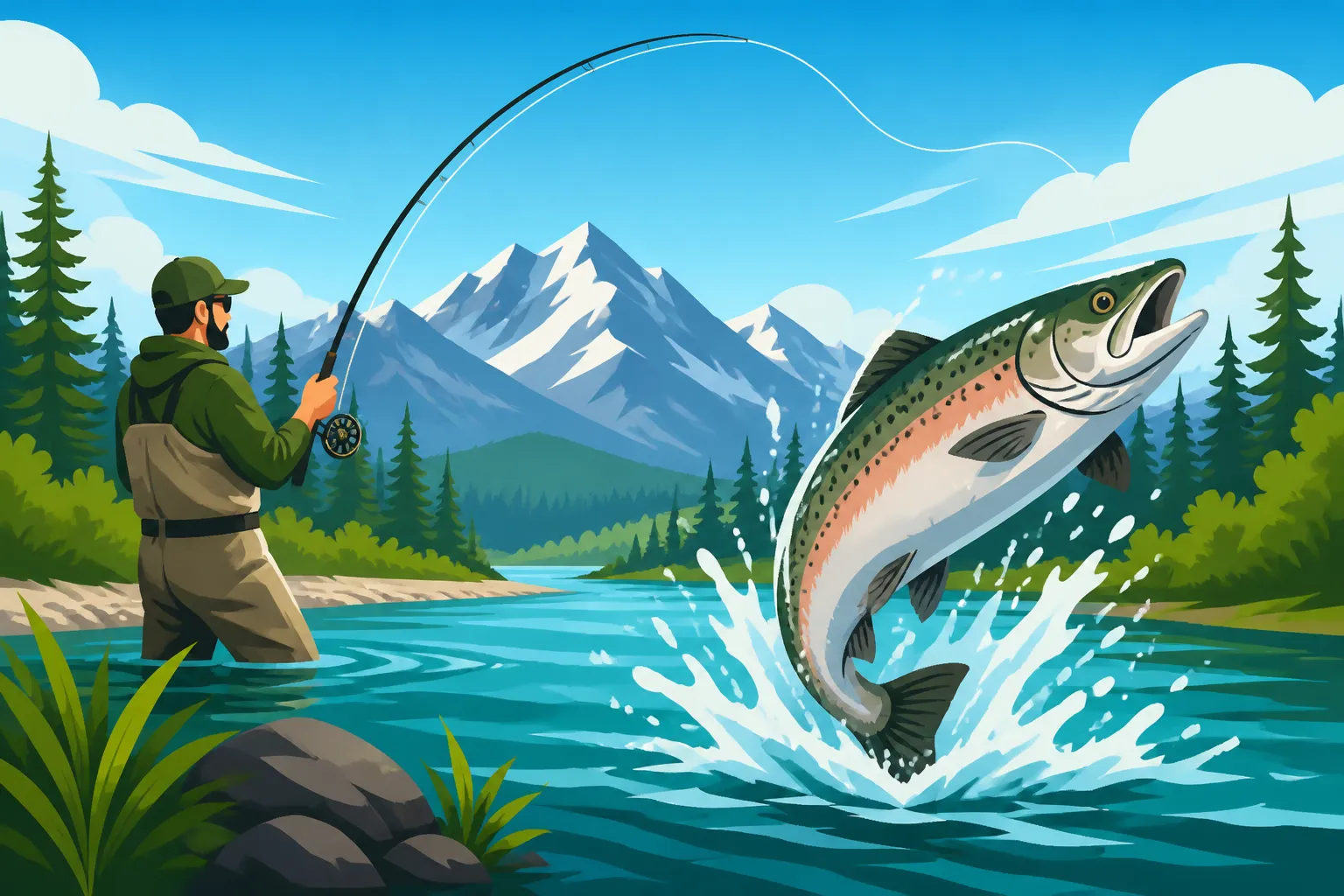
- For Trout and Dolly Varden: A lighter 5-7 weight rod is perfect. Floating lines are standard, and you'll want a selection of flies including egg patterns (e.g., Glo Bugs, Beads), flesh flies, nymphs (e.g., Prince Nymph, Hare's Ear), and smaller streamers. During the salmon spawn, fishing egg patterns behind spawning salmon can be incredibly productive. Understanding How to Fly Fish in Alaska will greatly enhance your success.
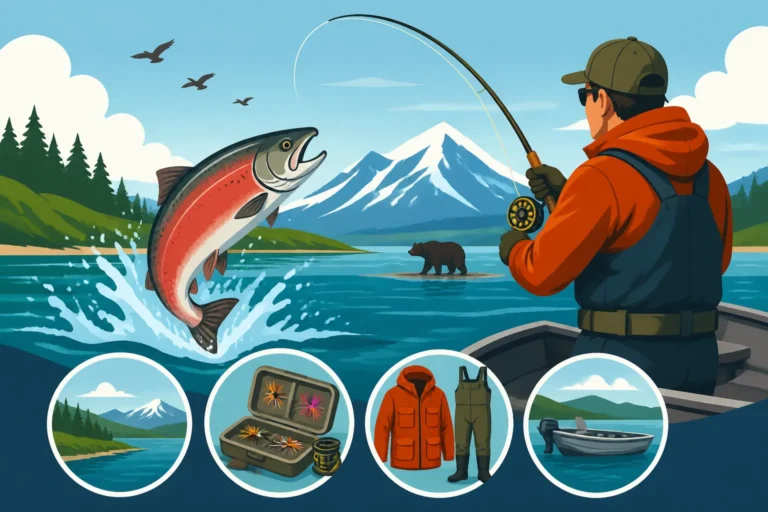
Regardless of your chosen method, having a good pair of waders, reliable rain gear, and a fishing vest or pack to keep your essentials organized will make your day on the Deshka much more comfortable.
Access and Logistics for Your Deshka Trip
Getting to and fishing the Deshka River involves a bit of planning, from understanding access points to deciding whether to go with a guide. Being prepared for the logistics can save you a lot of hassle and help you make the most of your valuable fishing time in Alaska.
Getting to the Deshka River
The Deshka River is one of the more accessible rivers in Southcentral Alaska, primarily reached via the Parks Highway.
- Willow Creek State Recreation Area: This is the most common public access point for the lower Deshka. Located near the town of Willow, about 70 miles north of Anchorage, the Recreation Area offers camping, day-use parking, and a boat launch. From here, many anglers launch jet boats to reach various fishing holes up and down the Deshka. Be aware that during peak salmon seasons, this area can get very busy, with long lines at the boat launch and crowded campsites. Arriving early is often key.
- Private Land and Fly-Ins: While the lower river is largely accessed by boat from Willow, some upper stretches are more remote. There are private lodges and landowners with river frontage that offer access, and occasionally, specialized fly-in services might drop anglers off in very secluded sections. However, for most DIY anglers, the Willow Creek access is the primary gateway. Understanding Best Roadside Fishing in Alaska will help you pinpoint other convenient spots.
Always be mindful of private property boundaries, even when on the river. Respect signs and ensure you are legally able to access any land you step onto.
Guided vs. Unguided Fishing
Deciding whether to hire a guide or go it alone is a common dilemma for Alaska anglers, and the Deshka River offers options for both.
- Guided Fishing:
- Pros: Guides offer unparalleled local knowledge of the river, current conditions, hot spots, and effective techniques. They typically provide all the necessary gear, bait, and often even basic fish processing. Their boats are usually well-equipped jet boats, allowing access to prime fishing areas quickly and safely. For first-timers or those with limited time, a guide can significantly increase your chances of success and provide a stress-free experience. Reputable guides also stay meticulously informed about changing emergency orders and regulations. Services like FishingBooker can help you find and compare various Deshka River guides and charters, making the booking process much smoother.
- Cons: The cost of a guided trip can be substantial. You're also on their schedule and using their preferred methods, which might not align perfectly with an independent angler's preferences.
- Unguided (DIY) Fishing:
- Pros: This option offers maximum flexibility and a more budget-friendly approach. You can fish at your own pace, experiment with different techniques, and choose your own adventure. For experienced anglers with their own jet boat and a good understanding of the Deshka, DIY fishing can be incredibly rewarding.
- Cons: You're responsible for all gear, bait, navigation, and understanding the complex regulations. Without local knowledge, finding fish can be challenging, especially if the runs are spread out or conditions change. Safety can also be a concern, as river currents and hazards demand respect, and cell service can be spotty.
For those unsure, even a single day with a guide can provide invaluable insights that you can then apply to subsequent unguided days on the river. Many of the best Deshka guides can be found through platforms like FishingBooker, where you can read reviews and compare offerings.
Accommodation and Amenities Nearby
While the Deshka River itself is wild, the surrounding Mat-Su Valley offers a range of accommodations and amenities to support your fishing trip.
- Camping: Willow Creek State Recreation Area provides developed campgrounds with designated sites, fire rings, and usually latrines. This is a popular and economical option for anglers looking to stay close to the action. Many private campgrounds are also available in the Willow/Talkeetna area.
- Lodges and Cabins: For a more comfortable stay, there are numerous lodges, cabins, and bed-and-breakfasts in Willow, Talkeetna, and the greater Mat-Su Valley. These often cater specifically to anglers, sometimes offering packages that include guided trips. Some local businesses provide amenities like fish processing, freezer space, and tackle shops.
- Supplies: You'll find basic groceries, gas, and tackle shops in Willow. For a wider selection, the larger towns of Wasilla and Palmer are about a 45-minute drive south, offering supermarkets, sporting goods stores (like Sportsman's Warehouse), and various restaurants. Always stock up on essentials like water, snacks, bug spray, and any specific tackle you need, as options right by the river are limited.
- Fish Processing: Many anglers want to bring their catch home. Several businesses in the Mat-Su Valley and Anchorage offer professional fish processing, vacuum sealing, and even shipping services. Plan for this in advance, especially if you're flying out. Our article on Alaska Fish Transport and Shipping Rules provides a detailed guide.
Conservation and Responsible Angling
Alaska's fisheries are a precious resource, and responsible angling practices are paramount to ensuring their health and availability for future generations. The Deshka River, with its significant salmon runs, requires every angler to be a good steward of the environment and its fish populations.
Practicing Catch-and-Release Responsibly
While many anglers target Deshka salmon for their table fare, there are times when catch-and-release is necessary due to regulations (e.g., King Salmon emergency orders) or simply a personal choice to conserve the resource. When practicing catch-and-release, minimizing stress and harm to the fish is crucial.
- Minimize Fight Time: Use appropriate tackle that can land the fish quickly without exhausting it to the point of no return. Prolonged fights increase lactic acid buildup and stress.
- Keep Fish in Water: Whenever possible, unhook fish while they are still in the water. If you must remove a fish for a quick photo, keep it out of the water for the shortest possible time, ideally no more than 5-10 seconds. Avoid dragging fish onto dry ground or handling them by the gills.
- Use Wet Hands: Always wet your hands before touching a fish to protect its delicate slime coat, which is vital for disease prevention.
- Barbless Hooks: Crimp your barbs! Barbless hooks make unhooking much easier and quicker, reducing injury to the fish. Many Deshka River regulations specifically call for Alaska Barbless Hook Requirements during certain seasons or for specific species.
- Proper Unhooking Tools: Carry needle-nose pliers or a hook remover to quickly extract hooks, especially if deeply embedded.
By following these best practices, you give released fish the best chance of survival, contributing to the long-term health of the Deshka's fish stocks.
Protecting the River Environment
The Deshka River is a beautiful, wild place, and keeping it that way is everyone's responsibility. Adhering to Leave No Trace principles is essential.
- Pack It In, Pack It Out: Everything you bring onto the river—food wrappers, discarded line, empty bait containers—must leave with you. Never leave trash behind. This includes cigarette butts and used fishing line, which can be deadly to wildlife.
- Respect Vegetation and Shorelines: Avoid trampling fragile riverbank vegetation. Stick to established trails and access points where possible. This helps prevent erosion and protects critical habitat.
- Waste Disposal: Use designated restrooms or latrines at campgrounds. If in the backcountry, dig a cathole at least 200 feet from water sources and pack out all toilet paper.
- Bear Awareness: The Deshka River corridor is prime bear country, especially during salmon runs. Always carry bear spray, know how to use it, and keep a clean camp. Properly store food and fish away from your sleeping area, preferably in bear-resistant containers or hung from a tree. Make noise while hiking to avoid surprising a bear. For more safety tips, our guide on How to Fish Safely Around Alaska Bears is a must-read.
Staying Informed on Emergency Orders
As mentioned, Alaska's fisheries are actively managed, and regulations can change rapidly, sometimes daily, especially for sensitive species like King Salmon. An emergency order might close a fishery, implement catch-and-release, reduce bag limits, or restrict gear type.
- ADF&G Website: The most authoritative source for current regulations and emergency orders is the Alaska Department of Fish and Game's website. They have a dedicated section for emergency orders, usually organized by region (Southcentral). Make it a habit to check this site daily before and during your trip. Our guide on How to Check Alaska Emergency Orders Before Fishing provides detailed instructions.
- Local Tackle Shops and Guides: Local tackle shops in Willow, Wasilla, or Palmer are often excellent sources of up-to-the-minute information, as they deal with anglers daily. Guided charters (many of which you can find through FishingBooker) are also on the front lines and are usually very well-informed. Don't hesitate to ask them for the latest updates.
- Local Radio: In some areas, local radio stations will broadcast emergency order updates.
The burden of knowing and following the regulations rests squarely on the angler. Claiming ignorance is not a valid excuse for violating an emergency order. By staying informed, you're not just protecting yourself from penalties, you're actively participating in the conservation efforts that keep the Deshka River fishery vibrant.
| Species | Primary Season | Best Techniques | Common Bait/Lures | Notes |
|---|---|---|---|---|
| King Salmon | Late May – June | Back-trolling, drift fishing | Kwikfish, FlatFish, cured roe, sardine | Highly regulated, check EOs daily |
| Silver (Coho) Salmon | Late July – September | Casting spinners/spoons, drift | Pixee spoons, Vibrax, cured roe, Marabou jigs | Aggressive fighters, less restrictive rules |
| Rainbow Trout | Year-round (best Apr-May, Sep-Oct) | Fly fishing, drift fishing | Egg patterns, nymphs, small spinners | Resident fish, often catch-and-release |
| Dolly Varden | Year-round (best Apr-May, Sep-Oct) | Fly fishing, drift fishing | Egg patterns, small streamers, small spinners | Similar to trout, good during salmon spawn |
Disclaimer
Please note that fishing regulations in Alaska are subject to change at any time due to emergency orders issued by the Alaska Department of Fish and Game. While this guide provides comprehensive information, it is crucial for every angler to verify the most current regulations, bag limits, and fishing restrictions directly with the ADF&G before heading out. This guide is for informational purposes only and does not constitute legal advice or guarantee fishing success.