Best Halibut Charters in Alaska
Planning an epic Alaska halibut fishing trip can feel overwhelming, with so many charter options and dazzling destinations to choose from. It’s tough to know where to begin, how to vet a good operation, or even what questions to ask to ensure you land on the perfect adventure that matches your expectations and budget. This comprehensive guide is here to cut through the confusion, helping you understand what makes a halibut charter truly stand out, where to find the giants, and how to book the trip of a lifetime without a hitch.
The Allure of Alaska Halibut Fishing
There's something uniquely captivating about halibut fishing in Alaska. It's not just about the immense size these "barn doors" can reach, or the sheer power they display when you hook into one. It's the whole experience: the crisp Alaskan air, the stunning coastal scenery, the camaraderie on the boat, and the absolute thrill of bringing up a fish that could feed your family for months. Many anglers dream of this trip, envisioning colossal flatfish and incredible stories to tell.
Why Halibut Are Such a Coveted Catch
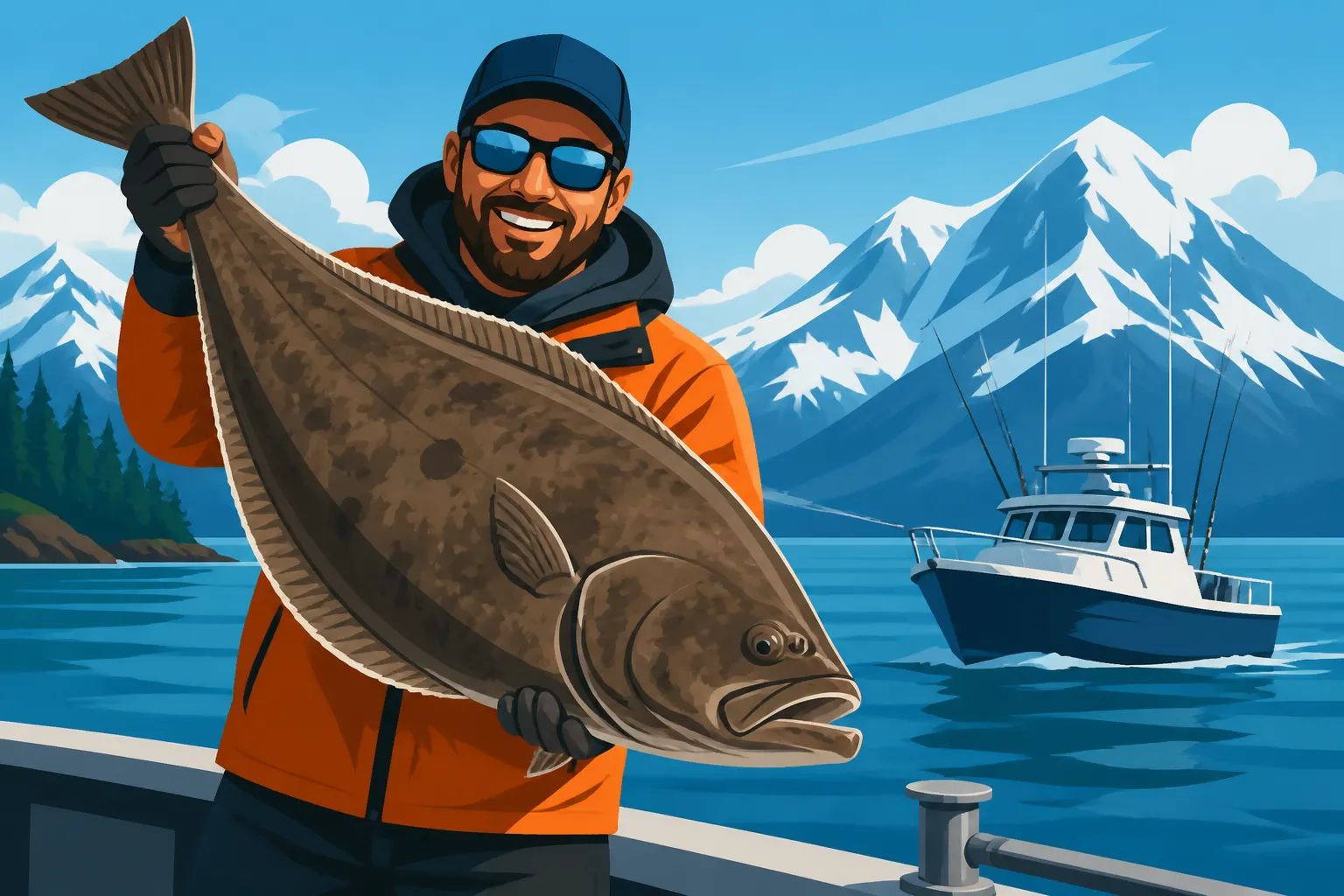
Halibut in Alaska are legendary for a reason. They're often referred to as "barn doors" or "dinosaurs of the deep" because of their flat, broad bodies and incredible size. Catching a halibut in the 100-pound range is a truly memorable experience, and breaking the 200-pound mark is the stuff of legends. These aren't dainty trout; they're powerful creatures that will test your strength and gear. The fight itself is an exhilarating blend of heavy lifting and strategic reeling, making every hook-up an intense battle you won't soon forget. Beyond the fight, halibut are prized for their firm, white, flaky meat, which is widely considered one of the best-tasting fish available. It's versatile, freezes beautifully, and provides a delicious bounty that justifies the journey.
The Unique Challenges and Rewards
While the rewards are immense, don't underestimate the challenges. Halibut fishing often means heading out into the open ocean, sometimes far from shore, where conditions can change rapidly. You might encounter choppy seas, strong currents, and deep waters. The gear is heavy-duty – stout rods, powerful reels, and heavy lead weights are the norm to get your bait down to the seafloor, which can be hundreds of feet below. It's physically demanding, requiring stamina to continuously reel up heavy weights and fight large fish. However, facing these elements and succeeding makes the reward that much sweeter. The shared experience with fellow anglers and the sense of accomplishment when a massive halibut breaks the surface are truly priceless moments you'll cherish long after your trip.
What Makes a Halibut Charter "The Best"?
Defining "the best" isn't just about catching the biggest fish, though that certainly helps! It's a combination of factors that contribute to a safe, enjoyable, and productive fishing experience. The best charters prioritize safety, offer excellent customer service, employ experienced crews, and maintain top-notch equipment. They understand that not every angler is a seasoned pro, and they cater to a variety of skill levels and expectations.
Safety First and Foremost
When you're out on the vast Alaskan waters, safety is paramount. The best halibut charters adhere to strict safety regulations, ensuring their vessels are well-maintained, regularly inspected, and equipped with all necessary safety gear, including life jackets, flares, first-aid kits, and communication devices. A reputable captain will always prioritize the well-being of their passengers over chasing a trophy fish in dangerous conditions. They’ll conduct thorough safety briefings before departure, explaining emergency procedures and how to properly use equipment. If a charter cuts corners on safety, it's a huge red flag. You should feel secure knowing that the captain and crew are competent and prepared for any eventuality, from a sudden change in weather to a medical emergency on board.
Experienced Captains and Knowledgeable Crews
An exceptional halibut charter starts with an experienced captain who knows the local waters like the back of their hand. They understand the tides, currents, and halibut feeding grounds, often having decades of experience navigating these specific Alaskan fishing spots. Equally important are the deckhands, who are crucial for a smooth operation. They're there to assist with baiting hooks, handling heavy gear, gaffing fish, and ensuring everyone on board has a good time. A truly knowledgeable crew can offer tips on technique, identify potential problems before they arise, and even share local stories and insights about the marine environment. Their expertise not only increases your chances of success but also enhances the overall enjoyment and educational value of the trip.
Top-Notch Gear and Well-Maintained Vessels
Imagine hooking into a monster halibut only to have your rod snap or your reel seize up. Frustrating, right? The best charters invest in high-quality, heavy-duty fishing gear designed to withstand the rigors of Alaskan halibut fishing. This includes strong rods, reliable reels (often electric for deep-water hauling), fresh line, and a variety of weights and tackle. Their boats are also a cut above: well-maintained, clean, spacious, and equipped with modern electronics like GPS, fish finders, and radar. Many larger vessels offer heated cabins, private heads (restrooms), and comfortable seating, which can make a huge difference on a full-day trip, especially if the weather isn't perfect. A charter that takes pride in its equipment shows a commitment to providing the best possible experience for its clients.
Top Regions for Halibut Fishing in Alaska
Alaska is massive, and while halibut can be found along much of its coastline, certain regions are consistently renowned for offering exceptional halibut fishing opportunities. These areas boast rich feeding grounds, reliable charter services, and accessible infrastructure for anglers. Whether you're flying in or driving the road system, there's a prime halibut destination waiting for you.
Homer: The Halibut Fishing Capital of the World
Often dubbed the "Halibut Fishing Capital of the World," Homer truly lives up to its name. Located at the end of the Sterling Highway on the Kenai Peninsula, it's easily accessible by car, making it a popular choice for many visitors. The town's iconic Homer Spit is a hub of activity, packed with charter offices, fish processing facilities, restaurants, and shops. The waters of Kachemak Bay and Cook Inlet surrounding Homer are incredibly productive, thanks to abundant baitfish and varied seafloor topography that halibut love.
Charters out of Homer typically target halibut grounds that can be anywhere from a short run to a couple of hours away, often venturing into deeper, more exposed waters where the biggest fish reside. You'll find a wide array of options here, from smaller six-pack charters to larger party boats, all vying to get you on the fish. Homer's long history as a fishing town means its captains are some of the most experienced in the state. If you're looking for sheer volume of charters and a robust fishing culture, Homer Alaska Fishing Guide is an excellent starting point.
Seward: Gateway to Resurrection Bay Giants
Seward, nestled at the head of Resurrection Bay, offers a different, yet equally thrilling, halibut fishing experience. The dramatic mountainous scenery and glacial views are breathtaking, adding an extra layer of beauty to your fishing adventure. Seward is a major port for cruise ships and recreational vessels, with a well-developed harbor facilitating a large charter fleet. Its proximity to offshore banks in the Gulf of Alaska makes it a prime location for targeting large halibut.
Many Seward charters head out past the mouth of Resurrection Bay, often focusing on the deeper waters where larger halibut are frequently encountered. The fishing here can be truly world-class, and it's also a fantastic place for combo trips, where you can target salmon or rockfish in addition to halibut. While the ride can sometimes be longer to the prime halibut spots, the potential for trophy-sized fish is very real. For those exploring the area, a Seward Alaska Fishing Guide can offer more localized insights.
Sitka: Southeast Alaska's Halibut Hotspot
Moving to Southeast Alaska, Sitka stands out as a premier destination for halibut. This historic town, surrounded by the Tongass National Forest and the Pacific Ocean, boasts some of the most consistently productive waters in the region. Sitka's fishing grounds are diverse, with numerous reefs, pinnacles, and offshore structures that attract a wide variety of marine life, including an abundance of halibut.
The charters operating out of Sitka benefit from shorter run times to productive fishing grounds compared to some other regions, allowing for more fishing time. The local captains are highly skilled at navigating the complex maze of islands and channels, often leading their clients to incredible catches. Beyond halibut, Sitka is also famed for its King and Silver salmon fishing, making it an ideal choice for anglers interested in a true multi-species Alaskan experience. Many anglers consider Sitka a top-tier destination for a full Alaskan fishing package.
Kodiak: Rugged Beauty and Monster Halibut
For those seeking a more remote and rugged adventure, Kodiak Island offers some truly epic halibut fishing. Known as the "Emerald Isle" for its lush green landscape, Kodiak is surrounded by nutrient-rich waters that support an incredible marine ecosystem. This island community is a bit more off the beaten path than Homer or Seward, typically requiring a flight from Anchorage, but the rewards can be phenomenal.
Kodiak's fishing grounds are vast and less pressured than some other popular spots, meaning the potential for massive halibut is very high. Charters here often target deep offshore banks and pinnacles, sometimes operating in more exposed waters. The experience is often more rustic and immersive, appealing to anglers who love a true wilderness setting alongside their fishing. The size of the halibut caught here can be astounding, making it a prime destination for those looking for a true "barn door" encounter. You can find more specific details on Best Charters in Kodiak Alaska for your trip planning.
Factors to Consider When Choosing Your Halibut Charter
With so many excellent halibut charters available, especially in prime locations, making a decision can feel like a daunting task. However, by carefully considering a few key factors, you can narrow down your options and find the perfect fit for your Alaskan fishing adventure. It’s all about matching your expectations, group dynamics, and budget with what a specific charter offers.
Budget and Pricing Structures
Alaska fishing, particularly for halibut, is an investment, and prices can vary significantly. Halibut charters typically charge per person, per day, with costs often ranging from $250 to over $500 for a full-day trip, depending on the location, duration, boat size, and what's included. It's crucial to understand what is covered in the price. Some charters are all-inclusive, covering gear, bait, and even basic fish processing, while others might charge extra for these essentials.
Consider your overall budget for the trip, not just the charter itself. Factor in travel, lodging, food, and the cost of an Alaska Fishing License: Complete Guide, which is always an additional expense. Don't automatically go for the cheapest option, as quality and safety can sometimes be compromised. Conversely, the most expensive isn't always the best. Look for a good balance of value, reputation, and what's provided. Always confirm the total cost upfront, including any potential fuel surcharges or hidden fees, to avoid unwelcome surprises.
Group Size and Preferred Fishing Style
The size of your group will heavily influence the type of charter boat you book. "Six-pack" charters are common for smaller groups (up to six passengers), offering a more intimate experience with personalized attention from the captain and crew. These boats are often faster and more maneuverable, allowing for quicker runs to different fishing spots. If you're traveling solo or with one or two others, you'll likely join a shared charter where you'll be fishing with other anglers.
For larger groups, some charters operate bigger "party boats" that can accommodate ten or more anglers. These often have more amenities and space, but the fishing experience can be less individualized. Consider your preferred fishing style: do you want a high-energy, fast-paced trip, or a more relaxed pace? Discuss this with potential charters. Some anglers prefer to bottom fish with bait, while others enjoy the challenge of jigging for halibut. Confirming the boat's capacity and the typical fishing style onboard will ensure a better match for your group. For those traveling with family, finding Alaska Charter Fishing for Families might be a priority.
Experience Level and Expectations
Are you a seasoned angler who's fished the world over, or is this your first time holding a heavy saltwater rod? Be honest about your experience level with potential charter operators. The best charters are adept at catering to both novices and experts. For beginners, a charter that offers plenty of instruction, hands-on assistance, and a patient crew will be invaluable. They'll show you how to drop your line, feel a bite, and properly fight a powerful halibut.
Experienced anglers might prefer a charter that focuses on maximizing fishing time, targets specific large fish, or uses more advanced techniques. Clearly communicating your expectations – whether it's simply to catch dinner, land a trophy, or just enjoy the scenery – will help the charter match you with the right trip. Don't be afraid to ask about past success rates or typical fish sizes caught on their trips. This helps manage expectations and ensures you're set up for success and enjoyment.
Understanding Different Halibut Charter Packages
When you start looking at halibut charters in Alaska, you'll quickly notice a variety of packages and durations available. It's not a one-size-fits-all situation, and understanding the differences can help you pick the perfect adventure for your time and budget. Each option has its own pros and cons, especially when considering the distances often traveled to prime halibut grounds.
Half-Day vs. Full-Day Charters
The most common decision you'll face is between a half-day and a full-day charter.
Half-Day Charters: These typically run for 4-6 hours. They're a great option if you're on a tighter schedule, fishing with young children, or if you're prone to seasickness and prefer less time on the open water. The cost is generally lower, making it more budget-friendly. However, the trade-off is often less fishing time and potentially smaller halibut. Many prime halibut fishing grounds are further out from port, meaning a significant portion of a half-day trip can be spent traveling. This can limit the captain's ability to move between multiple productive spots or target the really big "barn door" halibut that tend to reside in deeper, more distant waters. While you can certainly catch halibut on a half-day trip, it's often more about experiencing the fishery and catching some dinner-plate sized "chicken" halibut rather than pursuing a true trophy.
Full-Day Charters: Ranging from 8-12 hours, full-day trips offer the complete Alaska halibut fishing experience. These charters allow captains ample time to travel to the best fishing grounds, often 30-60 miles offshore, where the larger, older halibut tend to congregate. More time on the water means more opportunities to locate active schools of fish, try different spots, and battle multiple big fish. While more expensive and physically demanding, full-day charters significantly increase your chances of landing a trophy halibut and filling your cooler with plenty of fillets. They also offer a more immersive experience, with more time to enjoy the stunning Alaskan scenery, watch for marine wildlife, and really get into the rhythm of deep-sea fishing. For many serious anglers, a full-day halibut trip is the only way to go.
Combo Salmon and Halibut Charters
Why choose just one species when you can target two? Combo trips are incredibly popular in Alaska, allowing anglers to pursue both salmon and halibut in a single outing. These charters are often full-day excursions, sometimes even longer, due to the need to travel to different areas suitable for each species.
The Appeal: The main advantage is variety. You get to experience the powerful fight of a halibut on the bottom, then switch gears to the acrobatic jumps and runs of an Alaska salmon, such as King (Chinook) or Silver (Coho). This adds excitement and diversity to your fishing day and maximizes your chances of bringing home a mixed bag of delicious Alaskan seafood. It’s also a fantastic way to introduce new anglers to different fishing techniques. For example, you might spend the morning bottom fishing for halibut offshore, then move closer to shore or into a bay in the afternoon to troll for salmon.
Considerations: Combo trips require a skilled captain who can efficiently navigate between different fishing zones and adapt techniques for each species. While you get the best of both worlds, the time dedicated to each species might be less than a dedicated single-species trip. For example, if the halibut bite is red-hot, you might have to pull lines to switch to salmon, or vice-versa. It’s a balancing act. It's important to clarify with the charter how they typically structure these trips and if there's flexibility based on fishing conditions. Many charters offer excellent Alaska Combo Salmon and Halibut Charters as a staple of their offerings.
Multi-Day Fishing Packages and Lodges
For the ultimate immersive experience, multi-day fishing packages or stays at all-inclusive fishing lodges are an incredible option. These typically combine multiple days of guided fishing with lodging, meals, and often fish processing and packaging.
Benefits: Multi-day packages allow you to fully immerse yourself in the Alaskan fishing lifestyle. You often stay in comfortable lodges, some quite luxurious, and enjoy gourmet meals. The fishing itself is more relaxed, without the rush of a single-day trip. You can target halibut for a couple of days, then switch to salmon, trout, or even explore different fishing grounds within the same region. This also provides flexibility if weather conditions are unfavorable on one particular day, allowing for rescheduling or alternative activities. Many lodges have their own private fleets and experienced guides, offering a seamless and personalized experience. FishingBooker lists several multi-day lodge options, making it easier to plan an extended stay.
Investment: These experiences are a significant investment, often costing several thousand dollars per person for a multi-day stay. However, for many, the convenience, level of service, and comprehensive nature of these packages make them well worth the price. They are perfect for groups, families, or serious anglers who want to maximize their time in Alaska and truly experience everything the region has to offer beyond just a single day on the water.
Preparing for Your Alaska Halibut Charter Adventure
You've booked your dream halibut charter – fantastic! Now comes the exciting part: getting ready for your trip. Proper preparation can make a huge difference in your comfort, enjoyment, and overall success on the water. Don't underestimate the unpredictable nature of Alaskan weather, even in summer.
Dressing for Success: Layering is Key
Alaska's weather is famously fickle. A sunny, calm morning can quickly turn into a chilly, rainy, and windy afternoon. The key to staying comfortable is layering.
Start with a moisture-wicking base layer (synthetics or wool, never cotton), which will help regulate your body temperature and keep sweat away from your skin. Over that, add an insulating layer, like a fleece jacket or a down vest, for warmth. Finally, a waterproof and windproof outer shell (jacket and pants) is absolutely essential. Look for good quality rain gear that can withstand persistent drizzle or even moderate downpours, as you’ll be exposed to the elements. Remember, you can always shed layers if it gets warm, but you can’t add what you didn’t bring. Good waterproof boots are also highly recommended to keep your feet dry and warm, especially if there's any splash or fish slime on deck. Bringing along a pair of warm, waterproof gloves and a warm hat can also be a game-changer when the wind picks up or temperatures drop. For more specific guidance, consider checking out articles like What to Wear on an Alaska Fishing Charter.
Essential Gear to Bring (and What the Charter Provides)
Most reputable halibut charters will provide all the heavy-duty fishing gear you'll need: rods, reels, bait, and tackle. However, there are still some personal items you'll want to pack to enhance your experience.
What to bring:
- Fishing License and King Salmon Stamp: Absolutely non-negotiable! You'll need an Alaska Halibut Charter Regulations Explained that includes a current Alaska sport fishing license and, if targeting King salmon on a combo trip, a King Salmon Stamp. Get these before you go to avoid delays.
- Cooler (for your catch): While some charters have storage, it's a good idea to bring a dedicated cooler to transport your fillets from the dock to the fish processor or your lodging.
- Snacks and Drinks: Most full-day charters don't provide meals, so pack plenty of water, soft drinks, and hearty snacks. Some charters might offer coffee or bottled water, but it's best to be self-sufficient.
- Sunscreen and Sunglasses: Even on cloudy days, the glare off the water can be intense, and the UV index can be surprisingly high.
- Medications: If you have any prescriptions or over-the-counter medications you rely on, bring them. This includes motion sickness medication (like Dramamine or Bonine), which is highly recommended even if you don't typically get seasick, as ocean conditions can be unpredictable.
- Camera: You'll want to capture those epic moments and stunning Alaskan landscapes! Just make sure it's waterproof or has good protection.
- Small backpack or dry bag: To keep your personal items organized and dry.
- Cash for tipping: Tipping your captain and deckhand is customary and greatly appreciated for a job well done. Plan for 15-20% of your charter cost.
What the charter typically provides:
- Rods and reels (often heavy-duty conventional setups)
- Bait (typically herring, squid, or salmon heads)
- Weights and other terminal tackle
- Safety equipment (life jackets, first-aid, etc.)
- Gaffs, nets, and fish boxes onboard
Always double-check with your specific charter beforehand to confirm what they supply. This information should be readily available on their website or when you communicate with them. For a complete packing list, see What to Bring on an Alaska Fishing Charter.
Understanding Seasickness Prevention
Seasickness can absolutely ruin an otherwise fantastic fishing trip. It’s a common issue, even for people who don't usually get motion sickness, because ocean swells can be much larger and more erratic than lake or river chop.
Prevention is key:
- Medication: Over-the-counter options like Dramamine or Bonine are very effective. Start taking them the night before your trip, as they work best when in your system before symptoms begin. Prescription patches (Scopolamine) are another strong option.
- Stay Hydrated and Eat Lightly: Avoid heavy, greasy foods and alcohol the night before and morning of your trip. Stick to bland foods.
- Focus on the Horizon: Once on the boat, try to look at a fixed point on the horizon rather than reading or focusing on objects inside the boat.
- Fresh Air: Stay on deck if possible, where you can get fresh air, rather than spending time in the cabin.
- Avoid Strong Odors: The smell of diesel fumes or fish can exacerbate seasickness for some.
If you start to feel queasy, tell the crew immediately. They are experienced and often have tips or remedies that can help. Don't suffer in silence; a good crew wants you to have a great time and will assist.
Key Questions to Ask Your Prospective Charter Captain
Before you commit to a charter, especially for a significant investment like an Alaska halibut trip, it's crucial to do your due diligence. Don't be shy about asking questions! A reputable captain will appreciate your thoroughness and be happy to provide clear answers. This helps ensure there are no misunderstandings and that the trip meets your expectations. FishingBooker makes it easy to compare charters and often has answers to these questions in their listings, but a direct call is always beneficial.
Confirming Licenses, Insurance, and Safety Protocols
This is non-negotiable. Always confirm that the charter is properly licensed and insured.
- "Are you and your vessel fully licensed and insured for charter fishing in Alaska?" All legitimate charter operations will have the necessary state and federal permits, and adequate liability insurance. Don't be afraid to ask for proof if you feel it's necessary. This protects both you and the operator.
- "What safety equipment do you have on board, and what are your emergency procedures?" A professional captain will detail their safety gear (life rafts, life jackets, flares, first aid, VHF radio, satellite phone) and explain their safety briefing process. They should instill confidence that they are prepared for any emergency. Understanding Alaska Fishing Violations and Fines highlights the importance of choosing a legitimate operation that adheres to all regulations.
Understanding Trip Logistics and Fish Processing
You're there to catch fish, but what happens after that? Clarifying logistics is vital.
- "What is the typical itinerary for a full-day halibut trip? How far out do you usually go?" This helps you understand how much actual fishing time you'll have versus travel time, and what kind of waters you'll be in. Knowing the typical run time to fishing grounds can influence your decision between, for example, a Homer or a Seward charter.
- "What is your policy for fish processing, packaging, and shipping?" Most charters will fillet your fish back at the dock, but the cost and extent of processing vary. Some include basic filleting, while others might direct you to a local fish processor for vacuum sealing, freezing, and shipping. Companies like Captain Jack's in Seward or Coal Point Trading Company in Homer are well-known processors. Understanding Fish Processing After an Alaska Charter is crucial for planning what to do with your valuable catch.
- "What is included in the price (bait, tackle, snacks, drinks)? Are there any hidden fees?" Get a clear breakdown of costs to avoid surprises. Confirm if the King Salmon Stamp or your fishing license is extra, as it always is.
Weather Policies and Cancellation Procedures
Alaska weather is unpredictable, and sometimes trips need to be altered or canceled for safety.
- "What is your policy regarding bad weather or unsafe conditions?" A responsible captain will cancel or reschedule if conditions are too dangerous. Ask if you get a refund or credit for a future trip in such cases.
- "What is your cancellation policy if I need to change my plans?" Life happens. Understand their refund policy, deposit requirements, and deadlines for changes. This helps protect your investment, especially when planning far in advance.
Post-Trip: Handling Your Catch and Logistics
The exhilaration of landing a magnificent Alaska halibut doesn't end when you get back to the dock. The next crucial steps involve properly handling your catch to preserve its quality and figuring out how to get it home. This can seem like a logistical puzzle, but with a little planning, it's quite manageable.
Fish Processing and Packaging Options
Once your charter boat pulls back into port, the deckhands will typically begin the process of filleting your halibut. Many charters offer basic filleting services right on the dock, which usually involves skinning and deboning the fish into large, manageable fillets. This service might be included in your charter price, or there might be a small additional fee.
After the initial filleting, you'll need to decide on further processing. Most anglers opt to have their fish vacuum-sealed and flash-frozen. This is the best way to preserve the quality and freshness of your halibut for travel and long-term storage. Reputable fish processing facilities are conveniently located near major fishing ports like Homer, Seward, and Sitka. These facilities, such as Coal Point Seafood Company in Homer or J-Dock Seafood Company in Seward, specialize in handling sport-caught fish. They'll weigh your catch, vacuum-seal it into meal-sized portions, label it, and then flash-freeze it solid. They can often provide insulated boxes suitable for air travel or shipping. These services usually come at an additional cost, calculated per pound of finished product. It's smart to research these processors ahead of time and factor their costs into your budget. For an in-depth look, see Fish Processing After an Alaska Charter.
Shipping Your Catch Home
Getting your prized halibut from Alaska to your home kitchen requires careful planning, especially if you're flying.
Airline Travel: Most airlines allow you to check frozen fish as luggage. The key is ensuring your fish is rock-solid frozen and packed in an airline-approved, insulated cooler or fish box. These specialized boxes, often made of sturdy cardboard with a Styrofoam insert, are designed to keep your fish frozen for 24-48 hours. Many fish processors sell these boxes and can pack your fish for you. Always check your airline's specific policies regarding seafood transport, including weight limits and cooler dimensions, before you travel. Overweight baggage fees can add up quickly!
Professional Shipping Services: If you'd rather not deal with the hassle of checking fish on a flight, or if you have a very large amount of fish, many processing facilities offer professional shipping services. They can arrange to have your frozen fish shipped directly to your doorstep via FedEx or UPS, often overnight or second-day air. While this option is usually more expensive than checking it as luggage, it offers convenience and peace of mind, ensuring your valuable catch arrives safely and still frozen. Be sure to get tracking information and arrange for someone to be home to receive the shipment. Knowing How Much Fish Can You Bring Home from Alaska is crucial for planning your catch and shipping.
Enjoying Your Hard-Earned Bounty
Finally, the best part – enjoying the fruits of your labor! Alaska halibut is a truly exceptional eating fish. Its firm, white flesh is incredibly versatile, perfect for grilling, baking, pan-searing, or even making fish and chips.
Having a freezer full of wild Alaskan halibut means you can savor the memories of your trip long after you've returned home. It's a fantastic way to share your adventure with friends and family, inviting them over for a delicious, fresh-caught meal. Each bite will transport you back to the rugged beauty of Alaska, the salty spray of the ocean, and the thrilling moment you reeled in your magnificent "barn door." This bounty is the ultimate reward for your Alaskan fishing adventure, making all the effort and planning truly worthwhile.
Choosing the Best Halibut Charter for Your Alaska Adventure
Navigating the vast options for Alaska halibut charters can feel like a big undertaking, but by focusing on what truly matters to you and your group, you can make an informed decision. Remember, the "best" charter isn't a universal title; it's the one that best fits your needs, expectations, and budget for an unforgettable fishing experience.
Personalized Recommendations and Online Resources
One of the best ways to find a great charter is through personal recommendations. Talk to friends, family, or fellow anglers who have fished in Alaska. Their first-hand accounts can provide invaluable insights into specific captains, boats, and locations. They can tell you about the crew's demeanor, the quality of the gear, and the overall fishing success they experienced.
Beyond word-of-mouth, online resources are incredibly powerful tools. Websites like FishingBooker are fantastic for comparing multiple charters in various Alaskan ports. You can filter by location (Homer, Seward, Sitka), price range, boat size, species targeted (halibut, salmon, combo), and even read reviews from previous customers. Customer reviews often highlight aspects like the captain's personality, the deckhand's helpfulness, the cleanliness of the boat, and the overall fishing success, giving you a well-rounded picture. It's an efficient way to see many options side-by-side, understand pricing structures, and get a feel for what each operation offers before making contact.
The Value of Early Booking and Communication
Alaska's prime halibut fishing season, typically from May through September, is incredibly popular. The best charters, especially those with top reputations and smaller capacities, book up very quickly, often six months to a year in advance. If you have specific dates in mind or are traveling with a larger group, it is absolutely critical to book your charter as early as possible. This is particularly true if you are planning to fish during peak salmon runs, which often coincide with excellent halibut fishing.
Once you've identified a few potential charters, don't hesitate to reach out to them directly. Clear and open communication with the charter captain or booking agent is key. This is your chance to ask all those important questions about their vessel, safety protocols, included amenities, and what you can realistically expect from your trip. The responsiveness and clarity of their communication can also be a good indicator of their professionalism and customer service. A charter that takes the time to answer your questions thoroughly and patiently is usually a good sign that they'll provide excellent service on the water as well. Consider reviewing How Far in Advance to Book an Alaska Charter to strategize your booking.
Trusting Your Gut: The Final Decision
Ultimately, after all your research, questions, and comparisons, trust your gut feeling. You're looking for a charter that instills confidence, aligns with your expectations, and makes you feel excited about the adventure ahead. Pay attention to how the captain or booking agent communicates – do they sound knowledgeable, friendly, and genuinely passionate about fishing? Do they seem patient with your questions?
Sometimes, the "best" charter isn't just about the biggest boat or the cheapest price; it's about the connection you feel with the people who will be guiding your experience. A good personality fit between you and your captain can truly elevate the trip. Whether you're chasing a massive "barn door" halibut or simply enjoying the unparalleled beauty of the Last Frontier, the right charter will ensure you create lasting memories and stories that you'll be eager to share for years to come.
Disclaimer
The information provided in this guide is for general informational purposes only and does not constitute professional advice. Fishing regulations, seasons, and charter availability can change frequently. Always consult the most current Alaska Department of Fish and Game regulations and communicate directly with your chosen charter operator to confirm all details before planning your trip. Fishing in Alaska carries inherent risks; always prioritize safety and follow the instructions of your captain and crew.