Best Months to Book an Alaska Fishing Charter
Planning an Alaska fishing trip can feel like cracking a secret code, especially when you're trying to figure out the absolute best time to go to maximize your chances of a great catch. It’s not just about picking a random month; it’s about aligning your desires – whether it's battling a trophy King, filling your cooler with Sockeye, or hauling in a massive halibut – with the unpredictable ebb and flow of nature. This guide will help you pinpoint the ideal months to book your Alaska fishing charter, ensuring your dream trip lives up to its legendary reputation.
Understanding the Alaska Fishing Calendar
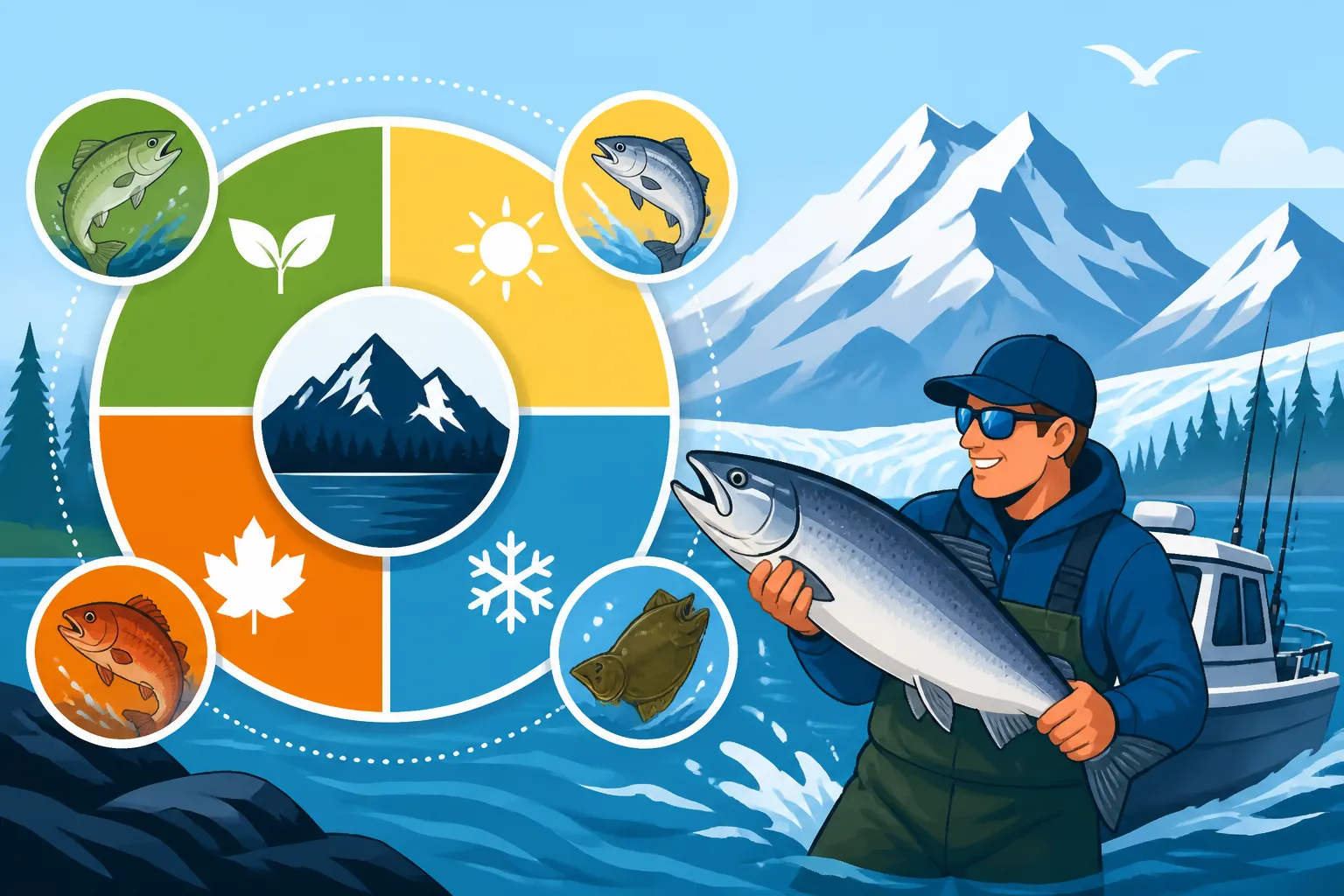
Alaska's fishing calendar isn't a static document; it's a dynamic tapestry woven with the migratory patterns of salmon, the feeding habits of halibut, and the changing whims of the weather. To truly understand when to book your charter, you first need a grasp of what's happening throughout the seasons. Missing this crucial detail means you might arrive hoping for King Salmon and find yourself in the middle of a Pink Salmon run, which isn't a bad thing, but perhaps not what you envisioned.
The Salmon Runs
When most people think of Alaska fishing, their minds immediately go to salmon. And for good reason! Alaska is home to five species of Pacific Salmon, each with its own distinct run timing. This is the heartbeat of the Alaskan fishing season, dictating much of the activity in both freshwater rivers and saltwater estuaries. If you're wondering, "When to Fish for Each Salmon Species in Alaska", here's a quick rundown:
- King Salmon (Chinook): The first to arrive, often showing up in May and peaking in June and early July. These are the giants, the prized catch, known for their powerful fights. Early season Kings are often caught in rivers like the Kenai and Kasilof, while ocean-run Kings are sought after in saltwater areas.
- Sockeye Salmon (Red): Known for their incredible numbers and delicious red meat, Sockeye typically start their runs in late June and continue strongly through July. Rivers like the Kenai and Russian River become Sockeye hotspots, drawing anglers from all over the world. Many people are trying to time the "Alaska Sockeye Daily Limit by River" and get in on the action.
- Chum Salmon (Keta): Often running alongside Sockeye and Pinks in July and August, Chums are strong fighters and excellent for smoking. They're often overlooked but provide fantastic angling opportunities.
- Pink Salmon (Humpy): These smaller, prolific salmon run in massive numbers, primarily in even-numbered years, peaking in late July and August. They offer constant action, especially for families or new anglers.
- Coho Salmon (Silver): The acrobats of the salmon family, Silvers arrive later in the summer, typically starting in August and continuing strong through September. Their aggressive takes and aerial displays make them a favorite among many anglers.
Understanding these run timings is paramount. If your heart is set on a trophy King, a July trip focusing on Sockeye might leave you a bit disappointed, even if the Sockeye fishing is phenomenal.
Halibut Seasons
While salmon get a lot of the spotlight, Alaskan halibut fishing is an experience unto itself. These flatfish can grow to immense sizes, earning the nickname "barn doors," and fighting them up from the depths is a true test of strength and endurance. The prime time for halibut fishing generally runs from mid-May through September.
However, the peak for consistent action and the highest likelihood of landing a real monster typically falls between June and August. During these months, the halibut are actively feeding in shallower waters, making them more accessible to sport anglers. There are nuances, though. Early season (May/early June) can sometimes yield larger, pre-spawn halibut, while late season (August/September) can offer more stable weather and fewer crowds. Remember, specific "Alaska Halibut Charter Regulations Explained" can also influence your trip, including daily and annual limits and potential closures.
Other Species and Freshwater Fishing
Alaska isn't just about salmon and halibut. The state's diverse waters offer incredible opportunities for other species too:
- Rainbow Trout and Dolly Varden: These freshwater fighters are available throughout the open water season, but the best times often coincide with salmon spawning runs (late summer/fall) when they gorge on salmon eggs. July and August can be fantastic for targeting these species in rivers like the Kenai, especially when you know the "Alaska Kenai Rainbow Trout Catch-and-Release Areas".
- Lingcod and Rockfish: These saltwater bottom dwellers are often targeted on halibut charters, especially in Southeast and Southcentral Alaska. Their seasons typically mirror the halibut season, from May through September, with specific regulations for each species.
- Arctic Grayling and Northern Pike: Found primarily in interior and northern freshwater systems, these species offer unique angling experiences, often best pursued from June through August when waters are open and fish are active.
So, while salmon and halibut are the main draws, don't overlook the incredible diversity Alaska has to offer if your interests lie elsewhere!
Peak Season: The Busy, Bountiful Months (June-August)
When people talk about "prime time" in Alaska, they're almost always referring to June, July, and August. These are the months when the weather is generally at its warmest, the days are longest (hello, midnight sun!), and the fish runs are in full swing. However, with abundance comes popularity, meaning more people and higher demand for charters.
June: King Salmon and Early Sockeye
June is a phenomenal month for anglers who dream of catching a trophy King Salmon. The first big push of Kings enters rivers like the Kenai and Kasilof, offering some of the most thrilling freshwater fishing experiences. These fish are fresh from the ocean, bright, and powerful. Simultaneously, early Sockeye runs begin to trickle into various river systems, building anticipation for the full-blown Sockeye season.
Saltwater fishing in June is also excellent. Halibut fishing really hits its stride, and you'll find charters running out of places like Homer and Seward consistently. You might even hook into an early Coho or a variety of rockfish. The weather, while usually pleasant, can still be a bit unpredictable, so always pack layers and good rain gear. Booking a charter in June means you're aiming for that sweet spot where some of the biggest Kings are around, and the halibut are plentiful. Just remember that many of the most popular guides and charter operators get booked up months, sometimes even a year, in advance for this golden window. If you're looking for an unforgettable adventure, checking out options on platforms like FishingBooker can help you secure a reputable guide during this busy period.
July: Sockeye Mania and Prime Halibut
If you've heard tales of "combat fishing" and rivers teeming with bright red salmon, you're likely thinking of July. This is the absolute peak of the Sockeye Salmon runs in many rivers, particularly the Kenai and Russian River. Anglers line the banks, flipping flies and battling powerful Sockeye one after another. It’s an exhilarating, albeit crowded, experience that defines Alaskan summer fishing for many. If you want to know "How to Catch Sockeye Salmon in Alaska", July is often the month to put those skills to the test.
Beyond Sockeye, July is arguably the best month for overall halibut fishing. The big "barn doors" are active, and charters report excellent success rates. Lingcod and various rockfish are also readily available. The weather is typically at its best, making for more comfortable boat rides and longer fishing days. However, July is also the busiest tourist month in Alaska. Expect higher prices for everything from flights to lodging, and be prepared for crowds at popular fishing spots and towns. Booking your charter for July means you're almost guaranteed to hit major fish runs, but you'll be sharing the experience with many others.
August: Silvers and Lingcod
As July winds down, August brings a shift in the fishing landscape. While Sockeye runs may still be strong in some areas, the focus begins to move towards the acrobatic Coho Salmon (Silvers). These aggressive fighters provide incredible action, often continuing well into September. Many anglers prefer Coho fishing over Sockeye due to their willingness to strike lures and flies, and their spectacular aerial displays when hooked.
Halibut fishing remains strong through August, with many charters still bringing in impressive catches. Lingcod fishing also picks up, and rockfish are consistently available. Freshwater fishing for Rainbow Trout and Dolly Varden becomes fantastic as they start to follow spawning salmon, gorging on eggs. The weather in August is often stable and pleasant, though cooler temperatures and shorter daylight hours start to creep in by the end of the month. While still busy, August generally sees slightly fewer crowds than July, offering a good balance of excellent fishing and a somewhat more relaxed atmosphere. It's an ideal month for a combo trip, hitting both salmon and bottom fish.
Shoulder Seasons: Smart Choices for Specific Experiences (May & September)
While June, July, and August are the headliners, the shoulder seasons of May and September offer unique advantages that many experienced Alaska anglers cherish. These months often mean fewer crowds, potentially lower prices, and fishing opportunities that can be just as rewarding, sometimes even more so, if you know what you're looking for.
May: Early Birds and Big Kings
May is the opening act for Alaska's fishing season, a time for the truly dedicated angler who enjoys the thrill of anticipation and the challenge of early-season conditions. The big draw in May is the initial push of King Salmon into the major river systems. These fish are chrome-bright, incredibly powerful, and often among the largest of the season, fresh from the ocean. While numbers might not be as high as in peak June, the quality of the fish and the relative solitude can be unparalleled.
Halibut fishing also kicks off in May. While the water can still be chilly, and weather more prone to storms, charters are actively targeting these flatfish. Some of the biggest halibut of the year are sometimes caught in May as they shake off their winter slumber. Additionally, freshwater trout fishing can be excellent in certain areas as rainbows and Dolly Varden become active after ice-out. If you're looking to avoid the summer rush, don't mind cooler temperatures, and are specifically targeting those magnificent early-run Kings or a potentially record-breaking halibut, May is an excellent, often overlooked, choice. You'll find that booking a quality charter in May can be a little easier than in the absolute peak, but still requires advance planning.
September: Fall Silvers and Fewer Crowds
September in Alaska is a magical time, often characterized by crisp air, vibrant fall foliage, and phenomenal Coho (Silver) Salmon fishing. As the summer crowds thin out, the Silver Salmon runs hit their absolute peak in many areas, providing consistent, aggressive action. Rivers and saltwater bays can be absolutely loaded with these acrobatic fighters, making for truly memorable days on the water.
Beyond Silvers, September also offers some of the best freshwater trout fishing of the year. Rainbow Trout and Dolly Varden are actively feeding on the eggs of spawning salmon, meaning they are often plump, aggressive, and eager to strike. Charters will still be running for halibut and lingcod, though these fisheries might start to wind down by late September depending on the location and weather. The weather can be a mixed bag; you might get glorious, calm, sunny days, or you might experience the first tastes of winter with cold rain and wind. However, the benefits of fewer people, more available lodging, and often stunning scenery make September a favorite for many veteran Alaska anglers. If you prefer solitude, incredible Coho action, and trophy trout, September offers a fantastic opportunity to book an "Alaska Salmon Charter Guide".
Factors Influencing Your Booking Decisions
Choosing the best month to book an Alaska fishing charter isn't just about fish runs; several other factors play a significant role in shaping your overall experience. Ignoring these can lead to disappointment, even if the fish are biting.
Desired Species
This is arguably the most critical factor. As we've discussed, different species have different run timings. If your dream is to catch a trophy King Salmon, aiming for mid-June is your best bet. If you want to experience the sheer numbers and excitement of a Sockeye run, then July is your month. For acrobatic Coho, plan for August or September. Halibut is more flexible, with good fishing from May through September, but peaks in mid-summer.
Take the time to truly visualize what you want to accomplish on your trip. Do you want to try for multiple species? A combo trip in late July or August might be ideal, allowing you to target both salmon and bottom fish. Are you a fly-angler hoping for massive Rainbow Trout? Then timing your trip with the salmon spawn in late summer or early fall will be key. Your target species dictates not only the month but often the specific region and type of charter you'll need. For instance, if you're set on targeting Steelhead, you'll need to research "Alaska Steelhead Catch-and-Release Rules" and plan for spring or fall.
Avoiding Crowds and Availability
Alaska fishing is incredibly popular, and the most productive periods in the most famous locations can get very crowded. The Kenai River in July during the Sockeye run is legendary for its "combat fishing," where anglers stand shoulder-to-shoulder. If you thrive on that kind of energy, great! But if you prefer a more serene experience, you'll want to aim for the shoulder seasons (May, early June, or September) or consider more remote, fly-out fishing trips.
Charters and lodging in peak season (July, especially) book up incredibly fast. It's not uncommon for top guides to be fully booked a year or more in advance. If you have specific dates or a particular guide in mind, you absolutely must book early. Using a service like FishingBooker allows you to browse availability across many charters, helping you find openings even during busy times. Planning your trip around when you want to avoid crowds can heavily influence the fishing opportunities and overall ambiance.
Budget Considerations
Just like any other popular travel destination, prices for flights, lodging, and charters in Alaska fluctuate with demand. Peak season (July) generally sees the highest prices. If you're on a tighter budget, exploring the shoulder seasons can often save you a significant amount. May and September trips can sometimes offer lower rates for charters and accommodations, and flights might be less expensive too.
Consider the cost of your "Alaska Fishing License: Complete Guide" and any stamps (like the King Salmon stamp) which are fixed costs regardless of the season. However, everything from car rentals to dinner in a restaurant can be more expensive during the absolute peak. Sometimes, opting for a half-day charter instead of a full-day, or choosing a shorter trip during a shoulder month, can make a dream Alaska fishing trip more financially accessible without sacrificing the quality of the experience.
Weather and Water Conditions
Alaska's weather is famously unpredictable. Even in the middle of summer, you can experience all four seasons in a single day: sunshine, wind, rain, and even hail. While July and August generally offer the most stable and warmest conditions, there's never a guarantee.
- Rain: Be prepared for rain regardless of when you go. Good rain gear is essential. "How to Fish for Salmon in the Rain" is often part of the experience.
- Wind: Wind can make for choppy seas on saltwater charters, sometimes leading to uncomfortable rides or even canceled trips. It can also affect river fishing by making casting difficult.
- Water Levels: River water levels can fluctuate wildly depending on snowmelt and rainfall. High, muddy water can shut down certain fisheries or make fishing extremely challenging. Low water can also concentrate fish in specific areas, but make them more finicky.
While you can't control the weather, choosing mid-summer typically offers the best odds for comfortable conditions. If you choose a shoulder season, be mentally prepared for a wider range of weather and water conditions, and pack accordingly. Always check local forecasts and emergency orders right before and during your trip to stay updated on any changes that might affect fishing.
Practical Tips for Booking Your Alaska Fishing Charter
So you've done your research, you know what species you're after, and you've got a general idea of the month. Now comes the nitty-gritty of actually getting that charter booked. This is where planning and proactive steps really pay off.
When to Actually Book the Charter
This is a critical distinction: the "best month to fish" is not the same as the "best month to book." For a prime slot during the peak season (late June through August), you should be looking to book your charter 6 to 12 months in advance, sometimes even further out for highly sought-after dates or guides.
Many experienced anglers and repeat visitors book their next year's trip before they even leave Alaska! If you wait until spring of the year you want to fish, especially for July dates, you'll likely find that most reputable charters are completely booked, leaving you with limited options or having to compromise on your ideal dates or location. Even for shoulder seasons like May or September, booking 3-6 months out is a smart move. The earlier you book, the more choice you'll have regarding guides, boats, specific dates, and even lodging if you're looking for an all-inclusive package.
Researching Charters and Guides
Once you have your target dates, it's time to find the right charter. This isn't a decision to take lightly; a good guide can make your trip, while a bad one can break it.
- Reputation and Reviews: Start by reading reviews online. Platforms like FishingBooker are excellent resources for comparing different charters, seeing photos of their boats and catches, and reading firsthand accounts from previous clients. Look for consistent positive feedback about the guide's knowledge, professionalism, equipment, and fish-finding abilities.
- Specialties: Some guides specialize. One might be a Kenai River King Salmon expert, while another might excel at deep-water halibut out of Seward. Make sure the guide's expertise aligns with your fishing goals. Don't book a fly-fishing guide if you plan to spin fish for Sockeye.
- Communication: Reach out to potential charters with your questions. How quickly and thoroughly do they respond? Are they willing to discuss your goals and offer advice? Good communication from the start is a strong indicator of a well-run operation.
- Inclusions: Confirm what's included in the price. Does it cover gear, bait, and fish processing? What about snacks or drinks? Does it include your "Alaska King Salmon Stamp Requirements" or license? Some charters offer comprehensive packages, while others expect you to bring certain items. Ensure clarity to avoid surprises.
- License and Insurance: A legitimate charter will be properly licensed and insured. Don't hesitate to ask for verification.
Flexibility is Key
Even with the best planning, Alaska can throw curveballs. Emergency orders can change bag limits or even close fisheries mid-season, and weather can delay or cancel trips. Having some flexibility in your schedule, if possible, can be a huge asset.
- Build in Buffer Days: If you're traveling a long way and have a specific fish in mind, try to build a buffer day or two into your itinerary. This can allow you to reschedule a canceled trip or simply give you an extra day on the water if fishing is hot.
- Understand Cancellation Policies: Before booking, thoroughly read the charter's cancellation and refund policy, especially regarding weather or emergency order changes. Life happens, and you want to know your options.
- Have a Backup Plan: While your heart might be set on King Salmon, if an emergency order closes the fishery, what's your backup? Would you switch to Sockeye, or target halibut instead? A good charter operator will often suggest alternatives. Being adaptable means you'll still have a fantastic Alaskan adventure, even if it looks a little different than originally planned. For instance, if a King closure occurs on the Kenai, you might find yourself exploring "Best Rivers for Sockeye Salmon in Alaska" nearby.
Conclusion
Deciding the best month to book an Alaska fishing charter is a personal choice, deeply tied to your desired species, tolerance for crowds, and budget. While June, July, and August offer the most consistent action for a wide variety of species, the shoulder seasons of May and September provide unique opportunities for dedicated anglers seeking specific experiences or a more serene trip. Regardless of when you decide to cast your line, remember that meticulous planning – researching your target fish, understanding the seasons, and booking your charter well in advance, perhaps through a trusted resource like FishingBooker – is the surest way to guarantee an unforgettable Alaskan adventure.
Disclaimer
The information provided in this guide is for general informational purposes only and does not constitute professional advice. Alaska fishing regulations, seasons, and emergency orders can change frequently. Always consult the latest official regulations from the Alaska Department of Fish and Game (ADF&G) before planning or embarking on any fishing trip. Adherence to all local, state, and federal laws is the responsibility of the angler.