Kodiak Halibut Fishing Guide
Kodiak Island is one of those places that calls to anglers, a wild frontier where the halibut grow to truly epic proportions. But if you’re planning a trip, the sheer scale of the place and the complexities of finding these magnificent flatfish can feel overwhelming. This guide is here to cut through the noise, offering you a realistic look at how to tackle Kodiak halibut fishing, from understanding the best seasons to choosing the right gear and navigating regulations, ensuring your Alaskan adventure is everything you dream of and more.
Why Kodiak is a Premier Halibut Destination
When you think of Alaska fishing, halibut are often at the top of the list, and for good reason – they're powerful fighters and incredible table fare. Kodiak Island, in particular, holds a special place in the hearts of serious halibut anglers. It's not just a beautiful spot; it's a prime hunting ground for these bottom dwellers, and there are several reasons why.
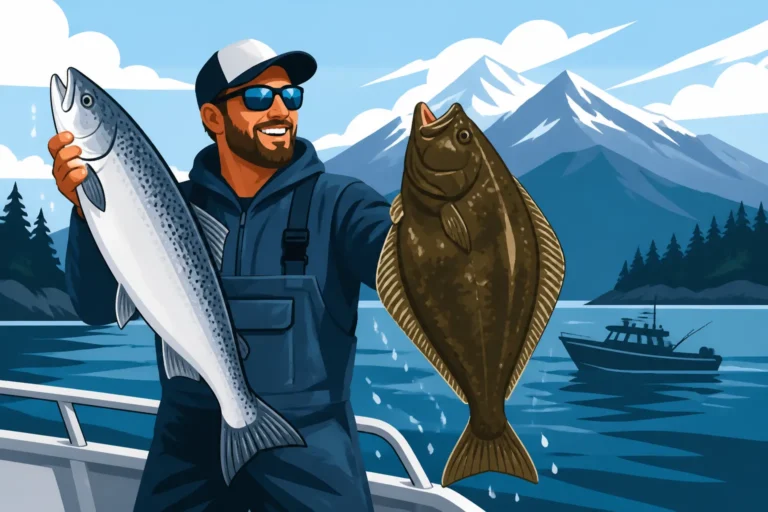
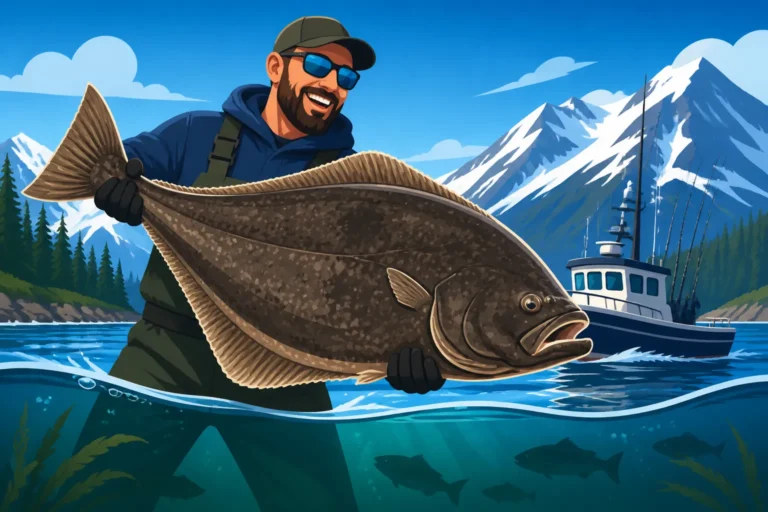
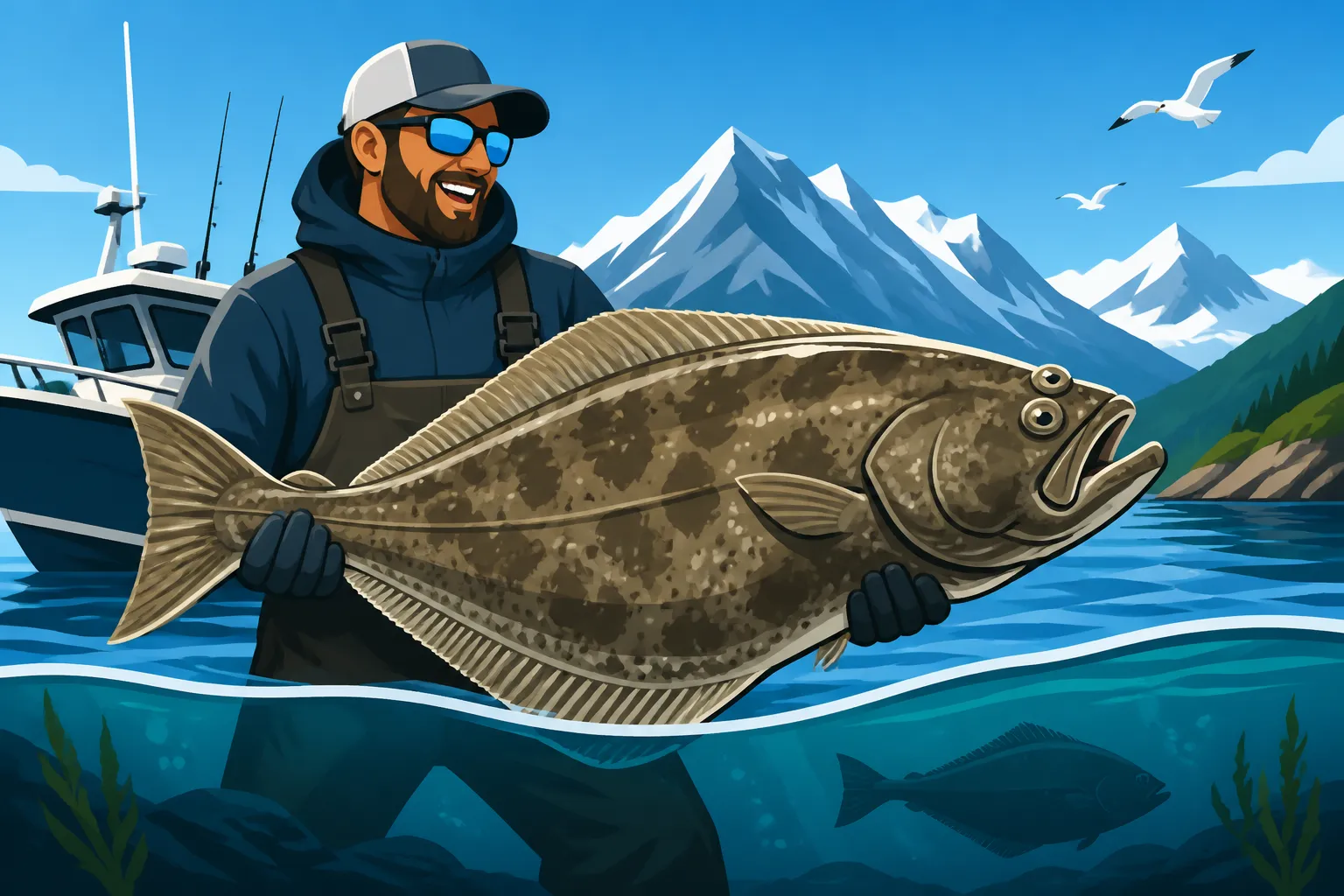
First off, Kodiak’s unique geography creates an ideal habitat. The island is surrounded by the vast Gulf of Alaska, featuring deep, nutrient-rich waters that are teeming with baitfish like herring, cod, and pollock. Halibut are opportunistic feeders, and this abundance of food allows them to grow to astounding sizes, often dubbed "barn doors" by local anglers. Unlike some of the more accessible areas on the road system, Kodiak's waters often see less overall fishing pressure, particularly in some of the more remote bays and offshore pinnacles. This means the halibut stocks tend to remain robust, offering a better chance at consistent action and landing trophy-sized fish.
Secondly, the sheer expanse of fishing grounds around Kodiak is staggering. From the protected waters of Kizhuyak Bay to the wilder, exposed areas facing the open ocean, there's a huge variety of depths and structures. Many of the best spots are found around underwater reefs, ledges, and deep canyons that provide perfect ambush points for halibut. Popular areas include the waters off Pasagshak Bay, around Ugak Island, and even further offshore, depending on weather and the captain's knowledge. These deep-water structures act like natural magnets for larger halibut, making Kodiak a genuine contender for the Best Halibut Fishing in Alaska. The remoteness of some of these locations also means that once you're on a productive spot, you might have it all to yourself, which is a rare luxury in popular fishing destinations.
Understanding the Best Time to Fish for Halibut in Kodiak
Timing is everything when it comes to maximizing your chances of a successful halibut trip in Kodiak. While halibut can be caught year-round, the prime season aligns with warmer weather, more stable ocean conditions, and the species' most active feeding periods. It’s crucial to match your trip to these factors for the best experience.
Peak Season and Weather Considerations
The absolute peak season for Kodiak halibut fishing typically runs from late May through early September. During these months, the halibut are most active, aggressively feeding in preparation for spawning, and often found in shallower depths than during the colder months, making them more accessible.
- May: This month can be fantastic, especially in late May. The weather starts to stabilize, and the halibut are coming out of their winter sluggishness, eager to feed. You might encounter some lingering spring storms, but days can be long and productive.
- June: June is often considered prime. The days are incredibly long with the midnight sun, and the weather is generally favorable. Halibut are very active, and you'll find a good mix of sizes.
- July: Often the warmest month, July sees consistent halibut action. This is a very popular time for visitors, and for good reason. Baitfish are abundant, and the halibut bite can be phenomenal.
- August: Still excellent fishing, with big halibut still being caught regularly. Towards the end of the month, you might start to see some slight shifts as the fish prepare for their winter patterns, but it's still very much peak season.
- September: Early September can still offer great fishing, often with fewer crowds. The weather can become more unpredictable as autumn approaches, so being flexible with your schedule is a good idea.
Outside of these peak months, halibut fishing becomes more challenging due to colder water temperatures and often rougher sea conditions. While dedicated locals might venture out, especially for "feeder" halibut in winter, the odds of a successful and comfortable trip for most visitors dramatically decrease. Always check the Alaska Halibut Season Explained and look at a general Best Time to Fish in Alaska calendar, but remember Kodiak has its own unique weather patterns to contend with.
Tidal Influences on Halibut Behavior
Just like with many saltwater species, tides play a significant role in halibut fishing. Halibut are often most active during periods of strong tidal movement, which stirs up the seafloor and dislodges baitfish, creating a feeding frenzy. However, too strong a current can make it difficult to get your bait or jig down to the bottom and keep it there, especially in deeper water.
Experienced Kodiak captains often plan their trips around the "slack tide" periods – the hour or so before and after the tide changes from incoming to outgoing, or vice versa. During these times, the current slows, allowing for easier bottom fishing and precise bait presentation. Once the current picks up, they might reposition to an area with less current or use heavier weights to compensate. Watching the marine forecast for tide charts is essential, as even a small difference can have a big impact on your success.
Here's a general overview of Kodiak halibut fishing conditions by month:
| Month | Likelihood of Good Halibut Fishing | Typical Weather Conditions | Notes |
|---|---|---|---|
| May | Good to Excellent | Mild, can be rainy, some windy days, long daylight | Early season excitement, halibut are hungry. Can still have some rough weather. |
| June | Excellent | Mild, sunny days common, long daylight hours, generally calmer | Prime time for consistent action and good weather. |
| July | Excellent | Warmest month, mostly calm seas, very long daylight | Very popular, active halibut. Ideal for families and first-timers. |
| August | Excellent | Mild, can be rainier, some windy days, daylight shortening | Still fantastic fishing, especially for larger fish. Prepare for more varied weather. |
| September | Good | Cooler, increasing chance of storms, significantly shorter days | Fewer crowds, but weather becomes a bigger factor. Early September can still be very productive. |
| Oct – April | Poor to Fair | Cold, rough seas, limited daylight | Primarily local efforts, challenging conditions. Not recommended for most visitors. |
Essential Gear and Techniques for Kodiak Halibut
Successfully landing a big halibut in Kodiak requires not just the right timing, but also the proper gear and an understanding of effective fishing techniques. These powerful fish can test your tackle and your endurance, so being prepared is key.
Rods, Reels, and Line Selection
For Kodiak halibut, you're going to need heavy-duty saltwater gear. This isn't your freshwater trout setup; we're talking about battling fish that can easily weigh over 100 pounds.
- Rods: Look for a sturdy, conventional halibut rod rated for 80-130 lb line. These rods are typically stout with a strong backbone, but still have enough tip sensitivity to detect subtle bites in deep water. Graphite composites are popular as they offer strength without excessive weight. Companies like Lamiglas, Ugly Stik, and Shimano make excellent halibut-specific rods.
- Reels: A high-quality conventional reel is non-negotiable. It needs to hold a lot of heavy line and have an incredibly smooth, powerful drag system. A reel with a capacity of at least 300-400 yards of 80-100 lb braided line is ideal. Penn, Daiwa, and Shimano all offer fantastic options like the Penn Fathom or Senator series, or the Daiwa Saltiga. Make sure it has a comfortable handle for cranking up heavy fish and weights.
- Line: Braided line is the standard for halibut fishing due to its incredible strength-to-diameter ratio and zero stretch. This allows for better bite detection in deep water and more efficient hook sets. Spool up with 80-100 lb test braid. You'll want a heavy monofilament or fluorocarbon leader, usually 100-200 lb test, about 6-10 feet long, to provide abrasion resistance and absorb some shock.
Many Alaska Fishing Charters: Complete Guide in Kodiak will provide all necessary gear, but if you're going DIY or prefer your own equipment, investing in quality tackle will pay off.
Baits, Jigs, and Terminal Tackle
Halibut are not particularly picky eaters when they're hungry, but some baits and lures definitely outperform others.
- Bait: Fresh bait is king. Herring, salmon heads, cod, or octopus are all excellent choices. Many anglers prefer using large chunks of oily fish. The smell and natural oils released by fresh bait are irresistible to halibut. You can rig these on large, stout circle hooks (16/0 to 20/0) which are excellent for deep-sea fishing as they tend to hook fish in the corner of the mouth, reducing gut hooking and making release easier if needed.
- Jigs: Heavy jigs are incredibly effective, especially when paired with a strip of bait. Metal jigs ranging from 16 to 32 ounces (or even heavier in strong currents or deep water) in bright colors like chartreuse, pink, or glow-in-the-dark are popular. Brands like P-Line, Gibbs Delta, and Krok are commonly used. Jigs imitate wounded baitfish and the flash and vibration can trigger aggressive strikes. Tipping your jig with a piece of bait can significantly increase your hook-up ratio. Knowing How to Jig for Halibut in Alaska can make a big difference.
- Terminal Tackle: You'll need heavy-duty swivels, snap swivels, and spreader bars or sliding sinker rigs to keep your bait presented effectively. Weights typically range from 1 to 4 pounds, depending on depth and current. A sturdy halibut rig, often incorporating a spreader bar, helps prevent your leader from tangling with your main line and presents two baits effectively. Check out our guide on Best Bait for Alaska Halibut for more specific recommendations.
Effective Halibut Fishing Techniques
Whether you're on a guided trip or fishing on your own, understanding these techniques will give you an edge.
- Bottom Fishing: This is the most common and often most effective method for halibut. It involves getting your bait or jig down to the seafloor where halibut cruise. Once your weight hits the bottom, reel up a few feet to keep your bait just above the structure, preventing snags. Periodically lift and drop your rod tip to give your bait or jig some action. This technique is thoroughly explained in our How to Bottom Fish for Alaska Halibut article.
- Drifting: Many captains prefer to drift over known halibut grounds. This allows them to cover more area and present baits to a wider range of fish. When drifting, it’s crucial to use enough weight to keep your line as vertical as possible, ensuring your bait stays near the bottom.
- Anchoring: In areas with very specific structure or high concentrations of fish, anchoring can be effective. It allows you to precisely target a small area, but requires careful boat positioning, especially in strong currents.
Remember, halibut strikes can range from a subtle tap to a rod-bending slam. When you feel a bite, don't jerk the rod; instead, lean into it with a firm, steady retrieve to set the hook, especially with circle hooks. Then, prepare for a fight!
Finding a Kodiak Halibut Charter or Going DIY
Deciding whether to book a guided charter or embark on a do-it-yourself (DIY) halibut trip in Kodiak depends heavily on your experience, budget, and desired level of adventure. Each option offers distinct advantages and challenges.
Guided Charters: Expertise and Convenience
For most visitors to Kodiak, booking a guided halibut charter is the most recommended option. Here’s why:
- Local Knowledge: Kodiak captains possess invaluable local knowledge. They know the hotspots, understand the intricate tides and currents, and can quickly adapt to changing weather conditions or fish patterns. This expertise dramatically increases your chances of success. They spend hundreds of days a year on these waters, identifying where the "barn doors" are likely to be lurking.
- Specialized Equipment: Reputable charters come fully equipped with heavy-duty rods, reels, tackle, and safety equipment specifically designed for big game fishing in Alaskan waters. This saves you the significant expense and hassle of bringing or buying your own gear. Most also provide bait.
- Safety: The waters around Kodiak can be unpredictable, with sudden weather changes and heavy seas. Experienced charter captains prioritize safety, possess advanced navigation skills, and carry all necessary safety gear, including life rafts and emergency communication systems. Navigating these waters safely is critical.
- Fish Processing: Many charters offer fish processing services right on the boat or can direct you to reputable local processors. This is a huge convenience, as handling and preserving a large halibut catch effectively is crucial for quality.
- Regulations Handled: Your captain will be well-versed in Alaska Halibut Charter Regulations Explained including daily bag limits and size restrictions, ensuring you stay compliant with the law. They will also assist with any required harvest cards.
When choosing a charter, consider factors like the captain's experience, boat size and amenities, and customer reviews. Websites like FishingBooker can be a great resource to find and compare reputable charters operating out of Kodiak. You can read reviews, see what kind of trips they offer (half-day, full-day, combo trips), and compare prices. A good starting point would be to search for charters in Kodiak that specialize in halibut fishing. Always ask questions about what's included and any additional costs, like fish processing or tips. For more detailed advice, read our guide on How to Choose an Alaska Fishing Charter.
Do-It-Yourself (DIY) Fishing: Freedom and Challenges
A DIY halibut trip offers unparalleled freedom and a true sense of adventure, but it's only suitable for experienced anglers with the right resources and knowledge.
- Boat Ownership/Rental: You'll need access to a sturdy, ocean-worthy boat equipped for deep-sea fishing. This means a reliable engine, GPS, depth sounder, VHF radio, and all required safety gear. Renting such a vessel in Kodiak can be challenging and expensive, and they often require significant experience from the operator.
- Navigation and Safety: Without local knowledge, finding productive halibut grounds can be a monumental task. You'll need to rely heavily on marine charts, satellite imagery, and your own intuition. Safety is paramount; be prepared for rapidly changing weather, heavy seas, and limited immediate assistance in remote areas.
- Gear and Bait: You're responsible for all your own heavy tackle, weights, and bait. Sourcing fresh bait in sufficient quantities can sometimes be a logistical challenge.
- Regulations: You must be intimately familiar with Alaska Fishing Regulations Explained and specific Kodiak area rules. You'll also need to ensure you have an Alaska Fishing License: Complete Guide and any necessary stamps. For example, Alaska Halibut Limit for Unguided Anglers can differ significantly from charter limits, so verify current rules before you leave the dock.
- Fish Handling: Processing a large halibut on your own boat, especially in rough seas, requires skill and planning. Ensure you have plenty of ice and a system for bleeding, gutting, and preserving your catch.
While the satisfaction of a successful DIY trip is immense, the challenges are significant. For a first-time visitor to Kodiak targeting halibut, a guided trip is almost always the smarter and safer choice, offering a much higher likelihood of a memorable and productive experience.
Understanding Kodiak Halibut Regulations
Navigating fishing regulations in Alaska can feel like deciphering ancient texts, and Kodiak halibut fishing is no exception. The Alaska Department of Fish and Game (ADF&G) and the National Marine Fisheries Service (NMFS) work together to manage halibut, with rules that can change annually or even in-season via emergency orders. It's critical to be informed.
Daily and Annual Bag Limits
Halibut regulations differentiate between sport fishermen (which includes guided and unguided recreational anglers) and commercial fisheries. For sport fishing, there are usually specific daily bag limits and sometimes annual limits for non-residents.
- Daily Bag Limit: For many years, the general rule has been one or two halibut per person per day, but this can vary. For instance, in areas like Kodiak, sometimes a "two-fish daily bag limit" is in effect for unguided anglers, while guided charter anglers might have a stricter one-fish limit. This is often tied to overall stock health and conservation efforts. Always verify the current regulations for the specific area you'll be fishing around Kodiak before you head out. Websites and apps that list Alaska fishing emergency orders are indispensable for this.
- Annual Limits for Non-Residents: Non-resident anglers often have an annual limit on the number of halibut they can retain, typically a cumulative number of fish over a certain size throughout the season. This is intended to distribute the harvest among a wider range of anglers. It's especially important for non-residents to track their catch accurately.
The rules for Alaska Halibut Daily Limit for Charter Anglers are frequently different from the Alaska Halibut Limit for Unguided Anglers. Your charter captain will always be up-to-date on the latest rules. If you're going unguided, the onus is entirely on you to know and follow every regulation.
Size Restrictions and Reverse Slot Limits
Halibut regulations often include size restrictions designed to protect reproductive fish and ensure sustainability.
- Minimum/Maximum Size Limits: Sometimes there's a minimum size, meaning you can't keep halibut below a certain length. More commonly, you'll see a maximum size limit, or a "reverse slot limit," especially for charter anglers. A common charter rule might allow anglers to keep one halibut under a certain length (e.g., 40 inches) and one over a much larger length (e.g., 80 inches), or a combination like one halibut of any size OR one halibut under 40 inches and one over 80 inches. These rules are complex and can change. The goal is to protect the middle-sized, highly reproductive females, allowing them to spawn.
- Thursday Closures: In some management areas, particularly those heavily fished by charters, there may be a weekly closure day (e.g., no halibut fishing on Thursdays) for guided anglers. This is another measure to spread out the harvest and manage fishing pressure.
These specific rules can vary greatly by year and management area, even within Kodiak's vast waters. Before your trip, consult the current year's Alaska Sport Fishing Regulations booklet, specifically for the Southcentral or Kodiak areas. Don't just skim it; read it thoroughly. It's also a good idea to check the ADF&G website for any in-season Alaska Fishing Emergency Orders Explained, as these can change limits or seasons on short notice. When in doubt, ask a local tackle shop or your charter captain. Violating regulations, even unknowingly, can result in significant fines and the forfeiture of your catch.
Disclaimer
The information provided in this guide is for general informational purposes only and is subject to change. Alaska fishing regulations are complex and can be updated frequently by the Alaska Department of Fish and Game. Always consult the official ADF&G regulations booklet and check for current emergency orders before engaging in any fishing activities. We are not responsible for any inaccuracies or outdated information.