Best Fishing Spots Near Homer, Alaska
Heading to Homer, Alaska, and feeling overwhelmed by the sheer number of incredible fishing opportunities? You're not alone! The "Halibut Fishing Capital of the World" lives up to its name, but it's also a gateway to much more. This guide will cut through the noise, revealing the absolute best fishing spots near Homer, Alaska, covering everything from world-class halibut grounds to hidden salmon havens and stellar trout streams, ensuring your Alaskan fishing adventure is nothing short of legendary.
Why Homer is a Fishing Mecca
Homer isn't just a picturesque town at the end of the road; it's a strategic launching point for some of Alaska's most renowned fishing. Its unique geography, with the famous Homer Spit jutting into Kachemak Bay, provides immediate access to diverse marine environments and serves as a gateway to broader regions. Anglers flock here year-round, drawn by the promise of enormous halibut and a variety of salmon species.
The Kachemak Bay Advantage
Kachemak Bay is a vibrant ecosystem, teeming with marine life, making it a prime fishing destination right on Homer's doorstep. This expansive bay offers sheltered waters, often calmer than the open Gulf of Alaska, yet it still provides access to deep-water habitats where trophy fish lurk. For anglers, this means a wide range of fishing experiences, from targeting powerful halibut to trolling for various salmon species.
Within Kachemak Bay, you're not just limited to halibut. You'll find a healthy population of rockfish, including tasty black rockfish and the sought-after yelloweye. Lingcod, with their impressive size and fierce fight, are also prevalent in the rocky areas of the bay. The sheer diversity here ensures that even on a slow halibut day, there's always something else to pursue, keeping your fishing trip exciting and productive.
Homer Spit: The Roadside Angler's Dream
The Homer Spit is truly a marvel for both locals and visitors, providing an unparalleled opportunity for accessible shore fishing. This long, narrow strip of land extends miles into Kachemak Bay, offering countless spots to cast a line without needing a boat. It's especially popular during the summer salmon runs, when anglers line the shore, hoping to hook into a king or silver.
Beyond salmon, the Spit offers great opportunities for bottom fishing right from the shore. You can often catch Pacific cod, flatfish, and even smaller halibut if you're patient and using the right bait. It's a fantastic spot for families or those who prefer a more laid-back fishing experience, with plenty of amenities nearby, from tackle shops to coffee stands. Just be sure to check the specific regulations for the Homer Spit, as certain areas or times might have special rules, especially concerning snagging or gear restrictions.
Premier Fishing Destinations Near Homer
While Homer itself is a hub, the true magic of fishing in this region lies in the incredible variety of spots within a relatively short distance. Whether you're after colossal halibut in the deep blue or battling chrome-bright salmon in a pristine river, the area around Homer delivers.
Deep-Sea Adventures Beyond Kachemak Bay
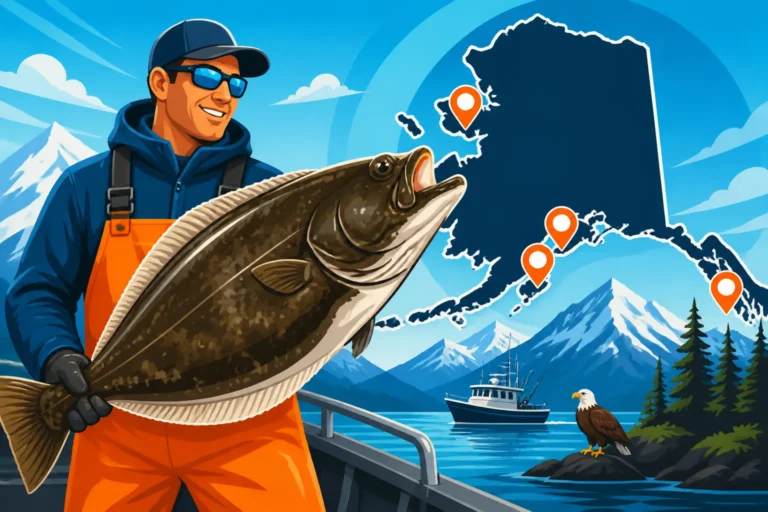
When most people think of Homer fishing, they immediately picture hauling in massive halibut, and for good reason! While Kachemak Bay has its share, the really giant "barn door" halibut often lie further out in the deeper, nutrient-rich waters of Cook Inlet and the Gulf of Alaska. Charter operations from Homer are expertly equipped to take you to these prime offshore grounds, sometimes traveling several hours to reach the most productive spots.
Beyond just halibut, these deep-sea charters often target other formidable species. Lingcod are a common bycatch and a prized catch themselves, known for their aggressive strikes and delicious white meat. Various species of rockfish, including pelagic black rockfish and the larger, longer-lived yelloweye rockfish, are also abundant in these deeper, rocky habitats. A good charter captain will know the honey holes for each species. Many reputable outfits can be found on platforms like FishingBooker, which makes comparing options and reviews easy.
When heading out for deep-sea fishing, be prepared for a full day on the water and potentially choppier conditions. This is where high-quality gear provided by charters truly shines. Expect to use heavy-duty rods and reels, often electric reels for the deepest drops, and large baits like herring, squid, or salmon heads. Remember that halibut have a Alaska Halibut Charter Reverse Slot Limit and other specific size and bag limits that can change seasonally, so always check the latest rules before your trip.
Anchor Point & Stariski Creek
Just a short drive north of Homer, Anchor Point is another fantastic access point for fishing the Lower Cook Inlet. It’s particularly famous for its tractor launches, where vehicles literally back boats directly into the water from the beach – a truly unique Alaskan experience! From Anchor Point, anglers can target halibut, salmon, and other marine species.
Nearby, Stariski Creek is a popular destination for roadside salmon fishing, especially during the run of Coho (silver) salmon in late summer and early fall. While it's a smaller stream, it sees strong runs and can be very productive for bank anglers. You might also find Dolly Varden and a few rainbow trout in its waters. Always be mindful of local regulations and closures, as stream conditions and fish counts can lead to emergency orders changing the rules quickly.
Further north from Anchor Point, you’ll find other productive streams like Deep Creek and the Ninilchik River. These rivers are renowned for their King (Chinook) and Coho salmon runs, drawing crowds of anglers, particularly during peak season. Access is generally good, with pull-offs and designated fishing areas, but expect company during prime fishing windows. Fly fishing and spin fishing are both effective techniques here, depending on the species and river conditions.
The Kenai River System
While not directly in Homer, the legendary Kenai River system is an absolute must-mention for any serious angler considering fishing spots near Homer. It's approximately a 2-3 hour drive north from Homer, making it a feasible day trip or a multi-day add-on to your Homer adventure. The Kenai River is world-famous for its massive King Salmon, abundant Sockeye (red) Salmon, and trophy-sized rainbow trout.
The Kenai River is divided into different sections, each offering unique fishing experiences. The Lower Kenai, from Soldotna to Cook Inlet, is known for its intense salmon runs, especially the "combat fishing" for Sockeye. The Middle Kenai, including areas around Cooper Landing, offers spectacular rainbow trout and Dolly Varden fishing, often in stunning wilderness settings. Learning how to navigate Alaska Fishing Regulations Explained for specific sections and species on the Kenai is crucial.
Many anglers choose to hire a guide for their first Kenai River experience, as local expertise can make a huge difference in navigating the complex regulations, prime spots, and effective techniques. Whether you're interested in How to Catch King Salmon in Alaska or mastering the art of "flossing" for Sockeye, a guide can provide invaluable insights. Plus, they'll have all the specialized gear you need, ensuring a successful and memorable trip on this iconic Alaskan waterway.
Planning Your Homer Fishing Expedition
Embarking on an Alaskan fishing trip requires a bit of thoughtful preparation. Homer's unique location means you'll want to consider several factors, from the time of year to the type of gear you'll bring, to ensure a truly successful and enjoyable experience.
Choosing the Right Time of Year
The timing of your trip to Homer dramatically impacts what you'll be catching. Alaska's fishing seasons are dictated by the anadromous runs of salmon and the migratory patterns of other species. For the biggest halibut, the summer months from June through August are generally considered prime. These months offer the most consistent weather and the highest concentration of fish in the deeper waters of Cook Inlet.
If salmon are your primary target, you'll need to align your visit with specific runs. King Salmon typically arrive in May and June, followed by the massive Sockeye runs in June and July. Coho (Silver) Salmon dominate August and September. Pink Salmon usually run heavily in even-numbered years in late July and August. Knowing the When to Fish for Each Salmon Species in Alaska will help you plan your trip strategically. For rainbow trout on nearby rivers like the Kenai, late summer and fall, after the salmon have spawned, can offer incredible "egg fishing" opportunities.
Essential Gear and Local Tips
Regardless of what you're targeting, being prepared with the right gear is paramount in Alaska. Even on a charter, having your own rain gear, warm layers, and sturdy waterproof boots is non-negotiable. The weather can change in an instant, and staying dry and warm makes all the difference between a miserable trip and an unforgettable one. Sunglasses, a hat, and sunscreen are also essential, especially with the long daylight hours of Alaskan summer.
For those planning to do some bank fishing on the Homer Spit or nearby streams, a medium-heavy spinning rod with 20-30 lb braided line is a versatile choice for salmon. For halibut from shore (though rare to catch big ones), heavier gear is needed. Always bring a variety of lures and baits. Spinners, spoons, and cured salmon roe are perennial favorites for salmon. For halibut, large lead jigs, sometimes tipped with bait like herring or octopus, are effective. Many local tackle shops in Homer can provide up-to-the-minute advice on what's working best.
Chartering a Boat vs. DIY
The decision between hiring a fishing charter and going it alone often comes down to budget, experience, and target species. For halibut and deep-sea rockfish, a charter is almost always the best option. These boats are specifically designed for offshore fishing, equipped with advanced electronics to find fish, and staffed by experienced captains who know the local waters like the back of their hand. Plus, they provide all the specialized gear, bait, and often even process your catch. Many charters can be found and booked easily through services like FishingBooker, which lists a wide array of options in Homer.
| Option | Pros | Cons | Best For |
|---|---|---|---|
| Fishing Charter | Expert guides, specialized gear, access to offshore grounds | Higher cost, less flexibility in timing and location | Halibut, deep-sea rockfish, first-timers, maximizing catch potential |
| DIY (Boat) | Full control, cost-effective for groups, flexibility | Requires boat ownership/rental, local knowledge, safety concerns | Experienced anglers, those with their own suitable boat, specific niche fishing |
| DIY (Shore/Bank) | Low cost, highly accessible, spontaneous trips | Limited species/size, crowded spots, less consistent success | Salmon, Dolly Varden, casual fishing, budget-conscious anglers, families |
If you have your own boat, or are comfortable renting one, DIY can be rewarding for Kachemak Bay fishing, targeting salmon, small halibut, and rockfish closer to shore. However, venturing into the deeper waters of Cook Inlet without extensive local knowledge and a properly equipped vessel can be risky. For river fishing on the Kenai or other streams, bank fishing is a popular DIY option, but a guided drift boat trip can put you on more fish and teach you techniques like Drift Fishing in Alaska: How-To Guide. Using a platform like FishingBooker allows you to compare different guided trips, read reviews, and find the perfect fit for your Homer fishing adventure.
Navigating Regulations and Conservation
Fishing in Alaska is a privilege, and it comes with the responsibility of understanding and adhering to the regulations set forth by the Alaska Department of Fish and Game (ADF&G). These rules are in place to ensure the sustainability of Alaska's world-class fisheries for generations to come.
Understanding Alaska's Fishing Rules
The very first step for any angler, resident or non-resident, is to acquire an Alaska Fishing License: Complete Guide. This is non-negotiable, and you'll need to carry it with you at all times while fishing. Beyond the general license, certain species, like King Salmon, often require an additional stamp, so be sure to check if you need an Alaska King Salmon Stamp Requirements.
Alaska's fishing regulations are incredibly detailed and can vary significantly by region, river system, and even specific sections of a river. They also change frequently through "Emergency Orders" based on fish escapement goals and run strength. For example, bag limits for halibut can differ between guided and unguided anglers, and salmon limits can change daily on the Kenai River. It's imperative to consult the current Alaska Sport Fishing Regulations manual for the Southcentral region (which includes Homer and the Kenai Peninsula) before you cast a line. Websites like FishingBooker often provide links to the most current regulations, making it easier for visiting anglers to stay informed.
Responsible Angling Practices
Beyond simply following the rules, responsible angling practices are crucial for preserving Alaska's precious fisheries. This includes understanding and respecting bag and possession limits, which dictate how many fish you can keep daily and how many you can have in your possession at any given time. For species like halibut, you'll need to be aware of the daily limits and potentially the annual limit for non-residents.
If you plan to practice catch-and-release, especially for species like trophy rainbow trout or steelhead, learning Alaska Catch-and-Release Best Practices is essential. This involves minimizing the fish's time out of water, using appropriate gear like barbless hooks, and handling fish gently to ensure their survival. For deep-water rockfish, using a descending device is often required to help them survive release from pressure changes. Also, proper disposal of fish waste is important; never discard carcasses in areas where they could attract bears or other wildlife to human activity zones, especially near rivers like the Kenai or Russian.
Ultimately, being a responsible angler in Alaska means being a good steward of its natural resources. It's about respecting the environment, the wildlife, and your fellow anglers, ensuring that the incredible fishing opportunities around Homer remain vibrant and accessible for everyone who wishes to experience them.
Disclaimer
The information provided in this guide is for general informational purposes only and does not constitute legal or professional advice. Fishing regulations in Alaska are subject to frequent change by the Alaska Department of Fish and Game (ADF&G). It is the sole responsibility of each angler to consult the most current ADF&G regulations, emergency orders, and licensing requirements before engaging in any fishing activity. Failure to do so may result in fines or other penalties.