Best Fishing Spots Near Sitka, Alaska
Planning a fishing trip to Sitka can feel a bit overwhelming, especially when you're dreaming of epic catches but aren't quite sure where to drop your line in such a vast and productive marine environment. It's easy to get lost in the sheer number of islands, channels, and offshore possibilities. This guide is designed to cut through the confusion, highlighting the absolute best fishing spots near Sitka, Alaska, for both saltwater giants and serene freshwater delights, so you can make the most of your adventure.
Why Sitka is a Premier Fishing Destination
Sitka, nestled on Baranof Island in Southeast Alaska, isn't just a pretty face with stunning volcanic peaks and lush temperate rainforests; it's a bonafide fishing paradise. Anglers from all over the world flock here, and for good reason. The unique geographical features combined with rich marine ecosystems create an unparalleled environment for a truly diverse range of fish species, making every trip a potential trophy hunt.
The Allure of Sitka's Marine Environment
What makes Sitka so special? It largely comes down to its geography. Sitka sits right on the edge of the open Pacific Ocean, but it's also protected by a maze of islands, passages, and sounds. This creates a fascinating dynamic: you have access to deep, nutrient-rich offshore waters where the big halibut and king salmon roam, while also enjoying calmer, more sheltered inshore areas perfect for silver salmon, rockfish, and lingcod. The Alaska Current, a strong ocean current, sweeps past, bringing with it a constant supply of baitfish like herring, sandlance, and needlefish, which are essentially fast food for predatory species. This consistent food source means fish are not only abundant but also grow to impressive sizes. Imagine casting your line into waters where the food chain is thriving, virtually guaranteeing a lively fishing experience.
Diverse Fish Species in Sitka
One of the greatest joys of fishing near Sitka is the sheer variety of what you might catch. It's not just a one-species town; you're truly spoiled for choice.
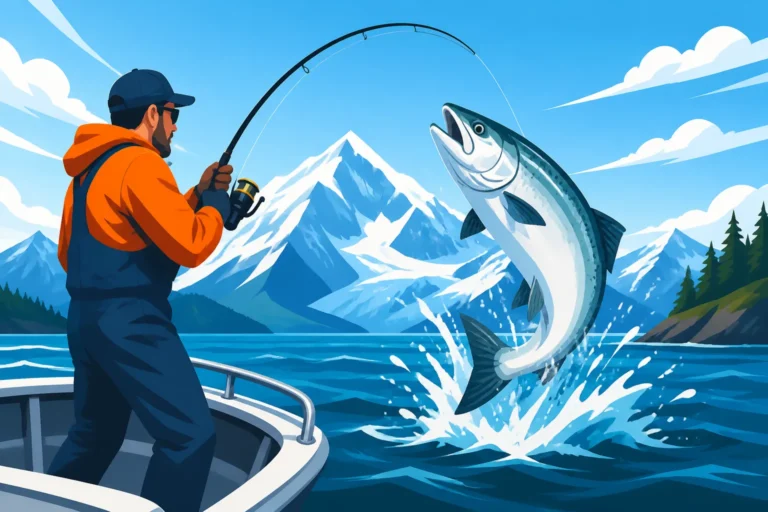
- King Salmon (Chinook): These are the undisputed monarchs of the salmon world, known for their size and powerful fights. Sitka's waters are renowned for both resident feeder kings that stay in the area year-round and migratory kings passing through to their spawning grounds. If you're looking for that tackle-busting fight, this is your target. You'll want to check out our detailed guide on Alaska King Salmon: Complete Guide for all the tips and tricks.
- Silver Salmon (Coho): Agile, acrobatic, and incredibly fun to catch, silver salmon show up in strong numbers from late summer into fall. They're often found closer to shore and in the outer reaches of the sounds, providing excellent light tackle action.
- Sockeye Salmon (Red): While not as common in Sitka's saltwater as kings or coho, sockeye can be found in the freshwater systems and occasionally in the brackish estuaries as they stage for their spawning runs.
- Pink Salmon (Humpback): These are the most abundant salmon species in Sitka, especially during odd-numbered years. They offer non-stop action, perfect for families or beginners. Don't underestimate them; they're feisty on light gear!
- Chum Salmon (Dog): Known for their fierce looks and powerful runs, chum salmon are another common catch, particularly in mid to late summer. They’re excellent for smoking and canning.
- Pacific Halibut: The "barn doors" of the deep, halibut are a bucket-list fish for many anglers. Sitka offers access to prime halibut grounds, where these flatfish can reach immense sizes, providing a strenuous but rewarding battle. Understanding Alaska Halibut Charter Regulations Explained is key before heading out.
- Lingcod: With their toothy grins and aggressive strikes, lingcod are a fantastic bottom fish that provide a strong fight and delicious fillets. They love rocky reefs and kelp beds.
- Various Rockfish: From the colorful yelloweye to black rockfish, there's a huge array of rockfish species found in Sitka's rocky habitats. They're tasty, plentiful, and add a lot of excitement to a bottom fishing trip.
This incredible diversity means that no matter when you visit or what your fishing preference, Sitka has something spectacular to offer.
Top Saltwater Fishing Spots Near Sitka
When you're chasing the big ones in Sitka, the ocean is your playground. The specific spots will depend on your target species and the time of year, but certain areas consistently produce fantastic results.
Outer Coastline and Offshore Seamounts
For those seeking trophy halibut and migrating king salmon, venturing out to the outer coastline and offshore seamounts is often the most rewarding. These areas, exposed to the open Pacific, are where the largest fish often congregate due to abundant food sources and deeper, cooler waters.
- Peril Strait Entrance: This area, located northwest of Sitka, acts as a funnel for migratory salmon pushing towards spawning rivers further inland. It's a fantastic spot for both king and silver salmon, especially when the baitfish are thick. The currents can be strong, so understanding your boat and gear is crucial. Many experienced guides will target this area during peak salmon runs, often using downriggers to get lures and bait to the right depth.
- Offshore Seamounts (e.g., Fairweather Grounds, "The Rock"): These underwater mountains rise from the ocean floor, creating nutrient upwellings that attract a massive amount of baitfish, which in turn draws in halibut, lingcod, and sometimes massive schools of king salmon. While a significant journey from Sitka, these remote spots are legendary for their potential to produce "barn door" halibut – those behemoths over 100 pounds. These trips require sturdy, ocean-going vessels and are typically full-day excursions. The fishing here is often deep, requiring heavy jigs and bait, so be prepared for a workout! If you're considering a trip here, knowing the Alaska Halibut Daily Limit for Charter Anglers will be important.
Nearshore Reefs and Kelp Beds
Closer to shore, the rugged coastline around Sitka is pockmarked with countless reefs, rocky pinnacles, and dense kelp beds. These areas are ecological hotbeds, providing shelter and hunting grounds for a variety of desirable species.
- Biorka Island and Kruzof Island Edges: The waters surrounding these islands offer prime habitat for lingcod and a multitude of rockfish species. The rocky structures provide ideal ambush points for lingcod, while the kelp forests are nurseries and feeding grounds for many smaller fish, attracting larger predators. Fishing here often involves jigging with heavy metal jigs or baiting with herring or octopus. You can expect consistent action and a good chance at a tasty dinner. These areas are also fantastic for early and late-season coho salmon, as they feed aggressively before entering freshwater.
- Sergief Island and Neighboring Reefs: Just a short boat ride from Sitka, the reefs and drop-offs around Sergief Island are consistently productive for rockfish and often hold impressive lingcod. The varying depths and currents here create diverse habitats. Anglers will often drift over these reefs, bouncing jigs or baited hooks along the bottom. This is a great option for a half-day trip or when ocean conditions are a bit too rough for the outer coast. Always remember to use a Alaska Rockfish Deepwater Release Device Rules if you plan to release rockfish caught from deep water to help them survive.
Sitka Sound and Its Bays
The relatively protected waters of Sitka Sound itself, with its numerous bays, coves, and passages, offer excellent opportunities, especially when the weather is less cooperative for offshore excursions or when targeting specific salmon runs.
- Pillar Bay, Starrigavan Bay, and Eastern Channel: These calmer waters within Sitka Sound are fantastic for silver (coho) salmon, particularly as they begin to stage for their freshwater migrations in late summer and early fall. Trolling with spoons or herring behind flashers is a popular and effective method. You'll also find abundant pink and chum salmon here during their respective runs, offering fast-paced action, sometimes even from shore. These bays also hold resident black rockfish and small halibut, making them versatile spots.
- Nearshore Drop-offs and Islands within the Sound: Areas like Middle Island, Gagarin Island, and the numerous small islets throughout Sitka Sound create current breaks and feeding lanes. Anglers often find good success here trolling for salmon, jigging for rockfish, or even dropping a line for smaller halibut. These spots are highly accessible, making them popular for private boat owners and charters alike. They're excellent places to introduce beginners to Alaska fishing, as the waters are often much calmer than the open ocean.
When planning your trip, consider using a reputable service like FishingBooker to explore available charters in Sitka. They often list captains who specialize in these specific areas and species.
Freshwater Fishing Opportunities Around Sitka
While Sitka is famous for its saltwater bounty, don't overlook the fantastic freshwater fishing experiences available. From serene streams to remote lakes, these spots offer a different kind of Alaskan angling adventure, often targeting trout and resident salmon species.
Local Streams and Rivers
The numerous streams and small rivers cascading down Baranof Island into Sitka Sound offer exciting opportunities, especially for fly anglers and those seeking a more intimate fishing experience.
- Indian River: This beautiful river, easily accessible from Sitka, is a prime location for coho salmon in the fall, as well as Dolly Varden and resident cutthroat trout throughout the summer. The river flows through lush forest, offering picturesque casting opportunities. Fly fishing with bead patterns or small streamers is highly effective here, particularly for Dolly Varden that follow the salmon to feast on their eggs. Always be mindful of other anglers and respect private property boundaries along the banks.
- Starrigavan River: Located just north of Sitka, the Starrigavan River also sees good runs of coho and pink salmon. During the salmon runs, Dolly Varden and cutthroat trout move into the river to feed on eggs. It's a relatively small system, making it manageable for wading anglers. Bank fishing is popular, especially where public access is available. Checking Alaska Fishing Regulations Explained for specific stream rules, such as bait restrictions or single-hook requirements, is always a good idea.
Remote Lakes and Tributaries
For those willing to put in a little more effort, Sitka’s backcountry offers hidden gems in its remote lakes and their tributaries, often accessed by floatplane or substantial hiking.
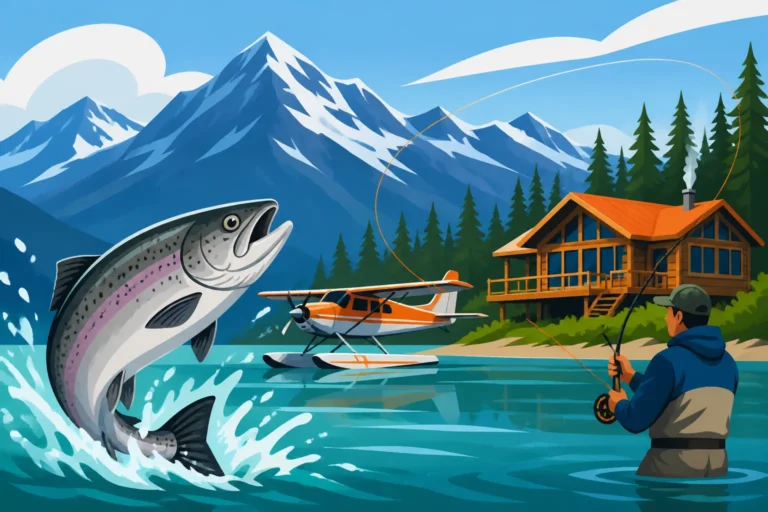
- Baranof Lake (and associated rivers): Baranof Lake, and the rivers that feed it or flow from it, can offer excellent fishing for cutthroat trout, Dolly Varden, and even some resident rainbow trout. Access to such remote locations often involves chartering a floatplane, which adds another layer of adventure to the trip. These pristine environments are perfect for fly fishing or light spin gear, allowing you to truly immerse yourself in the Alaskan wilderness. The fish here, while perhaps not as large as the ocean-dwelling salmon, are vibrant and eager to strike in their unspoiled habitats.
- Various Mountain Lakes: Many smaller, unnamed or lesser-known lakes dot the interior of Baranof Island. Some of these are stocked with rainbow trout or hold healthy populations of Dolly Varden and cutthroat. Exploring these off-the-beaten-path locations provides a unique sense of discovery and solitude. A guide service found on platforms like FishingBooker might offer specialized remote lake trips if you're not comfortable venturing out on your own.
Essential Tips for Fishing Sitka Waters
To make your Sitka fishing trip as successful and enjoyable as possible, a little preparation goes a long way. From timing your visit to understanding local nuances, these tips will help you navigate the waters with confidence.
Timing Your Visit
Alaska's fishing seasons are highly dependent on species, and Sitka is no exception. Knowing when to go can make all the difference between a good trip and an unforgettable one.
- Spring (May-June): This is prime time for trophy king salmon. While less abundant than in mid-summer, the kings caught early in the season are often large, hard-fighting feeder kings that have been gorging on baitfish all winter. Halibut fishing also begins to pick up significantly. May is often considered the best time to catch King Salmon in Alaska.
- Summer (July-August): This period sees the main salmon runs. King salmon fishing continues to be strong into early July, and then silver salmon start showing up in force by late July and August. Pink and chum salmon are incredibly abundant, providing continuous action. Halibut fishing remains excellent, often reaching its peak. Many anglers choose July as the Best Month to Fish in Alaska for overall species diversity.
- Fall (September): Silver salmon fishing is often at its absolute best in September, both in saltwater and in the local rivers. The weather can be a bit more unpredictable, but the fishing can be phenomenal, and the crowds begin to thin out. Lingcod and rockfish remain plentiful.
Choosing a Charter or Going DIY
Deciding whether to hire a guide or venture out on your own depends on your experience, budget, and desired fishing style.
- Guided Charters: For most visitors, especially those new to Sitka, a guided charter is highly recommended. Local guides possess invaluable knowledge of the shifting currents, fish movements, and productive spots that would take years to acquire. They provide all the necessary gear, bait, and often include fish processing. You can find excellent options for Best Fishing Charters in Sitka Alaska through platforms like FishingBooker, which allows you to compare different boats, captains, and their specialties. A good charter captain will ensure you're fishing legally and safely, helping you understand Alaska Fishing Regulations Explained.
- Do-It-Yourself (DIY): If you have your own boat, extensive saltwater fishing experience, and a thorough understanding of marine navigation and local conditions, a DIY trip can offer immense freedom. However, Sitka's waters can be challenging, with rapidly changing weather and strong currents. You'll need to be fully self-sufficient with all your gear, safety equipment, and knowledge of regulations. Freshwater DIY opportunities are more accessible for anglers with less experience, particularly on readily accessible rivers like Indian River or Starrigavan River. Just remember, even for DIY, you need an Alaska Fishing License: Complete Guide and any necessary stamps.
Navigating Regulations and Gear
Alaska's fishing regulations are designed to protect its precious resources and can be complex. Familiarizing yourself with them before you arrive is crucial.
- Fishing Licenses and Stamps: Everyone over the age of 16 needs an Alaska fishing license. If you're targeting king salmon, you'll also need a King Salmon Stamp. These can be purchased online through the Alaska Department of Fish and Game website or from local vendors in Sitka. Check our guide on How to Get an Alaska Fishing License Online for a step-by-step process.
- Bag and Possession Limits: These vary by species and sometimes by region or even specific river systems. For example, Alaska Halibut Bag Limits Explained often differ between charter and unguided anglers. It's vital to know how many fish you can keep per day and how many you can possess at any given time. Emergency Orders can also change limits mid-season, so always check before you head out.
- Recommended Gear: For saltwater, heavy-duty conventional rods and reels are standard for halibut and large king salmon. Medium-heavy gear is suitable for coho and rockfish. Good quality rain gear is essential (this is Alaska, after all!), along with layered clothing, waterproof boots, and polarized sunglasses. For freshwater, a medium-action spinning rod or a 6-8 weight fly rod will cover most scenarios. Don't forget bear spray if you're venturing into the backcountry for freshwater fishing.
Here's a quick summary table of Sitka's prime fishing opportunities:
| Target Species | Best Location Type | Peak Season | Typical Method | Notes |
|---|---|---|---|---|
| King Salmon | Offshore Seamounts, Peril Strait, Outer Coast | May – Early July | Trolling with bait/lures, mooching | Look for feeding kings, often deep |
| Silver Salmon | Sitka Sound Bays, Nearshore Reefs | Late July – Sep | Trolling, jigging, fly fishing | Aggressive and acrobatic |
| Pacific Halibut | Offshore Seamounts, Deep Drop-offs | May – September | Bottom fishing with bait, jigging | Can be a strenuous fight, check limits |
| Lingcod | Rocky Reefs, Kelp Beds | May – September | Jigging, bait fishing | Aggressive strikes, sharp teeth |
| Rockfish | Nearshore Reefs, Kelp Beds | May – September | Jigging, bait fishing | Plentiful, good eating, deepwater release crucial |
| Dolly Varden | Indian River, Starrigavan River, Lakes | June – Sep | Fly fishing, spin fishing with beads | Follows salmon, opportunistic feeders |
| Cutthroat Trout | Indian River, Remote Lakes | June – Sep | Fly fishing, spin fishing | Beautiful native trout, eager to bite |
Remember, fishing in Alaska is an experience like no other. While the fish are often the main draw, the stunning scenery, abundant wildlife, and crisp Alaskan air make every moment on the water memorable. Whether you're battling a king salmon offshore or peacefully casting for trout in a secluded stream, Sitka delivers.
Disclaimer
The information provided in this guide is for general informational purposes only and does not constitute legal or professional advice. Fishing regulations in Alaska are complex and subject to change frequently, sometimes on short notice via emergency orders. Always consult the most current Alaska Department of Fish and Game regulations booklet and emergency order announcements before you go fishing. We are not responsible for any inaccuracies or outdated information.