Petersburg Fishing: What to Know Before You Go
Petersburg, Alaska, often feels like it's hiding in plain sight. Many anglers dream of an Alaskan fishing adventure, but the thought of crowded rivers or overwhelming logistics can be a real deterrent. This guide is here to unravel the magic of fishing in Petersburg, providing you with everything you need to know to plan a successful trip, from understanding the local species to navigating regulations and choosing the right gear, ensuring your Alaskan angling dreams become a reality.
Why Petersburg is a Hidden Gem for Anglers
When you think of Alaska fishing, your mind might immediately jump to the Kenai River or the bustling ports of Homer. But let me tell you, tucked away in the heart of Southeast Alaska, lies Petersburg – a true gem that offers incredible angling experiences without the heavy crowds. It’s a place where the charm of a small fishing community meets abundant waters teeming with fish, offering a more personal and immersive Alaskan adventure.
Unique Location and Fisheries
Petersburg's unique geographical position is what makes it so special for fishing. It's nestled on Mitkof Island, surrounded by the stunning fjords of Frederick Sound and Wrangell Narrows, and perfectly positioned for access to the vast open ocean, productive channels, and nearby freshwater systems. This means you’re not limited to just one type of fishing; you can chase big halibut in the saltwater depths one day and cast for feisty trout in a pristine mountain lake the next.
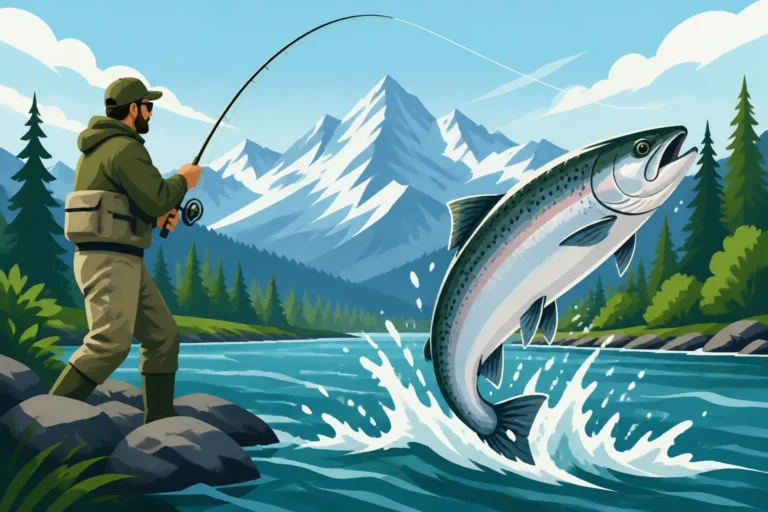
The region is part of the Tongass National Forest, providing breathtaking backdrops of towering trees, glaciers, and abundant wildlife, all enhancing the fishing experience. You’re truly in the wild here, with opportunities to spot whales, seals, and eagles as you fish. This blend of marine and freshwater environments gives anglers an incredible diversity of target species, from all five species of Pacific salmon to various bottomfish and elusive freshwater residents. It's a place where the pristine environment directly contributes to a robust and healthy fishery, a dream for any conservation-minded angler.
Less Crowded, More Authentic Experience
Unlike some of Alaska's more famous fishing destinations that can see thousands of anglers vying for the same spots, Petersburg offers a much more relaxed and authentic experience. You won't typically find "combat fishing" conditions here. The town itself has a strong Norwegian heritage, evident in its charming architecture and friendly, welcoming atmosphere. This means you're interacting with real Alaskan residents, many of whom are lifelong fishermen, and getting a genuine feel for life in a working fishing community.
This smaller scale allows for more personalized charter experiences, more elbow room on the water, and a greater sense of peace and solitude. Imagine drifting quietly in a secluded cove, the only sounds being the gentle lapping of waves and the reel singing as a salmon takes your line. This is the kind of experience Petersburg offers – one where the focus is truly on the fish and the breathtaking surroundings, rather than navigating crowded docks or jostling for position on a riverbank.
Top Fish Species to Target in Petersburg
One of the biggest draws to Petersburg is the incredible variety of fish you can target, both in saltwater and freshwater. The diversity means that no matter when you visit during the fishing season, there's always something exciting to pursue. Understanding what's biting when and where is key to a successful trip, and Petersburg rarely disappoints.
Pacific Salmon Galore
Petersburg truly shines when it comes to Pacific salmon. All five species make their way through these waters, offering a seasonal rotation of thrilling angling opportunities.
- King Salmon (Chinook): These are the apex predators of the salmon world, revered for their size and fighting power. Early-run Kings start showing up in late May and peak in June and early July. Trolling with bait (like herring) or artificial lures (like Kwikfish or spoons) in the deeper channels and near river mouths is a popular and effective method. Catching a big King, especially one that rips line off your reel with powerful runs, is an unforgettable experience. Be mindful of special regulations and the need for a King Salmon stamp if targeting these beauties; checking on Alaska King Salmon Stamp Requirements is always a good idea.
- Sockeye Salmon (Red): Known for their vibrant red flesh and intense fight, Sockeye are a summertime staple, typically running strong from late June through July. While they are famously challenging to catch on conventional gear due to their plankton-feeding habits, skilled anglers can have success "flossing" for them in rivers or targeting them with specific lures in saltwater. Their acrobatic leaps and strong pulls make them incredibly fun to battle. For specific timing, you'll want to review Alaska Sockeye Salmon Run Timing.
- Coho Salmon (Silver): Often considered the most aggressive and acrobatic of the salmon species, Coho arrive in mid-July and run strong through August and September. They readily strike a variety of lures and flies, making them a favorite for both conventional and fly anglers. Trolling with spoons, spinners, or bait is highly effective in saltwater, while casting spinners or flies in rivers can yield incredible results. Their aerial displays are legendary and promise an exhilarating fight.
- Pink Salmon (Humpy): These smaller, more numerous salmon show up in massive numbers every even-numbered year, typically from late July through August. Pinks are incredibly aggressive and offer non-stop action, making them perfect for beginners or those looking for constant bites. Light tackle with small pink or chartreuse lures works wonders. While smaller, they still put up a respectable fight and are excellent for smoking.
- Chum Salmon (Dog): Often overlooked, Chum salmon are strong fighters that arrive in July and August. They can grow quite large and are known for their powerful, stubborn runs. While not as prized for eating as Kings or Sockeye, they offer a fantastic battle and are often targeted with bright colored spoons, spinners, or flies, especially near river mouths.
Deep-Sea Giants: Halibut and Rockfish
Petersburg's access to the rich waters of Frederick Sound and beyond means phenomenal opportunities for saltwater bottom fishing. This is where you can truly test your strength against some of Alaska's most impressive marine species.
- Pacific Halibut: The "barn door" of Alaska, halibut fishing is a bucket-list item for many. These flatfish can grow to immense sizes, with catches over 100 pounds not uncommon, earning them the nickname "barn doors." The season typically runs from late May through September, with peak fishing in summer. Bottom fishing with large baits (like herring, salmon heads, or squid) on heavy tackle is the go-to method. The fight of a large halibut is a deep, powerful tug-of-war that can exhaust even seasoned anglers. Regulations are complex and can change, so always be aware of the current Alaska Halibut Daily Limit for Charter Anglers and Alaska Halibut Limit for Unguided Anglers.
- Rockfish: The waters around Petersburg are home to a diverse array of rockfish species, including the prized Yelloweye (often called "red snapper"), Black Rockfish, and various other colorful species. These fish inhabit rocky structures and reefs in deeper water. Jigging with heavy jigs or fishing with bait on dropper rigs are effective techniques. Rockfish are excellent eating and provide consistent action. Remember that certain species, like Yelloweye, have specific depth restrictions for release to minimize barotrauma, so knowing about Alaska Rockfish Deepwater Release Device Rules is crucial.
Freshwater Opportunities: Trout and Char
While the salmon and halibut get most of the attention, Petersburg also offers rewarding freshwater fishing in its numerous lakes and streams. These serene environments provide a peaceful contrast to the excitement of saltwater angling.
You can find healthy populations of Rainbow Trout, Dolly Varden, and sometimes even Cutthroat Trout. These species are often targeted with light spinning gear using small spinners or spoons, or with fly fishing gear using egg patterns, streamers, or dry flies. Local streams and lakes on Mitkof Island and the nearby mainland offer great opportunities, especially during the summer months when salmon are spawning, providing a feast for trout and char. For those interested in expanding their freshwater targets, exploring the nuances of Alaska Rainbow Trout Regulations can be quite helpful.
Essential Gear and Techniques for Petersburg Fishing
Heading to Petersburg for a fishing trip means preparing for diverse conditions and a variety of fish. Having the right gear and understanding the most effective techniques will dramatically increase your chances of success and, more importantly, ensure you have a comfortable and enjoyable experience.
Must-Have Tackle for Salmon and Halibut
When fishing in Alaska, especially for the hard-fighting salmon and monstrous halibut, you need tackle that can stand up to the challenge.
For King and Coho Salmon, a medium-heavy to heavy action spinning or baitcasting rod, typically 8-9 feet long, paired with a reel spooled with 20-40 lb braided line is ideal. You’ll want a strong leader of 20-30 lb fluorocarbon. Lures like large spoons (e.g., Pixee, Luhr Jensen Krocadile), spinners (e.g., Mepps, Blue Fox), and diving plugs (e.g., Kwikfish, Brads Wiggler) are excellent. For bait fishing, fresh or cured herring is a top choice.
For Halibut, you’re stepping up the game significantly. You'll need a stout, heavy-duty conventional rod, often 5.5-7 feet long, designed for deep-sea jigging or bait fishing, coupled with a large reel capable of holding 200-300 yards of 80-100 lb braided line. Terminal tackle includes heavy lead head jigs (8-16 oz, sometimes more depending on current and depth), large circle hooks (16/0-20/0), and heavy-duty swivels. Baits like large chunks of salmon, octopus, or commercially prepared halibut baits are highly effective. You can learn more about how to set up your gear by checking out guides like How to Set Up a Halibut Rig for Alaska.
Key Fishing Techniques to Master
Petersburg offers a variety of fishing scenarios, each benefiting from specific techniques.
- Trolling: This is a primary method for saltwater salmon, especially Kings and Cohos. It involves dragging lures or bait behind a boat at a specific speed and depth. Downriggers are often used to get lures to the desired depth where salmon are feeding. Understanding how to set your gear, monitor your sonar, and adjust for current and depth is crucial. This is particularly effective in the channels and open waters around Mitkof Island. For a deeper dive, check out our guide on Trolling in Alaska: How-To Guide.
- Bottom Fishing/Jigging: This is the bread and butter for halibut and rockfish. For halibut, you'll drop heavy bait rigs or jigs down to the seafloor, often in depths from 100 to 400 feet, letting it sit or working it slowly. For rockfish, jigging aggressively over rocky structures is highly productive. The key is feeling the bite, which can range from a subtle tap to a massive thud. You'll want to review Bottom Fishing in Alaska: How-To Guide before heading out.
- Drift Fishing/Casting (Freshwater): In the local rivers and streams, drift fishing with bait (like cured salmon eggs) or small lures, or casting spinners and flies, are the most common methods for trout, char, and even salmon (especially Sockeye, Pinks, and Chums in season). Understanding how to read the water, identify holding lies, and present your offering naturally is vital.
Remember, a local guide is an invaluable resource for mastering these techniques, as they possess intimate knowledge of the local currents, depths, and fish behavior. If you're looking for an expert to show you the ropes, services like FishingBooker can help you find experienced local charters.
Weather and Clothing Considerations
Alaska's weather is famously unpredictable. Even in summer, you can experience all four seasons in a single day. Preparing for this is not just about comfort; it's about safety.
- Layer Up: The golden rule of Alaskan attire. Start with a moisture-wicking base layer, add insulating mid-layers (fleece or wool), and finish with a waterproof and windproof outer shell. This allows you to adapt to changing temperatures throughout the day.
- Waterproof Everything: Invest in high-quality waterproof rain gear – jacket, pants, and even gloves. You will likely encounter rain, and staying dry is paramount. Good quality rubber boots are also essential, especially if you plan on any shore fishing or walking on wet docks.
- Headwear: A warm hat (beanie) is crucial for colder days, and a brimmed hat (baseball cap or wide-brimmed hat) is good for sun protection and keeping rain off your face.
- Gloves: Waterproof gloves are a lifesaver when handling fish or cold, wet lines.
The bottom line is to expect cool, damp weather, even in July. Being prepared means you can focus on the fishing, regardless of what the Alaskan sky throws at you. For a complete overview, take a look at our article on How to Dress for Alaska Fishing.
Planning Your Petersburg Fishing Adventure
A successful fishing trip to Petersburg, like any Alaskan adventure, requires a bit of planning. From understanding the best times to visit to navigating regulations and deciding on guided versus unguided experiences, a little foresight goes a long way.
Best Times to Visit for Specific Species
Timing is everything in Alaska fishing. The peak seasons for different species can vary by only a few weeks, so knowing what you want to target will help you pinpoint the best time for your trip.
Here's a general overview of Petersburg's prime fishing windows:
| Species | Peak Season in Petersburg | Notes |
|---|---|---|
| King Salmon (Chinook) | Late May – Early July | Strong fighters, typically targeted by trolling. |
| Sockeye Salmon (Red) | Late June – Late July | Challenging to catch, but rewarding. Excellent table fare. |
| Coho Salmon (Silver) | Mid-July – September | Aggressive, acrobatic, great for trolling or casting. |
| Pink Salmon (Humpy) | Late July – August (even years) | Abundant, excellent for high-volume action. |
| Chum Salmon (Dog) | July – August | Powerful fighters, good sport on lures and flies. |
| Pacific Halibut | June – September | Deep-sea giants, targeted by bottom fishing/jigging. |
| Rockfish | Year-round (best in summer) | Consistent action, good eating, found on reefs. |
| Trout/Dolly Varden | May – September | Freshwater options, especially good after salmon spawn. |
As you can see, the summer months (June through August) generally offer the widest variety of fishing opportunities, often allowing for "combo" trips targeting multiple species. If you're aiming for a trophy King, early summer is key. If you love the thrill of Silvers, late summer into early fall is your window. For more detailed information on annual timing, our Best Time to Fish in Alaska guide can provide further insights.
Navigating Licenses and Regulations
Alaska fishing regulations are comprehensive and can be dynamic, with emergency orders sometimes changing limits or closures in-season. This isn't meant to scare you, but to highlight the importance of being informed.
Every angler aged 16 or older needs an Alaska fishing license. Non-residents can purchase licenses for specific durations (1-day, 3-day, 7-day, 14-day, or annual). If you plan to target King Salmon, you'll also need a King Salmon stamp. You can easily purchase your Alaska Fishing License Online through the Alaska Department of Fish and Game (ADF&G) website, or buy one at local vendors in Petersburg like stores or charter offices.
It's absolutely critical to familiarize yourself with the current Alaska Fishing Regulations Explained for the specific region you'll be fishing (Petersburg is in Southeast Alaska) and for the species you intend to target. Pay close attention to bag limits, possession limits, size restrictions, and any gear restrictions. Emergency orders, which can alter regulations with short notice, should always be checked just before and even during your trip. These are usually posted on the ADF&G website.
Choosing Between Guided and Unguided Trips
Deciding whether to hire a fishing charter or go it alone is a big decision that depends on your experience, budget, and desired level of adventure.
- Guided Trips (Charters): For most visitors, especially first-timers to Alaska or Petersburg, a guided trip is highly recommended. Local charter captains possess an unparalleled knowledge of the fishing grounds, currents, tides, and fish behavior. They provide all the necessary gear, bait, and often include fish cleaning and packaging services. They're also experts at navigating the often-complex regulations and ensuring your trip is legal and safe. A professional guide will significantly increase your chances of success and provide a stress-free experience. If you’re considering a guided trip, platforms like FishingBooker are excellent resources for finding reputable charters in Petersburg, comparing prices, and reading reviews from other anglers. Their listings will give you a clear idea of what's included and help you find the perfect match for your group and target species. Before booking, check out our insights on How to Choose an Alaska Fishing Charter.
- Unguided Trips: If you have extensive experience fishing in similar Alaskan waters, possess your own boat (or rent one locally), and are comfortable navigating and adhering to regulations independently, an unguided trip can offer more flexibility and a potentially lower cost. However, be aware that the waters around Petersburg can be challenging, with strong currents and rapidly changing weather. You'll be responsible for all your gear, safety equipment, and knowing exactly where and how to fish legally and effectively. This option is generally best suited for highly experienced anglers who thrive on self-reliance and have a deep understanding of marine navigation and fishing in remote areas.
Many anglers find that a combination of both works well – a guided trip for a day or two to learn the ropes and get on some big fish, followed by some independent shore fishing or small boat exploration for freshwater species. Regardless of your choice, Petersburg offers a truly memorable Alaskan fishing experience that feels both wild and wonderfully welcoming.
Disclaimer
Please note that fishing regulations, seasons, and limits are subject to change by the Alaska Department of Fish and Game (ADF&G). It is the angler's responsibility to verify all current regulations, emergency orders, and licensing requirements before and during any fishing activity. This guide provides general information and recommendations but should not be considered a substitute for official ADF&G resources. Always prioritize safety and adhere to ethical angling practices.