Kodiak Fishing: What to Know Before You Go
Planning a fishing trip to Kodiak Island can feel like stepping into an epic adventure novel, but the reality of logistics and regulations can quickly turn that excitement into a headache. Many anglers dream of the legendary King Salmon and giant halibut that call these waters home, only to be overwhelmed by figuring out the best time to go, what species are biting, and how to navigate charters and licenses. This guide is here to untangle all those complexities, ensuring your Kodiak fishing trip is nothing short of spectacular, without the pre-trip stress.
Why Kodiak Island is a Premier Fishing Destination
Kodiak Island, often referred to as the "Emerald Isle" or the "Emerald Isle of Alaska," is more than just a picturesque locale; it's a world-class fishing destination that stands apart from many other Alaskan hotspots. Its unique geography, with countless bays, coves, and river systems feeding into the rich Gulf of Alaska, creates an unparalleled marine ecosystem. This isn't just a place where you might catch fish; it's a place where prolific runs and massive specimens are the norm, making it a bucket-list destination for serious anglers and casual enthusiasts alike.
The Richness of Kodiak's Marine Ecosystem
What really sets Kodiak apart is the sheer abundance and diversity of its fish populations. The cold, nutrient-rich waters surrounding the island are a perfect feeding ground for an incredible variety of marine life. For saltwater anglers, this means phenomenal opportunities for pacific halibut, often reaching barn-door sizes, alongside robust populations of various rockfish species, aggressive lingcod, and even pacific cod. When the salmon runs hit, the rivers and nearshore waters teem with all five species of Pacific salmon – King (Chinook), Sockeye (Red), Coho (Silver), Pink (Humpy), and Chum (Dog) – providing a vibrant, action-packed experience that's hard to find elsewhere.
It’s not just about what you can catch, but the sheer health of the fishery. Kodiak has a long history of commercial and sport fishing, yet careful management by the Alaska Department of Fish and Game (ADF&G) generally ensures sustainable practices. This commitment to healthy fish stocks means that when you cast your line here, you’re often pulling from robust, thriving populations, increasing your chances of a successful and memorable outing.
Unparalleled Scenery and Wildlife Encounters
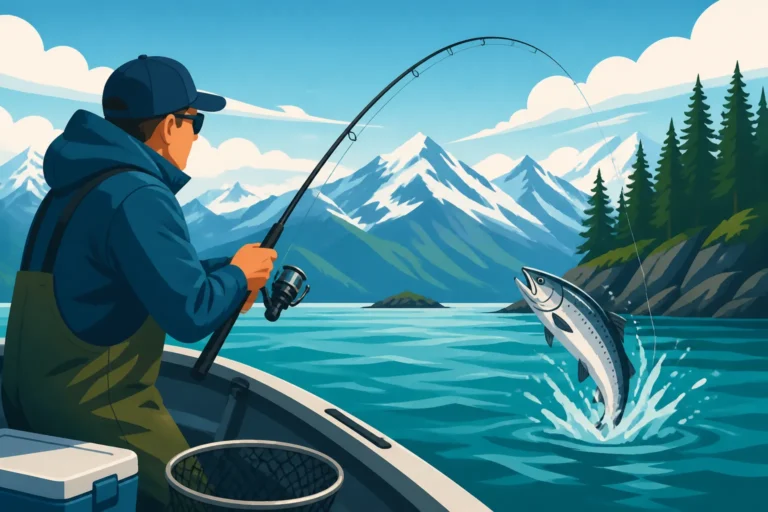
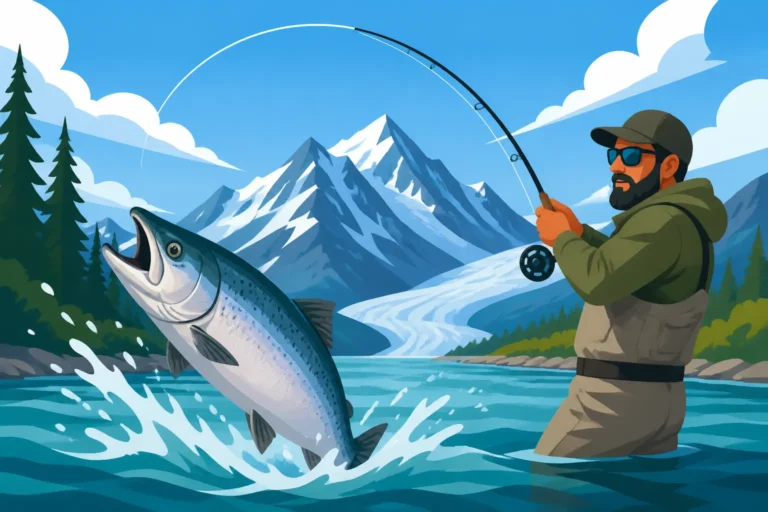
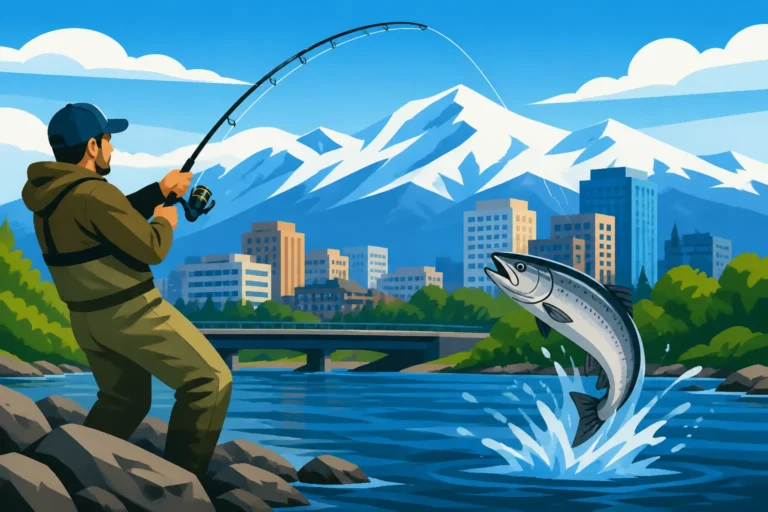
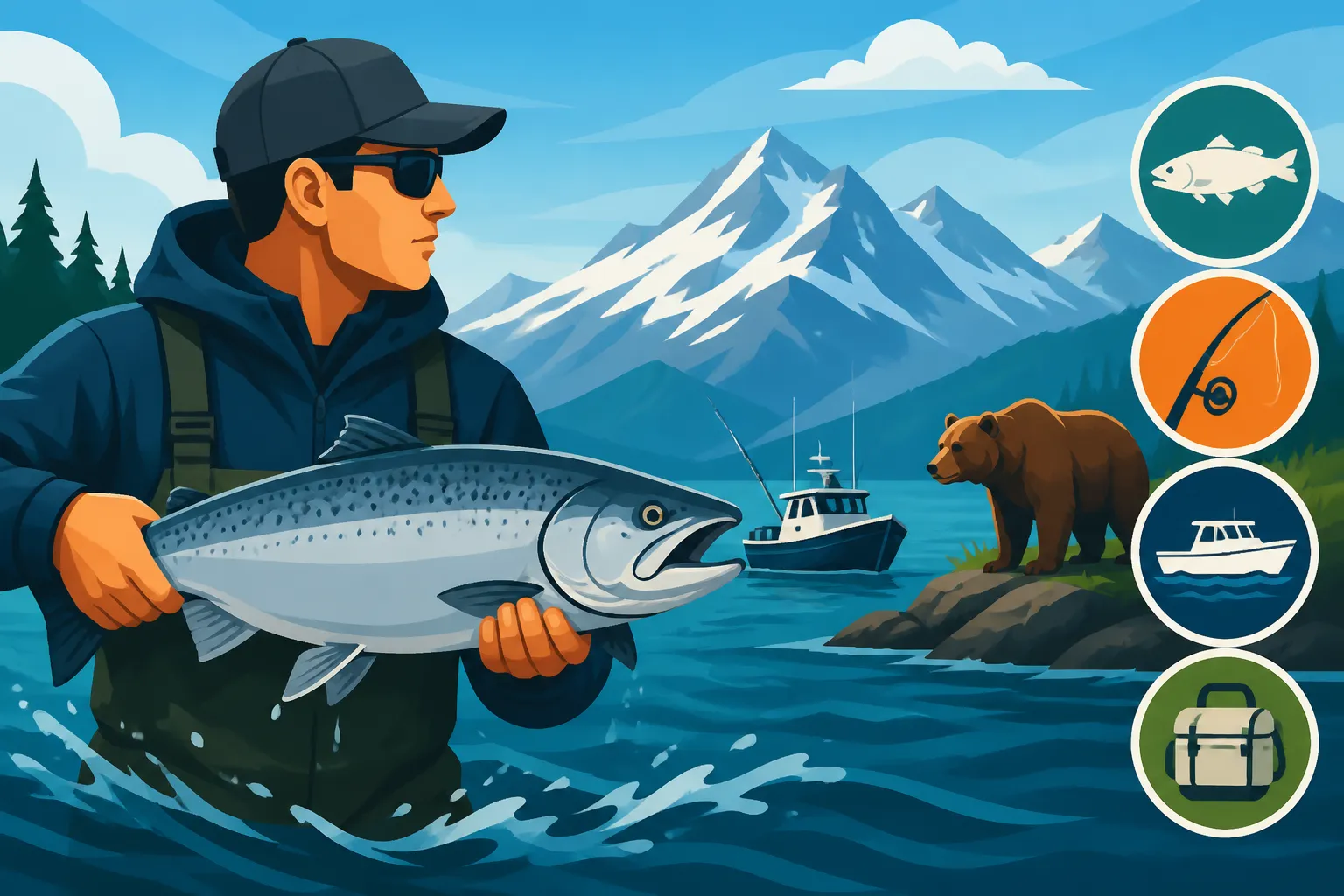
Beyond the fantastic fishing, Kodiak offers an immersive wilderness experience that few other places can match. Imagine reeling in a powerful King Salmon with snow-capped peaks as your backdrop, or battling a giant halibut while eagles soar overhead and seals watch curiously from the water. The island is famously home to the Kodiak brown bear, the largest grizzly subspecies, adding an element of raw, untamed wilderness to your trip. While fishing, it’s not uncommon to spot these magnificent creatures along riverbanks or foraging on distant shores, alongside other wildlife like Sitka black-tailed deer, sea otters, and various migratory birds.
The rugged coastline, dense spruce forests, and expansive tundra create a dramatic and beautiful setting. This combination of world-class fishing and breathtaking natural beauty is what truly elevates a Kodiak fishing trip from a simple angling excursion to an unforgettable adventure. It's an opportunity to connect with nature on a profound level while pursuing the fish of a lifetime.
Key Fish Species and Seasons in Kodiak
One of the biggest questions everyone has when planning an Alaska fishing trip is, "What am I going to catch, and when is the best time to go?" Kodiak Island boasts an incredible array of fish, each with its peak season. Understanding these cycles is crucial for maximizing your chances of targeting your preferred species.
Salmon Species and Their Run Timings
Kodiak Island sees healthy runs of all five species of Pacific salmon, making it a truly diverse salmon fishing destination. Each species has its own distinct timing, and savvy anglers will plan their trip accordingly. For a detailed breakdown, you might want to read our guide on Alaska Salmon Run Timing Explained.
- King Salmon (Chinook): These are the prized giants, known for their immense size and powerful fights. King Salmon typically begin arriving in Kodiak waters in late May, with the run peaking in June and often extending into early July. Popular spots like the Karluk and Ayakulik rivers, accessible primarily by fly-out trips, see strong runs. Marine Kings can be targeted in saltwater throughout the summer. If you're hoping for a trophy, June is usually your best bet. Learn more about Alaska King Salmon Fishing Regulations and Limits to be fully prepared.
- Sockeye Salmon (Red): Known for their vibrant red flesh and incredible fighting spirit, sockeye runs are robust around Kodiak. They typically arrive in late June and peak through July. These fish are often targeted in rivers using specific techniques like "flossing." If you want to fill your freezer with some of the best-tasting salmon, July is prime time.
- Pink Salmon (Humpy): The most numerous of the salmon species, pinks usually flood the rivers and nearshore areas in late July and August. While generally smaller, they offer non-stop action, making them perfect for families or beginners. Many anglers enjoy them smoked.
- Chum Salmon (Dog): Chums are strong fighters and often overlap with pink and sockeye runs, generally appearing from mid-July through August. They're often underestimated but provide a serious battle on the end of your line.
- Coho Salmon (Silver): Silver Salmon are acrobatic and aggressive, making them a favorite among many anglers. Their runs usually start in August and extend well into September, offering excellent late-season opportunities both in saltwater and freshwater systems.
Halibut and Other Bottom Fish
While salmon get a lot of glory, the bottom fishing around Kodiak is legendary, particularly for Pacific Halibut.
- Pacific Halibut: Kodiak is consistently ranked among the best places to catch halibut in Alaska, with many "barn-door" sized fish being landed each year. The halibut season generally runs from May through September, with peak fishing often occurring from June through August. These massive flatfish provide an incredible fight and delicious fillets. For a successful halibut trip, you'll definitely want to know How to Catch Halibut in Alaska. Remember to check Alaska Halibut Fishing Regulations and Limits, as they can be quite specific, especially for charter anglers.
- Rockfish: Numerous species of rockfish, including tasty yelloweye, black rockfish, and quillback, inhabit the rocky reefs and deep structures around Kodiak. These fish are available year-round, but summer months offer the most comfortable conditions. They provide consistent action and are excellent table fare. Always be prepared with a descending device for release if targeting these species, especially in deeper waters, to comply with conservation practices.
- Lingcod: These aggressive, toothy predators are a blast to catch and offer fantastic eating. Lingcod season typically opens around July 1st and extends through the fall. They often inhabit the same rocky areas as rockfish, making them a great combo target.
Here's a quick overview of prime seasons for popular species in Kodiak:
| Species | Prime Season | Typical Size Range | Fishing Style | Notes |
|---|---|---|---|---|
| King Salmon | June – Early July | 20-50 lbs (up to 90+ lbs) | Trolling, Back-trolling, Fly-out | Powerful fighters; highly prized. |
| Sockeye Salmon | Late June – July | 6-12 lbs | Flossing, Fly-out | Excellent eating; strong runners. |
| Coho Salmon | August – September | 8-15 lbs | Trolling, Casting, Fly-out | Acrobatic fighters; aggressive. |
| Pink Salmon | Late July – August | 3-6 lbs | Casting, Trolling, Spin Fishing | Abundant; great for kids and action. |
| Chum Salmon | Mid-July – August | 10-20 lbs | Casting, Spin Fishing | Strong fighters; often overlooked. |
| Pacific Halibut | June – August | 20-200+ lbs (average 20-80 lbs) | Bottom Fishing, Jigging | Iconic Alaskan catch; huge fillets. |
| Rockfish (various) | Year-round (best Summer) | 2-15 lbs | Jigging, Bottom Fishing | Great eating; consistent action. |
| Lingcod | July – September | 10-40 lbs | Jigging, Bottom Fishing | Aggressive predators; good eating. |
Planning Your Kodiak Fishing Adventure
A successful fishing trip to Kodiak requires careful planning, from choosing your dates to securing transportation and accommodations. Given Kodiak’s somewhat remote nature, booking ahead and understanding the local setup is key.
Getting to Kodiak and Local Transportation
Getting to Kodiak Island primarily involves flying. Commercial flights are available daily from Anchorage (ANC) to Kodiak (KOD), operated by airlines like Alaska Airlines. The flight itself offers stunning views as you cross Cook Inlet and the Gulf of Alaska. Once you land at Kodiak Airport, you'll find typical airport services, including car rentals and taxi services.
While there is a road system on Kodiak, it's fairly limited compared to mainland Alaska. Most of the prime fishing spots, especially the remote rivers known for robust salmon runs, require further travel by floatplane, boat, or sometimes even helicopter. This is where local guides and charters become indispensable. If you plan to explore the town of Kodiak and hit some roadside spots, a rental car is useful. However, for serious angling expeditions, relying on the expertise and logistical support of a charter operator is almost always the best approach.
Choosing Between Guided and Unguided Trips
This is a decision that often boils down to budget, experience, and the kind of adventure you're seeking. Both options have their merits.
- Guided Trips: For most visitors to Kodiak, especially first-timers or those targeting specific species like trophy King Salmon or giant halibut, a guided trip is highly recommended. Professional guides know the local waters, understand fish behavior, and possess the specialized equipment needed for successful outings. They handle all the navigation, provide top-notch gear, and often include fish processing services. Many guides also offer multi-day packages that include accommodations and transportation to remote fishing lodges or fly-out destinations. Using a service like FishingBooker can help you find reputable Kodiak fishing charters, allowing you to compare prices and read reviews before committing. This takes a lot of guesswork out of the equation. Our comprehensive guide on Alaska Fishing Charters: Complete Guide can help you decide if this is the right option for you.
- Unguided (DIY) Trips: If you're an experienced angler, comfortable with wilderness navigation, and equipped for self-sufficiency, an unguided trip can offer more independence and potentially save money. However, this is significantly more challenging on Kodiak. You’ll need your own boat or access to a rental, extensive knowledge of local regulations, and a solid understanding of weather patterns and safety protocols. Roadside fishing opportunities exist, particularly for pink and chum salmon in smaller streams or along the coast, but the truly legendary fishing often requires accessing more remote areas. For instance, without a guide, tackling the vast waters for halibut or navigating challenging river systems for sockeye can be daunting and less productive.
Essential Gear and What to Pack
Kodiak weather is notoriously unpredictable, often described as "four seasons in one day." Being prepared for anything is not just a suggestion; it's a necessity.
- Layering System: This is paramount. Start with a moisture-wicking base layer, add a warm fleece or wool mid-layer, and top it with a waterproof and windproof outer shell (jacket and pants). Brands like Grundéns or Helly Hansen are popular among Alaskan anglers for their durability and performance. Even in summer, temperatures can drop, and rain is always a possibility.
- Footwear: Waterproof, comfortable boots are essential. Many anglers opt for knee-high rubber boots, especially for shore fishing or getting in and out of boats. If you plan on fly-out trips to rivers, chest waders and wading boots will be necessary.
- Fishing Gear: If you’re going with a charter, they typically provide all necessary rods, reels, and tackle. However, if you're going DIY, you'll need heavy-duty saltwater setups for halibut and bottom fish (think 50-80 lb braid, sturdy conventional reels, and robust rods) and appropriate salmon setups (medium-heavy spinning or baitcasting rods, 15-30 lb line). Don't forget your tackle box stocked with a variety of lures, jigs, and bait, as local preferences can vary.
- Miscellaneous Essentials:
- Fishing License: Crucial! You absolutely need one. You can often purchase these online or at local vendors. Check out Alaska Fishing License: Complete Guide for all the details.
- King Salmon Stamp: If you plan to target or retain King Salmon, a King Salmon Stamp is required in addition to your regular license.
- Harvest Record Card: For certain species, like King Salmon and Halibut, you'll need to immediately record your catch on a harvest record card.
- Sun Protection: Even on cloudy days, UV exposure can be intense. Pack sunglasses, a wide-brimmed hat, and sunscreen.
- Insect Repellent: Mosquitos and no-see-ums can be fierce, especially in calmer, wooded areas.
- Camera: You'll want to capture those trophy shots and stunning landscapes.
- Dry Bag: Keep electronics, extra clothing, and anything you want to stay dry protected.
Kodiak Fishing Regulations and Best Practices
Fishing in Alaska, and particularly around Kodiak, comes with a specific set of rules and regulations designed to protect its precious fisheries. Familiarizing yourself with these before your trip is not just about avoiding fines; it’s about being a responsible angler and contributing to the sustainability of this incredible resource.
Understanding Alaska Fishing Licenses and Stamps
Before you even think about casting a line, you need to ensure you're legally permitted to fish. Alaska has strict licensing requirements for both residents and non-residents, and there are different types of licenses depending on your age, residency, and duration of your trip.
- General Fishing License: Every angler aged 18 and older needs a valid Alaska sport fishing license. Non-residents have options for 1-day, 3-day, 7-day, 14-day, or annual licenses. For visitors, purchasing a multi-day license that covers your entire trip is usually the most cost-effective and convenient choice. For specific details on costs and how to purchase, refer to our guide on Alaska Non-Resident Fishing License Guide.
- King Salmon Stamp: If you intend to fish for or harvest King Salmon (Chinook), you must purchase a King Salmon Stamp in addition to your basic fishing license. This stamp is vital for tracking harvests and managing this particularly sensitive salmon species.
- Youth and Senior Licenses: Special rules apply to younger anglers (under 18) and seniors. Generally, children under 16 do not need a license, but it's always best to check the current regulations. Seniors who are Alaska residents often have reduced fees or are exempt.
- Where to Buy: You can purchase your license and stamp online through the ADF&G website, or in person at various vendors across Alaska, including tackle shops, sporting goods stores, and some grocery stores in Kodiak.
Navigating Bag Limits, Size Restrictions, and Emergency Orders
This is where things can get a little tricky, as regulations can vary not only by species but also by specific area (often called "regulatory areas" or "management areas") and even change mid-season via emergency orders.
- Bag and Possession Limits: Each species has daily bag limits (how many you can keep in a 24-hour period) and possession limits (how many you can have in your possession at any given time, including processed fish). For instance, halibut limits often include size restrictions (like reverse slot limits for charter anglers) and even "no retention" days on certain days of the week to spread out the harvest. These limits are subject to change, so always check the most current ADF&G regulations booklet for the Kodiak area.
- Harvest Recording: For species like King Salmon and Halibut, any kept fish must be immediately recorded on your harvest record card. This data is critical for biologists to monitor harvests and ensure sustainable management. Failure to record a fish can result in a violation.
- Emergency Orders: This is one of the most important aspects to monitor. Alaska's fisheries are managed dynamically, and emergency orders (EOs) can change regulations – sometimes with very little notice – based on real-time fish returns. For example, a King Salmon run might be weaker than expected, leading to closures or reduced bag limits in certain rivers. Always check the ADF&G website or local offices for the latest emergency orders affecting the Kodiak area right before and even during your trip. Your charter guide will also be intimately aware of these changes.
- Gear Restrictions: Certain areas might have specific gear restrictions, such as single-hook only, barbless hooks, or bait prohibitions. For example, some freshwater systems might restrict the use of bait to protect native trout populations.
Responsible Angling and Conservation
Beyond simply following the rules, adopting best practices for responsible angling is crucial for preserving Kodiak's incredible fishery for future generations.
- Practice Catch and Release Wisely: If you're releasing fish, especially species like rainbow trout or larger salmon during sensitive spawning periods, minimize handling, keep the fish in the water as much as possible, and use barbless hooks for easier release. For deepwater species like rockfish, using a descending device is often required and always recommended to help them survive release.
- Respect Private Property and Fellow Anglers: Many prime fishing spots are on or near private land. Always be mindful of property lines. On crowded rivers or popular fishing spots, maintain adequate spacing and show courtesy to other anglers. This is especially true in areas that see high angler pressure, promoting a more enjoyable experience for everyone.
- Proper Fish Handling and Processing: Once you’ve landed your catch, knowing how to properly bleed, clean, and store your fish is key to maintaining quality. Your charter will typically handle this, but if you’re on your own, having a cooler with ice and knowing basic filleting techniques is vital. Many local businesses in Kodiak offer professional fish processing, vacuum sealing, and shipping services, which is incredibly convenient for getting your prized catch home. Check out Fish Processing and Shipping Home Rules for more information. FishingBooker-listed charters often partner with or recommend specific processors, streamlining this step.
Kodiak Island offers an unparalleled fishing experience, a true wilderness adventure combined with some of the most productive waters in the world. By understanding what to expect, planning ahead, and respecting its unique environment and regulations, you’re not just going on a fishing trip; you’re embarking on an unforgettable journey into the heart of Alaskan angling tradition.
Disclaimer
Please remember that fishing regulations in Alaska can change frequently due to emergency orders and biological assessments. While this guide provides comprehensive information, always consult the most current Alaska Department of Fish and Game (ADF&G) regulations for the specific area and time you plan to fish. Your safety and adherence to all local laws are your responsibility.