Best Sheefish Fishing in Alaska
When you dream of fishing in Alaska, often it's the legendary salmon or monstrous halibut that first come to mind. But for those in the know, there's an equally thrilling, albeit more elusive, freshwater challenge: the sheefish. These powerful, silver torpedoes, affectionately dubbed the "Tarpon of the North," offer an unparalleled angling experience. If you're ready to chase a true Alaskan trophy away from the crowds, this comprehensive guide will steer you toward the best sheefish fishing in the Last Frontier, covering where to find them, when to go, and how to successfully hook into one of these magnificent fish.
The Mighty Sheefish: Alaska's Freshwater Predator
Often overlooked by anglers solely focused on salmon, the sheefish (Stenodus leucichthys) is a truly unique and formidable fish that calls Alaska's vast freshwater systems home. These incredible predators belong to the whitefish family, but their aggressive nature and impressive size set them apart, earning them their famous nickname. They are a bucket-list species for many seasoned Alaskan anglers who crave a different kind of fight.
Identifying Alaska's "Tarpon of the North"
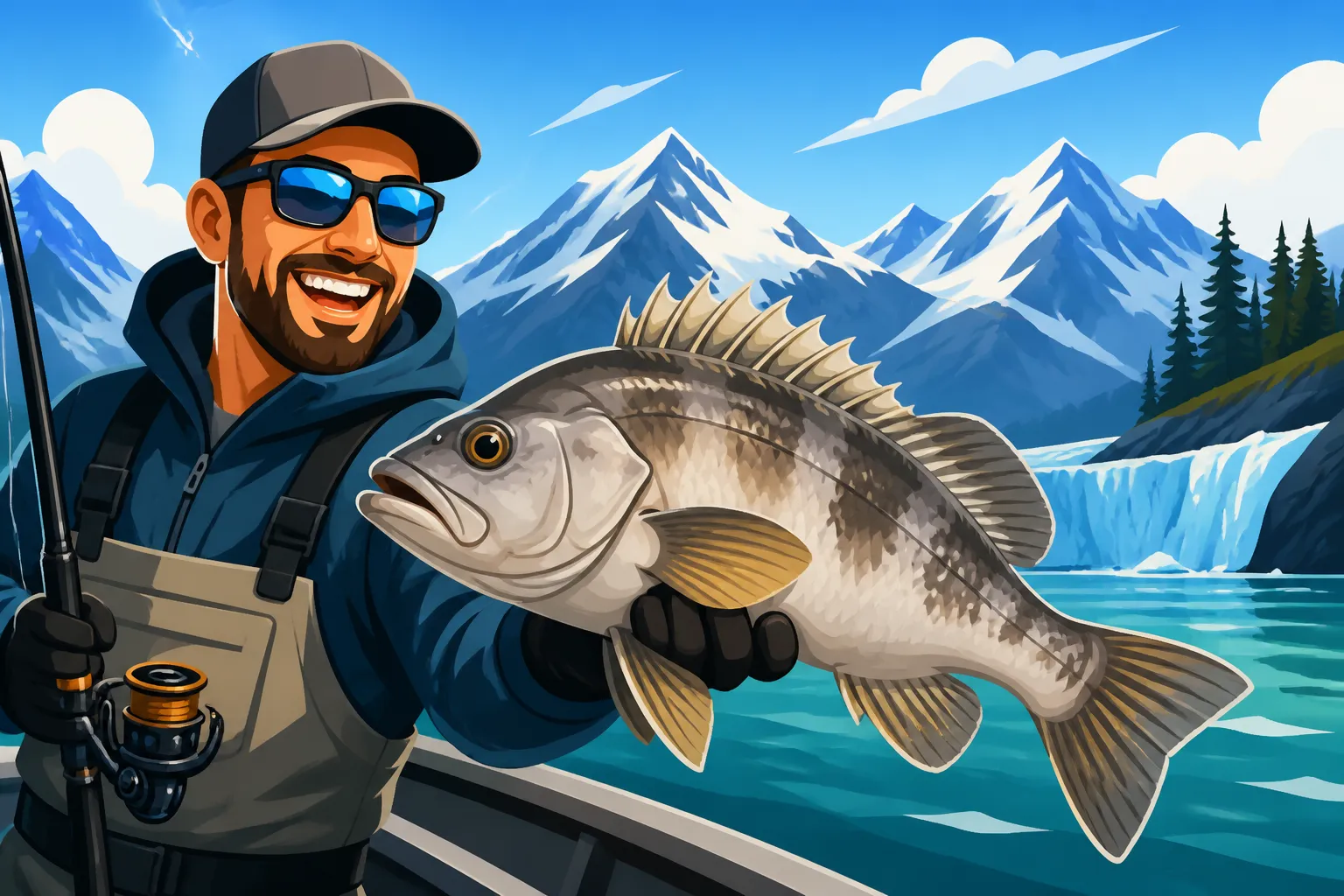
Sheefish are unmistakable once you've seen one. They boast a long, streamlined, silver body that shimmers with an iridescent sheen, perfectly designed for speed and ambush. Their large mouths are equipped with small, sharp teeth, indicative of their predatory lifestyle. Unlike salmon, they don't develop the dramatic spawning colors; they maintain their pristine silver throughout their lives. Adults can grow to astonishing sizes, often exceeding 20 pounds, with some true giants pushing past 40 or even 50 pounds, stretching well over three feet in length. Imagine hooking into a freshwater fish that fights like a saltwater powerhouse—that's the sheefish experience.
Beyond their physical appearance, their behavior is what truly defines them. Sheefish are highly migratory, often traveling vast distances between their spawning grounds and summer feeding areas. They are voracious eaters, preying on smaller fish like juvenile salmon, whitefish, and lamprey, and their strikes are often explosive and unforgettable. When a large sheefish hits your lure, it's not a subtle nibble; it's a full-on charge that can rip line from your reel in an instant.
The Unique Sheefish Habitat and Life Cycle
Sheefish primarily inhabit the large, clear-to-turbid rivers and associated lakes of Arctic and sub-Arctic drainages in western and northern Alaska. Unlike the Pacific salmon that die after spawning, sheefish are iteroparous, meaning they can spawn multiple times over their long lifespans, which can extend over 20 years. This makes them a sustainable fishery if managed properly.
Their migratory patterns are fascinating. Many populations spend their summers feeding in coastal estuaries or large lake systems, packing on weight before migrating upstream to spawn in the fall. These migrations can cover hundreds of miles, making them accessible to anglers in various parts of these vast river systems. Understanding these movements is key to successful sheefish fishing, as their presence in a particular area is often tied to their annual migration. The remote nature of their prime habitats often means that getting to them involves fly-in access or long boat rides, adding to the adventure.
Unlocking Alaska's Premier Sheefish Hotspots
Finding sheefish isn't like finding sockeye on the Kenai River; it requires dedication, a sense of adventure, and often, logistical planning. Their prime habitats are typically in vast, remote drainages, far from the road system. While their range is extensive across northern and western Alaska, a few key rivers stand out as truly exceptional for targeting these magnificent fish.
The Mighty Kobuk River: Sheefish Mecca
When you talk about sheefish fishing in Alaska, the Kobuk River in the state's northwestern region almost always comes up first. This is arguably the most famous and productive sheefish fishery in the world. Flowing through the Kobuk Valley National Park and other pristine wilderness, the Kobuk is a remote, powerful river system that offers incredible opportunities for trophy sheefish. Its vast delta and numerous feeder streams provide ideal habitat for their prey species, supporting a robust sheefish population.
Access to the Kobuk is primarily by air, flying into villages like Ambler or Kotzebue, then typically chartering a bush plane or riverboat to reach prime fishing spots. This remote access is part of the allure, ensuring a truly wild and uncrowded experience. Anglers often stay at small, remote lodges or opt for float trips, drifting down sections of the river. The experience of fishing the Kobuk is as much about the journey through pristine wilderness as it is about the fish itself. It's truly one of the Best Fly-In Fishing in Alaska.
Other Productive Rivers for Trophy Sheefish
While the Kobuk reigns supreme, several other Alaskan river systems offer excellent sheefish opportunities, particularly for those looking to explore different regions.
- Noatak River: Located west of the Kobuk, the Noatak River also boasts a healthy sheefish population. It's another spectacular wilderness river, often accessed via float trips starting from remote drop-off points. The Noatak is known for its incredible wildlife viewing opportunities alongside its fishing, making it a truly immersive Alaskan adventure.
- Yukon River Delta: The vast Yukon River drainage, particularly its lower reaches and tributaries feeding into the Bering Sea, holds significant sheefish populations. These are often less targeted by sport anglers due to their sheer size and distance, but offer immense potential for those willing to explore.
- Kuskokwim River: Similar to the Yukon, the Kuskokwim River system in Southwest Alaska also supports healthy sheefish runs. These fisheries are often vital for local subsistence users but also provide opportunities for adventurous sport anglers.
- Selawik River: Another excellent option in the Kobuk-Noatak region, the Selawik is a smaller, more intimate river system that can produce impressive sheefish. It's often combined with trips to the Kobuk or explored as a standalone destination for a slightly different experience.
When considering these destinations, it's crucial to understand the logistics. These aren't places you just drive to. They require careful planning, bush plane charters, and often relying on experienced local guides who know the intricate river systems. Using a service like FishingBooker can connect you with guides specializing in these remote sheefish expeditions, streamlining your planning.
When to Focus on Specific Areas
The timing of sheefish migrations influences where and when you'll find them. In early summer, many sheefish are still in their feeding grounds in large lakes or coastal estuaries. As summer progresses into late July and August, they begin their upstream migrations towards spawning grounds. This period, particularly August and September, is often considered the prime time for targeting them in the main river systems like the Kobuk, as they are actively moving and aggressively feeding. However, some areas, especially large lakes connected to these river systems, can offer good fishing earlier in the season. Always check the specific Alaska Fishing Seasons: Month-by-Month Guide for the region you plan to visit.
Here's a quick comparison of primary sheefish destinations:
| River System | Primary Location | Best Season | Typical Access | Key Characteristics |
|---|---|---|---|---|
| Kobuk River | Northwestern Alaska | Aug-Sep | Fly-in, Riverboat | World-class trophy sheefish, remote wilderness |
| Noatak River | Northwestern Alaska | Aug-Sep | Fly-in, Float Trip | Large sheefish, stunning arctic wilderness, wildlife |
| Yukon River | Western Alaska (Delta) | Late Summer | Riverboat, local air | Vast system, less sport-fished, immense potential |
| Kuskokwim River | Southwestern Alaska | Late Summer | Riverboat, local air | Strong populations, often combined with salmon trips |
| Selawik River | Northwestern Alaska | Aug-Sep | Fly-in, Riverboat | Smaller system, good for focused sheefish trips |
Mastering the Hunt: Essential Sheefish Techniques and Gear
Successfully catching sheefish demands a blend of power, precision, and understanding their predatory instincts. They are strong fighters, so your gear needs to be up to the task, and your techniques should mimic the movements of their natural prey.
Best Lures and Baits for Aggressive Strikes
Sheefish are visual predators, and they respond well to lures that imitate baitfish. Shiny, flashy, and fast-moving presentations are often the most effective.
- Spoons: Heavy, brightly colored spoons are a perennial favorite. Brands like Pixie, Dardevle, or Krocodile in silver, gold, or bright chartreuse are excellent choices. Sizes ranging from 1/2 oz to 1 oz are common. The flash and wobble of a spoon darting through the water can trigger an aggressive strike from a sheefish.
- Spinners: Large, weighted spinners with big blades, such as Mepps Giant Killers or Blue Fox Vibrax, can also be very effective. Again, silver, gold, or vibrant colors work well. The vibration and flash are key attractors.
- Plugs/Crankbaits: Trolling or casting large, minnow-imitating plugs can be incredibly productive, especially for deeper-holding fish. Lures like the Kwikfish or FlatFish in bright or natural baitfish patterns are good options. These lures have a distinct wobble that sheefish find irresistible. For an idea of how effective these can be, you can look at How to Back-Troll a Kwikfish for Kings, as the principles are similar for enticing powerful fish.
- Jigs: For vertical jigging in deeper holes or near structure, heavy jigs tipped with a grub or a piece of bait (like a smelt or herring) can be deadly. White, chartreuse, or glow-in-the-dark colors are popular.
- Soft Plastics: Large swimbaits or grub tails rigged on heavy jig heads can also work, particularly in clear water.
Remember, sheefish have relatively hard mouths, so sharp, strong hooks are essential to ensure a solid hookset and prevent them from throwing the lure during their powerful head shakes and runs.
Trolling and Casting Strategies
Both trolling and casting can be highly effective for sheefish, depending on the river's characteristics and the fish's behavior.
- Trolling: This is often the preferred method in larger, deeper sections of rivers or in lakes. Trolling allows you to cover vast amounts of water and present your lure at a consistent depth. Use heavy-duty gear and ensure your lure is running at a depth where sheefish are likely to be feeding—often in the middle of the water column or near the bottom in shallower areas. Experiment with different speeds and lure colors until you find what's working. Many guides on FishingBooker who specialize in remote Alaskan trips are experts in trolling for sheefish and other large freshwater species.
- Casting: In shallower braids, eddies, or along riverbanks where sheefish might ambush prey, casting can be incredibly exciting. Look for current breaks, submerged structure, or confluence points where baitfish might congregate. Make long casts with spoons or spinners, allowing them to sink a bit before retrieving with a varied pace—sometimes fast and erratic, other times with pauses. Sheefish often strike on the pause or as the lure changes direction. For more general casting advice, check out How to Cast for Salmon in Alaska, which provides fundamental casting techniques applicable to various species.
Essential Tackle for Sheefish Anglers
Sheefish are powerful, so don't skimp on your tackle. You need robust gear that can handle strong runs and the possibility of a truly massive fish.
- Rod: A medium-heavy to heavy-action spinning or baitcasting rod, typically 7 to 9 feet long, is ideal. This length provides good casting distance and leverage for fighting strong fish.
- Reel: A durable spinning reel (size 4000-6000) or a baitcasting reel capable of holding at least 200 yards of line. Ensure it has a smooth, reliable drag system—you'll need it!
- Line: Braided line is highly recommended for its strength, sensitivity, and lack of stretch, which aids in hooksets. A 30-50 lb test braided line is a good starting point. Pair it with a fluorocarbon leader of 20-30 lb test for abrasion resistance and invisibility.
- Other Essentials: A sturdy landing net with a deep basket is crucial for safely landing large sheefish. Pliers for hook removal, a good pair of polarized sunglasses for spotting fish, and quality rain gear (it's Alaska, after all!) are also highly recommended. Remember to consult a detailed Alaska Fishing Gear and Tackle Guide before your trip to ensure you're fully prepared.
Timing Your Sheefish Adventure: Seasons and Conditions
A successful sheefish trip hinges not just on location and technique, but critically on timing. Knowing when these fish are most active and accessible can make all the difference between an unforgettable trip and a frustrating one.
Peak Seasons for Sheefish Activity
For most of Alaska's premier sheefish rivers, like the Kobuk and Noatak, the prime fishing season typically runs from late July through September. This window coincides with their major upstream spawning migrations. During this period, large numbers of fish are moving through the river systems, making them more concentrated and accessible to anglers.
- Late July to Mid-August: As the initial push of sheefish enters the lower and middle river systems, fishing can be excellent. Fish are often fresh from the feeding grounds and highly aggressive. Water levels might still be relatively high, offering good boat access.
- Mid-August to Early September: This is often considered the absolute peak for trophy sheefish. Many fish have moved further upstream, and consistent feeding patterns are common. The weather can be more stable, though cool, crisp days are the norm.
- Mid-September to Early October: Fishing can remain strong, but weather conditions become more unpredictable, with increasing chances of cold snaps, snow, and ice. Some fish will be on or near their spawning grounds, potentially less aggressive to lures, but still catchable. Access might become more challenging due to colder temperatures affecting bush plane operations.
It's important to remember that these are general guidelines. Local conditions, water levels, and yearly variations can influence the exact timing. Always consult up-to-date local forecasts and communicate with your chosen guide or outfitter before finalizing your travel dates.
The Impact of Water Conditions
Like most freshwater fishing, water conditions play a significant role in sheefish success.
- Water Clarity: Sheefish are primarily sight feeders. While they inhabit turbid rivers, they generally prefer water that has some clarity, allowing them to spot and ambush prey. Extremely high, muddy water due to heavy rains can make fishing challenging, as fish may move to clearer side channels or simply be harder to entice.
- Water Temperature: Sheefish are cold-water species. They thrive in the chilly waters of northern Alaska. Rapid fluctuations in water temperature, either too warm or too cold, can affect their activity levels and feeding behavior. During the peak summer months, they are often found in deeper, cooler sections of rivers or in the mouths of cooler tributaries.
- Water Levels: River levels dictate accessibility and where fish might hold. High water can make navigation difficult and spread fish out. Low water can concentrate fish in deeper pools but might make certain sections of the river impassable for boats. Always check current river levels, especially for a float trip.
When you're planning such a remote and specialized trip, using a reputable booking platform like FishingBooker can offer peace of mind. Many listed charters and lodges provide real-time updates on conditions and offer flexible rescheduling options if Mother Nature throws a curveball. Checking How to Check Alaska Emergency Orders Before Fishing is also a smart move, as regulations can change in-season due to conservation efforts.
Planning Your Remote Sheefish Trip
A sheefish expedition is not your typical weekend fishing trip; it's an adventure into the Alaskan wilderness.
- Guided vs. DIY: For a first-time sheefish angler, especially in remote areas like the Kobuk, a guided trip is highly recommended. Experienced guides possess invaluable local knowledge, provide specialized gear, and handle all the complex logistics, from bush plane charters to camp setup. They know the best spots, the right techniques, and how to navigate the challenging waters safely.
- Logistics: Expect travel to involve commercial flights to Anchorage or Fairbanks, then connecting flights to regional hubs like Kotzebue or Bettles, followed by a bush plane or boat charter to your final destination. Pack appropriately for variable weather conditions, including layers, waterproof outer shells, and good quality waders and boots if you plan to wade.
- Permits and Licenses: Don't forget your Alaska Fishing License: Complete Guide and any required stamps. Sheefish fall under general sportfishing regulations, but always double-check the latest Alaska Fishing Regulations Explained for the specific region you'll be fishing, as rules can vary and change seasonally. Also, be mindful of any specific rules for Native corporation lands if your trip involves them.
A sheefish trip is an investment in an unparalleled fishing experience. The challenge of the hunt, the beauty of the remote Alaskan landscape, and the explosive fight of these magnificent fish combine to create memories that will last a lifetime. Taking the time to plan carefully, leveraging resources like FishingBooker for finding top-tier guides, and understanding the nuances of sheefish behavior will set you up for success on your quest for Alaska's "Tarpon of the North."
Disclaimer
The information provided in this guide is for general informational purposes only and does not constitute professional advice. Fishing conditions, regulations, and access can change rapidly in Alaska. Always consult the latest Alaska Department of Fish and Game (ADF&G) regulations, local weather forecasts, and communicate with your licensed guide or outfitter before and during your trip. Fishing in remote Alaskan wilderness carries inherent risks, and proper planning, safety precautions, and respect for the environment are paramount.