Best Bait for Alaska Salmon
Alright, fellow anglers, let's talk bait for Alaska salmon. If you've ever stood in a sporting goods store in Anchorage or Soldotna, staring at rows upon rows of colorful lures, jars of eggs, and packets of smelly stuff, you know the feeling. It's overwhelming! What works? What's legal? What will actually tempt one of those magnificent Alaska salmon onto your line? It can feel like a guessing game, especially when you're dreaming of that trophy King or a cooler full of Sockeye. This guide is here to cut through the confusion and give you the real-world lowdown on the best baits for Alaska salmon, helping you spend less time second-guessing and more time fishing.
The Core Appeal: What Makes Bait Irresistible to Alaska Salmon
Understanding why a salmon strikes a particular bait is crucial to choosing the right one. It's not just about throwing something in the water; it's about appealing to their instincts, their hunger, and even their aggression. Alaska salmon, whether they're fresh from the ocean or already a ways upriver, are driven by powerful urges that we, as anglers, can tap into.
Understanding Salmon Biology and Instincts
When salmon enter freshwater, their primary biological mission shifts from feeding for growth to spawning. This transition means they're not actively "eating" in the same way they do in the ocean. However, they are still highly susceptible to baits for several key reasons. One major factor is their inherent aggression and territoriality, especially when they're getting close to their spawning grounds. A brightly colored lure or a piece of natural bait drifting by can trigger an aggressive reaction—they might strike it to remove a perceived threat or out of pure instinct. Think of it as a knee-jerk reaction rather than a hunger pang. Another powerful instinct is curiosity. Salmon are keen observers of their environment, and something unusual drifting past them, especially if it mimics food sources they encountered in saltwater or even natural detritus in freshwater, can provoke a strike. Furthermore, they are often drawn to scents that remind them of their natural diet, even if they aren't actively digesting.
Consider a King salmon navigating the Kenai River. While it's no longer gorging on herring, a well-presented cured salmon egg or a bright, wiggling plug might just be too much to ignore. Their senses are highly tuned to subtle changes in water current, light, and scent, all of which play a role in whether they'll investigate—and hopefully strike—your offering. This is especially true for species like silver (coho) salmon, which often retain more of their predatory feeding behavior even in freshwater compared to sockeye, who become almost exclusively aggressive biters.
Factors Influencing Bait Choice: Water Conditions and Species
The "best" bait isn't a static thing; it's a dynamic decision based on a multitude of factors, with water conditions and the specific salmon species being paramount. First, let's talk about water. In clear water, salmon can be incredibly spooky and visual. This means you might need more subtle presentations, smaller baits, or natural colors that blend in more, like a realistic egg pattern or a natural-colored streamer for fly fishing. Think about fishing a pristine, clear tributary of the Susitna River – stealth is key. Conversely, in murky or high water conditions, visibility is low. Here, salmon rely heavily on their lateral line to detect vibrations and their sense of smell. This is when larger, brighter, or more scent-laden baits truly shine. A big, noisy spinner or a heavily scented chunk of roe can create a disturbance and aroma trail that salmon can't miss, even if they can't see it clearly.
Then there's the species. As mentioned, a Sockeye salmon, known for being notoriously difficult to entice with traditional baits, typically responds best to "flossing" techniques with bare hooks or small, brightly colored beads mimicking single salmon eggs, rather than actively taking a large bait. They are almost entirely reaction biters in freshwater. King salmon, on the other hand, often respond well to larger, scent-filled offerings like cured salmon roe, cut plug herring, or large plugs. Silver (Coho) salmon are opportunistic feeders and will hit a wider variety of baits, from spinners and spoons to cured roe and even flies. Pink and Chum salmon also have their preferences, often favoring smaller, brighter lures or flies. Understanding these nuances is key to selecting the right tool for the job. You wouldn't use a sledgehammer to drive a nail, and you shouldn't use a King salmon bait for Sockeye in most situations.
| Salmon Species | Preferred Natural Bait(s) | Preferred Artificial Lure(s) | Best Conditions for Bait | General Behavior in Freshwater |
|---|---|---|---|---|
| King Salmon | Cured salmon roe, cut plug herring | Large plugs (Kwikfish, FlatFish), Spinners | Moderate to high flows, clear to slightly turbid water, scent important | Aggressive, territorial, respond well to scent and vibration |
| Sockeye Salmon | Small beads (mimicking eggs), bare hook (flossing) | Small flies (egg patterns), very small spinners (reaction) | Clear water, moderate flows, visual presentation important | Primarily reaction biters, rarely feed actively |
| Silver (Coho) Salmon | Cured salmon roe, cut bait (herring, sardine) | Spinners, spoons, twitching jigs, small plugs | Varied conditions, opportunistic feeders | Aggressive, predatory, often strike out of curiosity or hunger |
| Pink Salmon | Small pieces of cured roe | Small spinners, spoons, pink jigs, flies (pink/chartreuse) | Lower, clear flows, visual bite | Aggressive for their size, attracted to bright colors |
| Chum Salmon | Cured salmon roe, cut bait | Large brightly colored flies (chartreuse), Spinners, Spoons | Varied, often very aggressive towards bright, moving targets | Very aggressive, powerful fighters, attracted to bright colors |
Natural Baits: Tried and True Choices for Alaska Salmon
When it comes to Alaska salmon fishing, sometimes the simplest, most natural approach is the most effective. Mother Nature provides some incredible bait options that salmon simply can't resist, especially if they're presented correctly. These natural baits often appeal to the salmon's deep-seated instincts and olfactory senses.
Cured Salmon Roe: The Undisputed Champion
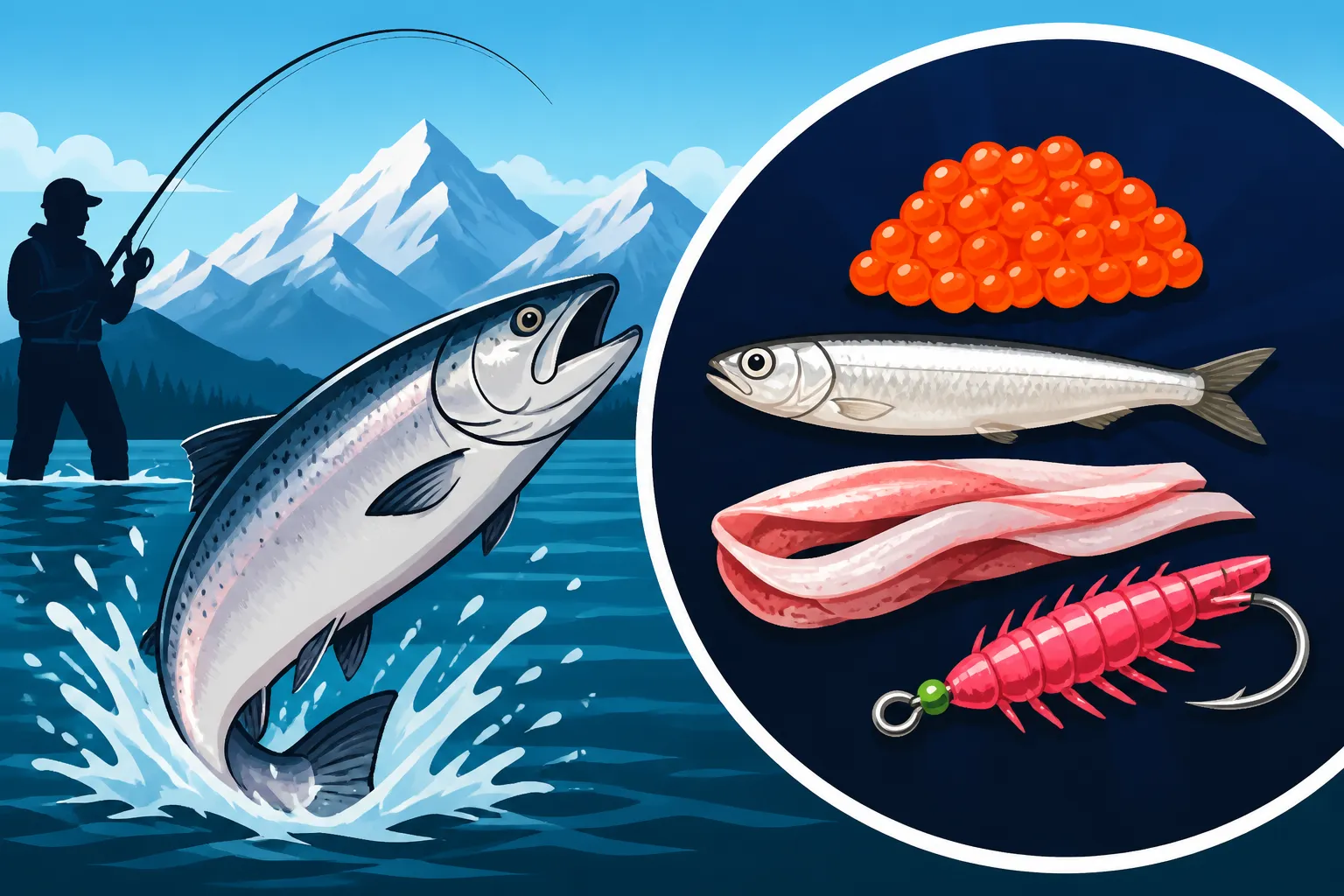
Without a doubt, cured salmon roe stands as one of the most effective and widely used natural baits for salmon in Alaska. Why? Because it's an incredibly potent combination of scent, texture, and visual appeal, mimicking what salmon are instinctively drawn to in their spawning environment: the eggs of their own kind or other salmon. When a salmon sees or smells eggs, it triggers a powerful reaction, whether it's an attempt to eat them, protect them, or simply remove them as a perceived threat. This is particularly true for King (Chinook) and Coho (Silver) salmon, and often even for Chum and Pink salmon.
The key, however, is cured roe. Fresh, uncured roe won't hold up on a hook and won't disperse scent effectively in the water. Curing involves a process of adding salts, borax, and sometimes other proprietary ingredients like amino acids or dyes. This process toughens the skein (the membrane holding the eggs together), enhances their color, and helps preserve them while maximizing their scent-dispersion qualities. Anglers often spend hours meticulously preparing their "secret recipe" roe, convinced it makes all the difference. Brands like Pautzke's Bait Eggs and Pro-Cure are widely popular for their curing agents and pre-cured eggs, available readily at local sporting goods stores or online on platforms like Amazon. The vibrant orange, red, or even pink hues of cured roe make them highly visible in the water, and the slow, natural release of oils and scent compounds creates an irresistible trail that salmon can detect from a distance. Whether you're drift fishing under a bobber or bottom bouncing, a properly presented chunk of cured roe can be absolutely deadly. Learning How to Cure Salmon Eggs for Bait is a skill many dedicated Alaska anglers master.
Cut Bait and Whole Baitfish: Herring, Sardines, and More
Beyond roe, cut bait and whole baitfish are formidable weapons in an Alaska angler's arsenal, especially in saltwater or tidally influenced freshwater areas for predatory species like King and Coho salmon. The most common choice here is herring, often fished as "cut plug" herring. This involves strategically cutting a whole herring at an angle to give it a spiraling, wounded baitfish action when trolled or retrieved. This erratic movement, combined with the natural oils and scent of the herring, perfectly mimics a distressed prey fish, a siren song for hungry salmon. Larger Kings, in particular, find this presentation irresistible in places like Cook Inlet, Prince William Sound, or near the mouth of the Kenai River.
Other baitfish, such as sardines or even chunks of salmon belly, can also be effective. These are typically fished whole or as large chunks, often on a mooching rig or under a float. The key with cut bait is its freshness and presentation. The fresher the bait, the more natural oils and scent it will release. Rigging it correctly to achieve that tantalizing spin or wobble is crucial. Many anglers use special bait holders or leaders designed to impart the perfect action. While less common in upstream freshwater fisheries due to regulations and the salmon's reduced feeding drive, cut bait remains a top choice for ocean-fresh salmon. Remember to check Alaska Bait Restrictions Explained as regulations on using baitfish can vary by specific river and time of year.
Live Bait and Other Organic Options
While live bait is a staple in many fisheries worldwide, its use in Alaska salmon fishing is generally very limited, primarily due to strict regulations designed to prevent the spread of invasive species and diseases. Most freshwater systems in Alaska prohibit the use of live fish as bait. This is a critical point that any angler must be aware of when planning their trip; ignorance of the law is no excuse. Always consult the current Alaska Fishing Regulations Explained booklet or the Alaska Department of Fish and Game (ADF&G) website before hitting the water.
However, there are a few other organic options that sometimes find their way onto an angler's hook, especially for species beyond salmon or in specific situations. For instance, sometimes a simple worm, like a nightcrawler, can attract a curious salmon or trout, though it's not typically the preferred method for dedicated salmon fishing. In some remote regions, local insect imitations or even real insects might be used effectively for species like Arctic Grayling or Dolly Varden, which often coexist in salmon streams. Shrimp, both live (where legal) and dead, can also be a potent attractant, particularly for bottom-dwelling species and sometimes for salmon in saltwater. Krill, a small crustacean, is often incorporated into commercial scent sprays and pastes due to its natural appeal to salmon. While less common than roe or herring, these alternatives demonstrate that salmon, especially when they are still transitioning from saltwater, can be tempted by a variety of organic offerings. Just make sure you understand the strict rules around live bait in Alaska to avoid hefty fines.
Artificial Baits: Lures That Mimic Nature's Best
Sometimes, you need to trick a salmon. When natural bait isn't legal, isn't available, or simply isn't doing the job, artificial lures step up to the plate. Modern artificial baits are incredibly sophisticated, designed to mimic the sight, sound, and action of a distressed baitfish, a juicy bug, or even another salmon's egg, triggering that aggressive or instinctual strike from a passing salmon.
Spinners and Spoons: Flash, Vibration, and Action
Spinners and spoons are arguably the most iconic and widely used artificial lures for Alaska salmon, and for good reason. They are incredibly effective across all five species of Pacific salmon, often prompting vicious strikes.
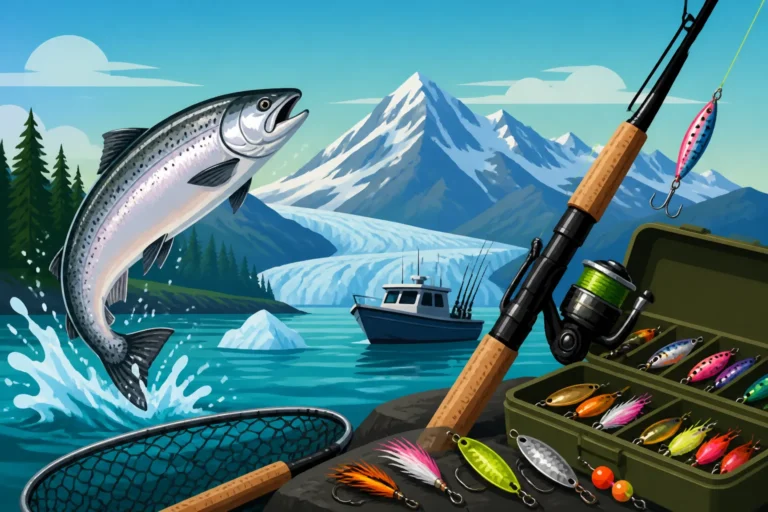
- Spinners: A spinner consists of a blade that rotates around a central wire shaft, creating flash and vibration as it's retrieved through the water. This movement and light reflection perfectly imitate a small, wounded baitfish or an insect darting away, making them irresistible to predatory salmon like Kings and Silvers. Classic spinner brands like Mepps, Blue Fox, and Rooster Tail are mainstays in tackle boxes. For Alaska salmon, larger sizes are often favored, especially for Kings. Popular colors range from bright fluorescent oranges, pinks, and chartreuses (especially in turbid water or for aggressive fish) to more natural silver, gold, and brass finishes (for clearer water). The key is to match the spinner size and color to the water conditions and the specific salmon species you're targeting. A small, subtle spinner might work for pinks or even an aggressive sockeye, while a large, thumping spinner is a common choice for King salmon in a river like the Kasilof. You can find a huge selection of spinners on Amazon to ensure you have a variety of options.
- Spoons: Spoons are essentially curved pieces of metal, often brightly colored or with reflective finishes, designed to wobble and flash seductively as they're retrieved or trolled. This erratic, darting action mimics a wounded baitfish, and the flash attracts attention from a distance. Brands like Pixee, Dardevle, and Luhr Jensen Krocodile are popular. Spoons are particularly effective for Coho (Silver) salmon, which are aggressive feeders and love to chase. They're also widely used in saltwater for Kings and Cohos. Just like spinners, choosing the right size and color is paramount. In murky water, bright colors like fluorescent orange or chartreuse can stand out, while in clear water, silver, gold, or blue patterns can be more effective. Some spoons even feature painted eyes or scale patterns for added realism.
Both spinners and spoons are fantastic for casting and retrieving from shore or a boat, or for trolling in larger bodies of water. The vibration from a spinner is often felt through the rod, giving the angler a direct connection to the lure's action and the fish's potential interest.
Plugs and Kwikfish: Diving, Wiggling, and Scent Dispersal
When it comes to targeting big, powerful King salmon, especially in larger rivers or estuaries, plugs are often the go-to artificial bait. These hard-bodied lures are designed to dive, wiggle, and create a strong vibration as they move through the water, mimicking a fleeing or injured baitfish.
- Kwikfish and FlatFish: Brands like Kwikfish and FlatFish are legendary in Alaska salmon fishing. These plugs are known for their aggressive, wide wobbling action that creates a powerful vibration in the water. This vibration is picked up by the salmon's lateral line, even in turbid water, often triggering an attack. Many anglers will "tune" their Kwikfish by slightly bending the eyelet to achieve the perfect side-to-side wiggle. What makes plugs like Kwikfish even more effective is their hollow body design, which allows anglers to inject them with scent attractants. By filling the plug with a strong, oily scent like anises, herring oil, or sardine paste, you're not only offering a visual and vibrational trigger but also an irresistible olfactory one. This combination can be incredibly potent for Kings who are relying more on scent than active feeding.
- Other Diving Plugs: While Kwikfish and FlatFish are specific types, there are many other diving plugs available. These can vary in size, dive depth, and action. Some are designed for aggressive wobbles, others for a tighter vibration. They come in a vast array of colors, from natural baitfish patterns to bright, fluorescent options. Plugs are typically back-trolled from a boat, allowing them to dive to specific depths and work the currents effectively. The resistance created by a diving plug means you often need heavier tackle to fish them properly. Proper presentation with plugs is crucial, ensuring they are diving and wiggling as intended.
Plugs are generally more effective in deeper water or strong currents where their diving action can be utilized. They are often fished on heavy monofilament or fluorocarbon leaders to withstand the sharp teeth and powerful runs of a King salmon.
Soft Plastics and Jigs: Versatility for Various Situations
Soft plastics and jigs offer incredible versatility and can be effective for a wide range of Alaska salmon species, adapting to different fishing techniques and conditions.
- Soft Plastics: These lures, made from pliable plastic, can mimic anything from worms and grubs to small baitfish or even salmon eggs. Their soft texture feels natural to a fish, often encouraging them to hold on longer, giving you more time to set the hook. For salmon, soft plastic worms, small paddle-tail swimbaits, or even plastic beads (often used for sockeye) are common. The famous "sockeye bead" technique involves using a small, brightly colored plastic bead (often 8-10mm in diameter, in colors like orange, red, or pink) rigged a few inches above a bare hook. This bead perfectly mimics a single salmon egg drifting in the current, triggering a reaction strike from sockeye who are primarily responding to visual cues of eggs. For other salmon, soft plastic worms or grubs can be effective when fished under a float or drifted along the bottom, sometimes tipped with a small piece of cured roe for added scent.
- Jigs: A jig consists of a weighted head (typically lead or tungsten) with a hook molded into it, often dressed with hair, feathers, or soft plastic tails. Jigs are incredibly versatile and can be fished in many ways: bounced along the bottom, retrieved with a "jigging" motion, or suspended under a float. For salmon, particularly Coho (Silver) salmon, twitching jigs are extremely popular. These brightly colored jigs (often pink, chartreuse, or white) are cast out and retrieved with a series of sharp "twitches" of the rod tip, making them dart and flash erratically. This action is incredibly effective at provoking aggressive strikes from Silvers. For deep water or strong currents, heavier jigs can be used to get down to the fish quickly. Brands like Puget Sound Pro-Cure and Luhr Jensen make excellent salmon jigs. Their compact profile and ability to be fished vertically make them ideal for targeting fish holding in specific holes or deep runs. On Amazon, you'll find a wide selection of different jig styles and weights to suit various fishing scenarios.
Both soft plastics and jigs are excellent choices for active fishing techniques where you're constantly working the lure to impart action. They allow for precise control and can be incredibly effective when salmon are holding in specific water columns or reacting to subtle presentations.
Fly Fishing Baits: Patterns for the Purist
For many, fly fishing for Alaska salmon isn't just a method; it's an art form. It's about presenting a delicate imitation that fools even the most discerning fish. While "bait" usually refers to natural offerings, in fly fishing, the "bait" takes the form of meticulously crafted flies designed to mimic various stages of salmon life or their food sources.
Egg Patterns and Flesh Flies
When salmon are in freshwater, especially near spawning grounds, their world revolves around eggs and the decaying flesh of spawned-out fish. Smart fly anglers capitalize on this.
- Egg Patterns: These are simple, often brightly colored flies designed to imitate single salmon eggs. They typically come in shades of orange, red, pink, or chartreuse, mimicking the eggs of Sockeye, Pink, or Chum salmon that might be drifting in the current. Egg patterns are absolutely deadly for Sockeye salmon, who, as we've discussed, rarely "feed" in freshwater but will strike at drifting eggs out of instinct or aggression. They are usually fished under an indicator (bobber) or dead-drifted along the bottom in the current, just like a natural egg would. While some consider the "flossing" method (where the line contacts the fish before the fly) controversial, a well-presented egg pattern that drifts naturally into a sockeye's zone can result in a legitimate bite. These patterns are also very effective for hungry Rainbow Trout, Dolly Varden, and Arctic Grayling that follow salmon runs, gorging themselves on the protein-rich eggs.
- Flesh Flies: As salmon spawn and die, their decaying flesh becomes a significant food source in the river system. Flesh flies are designed to imitate these floating chunks of salmon flesh. They are typically tied with white, cream, or pale pink rabbit strips, chenille, or other soft materials, creating a natural, undulating movement in the water. These flies are particularly effective late in the salmon season, from late summer through fall, when many salmon species have spawned and died. They are a favorite for aggressive Coho (Silver) salmon, Rainbow Trout, and Dolly Varden, who are opportunistic scavengers. Flesh flies can be swung across currents or dead-drifted, mimicking the natural movement of decaying flesh in the water. For an angler targeting post-spawn trout or char in an Alaskan river, a flesh fly is an absolute must-have.
Streamers and Nymphs for Aggressive Takes
Beyond eggs and flesh, other fly patterns tap into the predatory or aggressive instincts of salmon and the other fish that accompany them.
- Streamers: Streamers are flies designed to imitate baitfish. They are tied with long, flowing materials like bucktail, marabou, or synthetic fibers that create a lifelike swimming action in the water. For salmon, larger, flashier streamers are often used, mimicking herring, juvenile salmon, or other forage fish. Colors can vary from natural baitfish patterns (silver, blue, olive) to bright attractor patterns (chartreuse, pink, black). Streamers are incredibly effective for Coho (Silver) salmon, which, as mentioned, retain a strong predatory drive in freshwater. They are also excellent for larger Rainbow Trout and Dolly Varden. Streamers are typically fished with an aggressive strip-and-pause retrieve, making them dart and flash, or swung across currents to create a "wounded" action. The dynamic movement of a streamer can trigger a territorial or predatory strike from an otherwise uninterested salmon.
- Nymphs: While more commonly associated with trout fishing, nymphs can sometimes be effective for salmon, particularly smaller species or those holding in slower water. Nymphs imitate aquatic insects in their larval or juvenile stages. While adult salmon rarely feed on insects in freshwater, a well-presented nymph can sometimes provoke a curious or aggressive strike, especially from less aggressive species or younger fish. More often, nymphs are highly effective for the resident trout and char that co-exist with salmon, as these fish do actively feed on insects. If you're fishing a river with a strong salmon run, and trout and char are feeding on the periphery, a large stonefly nymph or caddis larva imitation might pick up an unexpected salmon. They are typically fished dead-drifted under an indicator or with a tight-line nymphing technique.
Choosing the right fly pattern often depends on the specific time of year, the dominant food sources in the river, and the behavior of the fish. Mastering How to Fly Fish in Alaska is a rewarding challenge that opens up a whole new world of bait presentation.
Bait Preparation and Presentation: Maximizing Your Chances
Having the best bait in the world won't do you much good if you don't prepare it properly and present it effectively. This is where the true angler's craft comes into play, turning a simple offering into an irresistible temptation for Alaska salmon. Attention to detail in these steps can dramatically increase your success rate.
The Art of Curing Roe and Preparing Cut Bait
Proper bait preparation is an essential skill, especially when using natural baits. For cured salmon roe, it's not just about dumping a jar of commercial cure on fresh eggs. While commercial cures from brands like Pautzke's or Borax-O-Fire are excellent starting points, many seasoned Alaska anglers have their own secret recipes, often involving unique blends of curing agents, scents, and dyes.
Curing Roe:
The process typically involves:
- Harvesting Fresh Roe: The fresher the roe, the better. It should be firm and intact.
- Cleaning and Preparing: Carefully remove any bloodlines or extraneous material from the skein (the sac holding the eggs). Cut the skein into manageable chunks, usually 1-inch to 2-inch squares, though some prefer longer strips.
- Applying Cure: Lay the roe chunks on a tray and generously sprinkle them with your chosen cure. Many cures are salt-based, which draws moisture out of the eggs, firms them up, and helps them hold on the hook. Borax is a common ingredient that helps preserve color and scent. Some cures include scents like anise or krill, or amino acids to enhance attraction.
- Marinating: Allow the roe to "sweat" in the cure, often for 12-24 hours in a cool, dark place or refrigerator. The moisture drawn out will create a briny liquid that the eggs reabsorb, becoming firm and vibrant.
- Drying and Storing: After curing, gently pat the roe dry. Some anglers air-dry them further on screens. Store cured roe in airtight containers, either refrigerated for short-term use or frozen for longer periods. Properly cured roe should be firm enough to stay on a hook, but still soft enough to release scent. The color should be bright and attractive. For a deeper dive, check out our guide on How to Cure Salmon Eggs for Bait.
Preparing Cut Bait (e.g., Cut Plug Herring):
For cut bait like herring, preparation is all about achieving the perfect "cut plug" action.
- Freshness is Key: Start with fresh, firm herring. Frozen herring can work, but it should be thawed slowly and kept cold.
- The Angled Cut: The essential cut is made at a precise angle, typically 45 degrees, from the head down through the belly, often just behind the gills. This cut allows the water to catch the body of the herring, imparting a natural, wounded-fish spiraling action.
- Gutting (Optional but Recommended): Some anglers gut the herring to allow for scent injection or to prevent the bait from swelling underwater.
- Rigging: The herring is then rigged with a two-hook leader, typically an in-line tandem hook setup. The lead hook goes through the mouth or head, and the trailing hook is placed along the side or tail to maximize hook-ups.
- Scent (Optional): While herring has natural oils, some anglers inject additional scents like Pautzke's Nectar or Pro-Cure's Super Gel into the cavity or flesh for an added boost, especially in murky water.
Rigging Your Bait for Optimal Action
Once your bait is prepared, how you rig it matters immensely. The goal is always a natural, enticing presentation that triggers a strike.
- For Cured Roe: Roe is typically fished on a single hook, often a size 1 to 3/0, depending on the size of the roe chunk and the target species. The hook should be threaded through the roe carefully to ensure it stays on during the cast and drift, but also allows for maximum hook exposure. Many anglers use "roe bags" or "spawn sacks"—small pieces of netting filled with roe and tied shut—which provide excellent scent dispersion and keep the bait securely on the hook, especially when fishing aggressive currents. For drift fishing in rivers, a simple drift rig with a pencil lead or Slinky weight is common, allowing the roe to bounce along the bottom naturally. For suspended fishing, a float or bobber rig keeps the roe at the desired depth.
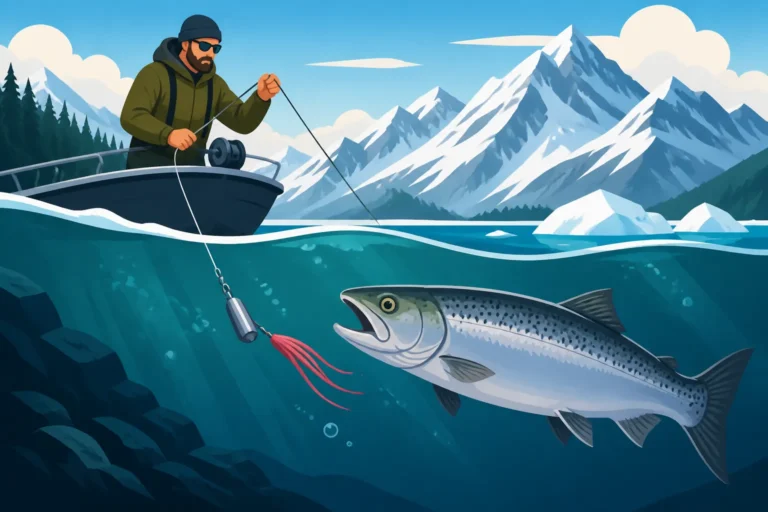
- For Cut Plug Herring: As mentioned, a two-hook tandem rig is standard. The leader length is crucial for optimal action and can vary. When trolling, the speed of your boat also dictates the action of the cut plug, so experimentation is key. The leader is often connected to a flasher or dodger, which adds more flash and vibration, attracting salmon from a wider area. The flasher rotates, creating turbulence that enhances the cut plug's spin. This combination is incredibly effective for ocean-fresh King salmon in places like Resurrection Bay near Seward or the rich waters outside Homer.
- For Jigs and Soft Plastics: Proper rigging ensures the lure swims correctly. For jigs, a simple knot to the eye of the jig head is often all that's needed. For soft plastics, whether it's a worm, grub, or bead, the hook placement is vital for natural action. A small jig head or weighted worm hook can be used to add weight and facilitate movement. When fishing sockeye beads, the bead is typically pegged about 1.5 to 2 inches above a bare, sharp hook (often a Gamakatsu octopus hook) on a fluorocarbon leader. This precise distance is key to ensuring the fish bites the "egg" and gets hooked on the trailing hook as it tries to mouth the bait.
Scent and Attractants: Adding an Extra Edge
In Alaska salmon fishing, scent is often the secret weapon. Salmon possess an incredibly keen sense of smell, capable of detecting minute traces of chemicals in the water. This is especially true for salmon in freshwater, where their reliance on scent cues increases as their feeding instincts wane.
- Natural Scents: Many natural baits, like cured roe and cut plug herring, inherently release potent scents. The oils and juices from these baits create an aromatic trail that salmon can follow, even in murky water. Anglers often enhance these natural scents with additives during the curing process or by applying commercial scent attractants directly to the bait.
- Commercial Scent Attractants: The market is flooded with various scent gels, sprays, and oils, and many of them are specifically formulated for salmon. Popular ingredients include:
- Anise: A classic scent, often thought to mimic natural food sources or simply act as an attractant.
- Garlic: Believed by many to mask human scent and sometimes attract fish.
- Krill and Shrimp: These crustaceans are natural food sources for salmon in the ocean, and their essence is incredibly effective in attracting fish. Brands like Pro-Cure, with their Super Gels and Bait Oils, are incredibly popular, offering a wide array of specific fish scents (herring, sardine, salmon egg) and general attractants.
- Fish Oils: Herring oil, sardine oil, and salmon oil can be applied to lures or soaked into sponges that are attached to tackle. These create a visible slick and a strong scent trail in the water.
- Application: Scent can be applied to virtually any bait or lure. Injecting plugs with scent, coating jigs and soft plastics, soaking cured roe, or spraying spinners and spoons are common practices. Reapplying scent frequently is crucial, as it washes off in the current. In a river like the Kenai, where powerful currents quickly dissipate scent, regular reapplication is a must. Many anglers keep a small bottle of scent handy, reapplying it after every few casts or after landing a fish. For artificial lures, a scent that clings well, like a gel, is often preferred. You can find a vast selection of these on Amazon, often at competitive prices, making it easy to stock up.
The strategic use of scent can turn a slow day into a productive one, especially when salmon are hesitant or conditions are challenging. It appeals directly to their innate senses, giving your bait an undeniable advantage.
Navigating Regulations and Ethical Considerations
Fishing in Alaska is a privilege, and with that comes a responsibility to understand and abide by the rules. The regulations surrounding bait usage are complex and designed to protect Alaska's incredible fish populations. Ignoring them can lead to hefty fines, loss of fishing privileges, and harm to the resource.
Understanding Bait Restrictions by Region and Species
One of the biggest pitfalls for anglers in Alaska is assuming that what works and is legal in one river is legal everywhere. This couldn't be further from the truth. Alaska fishing regulations are highly localized and dynamic, changing based on region, river system, time of year, and even specific species.
- Regional Differences: Alaska is vast, and its regulations reflect its diverse ecosystems. For example, some regions might allow bait year-round for all salmon species, while others have strict bait closures. The Kenai Peninsula, particularly the famous Kenai River, has some of the most complex regulations, with specific periods allowing bait for King salmon but restricting it for Sockeye or Coho. Rivers like the Russian River often have "fly-fishing only" or "single hook, artificial lure only" rules during critical salmon runs. Before you even pack your tackle box, you must consult the Alaska Department of Fish and Game (ADF&G) regulations for the specific area and time you plan to fish. You can find these online, and always carry a physical copy of the How to Read the Alaska Sport Fishing Regulations Booklet with you.
- Species-Specific Rules: Regulations often target specific species. For instance, during the Sockeye salmon run on many rivers, bait is prohibited to prevent incidental hooking of non-target species or to promote more ethical catch-and-release practices. Conversely, during King salmon runs, bait (especially cured roe or herring) might be permitted or even encouraged to maximize harvest opportunity, provided the stock allows. The use of certain bait fish, particularly live bait fish, is almost universally prohibited in freshwater to prevent the introduction of invasive species or diseases that could devastate native fish populations. You'll often see specific rules for Alaska King Salmon Fishing Regulations and Limits or Alaska Sockeye Salmon Fishing Regulations and Limits, which will detail bait restrictions.
- Emergency Orders: To complicate matters further, Alaska frequently issues "Emergency Orders" (EOs) that can change regulations in-season, sometimes with very little notice. These EOs are typically issued to respond to unforeseen changes in fish returns or escapement goals (the number of fish that make it to spawning grounds). An emergency order could close a fishery, change bag limits, or, critically, restrict bait use. This means you need to stay vigilant. Check the ADF&G website or call their local offices for updates right before and even during your trip. Knowing How Often Do Alaska Fishing Rules Change is vital for every angler.
The table below provides a general overview, but always defer to the most current ADF&G regulations.
| Bait Type | General Legality (Freshwater) | Common Restrictions/Considerations |
|---|---|---|
| Cured Salmon Roe | Varies by region/species | Often allowed for King and Coho salmon, but frequently prohibited during Sockeye runs or in "fly-fishing only" waters. Always check for specific river regulations. |
| Cut Bait (Herring) | Generally prohibited | Mostly used in saltwater or tidally influenced areas for King/Coho. Strictly prohibited in most freshwater river systems to prevent disease/invasive species spread. |
| Live Bait (Fish) | Almost universally prohibited | Very few exceptions exist, and these are often highly specific and require permits. Assume live fish bait is illegal in all Alaska freshwater. |
| Artificial Lures | Generally allowed | Certain areas may have "fly-fishing only" or "single hook, artificial lure only" rules. Treble hooks might be restricted in some catch-and-release or crowded fisheries. Specific types of lures (e.g., those designed for snagging) may be illegal. |
| Flies | Generally allowed | Often encouraged in "fly-fishing only" waters. Check for restrictions on fly size, weight, or the use of added scents/attractants on flies in certain areas. |
Responsible Bait Usage and Conservation Practices
Beyond simply following the law, ethical bait usage and conservation practices are paramount to preserving Alaska's fishing legacy. We all want to ensure future generations can experience the same incredible fishing we enjoy.
- Preventing the Spread of Invasive Species: This is a huge reason for bait restrictions, especially on live bait and certain natural baits. Never introduce non-native species (plants, animals, or fish) into Alaska's waters. Always clean, drain, and dry your boats and gear thoroughly between fishing locations, especially if moving between different river systems or regions. This "Clean, Drain, Dry" mantra is crucial for preventing the spread of aquatic invasive species.
- Minimizing Harm to Non-Target Species: When using bait, there's always a higher chance of fish swallowing the hook, which can be lethal if you're trying to release a non-target species. If you're fishing in an area where catch-and-release is common or you might hook species you don't intend to keep, consider using single, barbless hooks, which make for easier, less harmful releases. Understanding Alaska Catch-and-Release Best Practices is fundamental for minimizing stress and injury to fish you don't retain.
- Bait Waste and Pollution: Be mindful of bait waste. Don't leave discarded bait containers, uneaten bait, or fish guts lying on the riverbanks or tossed into the water unnecessarily. These can attract bears and other wildlife, create unsanitary conditions, and pollute the environment. Dispose of all waste properly in designated receptacles or pack it out with you.
- Respecting Fishery Closures and Limits: If a fishery closes to bait, or if bag limits are reduced, it's for a reason—typically to protect declining stocks. Respect these decisions. It might be frustrating, especially if you've planned a trip around a specific target, but these measures are vital for the long-term health of the fishery. Understanding Alaska Fishing Limits and Bag Limits Explained is part of being a responsible angler.
Ultimately, being a responsible Alaska angler means not just knowing what bait to use, but when, where, and how to use it in a way that respects the resource and the regulations. It’s about being adaptable, staying informed, and prioritizing the health of the fishery above all else. That’s the true spirit of fishing in the Last Frontier.
Disclaimer
The information provided in this guide is for general informational purposes only and is subject to change. Fishing regulations in Alaska are complex and frequently updated by the Alaska Department of Fish and Game (ADF&G). It is the angler's sole responsibility to consult the most current official ADF&G regulations and emergency orders for the specific area and time they plan to fish before engaging in any fishing activities. Failure to do so may result in fines or penalties.