How to Read the Alaska Sport Fishing Regulations Booklet
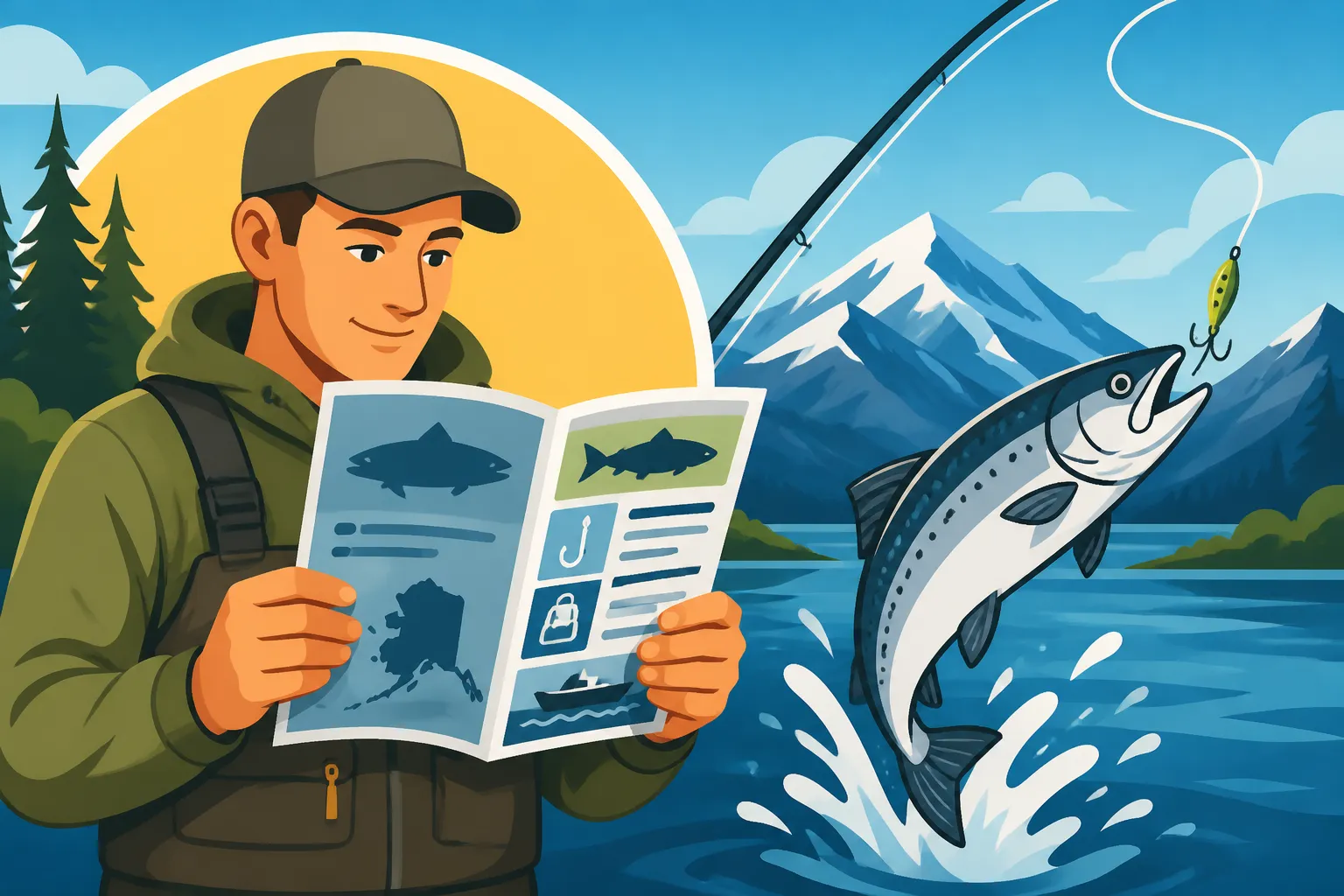
It’s a scenario all too familiar to anyone planning an Alaska fishing trip: you excitedly download or pick up the latest Alaska Sport Fishing Regulations booklet, eager to dive in, only to be met with a document so dense it feels less like a guide and more like a legal textbook. The tiny print, the endless exceptions, the scientific names, and the regional nuances can make even seasoned anglers feel utterly lost and worried they'll accidentally break a rule. This guide is dedicated to cutting through that confusion, helping you systematically navigate the regulations booklet so you can understand the rules, avoid common pitfalls, and truly enjoy your time on the water.
The Initial Overwhelm: Why Alaska's Regulations Feel So Complicated
Let's be honest, the Alaska Sport Fishing Regulations booklet can look like a monster. It’s not just you; almost everyone feels a pang of anxiety staring at those hundreds of pages of rules. There's a good reason for this complexity, tied directly to Alaska's incredible biodiversity and the unique management challenges that come with it. But understanding why it's complex can actually help you approach it with a clearer mind.
The Sheer Volume of Information
Alaska is huge. Spanning millions of acres and thousands of miles of coastline and rivers, it boasts an incredible array of fish species, each with its own habits and vulnerabilities. Because fish populations can fluctuate wildly due to environmental factors, spawning cycles, and fishing pressure, the state needs very specific rules to protect these resources. What applies to salmon in the Kenai River will be vastly different from halibut off Homer, or rainbow trout in a remote Interior lake. This necessity for precision means a lot of detailed information, broken down by region, water body, and species. You're not just looking for "fishing rules"; you're looking for "King Salmon rules in the Lower Kenai River for a non-resident on a charter boat during the second week of July." That level of detail inherently requires a large document.
Jargon and Legalese
Even with the best intentions, government documents often fall into the trap of using formal, sometimes stiff, language. The regulations booklet is a legal document, designed to be unambiguous in a court of law, which means it often prioritizes precision over plain language. Terms like "terminal harvest areas," "reverse slot limits," "in-river sport fish," and "possession limits" are common throughout. If you're new to the lingo, it can feel like you're learning a new language, making it incredibly frustrating to grasp the core meaning of a rule. This legalese, while necessary for legal clarity, definitely adds to the perceived difficulty for the average angler just trying to figure out if they can keep that beautiful King salmon they just landed.
Constant Changes and Emergency Orders
Just when you think you've got a handle on things, Alaska's dynamic fisheries throw a curveball. Unlike some states where regulations are static for years, Alaska's rules are often adjusted in real-time to respond to changing fish runs or environmental conditions. These adjustments come in the form of "Emergency Orders," which can modify seasons, bag limits, gear restrictions, or even close entire fisheries with very little notice. This means the printed booklet, while comprehensive at the time of printing, can become outdated rapidly. This constant state of flux is perhaps the biggest source of angler anxiety. It’s a very real concern, and it’s why understanding Alaska Fishing Emergency Orders Explained is so crucial. Checking for these updates before and during your trip is paramount to staying compliant.
Deciphering the Layout: Your Roadmap to the Regulations
Okay, so we know why it's complicated. Now, let's tackle how to approach it. Think of the regulations booklet not as a novel to be read cover-to-cover, but as a reference manual, much like a car repair guide. You don't read the whole thing; you look up the specific problem you're trying to solve.
Getting Your Hands on the Booklet
First things first: you need the most current version. You can pick up a physical copy for free at most sporting goods stores, tackle shops, Alaska Department of Fish and Game (ADF&G) offices, and even some grocery stores across the state. However, the most convenient and often most up-to-date version is found online on the ADF&G website. Many anglers prefer to download the PDF to their phone or tablet, so they have it handy even when out of cell service. While you can find older versions for sale on platforms like Amazon, always make sure you are consulting the most recent version published by ADF&G for the current year. The rules change annually, sometimes mid-season.
Navigating the Table of Contents and Indices
Don't skip the Table of Contents! It's your best friend. The booklet is typically organized first by General Regulations, which apply statewide, and then by Regions. Alaska is divided into several sport fishing regions:
- Southcentral: This is often the most popular region for visitors, including areas like Anchorage, the Kenai Peninsula (Kenai and Kasilof Rivers, Cook Inlet), Prince William Sound, and Kodiak.
- Southeast: Ketchikan, Sitka, Juneau, Petersburg, Wrangell.
- Interior: Fairbanks, Denali Highway, Delta Junction.
- Arctic-Yukon-Kuskokwim (AYK): Remote Western and Northern Alaska.
- Southwest: Bristol Bay, Alaska Peninsula.
Once you know your region, you'll then navigate to the specific water body (e.g., Kenai River, Kachemak Bay, Russian River) or general area you'll be fishing. Within each water body, the rules will be further broken down by species. Look for indices, if available, that can quickly direct you to specific terms or fish species. Think of it as drilling down: State-wide > Region > Specific Water Body > Species.
| Section Type | What You'll Find Here | Why It's Important |
|---|---|---|
| General Regulations | Basic rules for all sport fishing: licenses, valid gear, two-pole fishing, snagging, harvest cards, proxy fishing. | These are the fundamental rules that apply everywhere. Don't overlook them! |
| Regional Summaries | Overview maps and summaries of rules for broad geographic areas (e.g., Southcentral, Southeast). | Helps you quickly orient yourself to the general rules of your chosen fishing destination. |
| Specific Area Rules | Detailed regulations for individual rivers, lakes, or marine areas within a region, often with maps. | This is where the granular details for your exact fishing spot will be found. |
| Species-Specific Rules | Bag limits, size limits, seasons, and gear restrictions for individual fish species (e.g., King Salmon, Halibut, Trout). | Crucial for understanding what you can keep, when, and how, for your target fish. |
| Definitions | Explanations of terms like "snagging," "chumming," "unbaited artificial lure," "fin-clipped." | Essential for correctly interpreting the regulations and avoiding misunderstandings. |
Understanding the Regional Approach
The regional organization is vital. A rule that applies to the Kenai River has absolutely no bearing on fishing in Southeast Alaska near Juneau. Even within a region, rules can change dramatically from one river section to another, or from freshwater to saltwater. For instance, the bag limit for sockeye salmon might be five fish per day in one section of the Kenai River, while another section might be closed entirely, or have different restrictions. When you hear about Alaska Fishing Regulations by Region, this is what they're talking about – the hyper-local nature of the rules. Always make sure you're looking at the regulations for the exact spot you intend to fish.
Essential Sections Every Angler Needs to Master
Once you understand the basic structure, it’s time to zero in on the sections that directly impact your fishing experience. These are the details that can make or break your trip, often determining whether you go home with fish or a citation.
General Regulations You Can't Ignore
Before you even get to specific river rules, you must grasp the statewide general regulations. These cover universal aspects of sport fishing in Alaska.
- Licenses and Stamps: This is fundamental. Everyone over the age of 16 needs an Alaska Fishing License: Complete Guide. If you're targeting King Salmon, you'll almost certainly need an Alaska King Salmon Stamp Requirements in addition to your regular license. Make sure you understand Alaska Fishing License Age Requirements for youth, too. You can often purchase these online before your trip, saving valuable fishing time.
- Harvest Record Card: This is often overlooked but incredibly important. For certain species, like King Salmon and sometimes halibut, you need to immediately record your catch on your physical or digital Alaska Harvest Record Card Explained. Failing to do so can lead to hefty fines, even if you're otherwise compliant. It's not just a suggestion; it's a critical part of accountability.
- Two-Pole Fishing: Want to fish with two rods? You'll need to purchase a specific two-pole endorsement, and even then, it's only allowed in certain areas. Don't assume you can just toss out an extra line.
- Snagging: Snagging fish is generally prohibited in sport fisheries unless specifically allowed in a terminal harvest area. Know the rules!
- Bait & Artificial Lures: General rules exist about what constitutes legal bait and artificial lures, especially in trout or salmon spawning areas.
Species-Specific Rules: Knowing Your Target
This is where the real detail comes in. Once you've navigated to your region and specific water body, you'll find regulations for each species present. For instance, if you're planning on fishing the Kenai River for Sockeye Salmon, you’ll look under the Southcentral region, find the Kenai River, and then locate the Sockeye Salmon section. Here, you'll find:
- Seasons: When is it legal to fish for this species? The season might be open year-round, or only for a few specific weeks or months. For example, Alaska Sockeye Salmon Fishing Regulations and Limits will be different from Alaska King Salmon Fishing Regulations and Limits.
- Daily Bag Limit: How many fish of that species can you keep per day?
- Annual Bag Limit: For some species, especially King Salmon, there might be an annual limit for non-residents (e.g., Alaska Nonresident King Salmon Annual Limit Explained).
- Possession Limit: How many fish can you have in your possession at any one time, including those at your lodge, in your cooler, or in transit? This is usually twice the daily bag limit but can vary.
- Size Limits: Are there minimum or maximum size requirements? Sometimes a "slot limit" applies, where you can only keep fish within a certain size range, or a "reverse slot limit" for species like halibut where you might be restricted to one large and one small fish.
- Gear Restrictions: Are you allowed to use bait? Are barbless hooks required? Is fly-fishing only allowed? These details are critical. For example, on certain rivers, during specific periods, you might be required to use a single hook, or even a single unbaited artificial lure, to protect spawning fish.
Bag Limits, Possession Limits, and Size Restrictions
These three concepts are often confused, but they are distinct and vital.
- Daily Bag Limit: This is the number of fish you can harvest within a 24-hour period, typically from 12:01 AM to midnight. If the bag limit is two King Salmon, you can only keep two in that day.
- Possession Limit: This is the total number of fish you can have under your control at any given time, whether it's in your cooler, your hotel room, or already processed and packed for shipment. Usually, the possession limit for most sport species is two or three times the daily bag limit, but for highly regulated species like King Salmon or Halibut, it might be the same as the daily bag limit. This prevents anglers from accumulating large quantities over several days without processing or shipping them home. Understanding Alaska Fishing Limits and Bag Limits Explained is key to managing your catch.
- Size Restrictions: These dictate the length of the fish you can keep. A common restriction for halibut, for instance, might be "one halibut of any size and one halibut less than 28 inches." This is designed to protect large breeding females while still allowing anglers to keep some fish. Always carry a tape measure or a fishing ruler (many are available on Amazon) to verify your catch's size immediately.
Gear Restrictions and Special Provisions
Alaska is incredibly diverse in its fishing opportunities, and with that comes a variety of gear rules. These are often in place to protect fish or manage fishing pressure.
- Barbless Hooks: Many rivers and streams in Alaska, particularly those with strong catch-and-release ethics or sensitive fish populations like rainbow trout and steelhead, mandate the use of barbless hooks. This minimizes harm to released fish.
- Bait Restrictions: You'll find areas where bait is strictly prohibited, especially in waters managed for trophy trout or during specific salmon spawning times. This includes cured eggs, shrimp, or any other natural attractant. For example, the upper Kenai River has significant bait restrictions.
- Single Hook vs. Treble Hooks: Some regulations specify a single hook, while others permit treble hooks. During King Salmon closures on certain rivers, you might be limited to Alaska Single-Hook Rules During King Closures with unbaited artificial lures.
- Boat Restrictions: Certain waters might have restrictions on motor size, speed, or even prohibit motorized boats entirely. The upper Kenai River, for example, has regulations on powerboat use during specific seasons.
- Charter vs. Unguided: Pay close attention to rules that differ for guided trips versus unguided trips, particularly for halibut. Alaska Halibut Charter Regulations Explained will often have different rules than if you're fishing from your own boat.
The Critical Role of Emergency Orders
I can't stress this enough: always check for Emergency Orders (EOs). The printed booklet is a snapshot in time. EOs are the living, breathing changes that can happen any day. ADF&G issues these orders to adapt to fluctuating fish runs, closures, or openings, often driven by conservation concerns.
- How to Check: The ADF&G website is your primary source. They have a dedicated section for emergency orders, often broken down by region. It's wise to check it before you leave for your trip, and then check daily while you're there, especially if you're fishing for species like King Salmon or Sockeye. You can even sign up for email alerts. This is truly How to Check Alaska Emergency Orders Before Fishing.
- Impact: An Emergency Order can suddenly close a fishery you planned to fish, reduce bag limits, change legal gear, or even alter the hours you're allowed to fish. Imagine flying thousands of miles for a King Salmon trip only to find out the fishery has been closed due to low returns—it happens. Being aware can save you immense disappointment and potential legal trouble.
Practical Strategies for Staying Compliant
Navigating the Alaska fishing regulations doesn't have to be a source of constant stress. With a few practical strategies, you can stay on top of the rules and ensure your trip is both successful and legal.
Before You Go: Pre-Trip Planning
The best defense is a good offense, and that starts long before you cast a line.
- Identify Your Target Species and Location: Know exactly what you want to fish for and where. This allows you to narrow down the regulations you need to focus on. Are you targeting Alaska Rainbow Trout Fishing Regulations and Limits in the Interior, or Alaska Coho Salmon Fishing Regulations and Limits in Southeast? Each will have unique rules.
- Download the Latest Booklet: As mentioned, get the PDF version of the current year's regulations from the ADF&G website. Save it to your phone or tablet. Even if you have a physical copy, the digital version is searchable and always with you.
- Review General and Regional Rules: Start with the basics. Understand the statewide rules for licenses, harvest cards, and general gear. Then, dive into the specific region you'll be visiting.
- Create a Cheat Sheet: For your specific fishing spot and target species, write down the key rules: daily bag limit, possession limit, size restrictions, and any crucial gear limitations. You can even laminate it or keep it in a waterproof bag on the boat or in your waders. This quick reference can save you from constantly pulling out the full booklet. Many experienced anglers keep a small, waterproof notebook to jot down these details.
- Check Emergency Orders: Do a thorough check for any existing Emergency Orders that might impact your planned dates and locations. This is an absolutely critical step.
On the Water: Real-Time Checking
Even with all your pre-planning, things can change, or you might find yourself in an unexpected situation.
- Have the Booklet Accessible: Whether it's the PDF on your phone or a physical copy, make sure you can easily access the regulations. Keep a charging pack for your phone if you're relying on the digital version.
- Use Your Resources: If you’re on a guided trip, your guide is a fantastic resource. They are professionals who make it their business to know the rules. Don't hesitate to ask them questions. If you're fishing unguided, chat with local tackle shop owners, other anglers, or contact ADF&G local offices. There's no shame in asking for clarification; it's better than risking a violation.
- Measure and Record Immediately: As soon as you decide to keep a fish, especially King Salmon or Halibut, measure it if there's a size limit, and immediately record it on your What Is the Alaska Harvest Record Card if required. Don't wait until the end of the day or until you're back at the lodge. A crucial detail for King Salmon is How to Record a King Salmon in Alaska.
- Be Conservative: If you're ever unsure about a rule, err on the side of caution. Release the fish, use the most restrictive gear, or assume the lower limit. It’s always better to be safe than sorry.
Don't Be Afraid to Ask
One of the biggest frustrations anglers face is the feeling of being alone in deciphering these rules. But you're not! The Alaska Department of Fish and Game wants you to enjoy fishing legally.
- Call Local ADF&G Offices: If you have specific questions, especially before your trip, call the ADF&G office closest to your fishing destination. Their staff are usually incredibly helpful and can clarify confusing regulations.
- Engage with Local Experts: Tackle shop employees, fishing lodge staff, and experienced charter captains are invaluable resources. They live and breathe these regulations daily and often have real-time local knowledge. For example, if you're fishing near Soldotna, stopping by a local tackle shop like Trustworthy Hardware and Fishing (which also often carries the booklets) is a great move.
- Learn from Others: When you’re at a boat launch or a popular fishing spot, respectfully observe what others are doing. If you see someone doing something that seems questionable, it’s an opportunity to learn by discreetly asking or double-checking your regulations. However, always verify what you hear with the official booklet. Remember, ignorance of the law is no excuse, and Alaska Fishing Violations and Fines can be substantial, often including forfeiture of your gear and catch.
By treating the Alaska Sport Fishing Regulations booklet as a tool rather than a hurdle, you can confidently navigate the rules and truly immerse yourself in the incredible fishing opportunities Alaska has to offer.
Disclaimer
Please remember that fishing regulations can change rapidly. While this guide aims to provide accurate and up-to-date information, it is your responsibility to consult the current official Alaska Sport Fishing Regulations booklet and any active Emergency Orders from the Alaska Department of Fish and Game before you go fishing. This content is for informational purposes only and should not be considered legal advice.