What Is the State Fish of Alaska
It can be surprisingly tricky to pinpoint the exact official symbols of a vast and wild place like Alaska. Many anglers, even seasoned ones, might know about the incredible salmon runs but could struggle to name the state's official fish without a quick check. This confusion is totally understandable given the sheer abundance of amazing aquatic life here! But fear not, because this guide is going to clear up that mystery and give you a deep dive into Alaska's chosen aquatic emblem, why it holds such a special place in the Last Frontier, and everything you need to know about it.
Unveiling Alaska's Official Aquatic Emblem
When you think of Alaska, what comes to mind? Probably bears, glaciers, and, of course, fishing. And within that fishing world, one species stands head and shoulders above the rest in terms of mystique and sheer power. It's not just any salmon; it's the undisputed king.
The King Salmon: A Regal Choice
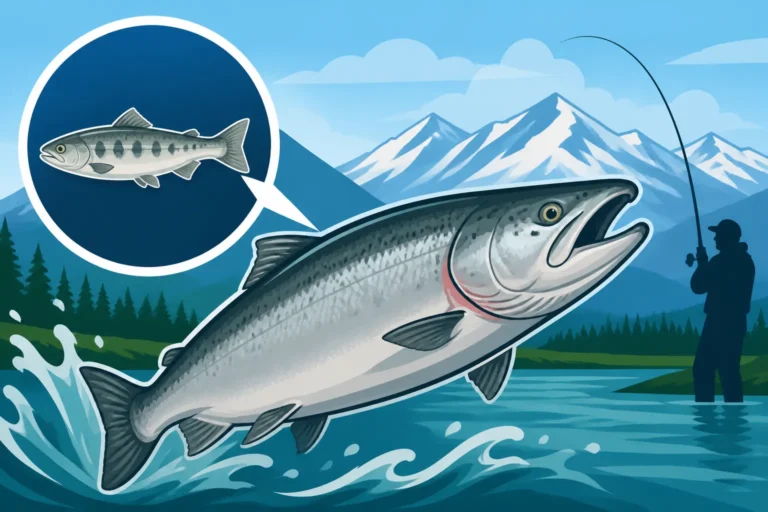
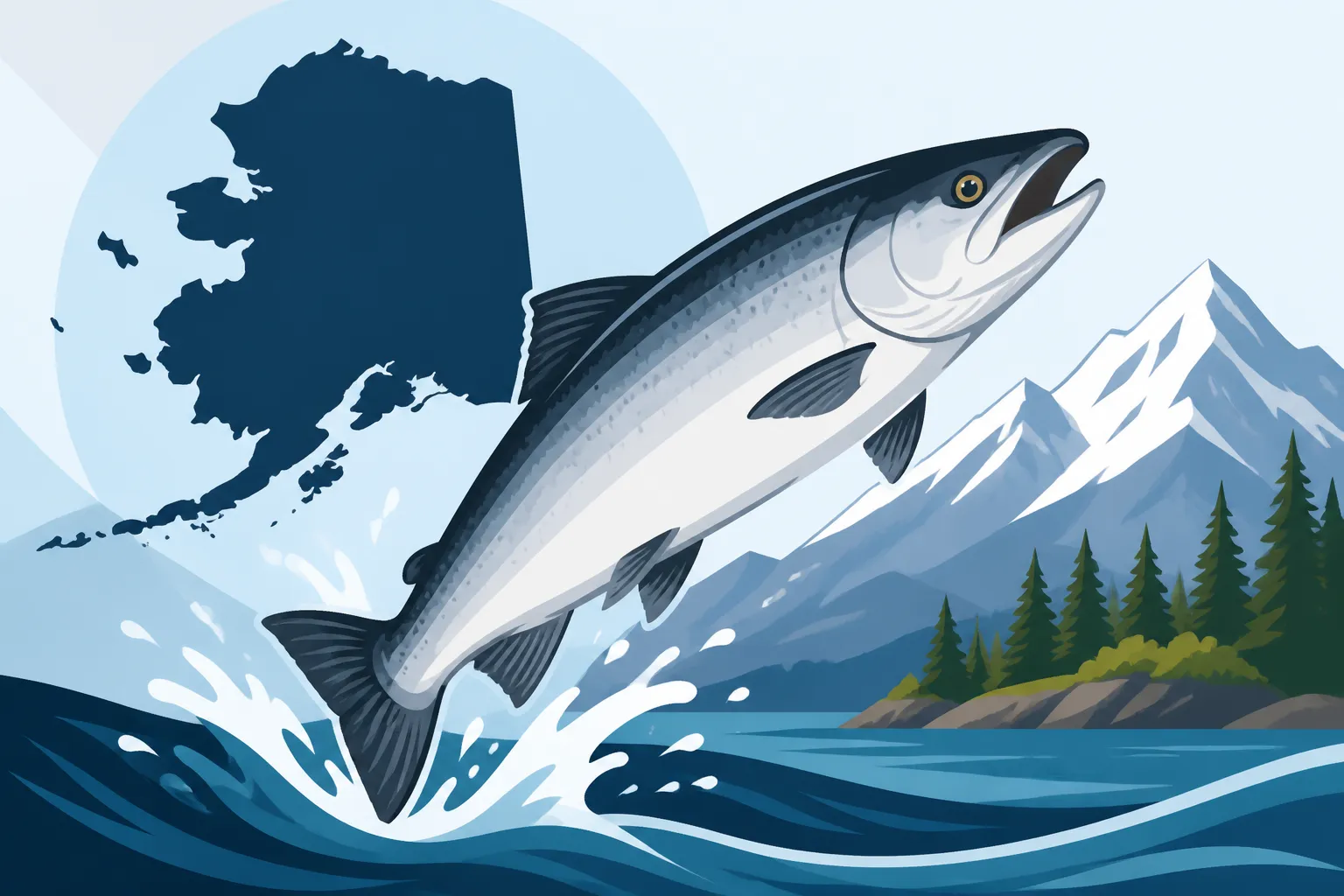
Alaska's official state fish is, drumroll please, the magnificent Chinook salmon, more commonly known as the King salmon. This choice isn't just arbitrary; it's a testament to the fish's profound significance to the state. Imagine a fish so powerful it can strip line from your reel with a single, furious run, its body a shimmering testament to brute strength. That’s a King. They are the largest of the Pacific salmon species, often growing to incredible sizes, making them a top prize for sport fishermen and a crucial component of the commercial fishing industry that helps fuel many Alaskan communities. Their impressive size, delicious flavor, and unparalleled fighting spirit truly embody the wild and rugged essence of Alaska itself.
Many folks who dream of an Alaska fishing trip have visions of battling a giant King salmon on the Kenai River or in the pristine waters of Southeast Alaska. This isn't just a fish; it's an icon, a symbol of the untamed wilderness and the incredible natural resources that Alaska proudly boasts. Its robust presence in Alaskan rivers and coastal waters has shaped the culture, economy, and even the very spirit of its people for generations.
The Journey to Becoming State Fish
The journey for the King salmon to officially become the state fish wasn't a long, drawn-out political battle, but rather a widely recognized acknowledgement of its inherent importance. It was formally designated as Alaska's state fish in 1962, shortly after Alaska became a state. The decision reflected a clear understanding of the Chinook's standing as a flagship species. Unlike some states where school children might campaign for a specific animal, the King salmon's status was almost self-evident.
Its role in the lives of Alaskans, from Native communities who have relied on its sustenance for thousands of years, to the burgeoning sportfishing industry that drew tourists from around the globe, made it an obvious and deserving choice. There wasn't much debate about other species; the King's dominance and cultural impact were simply too great to ignore. When you consider the vast array of Alaska Fish Species Guide, the King salmon’s selection underscores its unparalleled prominence.
Why the King Salmon Reigns Supreme
The King salmon’s status isn't just about its impressive looks or fight; it's deeply rooted in its vital role across every facet of Alaskan life. From the food chain to fishing charters, the Chinook salmon is an undeniable cornerstone.
Ecological and Economic Importance
Ecologically, the King salmon plays a critical role as a keystone species. As powerful predators, they influence the aquatic food web, consuming smaller fish and invertebrates. When they return to spawn, their carcasses provide vital nutrients to riparian ecosystems, feeding insects, birds, and mammals, including Alaska's iconic brown bears. This nutrient cycling is essential for the health of Alaska's wild landscapes.
Economically, the King salmon is a powerhouse. The commercial fishery for King salmon contributes hundreds of millions of dollars annually to the state's economy, supporting fishermen, processors, and countless ancillary businesses. But it's the sport fishing aspect that truly brings in the tourism dollars and fuels a vibrant recreational industry. Guides, lodges, tackle shops, and even local restaurants all thrive on the allure of King salmon. Think about the bustling docks of Homer or the busy riverbanks of Soldotna during a King run – these towns come alive, directly benefiting from the pursuit of these magnificent fish. Many anglers spend significant amounts on gear, booking charters, and travel, making it a cornerstone of Alaska's tourism. It's not uncommon for an angler to invest in high-quality fishing rods and reels, perhaps even stocking up on specific lures and line from reputable online retailers like Amazon, all in preparation for that once-in-a-lifetime chance at a trophy King.
Cultural Significance and Local Lore
For Alaska Native peoples, the King salmon, often referred to as "Chinook" in many Indigenous languages, is more than just food; it's a sacred part of their cultural identity and survival. Generations have lived in harmony with the salmon runs, developing intricate knowledge of their cycles and sustainable harvesting practices. Stories, ceremonies, and art often feature the salmon, honoring its life-giving spirit. The annual return of the King salmon is a time of immense celebration and communal gathering, reinforcing ties to the land and ancestral traditions.
Beyond Native cultures, the King salmon has woven itself into the fabric of modern Alaskan lore. Tales of record-breaking fish caught on the Kenai, epic battles against monster Kings in remote streams, and the sheer challenge of pursuing them are common currency among Alaskans and visiting anglers alike. Every seasoned Alaska angler has a "King salmon story," and often, it's the one that sparks the most animated retelling around a campfire.
Distinguishing the Mighty King Salmon
To truly appreciate the King salmon, you need to be able to identify it, understand its habits, and know where and when to find these incredible fish. It's not always as simple as it sounds, especially when you have five species of Pacific salmon swimming in Alaskan waters.
Key Identification Features
Identifying a King salmon can be quite thrilling, especially when you're looking at a potential personal best! Here’s how you can tell a King salmon apart from its cousins:
- Size: This is often the most obvious clue. King salmon are, on average, the largest of the Pacific salmon, with adults typically ranging from 20 to 50 pounds, though specimens over 80 pounds are caught every year. The world record sport-caught King salmon, weighing 97 pounds 4 ounces, was caught in the Kenai River in 1985.
- Coloration: In saltwater, they are typically silvery with a darker back, often appearing iridescent. As they enter freshwater to spawn, their colors can darken dramatically, becoming bronze, reddish-brown, or even almost black.
- Spots: Look for irregular black spots on both lobes of their tail fin, as well as on their back and dorsal fin. This is a crucial differentiator from some other salmon species which might only have spots on the upper lobe of the tail.
- Mouth and Gum Line: This is arguably the most definitive characteristic. Open its mouth and look at the gum line. A King salmon will have a black mouth with a black gum line at the base of its teeth, both on the upper and lower jaws. Other salmon species, like Coho (silver) salmon, will have white or pale gums.
- Tail: Their tail fin is typically broad and slightly forked, often with those distinctive spots spread across both lobes.
Here’s a quick comparison table to help differentiate King salmon from other common Alaskan salmon species:
| Feature | King Salmon (Chinook) | Sockeye Salmon (Red) | Coho Salmon (Silver) | Pink Salmon (Humpy) | Chum Salmon (Dog) |
|---|---|---|---|---|---|
| Size | Largest (20-50+ lbs) | Medium (4-15 lbs) | Medium (8-20 lbs) | Smallest (3-12 lbs) | Medium-Large (10-25 lbs) |
| Gum Line | Black | White | White | White | White |
| Tail Spots | Black spots on both lobes | No large spots | Spots primarily on upper lobe | Large, oval spots on upper lobe, often on back | No distinct spots, faint rays |
| Spawning Color | Dark bronze to red/black | Bright red body, green head | Reddish-maroon | Olive green with dark blotches, large hump on males | Greenish-brown with purple/red vertical bars ("tiger") |
| Body Shape | Robust, deep body | Streamlined, sleek | Streamlined, somewhat deep | Distinct hump on males | Stout, canine-like teeth on males |
Knowing these subtle differences, especially the gum line, can save you from mistakenly identifying your catch and ensures you adhere to specific Alaska Fishing Regulations Explained for each species.
Where and When to Find These Giants
King salmon are anadromous, meaning they hatch in freshwater, migrate to the ocean to grow, and then return to their natal rivers to spawn. This makes them accessible in both saltwater and freshwater environments.
- Saltwater: In coastal waters, Kings are often targeted by trolling with baitfish (like herring) or large spoons and plugs. Popular saltwater hotspots include the waters off Sitka, Juneau, Kodiak, and Homer. These "feeder Kings" are often bright silver and exceptionally powerful.
- Freshwater Rivers: As they return to spawn, Kings enter rivers, providing incredible opportunities for sport fishing. Iconic rivers like the Kenai River, Kasilof River, Deshka River, and Nushagak River are world-renowned for their King salmon runs. Anglers use a variety of techniques, including back-trolling with Kwikfish, bait fishing with cured roe, and even fly-fishing with heavy setups. If you're planning a trip, definitely look into "How to Catch King Salmon in Alaska" for specific techniques.
The timing of King salmon runs is crucial for successful fishing. Generally, the Alaska King Salmon Run Timing begins in late May and extends through July, with peaks varying by river and region. The Kenai River, for example, has two distinct King salmon runs: an early run in May and June, and a later, often larger run in July. Always check the current Alaska Fishing Seasons: Month-by-Month Guide and specific Alaska Fishing Regulations by Region before heading out, as run timing can fluctuate annually due to environmental factors.
Protecting Alaska's State Fish for Future Generations
The King salmon is a precious resource, and its continued health is paramount for Alaska's ecosystems, economy, and culture. However, like many wild fish populations, King salmon face significant challenges.
Conservation Efforts and Challenges
King salmon populations in some areas have seen declines over recent decades, prompting serious concern and intensive conservation efforts. The Alaska Department of Fish and Game (ADF&G) implements rigorous management strategies, including:
- Catch Limits and Seasons: Strict daily and annual bag limits, as well as specific seasons, are put in place to manage harvest. These can vary significantly by river and region. You’ll want to be familiar with the "Alaska King Salmon Fishing Regulations and Limits" for your specific fishing destination.
- Emergency Orders: Due to the dynamic nature of salmon runs, ADF&G frequently issues Alaska Fishing Emergency Orders Explained. These orders can change bag limits, open or close fisheries, or alter legal gear types (e.g., mandating single-hook, artificial lure only) on short notice to protect vulnerable runs. It's vital to check these before every fishing trip.
- Habitat Protection: Efforts are made to protect and restore critical freshwater spawning and rearing habitats, which are vulnerable to development, pollution, and climate change impacts.
- Research and Monitoring: Extensive research is conducted to understand population dynamics, migration patterns, and the factors influencing King salmon survival. This includes tagging programs and escapement monitoring to count returning fish.
The challenges are considerable. Climate change impacts water temperatures and flows, affecting spawning success and juvenile survival. Habitat degradation from human activities also plays a role. Competition with other species in the ocean and commercial bycatch in distant waters are also complex issues. Ensuring the future of the King salmon requires ongoing vigilance, adaptive management, and the cooperation of all stakeholders.
Your Role as a Responsible Angler
As an angler, you have a crucial role to play in protecting Alaska's state fish. Your actions directly contribute to conservation efforts.
- Know the Regulations: This can't be stressed enough. Before you even cast a line, make sure you understand all current regulations for the specific area and species you're targeting. This includes bag limits, size restrictions, gear restrictions, and season dates. Always carry your valid Alaska Fishing License: Complete Guide and any required stamps, like the King Salmon Stamp.
- Check Emergency Orders: Make it a habit to check the ADF&G website or local offices for emergency orders daily, especially during peak season. A fishery that was open yesterday might be closed today, or gear restrictions could have changed. Ignoring these can lead to significant fines.
- Ethical Fishing Practices: If you're practicing catch and release, do so responsibly. Use appropriate gear that minimizes harm, land fish quickly, keep them in the water as much as possible, and handle them gently. Consider barbless hooks where possible.
- Record Your Harvest: For many species, including King salmon, you are required to record your catch on your Alaska Harvest Record Card Explained. This data is critical for biologists to manage fisheries effectively.
- Support Conservation: Consider donating to reputable conservation organizations focused on salmon habitat and research in Alaska. Choosing guides and outfitters who prioritize sustainable practices also helps.
By embracing these responsibilities, you not only ensure your own compliance but also contribute to the long-term health of King salmon populations, allowing future generations to experience the thrill of catching Alaska's magnificent state fish.
Disclaimer
The information provided in this guide is for general informational purposes only and is subject to change. Fishing regulations in Alaska are dynamic and can be altered at any time by emergency order. Always consult the official Alaska Department of Fish and Game (ADF&G) regulations and emergency orders before engaging in any fishing activities. Adherence to all local, state, and federal laws is the responsibility of the individual angler.