Best Lures and Bait for Alaska Coho Salmon
Trying to figure out what lures and bait to pack for an Alaska Coho salmon trip can feel like staring down a sporting goods aisle with a thousand options and no clear direction. It's frustrating to invest in gear only to find it doesn't entice those aggressive silver beauties. This guide is here to cut through the noise, offering you a clear, actionable breakdown of the most effective lures and baits that consistently trigger strikes from Alaska's feisty Coho salmon.
Decoding Coho Salmon Preferences: What Makes Them Bite?
Coho salmon, affectionately known as silver salmon, are celebrated across Alaska for their aggressive strikes, acrobatic fights, and delicious table fare. Unlike their often more finicky King salmon cousins, Cohos tend to be quite opportunistic, but they still have preferences that, once understood, can dramatically increase your success. Their diet and behavior change as they transition from saltwater to freshwater, and understanding this shift is key to choosing the right presentation.
In the saltwater, Cohos are voracious predators, actively chasing down baitfish like herring and sandlance. This predatory instinct carries into the rivers, especially in the early stages of their freshwater migration. They are drawn to movement, flash, and vibrations that mimic a struggling baitfish or a succulent meal. As they get closer to spawning, their feeding drive diminishes, and they become more territorial, often striking out of aggression or irritation rather than hunger. This means your lures need to provoke a reaction. The water conditions, such as clarity, depth, and current speed, also play a huge role. On bright, clear days, subtle presentations might be best, while in murky or fast water, something with more flash and vibration will stand out. For a detailed look at when these fish arrive, check out our guide on Alaska Coho Salmon Run Timing.
Coho salmon typically migrate into rivers from late July through September, with peaks often in August and early September, though specific timings can vary greatly by region and river system. For example, the Kenai Peninsula rivers like the Kasilof and Kenai see strong Coho runs, as do many systems in Southeast Alaska. Knowing the Alaska Fishing Seasons: Month-by-Month Guide can help you pinpoint the best time for your adventure. During these runs, fish density can be incredibly high, leading to fierce competition for prime holding lies, which further fuels their aggressive tendencies.
Top Lures for Alaska Coho Salmon: Spinners, Spoons, and Plugs
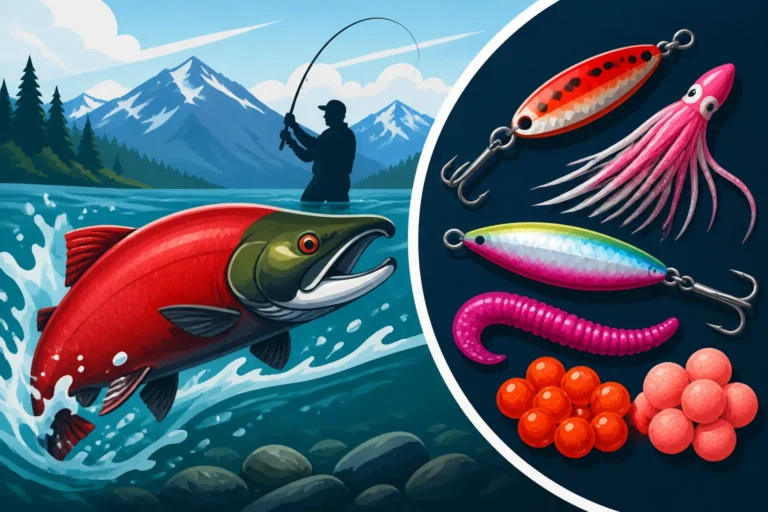
When it comes to artificial lures, Coho salmon are often suckers for anything that flashes, wiggles, or vibrates with an erratic motion. There's a reason certain lures have become staples for How to Catch Coho Salmon in Alaska year after year – they simply work.
Inline Spinners for Aggressive Strikes
Inline spinners are absolute workhorses for Coho salmon, especially in rivers and streams where fish are actively moving upstream. Their rotating blade creates both flash and vibration, mimicking a small, distressed baitfish. The key is to match the spinner size and color to the conditions and the fish's mood.
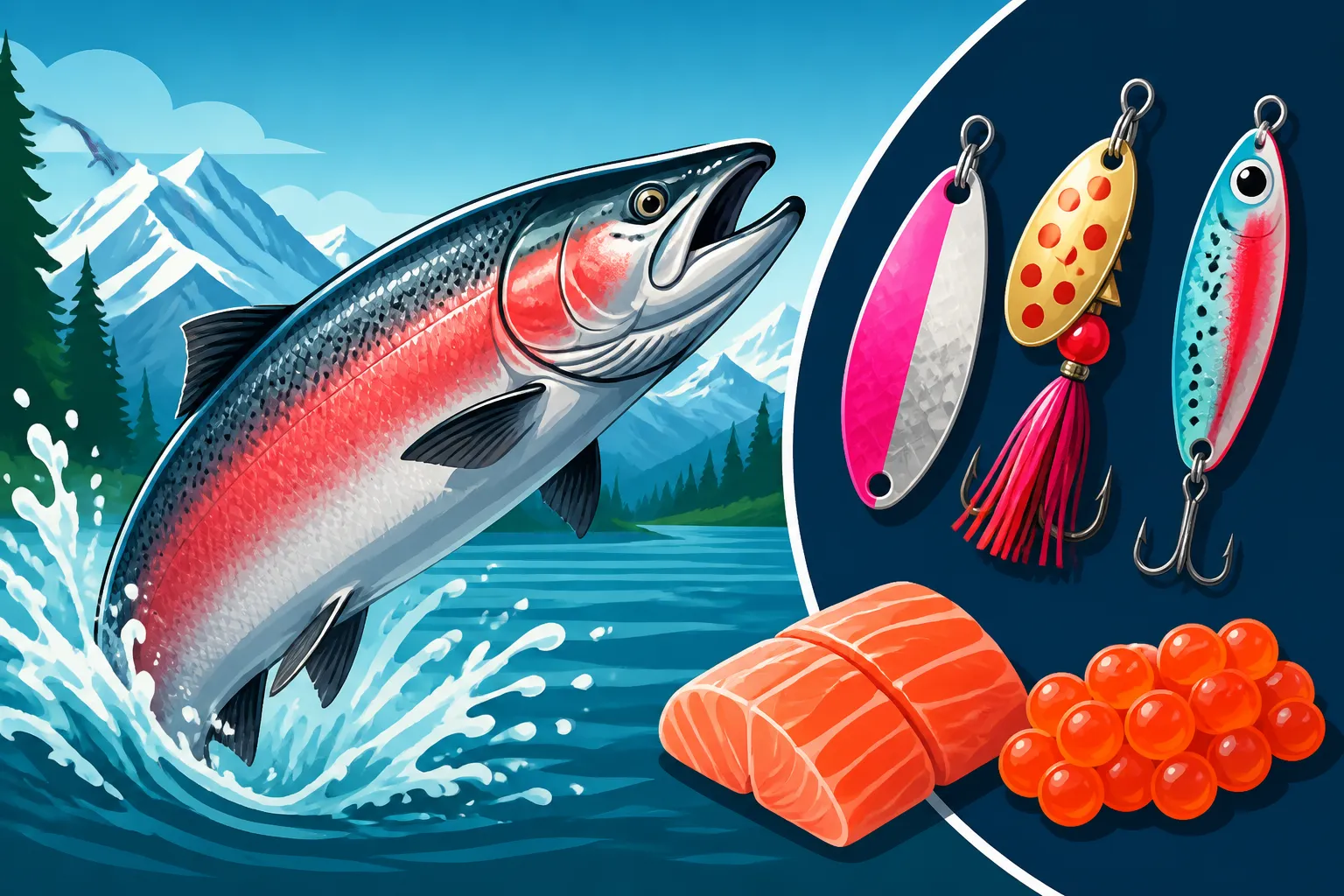
Typically, sizes #3 to #5 are the most effective. Popular brands like Mepps, Blue Fox, and Rooster Tail have a long-standing reputation. For instance, the Blue Fox Vibrax, particularly in silver, chartreuse, or fluorescent orange, is a proven killer. The distinct thumping vibration of its bell-shaped blade is irresistible to many Cohos. You'll want to cast these across or slightly upstream and retrieve them just fast enough to get the blade spinning, allowing the current to impart natural action. In clearer water, silver or gold blades are excellent, while in murkier conditions or on overcast days, fluorescent colors like chartreuse, hot pink, or fire tiger can be more visible and provoke strikes. You can find a wide variety of these tried-and-true spinners easily on Amazon, often in multi-packs that give you a good selection of colors and sizes to experiment with. Knowing the Best Spinners for Alaska Silver Salmon can definitely give you an edge!
Classic Spoons for Flash and Wobble
Fishing spoons are another undeniable favorite for Coho salmon. Their erratic wobbling action, combined with a significant flash as they move through the water, is incredibly effective at imitating injured baitfish. Spoons are versatile; they can be cast and retrieved, trolled, or even jigged in deeper holes.
Popular spoon choices for Cohos include the Pixee Spoon, Little Cleo, and the Krocodile spoon. The traditional silver, brass, or copper finishes work well in clear water, while bright colors like chartreuse, orange, or a combination with iridescent tape are fantastic for stained water or low light. A common size range is 1/2 oz to 1 oz, depending on the current and depth you're fishing. For instance, a 3/4 oz Pixee Spoon with a fluorescent insert is a staple on many Alaskan rivers. When casting, let the spoon sink slightly before retrieving with a steady-to-jerky motion, allowing it to flutter and flash. When trolling, spoons can be run behind a diver or on their own, mimicking a fleeing baitfish. If you're looking for more details on these, our article on Best Spoons for Alaska Salmon dives deeper into specific recommendations and tactics. You can also explore various Spoon options on Amazon to round out your tackle box before your trip.
Plugs and Wiggle Warts for Aggressive Fish
Plugs, particularly those with a tight wobbling action like Kwikfish or Mag Lip, are incredibly effective, especially when back-trolling from a boat or even casting in certain river stretches. These lures dive and vibrate intensely, triggering aggressive strikes from Cohos that are either actively feeding or highly territorial.
Sizes ranging from K9 to K15 in Kwikfish are popular, with colors like "Flame," "Silver Horde," or "Frog" being consistent producers. The Mag Lip 3.5 or 4.0 in chartreuse, "Yakima Gold," or "metallic red" are also phenomenal. The aggressive action and bright colors are fantastic for getting a reaction out of fish, even those that aren't actively biting. When back-trolling, you let out line and allow the current to pull the plug downstream, making it dive and wiggle enticingly. This is particularly effective in deeper runs and pools. If you're fishing from the bank, casting plugs into current seams and retrieving them with a stop-and-go action can also be very successful. These lures are often rigged with a single barbless hook, especially in areas with specific regulations, which you'll definitely want to be aware of by checking Alaska Fishing Regulations Explained.
The Best Natural Baits for Coho Salmon Success
While artificial lures are incredibly effective, sometimes a natural bait presentation is just what's needed to seal the deal, especially when fish are a bit more lethargic or wary. Baits offer scent and texture that lures simply can't replicate.
Cured Salmon Eggs: A Time-Honored Tradition
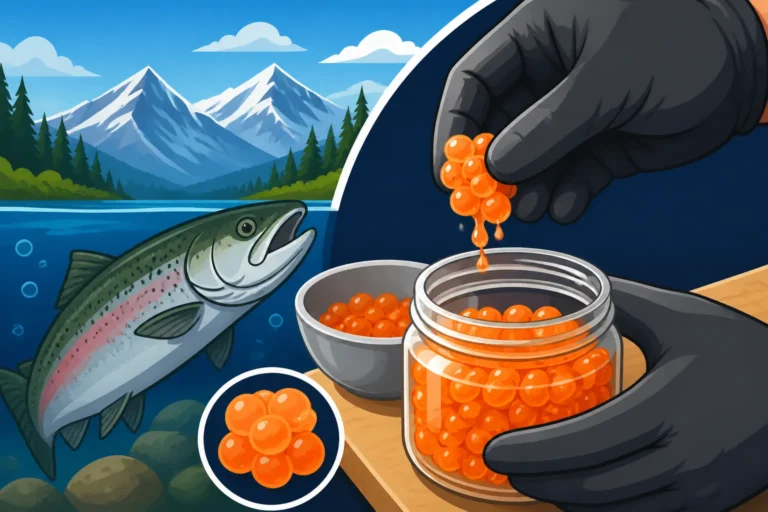
Salmon eggs, particularly those from other salmon species like Sockeye or King, are a phenomenal bait for Coho salmon. The natural scent and vibrant color are extremely attractive, and Cohos often can't resist a well-presented cluster. The key to success with salmon eggs is proper curing, which enhances their durability, scent dispersion, and color.
There are many ways to cure salmon eggs, from simple borax cures to more elaborate brines involving dyes and scents. A popular method involves a mix of borax and powdered egg cure, which hardens the membrane, preserves the egg, and gives it a vibrant hue. You can learn more about How to Cure Salmon Eggs for Bait to prepare your own. Once cured, they can be fished in small clusters, often tied into an egg loop or on a small treble hook. They are fantastic for drift fishing under a float or bouncing along the bottom with a small weight. This presentation allows the natural scent to waft downstream, drawing fish in. In areas where bait is allowed, a small cluster of fiery red or fluorescent orange eggs can be the difference between a slow day and a banner one, particularly in rivers like the Kasilof or Susitna.
Herring: A Classic Saltwater & Estuary Bait
Herring is a widely recognized and incredibly effective bait, especially for Coho salmon that are fresh from the ocean or still in brackish estuaries. In saltwater, Cohos actively prey on herring, so presenting a cut plug or whole herring can be an almost irresistible offering.
For river fishing, whole or cut plug herring can be incredibly effective, especially in the lower reaches where the tide influences the river. Rigging a cut plug herring involves slicing it at an angle to create a natural, rotational spin when trolled or retrieved. This spinning action, combined with the oily scent, drives Cohos wild. A simple herring rig often involves a lead head jig or a couple of hooks threaded through the bait, ensuring a natural presentation. You can find pre-rigged herring setups or fresh/frozen herring at many tackle shops in Alaska, or even purchase brining kits on Amazon to prepare your own. To truly master this, take a look at our guide on How to Fish Herring for Alaska Salmon. On the open ocean, chartered boats out of Homer or Seward frequently use herring, often trolled behind flashers, to target Cohos, alongside other species like King salmon and halibut.
Prawns and Shrimp: An Often Overlooked Delicacy
While less commonly discussed than eggs or herring for Coho, prawns and shrimp can be surprisingly effective, especially in certain river systems or when fish are being particularly selective. Their strong natural scent and appealing texture can entice a bite when other baits fail.
Fresh or brined prawns, often cut into pieces or fished whole on a jig head, can be presented similarly to salmon eggs – drift-fished under a float or bounced along the bottom. The key is to ensure they stay on the hook and dispense their scent effectively. The natural oils and amino acids in shrimp are powerful attractants. In some areas, smaller shrimp patterns, both artificial and natural, can also draw strikes. It's a good bait to have in your arsenal for those days when the fish aren't responding to the usual suspects. Keep in mind that local regulations, like those for Alaska Bait Restrictions Explained, always apply, so double-check before heading out.
Mastering Presentation: Techniques for Coho Lures and Bait
Having the best lures and bait is only half the battle; knowing how to present them effectively to Coho salmon is what truly sets successful anglers apart. Coho are aggressive, but their preferences can shift with water conditions, light, and their stage of migration.
Drift Fishing: The Art of a Natural Float
Drift fishing is arguably one of the most effective ways to present both artificial lures and natural baits to Coho salmon in rivers. The goal is to make your offering drift downstream as naturally as possible, mimicking a free-floating meal. This technique can be done from the bank or a boat, allowing your bait or lure to move with the current into prime holding lies.
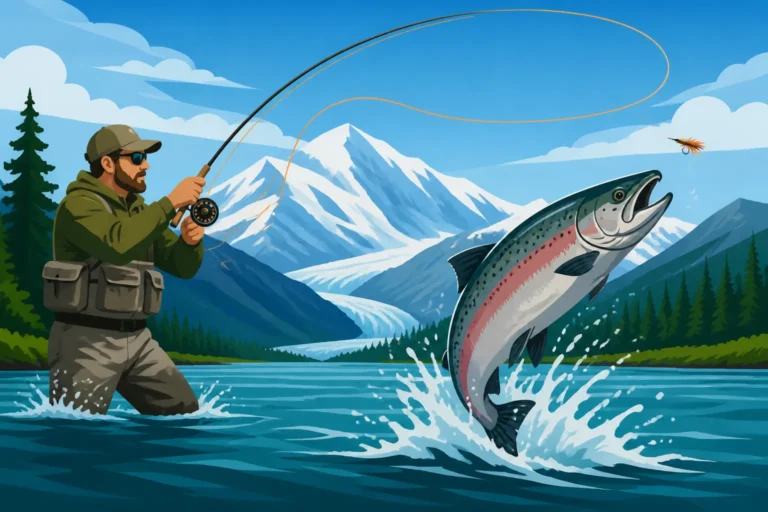
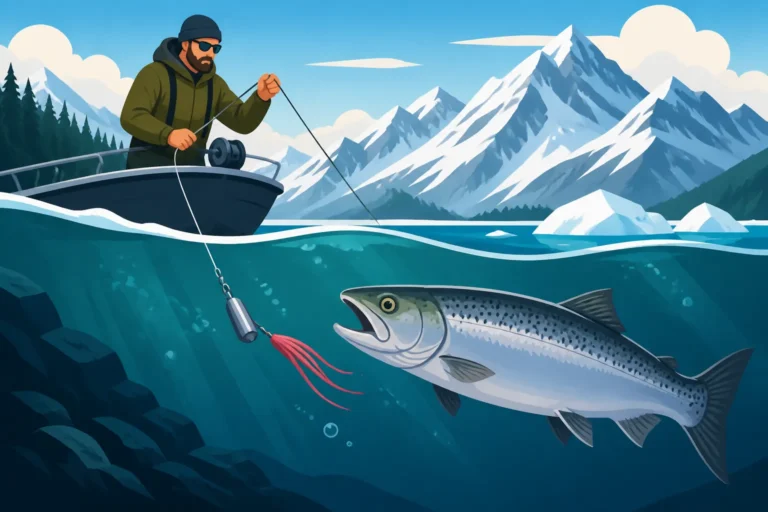
When drift fishing with a spinner or spoon, you'll cast slightly upstream and across the current, letting the lure sink and drift, maintaining just enough tension to feel the bite and keep the blade spinning or the spoon wobbling. For bait, like cured eggs or cut herring, you'll use a float (bobber) or a bottom-bouncing rig. A common float setup involves a fixed or sliding float, a small amount of weight (pencil lead or slinky weight), and your bait on a leader. The float helps suspend your bait at the desired depth, allowing it to tumble naturally downstream. This is particularly effective in slower, deeper runs or riffles. For those learning How to Drift Fishing for Salmon in Alaska, precision in casting and line control is paramount to avoid unnatural drags on your line.
Casting and Retrieving: Active Lure Presentation
For actively feeding or highly aggressive Cohos, a straightforward cast-and-retrieve method with lures like spinners, spoons, or plugs can be incredibly productive. This technique allows you to cover a lot of water quickly and target specific seams or pockets where Coho might be holding.
When casting, aim your lure into areas where fish are likely to congregate: current seams, eddies behind structure, or the deeper parts of a run. Retrieve your lure with a consistent speed, punctuated by occasional twitches or pauses. These erratic movements often trigger a reaction strike, especially when a Coho is tracking your lure. The key is to experiment with retrieve speeds and actions. Sometimes a fast, erratic retrieve works best, mimicking a frantic baitfish, while other times a slower, more deliberate retrieve is preferred. In clear, shallow water, you might see Cohos follow your lure before striking, offering you a visual cue to adjust your technique. This is a common method for Bank Fishing in Alaska on many of the road system rivers.
Trolling: Covering Open Water for Saltwater Silvers
While often associated with saltwater or large lake fishing, trolling is an incredibly effective technique for Cohos that are still in estuaries or the open ocean. Trolling allows you to cover vast amounts of water and present your lures or baits at a consistent depth where fish are likely to be cruising.
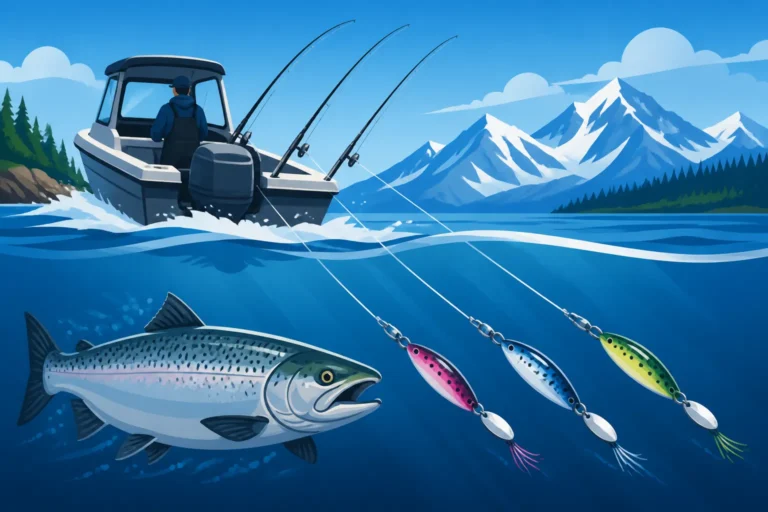
For saltwater Cohos, trolling can involve spoons, plugs (like smaller Kwikfish or diving plugs), or rigged herring behind flashers or dodgers. Flashers and dodgers add extra attraction, mimicking a school of baitfish or simply creating a disturbance that draws attention to your main offering. Depth control is crucial when trolling; using downriggers or weighted lines helps keep your lure in the strike zone. The speed of your troll will also affect the action of your lure; generally, a speed that gives your lure its best action is ideal. Many anglers fishing out of Seward or Sitka will use trolling methods to great success for Coho, especially in areas with concentrations of baitfish.
Putting It All Together: Best Practices
Choosing the "best" lure or bait often comes down to a combination of factors, and flexibility is your biggest asset on any Alaska fishing trip.
Matching the Hatch and Conditions
Always consider the prevailing conditions. Is the water clear or murky? Is the sun bright or is it overcast? In bright, clear water, more natural colors like silver, gold, or subtle greens and blues tend to be effective, while in turbid water or low light, bright fluorescent colors like chartreuse, hot pink, or fire tiger can be seen better. If there's a specific baitfish prevalent in the area, try to match its size and color with your lure. This is often referred to as "matching the hatch," even for salmon.
Varying Your Approach
If what you're doing isn't working, change it up! Try a different color, a different size, or a different retrieve speed. Switch from an artificial lure to bait, or vice-versa. Sometimes a subtle change can make all the difference. Cohos can be fickle, and what worked yesterday might not work today. Don't be afraid to experiment, especially if you're not getting any bites.
Adhering to Regulations
Alaska fishing regulations are complex and can change frequently, sometimes even mid-season due to Alaska Fishing Emergency Orders Explained. Always, always check the most current regulations for the specific area and waterbody you plan to fish. This includes bag limits, size restrictions, and gear restrictions (e.g., bait bans, single-hook rules, barbless hook requirements). You don't want a fantastic day of fishing to turn into a costly violation. Knowing your Alaska Coho Salmon Fishing Regulations and Limits is crucial.
Remember, the thrill of Coho fishing in Alaska is not just about catching fish, but also about the beautiful surroundings and the challenge of the chase. Good luck out there, and may your lines be tight!
Disclaimer
Fishing in Alaska involves inherent risks. This guide provides general information and recommendations. Always consult current Alaska Department of Fish and Game regulations, local authorities, and experienced guides before embarking on any fishing trip. Safety should always be your top priority.