How to Bank Fish for Alaska Salmon
The thought of landing a massive Alaska salmon from the riverbank can be exhilarating, but many anglers get overwhelmed by the sheer scale of Alaska's rivers, the ever-changing regulations, and the mystery of where to even begin without a boat. It’s a common frustration, feeling like you need a fully outfitted expedition to catch anything worthwhile. Don't worry, you absolutely can have incredible success from shore! This comprehensive guide will walk you through everything you need to know to confidently bank fish for Alaska salmon, from the essential gear to proven techniques and how to navigate those crucial regulations.
Why Bank Fishing for Alaska Salmon is a Game-Changer (and a Challenge)
Let's face it, not everyone has access to a boat, a drift boat, or the budget for daily guided trips. And that's perfectly fine! Bank fishing in Alaska offers some unique advantages and a connection to the environment that's hard to beat. However, it also comes with its own set of hurdles that you need to be prepared for.
The Appeal of Fishing from Shore
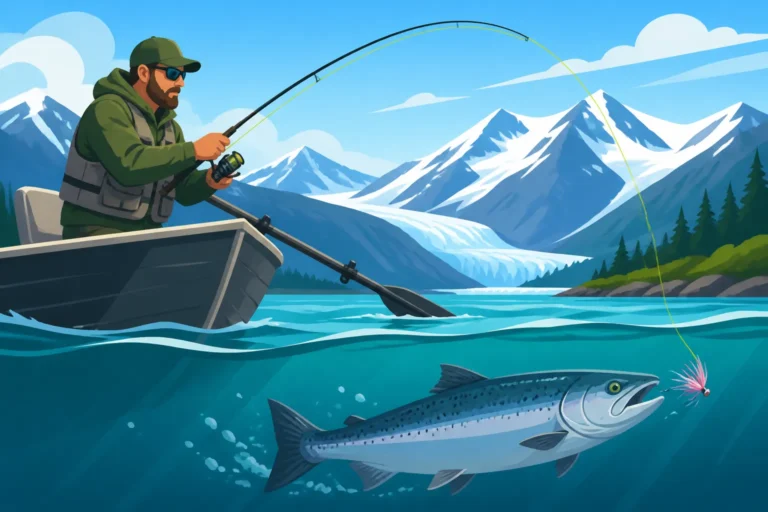
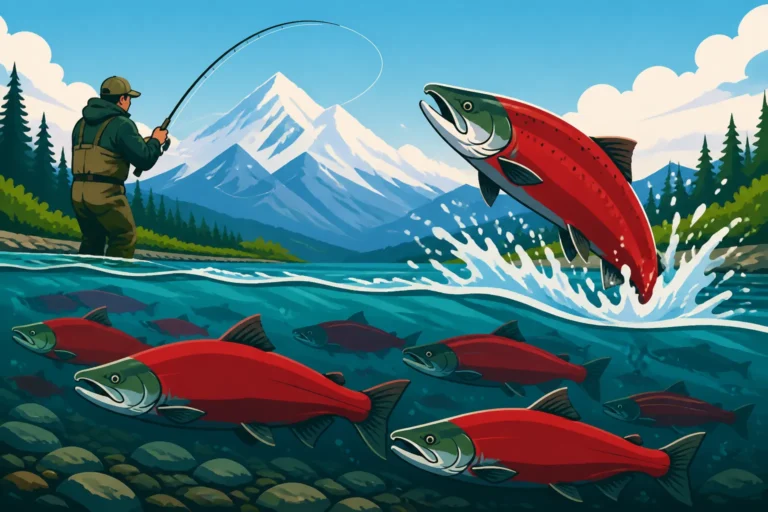
There's a raw, authentic charm to casting your line from the river's edge, feeling the current tug at your bait, and soaking in the wild beauty of Alaska. For many, it's the most accessible way to experience world-class salmon fishing. You can drive right up to many prime spots on the road system, park your car, and be fishing within minutes. This accessibility makes it a fantastic option for families, budget-conscious travelers, or those who simply prefer solid ground under their feet. It's often more affordable, as you don't have the added expense of charter fees or boat rentals. Imagine spending a peaceful morning on the Kenai River or the Russian River, listening to the birds, spotting wildlife, and then, wham – a powerful Sockeye or King salmon is on the end of your line! The sense of accomplishment when you land a fish you've outsmarted from the bank is truly special. Plus, you're often surrounded by fellow anglers, creating a camaraderie that's part of the Alaska fishing experience.
Common Hurdles for Bank Anglers
While rewarding, bank fishing isn't without its challenges. One of the biggest issues, especially during peak runs, is the sheer number of people. Popular spots like the Russian River during the Sockeye run can feel like a "combat fishing" zone, where anglers stand shoulder-to-shoulder, casting in unison. This can be intimidating and requires a good deal of patience and respect for your neighbors. Another hurdle is finding good access points. While some rivers have extensive public access, others are bordered by private land, limiting your options. Knowing where to go and understanding public easements is critical.
Beyond the crowds and access, gear selection becomes even more vital when you're limited to casting from a fixed position. You need versatile rods and reels that can handle different casting distances and fish sizes, without being overly cumbersome. Finally, reading the water effectively from the bank is a skill in itself. You're trying to anticipate where the fish will be traveling or holding, often without the benefit of a boat's mobility. And, of course, Alaska's notoriously fickle weather can turn a beautiful day into a torrential downpour or a chilling wind in minutes, making comfort and appropriate clothing a non-negotiable part of the experience.
Essential Gear for Bank Fishing Alaska Salmon
Successfully landing an Alaska salmon from the bank often comes down to having the right tools for the job. You don't need to break the bank, but investing in quality, appropriate gear will make your experience infinitely more enjoyable and productive. Think versatility and durability – you're often walking, wading, and fighting powerful fish in challenging conditions.
Rods, Reels, and Line for the Banks
When it comes to rods, length and power are key for bank fishing. For Sockeye and Pink salmon, a medium-heavy spinning rod, typically 9 to 10.5 feet long, provides enough backbone to fight strong fish and the length needed for long casts and line control in the current. Brands like Lamiglas or Fenwick are popular choices among Alaskan anglers. For bigger King or Silver (Coho) salmon, you might want to step up to a heavy power rod, 10 to 12 feet, especially if you're trying to cast larger lures or heavy bait rigs. A good quality spinning reel, sized 3000 to 4500, is a versatile option for most bank fishing scenarios, capable of handling braided line and providing a smooth drag. Many anglers find reliable options from companies like Shimano or Daiwa readily available online, perhaps even on Amazon, before their trip.
As for line, braided line is a popular choice for its strength-to-diameter ratio and lack of stretch, which translates to better feel for subtle bites and stronger hooksets. A 30-50 pound braid is common for salmon fishing, often with a 20-30 pound fluorocarbon or monofilament leader. The leader provides a nearly invisible connection to your lure or bait, and a bit of stretch for shock absorption. Remember to check local regulations, as some areas might have specific line weight or leader material restrictions, especially for sensitive areas. For an in-depth look at what to bring, check out our guide on Alaska Fishing Gear and Tackle Guide.
Terminal Tackle and Baits That Get Bites
Your terminal tackle is where the magic happens – or doesn't. For Sockeye salmon, the focus is often on small, brightly colored sockeye flies (often called "sockeye missiles") or unweighted yarn flies designed to drift naturally in the current. These are typically fished with a weighted leader, commonly referred to as "flossing," where the fish intercepts the line and gets snagged in the mouth. This technique is highly effective but also regulated, so always check current emergency orders. For King and Silver salmon, a variety of lures work wonders. Spinners like a #4 or #5 Blue Fox Vibrax or Mepps Aglia are classics, as are spoons such as the Pixee or Krokodile, especially in bright colors like chartreuse, orange, or silver. Plugs like the Kwikfish or Flatfish, often back-trolled from a boat, can also be cast and retrieved from the bank in certain situations.
When it comes to bait, cured salmon eggs are a universal favorite for all salmon species, especially Kings and Cohos. These can be fished under a bobber, drift-fished on the bottom, or even used in egg loops with lures. Herring strips or whole herring are also effective, particularly for Kings. Always ensure your bait choices comply with current Alaska Bait Restrictions Explained, as some areas or times of year may prohibit natural baits to protect fragile fish stocks or reduce incidental catches. For Sockeye in particular, bait is often prohibited or ineffective due to their unique feeding habits during their spawning run.
Dressing for Success and Comfort
Alaska's weather is famously unpredictable. You can experience four seasons in a single day, and being unprepared can quickly turn a fantastic fishing trip into a miserable one. Waders are almost non-negotiable for bank fishing. Breathable chest waders are generally preferred for active fishing as they prevent overheating, especially if you're walking or wading in mild conditions. Neoprene waders offer more warmth but can be stifling. Pair them with sturdy wading boots that provide excellent ankle support and grip on slippery river rocks. Look for options with felt soles or rubber soles with cleats for maximum traction.
Layering is your best friend. Start with a moisture-wicking base layer, add a fleece or wool mid-layer for insulation, and top it off with a waterproof and windproof rain jacket and pants. Look for rain gear with a high waterproof rating and good breathability. Even if the forecast looks clear, always pack your rain gear. A warm hat, fingerless gloves, and polarized sunglasses (essential for spotting fish and protecting your eyes) round out the essential clothing list. Don't forget bug spray; Alaskan mosquitoes and no-see-ums can be relentless during summer months. You can find excellent selections of all these items, from waders to rain gear, on sites like Amazon, often with reviews from fellow anglers.
Top Techniques for Bank Fishing Alaska Salmon
Fishing from the bank requires a keen understanding of both salmon behavior and river dynamics. Since you can't motor up or down the river at will, your casting accuracy, presentation, and ability to read the water become paramount. Different salmon species often respond better to specific presentations, and adapting your technique is key to success.
Mastering the Drift for Sockeye and Pinks
Drift fishing is arguably the most common and effective bank fishing technique for Sockeye and Pink salmon, especially in clear-water rivers like the Kenai or Russian. The goal is to present your fly or lure in a natural, unimpeded drift, mimicking free-floating insect larvae or salmon eggs. This often involves using a small, weighted fly or a piece of yarn, with just enough weight to bounce along the bottom without snagging excessively. You cast slightly upstream and across the current, letting your rig sink and drift downstream through prime holding water. The trick is to keep a slight tension on your line – just enough to feel the subtle taps of the bottom or, more importantly, a fish.
Sockeye salmon, in particular, are notorious for not actively biting once they enter freshwater to spawn. Instead, they react to things that impede their progress or are in their direct path, often getting "flossed" (snagged in the mouth by the leader or fly as they swim into it). While controversial in some circles, "flossing" is a legal and common method in designated fisheries. The key is to distinguish between a snag on the bottom and a fish. A fish bite often feels like a solid thud or a sudden stop, followed by movement. Learning How to Set the Hook on Alaska Sockeye properly is crucial to landing these powerful, hard-fighting fish. For more detailed instructions, consider reading our guide on How to Drift Fishing for Salmon in Alaska.
Casting and Retrieving for Kings and Cohos
When targeting the larger, more aggressive King (Chinook) and Coho (Silver) salmon from the bank, casting and retrieving lures is often the most productive strategy. These species are more prone to strike at a moving bait, especially early in their freshwater migration or in systems where they might feed opportunistically. Spinners are incredibly effective – a weighted body and a rotating blade create flash and vibration that can trigger a predatory response. Cast your spinner upstream and across, letting it swing through the current as you retrieve it at a steady pace. Experiment with retrieve speeds and depths; sometimes a slow, deep wobble is best, other times a faster, more erratic retrieve.
Spoons, with their wobbling action, are another excellent choice for Kings and Cohos. Heavy spoons can be cast a long distance and sink quickly, allowing you to probe deeper holes. Plugs like Kwikfish or Flatfish, though often associated with boat fishing, can be highly effective when cast and retrieved in areas with sufficient current. The key is to cover as much water as possible, casting to different angles and varying your retrieve until you find what the fish are reacting to. Watch for structure like submerged logs, rock outcroppings, or current seams, as these are prime ambush points for salmon. A strong retrieve and robust gear are necessary when you are learning How to Catch King Salmon in Alaska from the bank.
Static Baits and Bottom Fishing Considerations
Sometimes, especially in slower moving water or deeper pools where salmon are holding, a static bait presentation can be incredibly effective. This often involves using cured salmon eggs, herring, or other legal baits rigged on a weighted dropper setup, designed to sit on the bottom or drift slowly along it. A popular setup is a "lead core" or "slinky" weight attached to a swivel, with a leader (often 18-36 inches) tied to a hook baited with eggs or herring. This allows your bait to stay in the strike zone longer without constant casting.
This technique is particularly useful in areas where fish are staging or resting before moving further upstream. However, bottom fishing can also lead to more snags, so be prepared to re-tie often. Always be mindful of ethical angling practices. While static baits are effective, avoid leaving your rod unattended or fishing in areas prone to excessive snagging. The goal is to entice a legitimate bite in the mouth, not to foul-hook fish. It's crucial to check local regulations carefully regarding bait use and allowable fishing methods, as these can change frequently. You'll find the most current rules on the Alaska Department of Fish and Game website or in the latest Alaska Fishing Regulations Explained booklet.
Where to Find the Best Bank Fishing Spots (and When)
Alaska is vast, and its rivers teem with salmon, but knowing where and when to cast your line from the bank can feel like a daunting puzzle. While a boat offers mobility, many of Alaska's most productive fishing spots are surprisingly accessible from shore, especially if you know what to look for.
Identifying Prime Bank Access Points
When scouting for bank fishing spots, look for public access points, such as state park areas, designated fishing access sites, or public easements along bridges and roads. Famous rivers like the Kenai River and the Russian River on the Kenai Peninsula offer numerous public access points, though they can get crowded during peak seasons. The Russian River, in particular, is renowned for its Sockeye run and well-maintained public trails and platforms, making it one of the Best Rivers for Sockeye Salmon in Alaska. Other great bank fishing locations include Ship Creek in Anchorage, which sees decent King and Silver salmon runs right in the city, and sections of the Kasilof River or Ninilchik River further south.
River bends, confluences (where two rivers meet), and the upstream and downstream sides of bridge pilings are often excellent spots. These features create current breaks and deeper pockets where salmon tend to hold or pause during their migration. Look for sections of the river with a relatively consistent depth and flow, often indicated by the presence of other anglers. Always respect private property signs and be aware of any restricted areas, such as those near fish weirs or spawning grounds, which are often closed to fishing. Local tackle shops are an invaluable resource for up-to-date information on current hotspots and access.
Timing Your Trip for Peak Salmon Runs
Knowing the optimal time to fish is just as important as knowing where. Alaska's salmon runs are seasonal, and timing your visit to coincide with the peak of your target species' run will dramatically increase your chances of success. King salmon typically start arriving in late May and June, with a second run sometimes occurring in July. Sockeye salmon often have two distinct runs, a smaller early run in June and a massive second run from mid-July into early August. Silver salmon generally show up in late July and peak in August and September. Pink salmon, known as "humpies," run in even-numbered years, typically peaking in late July and August.
To plan your trip, consult resources like our detailed guide on Alaska Salmon Run Timing Explained or When to Fish for Each Salmon Species in Alaska. Pay close attention to fishing reports from the Alaska Department of Fish and Game (ADF&G) and local forums. Emergency orders can change regulations quickly based on run strength, so checking these daily is essential. For example, if you're planning a trip around the Kenai Peninsula in July, you're likely targeting Sockeye salmon, and specific areas like the Russian River fly-fishing-only area will be in full swing. This might mean the Best Time to Fish in Alaska for you depends entirely on what kind of salmon you're after!
Reading Water and Tides for Optimal Success
Reading the water is a skill developed over time, but there are some universal principles that apply to bank fishing. Salmon will typically travel or hold in areas that offer them a balance of cover, current, and depth. Look for "seams" – where fast-moving water meets slower water – as salmon will often rest in the slower current while still being able to dart into the main flow. Deeper pools, especially those downstream of rapids or riffles, are common holding areas. Eddy lines, where water swirls back upstream, also provide a low-effort resting spot for migrating fish.
In tidewater rivers, like the lower Kenai River or Ship Creek, understanding the tides is critical. Incoming tides can bring fresh waves of salmon into the river mouth, pushing them upstream with the current. Outgoing tides can cause fish to drop back or simply hold in deeper channels. Fishing during the slack tide (the period between incoming and outgoing tides) can sometimes be productive as fish might be less actively moving and more concentrated. Always observe the water carefully – look for jumping fish, wakes, or subtle disturbances that might indicate the presence of salmon. A good pair of polarized sunglasses will help you peer into the water and spot potential holding areas or even individual fish.
Essential Regulations and Etiquette for Bank Anglers
Fishing in Alaska is a privilege, and respecting the rules and your fellow anglers is paramount. The regulations are in place to ensure sustainable fish populations for generations to come, and understanding them is your responsibility as an angler. Ignoring them can lead to hefty fines or even loss of fishing privileges.
Navigating Alaska's Fishing Regulations
Before you even make your first cast, you need to purchase an Alaska fishing license. If you're visiting from out of state, you'll need an Alaska Non-Resident Fishing License Guide. Licenses come in various durations, from 1-day to annual, so choose what fits your trip length. For specific species like King salmon, you'll also need a King Salmon Stamp, which is an additional purchase. Don't forget to get your Alaska Fishing License: Complete Guide sorted before you arrive! These are critical pieces of paper, and you must have them on you while fishing.
Beyond licenses and stamps, be intimately familiar with the bag and possession limits for the species you're targeting. These limits can vary not only by species but also by river, time of year, and even residency status. For example, Alaska Salmon Bag Limits by Species are strictly enforced. Pay close attention to any special provisions, such as gear restrictions (e.g., single hook, barbless hook requirements), bait restrictions, or time-of-day closures. Most importantly, always check the Alaska Department of Fish and Game (ADF&G) website for current emergency orders before you head out, and even while you're there. These orders can change daily and supersede the printed regulation booklet, often closing fisheries or altering limits with little notice, especially for King Salmon. Our article on How to Check Alaska Emergency Orders Before Fishing offers practical advice.
Practicing Good Bank Fishing Etiquette
Alaska's popular bank fishing spots can get crowded, especially during peak salmon runs. Good etiquette ensures a positive experience for everyone. First and foremost, give your fellow anglers space. A general rule of thumb is to allow enough room so that your back-cast doesn't interfere with another person's line, and vice-versa. Don't crowd someone who's actively fighting a fish, and be patient if a popular spot is occupied. When walking along the bank, walk behind active anglers, not in front of them, to avoid disturbing their fishing.
Never "cut" another angler's line by casting over theirs, and if your line gets tangled with someone else's, be courteous and work together to untangle it. Pack out everything you pack in – leaving trash, discarded line, or bait containers on the riverbank is not only illegal but also disrespectful to the environment and other users. Be aware of wildlife, especially bears, which are common in many Alaskan fishing areas. Keep a clean camp, store food properly, and carry bear spray if recommended for the area. Lastly, be friendly! A simple nod or "hello" can go a long way in fostering a positive atmosphere on the river.
Here's a quick comparison of popular bank-fished salmon species and their associated techniques:
| Salmon Species | Primary Bank Fishing Technique | Common Lures/Baits | Typical Rod/Reel Setup | Peak Season (Bank) |
|---|---|---|---|---|
| King Salmon | Casting & Retrieving, Bottom Fishing | Spinners, Spoons, Plugs, Cured Eggs, Herring | Heavy power, 10-12 ft spinning; 30-50 lb braid | Late May – July |
| Sockeye Salmon | Drift Fishing (Flossing) | Sockeye flies, Yarn | Med-Heavy, 9-10.5 ft spinning; 30-40 lb braid | Mid-June – August |
| Coho Salmon | Casting & Retrieving, Drift Fishing | Spinners, Spoons, Jigs, Cured Eggs | Med-Heavy, 9-10.5 ft spinning; 30-40 lb braid | August – September |
| Pink Salmon | Casting & Retrieving, Drift Fishing | Small Spinners, Spoons, Flies | Medium, 8-9 ft spinning; 20-30 lb braid | July – August (even years) |
Disclaimer
Please be aware that fishing regulations in Alaska can change rapidly due to emergency orders from the Alaska Department of Fish and Game (ADF&G). Always check the most current regulations and emergency orders before you go fishing. This guide provides general information and should not be considered a substitute for official regulatory documents. Your safety and adherence to regulations are your sole responsibility.