When Do Sockeye Salmon Run in Alaska
Trying to pin down the exact moment when the Sockeye salmon decide to burst into Alaska's rivers can feel like trying to catch smoke. You hear stories of rivers turning red with fish, of limits being caught in minutes, and the fear of missing out on this incredible natural phenomenon is real. It's a blend of anticipation and anxiety for many anglers, whether you're a seasoned local or a visitor planning that once-in-a-lifetime trip. This guide is here to demystify the Sockeye run, providing you with the knowledge to anticipate, track, and ultimately participate in one of Alaska's most epic fishing experiences.
Understanding the Alaska Sockeye Salmon Run Phenomenon
The Sockeye salmon run isn't just a biological event; it's the heartbeat of Alaskan summers. These vibrant red fish are an incredibly important resource, drawing anglers, commercial fishermen, and wildlife alike. Knowing when they arrive and why their timing matters is crucial for anyone hoping to dip a line.
The Life Cycle and Migration of Sockeye
Sockeye salmon, also known as red salmon due to their brilliant crimson spawning colors, embark on one of the most arduous and spectacular migrations in the animal kingdom. Their journey begins in the vastness of the Pacific Ocean, where they spend several years feeding and growing strong. Unlike King salmon, which can be found in a variety of coastal waters, Sockeye are often tied to specific freshwater lake systems for spawning, giving their migration a unique bottleneck dynamic.
As spring turns to summer, an ancient instinct kicks in, calling them back to the very rivers and lakes where they were born. This upstream journey is a race against time and an incredible feat of endurance. They battle powerful currents, evade predators like bears and eagles, and navigate intricate river systems, all fueled by the stored energy from their ocean feast. This incredible drive means they are focused on one thing: getting to the spawning grounds. This singular focus heavily influences their behavior, which in turn dictates the best fishing techniques and timing. Understanding this profound journey helps you appreciate not just the fish, but the entire Alaskan ecosystem they support.
Factors Influencing Run Timing
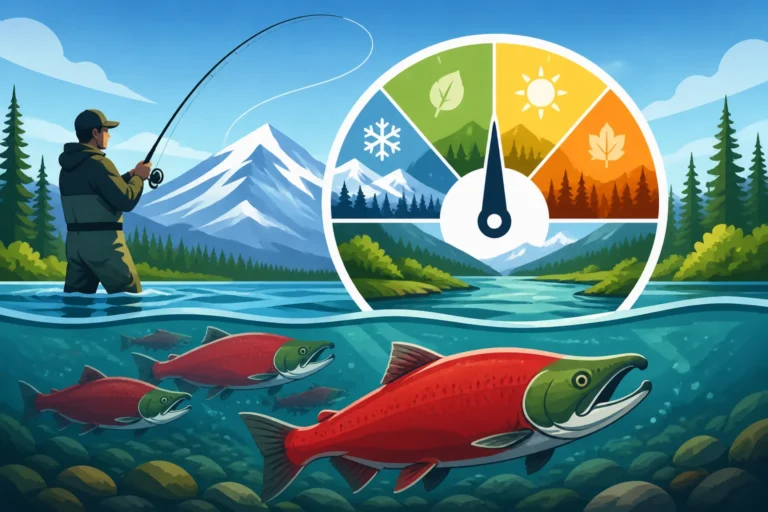
While Sockeye salmon have a general calendar for their return, the exact timing and intensity of their runs are far from a fixed science. Several environmental factors play a significant role, making each year a unique puzzle. One of the most critical elements is water temperature. Sockeye tend to prefer cooler water, and a warm spring can delay their arrival or accelerate their movement through a river system. Conversely, a cold spring might push the run later into the summer.
Snowmelt and river levels are another major player. Heavy snowpacks melting rapidly can lead to high, turbid water, which might slow down fish migration or make them harder to detect for anglers. Low water, on the other hand, can concentrate fish in certain areas but also make them more vulnerable and susceptible to stress. Oceanic conditions, such as food availability and water temperatures in the North Pacific, also influence the overall health and size of the returning class of fish. A strong year class means more fish, and often a more robust, sometimes earlier, run. Local weather patterns, including rainfall and sunlight, can also have micro-effects, influencing specific river segments day-to-day. It’s this intricate dance of nature that keeps even seasoned Alaskans constantly checking forecasts and run updates, knowing that flexibility is key.
General Sockeye Salmon Run Calendar by Region
Alaska is a vast state, and Sockeye salmon runs don't happen simultaneously across all regions. Different river systems have their own unique timing, influenced by geography, water temperature, and the specific genetic makeup of their Sockeye populations. Knowing the general windows for each major region is your first step to planning a successful trip.
Key Southcentral Alaska Sockeye Runs
Southcentral Alaska, particularly the Kenai Peninsula, is arguably the most famous and accessible region for Sockeye fishing, attracting thousands of anglers each summer. The sheer volume of fish returning to rivers like the Kenai and Kasilof is legendary.
The Kenai River Sockeye run typically begins in late May or early June, with the first push of fish. However, the main event, often referred to as the "first run," usually kicks off around mid-June and peaks in the last week of June and first week of July. These Sockeye are heading primarily to the Russian River and its associated lakes. The Kenai's "second run" is truly epic, often starting around mid-July and peaking in the last two weeks of July, sometimes stretching into early August. This run is often much larger, with millions of fish pouring into the river, destined for Skilak Lake and Kenai Lake. When the Kenai is red, it's an unforgettable experience. Be sure to understand the specific rules for recording your catch, especially when dealing with the incredible volume of fish, by checking the Alaska Kenai River Sockeye Recording Rules.
The Kasilof River, located just south of the Kenai, often sees its Sockeye run start a bit earlier than the Kenai's major push, typically beginning in early June and peaking mid-June to early July. While not as high-volume as the Kenai's second run, the Kasilof offers excellent Sockeye fishing opportunities, often with slightly less crowding. Further north, rivers in the Susitna River drainage, like the Deshka and Talkeetna Rivers, also experience Sockeye runs, usually from late June through July, though often on a smaller scale than their Kenai Peninsula counterparts. It's vital to check the Alaska Sockeye Daily Limit by River for specific regulations, as limits can vary considerably even between nearby rivers depending on management objectives and run strength.
Bristol Bay and Western Alaska Sockeye Giants
When you talk about Sockeye salmon, you simply cannot ignore Bristol Bay. This remote region in Western Alaska hosts the largest Sockeye salmon run in the world, an absolutely staggering natural spectacle that fuels a massive commercial fishery and attracts intrepid sport anglers. Millions, sometimes tens of millions, of Sockeye return to rivers like the Nushagak, Naknek, and Alagnak.
The Nushagak River is known for one of the earliest and largest Sockeye runs in Bristol Bay, often kicking off in mid-June and peaking around the last week of June into early July. Anglers flying into Dillingham or surrounding lodges during this period are often rewarded with incredible fishing. The Naknek River and Alagnak River systems, both emptying into Bristol Bay, typically see their peak runs from late June through mid-July. These rivers are famous for their sheer numbers, with fish literally finning in the shallows. The runs here are so vast that precise timing for sport fishing can be less critical, as good fishing often persists for weeks. However, being there during the absolute peak means even more fish and typically more aggressive biters as they are fresh from the ocean. The scale of these runs is hard to imagine until you witness it firsthand, a truly wild Alaskan experience.
Southeast and Interior Alaska Sockeye Dynamics
While Southcentral and Bristol Bay grab many of the headlines for Sockeye, other regions of Alaska also host significant and diverse runs. Southeast Alaska, with its intricate network of islands and mainland, sees Sockeye returning to numerous systems, particularly around Juneau and Sitka. These runs often occur from late June through August, with varying peak times depending on the specific river or stream. The Sockeye here tend to be part of smaller, localized runs compared to the Kenai or Bristol Bay, but they offer fantastic opportunities in a stunning rainforest environment.
The Copper River, famous for its early and highly prized commercial fishery, sees its Sockeye run begin in May and peak in early to mid-June. These are some of the earliest Sockeye in the state, celebrated for their high oil content and firm flesh. For sport anglers, the personal use dipnet fishery on the Copper River is a huge draw for residents. Further into the Interior Alaska region, Sockeye can be found in systems flowing into the Yukon River, often in July and August, representing some of the latest Sockeye runs in the state due to the vast distances they must travel upstream. Regardless of the region, always consult the most current Alaska Sockeye Salmon Regulations and Limits to ensure you're fishing legally and sustainably.
How to Track and Prepare for the Sockeye Runs
Timing your trip to coincide with the Sockeye run, especially if you're traveling a long distance, requires careful planning and access to real-time information. Mother Nature calls the shots in Alaska, and conditions can change rapidly.
Essential Resources for Real-Time Updates
The Alaska Department of Fish and Game (ADF&G) is your absolute best friend when it comes to tracking Sockeye runs. Their website is a treasure trove of information, providing daily updates on weir counts (the number of fish passing through counting stations), sonar estimates, and commercial fishing openings. This data is gold for anglers, helping you see the fish moving into the river systems in near real-time. Make it a habit to check the ADF&G Sport Fish Division website, especially their "Fishing Reports" and "Emergency Orders" sections.
Emergency Orders are particularly critical. Alaska's fisheries are dynamically managed, and regulations like bag limits, open seasons, and even allowed gear can change overnight based on run strength. Ignorance is no excuse, so checking Alaska Fishing Emergency Orders Explained just before and even during your trip is non-negotiable. Local fishing forums and social media groups dedicated to specific rivers (like the Kenai River or Kasilof River) can also offer anecdotal, real-time insights from anglers on the ground, though always cross-reference this with official ADF&G data. Many tackle shops in towns like Soldotna or Cooper Landing are also excellent sources of up-to-the-minute information and friendly advice. Knowing How to Read Alaska Salmon Run Forecasts will greatly improve your chances of being in the right place at the right time.
Gear Up for Sockeye Success
Having the right gear is paramount for Sockeye fishing, which often involves specific techniques to be successful. While a heavy-duty salmon rod might seem like overkill for a 5-10 pound Sockeye, these fish are incredibly powerful and often caught in strong currents, so you'll want something sturdy. A medium-heavy spinning rod (8'6" to 10'6") paired with a robust reel spooled with 20-30 lb braided line is a common setup. Brands like Ugly Stik or Lamiglas make excellent river rods that can handle the abuse.
For terminal tackle, a good selection of lead weights (1/2 oz to 1 oz for river fishing), swivels, and strong, sharp hooks (usually size 2/0 or 3/0, often Octopus-style) are essential. Many anglers use brightly colored beads (8mm to 12mm in various egg colors) or small artificial flies, often called "Sockeye flies" or "Russian River flies," which imitate salmon eggs. You can find a wide variety of these supplies on Amazon, making it convenient to stock up before your trip. Don't forget a sturdy landing net with a long handle, as Sockeye can be difficult to manage at the bank. And, because you'll likely be wading in cold glacial rivers, a good pair of chest waders and wading boots are non-negotiable. Checking out a comprehensive Alaska Fishing Gear and Tackle Guide will give you a detailed list of what to bring for a comfortable and productive outing.
Sockeye-Specific Fishing Techniques
Unlike King or Silver salmon, Sockeye typically don't readily strike traditional lures or bait once they enter freshwater; they're focused on spawning, not feeding. This means specific techniques are required. The most common and effective method is often referred to as "flossing" or "lining." This involves drifting a lead weight and a short leader with a bare hook (or a bead/small fly) through a school of fish. The goal isn't to snag them intentionally, but rather for the line to drift into the Sockeye's mouth, where the hook then catches them. This requires a specific cast, careful line management, and a good feel for the drift. This is why when you're on rivers like the Kenai or Russian, you'll see a distinct "Sockeye shuffle" where everyone is casting and drifting in unison.
Another popular method, especially when Sockeye are concentrated in slower pockets or near spawning grounds, is using colored beads on a fly rod. This technique, often called "bead fishing," mimics salmon eggs that are naturally washed downstream. This requires delicate presentations and is particularly effective for fly anglers. Regardless of the method, precision and patience are key. Understanding these specialized techniques will dramatically increase your success rate, which you can learn more about in guides like How to Catch Sockeye Salmon in Alaska or by delving into the nuances of Best Technique for Kenai Sockeye: The Flossing Debate.
Navigating the Nuances of Sockeye Fishing
Sockeye fishing in Alaska isn't just about timing; it's also about understanding the dynamics of the run itself, adapting to regulations, and appreciating the broader context of this vital resource.
Early vs. Peak vs. Late Season Fishing
The Sockeye run isn't a single, monolithic event; it's a progression, and each phase offers different opportunities and challenges. Early season (late May to mid-June in many systems) sees fewer fish, but they are often incredibly strong and chrome-bright, fresh from the ocean. The river might be less crowded, offering a more serene fishing experience. However, you'll need more patience and perhaps be more willing to move around to find those scattered schools.
Peak season (mid-June through late July for most major runs) is when the rivers truly turn red. This is the most popular time, and for good reason—the sheer numbers of fish mean high catch rates. This is also when you'll experience "combat fishing" in famous spots like the Russian River confluence on the Kenai, where anglers stand shoulder-to-shoulder, casting in unison. While exciting, it demands good etiquette and awareness of your surroundings. The fish during the peak can still be silver but might start to show some spawning colors.
Late season (August) sees fewer new fish entering the rivers, and those present are often darker, more colored, and closer to their spawning grounds. While they are still catchable, their fighting prowess might diminish, and their meat quality won't be as prime as fresh ocean-run fish. However, late-season fishing can offer a chance for more solitary angling and connecting with the wild, untamed nature of Alaska. Each phase provides a unique experience, and understanding them allows you to tailor your expectations and tactics accordingly.
Understanding Emergency Orders and Bag Limits
Alaska's fisheries are a highly dynamic environment, and the Alaska Department of Fish and Game (ADF&G) uses "Emergency Orders" to swiftly adjust regulations based on real-time run strength and conservation needs. This means that the bag limits you planned for months ago could change overnight, or a specific fishery might close or open unexpectedly. It's not uncommon for King Salmon fisheries to close, or for Sockeye limits to be adjusted from three to six fish per day, all based on how many fish are making it upstream.
For example, if the Sockeye run to the Kenai River is exceptionally strong, ADF&G might issue an emergency order increasing the daily bag limit. Conversely, if a run is weaker than expected, they might reduce limits or implement restrictions on gear. It’s absolutely critical that you check these orders daily, especially if you're fishing near the peak of a run. You can find these updates on the ADF&G website. Not knowing the current regulations is not a valid excuse, and violations can lead to hefty fines and confiscation of gear and fish. Staying informed is not just about legality; it's about responsible stewardship of Alaska's precious resources. Always consult the comprehensive Alaska Fishing Regulations Explained and pay special attention to the nuanced Alaska Fishing Limits and Bag Limits Explained to ensure compliance.
The Cultural Significance of Sockeye
Beyond the thrill of the catch and the delicious fillets, the Sockeye salmon run holds immense cultural and economic significance in Alaska. For many Alaskans, participating in the "personal use" or "subsistence" fisheries is a cherished annual tradition, a way of stocking freezers for the winter and connecting with a deeply ingrained way of life. These fisheries often involve methods like dipnetting, particularly popular on the Kenai and Chitina rivers, which allow residents to harvest large quantities of Sockeye for personal consumption.
The commercial Sockeye fishery, especially in Bristol Bay, is a cornerstone of Alaska's economy, providing jobs and generating billions of dollars in revenue. This economic importance means that managing the Sockeye runs is a delicate balance between commercial, sport, and personal use interests, all under the umbrella of sustainable management. For many Native Alaskan communities, Sockeye salmon are not just food; they are a spiritual and cultural touchstone, central to their identity and traditions for thousands of years. So, when you're out there fishing, remember you're not just participating in a sport; you're engaging with a vital part of Alaska's natural heritage and the lives of its people. You can learn more about these important community fisheries in our guide to Alaska Personal Use Fishing Explained.
Here's a quick reference guide to some major Sockeye runs in Alaska:
| River System | Primary Region | General Run Start | Typical Peak Window | Key Considerations |
|---|---|---|---|---|
| Copper River | Southcentral (East) | Mid-May | Early-Mid June | Earliest run, prized for oil content, famous dipnet fishery. |
| Kasilof River | Southcentral (Kenai P.) | Early June | Mid-June – Early July | Strong early run, often less crowded than Kenai. |
| Nushagak River | Bristol Bay | Mid-June | Late June – Early July | Massive early Bristol Bay run, huge numbers. |
| Kenai River (1st Run) | Southcentral (Kenai P.) | Early June | Late June – Early July | Focuses on Russian River fish, often strong. |
| Naknek River | Bristol Bay | Late June | Early-Mid July | Huge runs, great for fly-out trips. |
| Alagnak River | Bristol Bay | Late June | Early-Mid July | Part of the massive Bristol Bay system. |
| Kenai River (2nd Run) | Southcentral (Kenai P.) | Mid-July | Mid-July – Early August | The legendary "red run," millions of fish. Check How to Time the Kenai Sockeye Run. |
| Susitna River Drainages | Southcentral (Interior) | Late June | July | Smaller, more dispersed runs in road-accessible areas. |
| Southeast Alaska Rivers | Southeast | Late June | July – Early August | Numerous smaller, localized runs throughout the region. |
| Yukon River Tributaries | Interior | July | Late July – August | Later runs due to long migration distances. |
This table provides a general overview, but remember, annual variations are common. Always check the latest ADF&G reports.
Disclaimer
The information provided in this guide is for general informational purposes only and is subject to change. Alaska fishing regulations, seasons, and bag limits are highly dynamic and can be altered at any time by emergency order from the Alaska Department of Fish and Game (ADF&G). It is the sole responsibility of each angler to consult the most current ADF&G regulations, emergency orders, and licensing requirements before engaging in any fishing activity. Failure to do so may result in fines or other penalties.