How to Catch Northern Pike in Alaska
Chasing northern pike in Alaska can be a truly exhilarating experience, but for many anglers, these toothy predators remain a bit of a mystery. Unlike the more celebrated salmon or halibut, pike often lurk in quieter waters, demanding a different approach and specific knowledge to successfully entice them. If you've ever felt frustrated trying to pinpoint their locations, choose the right lure, or even understand the best time of year to target them, you're not alone. This comprehensive guide will peel back the layers of pike fishing in Alaska, arming you with the insights, gear, and techniques needed to tackle these aggressive, hard-fighting fish and make your next outing a memorable one.
Unraveling the Northern Pike Mystique in Alaska
Northern pike (Esox lucius) are fascinating creatures, offering a thrilling challenge to any angler. In Alaska, they've carved out a unique niche, primarily in the freshwater systems of the Interior and Southcentral regions. Understanding their biology and behavior is the first step to consistently putting them in the net. They're ambush predators, meaning they lie in wait, hidden amongst vegetation or structure, before launching a lightning-fast attack on unsuspecting prey. This aggressive nature is what makes them such a blast to catch, but it also dictates the strategies you'll need to employ.
Understanding Pike Biology and Behavior
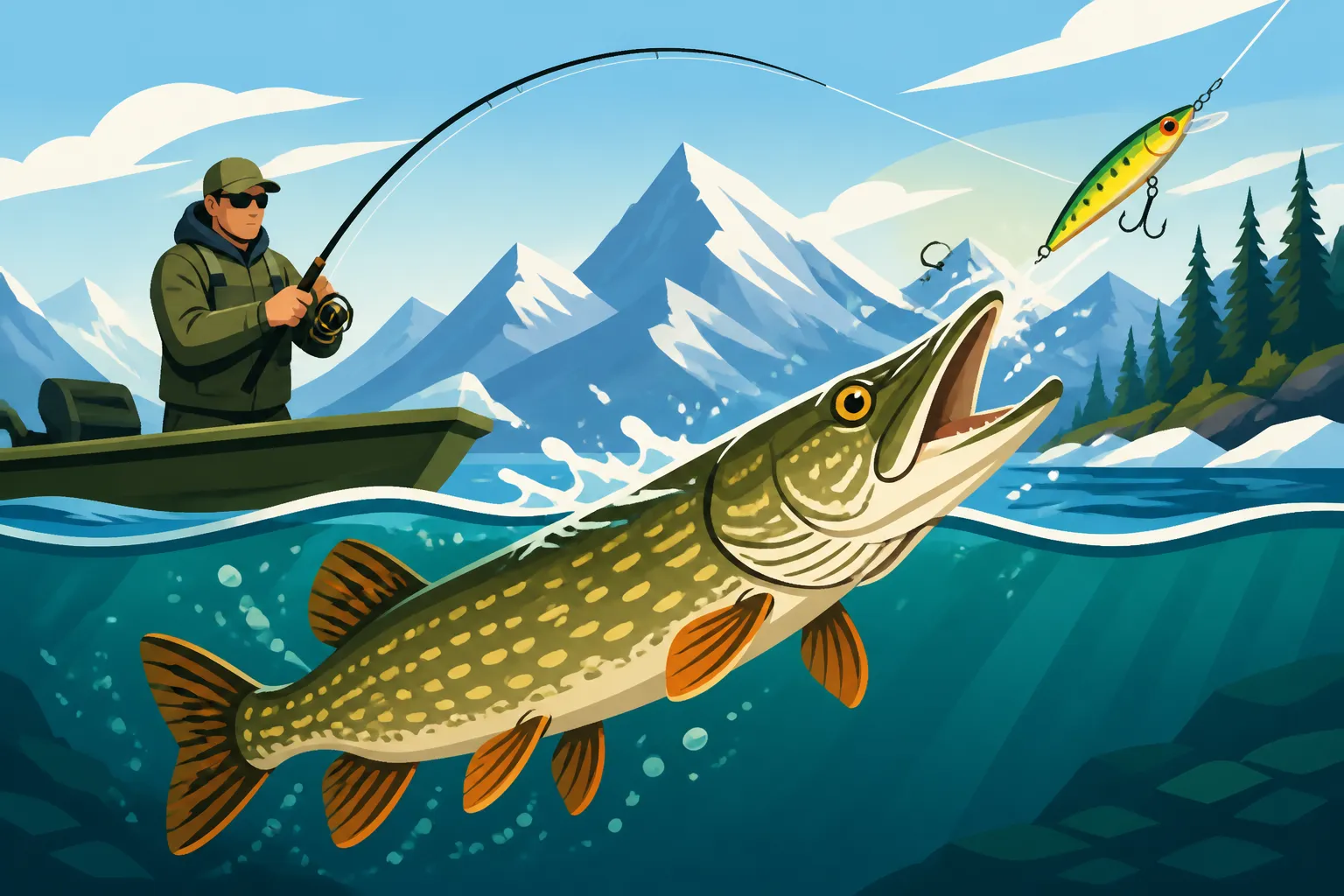
Northern pike are unmistakable with their long, slender bodies, duckbill snouts, and rows of razor-sharp teeth. They possess a dorsal fin set far back on their body, close to the caudal (tail) fin, which acts like a rudder and propeller for explosive bursts of speed. Their coloration varies but typically involves light spots or bars on a darker, greenish-brown background, providing excellent camouflage in weedy environments. They are cold-blooded, and their metabolism is highly influenced by water temperature, which in turn affects their activity levels and feeding patterns.
Pike are opportunistic feeders, consuming almost anything they can fit into their mouths, including smaller fish, frogs, ducklings, and even small rodents. This makes them incredibly adaptable, but it also highlights why they're often considered an invasive species in certain parts of Alaska, particularly in the Southcentral area, where they predate on native salmon and trout populations. You might be surprised to learn that these freshwater sharks can live for a surprisingly long time, with some individuals exceeding 15 years and reaching impressive sizes. Knowing this helps us appreciate the challenge and reward of targeting a true trophy pike. For a broader perspective on the diverse aquatic life, you might want to check out our Alaska Fish Species Guide.
Preferred Habitats and Hotspots
Pike are creatures of habit, favoring shallow, warm, and vegetated waters. Think lily pads, submerged grass beds, fallen timber, and slow-moving backwaters. These areas provide both excellent ambush points and abundant food sources. Lakes, sloughs, and slow-moving rivers with extensive weed lines are prime territories. In clearer waters, they might hug deeper drop-offs or shaded areas during the brightest parts of the day, but their core preference remains dense cover.
When you're scanning a lake or river, look for visual cues like mats of aquatic plants, areas where tributaries feed in, or even just patches of darker water that indicate deeper weed growth. During ice fishing season, they’ll often be found cruising the edges of these same weed beds, just under the ice, looking for an easy meal. Rivers like the Susitna and its numerous sloughs, and lakes across the Mat-Su Valley and Interior, exemplify these ideal conditions. Understanding these habitat preferences is key to narrowing down your search and increasing your chances of a hook-up.
The Pike's Impact on Alaska's Ecosystem
While northern pike are native to Interior Alaska, their introduction to certain Southcentral Alaskan drainages has created significant ecological concerns. In waters where they are not native, such as parts of the Susitna River basin, the Matanuska-Susitna Valley, and the Kenai Peninsula, pike have voraciously preyed on juvenile salmon (smolt), rainbow trout, and Dolly Varden. This predation has led to severe declines in native fish populations, disrupting delicate ecosystems and impacting sport fisheries.
The Alaska Department of Fish and Game (ADF&G) actively manages these invasive populations, often encouraging anglers to harvest all pike caught in designated non-native waters. This isn't about conservation in the traditional sense, but rather population control to protect native species. Conversely, in their native range, pike play a vital role as apex predators, contributing to a balanced food web. Anglers targeting pike in their native Interior Alaska habitats contribute to sustainable sport fishing, while those in invasive areas are often performing a crucial conservation service by removing them. Being aware of where you're fishing and the local regulations regarding pike is incredibly important for responsible angling.
Timing Your Pike Pursuit: Seasons and Conditions
Knowing when to fish for northern pike is almost as important as knowing where. Pike activity levels fluctuate dramatically with the seasons, influenced by water temperature, spawning cycles, and feeding patterns. From the ice-out frenzy of spring to the depths of winter, each season offers unique opportunities and challenges for pike anglers in Alaska.
Spring and Summer: Open Water Opportunities
Spring, immediately after ice-out, marks an excellent time to target northern pike. As ice recedes, water temperatures begin to rise, and pike become incredibly active, recovering from the long winter and preparing for their spawning ritual. They’ll often be found in shallow, sun-warmed bays and tributaries, gorging themselves on available prey. This pre-spawn and post-spawn period sees them at their most aggressive, making them highly susceptible to a variety of lures.
Throughout the summer, pike generally remain active, especially during cooler periods or in deeper, weedier sections of lakes and rivers. Early morning and late evening, when the sun isn't as intense, often provide the best bite. During the peak heat of midday, they might retreat to deeper, cooler water or seek refuge in the densest cover. Summer is also when you'll find them cruising along weed lines, making them perfect targets for casting spoons, spinners, and topwater lures. The long daylight hours of Alaskan summer give you ample time to explore new waters and hone your techniques. For a broader overview of when different fish species are active, consult our Alaska Fishing Seasons: Month-by-Month Guide.
Fall Fishing: Pre-Winter Feeding Frenzy
Just as spring offers a productive bite, fall presents another fantastic opportunity for pike anglers. As water temperatures begin to drop and the days shorten, pike enter a pre-winter feeding frenzy. They instinctively know that winter is coming, and they need to pack on as much weight as possible to survive the leaner months. This often means they become less finicky and more willing to strike a wide range of offerings.
During the fall, pike tend to move away from the extremely shallow, warm water they favored in summer and begin to stage in slightly deeper areas adjacent to weed beds or drop-offs. They're still ambush predators, but they might be found in more open water sections, actively hunting. Larger, more robust lures that imitate substantial prey can be particularly effective during this time. The fall colors of the Alaskan landscape also make for some truly beautiful fishing backdrops, adding to the allure of a successful pike outing.
Winter Ice Fishing for Pike
Don't let the freezing temperatures deter you; winter offers some of the most consistent northern pike fishing in Alaska, especially through the ice. Once lakes and sloughs are safely frozen, pike can be targeted effectively with tip-ups and jigging rods. During the winter, their metabolism slows down, but they still need to feed, and they often become concentrated in specific areas, making them easier to locate. They typically hang around the edges of weed beds in relatively shallow water, often in 5-15 feet.
Setting up multiple tip-ups covering different depths and areas of a weed line is a popular and effective strategy. Fresh or frozen herring and smelt are excellent baits, but even dead bait can entice a sluggish winter pike. Jigging with large spoons or swimbaits can also provoke strikes, especially if you move them slowly and erratically to mimic a wounded fish. Just remember that safety is paramount on the ice, so always check ice thickness and let someone know your plans. If you're new to the game, read up on Alaska Ice Fishing Regulations before you head out. The calm, quiet atmosphere of ice fishing, punctuated by the flag of a tip-up snapping up, is an experience not to be missed.
Arming Yourself: Essential Gear and Tackle for Northern Pike
Successfully battling a northern pike requires gear that can stand up to their aggressive strikes, sharp teeth, and powerful runs. You don't want to bring a knife to a gunfight, and pike fishing is definitely a gunfight. Investing in the right rod, reel, line, and terminal tackle will significantly increase your success rate and prevent frustrating break-offs.
Rods, Reels, and Lines: Powering Up for Pike
When it comes to rods for northern pike, think medium-heavy to heavy power with a fast action. This setup provides the backbone needed to cast larger lures and absorb the shock of a pike's head shakes, while the fast action allows for quick, powerful hook sets. A rod length of 6'6" to 7'6" is generally ideal for casting, offering a good balance of casting distance and control. Brands like St. Croix, Ugly Stik, or Daiwa offer reliable options that can handle the abuse.
Pair your rod with a sturdy spinning reel in the 3000-4000 series size or a baitcasting reel with a reliable drag system. A smooth drag is crucial for preventing line breakage during those initial powerful runs. For lines, 20-40 pound braided line is the standard. Braid offers superior sensitivity, minimal stretch, and incredible strength for its diameter. It's also excellent for cutting through weeds if you get snagged. Remember, pike aren't line-shy, so don't be afraid to go with heavier test for durability. You can find a vast selection of these items on Amazon, making it convenient to gear up.
Lures and Baits: What Gets a Pike's Attention
Pike are opportunistic, but certain lures consistently produce results. The key is to mimic their natural prey and appeal to their aggressive instincts. Here's a breakdown of effective options:
- Spoons: Classic metal spoons like Daredevils or Len Thompson in bright colors (red and white, orange, five of diamonds) are pike magnets. Their wobbling action and flash imitate wounded baitfish. Cast them out and retrieve steadily, varying your speed.
- Spinners and Spinnerbaits: Large inline spinners (Mepps, Blue Fox) create vibration and flash that pike can't resist. Spinnerbaits, with their weedless design, are excellent for fishing in heavy cover. Chartreuse, white, and black are often go-to colors.
- Swim Baits and Soft Plastics: Realistic swimbaits, particularly those resembling suckers or trout, can be deadly. Large soft plastics rigged weedless or on a jig head also work well, especially for working through weeds.
- Topwater Lures: During summer in calm conditions, topwater baits like Jitterbugs, Frogs, or poppers can provide explosive, heart-stopping strikes. There's nothing quite like seeing a pike erupt on the surface.
- Jerkbaits and Crankbaits: Larger, suspending jerkbaits or diving crankbaits can be effective, especially when worked with an erratic retrieve to mimic a struggling fish.
- Live/Dead Bait: When legal, live or dead bait, such as herring, smelt, or pike suckers, fished under a bobber or on a tip-up (for ice fishing), is often irresistible to pike. Always check Alaska Fishing Regulations Explained regarding bait use in specific areas.
A diverse tackle box with a range of these options will keep you prepared for different conditions and pike moods.
Pike-Specific Accessories: Leaders, Pliers, and More
This is where many new pike anglers make mistakes. Given their formidable teeth, a standard monofilament or fluorocarbon leader just won't cut it. You absolutely need a steel, titanium, or heavy fluorocarbon leader (80-100 lb test). These leaders are designed to prevent bite-offs and are non-negotiable for pike fishing. Keep them relatively short, around 8-12 inches.
Another critical piece of equipment is a pair of long-nosed pliers or jaw spreaders. Pike have teeth everywhere, not just on their jaws, and trying to remove a hook by hand is a recipe for injury. These tools allow you to safely extract hooks without getting your fingers near those pearly whites. A heavy-duty line cutter (braid scissors or clippers) is also essential for managing strong braided lines. Finally, a large, rubberized net or a landing glove can assist in safely landing and handling these slippery, toothy fish. Many of these specialized items can be found readily on Amazon for quick delivery to your door. For a more general overview of what tackle to bring, consider our Alaska Fishing Gear and Tackle Guide.
| Lure Type | Best Conditions | Retrieval Style | Pike Size Preference | Notes |
|---|---|---|---|---|
| Spoons | Open water, weed edges, moderate depths | Steady retrieve, varied speed, occasional jerks | All sizes | Versatile, great flash and wobble. |
| Spinnerbaits | Heavy cover, weeds, shallow water | Steady retrieve, slow roll, stop-and-go | Medium to Large | Weedless design, good vibration. |
| Swim Baits | Clearer water, imitating natural baitfish, weed edges | Slow, realistic retrieve, subtle twitches | Medium to Large | Highly realistic, good for wary pike. |
| Topwater Lures | Calm, warm water, low light, heavy surface vegetation | Pop, walk-the-dog, chug, pause | All sizes | Explosive strikes, visually exciting. |
| Jerkbaits | Clear water, deeper weed lines, cooler temperatures | Erratic jerks and pauses, imitating wounded prey | Medium to Large | Good for tempting suspended or less active pike. |
| Dead Bait | Ice fishing, slow-moving currents, stationary setups | Still fishing on tip-ups, often weighted near bottom or weeds | All sizes, often large | Highly effective when fish are sluggish. |
Mastering the Techniques: How to Effectively Catch Pike
Northern pike, with their ambush predator instincts, respond well to a variety of techniques that trigger their aggressive nature. Whether you prefer casting, trolling, or even fly fishing, adapting your approach to their behavior and habitat is crucial for consistent success.
Casting and Retrieving Strategies
Casting is perhaps the most common and versatile method for catching pike. The goal is to present your lure in a way that mimics a vulnerable or fleeing baitfish, triggering a predatory strike. Focus your casts on prime pike habitat: weed edges, submerged logs, lily pad fields, and points where current breaks. Don't just cast blindly; observe the water for any signs of activity, like baitfish scattering or ripples indicating a lurking predator.
Once your lure hits the water, the retrieve is critical. A steady, moderate retrieve works well for spoons and spinners, allowing their natural action to shine. For swimbaits and soft plastics, experiment with a retrieve that includes pauses, twitches, and varying speeds to imitate an injured fish. When fishing spinnerbaits in heavy cover, a slow, steady retrieve that allows the blades to just barely turn can be deadly. Topwater lures demand a more active retrieve, such as "walking the dog" with stick baits or popping and pausing with poppers, to create maximum surface disturbance. Remember to keep your rod tip up during the retrieve to maintain control and be ready for an instant hook set the moment you feel a strike.
Trolling for Trophy Pike
Trolling can be an incredibly effective technique for covering large expanses of water and targeting larger, more elusive pike that might be cruising deeper areas or expansive weed beds. This method allows you to present your lure at a consistent depth and speed, which can be particularly advantageous in bigger lakes or reservoirs where pike aren't confined to small pockets of cover.
When trolling for pike, focus on areas like sudden depth changes, the outer edges of vast weed flats, or along submerged structures. Use larger crankbaits, swimbaits, or even larger spoons that can dive to the desired depth. Vary your speed between 2-4 miles per hour, and don't be afraid to make subtle turns or S-curves with your boat; these changes in direction can make your lure appear more erratic and often trigger a strike from a following fish. Using a line counter reel can help you replicate successful depths, and rod holders are a must. Keep your eyes on your rod tip, as a pike strike when trolling can be ferocious and immediate.
Fly Fishing for Aggressive Pike
For the adventurous angler seeking an even more engaging experience, fly fishing for northern pike offers an unparalleled thrill. The visual aspect of seeing a large pike track and engulf a fly is truly spectacular. This technique is best suited for shallower, weedy areas where pike are actively hunting close to the surface.
You'll need a stout fly rod, typically an 8-10 weight, paired with a matching reel and a weight-forward floating or intermediate fly line. The flies themselves should be large, bulky, and flashy, mimicking baitfish or even frogs. Think large streamers, poppers, and Gartside Gurglers in sizes 2/0 to 4/0, with plenty of synthetic flash and natural fibers to give them movement in the water. Cast these flies to visible structure, weed lines, or open pockets in vegetation. A strip-retrieve with pauses and erratic movements often provokes aggressive strikes. Remember to use a wire or heavy fluorocarbon bite tippet, as a pike's teeth will make short work of standard leader material. Fly fishing for pike is physically demanding but incredibly rewarding, a true testament to the pike's power and predatory nature. If you're looking to broaden your fly fishing horizons, our guide on How to Fly Fish in Alaska has great foundational advice.
Where the Pike Roam: Top Fishing Destinations in Alaska
Alaska is a vast state, and while northern pike aren't as widespread as salmon, they have established strongholds in specific regions, offering fantastic fishing opportunities. Knowing these key areas will help you plan your ultimate pike fishing adventure. Remember that regulations can vary dramatically between regions, especially concerning invasive vs. native populations, so always check the latest ADF&G regulations. You can find detailed breakdowns of fishing zones in our Alaska Fishing Regulations by Region guide.
Southcentral Alaska's Pike Waters
Southcentral Alaska, particularly the Matanuska-Susitna (Mat-Su) Valley, has become a prime destination for northern pike fishing, primarily because many of these populations are invasive. This means anglers are often encouraged to harvest their catch, providing a unique opportunity to fill a cooler while also helping native fish populations recover.
The Mat-Su Valley is dotted with numerous lakes, sloughs, and slow-moving river sections that are perfect pike habitat. Lakes like Nancy Lake, Big Lake, and the vast system of sloughs off the Susitna River are renowned pike producers. These waters often have extensive weed beds, shallow bays, and abundant food sources. Many of these locations are easily accessible by road, making them popular choices for day trips from Anchorage or Wasilla. However, don't overlook the smaller, less-pressured lakes and ponds that might require a bit more effort to reach; these often hold some of the biggest pike. The Susitna River's sprawling slough systems, accessible by boat, also hold incredible pike populations, offering both quantity and quality fishing.
Interior Alaska's Pike Strongholds
Interior Alaska is the native range for northern pike in the state, and this region offers some truly spectacular fishing for naturally occurring, often very large, pike. Unlike Southcentral, here pike are part of the natural ecosystem, and traditional catch-and-release practices are often encouraged, especially for larger fish.
The Tanana River drainage, with its numerous clearwater tributaries, lakes, and sloughs, is a phenomenal area for pike. Lakes near Fairbanks, such as Quartz Lake, Harding Lake, and the various lakes along the Richardson Highway, are popular spots. Further afield, the vast Yukon River system and its associated wetlands and oxbow lakes are legendary for their abundant and large pike. These remote waters often require floatplanes or extended river trips to access, but the reward is world-class pike fishing in pristine wilderness settings. The sheer size and wildness of the Interior provide a truly authentic Alaskan angling experience, with the chance to tangle with true trophy pike. For those looking for the ultimate fishing trip, consider exploring our list of the Best Fly-In Fishing in Alaska.
Remote Fly-In Pike Paradises
For the ultimate northern pike adventure, many remote areas of Alaska, particularly in the vast Interior and Western regions, offer fly-in access to untouched lakes and river systems. These destinations are often part of all-inclusive fishing lodges or wilderness camps, providing unparalleled opportunities for trophy pike in environments where human pressure is minimal.
Lakes and river systems in areas like the Bristol Bay region, while more famous for salmon, also harbor incredible pike fisheries, particularly in the shallower, warmer systems connecting to larger rivers. These remote waters are typically clear and cold, but pockets of suitable pike habitat exist where these fish grow to impressive sizes with little angling pressure. Think about those glassy lakes accessible only by floatplane, where every cast into a lily pad field feels like an adventure, and a monster pike could be lurking under every patch of weeds. These trips are an investment but offer a truly unique opportunity to experience Alaska's wild side and target trophy pike in their natural, undisturbed domain. To find more specific locations, you can consult our Where to Catch Northern Pike in Alaska guide.
Responsible Pike Fishing: Regulations and Conservation
As with all fishing in Alaska, understanding and adhering to regulations is not just about legality; it's about responsible stewardship of our incredible natural resources. This is especially true for northern pike, given their status as both a native species in some areas and an invasive threat in others.
Understanding Alaska's Pike Regulations
Alaska's fishing regulations for northern pike are unique and vary significantly depending on whether you're fishing in a native or non-native drainage. In areas where pike are considered invasive, primarily in Southcentral Alaska (e.g., Mat-Su Valley, Kenai Peninsula), the Alaska Department of Fish and Game (ADF&G) often encourages anglers to harvest all pike caught, with no bag or possession limits, and no size restrictions. This is a critical management strategy aimed at reducing their numbers and protecting native salmon and trout populations. You might even find signage at boat launches reminding you of this policy.
Conversely, in their native range, largely in Interior and Western Alaska, pike are managed as a sustainable sport fish. Here, there are specific bag and possession limits, and sometimes size restrictions, designed to maintain healthy populations. For instance, in some Interior waters, you might be allowed to keep a certain number of pike, often with a limit on how many can be over a specific size. It's absolutely crucial to consult the current Alaska Fishing Limits and Bag Limits Explained and the specific ADF&G Sport Fishing Regulations booklet for the region you plan to fish before heading out. Regulations can change quickly via emergency orders, so checking the ADF&G website is always a good idea.
Best Practices for Pike Handling and Release
Even in areas where harvest is encouraged, ethical and responsible handling of any fish you catch is important, especially if you plan on releasing it. For native populations in the Interior, or if you simply wish to practice catch-and-release, proper handling is paramount for the pike's survival.
When landing a pike, use a large, rubberized net to minimize damage to its slime coat and fins. Avoid dragging them onto shore or boat decks. Once in the net, keep the fish in the water as much as possible. When handling, wear a landing glove for safety and to protect the fish. Support the pike horizontally with one hand under its belly and the other gripping its gill plate (not the gills themselves!) or the base of its tail. Avoid vertical holds by the jaw, as this can damage its spine and internal organs. Use your long-nosed pliers to quickly and carefully remove the hook. If the hook is deeply set and cannot be easily removed, consider cutting the line as close to the hook as possible. Revive the fish gently in the water, facing it into the current if present, until it swims away strongly. Minimizing its time out of water is key. For more general guidelines on how to handle fish, consider reviewing Alaska Catch-and-Release Best Practices.
Managing Invasive Pike Populations
The issue of invasive northern pike is a significant challenge for Alaska's fisheries managers. These non-native populations, often introduced illegally, pose a direct threat to the state's iconic salmon and trout. ADF&G actively works on control and eradication efforts, which include mechanical removal, chemical treatments in isolated waters, and, crucially, encouraging angler harvest.
Anglers fishing in designated non-native pike waters play a vital role in these management efforts. By harvesting pike, even smaller ones, you are directly contributing to the recovery of native species. This isn't just a suggestion; it's often a strongly encouraged ethical responsibility. Always be vigilant about preventing further spread; never transport live fish from one body of water to another. If you're fishing in an area where pike are native, such as much of the Interior, respect local limits and consider releasing larger, breeding-size fish. By understanding the local context and following regulations, anglers can be part of the solution, helping to protect Alaska's incredible native fisheries.
Disclaimer
The information provided in this guide is for general informational purposes only and is subject to change. Fishing regulations in Alaska are complex and can change frequently, especially via emergency orders. Always consult the most current Alaska Department of Fish and Game (ADF&G) Sport Fishing Regulations booklet and emergency orders for the specific region and waterbody you plan to fish before engaging in any fishing activity. It is the angler's responsibility to know and follow all applicable regulations.