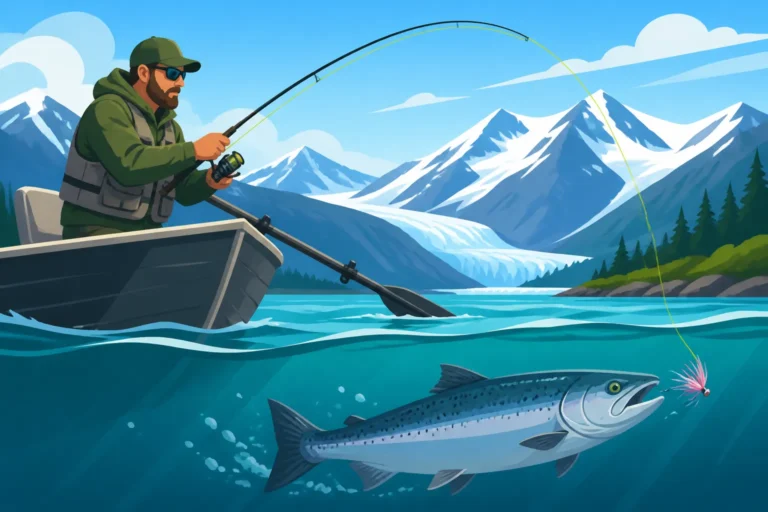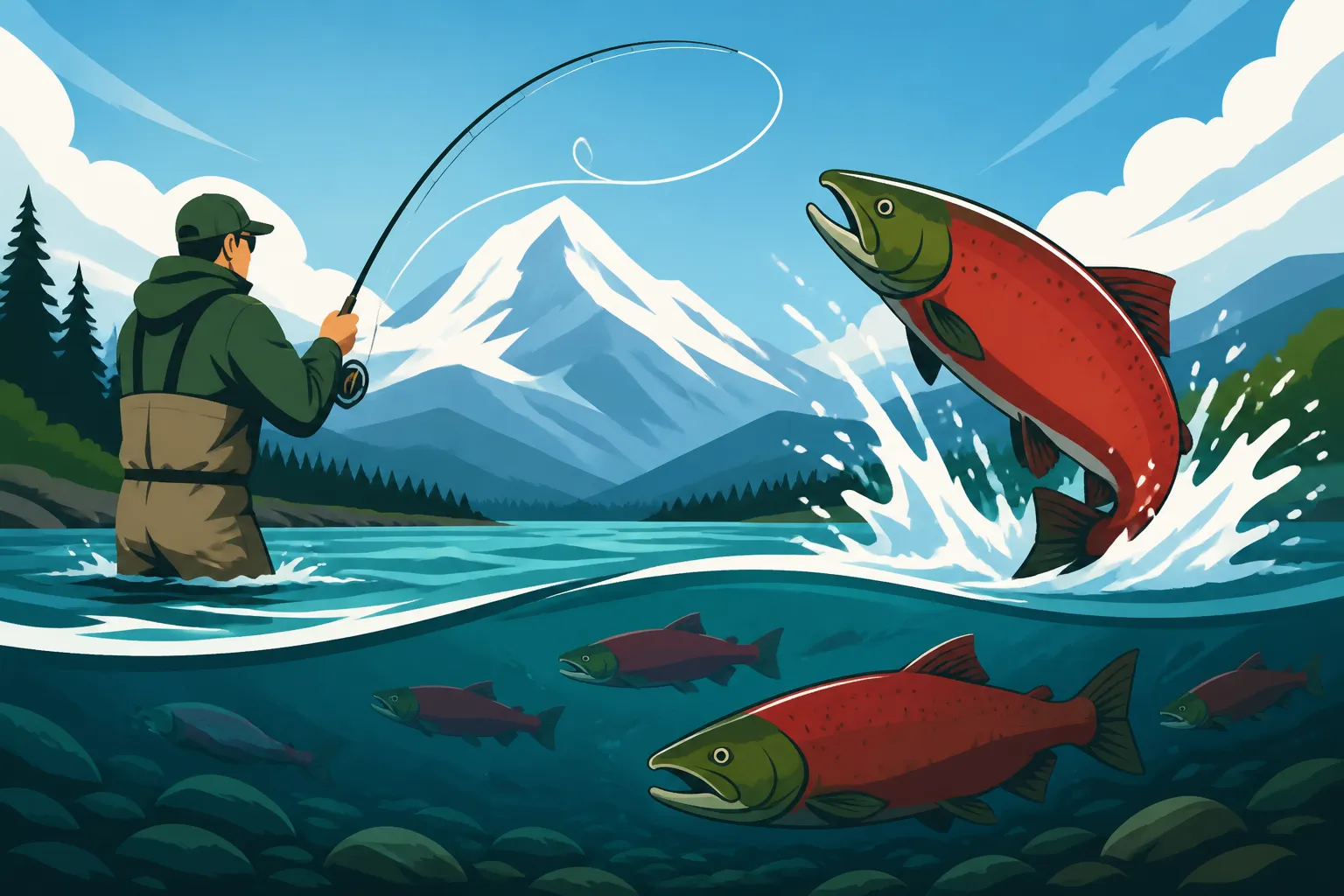
How to Fish the Tail End of a Salmon Run
It's a common story: you plan your Alaska fishing trip for weeks, aiming for the peak of the salmon run, only to arrive a bit late or find the fish thinning out. That feeling of missing the main show can be disheartening, making you wonder if you've wasted your journey. But don't pack up your gear and concede defeat just yet! Fishing the tail end of a salmon run isn't just possible; it can be incredibly rewarding, offering unique challenges and opportunities for those willing to adapt. This comprehensive guide will help you understand the dynamics of late-season salmon and equip you with the knowledge to find success when others might give up.
Understanding the Dynamics of a Fading Salmon Run
When the main pulse of salmon has pushed through, many anglers mistakenly believe the fishing is over. However, the "tail end" of a salmon run is a distinct phase with its own set of characteristics and challenges. It's not about catching the masses, but about targeting the stragglers, the late bloomers, and those fish that might be holding in specific areas longer than the main run. Understanding what these fish are doing and why they're still in the system is crucial for success.
Why Salmon Linger at the Tail End
Salmon don't all arrive at the spawning grounds at precisely the same moment. There's a natural spread to their migration, meaning some fish are simply later than others. These might be smaller, younger fish, or perhaps they encountered different oceanic conditions that delayed their journey. Additionally, fish that have already entered freshwater but haven't yet reached their final spawning beds might be holding in deeper pools or slower currents, conserving energy. They're still focused on their biological imperative to spawn, but their urgency might be less frenetic than during the initial surge. You can learn more about this general migration in our guide on the Alaska Salmon Run Timing Explained.
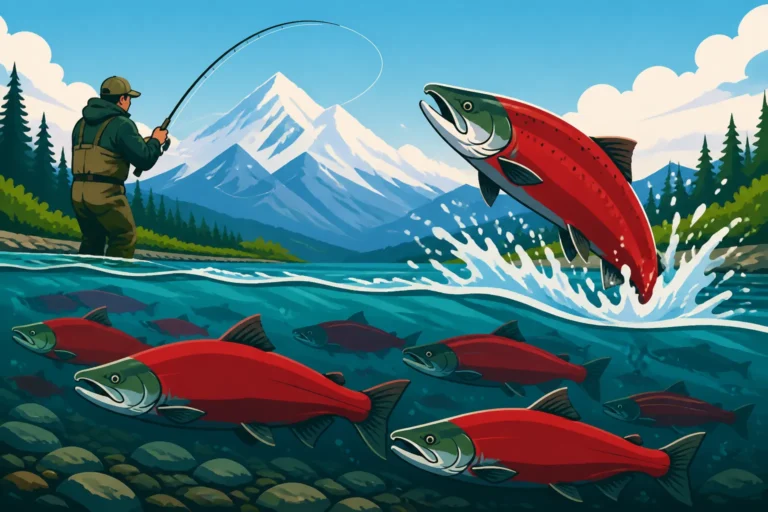
Consider a river like the Kenai or the Russian River during late July or early August for sockeye. While the legendary "combat fishing" for sockeye might be winding down, there are still plenty of fish in the system, albeit more spread out. These fish are often less aggressive, having been in freshwater for a while. They're no longer ravenously feeding but are instead holding, ripening, and becoming more focused on reproduction. This shift in behavior necessitates a change in strategy from anglers. It’s a completely different ballgame from targeting fresh, chrome-bright fish pushing hard upstream.
Changes in Salmon Behavior and Location
As the run progresses and transitions into its tail end, the salmon's behavior fundamentally changes. Fresh, ocean-bright fish are typically aggressive, eager to move upstream, and often respond well to traditional lures and presentations. However, late-season salmon, often referred to as "dark" or "spawned-out" fish (though many are still quite vibrant and haven't spawned yet), are more lethargic. Their bodies are undergoing significant physiological changes, turning from silver to various shades of red, green, or brown, and their focus shifts entirely to spawning.
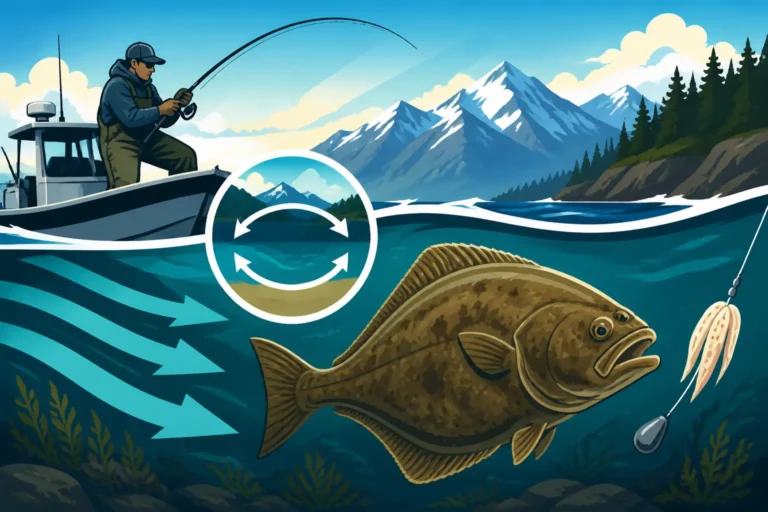
They tend to move out of the fast, main current and into slower, deeper holding water. Look for eddies, confluence points where smaller streams meet the main river, or the deeper sections of large pools. These areas provide sanctuary from strong currents and give them a chance to rest. They're less likely to chase a lure aggressively and more likely to respond to subtle presentations that drift naturally into their strike zone. Knowing When to Fish for Each Salmon Species in Alaska can also help you predict when different runs are truly ending.
Identifying Productive Tail-End Fishing Spots
Finding success at the tail end of a salmon run is largely about location, location, location. While the main schools might have passed, specific features in a river or stream will still hold fish. These aren't always the obvious spots that were teeming with activity during the peak, requiring a more nuanced understanding of salmon behavior in their final stages.
Deeper Pools and Slower Runs
As salmon spend more time in freshwater, they seek out areas that offer both cover and a break from the relentless current. Deeper pools, especially those with some sort of structure like submerged logs, large boulders, or undercut banks, become prime holding grounds. The slower current allows them to conserve energy, and the depth provides a sense of security from predators, both avian and mammalian.
Imagine standing on the bank of the Susitna River in late August, long after the primary silver salmon push. Instead of casting into the main channel, you'd focus on the deeper, darker water just downstream of a large bend, or that slow-moving eddy where the current seems to pause. These are the places where weary coho might be stacking up, waiting for their turn to move further upstream or preparing to spawn in a nearby tributary. These fish aren't going to be sprinting through; they're hunkering down.
Tributary Mouths and Spawning Beds
Another critical area to target during the tail end are the mouths of smaller tributaries. Many salmon species, particularly sockeye and coho, will stage at the confluence of a main river and a smaller, clearwater tributary before making their final push into the spawning stream. The cooler, cleaner water of the tributary can be a strong attractant, and it provides a final resting point before the arduous task of spawning.
Once fish have moved into these tributaries or shallower areas of the main river, they will often congregate over gravel beds that they intend to use for spawning. While it's generally discouraged to actively target spawning fish (due to ethical considerations and often regulations prohibiting it), understanding these locations helps you anticipate where fish will be before they settle onto redds. Look for areas with clean gravel and moderate flow. In places like the Kenai River, especially upriver towards Cooper Landing, these gravel beds become critical holding areas. Always be mindful of active redds – areas where fish are actively spawning – and avoid disturbing them.
Reading Water for Lingering Salmon
Successful late-season fishing demands a keen eye for reading water. During the peak, you might spot jumping fish or dark shapes moving through clear water. At the tail end, signs are more subtle. Look for subtle shifts in water color that indicate depth, small eddies where debris collects, or areas where the current breaks around unseen structure.
A good pair of polarized sunglasses is invaluable for spotting these subtle clues. You might see a flash of red beneath an undercut bank, or a group of sockeye gently fanning their tails over a patch of gravel. These observations, combined with an understanding of what makes a good holding lie, will dramatically increase your chances. Don't be afraid to slow down, observe, and really study the water before making your first cast. Sometimes, the most productive spots are those that look unimpressive to the casual observer, precisely because the fish there are not actively moving or jumping.
Effective Techniques for Late-Season Salmon
Catching salmon at the tail end of a run requires a significant shift in fishing techniques. Aggressive, fast presentations that work wonders on fresh, active fish often fail to entice the more lethargic, spawning-focused salmon. The key is subtlety, patience, and presenting your offering in a way that mimics natural food sources or triggers a territorial response rather than a feeding one.
Downsizing and Subtle Presentations
When salmon have been in freshwater for a while, their feeding instincts diminish significantly. They are running on instinct and stored energy. This means your approach needs to be more finessed. Often, this involves downsizing your gear and lure choices. Smaller spinners, more natural-looking beads, or even unweighted egg imitations can be far more effective than the larger, flashier presentations used earlier in the season.
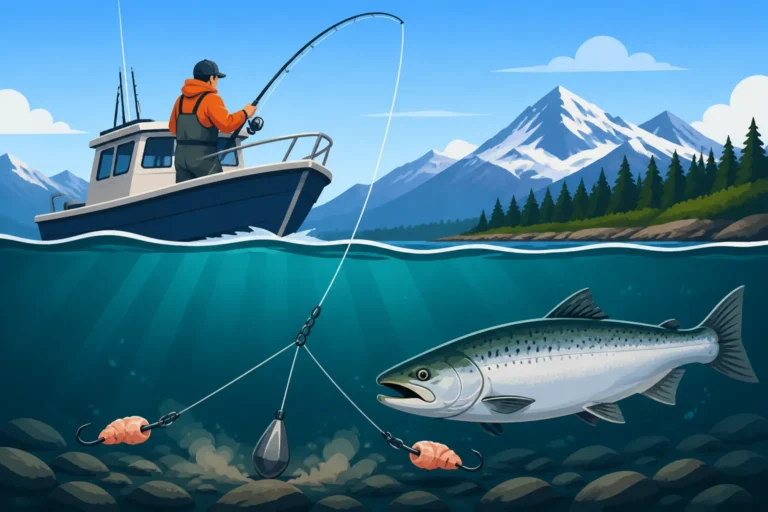
Consider drift fishing with a small cluster of cured salmon eggs (or a realistic artificial egg cluster) on a single, barbless hook. The goal is to get your bait or lure to drift naturally along the bottom, directly into the fish's strike zone. This requires precise weight adjustments – just enough to tick the bottom without dragging. For species like sockeye, which are notoriously difficult to entice with traditional lures once they've entered freshwater, flossing (a technique where the line passes through the fish's mouth and the hook catches externally) can be effective in designated areas, but regulations vary wildly. Always check the current Alaska Fishing Regulations Explained and specific emergency orders.
| Salmon Species | Preferred Tail-End Technique | Lure/Bait Suggestions | Key Considerations |
|---|---|---|---|
| King Salmon | Slow Trolling/Drift Fishing | Kwikfish, Spin-N-Glos, Large Egg Clusters | Deeper water, slow presentation, scent is crucial. |
| Sockeye Salmon | Flossing (if legal), Bead Fishing, Egg Patterns | Sockeye flies, Plastic beads (8-12mm), Single eggs | Precise depth, natural drift, target pods of fish. |
| Coho Salmon | Drift Fishing, Twitching Jigs, Casting | Pink/Chartreuse Jigs, Small Spinners, Coho Flies | Vary retrieve, target eddies, aggressive strikes often. |
| Chum Salmon | Drift Fishing, Casting Spinners/Jigs | Chartreuse/Pink Spinners, Large Jigs | Very aggressive biters even when dark, strong fight. |
Bead Fishing and Egg Patterns
For species like rainbow trout and Dolly Varden, which often follow salmon upriver to feast on their eggs, bead fishing or using egg patterns becomes incredibly productive at the tail end of the salmon run. These opportunistic feeders know that the salmon are spawning, and their primary food source for weeks will be loose eggs. Even residual salmon might strike at egg patterns, sometimes out of a territorial instinct to protect their own redds.
A typical bead setup involves a small plastic bead, usually 8mm-12mm in diameter, tied a couple of inches above a small, sharp hook. The bead mimics a single salmon egg, and the goal is to drift it naturally along the bottom in areas where salmon are spawning or have recently spawned. The key is selecting the right bead color (roe, peach, orange, red) to match the natural eggs in the water and ensuring a completely drag-free drift. You'll want to be familiar with your leader and tippet choices for this, and you can find many options on Amazon to stock up before your trip. Knowing How to Fly Fish in Alaska can significantly enhance your bead fishing skills, particularly for trout in these situations.
Twitching Jigs and Casting Small Spinners
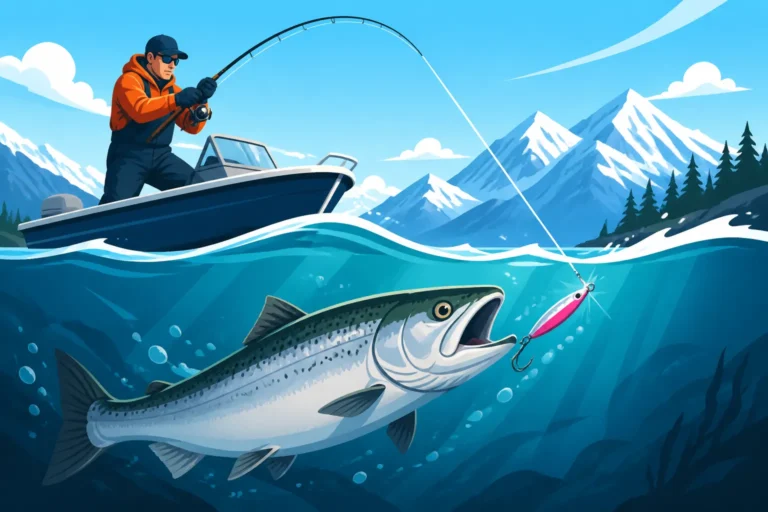
For coho (silver) salmon, even at the tail end, a twitching jig can be incredibly effective. Silvers retain a good degree of aggression in freshwater, and a jig that "twitches" or darts erratically can trigger a reactionary strike. Use jigs in classic coho colors like pink, chartreuse, or even purple, and retrieve them with short, sharp jerks, letting them fall between twitches. This mimics an injured baitfish or a territorial intrusion.
Similarly, casting smaller spinners, especially in lighter colors or with more subtle blade flashes, can still tempt a late-run coho or even a persistent chum salmon. Focus on casting into eddies, slower currents along cut banks, or the seams between fast and slow water. Allow the spinner to sink deeper than you might during the peak run, letting it work closer to where these fish are likely holding. For recommendations on what to bring, check out our Best Lures for Alaska Salmon and Best Bait for Alaska Salmon guides.
Essential Gear and Preparation for the Tail End
Fishing the tail end of a salmon run in Alaska means facing different conditions and requiring specific gear. The weather can be less predictable, fish behavior changes, and you'll often be targeting different types of fish (or the same fish in different moods). Being prepared is not just about comfort; it's about increasing your chances of success and staying safe.
Rods, Reels, and Line Considerations
For late-season salmon, versatility is key. While a heavy-duty salmon rod might be necessary for early-run kings, the tail end often benefits from slightly lighter, more sensitive setups. For sockeye and coho, a medium-heavy spinning or casting rod, typically 8.5 to 10 feet long, paired with a reliable reel spooled with 20-30 lb braided line and a fluorocarbon leader of 15-20 lb test, is a good all-around choice. The braid offers sensitivity to detect subtle takes, while the fluorocarbon provides invisibility and abrasion resistance against rocks and spawning salmon.
If you're primarily targeting trout or Dolly Varden that are feeding on salmon eggs, a lighter rod (e.g., an 8-9 foot moderate-fast action rod) with 8-12 lb monofilament or fluorocarbon main line will give you the finesse needed. For fly anglers, a 6-8 weight rod is usually sufficient for these smaller fish, though a heavier 9-10 weight might still be useful if you encounter a lingering silver or king. You can find many great options for specialized fishing lines and leaders from reputable brands on Amazon.
Weather-Appropriate Clothing and Safety Gear
Alaska's weather is notoriously fickle, and the shoulder seasons, where the tail end of runs often occur, can be particularly unpredictable. Expect anything from crisp sunny days to cold, driving rain, and even early snow flurries. Layering is paramount. Start with a moisture-wicking base layer, add a fleece or insulated mid-layer, and top it off with waterproof and windproof outerwear. Brands like Simms, Grundens, and Patagonia offer excellent performance and durability for Alaskan conditions, and while not all their products are on Amazon, some essentials definitely are.
Waders are almost always a must for river fishing in Alaska, allowing you to access prime spots and stay dry in chilly waters. Make sure your waders are free of leaks and your wading boots have good traction for slippery riverbeds. Beyond clothing, always carry bear spray, know how to use it, and keep it accessible. Late-season fishing often means fewer people on the river, increasing your chances of encountering wildlife. A first-aid kit, a headlamp, and a way to communicate (satellite messenger or fully charged cell phone) are also critical. For more in-depth advice, review our guide on Alaska Fishing Gear and Tackle Guide and How to Fish Safely Around Alaska Bears.
Adapting to Changing Conditions
The tail end of a salmon run can bring fluctuating water levels and clarity, especially after autumn rains. Rivers that were crystal clear during the peak might become murky, or conversely, low water levels might concentrate fish in specific pools. Always check current water conditions and forecasts before heading out. A river that’s blown out and muddy after a heavy rain might be unfishable for a day or two, but as it drops and clears, it could offer fantastic fishing as fish become more active again.
Having a range of lure colors and sizes to match changing water clarity is a smart move. Bright, flashy colors (like chartreuse or hot pink) work well in murky water, while more natural, subdued tones (like olive, brown, or black) are better for clear conditions. Don't be afraid to experiment with different presentations. Sometimes a slower retrieve, a longer pause, or a completely different lure choice is all it takes to trigger a bite from a reluctant fish. Flexibility and observation are your best allies when the season starts to wind down.
Regulations and Conservation at the Tail End
Fishing in Alaska always requires adherence to regulations, but at the tail end of a salmon run, these can become even more critical and nuanced. Emergency orders are common, bag limits might change, and ethical considerations for handling fish become more pronounced. Being a responsible angler is paramount to preserving Alaska's incredible fisheries.
Checking Emergency Orders and Bag Limits
Alaska Department of Fish and Game (ADF&G) managers are constantly monitoring salmon escapement numbers. If a run is weaker than expected, or if specific conservation goals aren't being met, emergency orders (EOs) can be issued at any time, even mid-season. These EOs can change bag limits, close fisheries, restrict gear (e.g., mandating single-hook, artificial lure only), or impose bait restrictions. During the tail end of a run, when fish numbers are naturally declining, EOs are particularly common to protect the remaining spawners.
It is your responsibility to check the latest EOs for the specific river and region you plan to fish immediately before you go out. The ADF&G website is the primary source for this information, often updated daily. Ignorance of an emergency order is not a valid defense if you are cited for a violation. You can learn more about this by reading Alaska Fishing Emergency Orders Explained. Always know your Alaska Fishing Limits and Bag Limits Explained before you cast a line.
Ethical Considerations and Handling of Dark Fish
As salmon progress towards spawning, their flesh quality naturally deteriorates. They invest all their energy into reproduction, and their meat becomes softer, paler, and less flavorful. These fish are often referred to as "dark" or "spawned-out" and are generally not considered good for eating. While technically legal to harvest if within regulations, many ethical anglers choose to release these fish to ensure they can complete their spawning journey.
If you do catch a dark fish, handle it with care. Minimize its time out of the water, use wet hands when handling, and release it gently. If the fish is visibly on a redd (a spawning bed), it's best to move on and avoid targeting it. Remember, the goal is to enjoy the fishing experience and support the sustainability of these incredible resources for future generations. Releasing these fish is an important part of responsible fishing and helps ensure the continuation of the salmon runs.
The Importance of a Harvest Record Card
For many salmon species, particularly kings and sometimes sockeye, you are required to record your catch on an Alaska Harvest Record Card immediately after retaining the fish. This is crucial for management purposes, helping ADF&G track harvest numbers and make informed decisions about future regulations. Even at the tail end of a run, accurately recording your catch is a legal requirement.
Failing to properly fill out your harvest card can result in a citation. Ensure you have your physical card with you, along with a pen, and understand the specific recording requirements for each species. Our guide on the Alaska Harvest Record Card Explained provides all the details you need to comply with this important regulation. Being diligent about this practice contributes directly to the data that protects these valuable fish populations.
Disclaimer
The information provided in this guide is for general informational purposes only and is subject to change. Fishing regulations in Alaska are complex and dynamic, often changing rapidly due to emergency orders from the Alaska Department of Fish and Game. Always consult the official ADF&G website and current regulations before planning and executing any fishing trip in Alaska. Adherence to all local, state, and federal laws is the sole responsibility of the angler.