Back-Trolling in Alaska: How-To Guide
One of the biggest frustrations when fishing Alaska's powerful, glacial rivers is trying to present your lure effectively in strong currents without constantly getting snagged or missing prime holding water. It can feel like your bait is flying past the fish, or worse, just dragging lifelessly. This comprehensive guide is here to walk you through the art of back-trolling in Alaska, a hugely effective technique that allows you to slow down, cover key areas thoroughly, and entice even the most stubborn salmon to strike.
Understanding Back-Trolling in Alaska
When you think of trolling, you probably picture a boat moving forward, pulling lures behind it. But in Alaska, especially on its iconic salmon rivers, the game often changes, and a different approach becomes king: back-trolling. This isn't just a slight variation; it's a fundamental shift in how you interact with the river's flow and its fish.
What Exactly is Back-Trolling?
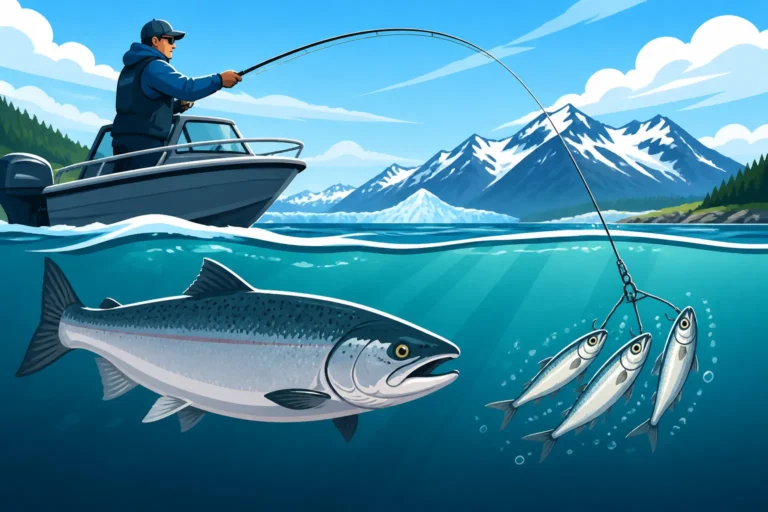
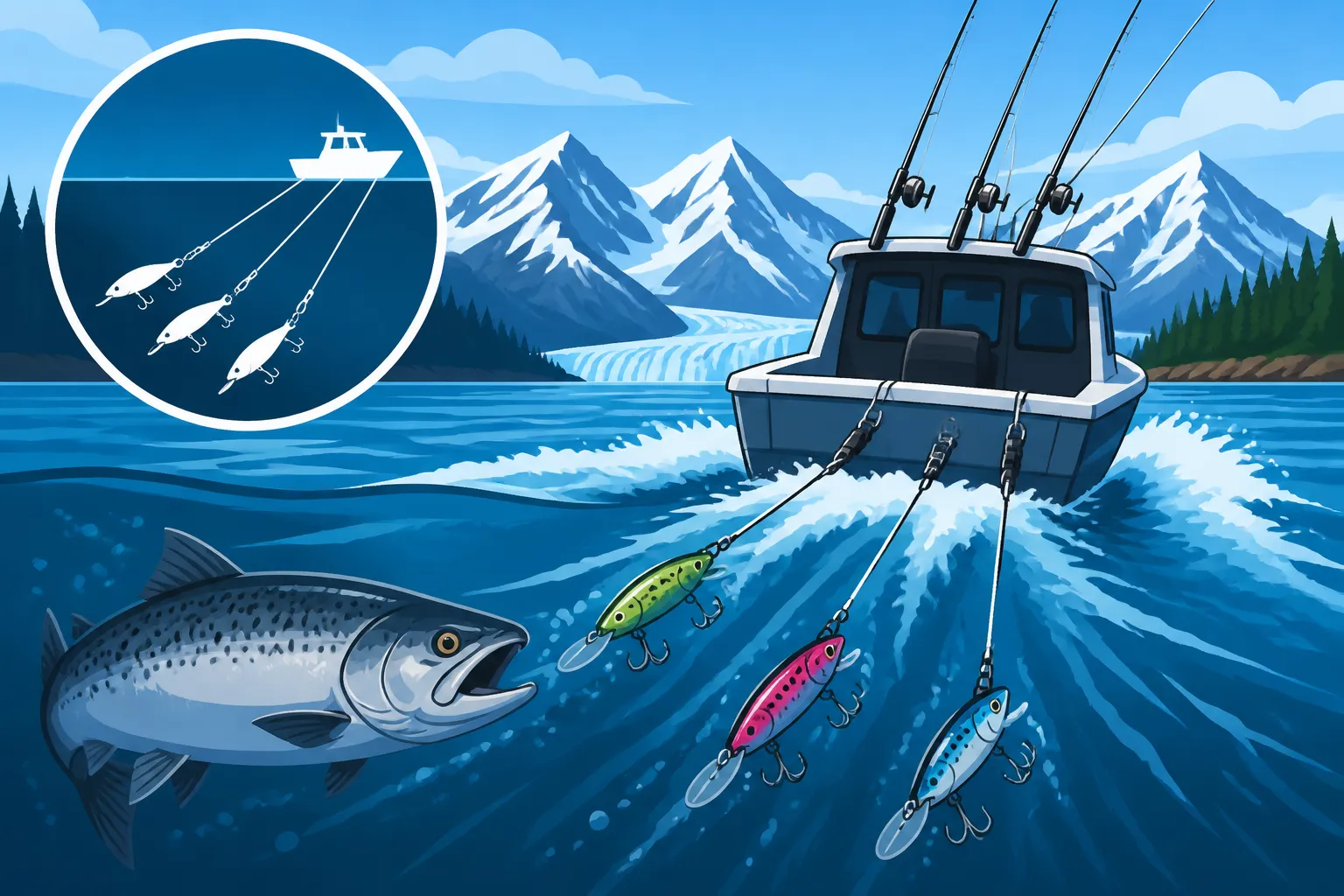
Back-trolling is a controlled downstream movement where your boat is either held stationary or moved slowly downstream against the current, typically with the bow facing upstream. Instead of rushing past potential holding lies, you're using your motor (often a kicker motor on a larger vessel, or the main motor in reverse thrust) to precisely control your drift. Your lines, with their carefully chosen lures and baits, are deployed downstream from the boat, and the current does much of the work, making your presentation look incredibly natural. The boat's movement is just enough to keep the lines relatively taut and allow the lures to "work" – that characteristic wobble or spin that attracts salmon.
Imagine floating down a river in a kayak, but instead of just letting the current take you, you’re constantly paddling gently upstream to slow your progress to a crawl. That’s essentially what a back-trolling boat is doing. This meticulous control allows you to keep your offering in the strike zone for extended periods, right in front of fish that might otherwise ignore a fast-moving bait. It’s a dance with the river, where the angler leads by reacting to the current and the boat responds.
Why Back-Troll in Alaska's Rivers?
The reasons for back-trolling's popularity in Alaska are as numerous as the salmon runs themselves. First and foremost, it’s about natural presentation. Alaska’s rivers, like the Kenai or Kasilof, are often wide, deep, and have powerful currents. Salmon, particularly migrating ones, hold in specific areas – seams, eddies, deep holes, or along submerged structure – to conserve energy. A lure presented naturally, almost hovering or slowly pulsing in their face, is far more likely to trigger a strike than one zipping by at speed.
Secondly, back-trolling allows for unparalleled water coverage. Instead of making multiple passes over the same stretch, you can slowly work a prime piece of water, allowing every angler on board to methodically present their lure. This is particularly effective when targeting powerful fish like King Salmon, which can be notoriously finicky. When you're fishing for these majestic creatures, you want every advantage you can get. Mastering this technique also reduces snags in turbulent or shallow areas because you have more direct control over your lure's position relative to the bottom and can make immediate adjustments if you feel it dragging. It’s a strategic, patient, and ultimately highly rewarding way to fish the Last Frontier's formidable waters.
Essential Gear for Alaska Back-Trolling
Heading out onto Alaska's rivers for a back-trolling adventure means you need gear that can stand up to powerful currents, potentially massive fish, and the often-demanding Alaskan weather. This isn't the time for lightweight trout setups; you need robust, reliable equipment that can handle the heavy lifting required when a true "barn door" King or a feisty Coho decides to smash your lure.
Rods and Reels for the Job
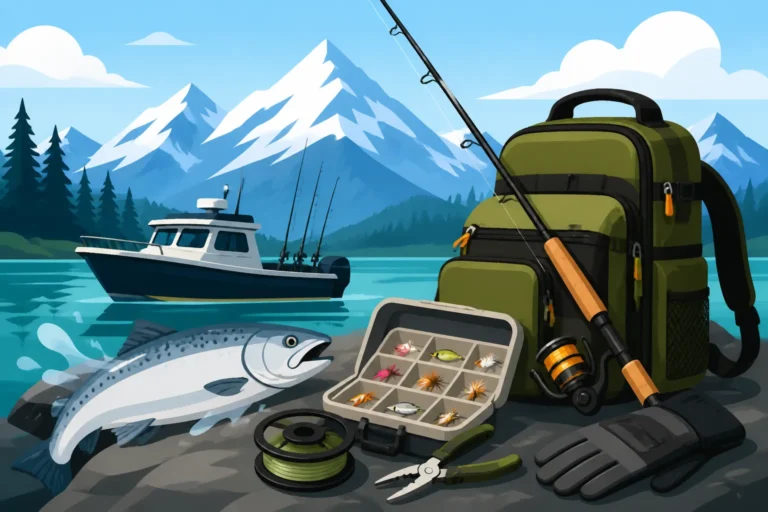
For back-trolling in Alaska, especially when targeting King Salmon, your rod and reel setup is paramount. You'll typically want a medium-heavy to heavy power rod, usually between 8.5 to 10.5 feet in length. The extra length helps with line management, cushioning powerful runs, and keeping your lure clear of the boat and other lines. Look for a moderate-fast action, which provides enough backbone to fight big fish and cast heavier lures, but also enough tip flexibility to absorb headshakes and prevent hooks from pulling free. Brands like Lamiglas and Fenwick are popular choices among Alaskan anglers for their durability and performance.
Paired with this, a robust baitcasting or level-wind reel is essential. These reels offer the line capacity and drag power needed to control large salmon in strong currents. Models like the Abu Garcia C3 or C4 series, or the Shimano Tekota line, are workhorses in Alaska. Fill your reel with a strong braided line, typically 50-80 lb test, as braid offers incredible sensitivity and minimal stretch, which is crucial for feeling subtle bites in current and setting the hook effectively. Many anglers then add a 30-50 lb monofilament or fluorocarbon leader, anywhere from 4 to 8 feet long, attached with a strong knot like a FG or Albright, to provide some stretch and make the line less visible to fish. For a wide selection of these essential items, including robust line, durable rods, and reliable reels, many anglers find great deals and options on Amazon.
Tackle, Lures, and Baits
The right tackle makes all the difference when back-trolling. Your terminal tackle usually consists of a three-way swivel, a heavy lead sinker (often 8-16 ounces, depending on current and depth), and a leader of appropriate length to your lure or bait. The sinker should be rigged on a dropper line of lighter test than your main line, so if it snags, you only lose the weight, not your entire rig.
When it comes to lures, specific plugs are practically legendary in Alaska for back-trolling. The Kwikfish (especially the K15 or K16 sizes) and FlatFish (U20, T60 models) are absolute staples. These lures have a distinctive wide wobble that salmon can't resist, and they’re designed to dive and work effectively in current. Brands like Luhr Jensen offer various sizes and colors to match different conditions and species. Newer additions like the Mag Lip (3.5 or 4.0 sizes) have also gained immense popularity for their aggressive action and ability to dive deep. Color choices can vary, but common effective patterns include metallic finishes (silver, gold), bright colors (chartreuse, hot pink, orange), and contrasting combinations. Sometimes, a subtle black or natural baitfish pattern will outperform everything else.
To make these lures even more enticing, many anglers "tip" them with bait. Cured salmon eggs, herring fillets, or even a small piece of squid are common additions. The scent trail these baits leave in the water can be a game-changer, drawing fish in from a distance. The precise way you rig your bait, ensuring it doesn't impede the lure's action, is crucial. For example, a small piece of herring threaded onto a Kwikfish's trailing hook adds both scent and a fluttering action that can be irresistible. You can often find pre-rigged herring or various salmon egg curing kits on Amazon to prepare for your trip.
Mastering Back-Trolling Techniques
Back-trolling isn't just about dropping a line in the water; it's a nuanced skill that requires constant attention to the river, your boat, and your gear. The more precisely you execute these techniques, the higher your chances of success, especially when you're after those elusive King Salmon.
Reading the River and Positioning Your Boat
Success in back-trolling starts with understanding the river you're fishing. Salmon, particularly migrating fish, aren't just everywhere; they follow specific travel lanes and hold in certain areas to rest, escape current, or ambush prey. You need to become an expert at reading the water to identify these prime fishing lies. Look for current seams where fast water meets slower water, deep channels, gravel bars that drop off into deeper holes, the downstream side of large boulders or submerged timber, and significant eddies. These are all high-percentage spots where salmon are likely to be holding. You can learn more about finding these areas in our guide on the Best Fishing Spots in Alaska.
Once you've identified a promising area, positioning your boat is critical. You'll typically want to approach upstream and begin your back-troll well above the suspected fish-holding lie. The goal is to move downstream at a speed slightly slower than the current, or just fast enough to allow your lure to "work" properly, but slow enough to give the fish ample time to see and react to your offering. This is achieved by engaging your motor in reverse, using just enough throttle to counteract the current's push. On wider rivers, guides often employ powerful kicker motors or even bow-mounted electric trolling motors in conjunction with the main motor to maintain precise boat control. You’re constantly making micro-adjustments to stay on course, whether it’s to follow a depth contour or stay in a productive current seam. The boat's speed should allow your line to maintain a roughly 45-degree angle to the water, giving your lure its characteristic action without washing out or dragging on the bottom excessively.
The Art of Presenting Your Lure
With your boat positioned, the real artistry of back-trolling begins: presenting your lure naturally. After deploying your lines downstream, the trick is to get your lure to the desired depth and maintain its action. The amount of line you let out, combined with the weight of your sinker and the speed of your boat, determines how deep your lure runs. You want your lure to be consistently in the strike zone, often just above the river bottom where salmon are holding. Many anglers will feel their sinker periodically "tick" the bottom, indicating they're at the right depth.
Once the lure is down, pay close attention to its action. A well-tuned Kwikfish or Mag Lip will have a distinct thumping or vibrating feel that transmits up the rod. If you don't feel this, your lure might be fouled, or you might be moving too fast or too slow. Experiment with your boat speed and line length until you get that perfect "thump." This consistent action is what triggers aggressive strikes. When a salmon hits, it’s often not a subtle tap; it can be a violent jerk that nearly rips the rod from your hands. Resist the urge to yank back immediately. Instead, let the fish take the rod tip down, then apply firm, steady pressure to set the hook. Sometimes, a salmon will just grab the lure and turn, and you'll feel a sudden heaviness. In these cases, a quick reel-down to remove slack and a solid hook set are essential.
Common Back-Trolling Mistakes and How to Avoid Them
Even seasoned anglers can make mistakes when back-trolling, and recognizing them is the first step to becoming more effective. One of the most common errors is moving too fast or too slow. If you're moving too fast, your lure might "wash out" – losing its enticing action – and rush past fish. Too slow, and it might just drag lifelessly or spend too much time snagged on the bottom. The key is finding that sweet spot where the lure works optimally, which requires constant adjustment to the ever-changing river current.
Another frequent misstep is incorrect depth control. If your lure is too high, it's above the fish. Too low, and you're constantly snagging. As mentioned, aiming for occasional bottom "ticking" is often a good indicator you're in the zone. Modern fish finders are invaluable here, helping you track depth contours and even spot fish. Not adjusting to changing conditions is also a killer. River levels can fluctuate, current speeds can vary, and even the fish's preferred holding depth can change throughout the day. A successful back-troller is always adapting their weight, line length, and boat speed. Finally, missing strikes can be frustrating. Sometimes a bite is incredibly aggressive, other times it’s a subtle "tick" or just added weight. Don't be afraid to set the hook firmly at any unusual sensation, especially if you're using braided line which transmits every bump. You can also refer to our guide on How to Set the Hook on Alaska Sockeye for specific tips.
Targeting Specific Alaska Salmon Species with Back-Trolling
While back-trolling is a versatile technique, subtle adjustments in approach can significantly increase your success when targeting different species of Alaska salmon. Each species has its own preferences, and understanding these nuances will make you a much more effective angler.
Back-Trolling for King Salmon
When you're talking about King Salmon in Alaska, you're talking about the pinnacle of freshwater sportfishing for many anglers. These powerful fish are often found in the deepest, slowest parts of the river, conserving energy as they migrate upstream. Back-trolling is arguably the most effective way to target them in these conditions. When pursuing Kings, focus on large, aggressive plugs like the Kwikfish K15/K16 or Mag Lip 4.0. Bright, contrasting colors like chartreuse, hot pink, or metallic silver and gold are often irresistible, especially when the water is murky from glacial melt. However, don't shy away from more natural baitfish patterns on clear days.
The key to back-trolling for King Salmon is to get your lure right into their face, without spooking them. This often means running your lures deep, frequently ticking the bottom. Adding cured salmon roe or a herring fillet to your plug's trailing hook is almost standard practice, as the scent trail can be the final trigger for a hesitant King. Focus your efforts in known King Salmon holding lies – deep holes, current breaks behind large rocks, or the slower water along cut banks. The Alaska King Salmon Run Timing typically sees these giants entering rivers from late May through July, with different rivers having peak times. For instance, the Kenai River and Kasilof River are famous for their King Salmon runs, and understanding the specific Alaska King Salmon Fishing Regulations and Limits is crucial. Remember that when a King hits, be prepared for a fight of a lifetime; these fish are notorious for powerful, line-stripping runs. You can find more detailed advice on How to Catch King Salmon in Alaska in our other guides.
Back-Trolling for Silver Coho Salmon
Silver Salmon, or Coho, present a different challenge and often prefer slightly different back-trolling tactics than their larger King cousins. Cohos are known for their aggressive strikes, acrobatic fights, and often hold in shallower, faster water, or near cover like submerged logs and overhanging brush. While they will hit large plugs, smaller versions like the Kwikfish K13 or Mag Lip 3.5 can be incredibly effective. Unlike Kings, Cohos are often more willing to chase, so a slightly faster back-troll speed can sometimes be beneficial to trigger a reaction strike.
Lure colors for Coho can vary wildly, but bright colors like chartreuse, orange, pink, and even blue are often top producers, especially in clearer water. Many anglers will also add a small piece of cured roe or even a vibrant yarn tag to their plug's hook for added scent and visual appeal. When back-trolling for Cohos, pay attention to the edges of current seams, medium-depth gravel bars, and areas where baitfish might congregate. Cohos are typically found in rivers from late July through September, with the Alaska Coho Salmon Run Timing extending well into the fall. While they might not reach the sheer size of King Salmon, their energetic fights on lighter gear are incredibly thrilling. Learning How to Catch Silver Salmon in Alaska often involves a combination of back-trolling and occasionally incorporating a twitch or pause into your lure presentation to mimic a wounded baitfish, which Cohos can find irresistible.
Here's a quick comparison of popular lures for back-trolling different salmon species:
| Lure Type | Common Sizes (for Back-Trolling) | Primary Species | Key Features | Popular Colors |
|---|---|---|---|---|
| Kwikfish | K15, K16 (Kings), K13 (Cohos) | King, Coho | Wide, deep wobble; dives well in current | Chartreuse, Hot Pink, Metallic Silver/Gold, Fire Tiger |
| FlatFish | U20, T60 (Kings), F7 (Cohos) | King, Coho | Classic flatfish profile; strong vibration | Glo-Orange, Metallic Blue, Green Chartreuse, Black/White |
| Mag Lip | 4.0 (Kings), 3.5 (Cohos) | King, Coho | Aggressive, high-action wobble; deep diving | Metallic Green, Hot Pink, Chartreuse, Blue/Silver, Purple |
| Brad's Wiggler | W20, W30 (Kings), W10 (Cohos) | King, Coho | Similar to Kwikfish, strong thumping action | Metallic Red, Blue/Silver, UV Green, Clown |
Safety and Regulations for Back-Trolling in Alaska
Fishing in Alaska offers some of the most spectacular angling experiences on the planet, but it also comes with unique challenges. Safety on the water and strict adherence to regulations are not just good practices—they are absolutely essential for a successful, legal, and memorable trip.
Navigating Alaska's Rivers Safely
Alaska's rivers are wild and untamed, and they demand respect. When back-trolling, you're often in relatively swift currents, navigating around unseen hazards. River hazards can include submerged logs (known as "sweepers" or "deadheads"), shifting gravel bars, shallow spots, and powerful eddies that can spin a boat around unexpectedly. Always wear your life jacket, and ensure everyone on board has one properly fitted. It's not just a rule; it's a lifesaver.
Weather in Alaska can change in an instant. A sunny morning can turn into a cold, rainy, and windy afternoon in minutes. Always check the local forecast before heading out, and be prepared for all conditions. This means dressing in layers with appropriate rain gear and insulating clothing, even in summer. Ensure your boat is in top mechanical condition, with a fully charged battery, ample fuel, and emergency supplies like flares, a first-aid kit, a repair kit, and extra communication devices beyond your cell phone, which often has no service in remote areas. Filing a float plan with a trusted contact who knows your route and expected return time is also a wise precaution. If you're going to be out on the water for an extended period, consider taking a marine VHF radio or a satellite communication device like a Garmin inReach.
Understanding Alaska Fishing Regulations
Alaska has some of the most robust and complex fishing regulations in the country, designed to protect its precious fish stocks. Before you even think about dropping a line, you must have an Alaska Fishing License: Complete Guide, and for non-residents, understanding the Alaska Non-Resident Fishing License Guide is especially important. Beyond the license, you need to familiarize yourself with the specific rules for the area you're fishing, the species you're targeting, and the time of year. Our comprehensive guide on Alaska Fishing Regulations Explained is an excellent resource.
Regulations frequently change, sometimes daily, especially for highly managed species like King Salmon. These changes, known as Emergency Orders, can close fisheries, change bag limits, or alter gear restrictions. Always check for Alaska Fishing Emergency Orders Explained before you head out. These can be found on the Alaska Department of Fish and Game (ADF&G) website or by calling their local offices. For example, some rivers may have specific bait restrictions, such as "single-hook, artificial lure only" rules during certain periods or for certain species. You might also need an Alaska Harvest Record Card Explained to track your catch for certain species, like King Salmon, which often have specific annual limits, especially for non-residents. Ignorance of the law is no excuse, and Alaska takes its conservation efforts very seriously, with significant fines and penalties for violations.
Disclaimer
The information provided in this guide is for general informational purposes only and does not constitute legal or professional advice. Fishing regulations in Alaska are complex and subject to frequent change. Always consult the most current Alaska Department of Fish and Game (ADF&G) regulations, emergency orders, and local advisories before engaging in any fishing activities. Ensure you possess all necessary licenses and stamps. Fishing carries inherent risks; always prioritize safety and be prepared for adverse conditions.